
Honoring Our Heroes: Special Roofing Discounts for Veterans and First Responders in Columbia, SC

At Cola City Roofing, we’re proud to give back to the people who give so much to our community. Veterans, educators, and first responders keep Columbia strong, and we believe they deserve the same kind of protection they provide for others — starting with a solid, dependable roof. That’s why we offer exclusive veteran roofing discounts in Columbia, SC, along with special savings for first responders and teachers. Whether it’s a quick repair or a full roof installation, our goal is to make high-quality roofing affordable for those who serve. Why Cola City Roofing Gives Back to Those Who Serve Our company is built on a foundation of integrity, craftsmanship, and a deep sense of community. We are more than just a roofing company in Columbia, SC; we are your neighbors. Our team lives and works here in the Midlands, and we believe that a strong community is built by supporting one another. This belief is at the core of everything we do, from the quality of our work to the way we treat our customers. Our mission has always been simple: “We treat your family home as if it were our own.” This guiding principle means we never cut corners and always prioritize your safety and long-term satisfaction. For us, giving back to veterans, first responders, and educators is a natural extension of our values. These are the individuals who dedicate their lives to serving others, whether on the front lines, in our neighborhoods, or in our classrooms. They protect our country, keep our streets safe, and educate the next generation. We feel it’s our privilege and responsibility to show our gratitude in a tangible way. By offering special roofing discounts, we hope to make it easier for these community heroes in Columbia, Lexington, Irmo, Blythewood, Cayce, and West Columbia to protect their own homes and families. It’s our small way of saying thank you for their immense contributions. Roofing Discounts for Veterans, Educators, and First Responders To formalize our commitment to our local heroes, we created the Cola City Roofing “Hero Roofing Program.” This program provides exclusive savings as a thank you for your service. We believe that a safe, durable roof shouldn’t be a financial burden, especially for those who have already given so much. Our Hero Roofing Program is open to: Active-duty military members and veterans of all branches of the U.S. Armed Forces. First responders, including police officers, firefighters, and emergency medical technicians (EMTs). Educators, including teachers and administrators in our local school systems. The discount applies to a wide range of our services, ensuring you can get the help you need, when you need it. This includes: Full Roof Replacements: A significant discount on the total cost of a new roof installation. Roof Repairs: Savings on everything from minor leak repairs to more extensive damage fixes. Storm Damage Support: We apply the discount to your portion of the cost after insurance, helping to reduce your out-of-pocket expenses. This program is designed to be straightforward and easy to use. It can be combined with our flexible roof financing options in Columbia, SC, making a major project like a roof replacement even more manageable. Every project begins with a free, no-obligation roof inspection, where we’ll assess your needs and provide a clear, honest quote with your hero discount already applied. How to Apply Your Discount in Columbia, Lexington, and Nearby Areas Claiming your hero discount is a simple and seamless part of our process. We want to make it as easy as possible for you to get the savings you deserve. There are no complicated forms or lengthy approval processes. Here is the simple, step-by-step process: Schedule Your Free Roof Inspection: Contact us to set up a convenient time for one of our experts to visit your home. You can call us or fill out the form on our website. We serve homeowners throughout the Midlands, including Columbia, Irmo, Lexington, Blythewood, Cayce, and West Columbia. Mention Your Service: When you schedule your appointment, or when our inspector arrives at your home, simply let us know that you are a veteran, first responder, or educator. A simple mention is all it takes to ensure your discount is noted. Receive Your Discounted Quote: After our thorough inspection, we will provide you with a detailed, transparent quote for the recommended work. Your hero discount will be clearly itemized on the estimate, showing you the exact amount you are saving. That’s it. Your discount will be applied directly to the final cost of your roof repair or installation. We are proud to make high-quality roofing more affordable for the heroes in our community. Real Results: Roof Projects That Made a Difference Words are important, but the real impact of our Hero Roofing Program is best seen through the projects we’ve completed for local heroes. These are more than just roofing projects in Columbia, SC; they are stories of community partnership and gratitude. One of our recent projects was for a retired Army veteran in Lexington whose 20-year-old roof had sustained significant damage after a hailstorm. He was concerned about the cost of a full replacement and the hassle of dealing with his insurance company. Our team performed a free inspection, documented all the storm damage, and met with the insurance adjuster on his behalf to ensure a fair assessment. Once the claim was approved, we applied his veteran roofing discount to his deductible, significantly reducing his out-of-pocket cost. “Cola City Roofing was a blessing,” he told us. “They handled everything with the insurance and made the whole process stress-free. The discount was a huge help, and the new roof looks fantastic. It’s good to know there are local companies that still care about veterans.” We replaced his old, damaged roof with a modern architectural shingle system that will protect his home for decades. In another instance, we worked with a first responder in Irmo who had a persistent leak that two other companies had failed to
How Our Roofers Handle Storm Damage Repairs in Ballentine, SC
When a severe storm hits Ballentine, the last thing you want to worry about is the integrity of your roof. High winds, driving rain, and hail can cause damage that isn’t always visible from the ground, putting your home at risk for leaks and long-term structural issues. Understanding how our roofers handle storm damage repairs in Ballentine, SC, can give you peace of mind and a clear path forward. At Cola City Roofing, we treat your family’s home as if it were our own, combining local expertise with a commitment to honesty and exceptional service. Storm Damage Roofing Experts You Can Trust in Ballentine, SC Living in the Midlands means being prepared for unpredictable weather. From seasonal thunderstorms to the remnants of coastal hurricanes, Ballentine experiences its fair share of wind and hail events that can take a serious toll on residential roofs. When you’re searching for “roofers near me Ballentine” after a storm, you need a team that not only understands the local weather patterns but also has a proven track record of excellence. Cola City Roofing is that local roofing company in Ballentine. Our deep experience in the area means we’ve seen it all. We know exactly what to look for after a hail storm or a night of damaging winds. Our reputation is built on providing reliable, transparent, and high-quality storm damage roof repair in Ballentine, SC. We are your neighbors, dedicated to protecting our community one home at a time. We’re proud to be a BBB Accredited business with an A+ rating, a distinction that reflects our unwavering commitment to customer satisfaction and ethical practices. When you call us, you’re not just hiring a contractor; you’re partnering with a team that values your trust and works tirelessly to earn it. Our Step-by-Step Roof Repair Process After a Storm A damaged roof can be incredibly stressful for a homeowner. To make the restoration process as smooth and worry-free as possible, we’ve developed a clear, step-by-step approach. This ensures you know exactly what to expect from the moment you call us until the job is complete. We believe transparency is key, so we keep you informed with frequent updates and photos throughout the project. Our process is designed for efficiency, quality, and your complete peace of mind. Step 1 – Detailed Roof Inspection and Damage Assessment The first and most critical step is a thorough evaluation of your roof’s condition. A quick glance from the street simply isn’t enough to identify all potential issues. Our comprehensive roof inspection in Ballentine, SC is a meticulous process designed to catch everything. Our trained experts conduct a multi-point check that includes both ground-level and on-roof examinations. We document our findings with detailed photographs, giving you a clear visual record of any and all damage. What we look for during a storm roof damage assessment: Missing or Damaged Shingles: High winds can lift, curl, or completely tear off shingles, leaving your roof’s underlayment exposed to the elements. Hail Impact Marks: Hailstones leave behind bruises or dents on asphalt shingles, which can compromise their protective granular coating and lead to premature aging and leaks. Cracks and Punctures: Debris flung by the wind can create significant punctures or cracks in roofing materials. Damage to Flashing, Vents, and Seals: We inspect the metal flashing around chimneys, vents, and skylights, as these are common failure points where water can penetrate. Gutter and Downspout Damage: Your gutter system is your roof’s partner in water management. We check for dents, blockages, or detachment caused by the storm. We provide this detailed hail damage roof inspection at no cost or obligation to you. Our goal is to give you a complete and honest picture of your roof’s health so you can make an informed decision without any pressure. Step 2 – Temporary Roof Repairs and Weatherproofing Once we’ve identified the damage, our immediate priority is to protect your home from further harm. Water intrusion can lead to costly interior repairs, mold growth, and damage to your home’s structural framework. To prevent this, we offer prompt and effective temporary solutions. If your roof has been significantly compromised, our team can perform an emergency roof repair in Ballentine to secure the area. This often involves temporary roof tarping, where we securely fasten a heavy-duty, waterproof tarp over the damaged sections of your roof. This is a crucial measure that acts as a powerful barrier against rain while we coordinate the permanent repairs. Our crew is trained to install these tarps correctly, ensuring they can withstand further wind and rain without causing additional damage to your shingles. For smaller issues, we can apply professional-grade sealants to fix a storm roof leak and provide immediate protection. This weatherproofing step is vital for safeguarding your property and is often a required step for insurance claims to show you’ve mitigated further damage. Step 3 – Comprehensive Repair or Full Roof Replacement With your home protected, we can determine the best long-term solution. The extent and nature of the storm damage will dictate whether targeted repairs are sufficient or if a full roof replacement in Ballentine, SC is the safer, more cost-effective option. We will walk you through our findings, explaining the pros and cons of each path. Our recommendations are always based on what is best for the longevity of your roof and the safety of your home. Roof Repairs: If the damage is localized to a specific area, we can often perform a seamless repair. This involves removing the damaged shingles and underlayment, inspecting the decking for any moisture damage, and installing new materials that match your existing roof as closely as possible. We handle all types of wind damage roof repair with precision. Full Roof Replacement: Sometimes, widespread hail damage or the age of the roof makes a full replacement a smarter investment. A new roof not only solves all existing problems but also provides you with a long-term warranty and enhanced protection. We use high-quality materials, including durable architectural
Choosing the Right Roofer in Ballentine, SC After Storm Damage
A heavy storm passing through Ballentine can leave homeowners feeling stressed and uncertain. Once the wind dies down and the rain stops, the first thing on your mind is often the state of your roof. You might see a few shingles in the yard, notice a new water spot on the ceiling, or just have a nagging feeling that something isn’t right. In these moments, choosing the right roofer in Ballentine, SC after storm damage is one of the most important decisions you’ll make to protect your home. The contractor you hire will not only fix the immediate issues but also ensure your home is secure for years to come. This guide is here to walk you through the process, helping you find a trustworthy, local professional who will treat your home as if it were their own. Why Hiring the Right Storm Damage Roofer Matters After a storm, the roofing business can feel like the Wild West. You need more than just someone who can nail down shingles; you need a specialist. Post-storm roofing work is fundamentally different from a routine repair or a planned replacement. The damage isn’t always obvious. High winds can lift and bend shingles without tearing them off, breaking the sealant underneath and creating a hidden entry point for water. Hail can leave small, almost invisible dents that compromise the shingle’s protective outer layer, leading to accelerated aging and leaks months or even years later. This is where the expertise of a true storm damage professional becomes critical. A qualified local roofing contractor in Ballentine knows exactly what to look for. Their process begins with a detailed roof inspection in Ballentine, SC, where they document not just the visible damage but also the subtle signs of trauma that an untrained eye would miss. They understand the mechanics of how wind, hail, and flying debris affect a complete roofing system, from the shingles and flashing to the underlayment and decking. The biggest risk homeowners face is hiring unlicensed or out-of-town “storm chasers.” These companies often travel from state to state, following bad weather. They knock on doors, promise quick fixes at unbelievably low prices, and pressure you into signing a contract on the spot. While the offer might seem tempting, the results are often disastrous. They may use substandard materials, perform shoddy work that fails within a year, and disappear as quickly as they arrived. When their repairs fail, they are nowhere to be found, leaving you with a voided warranty and a bigger, more expensive problem. Choosing the right expert for storm damage roof repair in Ballentine, SC means partnering with someone who understands the entire restoration process, including the often-confusing world of insurance claims. They act as your advocate, ensuring all damage is properly documented and communicated to your insurance adjuster. This ensures you get the full and fair coverage you’re entitled to, preventing you from paying out-of-pocket for storm-related damages. What to Look for in a Reputable Roofing Contractor Finding a trustworthy roofer in the aftermath of a storm can feel overwhelming. To make it easier, treat it like a hiring process. A great roofer will gladly provide the information you need to feel confident in your decision. Here is a straightforward checklist to help you identify a reputable, professional contractor. Verify Licensing and Insurance This is the absolute most important first step. A roofer’s license and insurance are not just formalities; they are your primary forms of protection as a homeowner. A licensed roofing contractor in SC has proven they meet the state’s standards for knowledge and professionalism. While South Carolina has specific requirements for commercial contractors, hiring a company that is properly registered, bonded, and insured is non-negotiable for any project. Most importantly, you need to verify two types of insurance: General Liability Insurance: This protects your property. If the contractor accidentally causes damage to your home, siding, or landscaping during the repair, their liability insurance covers the cost. Without it, you could be left to pay for their mistakes yourself. Workers’ Compensation Insurance: This protects you from personal liability. Roofing is a dangerous job. If a worker is injured on your property and the contractor does not have workers’ compensation, you could be held legally responsible for their medical bills and lost wages. Always ask for a copy of their insurance certificates and don’t be afraid to call the insurance provider to confirm the policy is active. A legitimate, insured roofer in Ballentine will expect this request and provide the documents without hesitation. It’s a clear sign that they operate professionally and care about protecting their customers. Check for Local References and Reviews The internet has made it easier than ever to vet a company’s reputation. Before you even make a phone call, do some online research. Look for a local roofer in Ballentine, SC with a strong, consistent history of positive feedback. Check multiple platforms like Google, the Better Business Bureau (BBB), and local community sites like Nextdoor. Pay attention to what customers are saying in their reviews. Are they praising the roofer’s communication, quality of work, and professionalism? Do they mention the crew’s punctuality and how well they cleaned up the job site? Look for recent reviews, as they give you the most current picture of the company’s performance. One or two negative reviews aren’t necessarily a dealbreaker if the company has hundreds of positive ones, but a pattern of complaints about the same issues—like leaks, poor communication, or messy job sites—is a major red flag. Beyond online roofing company reviews in Ballentine, ask the contractor for local references. A trusted roofer near me should be able to provide you with a list of recent projects in or near your neighborhood. This gives you a chance to see their work firsthand and possibly even speak with a former customer about their experience. A contractor who is proud of their work will be happy to show it off. Confirm Experience with Storm Damage and Insurance Claims
Why You Should Never Delay Roof Repairs After a Storm in Ballentine
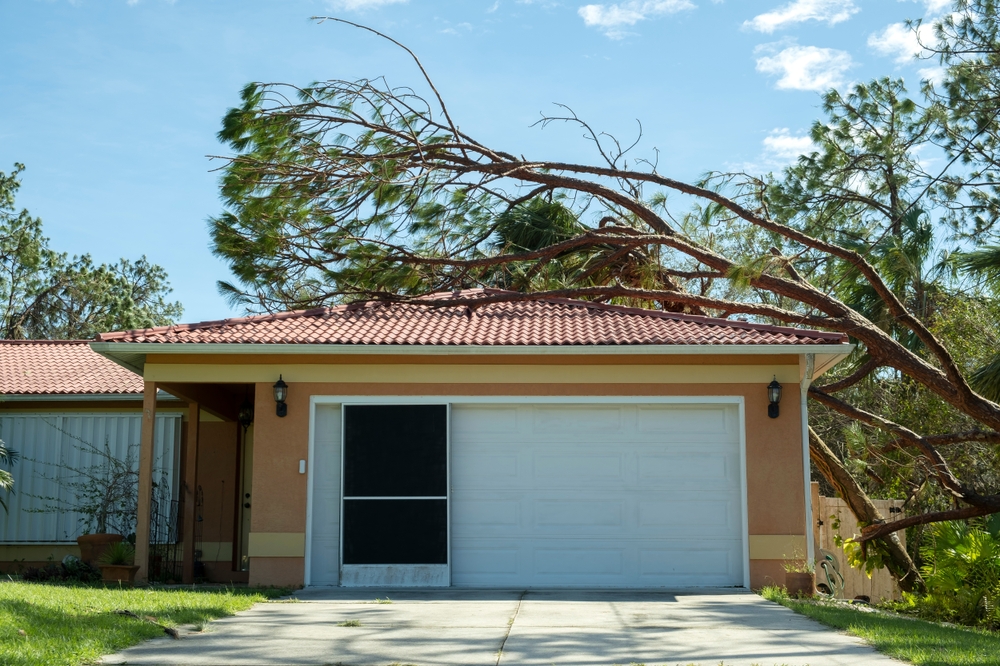
In Ballentine, we’re no strangers to powerful thunderstorms that roll in with little warning. They bring heavy rain, strong winds, and sometimes hail, leaving behind a trail of downed branches and soaked yards. While you might feel relieved once the storm passes, the real work often begins with checking on your home. It’s tempting to glance at your roof, see no major damage, and assume everything is fine. However, this is one of the biggest mistakes a homeowner can make. That’s why you should never delay roof repairs after a storm in Ballentine; even minor issues can quickly become major headaches. Your roof is your home’s primary line of defense against the elements. After a storm, it may have hidden vulnerabilities that aren’t visible from the ground. A few loose shingles, a small dent in a vent, or a tiny crack in the flashing might seem harmless, but they are open invitations for water to seep into your home. Procrastinating on a professional roof inspection and necessary repairs allows these small problems to silently grow, leading to costly and complex issues down the road. Addressing roof damage immediately protects your investment, preserves your home’s structural integrity, and gives you invaluable peace of mind. The Hidden Cost of Ignoring Storm Damage in Ballentine, SC Ignoring what seems like minor storm damage is a gamble that rarely pays off, especially in Ballentine, SC. Our local weather patterns in the Midlands—characterized by frequent, intense thunderstorms, high winds, and oppressive humidity—create the perfect environment for small roofing problems to escalate. A single shingle lifted by the wind might not look like much, but it exposes the sensitive underlayment beneath it to direct sunlight and more rain. The next storm that comes through can easily drive water under that lifted edge, starting a slow, destructive process that you won’t notice until it’s too late. This is why you should never delay roof repairs after a storm in Ballentine. The initial cost of a professional post-storm inspection is minimal compared to the expenses that accumulate when damage is left unaddressed. That small, unchecked leak can saturate insulation, stain your drywall, and warp the wooden frame of your home. Before you know it, you’re not just looking at a simple shingle replacement; you’re facing bills for interior painting, mold remediation, and potentially even structural repairs. A timely storm damage roof repair Ballentine SC service call can catch these issues early. A thorough roof inspection Ballentine SC performed by a trained professional will identify problems that an untrained eye would miss, saving you from the staggering hidden costs of roof damage after storm events. By acting quickly, you stop the damage at its source and prevent a minor repair from turning into a major renovation project. How Delaying Roof Repairs Leads to Bigger Problems Delaying roof repairs after a storm is like ignoring a small cavity in a tooth—it only gets worse and more expensive over time. Water is a persistent force that will find any weakness in your roof’s defenses. Once it gets inside, it begins a chain reaction of damage that spreads throughout your home. Let’s break down the specific ways a delayed repair can lead to much bigger problems. Interior Water Damage and Stained Ceilings The first and most obvious sign of a roof leak is often a discolored, brownish stain on your ceiling. But by the time you see that water damages the ceiling spot, the problem has already progressed significantly. Water doesn’t just drip straight down. It travels along rafters, seeps through layers of insulation, and follows wiring and pipes, often appearing in a room far from the actual entry point on the roof. A storm roof leak that starts over your garage could eventually cause a stain in your kitchen or living room ceiling. This hidden journey of water is what makes it so destructive. As it soaks into your attic’s insulation, it compresses the material, drastically reducing its effectiveness and increasing your energy bills. The moisture then saturates the drywall or plaster of your ceiling, causing it to soften, sag, and eventually crumble. What could have been a straightforward roof leak repair can quickly expand to include replacing large sections of drywall, repainting entire rooms, and even addressing damaged light fixtures or electrical wiring. The longer you wait, the more extensive and expensive the interior restoration becomes. Mold and Mildew Growth in South Carolina’s Humid Climate Here in the Midlands, we live with high humidity for a large part of the year. While it’s just a part of life for us, that moisture in the air creates the perfect breeding ground for mold and mildew, especially in dark, unventilated spaces like an attic. When a roof leak introduces even more moisture into this environment, it’s like throwing fuel on a fire. The humid climate roof damage we see often involves significant biological growth. Mold after a roof leak can begin to grow in as little as 24 to 48 hours. It thrives on the organic materials in your home, like the paper backing on drywall, the wood in your rafters, and the dust trapped in your insulation. This growth isn’t just an unsightly mess; it can pose serious health risks. Mold spores can circulate through your home’s HVAC system, triggering allergies, asthma attacks, and other respiratory issues. It also creates a persistent musty odor that is difficult to eliminate. Dealing with a storm damage Ballentine SC situation that includes mold remediation is a complex process that requires specialized equipment and safety protocols, adding a significant layer of cost and stress to what started as a simple leak. Structural Damage and Sagging Rooflines The most serious consequence of a delayed roof repair is the potential for structural damage. The wooden components that make up your roof’s framework—the decking, rafters, and trusses—are strong, but they are not waterproof. When consistently exposed to moisture from a leak, they begin to rot. This wood decay, often called dry rot, compromises the integrity
Storm Damage in Ballentine, SC: How to Tell If Your Roof Needs Repair
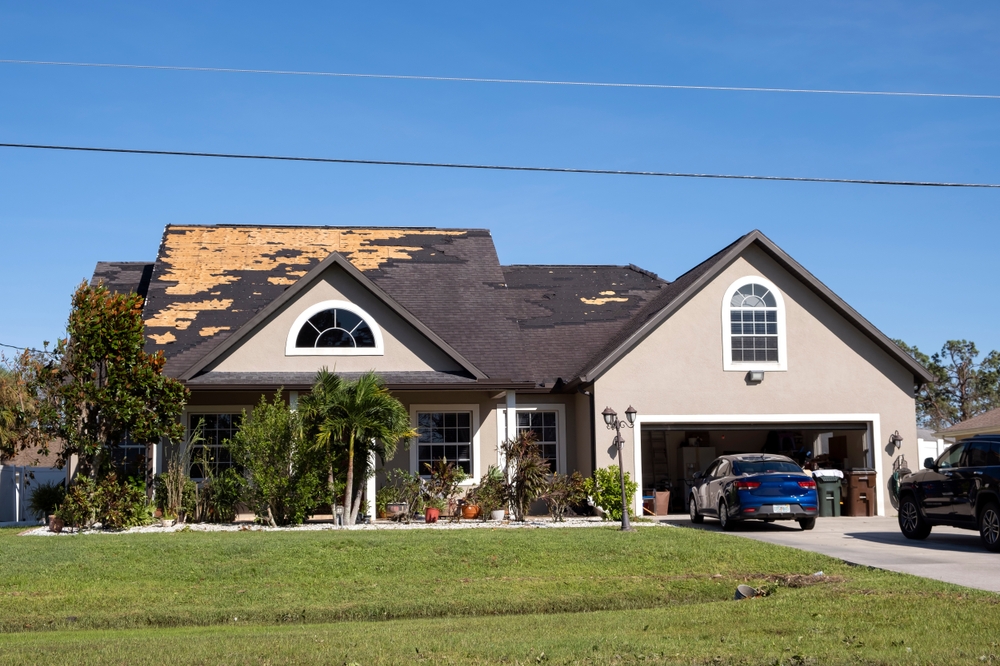
The clouds have cleared, the wind has settled, and the sun is finally peeking through. But after a strong Midlands storm rolls through, the real question for homeowners is often, “Is my roof okay?” Ignoring potential issues can turn a small, manageable problem into a costly disaster. Understanding the signs of storm damage in Ballentine, SC is the first step toward protecting your home and your peace of mind. At Cola City Roofing, we treat your family’s home as if it were our own, and that starts with helping you identify when you need a professional eye to assess the situation. This guide will walk you through everything you need to know. We’ll cover how to spot common types of roof damage from the ground, what steps to take immediately after a storm, and why calling a trusted, local roofing contractor is so important for a safe and effective repair. Why Storm Damage Roof Inspections Matter in Ballentine, SC Living in the Columbia metro area, we’re no strangers to unpredictable weather. Ballentine and the surrounding Midlands region frequently experience everything from intense thunderstorms with heavy rain and hail to powerful wind gusts that can test the limits of any roof. These weather patterns are precisely why a professional storm damage roof inspection is not just a good idea—it’s an essential part of responsible homeownership. Even damage that seems minor can compromise your roof’s integrity. High winds can lift shingles, breaking the watertight seal without tearing them off completely. Hail can create small, almost invisible bruises that weaken the shingle and lead to future leaks. Here in South Carolina, the intense sun and humidity that follow a storm can then worsen that hidden damage. A thorough roof inspection in Ballentine, SC by a trained professional can uncover these subtle issues before they escalate. A local expert understands the specific challenges our regional weather presents and can provide an accurate assessment. Timely storm repair in Columbia, SC and its neighboring communities is the key to preventing long-term structural problems, protecting your property’s value, and ensuring your family stays safe and dry. Common Signs of Roof Storm Damage Every Homeowner Should Know You don’t need to be a roofing expert to spot the initial warning signs of storm damage. After the next storm passes, take a few minutes to walk around your property and look for these common red flags. Knowing what to look for can help you decide when it’s time to call for a professional opinion. Missing or Damaged Shingles This is one of the most obvious signs of wind damage. High-velocity winds can get underneath the edge of a shingle and lift it, causing it to bend, crack, or tear off entirely. Here’s what to look for from the ground: Missing shingles after a storm: You may see patches on your roof where the underlying material is now exposed. You might also find the shingles themselves scattered across your yard. Curling or lifting: Shingles that are bent upward at the corners are vulnerable. The seal that holds them flat has been broken, allowing water to seep underneath. Cracked or creased shingles: Look for horizontal lines or cracks, which indicate the shingle was bent back by the wind. Any of these signs signal a need for wind damage roof repair. Even a single missing shingle creates an entry point for water, making a quick response crucial. Water Leaks or Interior Stains The most stressful sign of roof damage is evidence of it inside your home. Water follows the path of least resistance, so a leak that appears in your kitchen ceiling might originate from a completely different part of the roof. Keep an eye out for: Brown or yellow stains: Discoloration on your ceilings or running down your walls is a classic indicator of a slow leak. Damp insulation: If you can safely access your attic, check the insulation for dampness or a musty smell. This is often the first place a storm roof leak will show itself. Active drips: During or immediately after a heavy rain, active dripping is an undeniable sign you need immediate help. If you spot any interior signs of water damage on your roof, it’s time to call for roof leak repair in Ballentine, SC. The problem has already progressed past the roofing material and is now affecting your home’s structure. Granules in Gutters or Around the Downspouts Have you ever noticed the sandpaper-like texture on asphalt shingles? Those are granules, and they serve a critical purpose: protecting the underlying asphalt from UV rays and weathering. When a hailstorm hits, the impact can knock these granules loose. After a storm, check for: An accumulation of black, sand-like material: Look inside your gutters and at the base of your downspouts. A significant collection of granules in gutters is a strong indicator of hail impact or advanced roof aging accelerated by the storm. “Bald” spots on shingles: From the ground, you may be able to see areas on your shingles that look darker or smoother than the surrounding surface. This is where granules have been knocked off. Losing granules exposes the shingle to the elements, drastically shortening its lifespan. This is a key finding during a hail damage roof assessment in Ballentine. Sagging Rooflines or Structural Shifts A sagging roof is a serious structural issue that requires immediate attention. It suggests that the underlying decking or framing has been compromised, often due to prolonged water exposure that has caused the wood to rot and weaken. From a safe distance, look at the lines of your roof. Do they appear straight, or are there visible dips, curves, or low spots? A sagging roofline could be a symptom of severe storm roof structure damage. Heavy winds or the weight of water-logged materials can put immense stress on the frame. If you notice any sagging, it’s critical to call for a professional inspection for a potential sagging roof repair right away to prevent a catastrophic failure. Dents, Cracks,
Why Investing in a New Roof Adds Value (Even If You Planned to Repair It)
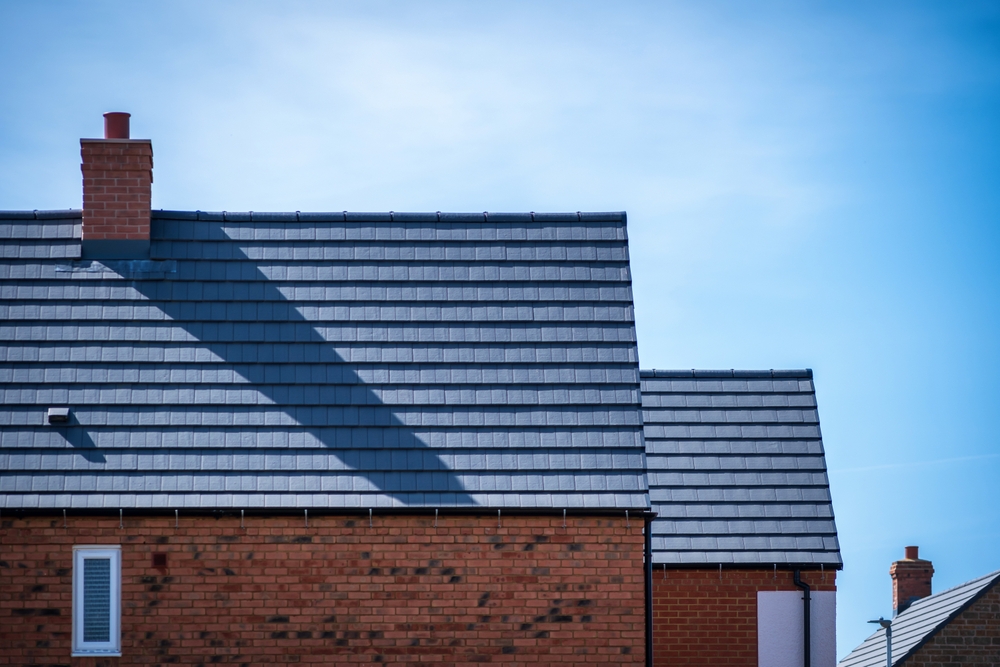
Thinking about selling your home and wondering if you should just patch up that old roof one more time? You’re not alone. Many Columbia homeowners plan for quick roof repairs before listing, only to learn that a full roof replacement can actually add measurable value — and help their home sell faster. In today’s real estate market, buyers are paying close attention to roof age and condition. A new, energy-efficient roof doesn’t just protect your home — it boosts curb appeal, increases buyer confidence, and can return up to 70% of its cost at resale. At Cola City Roofing, we’ve helped homeowners across Columbia, Lexington, and Irmo turn worn-out shingles into one of their best selling points. Before you commit to another repair, find out how a new roof installation can improve your home’s value, efficiency, and long-term peace of mind. How Roof Condition Affects Home Appraisals in Columbia, SC When you decide to sell or refinance your home, a professional appraisal is a critical part of the process. The appraiser’s job is to determine the fair market value of your property, and your roof plays a surprisingly large role in that calculation. An old, worn, or damaged roof is a major red flag for appraisers and potential buyers alike. It represents a significant, looming expense that can lower your home’s value and make it harder to sell. Conversely, a new roof is a powerful asset. According to real estate industry data, a new roof is one of the top exterior remodeling projects for return on investment (ROI). National averages from studies like Remodeling Magazine’s “Cost vs. Value Report” consistently show that homeowners can recoup 60% or more of the cost of a new asphalt shingle roof in added home value. In a competitive market like Columbia, where buyers are savvy about the challenges of our climate, a new, warrantied roof can be a key differentiator that commands a higher price. Buyers see it as one less major expense to worry about, making your home a more secure and attractive purchase. What Appraisers Look for During Roof Evaluations An appraiser won’t perform a deep-dive inspection like a professional roofer, but they are trained to spot key indicators of a roof’s health and condition. During their evaluation, they will look for: Age and Remaining Lifespan: The appraiser will note the roof’s age and assess how many years of life it likely has left. A roof near the end of its expected 15-20 year lifespan will detract from the home’s value. Structural Integrity: They will look for any visible signs of sagging, bowing, or uneven rooflines, which indicate serious structural problems. Material Condition: The appraiser will scan the roof for widespread curling, cracked, or missing shingles, as well as significant granule loss. These are clear signs of a deteriorating system. Leaks and Water Damage: Any evidence of past or present leaks, such as water stains on interior ceilings, will be noted and will negatively impact the appraisal. Number of Layers: If the roof has multiple layers of old shingles (a common practice in past decades), this will devalue the home, as it complicates future replacement and adds unnecessary weight to the structure. At Cola City Roofing, our pre-sale inspection process is designed to identify these exact issues, giving you a clear report that you can use to make an informed decision before the appraiser ever arrives. Curb Appeal and Buyer Confidence — The First Impression Factor Your roof is one of the most prominent features of your home’s exterior, making up as much as 40% of its visible facade. An old, streaked, or worn-out roof instantly detracts from your home’s curb appeal, giving potential buyers a poor first impression before they even step through the door. It can make an otherwise beautiful home look neglected and poorly maintained. A brand-new roof does the exact opposite. It creates a clean, crisp, and uniform appearance that dramatically boosts curb appeal. The vibrant color of new architectural shingles can make your entire home look newer and more appealing. This is not just a cosmetic upgrade; it’s a powerful psychological signal to buyers. It tells them that the home has been well-cared-for and that the current owner has invested in its long-term health. This builds immediate buyer confidence and can make your listing stand out in a crowded market. You can see the stunning transformations for yourself in our project gallery, where new roofs have completely revitalized the look of homes across the Midlands. How Modern Roofing Materials Increase Energy Efficiency Beyond looks, a new roof offers a tangible benefit that is increasingly important to today’s homebuyers: energy efficiency. This is especially true here in South Carolina, where summer cooling costs are a major household expense. When you install a new roof, you are not just replacing shingles; you are upgrading the entire roofing system with modern, high-performance materials. This includes installing reflective or “cool roof” shingles that are designed to reflect more solar heat, keeping your attic and home cooler. We can also improve your attic’s ventilation and ensure your insulation is up to modern standards. These energy-efficient roofing systems can significantly reduce the load on an air conditioner, leading to lower monthly utility bills. For a potential buyer, a home with a documented history of lower energy costs is a highly attractive and valuable proposition. Why a New Roof Delivers Real ROI at Resale When preparing a home for sale, homeowners often focus on cosmetic upgrades like new paint or landscaping. While these things help, a new roof is an investment that delivers a far more substantial return. As mentioned, national data suggests a new roof can recoup up to 60-70% of its cost in direct resale value. But the true ROI goes beyond that number. A home with a new roof often sells faster than a comparable home with an old one. It removes a major point of negotiation and eliminates a common objection that buyers have. In some
After the Storm: Should You Repair or Replace Your Roof?
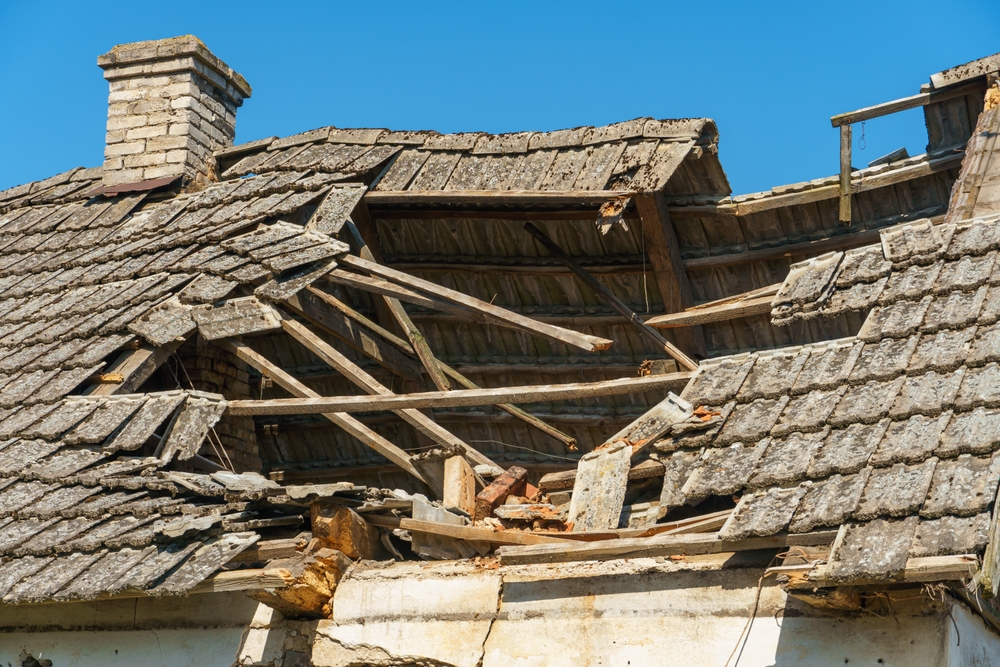
When a heavy storm blows through Columbia or the Midlands, your roof often takes the hardest hit. From lifted shingles and cracked flashing to leaks that show up days later, storm damage isn’t always obvious right away — but acting fast can make all the difference. At Cola City Roofing, we get dozens of calls after every big storm from homeowners worried about roof leaks or missing shingles. Some need simple storm damage roof repairs, while others discover structural issues that require a full roof replacement. The key is knowing the difference — and getting a professional roof inspection after a storm before the next rainfall makes things worse. Whether your home is in Lexington, Irmo, or right here in Columbia, our team can help you assess the damage, document it for insurance, and decide the smartest next step for your home and budget. For a complete overview of how we handle storm damage, insurance documentation, and full roof restoration across the state, visit our storm damage and insurance roofing services in South Carolina page. What to Do Right After a Major Storm Hits The moments after a severe storm passes can be stressful. Before you even begin to assess the potential damage to your roof, your first priority should always be safety. Once the storm has completely passed and it’s safe to go outside, it’s time to take a few critical first steps. Acting quickly is crucial. Not only does it help prevent any existing damage from getting worse, but it also strengthens your position when filing an insurance claim. Insurers expect homeowners to take reasonable steps to mitigate further damage. A professional roof inspection after a storm is the most important part of this process. It provides the documentation you need and a clear path forward. Here is an immediate safety checklist to follow: Check for Downed Power Lines: Before stepping outside, look around your property for any fallen power lines. If you see any, stay far away and contact your utility company immediately. Look for Obvious Dangers: Scan your yard for fallen trees or large limbs that may be unstable or resting on your roof. Do not attempt to remove heavy debris from your roof yourself. Perform a Ground-Level Inspection: Walk around your property and look for visible signs of roof damage like missing shingles, dented gutters, or cracked siding. Use binoculars for a closer look if needed. Do not climb on your roof, as it could be slippery or structurally compromised. Inspect Your Attic and Ceilings: Inside your home, check your attic for any signs of moisture or daylight coming through the roof deck. Look at the ceilings in your upper-level rooms for any new water stains or discoloration. Contact a Professional: If you see any signs of damage, your next call should be to a trusted local roofing contractor for a roof inspection after a storm in Columbia, SC. Visible Signs of Storm Damage You Shouldn’t Ignore After a storm, some types of roof damage are easy to spot from the safety of the ground, while others are more subtle. It’s important to know what you’re looking for. Even seemingly small issues can be indicators of a much larger problem. Common signs of hail or wind roof damage in Columbia include: Missing or Lifted Shingles: Wind can easily get under the edge of shingles, breaking their seal and tearing them off completely. This leaves your roof’s underlayment exposed to the elements. Cracked or Broken Shingles: High winds can cause shingles to bend back and crack. Hail can shatter shingles, especially on older, more brittle roofs. Dents on Gutters, Flashing, or Vents: Hail often leaves its mark on the metal components of your roof system first. Dented gutters or vent covers are a strong indicator that your shingles likely sustained damage as well. Granule Loss: Heavy rain and hail can knock the protective granules off your asphalt shingles. You may see these sand-like particles collecting in your gutters or at the bottom of your downspouts. Debris on the Roof: While leaves and small twigs are normal, large limbs or other debris can cause significant impact damage, cracking shingles and the decking beneath. If you’re seeing any of these warning signs, our detailed guide on storm damage roof repair in Columbia, SC explains what to expect next. When Damage Looks Minor but Isn’t The most dangerous type of storm damage is the kind you can’t see. A strong gust of wind might only lift a shingle for a moment, breaking its seal without tearing it off. To the naked eye, the roof looks fine, but that broken seal is now a direct pathway for water intrusion. Similarly, a hailstone might create a small “bruise” on a shingle that doesn’t look like much, but it has fractured the matting and compromised its water-shedding ability. This is where the expertise of Cola City Roofing’s trained inspectors becomes invaluable. We know how to spot this hidden damage. We understand that a minor exterior issue can mask significant problems like saturated insulation, which loses its R-value, or moisture seeping into the roof deck, which can lead to rot over time. How Columbia’s Climate Makes Storm Damage Worse In South Carolina, our climate is an unfortunate accomplice to storm damage. The combination of high winds and torrential rain during a storm is followed by our signature heat and humidity. Hail is especially destructive in our region, which is why understanding the full scope of hail roof damage repair is so important for homeowners. This creates a worst-case scenario for a compromised roof. Any moisture that gets in through a cracked shingle or a broken seal doesn’t just evaporate. The humidity keeps the underlying wood and insulation damp, promoting the growth of mold and accelerating rot. The intense summer sun then bakes the damaged shingles, making them even more brittle and susceptible to further damage in the next storm. This is why a small issue can escalate so quickly here,
How a New Roof Can Lower Energy Bills in Columbia, SC Homes
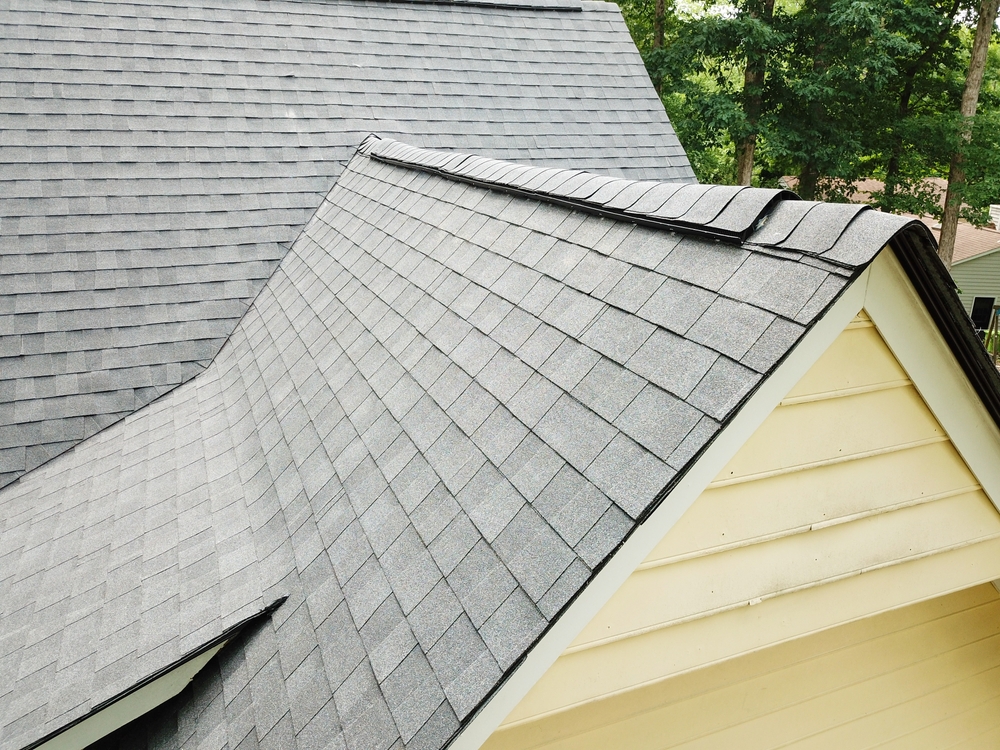
If your energy bills spike every summer, your roof might be part of the problem. In Columbia’s brutal heat and humidity, older roofing materials absorb and trap heat, forcing your air conditioner to work harder just to keep your home comfortable. Over time, that constant strain shows up in higher electric bills — and a shorter roof lifespan. At Cola City Roofing, we help homeowners across Columbia, Lexington, and Irmo cut energy costs with modern, energy-efficient roofing systems built for South Carolina’s weather. Today’s reflective and insulated materials can dramatically reduce heat absorption, improve attic ventilation, and lower cooling demand — all while protecting your home from storms and UV damage. Whether you’re comparing repair costs or thinking about a full roof replacement, the savings from a cool, efficient roofing system often pay for themselves. As part of a complete roofing services plan in South Carolina, energy efficiency should be considered alongside durability and long-term protection. Add in financing options and strong material and workmanship warranties, and upgrading your roof becomes one of the smartest long-term investments you can make. Why Old Roofs Drive Up Energy Costs An old roof does more than just show its age—it actively works against your efforts to keep your home cool. Traditional and aging roofing materials, especially dark-colored asphalt shingles, act like a sponge for solar radiation. On a blazing hot Columbia afternoon, the surface of an old, dark roof can reach temperatures of 150 degrees Fahrenheit or even higher. This intense heat doesn’t just stay on the surface; it radiates downward, superheating your attic and eventually seeping into your living spaces. This phenomenon, known as heat gain, forces your air conditioning system into overdrive. Your HVAC unit has to run longer and harder to combat the heat penetrating from above, leading to a noticeable spike in your summer energy bills. The long, humid summers and high UV exposure common in South Carolina only make this problem worse. The sun’s rays not only heat your home but also degrade the roofing materials themselves, reducing their ability to protect your home and making them even less efficient over time. A roof replacement isn’t just a structural upgrade; it’s an opportunity to break this cycle of heat gain and high energy consumption. The Hidden Energy Loss Through Aging Roofs The inefficiency of an old roof is a multi-layered problem. It starts with degraded shingles that have lost their protective granules and are less capable of reflecting sunlight. As they absorb more heat, the attic space below becomes a virtual oven. Poor or inadequate insulation acts as a weak barrier, allowing this attic heat to transfer directly into the rooms below. This puts a tremendous strain on your HVAC system, causing it to run almost constantly on the hottest days, which leads to premature wear and tear on the unit itself. Furthermore, aging roofs often suffer from poor ventilation. Vents may be clogged, or the original system may have been insufficient to begin with. Without proper airflow, hot, moist air gets trapped in the attic, contributing to higher indoor temperatures and creating an environment where moisture can condense and lead to wood rot and mold. This combination of heat absorption, poor insulation, and inadequate ventilation creates a perfect storm for energy waste. Common Signs Your Roof is Costing You More Each Month You might not connect your roof directly to your utility bills, but the signs are often there if you know what to look for. The most obvious indicator is a steady rise in your summer cooling costs that can’t be explained by rate hikes alone. If you find your AC struggling to keep up or notice that certain upstairs rooms are always hotter than the rest of the house, your roof is likely a major contributor. Another sign is inconsistent indoor temperatures, where your home feels comfortable one moment and stuffy the next, as your HVAC system cycles on and off constantly. Visually, you can look for signs of visible wear on your roof, such as widespread granule loss, cracked or curling shingles, or dark streaks. These are all indicators that your roof is no longer performing at its best and is likely absorbing more heat than it should. If you want a full breakdown of material types and technologies, see our guide to energy-efficient roofing options for Columbia SC homes. Modern Roofing Materials That Improve Energy Efficiency Fortunately, roofing technology has advanced significantly, and today’s materials offer powerful solutions to combat heat gain. At Cola City Roofing, we specialize in installing energy-efficient roofing systems that are specifically rated to handle South Carolina’s heat and humidity. These systems work by reflecting solar heat, improving insulation, and promoting proper attic ventilation. The core of an energy-efficient roof is its ability to reflect sunlight rather than absorb it. This is achieved through reflective shingles, often referred to as “cool roofs,” and radiant barriers installed in the attic. When combined with a properly designed ventilation system, these materials can keep your attic significantly cooler, reducing the amount of heat that enters your living space. This lightens the load on your air conditioner, leading to substantial energy savings and a more comfortable home environment. We use top-tier materials from trusted brands like GAF and CertainTeed to ensure your new roof delivers lasting performance and efficiency. You can review the most common roofing materials for Columbia SC homes to see how each performs in our climate Cool Roof Systems and Reflective Shingles The term “cool roof” refers to a roofing system designed to reflect more sunlight and absorb less heat than a standard roof. The most common way to achieve this is with reflective shingles. These shingles are made with special granules that are coated to reflect infrared radiation—the invisible part of the sunlight spectrum that produces the most heat. Even in darker colors, these shingles can stay much cooler than their traditional counterparts. Many of these products are ENERGY STAR® certified, meaning they meet strict energy
The Real Cost of Repeated Roof Repairs in South Carolina’s Climate
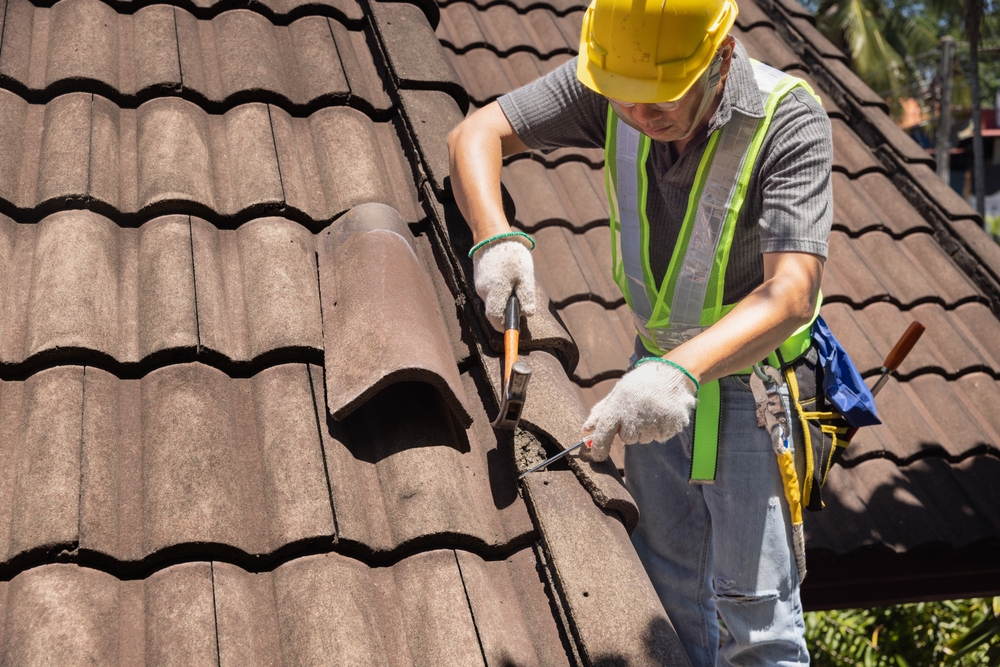
If you live in South Carolina, your roof works overtime. Between the summer heat, heavy humidity, and sudden storms, even the best-built roofs take a beating. It’s no surprise that homeowners across Columbia, Lexington, and Irmo find themselves calling for frequent roof repairs — but at some point, those constant fixes stop being cost-effective. At Cola City Roofing, we provide comprehensive roofing services in South Carolina, and we’ve seen this play out countless times. A few loose shingles here, a small leak there — each repair seems minor, but they start to add up. What many homeowners don’t realize is that repeated patchwork can actually shorten a roof’s lifespan, especially in our climate where moisture and UV exposure wear materials down faster than average. Every “quick fix” comes with hidden costs: more materials, more labor, and more risk of underlying damage that goes unnoticed until it’s too late. Eventually, many Columbia homeowners reach the point where a roof replacement not only makes financial sense but actually saves money over time. Before investing in another short-term repair, it’s worth looking at the bigger picture. If you’re still weighing the broader decision, start with our guide on whether you should repair or replace your roof. A new, energy-efficient roof built to handle South Carolina’s weather can protect your home for decades — and with financing options and strong material and workmanship warranties, it’s easier to afford than most homeowners think. Why South Carolina’s Climate Is Tough on Roofs If you live anywhere in the Midlands, you already know our weather can destroy a roof faster than you’d expect. A roof in a milder, drier state might last 25 years without issue, but here, the combination of intense heat, oppressive humidity, and violent storms creates a uniquely challenging environment. These local stressors work together to weaken roofing materials from the moment they are installed, making proactive maintenance and smart repair decisions crucial. The constant cycle of extreme weather puts every component of your roof under relentless pressure. Shingles bake in the sun, flashing expands and contracts, and underlayment is exposed to trapped moisture. Understanding how these factors contribute to roof aging is key to knowing when a simple roof repair is sufficient and when it’s time to consider a more permanent solution. We break down the full comparison in our homeowner guide to roof maintenance vs replacement. As a local roofing company in Columbia, SC, we’ve built our expertise around installing and maintaining roofs that are specifically equipped to handle these demanding conditions. How Heat and Humidity Accelerate Roof Aging The one-two punch of summer heat and humidity is your roof’s greatest enemy in South Carolina. During July and August, the surface of your roof can reach scorching temperatures. This extreme heat bakes the asphalt in your shingles, causing the oils that keep them flexible to evaporate. The shingles become brittle and are far more likely to crack or tear during temperature fluctuations or high winds. This process, known as thermal expansion, also puts stress on the seals around flashing and vents, causing them to pull apart and create entry points for water. At the same time, our high humidity means moisture is almost always present. This moisture gets trapped under shingles and within the layers of your roofing system, preventing it from ever fully drying out. This constant dampness is the perfect breeding ground for algae and moss, which can degrade shingles over time. More dangerously, it promotes wood rot in the roof decking and underlayment. The decking is the foundation of your roof, and when it becomes soft and spongy from moisture, its structural integrity is compromised, turning a simple leak into a major safety hazard. The Storm Factor — Wind, Hail, and Heavy Rain While heat and humidity cause slow, steady degradation, our storm season delivers sudden, acute damage. South Carolina is no stranger to severe thunderstorms that bring high winds, hail, and torrential rain. High winds can get underneath the edge of shingles—especially older, brittle ones—and lift them, breaking their adhesive seal or tearing them off completely. A single missing shingle exposes the underlayment, creating an immediate leak. Hail is another significant threat. Even small hailstones can create bruises or craters on asphalt shingles, knocking off the protective granules that shield them from UV rays. This “bruising” may not be visible from the ground, but it creates weak spots that will eventually crack and leak. The heavy, wind-driven rain that accompanies these storms is notorious for finding and exploiting every tiny weakness in your roof. At Cola City Roofing, our storm damage repair expertise is built on years of responding to these events, and we know that even seemingly minor storm damage can compound over time, turning small vulnerabilities into major failures. The Hidden Expense of Constant Roof Repairs When faced with a roof issue, the temptation is always to choose the cheapest, quickest fix. A small repair seems far more affordable than a full replacement, but this view is often shortsighted. The true cost of repeated roof repairs goes far beyond the initial invoice. Over time, these “band-aid” solutions can become a significant financial drain, with hidden costs that many homeowners don’t consider until it’s too late. The most obvious expense is the accumulation of repair bills. A $500 repair this year, a $700 repair next year, and another $400 repair the year after that quickly add up. Over five years, you could easily spend thousands of dollars on a roof that is still aging and weakening. But the direct repair costs are only part of the story. Recurring leaks, even minor ones, can lead to costly interior water damage, saturated insulation that loses its effectiveness and drives up energy bills, and the potential for dangerous mold growth. If you’re dealing with an ongoing drip, here’s when a leaky roof fix isn’t enough for Columbia homes. We’ve seen this across Columbia, Irmo, and Lexington — the same roof repaired every few months before finally being replaced. In
Is Roof Repair or Replacement More Cost-Effective in the Long Run for Columbia, SC Homes?
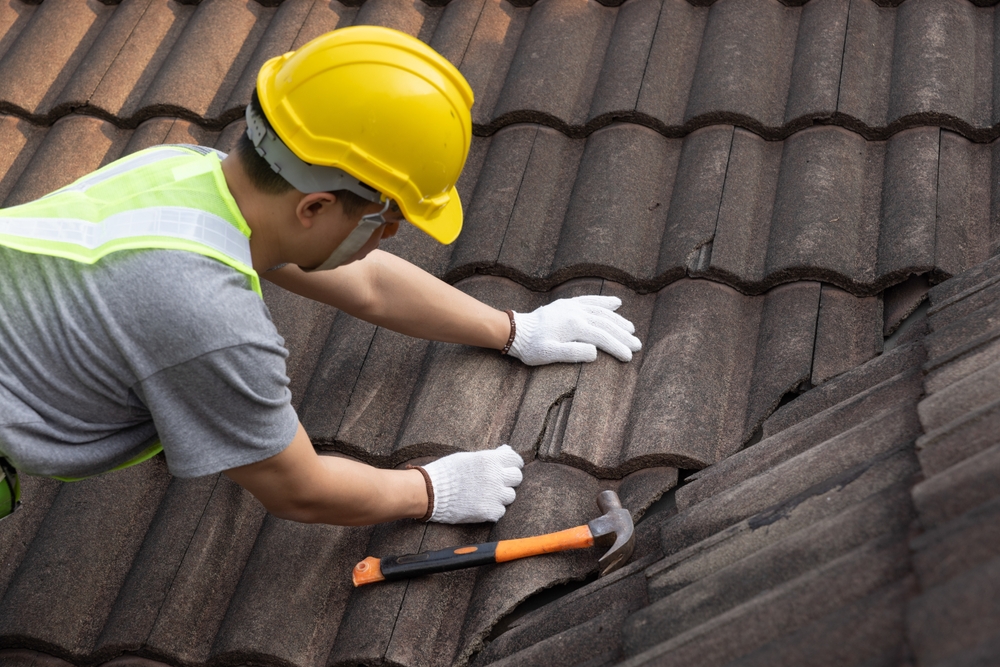
When your roof starts showing signs of wear — a few missing shingles, a leak after a storm, or aging flashing — the first thought is usually to repair it. But at a certain point, constant repairs can add up to more than a full roof replacement. Knowing where that tipping point is can save you thousands and give you real peace of mind. If you’re still weighing the broader decision, read our guide on whether you should repair or replace your roof. At Cola City Roofing, we provide comprehensive roofing services in South Carolina and we’ve seen it all across Columbia, Lexington, Irmo, and Blythewood — homeowners spending money year after year on small fixes, only to face a major issue down the road. The truth is, a new roof isn’t just about aesthetics. It’s about value, protection, and long-term savings. When you factor in today’s roof financing options and strong material and workmanship warranties, replacement can often be the smarter financial move. Roof repair still makes sense in certain situations — especially when the damage is minor or isolated. But if your roof is more than 15–20 years old or you’re calling for service every storm season, it’s worth comparing the numbers. A roof replacement in Columbia, SC can deliver decades of worry-free performance, better energy efficiency, and increased home value. Why Homeowners Ask This Question — and Why the Answer Isn’t Always Simple Every homeowner with an aging roof eventually faces this dilemma: should I pay for another repair, or is it time to invest in a full replacement? It’s one of the most common questions we hear as a roofing company in Columbia, SC, and the answer isn’t always straightforward. On one hand, a repair seems like the more affordable, immediate solution. On the other hand, a full replacement offers a permanent fix and long-term security. The right choice depends on several factors. We break down the full comparison in our homeowner’s guide to roof maintenance vs replacement. The age and overall condition of your roof are the most important considerations. A minor repair on a 7-year-old roof makes perfect sense, but the same repair on a 22-year-old roof might just be delaying the inevitable. The extent of the damage also plays a huge role. Replacing a few wind-damaged shingles is one thing; addressing widespread granule loss and brittle shingles is another matter entirely. Finally, the cost of materials and labor can vary significantly. A simple flashing seal is far less expensive than replacing rotten roof decking. At Cola City Roofing, we believe in giving you a clear and honest picture of your options. Our goal is to provide the information you need to make a confident decision that balances your immediate budget with the long-term health and value of your home. A professional roof repair service starts with an honest assessment, not a quick sales pitch. Understanding Roof Repair Costs in Columbia, SC When you’re trying to budget for a roof issue, it helps to have a general idea of what to expect. Roof repair costs in the Columbia area can vary widely based on the specific problem you’re facing. It’s less about a flat fee and more about a combination of factors that determine the final price. The main drivers of cost are the type of materials needed (matching existing asphalt shingles, for example), the accessibility of the damaged area (a steep roof is more difficult to work on than a low-slope one), and the nature of the damage itself. A simple shingle replacement is straightforward, but a leak that has damaged the underlying decking requires more extensive labor. Based on typical Columbia market rates, repairs can be grouped into a few general categories: Minor Repairs: These might include sealing a loose piece of flashing, replacing a handful of missing shingles, or patching a small puncture. These jobs are generally the most affordable because they are quick and require minimal materials. Moderate Repairs: This category could involve fixing a more significant leak around a chimney, replacing a section of damaged shingles, or addressing issues in a roof valley. These repairs are more complex and take more time and materials. Major Repairs: These are the most expensive types of repairs and often border on replacement territory. Examples include replacing a large section of rotted roof decking, fixing structural damage from a fallen limb, or addressing widespread issues that require significant labor. The key thing to consider is the frequency of these repairs. A single $500 repair on an otherwise healthy roof is a good investment. But if you’re facing a $500 repair bill every year, you’ll spend $5,000 over a decade on a roof that is only getting older and weaker. That’s when the math starts to favor a full replacement. When Repairs Are Worth It Despite the benefits of a new roof, there are many situations where a professional repair is absolutely the most sensible and cost-effective choice. Opting for a repair is a smart move when the problem is isolated and the rest of your roof is still in good health. For instance, if your roof is less than 10-15 years old and a recent storm blew off a few shingles, a targeted repair is perfect. The underlying structure and surrounding materials are likely still strong, so there’s no need to consider a full replacement. Similarly, if you have a leak caused by a failed sealant around a vent pipe, a roofer can easily fix it without disturbing the rest of the roof. Insurance coverage can also make a repair the obvious choice. If storm damage is limited to one section of your roof, your homeowner’s policy will likely cover the cost of that specific repair, making it a very low out-of-pocket expense for you. The most important factor is an honest evaluation. At Cola City Roofing, our inspections are designed to give you a transparent recommendation. If a repair will safely and effectively extend the life of your roof,