Your Roof Might Be Beyond Repair If You Notice These 7 Warning Signs
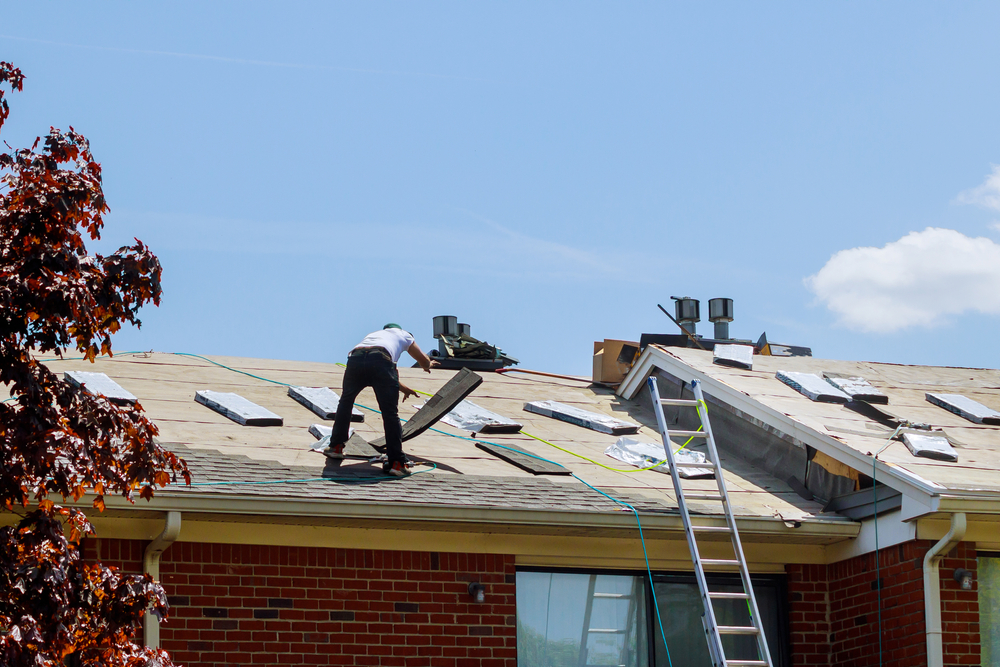
If your roof has been patched more times than you can count, it might be trying to tell you something. Columbia homeowners know that South Carolina’s mix of heat, humidity, and storms can wear down even the toughest roofing materials — but it’s not always easy to know when repairs just aren’t enough anymore. At Cola City Roofing, we’ve inspected hundreds of roofs across Columbia, Lexington, and Irmo, and we see the same patterns again and again: small issues that turn into major replacements because the warning signs were ignored too long. From curling shingles to sagging roof lines and mysterious ceiling stains, each clue reveals how close your roof may be to the end of its lifespan. The good news? Catching these signs early can save you thousands in water damage and energy costs. Below, we’ve laid out the seven most common roof replacement signs South Carolina homeowners should look for — and when it’s time to call for a professional roof inspection before problems get worse. These warning signs are exactly why proactive roofing services in South Carolina include regular professional inspections. Why Spotting Roof Damage Early Matters Noticing a small issue with your roof and acting on it quickly can be the difference between a simple repair and a catastrophic failure. Small signs of wear are your roof’s way of telling you that it needs attention. Ignoring them doesn’t make them go away; it just gives them time to grow into much bigger, more expensive problems. A single cracked shingle can allow water to seep in, and over time, that slow leak can rot the underlying wood, destroy insulation, and lead to mold growth inside your home. Here in Columbia, our unique climate puts roof damage on the fast track. The intense summer heat can turn a small crack into a larger one, while our heavy humidity ensures that any moisture that gets in sticks around, promoting rot. Then, a sudden thunderstorm can exploit that minor weakness, tearing off shingles and causing significant water intrusion. Spotting these signs early and calling for a professional roof evaluation is the most important step you can take to protect your home. A simple roof repair today could prevent a full replacement tomorrow, but only if the roof’s underlying structure is still sound. A structured roof maintenance checklist can help homeowners catch many of these problems before they escalate. 7 Visible Warning Signs Your Roof May Be Failing These are the most common signs that your roof is moving beyond simple repairs and may need a full replacement. If you see one or more of these on your home, it’s time to schedule a professional roof inspection in Columbia, SC. 1. Curling or Cracked Shingles What it looks like: You’ll notice the edges of your shingles are starting to curl upwards, or you’ll see visible cracks and splits across their surface. What it means: This is a classic sign of an aging roof that has endured years of sun exposure. The intense UV radiation bakes the asphalt in the shingles, causing them to lose their flexibility and shrink. As they curl, they lift away from the roof, breaking the watertight seal and making them highly vulnerable to being torn off by wind. While you can replace a few cracked shingles, when this damage is widespread across your roof, patching no longer helps. The new shingles won’t integrate properly with the old, brittle ones, and the entire system remains compromised. 2. Missing Shingles or Bare Spots What it looks like: You can see obvious gaps on your roof where shingles have blown off, exposing the black underlayment or even the wood decking beneath. What it means: Each missing shingle is a direct entry point for water into your home. This is one of the most urgent roof replacement signs. While replacing a few lost shingles after a storm is a common repair, if your roof is consistently losing shingles, it indicates that the adhesive holding them down has failed due to age. A roof with multiple bare spots has lost its primary layer of defense against the elements, putting your home at immediate risk of leaks and structural damage. At this point, a full roof replacement is often the only way to restore complete protection. 3. Shingle Granules in Gutters or Driveways What it looks like: You’ll find an accumulation of coarse, sand-like particles in your gutters when you clean them, or you might see them washed out onto your driveway after a rainstorm. What it means: These granules are the protective top layer of your asphalt shingles. Their job is to shield the underlying asphalt from the sun’s damaging UV rays. When you start seeing them in your gutters, it means your shingles are balding and approaching the end of their lifespan. Without this protective layer, the shingles will deteriorate much faster, becoming brittle and prone to cracking. Significant granule loss is a clear sign that your roof’s ability to protect your home is severely diminished. 4. Sagging Roof Deck or Uneven Lines What it looks like: Your roofline, which should be straight, appears to dip, bow, or sag in certain areas. You might also feel a “spongy” or soft spot if walking on the roof. What it means: This is one of the most serious warning signs. A sagging roof almost always indicates that the underlying decking—the plywood or OSB that forms the foundation of your roof—has rotted from trapped moisture. This is a structural failure. There is no repair for a sagging roof deck; the compromised wood must be removed and replaced. If you see this, you should schedule an immediate professional roof inspection, as a sagging roof is at risk of collapse. 5. Interior Water Stains or Ceiling Spots What it looks like: You notice yellow or brown stains on your ceilings or walls, often in the corners of rooms or around light fixtures. Paint may also appear to be bubbling or peeling. What it
Roof Damage Caused by Pests? We Repair and Seal It
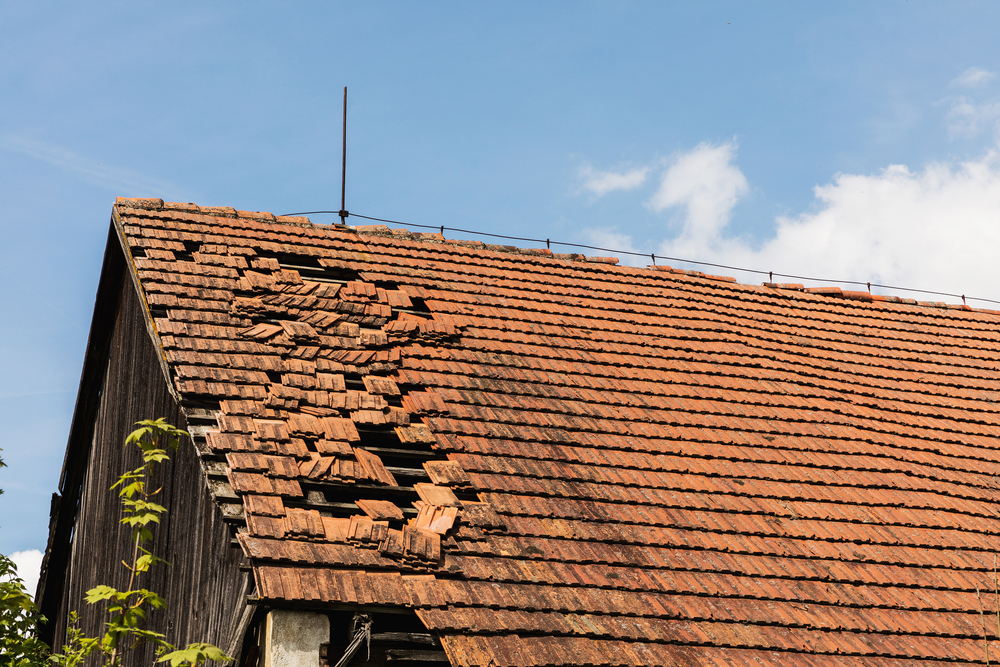
That scratching sound you hear in the attic at night might be more than just the house settling. For homeowners in the beautiful, wooded suburbs of Irmo, Lexington, and Chapin, a host of unwelcome critters are constantly looking for a way into the shelter of your home—and your roof is their primary point of entry. Squirrels, raccoons, birds, and insects see your roof’s vents, soffits, and small gaps as an open invitation. What starts as a minor nuisance can quickly escalate into significant structural damage, leaks, and costly repairs. Pests don’t just live in your attic; they chew, tear, and dismantle your roof to get there, compromising its ability to protect you from the elements. This guide will help you identify the signs of a pest invasion, understand the damage they cause, and outline the integrated approach required to evict them, repair the damage, and seal your home for good. For a broader look at how we handle storm-related roof damage and insurance restoration across South Carolina, visit our storm damage and insurance roofing services in South Carolina page. The Rogues’ Gallery: Common Roof Pests in the Midlands Different pests cause different types of damage. Identifying the culprit is the first step in creating an effective plan for removal and repair. Squirrels and Raccoons: The Brute Force Intruders These larger mammals are strong, persistent, and incredibly destructive. They don’t need a large existing hole; they make their own. How They Get In: Squirrels can chew through soft wood on fascia boards, pry open soffit panels, and gnaw through plastic roof vents. Raccoons have the strength to tear off shingles, bend back flashing, and rip loose ridge vents right off the peak of your roof. The Damage They Cause: They chew through electrical wires, creating a fire hazard. Their nesting materials can block vital attic ventilation. They tear up insulation, reducing your home’s energy efficiency. Most critically, their entry points create large, open holes for water to pour into your home, leading to rapid wood rot and mold. Once an entry point is created, heavy thunderstorms can quickly turn it into a major leak, especially during Columbia’s seasonal downpours, as we explain in our guide to protecting your roof from Columbia’s heavy summer rains. Birds and Bats: The Opportunistic Nesters Birds and bats look for existing gaps and openings to use as sheltered nesting sites. How They Get In: Birds often build nests in broken roof vents, behind loose siding, or inside gutters and downspouts. Bats can squeeze through gaps as small as 3/8 of an inch, commonly entering at the ridge vent, behind fascia boards, or through unscreened gable vents. The Damage They Cause: Bird nests in gutters cause blockages, leading to water backup and rot. Bat guano and bird droppings are highly acidic and corrosive. A large accumulation is not only a serious health hazard (e.g., histoplasmosis from bat guano) but also holds moisture, which can saturate ceilings and lead to wood decay. Insects: The Silent Destroyers Wasps, bees, and termites cause problems that are often hidden until they are severe. Wasps and Bees: Paper wasps and hornets love to build nests under the eaves, behind shutters, and even under loose shingles. Carpenter bees drill perfect, half-inch holes into wooden fascia boards and decking to lay their eggs. Termites: Subterranean termites can travel from the ground up your foundation and into the wooden elements of your roof structure, including rafters and the roof deck. They hollow out the wood from the inside, often causing massive structural damage before being detected. Aging, heat-dried shingles and brittle sealants make entry easier for wildlife, which we discuss in detail in our article on UV and high-temperature roof damage in Columbia. Red Flags: How to Spot a Pest Infestation You can often see or hear signs of a pest problem long before you see the animals themselves. Noises: Scratching, scurrying, or thumping sounds in the attic or walls, especially at dawn, dusk, or overnight. Droppings: Finding animal droppings in your attic, on your porch, or around the base of your house. Stains: Unexplained dark stains appearing on a ceiling could be from the moisture in pest urine and guano. Visible Damage: Look for gnawed or chewed holes in your fascia boards or soffits. Check plastic or lead pipe boot flashings for chew marks. Displaced Materials: Notice shingles that are torn or out of place, or a ridge vent that looks lifted or crooked. Nesting Debris: Seeing twigs, leaves, and other nesting materials around vents or under eaves. Daylight in the Attic: During the day, go into your attic (with the lights off) and look for any daylight peeking through. Any hole that lets in light will let in pests and water. The Integrated Response: A Step-by-Step Workflow Getting rid of pests and fixing the damage is a multi-step process that requires coordination between roofing and, in some cases, wildlife control professionals. Step 1: Safety and Professional Inspection Do not attempt to confront or corner a wild animal in your attic. They can be aggressive and may carry diseases. Your first call should be to a professional roofer who has experience with pest damage. We will conduct a thorough inspection to identify the type of pest, locate all entry points, and assess the full scope of the roofing and structural damage. Step 2: Humane Exclusion (Not Trapping) The most effective and humane way to get pests out of your attic is through exclusion. How It Works: We seal all potential entry points on your roof except for the primary one the animals are currently using. Over that main entry, we install a one-way door or exclusion device. The Result: The animals (like squirrels or raccoons) can leave your attic to forage for food, but they cannot get back in. After a few days, once we are certain all animals have left, we remove the one-way door and permanently seal the final entry point. Step 3: Repair, Reinforce, and Seal Once
Tree and Storm Debris Roof Damage: Fast Repairs Near Columbia SC
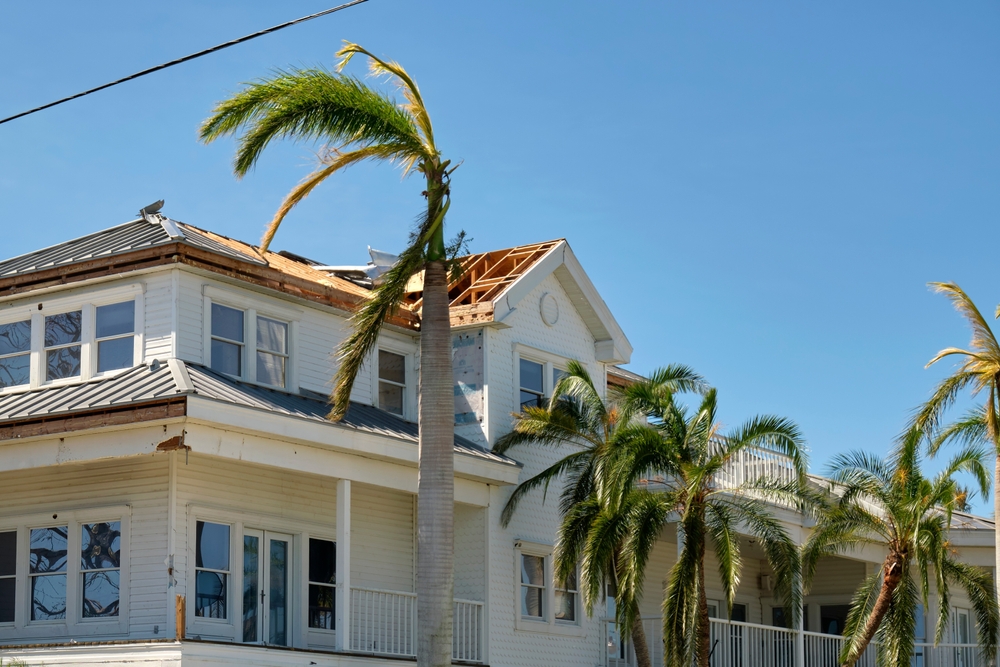
The beautiful, dense tree canopy is one of the things that makes living in Forest Acres, Irmo, and the areas around Lake Murray so special. Those towering pines and sprawling oaks provide shade, beauty, and a sense of establishment. However, they also pose a significant and constant threat to your roof. During a thunderstorm, high winds, or even just from age, trees can shed branches—or entire limbs—that can cause catastrophic damage upon impact. It’s not just the dramatic event of a large branch falling. The daily, gradual accumulation of pine needles, leaves, and small twigs can clog your roof’s drainage system, leading to water backup, rot, and premature aging. For Midlands homeowners, managing the relationship between your trees and your roof is a critical part of property maintenance. This guide will detail the many ways trees and debris can damage your roof, what to do in an emergency, and how to proactively protect your home. For a complete overview of our storm restoration and insurance claim support services across South Carolina, visit our storm damage and insurance roofing services in South Carolina page. The Many Ways Trees and Debris Compromise Your Roof Damage from trees is not a single event; it’s a spectrum of issues ranging from acute punctures to chronic water damage. Acute Impact Damage: Punctures, Bruises, and Tears When a heavy branch or limb strikes your roof, the force is concentrated in a small area, causing severe, localized damage. Punctures: A sharp, heavy branch can act like a spear, punching directly through the shingles, the underlayment, and the wooden roof decking itself. This creates a direct, open hole for water to pour into your attic. Shingle Bruising and Tearing: Even if a branch doesn’t puncture the roof, its impact can shatter the fiberglass mat within the shingle, creating a “bruise” that will lead to future leaks. The impact can also tear or rip shingles from their fasteners. Flashing and Penetration Damage: Flashing around chimneys, skylights, and vents is particularly vulnerable. An impact can crush or displace these critical metal components, breaking the waterproof seal and creating an immediate leak point. A falling limb can easily shatter a skylight dome. Gutter and Fascia Destruction Your gutter system, hanging on the edge of your roof, is often the first thing a falling branch hits. Gutter Damage: The weight of an impact can crush sections of your gutter, dent them beyond repair, or tear them completely from the fascia board they are attached to. Fascia and Soffit Damage: When a gutter is torn away, it often takes the wooden fascia board with it. This exposes the ends of your roof rafters and creates an entry point for water, pests, and wind. Chronic Damage: The Slow Clog and Resulting Rot The less dramatic but equally destructive issue is the constant shedding of smaller debris like pine needles and leaves. This is a major concern for homes in heavily wooded areas like Forest Acres and along the Lake Murray shores. Clogged Drainage Systems: Pine needles are notorious for creating dense, stubborn clogs in gutters and roof valleys. When these drainage channels are blocked, water has nowhere to go. Water Backup and Rot: During a heavy rain, the trapped water backs up, flowing over the back of the gutter and under the eaves of your roof. It saturates the fascia, soffit, and roof decking, leading to wood rot. This slow, hidden leak can cause thousands in damage before a single drop ever appears on your ceiling. Immediate Steps After a Tree or Limb Hits Your Roof If you experience a tree-related roof impact, your immediate actions are critical for safety and for preventing further damage. Safety and Documentation Checklist Assess from a Safe Distance: Do NOT go on the roof. Do not attempt to pull the branch off yourself. The branch may be unstable, and the roof structure beneath it could be compromised. Evacuate if Necessary: If a very large tree or limb has fallen on your house and you suspect major structural damage (e.g., cracking walls, sagging ceilings), evacuate the area of the home beneath the impact and call 911 or your local fire department to assess the structural stability. Document the Scene Extensively: Before anything is moved, take photos and videos from every possible angle on the ground. Capture the entire tree or branch, where it came from, how it is resting on the roof, and any visible damage to the shingles, gutters, or siding. Check for Interior Damage: Carefully inspect the rooms and attic space below the impact area. Look for daylight, debris, active drips, or new water stains on the ceiling. Photograph all interior damage. Call a Professional Roofer and an Arborist: You will likely need two emergency calls. First, call a 24/7 emergency roof repair contractor like Cola City Roofing. We can coordinate the response and get a team on the way for emergency tarping. Second, call a reputable, insured arborist or tree removal service to safely remove the limb from your home. Notify Your Insurance Company: Report the damage to your insurance provider. Let them know you have had a tree impact and are taking steps to mitigate further damage by calling for emergency services. If you’re unsure about the full post-storm process, our guide on how to handle storm, hail, or tree damage to your roof walks through each step in detail. The Professional Emergency Response Workflow When you call us for a tree impact emergency, we initiate a coordinated response to secure your home. Site Safety and Coordination: Our first step is to assess the safety of the site. We will coordinate with the tree removal service to ensure the limb can be removed without causing further damage to the home. Limb Removal: The professional arborist will use cranes, ropes, and specialized cutting techniques to carefully dismantle and remove the tree or limb from your roof structure. Emergency Tarping / Dry-In: Once the debris is cleared, our team immediately gets to work
Beat the Heat: UV and High-Temperature Roof Damage in Columbia
The South Carolina sun is relentless. While we enjoy the long summer days, the intense heat and ultraviolet (UV) radiation beating down on our homes take a significant toll, especially on our roofs. In July and August, a dark-colored roof in the Columbia metro area can easily reach temperatures exceeding 150°F. This extreme heat isn’t just uncomfortable; it’s actively working to degrade your roofing materials, accelerate aging, and drive up your energy bills. For homeowners in Cayce, Irmo, and Elgin, understanding the silent damage caused by heat and UV rays is the first step toward protecting your home’s value and structural integrity. Storms get all the attention, but the sun is a constant, powerful force that can lead to premature roof failure. This guide explores the science behind thermal and UV degradation, how to spot the warning signs, and what modern cool roof systems and ventilation solutions can do to help your home beat the Midlands heat. For a full overview of how we handle storm-related roof damage and insurance restoration across South Carolina, visit our storm damage and insurance roofing services in South Carolina page. The Science of Sun Damage: How Heat and UV Break Down Your Roof Your roof is under a constant thermal assault. The damage is a slow, cumulative process driven by two primary factors: UV radiation and extreme thermal cycling. UV Rays: The Chemical Breakdown of Asphalt Shingles Asphalt shingles contain oils (volatiles) that keep them flexible and waterproof. UV radiation from the sun acts as a catalyst, breaking down these essential oils. Drying and Volatilization: The UV rays cause the oils to evaporate out of the shingle over time, a process called volatilization. This leaves the shingle dry, brittle, and much more susceptible to cracking and physical damage from wind or hail. Granule Shedding: The ceramic granules on a shingle are its primary shield against UV rays. These granules are held in place by a layer of asphalt. As the sun bakes the shingle, the bond weakens, and granules begin to fall off. You’ll see this as an accumulation of black “sand” in your gutters. As more granules are lost, more of the underlying asphalt is exposed, which rapidly accelerates the aging process. Thermal Cycling: The Stress of Expansion and Contraction Your roof endures a daily cycle of extreme temperature swings. It heats up dramatically during the day and cools down at night. This process, known as thermal cycling, causes the roofing materials to constantly expand and contract. Cracking and Curling: Over thousands of cycles, this movement puts immense stress on the shingles. Older, brittle shingles can’t handle the strain and begin to develop hairline cracks, which widen over time and allow water to penetrate. The edges of the shingle tabs may also start to curl upwards or downwards, breaking the watertight seal with the course below. Sealant and Flashing Deterioration: The sealants used around flashing, vents, and other roof penetrations are also vulnerable. The constant expansion and contraction, combined with UV degradation, causes these seals to become hard, brittle, and pull away from the surfaces they are meant to protect. A failed sealant is a direct pathway for leaks. Spotting the Signs: Is Your Roof Suffering from Heat Damage? Heat damage can be subtle at first, but it leaves behind distinct clues. A careful visual inspection can help you identify a roof that is nearing the end of its life due to thermal degradation. Curling Shingles: Look for shingle edges that are curling up or down. This is a classic sign that the volatiles have dried out and the shingle is shrinking. Cracked Shingles: Examine the surface of the shingles for numerous hairline or spider cracks across their surface. Excessive Granule Loss: Check your gutters and the ground around your downspouts for a heavy accumulation of shingle granules. Some granule loss is normal, but large amounts indicate a problem. Brittle Tabs: On an older roof, a roofing professional may gently lift a shingle tab to test its flexibility. A heat-damaged shingle will be stiff and may crack or snap easily. “Soft” Tar Lines: On very hot days, you may see dark, shiny lines where the tar sealant from underlying shingle courses has softened and bled out. This indicates the roof is absorbing extreme heat. Failed Flashing Seals: Inspect the caulk or sealant around your chimney, skylights, and pipe vents. Look for sealant that is cracked, peeling, or pulling away from the flashing or shingle. Heat-weakened shingles can also create entry points for wildlife and insects, a problem we cover in our guide to pest-related roof damage and repair. Your Attic: The Overlooked Key to a Healthy Roof The temperature on your roof’s surface is only half the story. The temperature inside your attic plays a massive role in the health of your roof and your home’s energy efficiency. An attic without proper ventilation can reach 150-160°F, essentially “cooking” your shingles from the inside out and forcing that heat down into your living space. The Basics of a Balanced Ventilation System A functional attic ventilation system is designed to create a continuous, passive flow of air. Soffit Vents (Intake): These vents are located under the eaves (soffits) of your roof. They allow cool, fresh air to be drawn into the attic. Ridge Vents (Exhaust): A ridge vent is installed along the entire peak (ridge) of the roof. As hot air rises, it exits through the ridge vent, pulling more cool air in through the soffit vents. This constant convection current keeps the attic air moving. Baffles: These are channels installed at the eaves to ensure that attic insulation doesn’t block the soffit vents, which would cut off the air supply and stop the entire system from working. The Power of a Radiant Barrier A radiant barrier is a highly reflective material, similar to aluminum foil, that is installed on the underside of your roof rafters. Its job is not to slow heat transfer like insulation, but to reflect radiant heat.
Tornado and Microburst Roof Damage: Fast Repairs for the Midlands
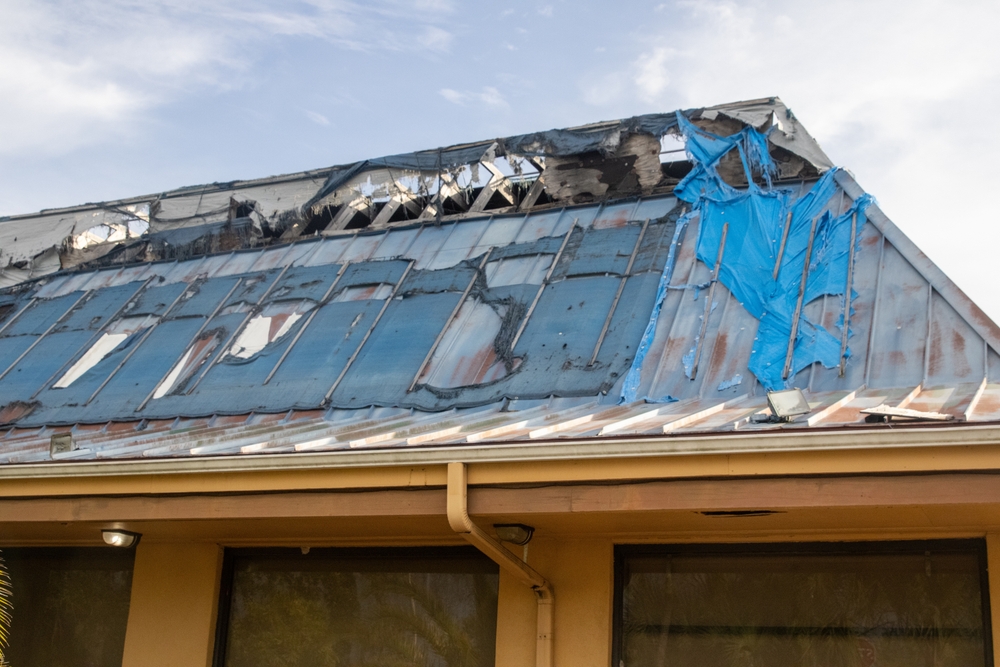
The skies over the Midlands can turn violent with little warning. For residents in Lexington County, Cayce, Orangeburg, and Sumter, the threat of tornadoes and microbursts is a serious reality. These powerful, localized weather events unleash destructive forces that can be catastrophic for a home’s roofing system. Unlike a typical thunderstorm, the rotational winds and intense downdrafts of a tornado or microburst can peel a roof back like a can opener, lift it entirely, or shatter it with high-velocity debris. When this level of extreme weather strikes, the damage is rarely superficial. It often involves the structural skeleton of your home, making a swift, expert response absolutely critical. This guide explains the unique ways tornadoes and microbursts destroy roofs, outlines the immediate safety measures you must take, and details the professional emergency response process required to secure your home and begin the path to recovery. For a complete overview of our storm restoration and insurance claim support services across South Carolina, visit our storm damage and insurance roofing services in South Carolina page. The Brutal Physics of Tornado and Microburst Roof Damage To understand the severity of the damage, it’s important to grasp the forces at play. Both tornadoes and microbursts create intense pressure differentials and violent air movement that attack a roof in ways other storms cannot. Tornadoes: A tornado’s rotating winds create a powerful vortex. As it passes over a home, the extreme low pressure at its center creates a massive upward suction force, literally trying to lift the entire roof structure off the walls. Microbursts: A microburst is a sudden, powerful downdraft of air that spreads out horizontally upon hitting the ground. This creates straight-line winds that can exceed 100 mph, hitting the side of a house and flowing up and over the roof, creating immense peeling forces at the edges. These forces result in specific, devastating damage patterns. Similar uplift forces occur during inland tropical systems, which we break down in our guide to hurricane and tropical storm roof protection and recovery for the Midlands. Peel-Back and Uplift at Eaves and Ridges The edges of your roof—the eaves (overhangs) and the ridge (the peak)—are the most vulnerable points. Wind gets underneath the overhang and creates a powerful lifting pressure. This force can rip off the starter course of shingles, fascia, and soffit panels, giving the wind an even stronger grip. It begins to peel back the roofing materials, often rolling up large sections of shingles, underlayment, and even the underlying plywood decking. Decking Fastener Failure and Gable-End Collapse Your roof’s wooden sheathing (or decking) is nailed to the underlying trusses or rafters. In extreme winds, the suction can be strong enough to pull the sheathing right off the fasteners. You might see large sections of the roof deck completely gone, exposing your attic to the sky. Gable-end roofs are particularly susceptible. The flat, triangular wall section of a gable end acts like a sail, catching the full force of the wind. A failure here can lead to a progressive collapse of the entire roof structure. Projectile Debris and Structural Frame Damage Tornadoes and microbursts turn everyday objects into high-speed projectiles. Tree limbs, patio furniture, and debris from other structures can be hurled at your home with enough force to puncture not just the shingles, but the roof deck and the structural trusses or rafters beneath. This type of impact compromises the very frame of your roof, requiring a much more complex repair and a thorough structural assessment. Immediate Safety Checklist: After the Storm Passes If a tornado or microburst has hit your area, your first priority is safety. The aftermath is a dangerous environment. Stay Away from Downed Power Lines: Treat every fallen wire as if it is live. Report them to your utility company immediately and keep a safe distance. Check for Gas Leaks: If you smell gas or hear a blowing or hissing noise, open a window and get everyone out of the house immediately. Call the gas company from a safe distance. Do NOT Go On Your Roof: A storm-damaged roof is structurally unsound. There could be weakened decking, exposed nails, and slippery surfaces. It is not safe for a homeowner to access. Conduct a Safe, Ground-Level Assessment: From the ground, walk the perimeter of your home. Look for obvious signs of major damage: Large sections of missing shingles or decking. Exposed attic space. Damage to the gable ends or roof structure. Fallen trees or large debris on the roof. Bent or missing roof vents, flashing, or gutters. Inspect Inside Your Home: Carefully check your attic (if it’s safe to do so) for any daylight showing through the roof. Look for water pouring in, broken rafters or trusses, and saturated insulation. Check all ceilings for signs of water damage. Document Everything: Take photos and videos of all damage from a safe distance. Capture wide shots of the house and close-ups of specific damage points. This documentation is vital for your insurance claim. Call for Professional Emergency Roof Repair: Contact a qualified, local roofing contractor with experience in catastrophic storm damage. Explain the situation clearly. You need a team that can provide immediate emergency tarping and site stabilization. The Professional Emergency Response Workflow When you call Cola City Roofing after a tornado or microburst, we initiate a multi-stage emergency response designed to secure your property and protect it from further harm. Phase 1: Site Safety and Emergency Tarping Our first crew on-site is focused on immediate mitigation. Site Safety Assessment: We first ensure the site is safe to work on, identifying any structural hazards or utility issues. Emergency Tarping or “Dry-In”: Our primary goal is to get your home covered. For smaller punctures or sections of missing shingles, we will securely install heavy-duty tarps. For more catastrophic damage where large portions of the roof are gone, we may perform an emergency “dry-in.” This involves fastening synthetic underlayment or tarps directly to the exposed roof trusses or remaining decking to create
Protect Your Roof from Columbia’s Heavy Summer Rains
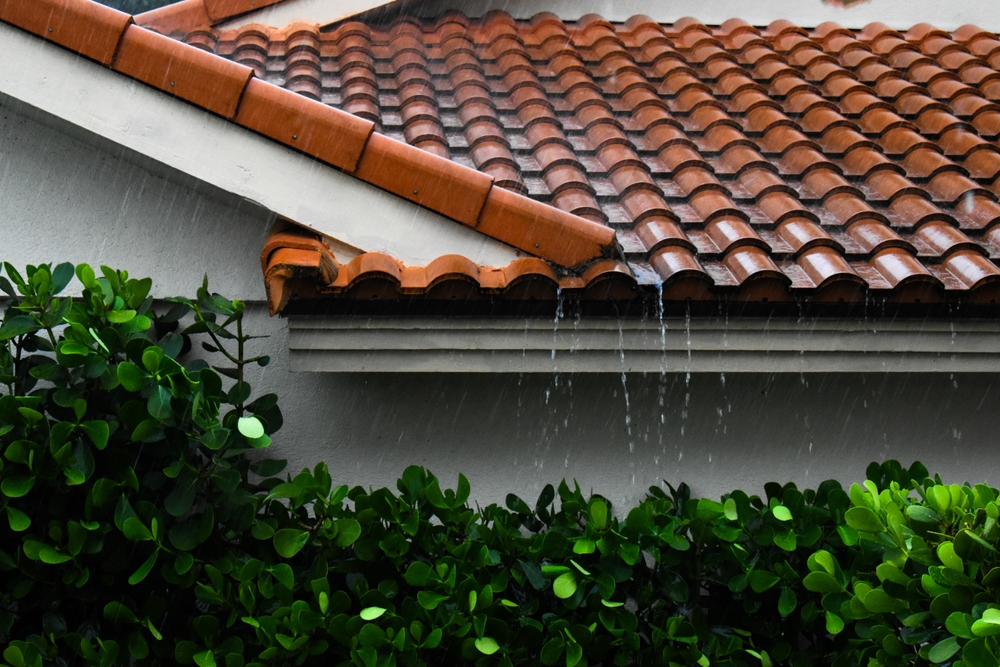
In the Midlands, a dark summer sky can unleash a torrential downpour in minutes. From the historic streets of Downtown Columbia to the communities of West Columbia, Hopkins, and Swansea, heavy rain is a defining feature of our climate. An average-sized roof can shed thousands of gallons of water during a single intense thunderstorm. Your home’s first and most critical line of defense against this deluge is its roof drainage system. When that system fails, water doesn’t just run off—it runs in, causing silent, progressive damage that can lead to costly repairs. Many homeowners only think about their roof when it’s actively leaking into a bucket on the floor. However, the most destructive water damage often happens out of sight. Clogged gutters, improper flashing, and poor drainage can force water under your shingles, where it rots wood, soaks insulation, and fosters mold growth. This guide explains how your roof’s drainage system works, how to spot the warning signs of failure, and what comprehensive roof drainage solutions can protect your home from Columbia’s relentless summer rains. For a complete overview of our storm-related restoration and insurance claim services across South Carolina, visit our storm damage and insurance roofing services in South Carolina page. The Anatomy of a Healthy Roof Drainage System A roof isn’t just a single surface; it’s an interconnected system where every component has a specific job in managing water. Understanding these parts helps you appreciate why a failure in one area can compromise the entire structure. Eaves and Drip Edge: The eaves are the edges of the roof that overhang the face of a building. Along this edge, a metal L-shaped flashing called a “drip edge” is installed. Its job is to direct water off the shingles and into the gutters, preventing it from running down the fascia board or wicking back up under the shingles. Underlayment: Beneath your shingles lies a layer of water-resistant material, either traditional felt or modern synthetic fabric. This is your roof’s secondary water barrier. If water gets past the shingles, the underlayment is the last line of defense protecting the wooden roof deck. Valleys and Flashing: Valleys are the V-shaped channels where two sloping roof planes meet. They handle a concentrated flow of water. Flashing—typically made of metal—is installed in valleys and around any roof penetration (chimneys, vents, skylights) to create a waterproof seal. Gutters: These troughs collect all the water shedding from your roof’s vast surface area. Standard residential gutters are 5 inches wide, but in a high-rainfall area like the Midlands, this is often insufficient. Downspouts and Extensions: Downspouts are the vertical pipes that carry water from the gutters down to the ground. They must be properly sized and numerous enough to handle the water volume. Extensions then carry that water at least 4-6 feet away from your home’s foundation. Grading: The ground around your foundation should be sloped, or “graded,” to slope away from the house. This ensures that the water deposited by the downspouts continues to flow away, rather than pooling against your foundation or seeping into your basement or crawlspace. When all these components work in harmony, your home stays dry. When one fails, the system breaks down. How Heavy Rains Exploit a Weak Drainage System During a Columbia flash flood or heavy summer storm, your drainage system is put to the ultimate test. Here’s where failures commonly occur and what happens next. Gutter Overflow and Backflow The most common point of failure is a clogged or undersized gutter system. Pine needles, leaves from oak trees, and shingle granules accumulate and form dams. When a sudden downpour hits, the water has nowhere to go. Overflow: The water spills over the front of the gutter, creating waterfalls that erode landscaping and saturate the ground next to your foundation. This can lead to foundation cracks and basement leaks. Backflow: More dangerously, the water backs up and flows over the back of the gutter. It saturates the wooden fascia and soffit boards, leading to wood rot. From there, it can run down the exterior walls or flow under the eaves, finding its way into your attic. A properly installed drip edge can help prevent this, but it can be overwhelmed by a severe clog. The Hidden Threat of Soaked Insulation and Decking Once water gets under the shingles—either from backflow or through a breach at a flashing point—it begins its most destructive work in secret. Soaked Insulation and Mold: Attic insulation acts like a sponge, soaking up any moisture that enters. Wet insulation loses its R-value, making your home less energy-efficient. Worse, the damp, dark environment of an attic is a perfect breeding ground for mold and mildew, which can develop in as little as 24-48 hours and pose a serious health risk. Hidden Rot Under Decking: The wooden sheathing (or “decking”) that forms the structural base of your roof is highly vulnerable to moisture. Prolonged exposure causes the wood to rot, becoming soft and spongy. This compromises the entire structural integrity of your roof. Rotted decking loses its ability to hold nails, meaning shingles can come loose, leading to even more leaks. This is a primary cause of premature roof failure and often necessitates a full storm damage roof replacement in the Midlands SC. Prolonged moisture exposure combined with extreme summer heat can accelerate material breakdown, which we explain in our guide to UV and high-temperature roof damage in Columbia. In more extreme systems where heavy rain is combined with destructive wind forces, the damage can escalate quickly, as detailed in our guide to tornado and microburst roof damage in the Midlands. Diagnosing Hidden Moisture: A Professional Approach Because the worst damage happens out of sight, identifying it requires more than a simple visual check. As a leading roofing contractor in West Columbia, we use advanced diagnostic tools to uncover hidden moisture problems before they become catastrophes. Infrared (IR) Thermography: An infrared camera can detect temperature differences in your roof and ceilings. Wet materials hold
Community Spotlight: Thanking Columbia’s Heroes with Reliable Roofing Services
Every roof tells a story — and some of the most meaningful ones belong to the men and women who’ve served our community. At Cola City Roofing, we’re proud to be a roofing company supporting veterans in Columbia, SC, along with first responders and educators who make a difference every day. For us, roofing is more than a job — it’s a way to give back. Whether we’re replacing a veteran’s roof after a storm, repairing a firefighter’s home, or helping a local teacher through our Hero Roofing Program, each project reminds us why we do what we do. We believe in combining craftsmanship, integrity, and community service to deliver roofs that last — and relationships that matter. From Columbia to Lexington, Irmo, Blythewood, and beyond, our team is honored to help protect the homes of those who protect us. If you’ve served our community and need a reliable roofing partner, Cola City Roofing is here to help — with expert care, quality materials, and heartfelt gratitude. Stories from the Field — Serving Those Who Serve Our work takes us to every corner of the Midlands, from the quiet cul-de-sacs of Lexington to the historic neighborhoods of Columbia. While we’re focused on the technical details of a roof installation, we never lose sight of the families we’re serving. The stories we hear and the people we meet are the true foundation of our business. Here are just a few community roofing projects that have stayed with us. In Irmo, we met an elementary school teacher who had been dealing with a persistent roof leak for over a year. She worried every time a storm was in the forecast, placing buckets in her attic to catch the drips. As a single-income homeowner, the thought of a major repair bill was a constant source of stress. When she called us for a free inspection, our team identified that the issue was isolated to improperly installed flashing around her chimney. We were able to perform a targeted, permanent repair. Applying her educator discount through our Hero Roofing Program made the solution affordable, finally giving her the peace of mind she deserved. Another memorable project was for a firefighter in Cayce. His schedule was demanding, and the last thing he had time to worry about was his aging roof. He noticed some shingles had blown off during a recent windstorm but kept putting off the call. A neighbor recommended it to us, and our team performed an inspection while he was on shift. We sent him photos and a clear estimate, detailing the necessary repairs. By applying his first responder discount, we were able to complete the work quickly and affordably, ensuring his home was secure while he was out protecting others. It’s a privilege to provide reliable roofing services in Columbia, SC, for heroes like him. These are more than just transactions. Each veteran roofing story from Columbia and the surrounding areas reinforces our commitment. Being a local roofing company that supports veterans is a core part of our identity. A Veteran’s Home, a New Roof, a Fresh Start One story that truly embodies our mission is that of a retired Army veteran living in West Columbia. His home, a modest brick ranch he’d lived in for over 30 years, was his pride and joy. However, its 25-year-old roof had taken a beating from decades of South Carolina storms. After a severe hailstorm swept through the area, the damage was undeniable. His insurance company initially offered a settlement that would only cover minor repairs, leaving him to pay for the rest of a much-needed replacement out of his fixed income. He felt defeated and unsure of where to turn. His daughter found us online while searching for a roofing company giving back to veterans and encouraged him to call for a second opinion. When our inspector arrived, he took the time to listen to the veteran’s story and his concerns. He then conducted a thorough inspection, meticulously documenting every point of impact from the hail—damage the initial adjuster had overlooked. Armed with this detailed evidence, we helped the homeowner reopen his claim. We met with the new adjuster on-site, walking the roof with them and pointing out the clear, widespread damage that warranted a full replacement. The insurance company approved the full replacement. It was a huge relief, but there was still the matter of the deductible. This is where our Hero Roofing Program came in. We applied his veteran discount directly to his out-of-pocket cost, significantly reducing his financial burden. The project was no longer a source of stress but a moment of empowerment. Our crew treated his home with the utmost respect, protecting his beloved rose bushes and ensuring the site was spotless at the end of each day. We installed a beautiful new architectural shingle roof, a system designed to provide superior protection for decades to come. The transformation was not just structural; it was emotional. On the final day of the project, the veteran stood in his driveway, looking up at his new roof with tears in his eyes. He said it felt like his home had been given a fresh start, a new chapter of security. This Hero Roofing Program success story is a powerful reminder of why we do what we do. How Cola City Roofing Builds Trust Across the Midlands Trust isn’t given; it’s earned. We earn it on every project by holding ourselves to the highest standards of quality, transparency, and respect. Our process is designed to give you confidence and peace of mind from the first call to the final handshake. It all starts with our core promise: “We treat your family home as if it were our own.” This philosophy guides every action we take: Free, Honest Inspections: We provide a comprehensive evaluation of your roof’s condition, not a high-pressure sales pitch. We give you a clear, unbiased assessment so you can make an informed decision. Transparent Estimates: Our quotes
Veterans and First Responders: Here’s How to Claim Your Roofing Discount

At Cola City Roofing, we believe the people who serve our community deserve the best protection possible — both on duty and at home. That’s why we’re proud to offer an exclusive roofing discount in South Carolina for veterans, first responders, and educators who dedicate their lives to helping others. This special program is our way of giving back. Whether you’ve served in the armed forces, worked on the front lines of emergency response, or taught the next generation here in the Midlands, we want to make your home’s safety more affordable. Our veteran and first responder roofing discounts apply to both roof repair and full roof replacement projects across Columbia, Lexington, Irmo, Blythewood, Cayce, and West Columbia. From free inspections to financing options, we’ll walk you through every step — making it simple to claim your discount and upgrade your roof with trusted local professionals. Your roof is your first line of defense against South Carolina’s heat, storms, and humidity. When you protect others, you shouldn’t have to worry about protecting your own home. Cola City Roofing is here to make sure you never have to. Who Qualifies for Cola City Roofing Discounts Our commitment to giving back is at the heart of our business. We created our special discount program to provide tangible savings to the pillars of our community. We wanted to make the eligibility clear and inclusive, ensuring we can thank as many of our local heroes as possible. This program is our way of acknowledging your dedication with more than just words. We are proud to extend these savings to the following groups: Veterans of the U.S. Armed Forces: This includes all active-duty service members, reservists, and honorably discharged veterans from every branch of the military. Your service to our country is deeply appreciated, and this is our small way of showing our gratitude. First Responders: All active police officers, sheriff’s deputies, state troopers, firefighters (both professional and volunteer), and emergency medical technicians (EMTs) and paramedics qualify. You are on the front lines every day keeping our neighborhoods safe, and you deserve peace of mind at home. Local Educators: We recognize that teachers, school administrators, and support staff are essential heroes who build our community’s future. This discount is for all educators working in the schools that serve our children. Homeowners in Our Service Area: Our program is available to qualifying homeowners throughout our service region, including Columbia, Lexington, Irmo, Blythewood, Cayce, West Columbia, and other nearby South Carolina communities. If you are a member of one of these groups, you are eligible for our roofing offers in Columbia, SC. We are honored to be among the local roofers with veteran discounts and programs that support our first responders. Step-by-Step: How to Redeem Your Offer We designed our discount redemption process to be as simple and straightforward as your service is honorable. There are no hoops to jump through, no complicated forms, and no hidden conditions. Here’s a clear, step-by-step guide to claiming your savings. Step 1 – Schedule Your Free Roof Inspection Everything starts with a conversation. The first step is to get in touch with our team to schedule a completely free, no-obligation roof inspection. You can reach our Columbia office by phone or simply fill out the contact form on our website. We will work with you to find a time that is convenient for your schedule. Our team will come to your home anywhere in the Columbia area to perform a thorough evaluation of your roof’s condition. Step 2 – Mention Your Service During Booking When you call or fill out the online form, just let our team member know that you are a veteran, first responder, or educator. This simple step allows us to note your eligibility right from the start, ensuring the discount is factored into our process from the very beginning. There’s no need to provide documentation at this stage; a simple mention is all that’s required to get the ball rolling. Step 3 – Receive Your Personalized Roofing Estimate After our expert technician completes the comprehensive inspection of your roof, we will provide you with a detailed and transparent estimate. This is not just a number on a piece of paper. We will walk you through our findings, explain our recommendations, and show you exactly what work is needed. Your personalized estimate will clearly itemize the costs, and you will see your hero discount applied, showing you the exact savings. Step 4 – Enjoy Premium Materials and Workmanship Warranties Once you approve the estimate, your project will be scheduled. You can have confidence knowing we use only premium materials from industry-leading manufacturers like GAF and CertainTeed. Our certified installation crews apply their local expertise to ensure every detail is handled correctly. More importantly, your investment is protected by both the manufacturer’s material warranty and our own comprehensive workmanship warranty. This dual guarantee ensures your new roof or repair is built to last. What to Expect During Your Free Roof Inspection Our free roof inspection is more than just a quick look from the ground. It is a thorough, professional assessment designed to give you a complete picture of your roof’s health. Our inspector will safely get on your roof to evaluate its condition up close, checking for a wide range of potential issues. We look for storm damage like bruised or missing shingles, deteriorated seals around pipes and vents, and cracked flashing in valleys. We also assess the overall lifespan of the roof, noting granule loss and signs of brittleness. In South Carolina’s heat, humidity, and storms, this level of detail is critical. Our inspectors are local roofing experts who know exactly how our climate impacts roofing materials. We understand how the intense summer sun can cause shingles to become brittle and how trapped humidity can lead to damaging algae growth. We will also check your attic for proper ventilation and any signs of moisture that could indicate a slow, hidden leak. After
The Importance of a Safe, Strong Roof for Those Who Protect Us
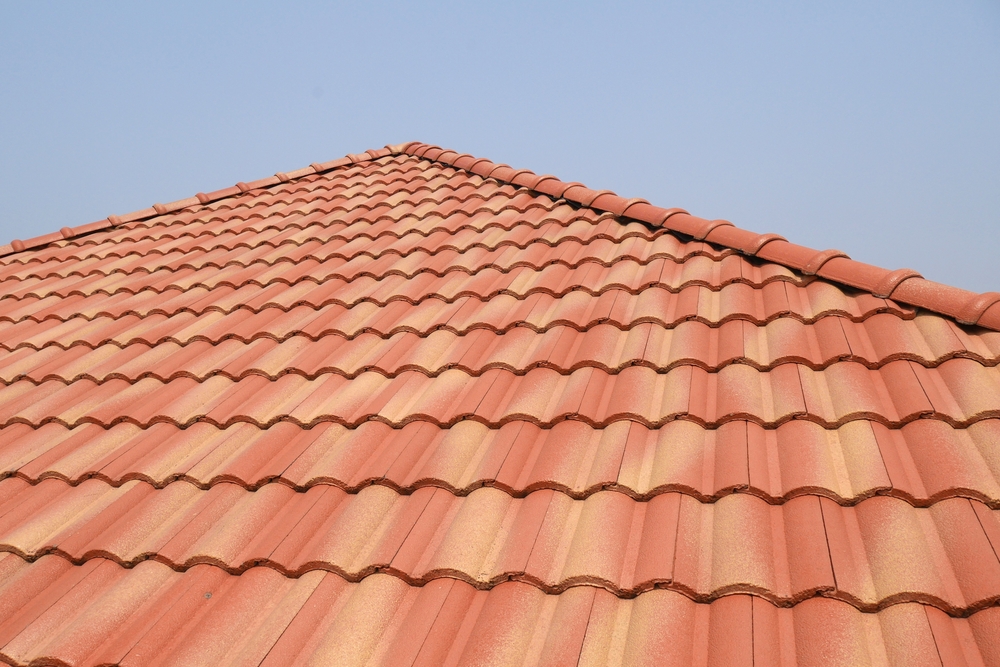
A strong roof is more than just protection from the elements — it’s peace of mind. At Cola City Roofing, we believe that the men and women who protect our communities deserve that same security at home. Our commitment to roof safety in Columbia, SC extends to every veteran, first responder, and family we serve, ensuring homes are built to withstand South Carolina’s heat, humidity, and storms. The people who protect our community — veterans, first responders, and educators — know the importance of safety and reliability. At Cola City Roofing, we bring that same mindset to every home we work on. Roof safety isn’t just a service; it’s our way of ensuring that Columbia’s heroes have the same protection at home that they provide for the rest of us. In South Carolina’s unpredictable climate, a strong roof is more than structure — it’s security. Heavy rain, summer heat, and high humidity can take a toll on shingles and underlayment, leading to leaks or weakened areas over time. That’s why regular roof inspections and maintenance are essential for keeping your home safe and your family comfortable year-round. For homeowners in Columbia, Lexington, Irmo, Blythewood, Cayce, and West Columbia, our team specializes in durable roofing systems designed to withstand local weather challenges. Whether it’s a metal roof for long-term resilience or architectural shingles for improved energy efficiency, we tailor each project to your needs — backed by material and workmanship warranties that deliver peace of mind. At Cola City Roofing, we treat every home like it’s our own. From free roof safety inspections to exclusive discounts for veterans and first responders, our mission is simple: protect those who protect us. Roof Safety Starts with Regular Inspections The best way to ensure roof safety is to be proactive, not reactive. For many homeowners, the roof is out of sight and out of mind until a problem, like a leak or visible damage, arises. By that time, the issue has often progressed from a minor concern to a major, costly repair. A professional roof inspection is the single most effective tool for preventing this scenario. It’s a preventative health checkup for the most critical protective barrier of your home. A free roof safety inspection from Cola City Roofing helps homeowners in Columbia identify wear and tear or storm damage long before it becomes catastrophic. Our trained experts can spot subtle signs of trouble that an untrained eye would easily miss—a cracked pipe boot, lifted shingles on a section of the roof you can’t see from the ground, or early signs of granule loss that indicate your shingles are becoming brittle. By catching these issues early, you can address them with a simple, affordable repair instead of facing a major system failure during the next heavy downpour. This proactive approach not only saves you money but also provides invaluable peace of mind. For veterans and first responders, whose schedules can be demanding and unpredictable, knowing your home is secure is paramount. A regular roof inspection in Columbia, SC is a small investment of time that pays huge dividends in safety and security, allowing you to focus on your mission without worrying about what’s happening overhead. Why Durability Matters for South Carolina Homes Living in the Midlands means enjoying beautiful seasons, but it also means subjecting our homes to a relentless cycle of extreme weather. The intense summer heat bakes roofing materials, causing them to expand and become brittle. High humidity traps moisture, creating a perfect environment for algae growth and accelerating the rot of underlying wood decking if a small leak occurs. Then come the torrential downpours and high winds of our frequent thunderstorms, which test every seal and shingle. This constant environmental stress is why durability isn’t a luxury; it’s a necessity for South Carolina roofing. A standard, builder-grade roof might suffice in a milder climate, but here, it will break down much faster. Investing in durable roofing materials installed by local roofing experts who understand our climate is crucial for long-term protection. Durable materials are specifically engineered to withstand thermal cycling, resist wind uplift, and prevent moisture intrusion. At Cola City Roofing, our commitment to durability extends beyond the materials we use. It’s ingrained in our craftsmanship. We back every project with a comprehensive workmanship warranty, standing behind the quality of our installation. When combined with strong manufacturer warranties, this provides a dual layer of protection, ensuring your investment is safe for decades to come. This focus on long-lasting solutions is especially important for our local heroes, who deserve a home that is as resilient and dependable as they are. Asphalt vs. Metal — Which Offers Better Long-Term Protection? When considering a new roof, one of the biggest decisions is choosing the right material. For homeowners in Columbia, the choice often comes down to two excellent options: asphalt shingles and metal roofing. Both offer great protection, but they have distinct advantages in terms of cost, lifespan, and performance in our climate. Asphalt Shingles: Modern architectural asphalt shingles are a fantastic choice for most homeowners. They offer a superb balance of cost-effectiveness, aesthetic appeal, and durability. Pros: Architectural shingles are thicker and more resilient than older 3-tab styles, offering superior wind resistance and a longer lifespan of 20-30 years. They come in a vast array of colors and styles to match any home, and their upfront cost is significantly lower than metal. Cons: While durable, they will eventually need replacement. They can be more susceptible to impact damage from large hail or falling limbs compared to metal. Energy Efficiency: Many modern asphalt shingles are available in “cool roof” colors that reflect more solar radiation, helping to keep your attic cooler and reduce A/C costs during our sweltering summers. Metal Roofing: For those seeking the ultimate in long-term performance and peace of mind, metal roofing is an increasingly popular choice. Pros: Metal roofs are unmatched in longevity, often lasting 50 years or more with minimal maintenance. They are exceptionally resistant to
How We Serve Those Who Serve: Roof Repair & Replacement Programs for Local Heroes
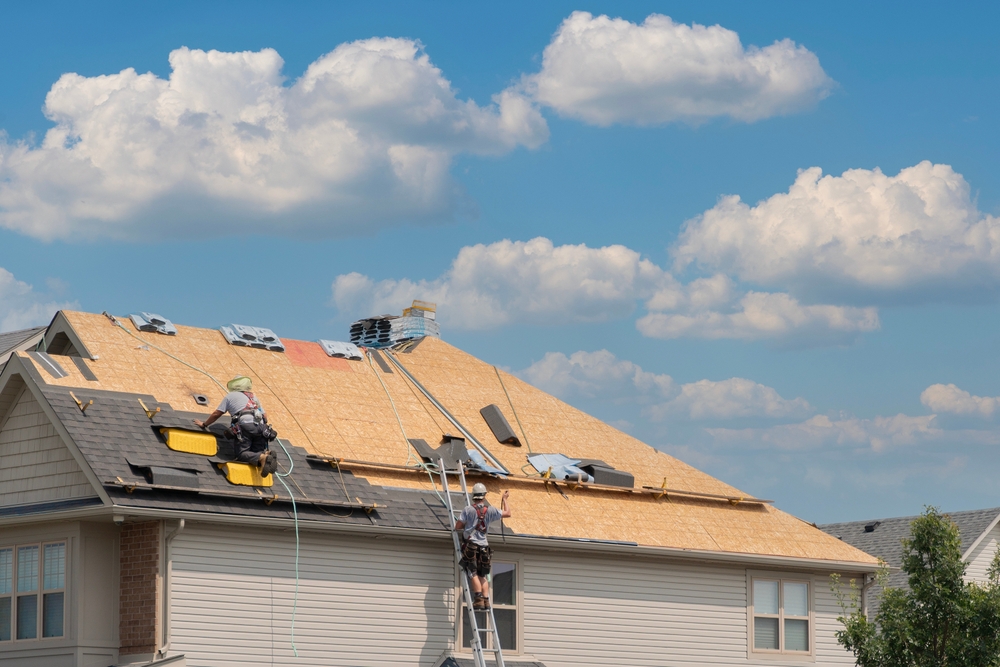
At Cola City Roofing, serving those who serve is more than a promise — it’s part of who we are. Through our Hero Roofing Program in Columbia, SC, we’re proud to offer exclusive savings on roof repairs and replacements for veterans, first responders, and educators. You’ve dedicated your life to protecting and supporting others, and we believe you deserve the same level of care and protection at home. From durable materials to honest workmanship, every project we complete is a small way of saying thank you for your service. Introducing the Hero Roofing Program in Columbia, SC For years, we’ve had the privilege of working with countless service members, veterans, and first responders across the Midlands. We saw firsthand their commitment to excellence, integrity, and safety—values we strive to embody in our own work every day. It became clear that we wanted to do more than just provide a service; we wanted to create a dedicated channel of support for these pillars of our community. That’s why we established the Hero Roofing Program in Columbia, SC. This program is our official way of giving back. It’s a structured initiative designed to make essential roofing services more affordable for the men and women who have dedicated their careers to public service. This includes active-duty military, veterans, police officers, firefighters, EMTs, and the educators who shape our future. We created this program because we believe that a safe, secure roof is something no one should have to worry about, especially not those who already carry the weight of our community on their shoulders. The Hero Roofing Program is our commitment to providing peace of mind through high-quality veteran roof repair in Columbia, SC, and comprehensive roof replacement programs across the state. Roofing Services That Honor Columbia’s Local Heroes We understand that individuals who have served in the military or as first responders operate with a high standard of precision, safety, and trust. Our services are tailored to meet and exceed those expectations. From the moment you schedule a free roof inspection, you’ll notice a difference. Our approach is built on clear communication, transparent pricing, and a deep respect for you and your home. We provide honest assessments, never recommending a full replacement when a durable repair will suffice. Our goal is to equip you with the best information so you can make a confident decision. Roof Repair Built on Reliability and Respect For many homeowners, a roof issue doesn’t require a full overhaul. It might be a few missing shingles after a storm, a small leak around a vent pipe, or granule loss on an aging roof. Our approach to roof repair in Columbia, SC is grounded in reliability and respect. We don’t believe in temporary patches or quick fixes that will only fail in a few months. We diagnose the root cause of the problem and execute a repair designed to last, using materials that integrate seamlessly with your existing roof. Our team treats every repair with the same level of craftsmanship and attention to detail as a full installation. We understand that your home is your sanctuary, and we work efficiently and cleanly to resolve the issue with minimal disruption to your life. For our local heroes, this means you can trust that the job will be done right the first time, protecting your home and your investment. Full Roof Replacement with Long-Term Value When a roof has reached the end of its functional life or sustained widespread damage, a full replacement is the most effective solution. For South Carolina homeowners, this decision provides unmatched long-term value. A full roof replacement isn’t just about new shingles; it’s a complete system overhaul that ensures your home is protected from the foundation up. It allows us to address any underlying issues with the roof deck, improve attic ventilation, and install a modern, integrated system built to withstand Columbia’s harsh weather cycles. Choosing a full replacement provides decades of peace of mind. Every new roof we install is backed by robust manufacturer warranties on materials and our own comprehensive workmanship warranty. This is our promise to you that your new roof is a sound, long-term investment in your home’s safety and value. Through our Hero Roofing Program, we make this vital home improvement project more affordable, ensuring our community’s protectors have lasting protection over their own heads. Materials That Last: Asphalt, Architectural, and Metal Roofing Options A great roof starts with great materials. Especially in South Carolina, where intense sun, high humidity, and severe storms are a reality, choosing the right material is critical. Through the Hero Roofing Program, you have access to our full range of high-performance roofing options, each with its own set of benefits tailored to our climate. Asphalt Shingles: As the most popular roofing choice, modern asphalt shingles offer a fantastic blend of affordability, reliability, and style. They are a cost-effective solution for homeowners needing a dependable roof without a premium price tag. We use high-quality asphalt roofing in Columbia, SC, that is treated to resist algae growth—the cause of those ugly black streaks—and is manufactured to withstand high winds. It’s a practical and durable choice for many homes. Architectural Shingles: For homeowners seeking enhanced durability and curb appeal, architectural shingles are an excellent upgrade. These shingles are thicker and heavier than standard asphalt, featuring a multi-dimensional look that adds depth and character to your home. Their construction provides superior resistance to wind uplift and impact damage, making them one of the best choices for our storm-prone region. Architectural shingles in SC often come with longer warranties, reflecting their extended lifespan and performance. Metal Roofing: For the ultimate in longevity and durability, metal roofing is second to none. While it represents a higher upfront investment, a metal roof can last 50 years or more with minimal maintenance. It is exceptionally resistant to wind, fire, and rot, and it is highly energy-efficient, reflecting solar heat to keep your home cooler and reduce energy bills. For veterans