That scratching sound you hear in the attic at night might be more than just the house settling. For homeowners in the beautiful, wooded suburbs of Irmo, Lexington, and Chapin, a host of unwelcome critters are constantly looking for a way into the shelter of your home—and your roof is their primary point of entry. Squirrels, raccoons, birds, and insects see your roof’s vents, soffits, and small gaps as an open invitation.
What starts as a minor nuisance can quickly escalate into significant structural damage, leaks, and costly repairs. Pests don’t just live in your attic; they chew, tear, and dismantle your roof to get there, compromising its ability to protect you from the elements. This guide will help you identify the signs of a pest invasion, understand the damage they cause, and outline the integrated approach required to evict them, repair the damage, and seal your home for good.
For a broader look at how we handle storm-related roof damage and insurance restoration across South Carolina, visit our storm damage and insurance roofing services in South Carolina page.
The Rogues’ Gallery: Common Roof Pests in the Midlands
Different pests cause different types of damage. Identifying the culprit is the first step in creating an effective plan for removal and repair.
Squirrels and Raccoons: The Brute Force Intruders
These larger mammals are strong, persistent, and incredibly destructive. They don’t need a large existing hole; they make their own.
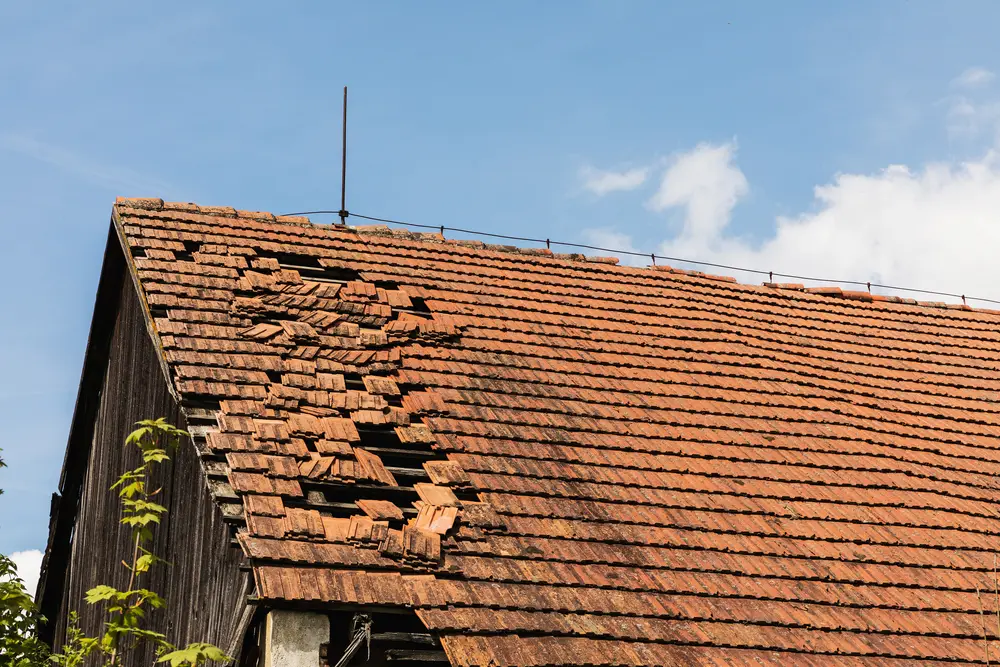
- How They Get In: Squirrels can chew through soft wood on fascia boards, pry open soffit panels, and gnaw through plastic roof vents. Raccoons have the strength to tear off shingles, bend back flashing, and rip loose ridge vents right off the peak of your roof.
- The Damage They Cause: They chew through electrical wires, creating a fire hazard. Their nesting materials can block vital attic ventilation. They tear up insulation, reducing your home’s energy efficiency. Most critically, their entry points create large, open holes for water to pour into your home, leading to rapid wood rot and mold.
Once an entry point is created, heavy thunderstorms can quickly turn it into a major leak, especially during Columbia’s seasonal downpours, as we explain in our guide to protecting your roof from Columbia’s heavy summer rains.
Birds and Bats: The Opportunistic Nesters
Birds and bats look for existing gaps and openings to use as sheltered nesting sites.
- How They Get In: Birds often build nests in broken roof vents, behind loose siding, or inside gutters and downspouts. Bats can squeeze through gaps as small as 3/8 of an inch, commonly entering at the ridge vent, behind fascia boards, or through unscreened gable vents.
- The Damage They Cause: Bird nests in gutters cause blockages, leading to water backup and rot. Bat guano and bird droppings are highly acidic and corrosive. A large accumulation is not only a serious health hazard (e.g., histoplasmosis from bat guano) but also holds moisture, which can saturate ceilings and lead to wood decay.
Insects: The Silent Destroyers
Wasps, bees, and termites cause problems that are often hidden until they are severe.
- Wasps and Bees: Paper wasps and hornets love to build nests under the eaves, behind shutters, and even under loose shingles. Carpenter bees drill perfect, half-inch holes into wooden fascia boards and decking to lay their eggs.
- Termites: Subterranean termites can travel from the ground up your foundation and into the wooden elements of your roof structure, including rafters and the roof deck. They hollow out the wood from the inside, often causing massive structural damage before being detected.
Aging, heat-dried shingles and brittle sealants make entry easier for wildlife, which we discuss in detail in our article on UV and high-temperature roof damage in Columbia.
Red Flags: How to Spot a Pest Infestation
You can often see or hear signs of a pest problem long before you see the animals themselves.
- Noises: Scratching, scurrying, or thumping sounds in the attic or walls, especially at dawn, dusk, or overnight.
- Droppings: Finding animal droppings in your attic, on your porch, or around the base of your house.
- Stains: Unexplained dark stains appearing on a ceiling could be from the moisture in pest urine and guano.
- Visible Damage: Look for gnawed or chewed holes in your fascia boards or soffits. Check plastic or lead pipe boot flashings for chew marks.
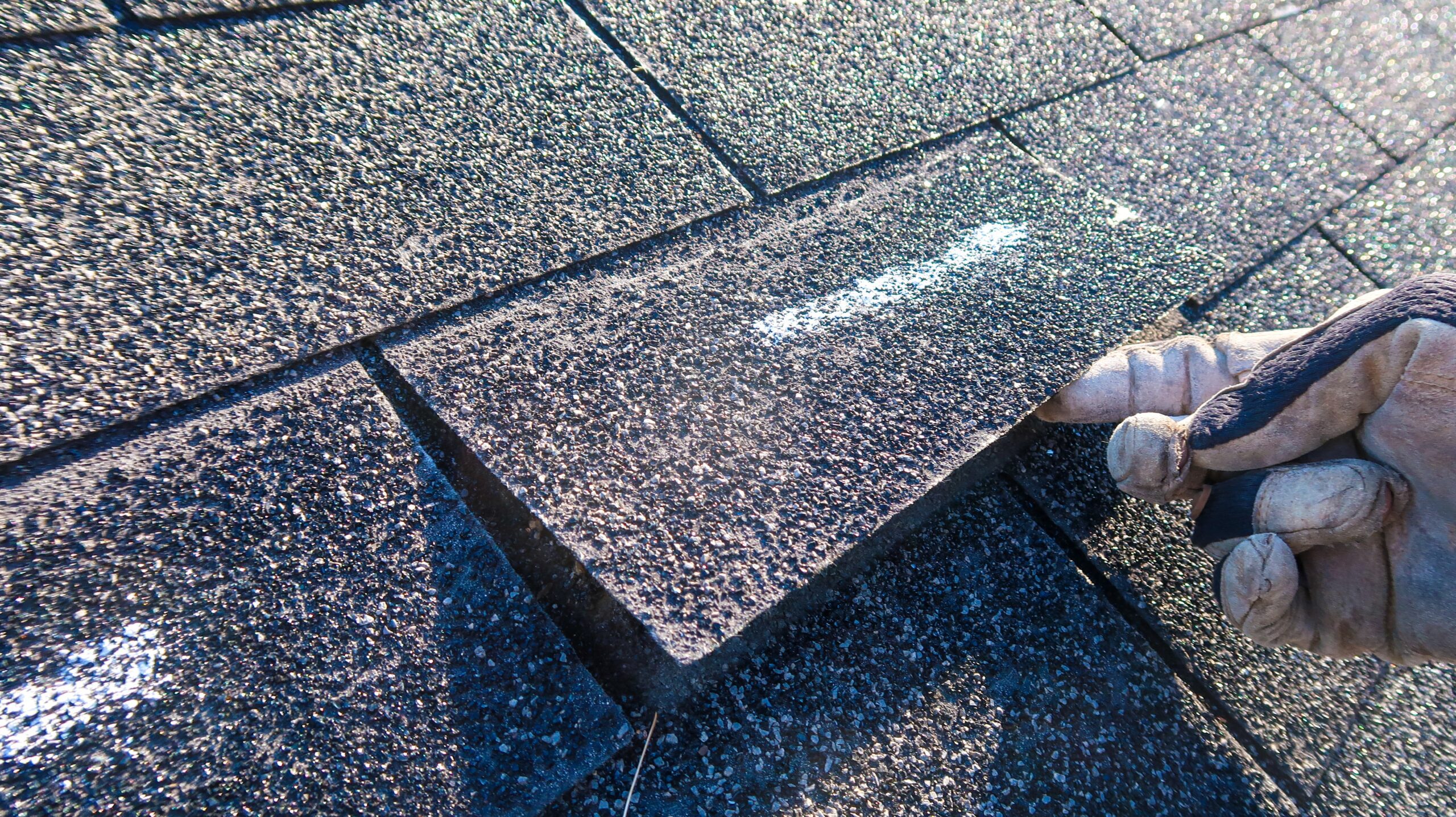
- Displaced Materials: Notice shingles that are torn or out of place, or a ridge vent that looks lifted or crooked.
- Nesting Debris: Seeing twigs, leaves, and other nesting materials around vents or under eaves.
- Daylight in the Attic: During the day, go into your attic (with the lights off) and look for any daylight peeking through. Any hole that lets in light will let in pests and water.
The Integrated Response: A Step-by-Step Workflow
Getting rid of pests and fixing the damage is a multi-step process that requires coordination between roofing and, in some cases, wildlife control professionals.
Step 1: Safety and Professional Inspection
Do not attempt to confront or corner a wild animal in your attic. They can be aggressive and may carry diseases. Your first call should be to a professional roofer who has experience with pest damage. We will conduct a thorough inspection to identify the type of pest, locate all entry points, and assess the full scope of the roofing and structural damage.
Step 2: Humane Exclusion (Not Trapping)
The most effective and humane way to get pests out of your attic is through exclusion.
- How It Works: We seal all potential entry points on your roof except for the primary one the animals are currently using. Over that main entry, we install a one-way door or exclusion device.
- The Result: The animals (like squirrels or raccoons) can leave your attic to forage for food, but they cannot get back in. After a few days, once we are certain all animals have left, we remove the one-way door and permanently seal the final entry point.
Step 3: Repair, Reinforce, and Seal
Once the pests are gone, the real repair work begins. This isn’t just about patching a hole; it’s about rebuilding a stronger, pest-proof barrier.
- Remove and Replace Damaged Materials: We remove any chewed fascia boards, rotted decking, and torn shingles.
- Install Pest-Proof Materials: We use materials designed to deter future intrusions: Critter-Proof Vent Covers: We replace flimsy plastic vents with strong metal vents that are resistant to chewing.
- Hardware Cloth: We screen all vents (gable, soffit, ridge) from the inside with heavy-gauge galvanized steel mesh (hardware cloth) that animals cannot chew through.
- Metal Drip Edge: A properly installed metal drip edge not only helps with water management but also creates a hard, chew-proof barrier at the edge of the roof.
- Sealed Ridge Vents: We ensure ridge vents are securely fastened and properly sealed to prevent bats and insects from entering.
- Neoprene Pipe Boots: We replace chewed lead pipe boots with durable neoprene boots that have a metal base, offering better resistance to pests.
- Chimney Caps: A professionally installed chimney cap is the only way to keep raccoons, birds, and squirrels from turning your chimney into a home.
Step 4: Attic Sanitation and Restoration
After an infestation, the attic is often a mess of droppings, soiled insulation, and nesting debris.
- Debris Removal: All nesting materials and debris must be removed.
- Insulation Replacement: Soiled and compacted insulation must be removed and replaced to restore your home’s energy efficiency and remove health hazards.
- Sanitation and Deodorization: In severe cases, the attic may need to be treated with a special enzyme-based cleaner to neutralize odors and sanitize the area, discouraging other pests from being attracted to the lingering scent.
When to Call a Roofer vs. a Wildlife Control Expert
- Call a Roofer First: For any issue involving your roof, start with a roofer. We can assess the damage to the roofing system and often handle the exclusion and sealing work as part of the roof repair. A roofing contractor is the expert in making your home structurally sound and weatherproof.
- When You Need Wildlife Control: If you are dealing with a large, aggressive animal, a major bat colony, or a protected species, we will work in partnership with a licensed wildlife control operator. They specialize in the safe and legal handling of animals.
Important Legal and Safety Note: Some animals, like bats, are protected species in many areas, and there are strict regulations about when and how they can be excluded (e.g., not during their maternity season). Similarly, honeybee colonies should be relocated by a professional beekeeper, not exterminated. We are knowledgeable about these regulations and will ensure all work is done legally and ethically.
Insurance Coverage for Pest Damage
This is a tricky area for many homeowners. Insurance policies are often very specific about what is covered.
- What’s Usually NOT Covered: Most insurance policies consider pest infestation and the damage they cause to be a result of gradual wear, tear, or a lack of maintenance. The cost of removing the animals and repairing a hole they chewed over time is typically not covered.
- What MIGHT Be Covered: There can be exceptions. If a pest causes subsequent, sudden damage (e.g., a squirrel chews an electrical wire that causes a fire), that subsequent event may be covered. More commonly, if a covered peril like a windstorm damages your roof (e.g., blows off a fascia board), and pests then enter through that new opening, the roof repair itself would be part of a legitimate storm damage roof replacement claim. Navigating these nuances is where our experience with insurance roof claim help in Columbia becomes invaluable.
Frequently Asked Questions About Pest-Related Roof Damage
- I hear noises in my attic. What should I do first? Call a professional roofer for an inspection. Don’t go into the attic yourself. We can safely inspect the attic and the exterior of your roof to identify the pest, find the entry point, and assess the damage without putting you at risk.
- Can I just set a trap in the attic? Trapping is often an ineffective, short-term solution. If you trap one animal but don’t seal the entry point, another one will simply move in. Trapping also runs the risk of separating a mother from her young, leading to a much worse problem. Exclusion is the correct long-term solution.
- Will homeowners insurance pay for squirrel damage? In most cases, no. Insurance companies view damage from rodents and vermin as a preventable maintenance issue.
- How do I keep birds from nesting in my vents? The only permanent solution is to have a professional install proper pest-proof vent covers and screens.
- I have carpenter bees drilling into my deck and fascia. Are they hurting my roof? Yes. While the damage from one or two bees is minor, a long-term infestation can create a network of tunnels (galleries) that weaken the wood. More importantly, those holes allow water to get in, which leads to wood rot.
- What’s the best way to get rid of a wasp nest under my eaves? For a large or aggressive nest, it’s always safest to call a professional pest control service. If a nest is located under a shingle or behind a fascia board, it may require a roofer to perform a small disassembly to allow for treatment and then properly repair the area.
- Is it expensive to pest-proof my roof? The cost of proactive pest-proofing is minimal compared to the cost of repairing extensive water and structural damage after an infestation. Sealing vents with hardware cloth and ensuring a solid drip edge are cost-effective upgrades that pay for themselves many times over.
Secure Your Home from Unwanted Tenants
Your roof should be a barrier, not a doorway for wildlife. The peace and quiet of living in a wooded area like Chapin or near Lake Murray shouldn’t be interrupted by the sound of pests making a home in your attic. By taking a proactive approach and addressing any signs of intrusion immediately, you can protect your roof, your home’s structure, and your family’s health.
If you suspect you have a pest problem, contact Cola City Roofing. We specialize in the complete, integrated solution: a thorough inspection, professional repairs, and robust sealing to keep pests out for good. Let us restore the integrity of your roof and your peace of mind.