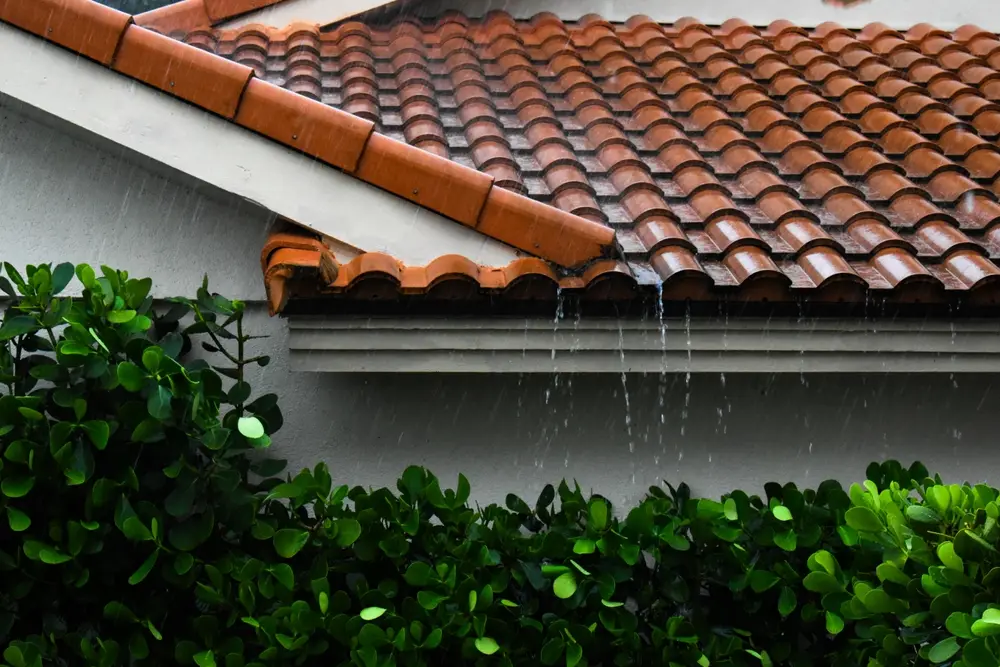
In the Midlands, a dark summer sky can unleash a torrential downpour in minutes. From the historic streets of Downtown Columbia to the communities of West Columbia, Hopkins, and Swansea, heavy rain is a defining feature of our climate. An average-sized roof can shed thousands of gallons of water during a single intense thunderstorm. Your home’s first and most critical line of defense against this deluge is its roof drainage system. When that system fails, water doesn’t just run off—it runs in , causing silent, progressive damage that can lead to costly repairs.
Many homeowners only think about their roof when it’s actively leaking into a bucket on the floor. However, the most destructive water damage often happens out of sight. Clogged gutters, improper flashing, and poor drainage can force water under your shingles, where it rots wood, soaks insulation, and fosters mold growth. This guide explains how your roof’s drainage system works, how to spot the warning signs of failure, and what comprehensive roof drainage solutions can protect your home from Columbia’s relentless summer rains.
For a complete overview of our storm-related restoration and insurance claim services across South Carolina, visit our storm damage and insurance roofing services in South Carolina page.
The Anatomy of a Healthy Roof Drainage System
A roof isn’t just a single surface; it’s an interconnected system where every component has a specific job in managing water. Understanding these parts helps you appreciate why a failure in one area can compromise the entire structure.
- Eaves and Drip Edge: The eaves are the edges of the roof that overhang the face of a building. Along this edge, a metal L-shaped flashing called a "drip edge" is installed. Its job is to direct water off the shingles and into the gutters, preventing it from running down the fascia board or wicking back up under the shingles.
- Underlayment: Beneath your shingles lies a layer of water-resistant material, either traditional felt or modern synthetic fabric. This is your roof’s secondary water barrier. If water gets past the shingles, the underlayment is the last line of defense protecting the wooden roof deck.
- Valleys and Flashing: Valleys are the V-shaped channels where two sloping roof planes meet. They handle a concentrated flow of water. Flashing—typically made of metal—is installed in valleys and around any roof penetration (chimneys, vents, skylights) to create a waterproof seal.
- Gutters: These troughs collect all the water shedding from your roof’s vast surface area. Standard residential gutters are 5 inches wide, but in a high-rainfall area like the Midlands, this is often insufficient.
- Downspouts and Extensions: Downspouts are the vertical pipes that carry water from the gutters down to the ground. They must be properly sized and numerous enough to handle the water volume. Extensions then carry that water at least 4-6 feet away from your home’s foundation.
- Grading: The ground around your foundation should be sloped, or "graded," to slope away from the house. This ensures that the water deposited by the downspouts continues to flow away, rather than pooling against your foundation or seeping into your basement or crawlspace.
When all these components work in harmony, your home stays dry. When one fails, the system breaks down.
How Heavy Rains Exploit a Weak Drainage System
During a Columbia flash flood or heavy summer storm, your drainage system is put to the ultimate test. Here’s where failures commonly occur and what happens next.
Gutter Overflow and Backflow
The most common point of failure is a clogged or undersized gutter system. Pine needles, leaves from oak trees, and shingle granules accumulate and form dams. When a sudden downpour hits, the water has nowhere to go.
- Overflow: The water spills over the front of the gutter, creating waterfalls that erode landscaping and saturate the ground next to your foundation. This can lead to foundation cracks and basement leaks.
- Backflow: More dangerously, the water backs up and flows over the back of the gutter. It saturates the wooden fascia and soffit boards, leading to wood rot. From there, it can run down the exterior walls or flow under the eaves, finding its way into your attic. A properly installed drip edge can help prevent this, but it can be overwhelmed by a severe clog.
The Hidden Threat of Soaked Insulation and Decking
Once water gets under the shingles—either from backflow or through a breach at a flashing point—it begins its most destructive work in secret.
- Soaked Insulation and Mold: Attic insulation acts like a sponge, soaking up any moisture that enters. Wet insulation loses its R-value, making your home less energy-efficient. Worse, the damp, dark environment of an attic is a perfect breeding ground for mold and mildew, which can develop in as little as 24-48 hours and pose a serious health risk.
- Hidden Rot Under Decking: The wooden sheathing (or "decking") that forms the structural base of your roof is highly vulnerable to moisture. Prolonged exposure causes the wood to rot, becoming soft and spongy. This compromises the entire structural integrity of your roof. Rotted decking loses its ability to hold nails, meaning shingles can come loose, leading to even more leaks. This is a primary cause of premature roof failure and often necessitates a full storm damage roof replacement in the Midlands SC.
Prolonged moisture exposure combined with extreme summer heat can accelerate material breakdown, which we explain in our guide to UV and high-temperature roof damage in Columbia.
In more extreme systems where heavy rain is combined with destructive wind forces, the damage can escalate quickly, as detailed in our guide to tornado and microburst roof damage in the Midlands.
Diagnosing Hidden Moisture: A Professional Approach
Because the worst damage happens out of sight, identifying it requires more than a simple visual check. As a leading roofing contractor in West Columbia, we use advanced diagnostic tools to uncover hidden moisture problems before they become catastrophes.
- Infrared (IR) Thermography: An infrared camera can detect temperature differences in your roof and ceilings. Wet materials hold a different temperature than dry ones. An IR scan can reveal the extent of moisture saturation in your attic insulation or behind drywall, even when the surface feels dry to the touch.
- Moisture Meters: For a more direct reading, we use moisture meters with probes that can be inserted into drywall, wood, or insulation. These tools give a quantitative measurement of the moisture content, confirming the presence of a leak and helping us trace it to its source.
- Comprehensive Attic Assessments: A thorough attic inspection is non-negotiable. We look for dark stains on the underside of the roof decking, feel for damp insulation, check for musty odors indicating mold or mildew, and look for any daylight penetrating the roof, which indicates a direct breach.
Your Pre-Rainy-Season Roof Preparation Checklist
Proactive maintenance is the key to preventing heavy rain roof leaks. Use this checklist each spring before the summer storms begin.
- Clean Your Gutters and Downspouts: Remove all leaves, pine needles, and debris. After cleaning, run water from a hose through the gutters to ensure they flow freely and there are no hidden clogs in the downspouts.
- Inspect Gutter Integrity: Look for sagging gutters or sections that have pulled away from the fascia board. Ensure all joints are sealed and not leaking.
- Check Your Downspout Extensions: Make sure your downspout extensions are connected and directing water at least 4-6 feet away from your foundation. Ensure the surrounding ground slopes away from your house.
- Do a Ground-Level Roof Scan: Look for any missing, cracked, or curled shingles. Pay close attention to areas around chimneys, pipes, and vents.
- Trim Overhanging Trees: Cut back any tree branches that are touching or hanging directly over your roof. This reduces the debris that falls onto your roof and prevents damage from scraping limbs.
- Schedule a Professional Inspection: The most important step is to have a professional roofer conduct a full inspection. We can spot subtle issues with flashing, seals, and underlayment that are invisible from the ground and ensure your roof is truly ready for the season.
Upgrades for a Flood-Proof Roof: Comprehensive Drainage Solutions
If your home consistently struggles with water management, it may be time to invest in upgrades. These solutions are designed to handle the intense rainfall common to our region.
- Oversized Gutters and Downspouts: Many homes in older neighborhoods of Columbia were built with standard 5-inch gutters. Upgrading to 6-inch gutters increases the water-carrying capacity by about 40%. Coupling them with oversized 3×4 inch downspouts ensures that the massive volume of water coming off the roof can be evacuated quickly.
- Gutter Guards: Professionally installed gutter guards can significantly reduce the amount of debris that enters your gutters, preventing clogs from forming in the first place. This is especially useful for homes surrounded by pine trees or large oaks.
- Ice & Water Shield: This is a thick, rubberized asphalt membrane that is installed along the most vulnerable areas of your roof—the eaves, in the valleys, and around penetrations—before the shingles go on. It adheres directly to the roof deck, creating a 100% waterproof seal that prevents water intrusion from gutter backflow or wind-driven rain.
- Chimney Crickets: If you have a wide chimney on the downward slope of your roof, water can pool behind it. A "cricket" is a small, peaked structure built behind the chimney to divert water and prevent this pooling, which is a common source of heavy rain roof leaks.
- Proper Attic Ventilation: A well-ventilated attic helps moisture that does get in to dry out quickly, preventing mold growth and rot. It also helps regulate temperature, extending the life of your shingles.
Landscaping, Grading, and Insurance Considerations
Protecting your home from water doesn’t stop at the roofline.
- Flood-Aware Landscaping: Avoid building up flower beds or mulch volcanoes against your foundation. This creates a ramp for water to flow towards your house. Ensure all soil and landscaping materials slope away from your home’s foundation.
- Water vs. Flood Insurance: This is a critical distinction. A standard homeowner’s insurance policy typically covers water damage that originates from the top-down (e.g., a roof leak, a burst pipe). It does not cover damage from ground-up water, or flooding. If a flash flood causes water to enter your home from the ground level, you would need a separate flood insurance policy. However, if our roof repair services in Columbia SC are needed because heavy rain caused a roof failure that led to water damage, that should be covered by your homeowner’s policy. We can provide insurance roof claim help to ensure your claim is documented and filed correctly.
Frequently Asked Questions about Rain and Roof Drainage
- My gutters are clean, but they still overflow in heavy rain. Why? Your gutters are likely undersized for your roof’s surface area. Homes with large or steep roofs need wider, 6-inch gutters and more downspouts to handle the water volume during a typical Columbia thunderstorm.
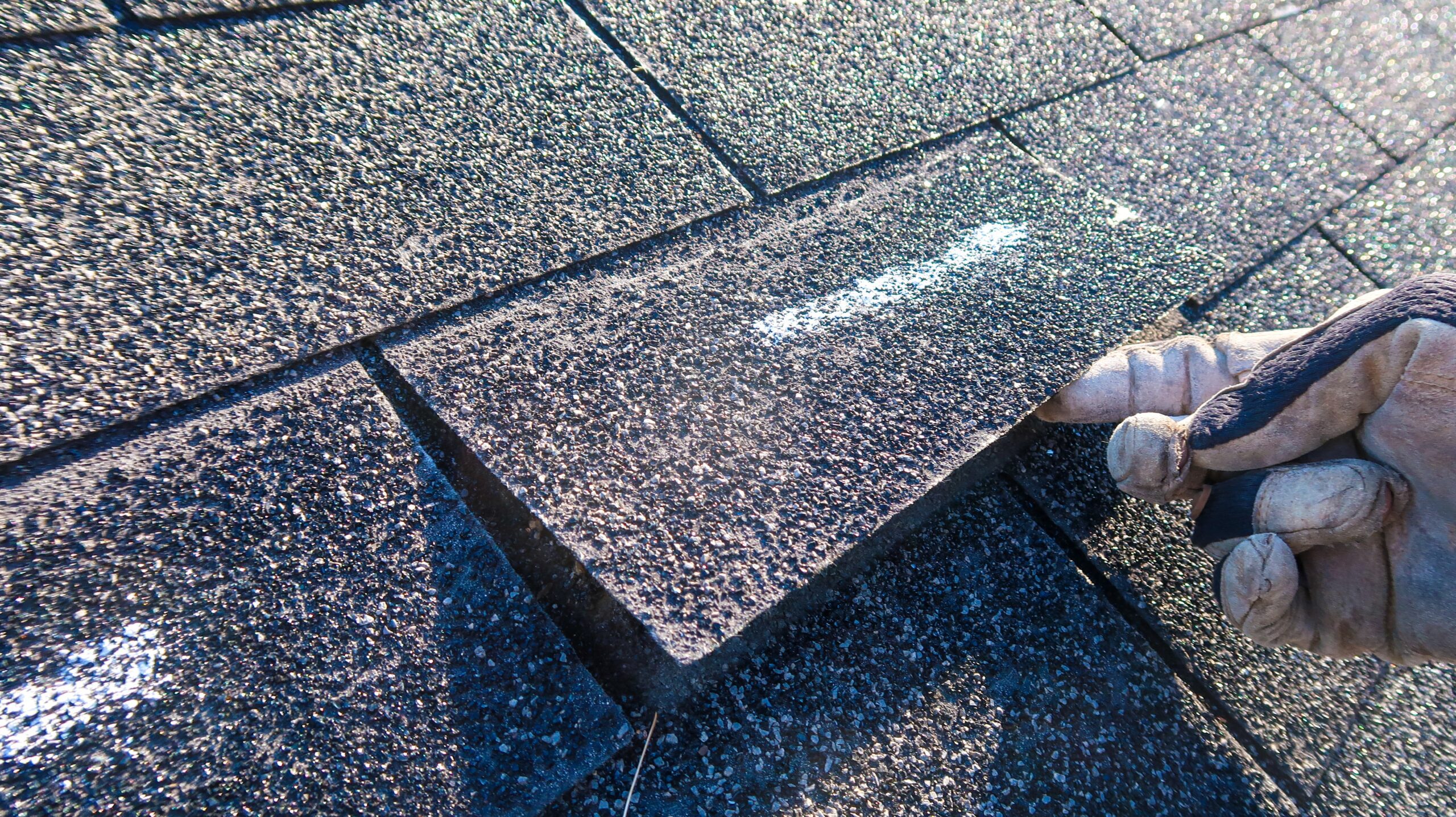
- I see black streaks on my roof. Is that a sign of a leak? Not necessarily a leak, but it is a problem. Those black streaks are a type of algae (Gloeocapsa magma) that feeds on the limestone filler in asphalt shingles. While not a direct cause of leaks, it can degrade the shingles over time and is a sign that your roof is holding moisture.
- What is a drip edge, and do I really need one? A drip edge is a metal flashing installed at the edge of the roof. It is absolutely essential. It prevents water from wicking back under the shingles and rotting your fascia boards and roof decking. Modern building codes require it, and any quality roof repair in Columbia SC will include it.
- Can I install gutter guards myself? While some DIY products are available, many can be ineffective or even cause damage. Some types lay flat on the gutter and allow debris to build up on top, creating a dam. Others require you to nail them through your shingles, which can create leaks and void your roof warranty. Professional installation is recommended.
- How often should I have my roof professionally inspected for water issues? We recommend a professional inspection at least once every two years, or after any major storm event. For homes in heavily wooded areas like those near Hopkins or Swansea, an annual check-up before the summer rainy season is a wise investment.
- My ceiling has a water stain, but it’s dry now. Should I still be concerned? Yes, absolutely. A water stain is definitive proof that water has breached your home’s defenses. The leak may be intermittent, only appearing during prolonged or wind-driven rain. The underlying issue is still there, and the hidden damage (rot, mold) will continue to worsen until it is found and fixed.
- How much do comprehensive roof drainage solutions cost? The cost varies based on the solution. A simple gutter cleaning is a small maintenance expense. Upgrading to oversized gutters and downspouts is a moderate investment, while installing a new roof with enhanced underlayments like an Ice & Water Shield is part of a larger replacement project. We provide detailed, itemized estimates.
Don’t Wait for a Deluge to Test Your Defenses
Your roof’s drainage system is your home’s unsung hero, quietly protecting you from thousands of gallons of water each year. Don’t wait for a stained ceiling or a flooded basement to discover it has failed. By being proactive, you can address small issues before they become expensive, destructive emergencies.
If you have noticed overflowing gutters, stained ceilings, or are simply unsure if your roof is ready for another Columbia summer, contact Cola City Roofing. We offer free, no-obligation inspections to assess the health of your entire roofing and drainage system. Let our experts give you the peace of mind that comes with knowing your home is secure, dry, and protected.