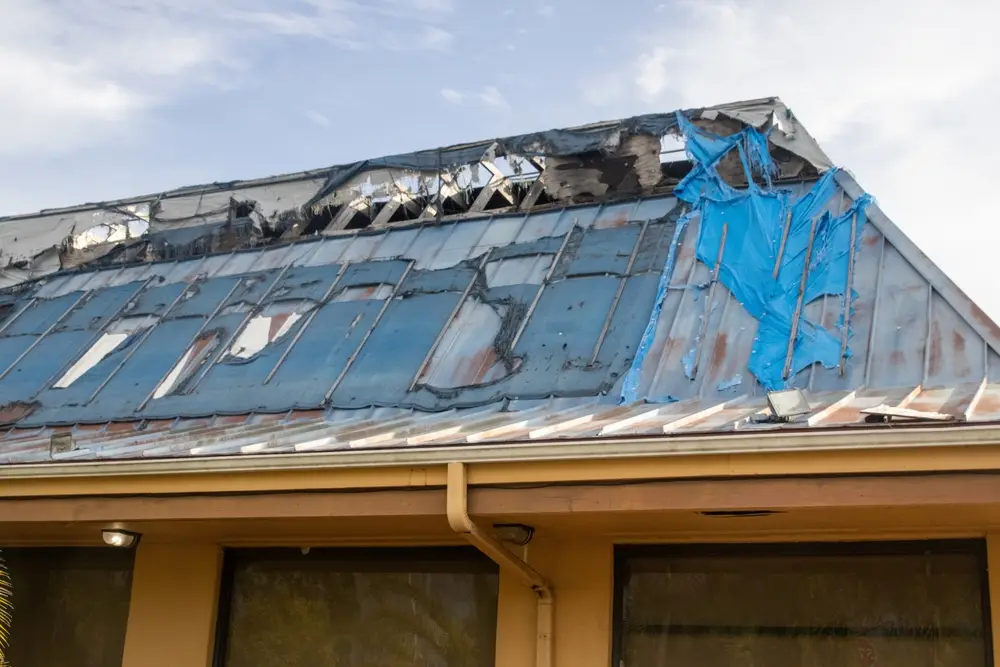
The South Carolina sun is relentless. While we enjoy the long summer days, the intense heat and ultraviolet (UV) radiation beating down on our homes take a significant toll, especially on our roofs. In July and August, a dark-colored roof in the Columbia metro area can easily reach temperatures exceeding 150°F. This extreme heat isn’t just uncomfortable; it’s actively working to degrade your roofing materials, accelerate aging, and drive up your energy bills.
For homeowners in Cayce, Irmo, and Elgin, understanding the silent damage caused by heat and UV rays is the first step toward protecting your home’s value and structural integrity. Storms get all the attention, but the sun is a constant, powerful force that can lead to premature roof failure. This guide explores the science behind thermal and UV degradation, how to spot the warning signs, and what modern cool roof systems and ventilation solutions can do to help your home beat the Midlands heat.
For a full overview of how we handle storm-related roof damage and insurance restoration across South Carolina, visit our storm damage and insurance roofing services in South Carolina page.
The Science of Sun Damage: How Heat and UV Break Down Your Roof
Your roof is under a constant thermal assault. The damage is a slow, cumulative process driven by two primary factors: UV radiation and extreme thermal cycling.
UV Rays: The Chemical Breakdown of Asphalt Shingles
Asphalt shingles contain oils (volatiles) that keep them flexible and waterproof. UV radiation from the sun acts as a catalyst, breaking down these essential oils.
- Drying and Volatilization: The UV rays cause the oils to evaporate out of the shingle over time, a process called volatilization. This leaves the shingle dry, brittle, and much more susceptible to cracking and physical damage from wind or hail.
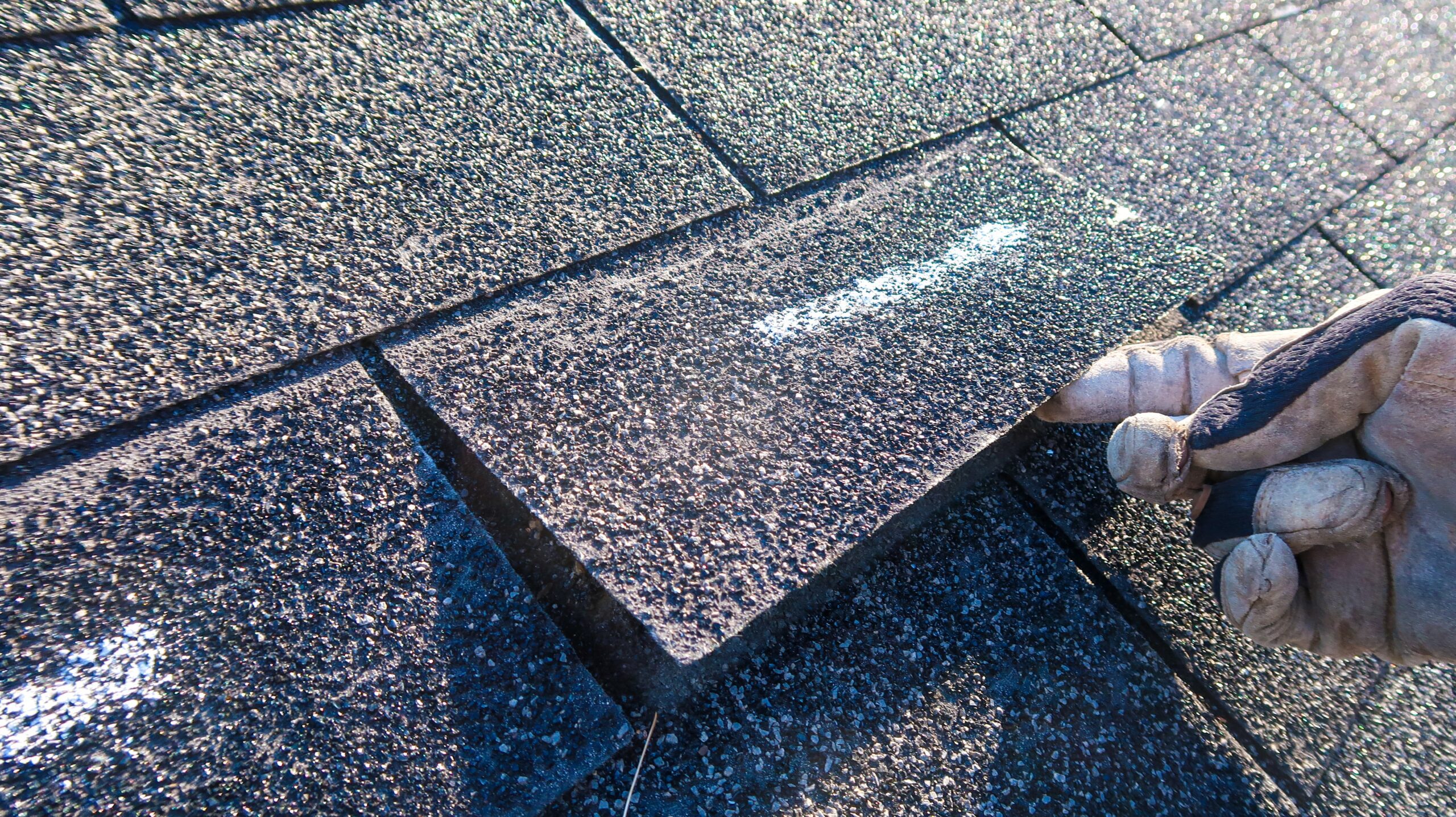
- Granule Shedding: The ceramic granules on a shingle are its primary shield against UV rays. These granules are held in place by a layer of asphalt. As the sun bakes the shingle, the bond weakens, and granules begin to fall off. You’ll see this as an accumulation of black "sand" in your gutters. As more granules are lost, more of the underlying asphalt is exposed, which rapidly accelerates the aging process.
Thermal Cycling: The Stress of Expansion and Contraction
Your roof endures a daily cycle of extreme temperature swings. It heats up dramatically during the day and cools down at night. This process, known as thermal cycling, causes the roofing materials to constantly expand and contract.
- Cracking and Curling: Over thousands of cycles, this movement puts immense stress on the shingles. Older, brittle shingles can’t handle the strain and begin to develop hairline cracks, which widen over time and allow water to penetrate. The edges of the shingle tabs may also start to curl upwards or downwards, breaking the watertight seal with the course below.
- Sealant and Flashing Deterioration: The sealants used around flashing, vents, and other roof penetrations are also vulnerable. The constant expansion and contraction, combined with UV degradation, causes these seals to become hard, brittle, and pull away from the surfaces they are meant to protect. A failed sealant is a direct pathway for leaks.
Spotting the Signs: Is Your Roof Suffering from Heat Damage?
Heat damage can be subtle at first, but it leaves behind distinct clues. A careful visual inspection can help you identify a roof that is nearing the end of its life due to thermal degradation.
- Curling Shingles: Look for shingle edges that are curling up or down. This is a classic sign that the volatiles have dried out and the shingle is shrinking.
- Cracked Shingles: Examine the surface of the shingles for numerous hairline or spider cracks across their surface.
- Excessive Granule Loss: Check your gutters and the ground around your downspouts for a heavy accumulation of shingle granules. Some granule loss is normal, but large amounts indicate a problem.
- Brittle Tabs: On an older roof, a roofing professional may gently lift a shingle tab to test its flexibility. A heat-damaged shingle will be stiff and may crack or snap easily.
- "Soft" Tar Lines: On very hot days, you may see dark, shiny lines where the tar sealant from underlying shingle courses has softened and bled out. This indicates the roof is absorbing extreme heat.
- Failed Flashing Seals: Inspect the caulk or sealant around your chimney, skylights, and pipe vents. Look for sealant that is cracked, peeling, or pulling away from the flashing or shingle.
Heat-weakened shingles can also create entry points for wildlife and insects, a problem we cover in our guide to pest-related roof damage and repair.
Your Attic: The Overlooked Key to a Healthy Roof
The temperature on your roof’s surface is only half the story. The temperature inside your attic plays a massive role in the health of your roof and your home’s energy efficiency. An attic without proper ventilation can reach 150-160°F, essentially "cooking" your shingles from the inside out and forcing that heat down into your living space.
The Basics of a Balanced Ventilation System
A functional attic ventilation system is designed to create a continuous, passive flow of air.
- Soffit Vents (Intake): These vents are located under the eaves (soffits) of your roof. They allow cool, fresh air to be drawn into the attic.
- Ridge Vents (Exhaust): A ridge vent is installed along the entire peak (ridge) of the roof. As hot air rises, it exits through the ridge vent, pulling more cool air in through the soffit vents. This constant convection current keeps the attic air moving.
- Baffles: These are channels installed at the eaves to ensure that attic insulation doesn’t block the soffit vents, which would cut off the air supply and stop the entire system from working.
The Power of a Radiant Barrier
A radiant barrier is a highly reflective material, similar to aluminum foil, that is installed on the underside of your roof rafters. Its job is not to slow heat transfer like insulation, but to reflect radiant heat. On a hot summer day, a radiant barrier can block up to 95% of the radiant heat from entering your attic, keeping it significantly cooler, reducing the strain on your AC system, and preventing your shingles from being superheated from below.
Fight Back Against the Sun: Cool Roof Systems for Columbia Homes
If you are facing a roof replacement due to heat damage, it’s the perfect opportunity to upgrade to a system designed for our climate. Cool roof systems are a smart investment that can lower attic temperatures, reduce energy bills, and extend the life of your roof.
- High-SRI Architectural Shingles: Modern architectural shingles are now available in "cool" versions. These shingles have granules that are specially designed to be highly reflective of the sun’s infrared radiation, even in darker colors. The Solar Reflectance Index (SRI) measures a material’s ability to reject solar heat. A higher SRI means a cooler roof. Upgrading to high-SRI shingles can lower your roof’s surface temperature by up to 50 degrees.
- Reflective Roof Coatings: For some low-slope or flat commercial roofs, a professional-grade reflective coating can be applied. These bright white or metallic coatings create a highly reflective, waterproof membrane that dramatically lowers surface temperatures.
- Standing Seam Metal Roofing: Metal is an excellent cool roofing material. Not only are factory-finished metal panels available in a wide range of high-SRI colors, but metal itself is a poor conductor of heat and sheds it quickly as the sun goes down. A metal roof can make a significant impact on energy costs and has a lifespan of 50 years or more.
The energy savings from these systems can be substantial. A cool roof can reduce a home’s cooling costs by 10-30%, a significant return on investment during a sweltering Columbia summer.
Pre-Summer Maintenance & Upgrade Checklist
Before the peak heat of July and August arrives, take these proactive steps to prepare your roof.
- Inspect All Sealants: Carefully check the seals around all roof penetrations. Re-caulking a failing seal is a simple, inexpensive repair that can prevent a major leak.
- Clear Debris: Make sure your roof surface and gutters are free of leaves and pine needles. Debris traps moisture and promotes the growth of algae, which can damage shingles.
- Check Your Attic Ventilation: Go into your attic and ensure your soffit vents are not blocked by insulation. Make sure any powered attic fans are operational.
- Evaluate Your Insulation: Check the depth and condition of your attic insulation. The recommended level for the Midlands is R-38 to R-60, which is typically 12-20 inches deep, depending on the type.
- Schedule a Professional Inspection: Contact a roofing contractor for a professional assessment. We can identify subtle heat damage, test shingle brittleness, and use tools like infrared cameras to assess your attic’s heat load, providing a clear picture of your roof’s health.
Intense heat often overlaps with heavy afternoon storms, which we discuss further in our guide to protecting your roof during Columbia’s summer rains.
Insurance, Warranties, and the Repair vs. Replacement Decision
Understanding how heat damage is viewed by manufacturers and insurers is key to making smart financial decisions.
- Warranty Considerations: Most manufacturer warranties cover defects, not environmental wear and tear. However, many shingle lines now come with specific warranties against algae growth (the black streaks common in our humid climate). Heat-related aging is generally considered normal wear.
- Insurance Coverage: A standard homeowner’s insurance policy does not cover a roof replacement due to old age or gradual wear, which is how heat damage is classified. However, if a heat-weakened roof is subsequently damaged by a storm (e.g., brittle shingles are cracked by hail or torn off by wind), the storm damage portion may be covered. Expert insurance roof claim help is vital in these cases to properly document the cause of failure.
- Repair vs. Replacement: If heat damage is widespread, with cracking and curling across multiple slopes, a repair is not a viable option. Patching a few shingles on a brittle, aging roof is a temporary fix that wastes money. The only correct solution for a system-wide failure is a full replacement.
Frequently Asked Questions about Heat and UV Roof Damage
- Are black roofs bad for hot climates like South Carolina? Traditionally, yes. A dark roof absorbs more heat. However, modern cool roof technology means you can now get dark-colored shingles with high solar reflectivity. You can have the aesthetic you want without the full heat penalty.
- My energy bills are very high. Can my roof be the cause? Absolutely. A poorly ventilated attic and a heat-absorbing roof can act like a giant radiator on top of your house, forcing your air conditioner to work much harder to keep your home cool.
- What is a radiant barrier, and is it worth the cost? A radiant barrier is a reflective shield installed under your roof deck. It is one of the most cost-effective ways to reduce attic heat, often lowering attic temperatures by up to 30 degrees. In our climate, it is an excellent investment.
- How can I tell if my attic ventilation is working? On a hot day, your attic should feel warm, but not intensely stuffy or oppressive. A professional can perform a calculation to determine if you have the correct amount of intake and exhaust ventilation for your attic’s square footage.
- Will a cool roof really save me money? Yes. Studies by the Department of Energy have shown that cool roofs can provide significant savings on summer cooling costs. The exact amount depends on your home, insulation, and local energy rates, but the savings are real and cumulative.
- My roof is only 12 years old but already looks worn out. Why? This could be due to a number of factors, including poor attic ventilation "cooking" the shingles from below, a low-quality shingle, or installation errors. A professional inspection is needed to diagnose the cause of premature aging.
- Does the color of my roof matter for a cool roof? Color does have an effect, with lighter colors being naturally more reflective. However, the biggest factor in modern cool shingles is the special reflective coating on the granules, which works even in medium and darker colors.
Turn Down the Temperature on Your Roof
Your roof works hard to protect you from storms, but its daily battle is with the sun. Don’t let extreme heat and UV radiation silently destroy your most important asset. By understanding the signs of damage and exploring modern solutions like UV-resistant roofing materials and cool roof systems, you can extend the life of your roof, lower your energy bills, and improve the comfort of your home.
If you suspect your roof is suffering from the stress of Columbia’s summer heat, contact Cola City Roofing. We provide free, comprehensive inspections to assess heat damage, evaluate your ventilation, and provide you with a clear, honest recommendation. Let us help you find the right solution to protect your home for years to come.