
What Happens During a Professional Gutter Installation

Inviting a contractor to work on your home requires a leap of trust. Whether you are replacing a roof or installing new gutters, it is normal to feel a mix of anticipation and anxiety. You want the problem solved, but you also want to know that the process will be smooth, the property will be respected, and the final result will work as promised. At Cola City Roofing, we believe that the best way to lower that anxiety is through transparency. When you know exactly what is going to happen before the truck even pulls into your driveway, you can relax. You aren’t left guessing if the noise you hear is normal or if the crew is cutting corners. A professional gutter installation isn’t just about hanging metal troughs on the side of a house. It is a construction project that involves precise measurements, custom fabrication, and careful integration with your existing roof and siding. It is a process designed to protect your biggest investment—your home—from the heavy rains we see here in the Midlands. When installed correctly as part of complete gutter services in South Carolina, the system becomes a long-term water management solution, not just a cosmetic upgrade. Why Knowing the Gutter Installation Process Matters Most homeowners only buy gutters once or twice in their lives. Because it’s not a frequent purchase, it’s easy to assume that all installations are the same. You might think, “It’s just metal; how complicated can it be?” The reality is that the difference between a system that fails in five years and one that lasts for thirty often comes down to the installation process. If a crew rushes through the prep work, skips the level checks, or uses the wrong fasteners, you won’t know it immediately. The gutters will look shiny and new on day one. But six months later, when you see water pooling in the middle of a run or a downspout washing out your flower bed, the flaws in the process become expensive problems. Understanding the steps of a professional installation allows you to be an informed homeowner. It helps you ask the right questions during the estimate. It helps you spot quality workmanship. And ultimately, it gives you peace of mind knowing that the team working on your house is following a proven system, not just winging it. Before Installation: Inspection, Measurements, and Planning The most critical part of the installation happens before we cut a single piece of aluminum. The planning phase sets the stage for everything that follows. The Detailed Inspection When we arrive for an estimate or a pre-install check, we aren’t just measuring the length of your roofline. We are inspecting the “canvas” we have to work with. We look closely at the fascia boards—the wooden trim right under the roof edge where the gutters attach. If this wood is rotted, soft, or pulling away from the rafters, it cannot support the weight of a new gutter system. Installing new gutters on bad wood is like building a house on a swamp; it will eventually sink. We also look at the drip edge. This is the metal flashing that sits under your shingles. We need to ensure it is in good condition so that water flows into the gutter, not behind it. Strategic Measurements Next, we calculate the water volume. We look at the pitch of your roof (how steep it is) and the total square footage. A steep roof in Columbia sheds water much faster than a flat one, which might mean you need larger 6-inch gutters or oversized downspouts to handle the flow during a summer storm. Drainage Planning Finally, we look down. Where is the water going to go? We walk the perimeter of your house to identify the best locations for downspouts. We look for the natural grade of the land. We want to place downspouts where the ground slopes away from the foundation, avoiding driveways, walkways, and garden beds that could be washed out. This drainage plan is mapped out before the crew arrives, ensuring everyone knows exactly where the water management system needs to discharge. What to Expect on Gutter Installation Day The day of installation is usually exciting. You get to see an immediate transformation in your home’s appearance and function. Here is how the day typically unfolds. Arrival and Setup Our crew typically arrives in the morning. We park the truck strategically—usually in the driveway or on the street—so that our equipment is accessible but your daily life isn’t totally blocked. You’ll notice we bring a specialized trailer or truck equipped with a seamless gutter machine. The first thing we do is protect your property. We identify any fragile landscaping, outdoor furniture, or decorations that need to be moved or covered. We set up our ladders carefully, using stabilizers that rest on the roof or standoff arms that rest on the siding to prevent damaging your shingles or crushing your existing gutters before we are ready to remove them. Communication The crew leader will usually knock on the door to let you know we are there, confirm the scope of work (color, size, downspout locations), and answer any last-minute questions. We want to make sure we are all on the same page before the first hammer swings. If you want a more step-by-step homeowner-focused overview, we also break down what to expect during gutter installation from arrival to final cleanup. Removing Old Gutters Safely and Cleanly If your home already has gutters, they have to come down. This sounds destructive, but it is actually a delicate process. We don’t just rip them off the fascia. Pulling too hard can damage the wood, rip holes in your siding, or disturb the shingles. We carefully unscrew or pry loose the old hangers and spikes. We work in sections, lowering the old metal to the ground rather than dropping it. Long sections of metal are sharp and heavy; dropping them can gouge your deck, kill your shrubs, or
How Gutters Protect Your Roof, Siding, and Interior
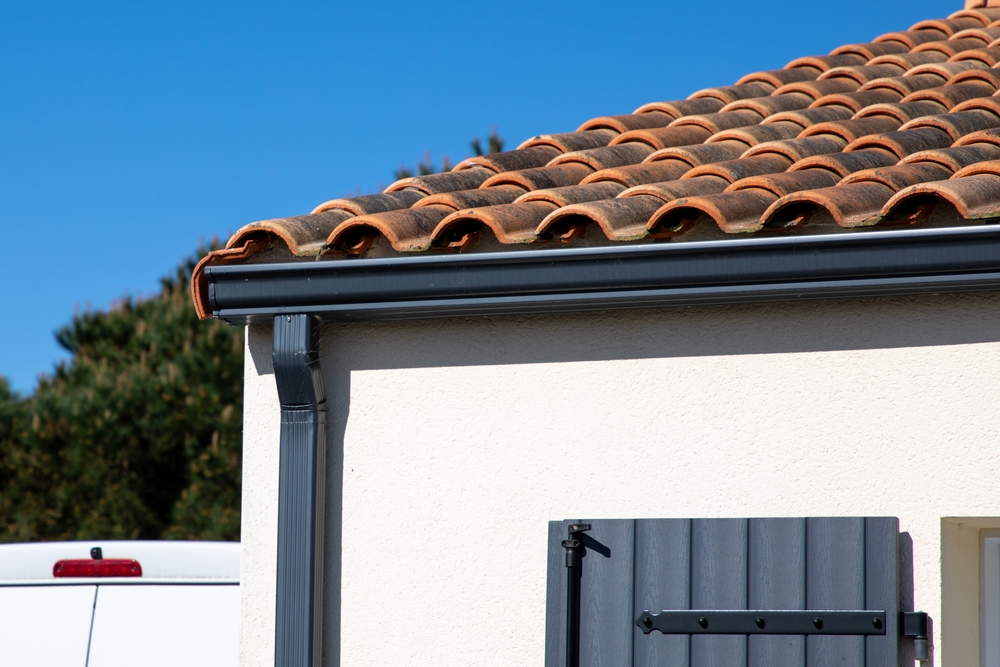
When you look at your home, it’s easy to see the roof and the gutters as two separate things. The roof covers the top, and the gutters just hang around the edge. But in reality, they are two halves of the same system. They work together like a pitcher and a catcher. Your roof pitches the water, and your gutters catch it. If the catcher misses, the game falls apart. At Cola City Roofing, we often meet homeowners who think of gutters solely as a way to keep rain off their heads when they walk out the front door. While that is a nice benefit, the real job of a gutter system is much more critical. It is the first line of defense for your roof edge, your siding, and even the interior rooms of your house. Understanding how this protection works—and what happens when it fails—can change the way you look at home maintenance. It’s not just about cleaning leaves out of a trough; it’s about preserving the structural envelope of your home against its most persistent enemy. Why Water Is the Biggest Threat to Your Home Water is relentless. It doesn’t need to be rushing like a river to cause damage; it just needs time. In the Midlands, we get plenty of both—sudden, heavy downpours and long, humid seasons. When water is controlled, it flows harmlessly away. But when it isn’t, it becomes a destructive force. It rots wood, corrodes metal, erodes soil, and fuels mold growth. The tricky part is that water follows the path of least resistance. It will find the tiniest crack in your caulking, the small gap behind a fascia board, or the nail hole in a shingle. Once water gets inside your home’s envelope, it stays there. It soaks into insulation, drywall, and framing lumber. Unlike a puddle on the driveway that dries in the sun, trapped moisture inside a wall or roof deck creates a dark, damp environment where rot can spread unseen for years. Your gutter system is the only thing standing between that water and the vulnerable seams of your house. How Gutter Water Protection Works as a System Think of your home’s exterior as a series of overlapping shields. The shingles overlap each other to shed water down. The flashing overlaps the shingles to seal the joints. And finally, the roof edge overlaps the gutter. This system relies on gravity. As long as water is moving down and away, your home is safe. The gutter is the critical “hand-off” point in this system. It takes the water moving vertically off the roof and transitions it into moving horizontally toward a safe drainage point. If that transition fails—if the gutter is clogged, loose, or missing—gravity takes over in a destructive way. Water backs up against the flow, pushing under shingles. Or it spills over, running down surfaces that aren’t designed to handle a constant waterfall. A functioning gutter system completes the protective circuit, ensuring that the water your roof works so hard to shed doesn’t just turn around and attack the house from a different angle. Protecting Your Roof From Long-Term Water Damage It might sound strange that gutters protect the roof itself. After all, the roof is above the gutters. However, the edge of the roof—the eaves and the rafter tails—is the most vulnerable part of the entire roofing structure. This is where the protection of the shingles ends and the underlying wood structure is most exposed. Preventing Roof Edge Rot and Shingle Damage When gutters are clogged or pitched incorrectly, they fill up with water that doesn’t drain. During a heavy rain, this water can rise high enough to submerge the edge of the roof decking and the bottom edge of the shingles. Asphalt shingles are designed to shed water, not soak in it. When they are submerged, they deteriorate. The granules wash away, and the asphalt matting softens. More importantly, the plywood decking underneath acts like a sponge. It wicks that standing water up the roof, underneath the shingles. We have seen cases where a clogged gutter caused roof rot extending three or four feet up from the edge. This “wicking” effect rots the wood from the bottom up. By the time you notice a leak inside, the structural integrity of your roof overhang may be severely compromised. Reducing Ice and Moisture Issues at the Roofline While we don’t get the heavy snows of the north, we do get freezing temperatures in Columbia. When a gutter is full of debris and water, it creates a solid block of ice during a freeze. This ice block creates a dam. When the sun comes out and melts the frost or light snow on your roof, that runoff hits the ice dam in the gutter and has nowhere to go. It backs up under the shingles, melts again, and drips directly into your attic or soffit. Even without freezing, the constant presence of damp, rotting leaves in a gutter creates a high-humidity microclimate right at your roofline. This moisture accelerates the aging of your shingles and can cause the fascia board (the wood the gutter is attached to) to soften and rot, eventually causing the gutters to pull loose entirely. How Gutters Shield Your Siding and Fascia Your siding—whether it’s vinyl, Hardie plank, or wood—is designed to handle rain falling at an angle. It is like a raincoat. But it is not designed to be blasted by a concentrated waterfall or submerged in standing water. When gutters overflow, water cascades down the face of the siding. Over time, this constant flow creates unsightly stains and streaks, but the damage goes deeper. Behind the Siding: Water often finds its way behind the siding panels, especially around windows and doors. Once behind the siding, it wets the house wrap and sheathing. If this happens repeatedly, mold can develop between your exterior wall and your interior drywall. Fascia and Soffit Rot: The fascia is the board your gutters hang on; the soffit
Why Seamless Gutters Are the #1 Choice for Modern Homes
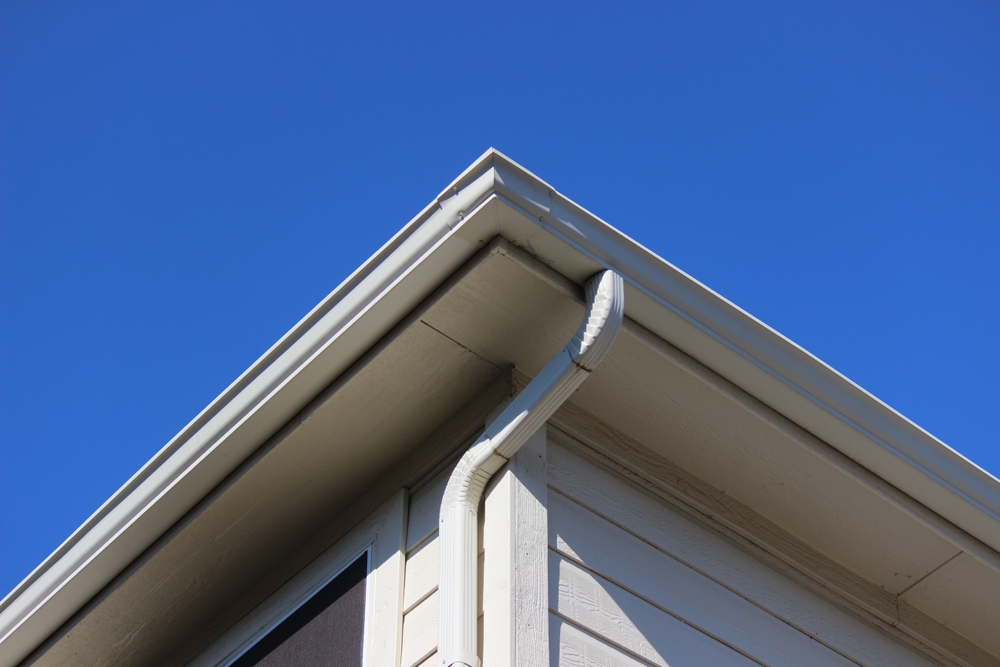
If you walk through any of the newer subdivisions springing up around Columbia or Lexington, you might notice something about the rooflines. The gutters look cleaner, straighter, and more substantial than the ones on older homes. There’s a reason for that. Over the last decade, seamless gutters have shifted from being a premium upgrade to the standard expectation for quality home construction. For most homeowners, gutters are just “there.” You don’t think about them until they leak or overflow. But when it comes time to replace them, you are faced with a choice: stick with the traditional sectional gutters you can buy off the shelf, or upgrade to a custom-fabricated seamless system. At Cola City Roofing, we believe in using materials that solve problems rather than create them. In our experience, seamless gutters aren’t just an aesthetic choice; they are a functional upgrade that protects your home better and longer than the alternatives. If you are considering a replacement, understanding the mechanics behind this system can help you see why it has become the preferred choice for modern homes. What Makes Seamless Gutters Different From Traditional Systems To understand why seamless is better, you have to look at how traditional gutters work. Standard “sectional” gutters come in pre-cut lengths—usually 10 or 20 feet—that you buy at a hardware store. To fit them to your house, you have to piece them together. If the front of your house is 50 feet wide, a sectional system requires joining three or four separate pieces of metal to span that distance. Each connection point is a seam. Each seam is held together with screws or rivets and sealed with a caulking agent. A seamless gutter system is entirely different. It is manufactured on-site at your home using a specialized machine. We feed a continuous coil of aluminum through the machine, which shapes it into the gutter profile instantly. If the front of your house is 50 feet wide, the machine spits out one single, continuous 50-foot piece of metal. There are no breaks, no connectors, and no seams along the entire run. The only joints are at the corners where the gutter turns to go down the side of the house. It sounds like a simple manufacturing difference, but this change in construction fundamentally alters how the gutter performs, ages, and protects your home. Seamless Gutters vs Sectional Gutters: The Real Differences When you compare these two systems side-by-side, the differences go beyond just how they are made. They behave differently once they are in your house. Structural Integrity Sectional gutters have inherent weak points. Every place two pieces join together is a spot where the metal can flex independently. Over time, wind and thermal expansion cause these joints to loosen. A seamless gutter is a single structural beam. It is significantly more rigid and resistant to sagging because it relies on the strength of the continuous metal channel, not the strength of a connector piece. Custom Fit Sectional gutters are “one-size-fits-all.” You cut them to length and hope for the best. Seamless gutters are “measure-twice-cut-once.” Because we fabricate them in your driveway, the measurements are exact to the inch. This precise fit minimizes waste and ensures the system aligns perfectly with your specific roofline. Material Quality Generally speaking, the aluminum coils used for professional seamless machines are a heavier gauge (thickness) than the sectional pieces sold in big-box stores. This means seamless gutters are less likely to dent from a wayward ladder or bend under the weight of a heavy storm. Why Fewer Seams Mean Fewer Problems The biggest enemy of any gutter system is a leak. Leaks defeat the entire purpose of having gutters. If water is dripping out of the bottom of the trough, it’s landing on your fascia, running down your siding, or pooling at your foundation—exactly what you are trying to prevent. In a sectional system, every seam is a potential leak. It relies entirely on a bead of sealant to keep water inside. The problem is that metal expands when it gets hot and contracts when it gets cold. Here in the Midlands, we have huge temperature swings. A gutter might be 100 degrees in the summer sun and freezing in the winter. This constant movement stresses the sealant at the seams. Eventually, the sealant cracks or pulls away, and the drip starts. With a seamless system, you eliminate those failure points completely along the straight runs. If there is no seam, there can be no leak. The water has a smooth, uninterrupted path to the downspout. While corners still require sealing, reducing the number of joints by 80% or 90% drastically reduces the odds of failure. It turns a high-maintenance system into a nearly worry-free one. How Seamless Gutters Handle Heavy Rain Better We don’t just get rain in South Carolina; we get deluges. When a summer thunderstorm dumps two inches of rain in an hour, your gutters have to move a massive volume of water very quickly. Smoother Flow Inside a sectional gutter, every seam creates a small ridge or bump on the bottom of the channel. These ridges act like speed bumps for the water. They create turbulence and slow down the flow. Worse, they snag debris. A twig or a pine needle gets caught on the seam, then another leaf gets stuck to that, and suddenly you have a dam forming right in the middle of your gutter run. Seamless gutters are perfectly smooth inside. There is nothing to impede the water and nothing for debris to snag on. The water flows faster and more efficiently toward the downspout. Reduced Clogging Potential Because there are no ridges to catch debris, small leaves and sediment tend to wash out with the rain rather than piling up. This self-cleaning action is critical during heavy storms. If the water can’t get out fast enough, the gutter overflows. By removing the internal friction, seamless gutters handle peak volume much more effectively than sectional counterparts, keeping your roof
The Lifespan of Different Gutter Materials: What Homeowners Should Know
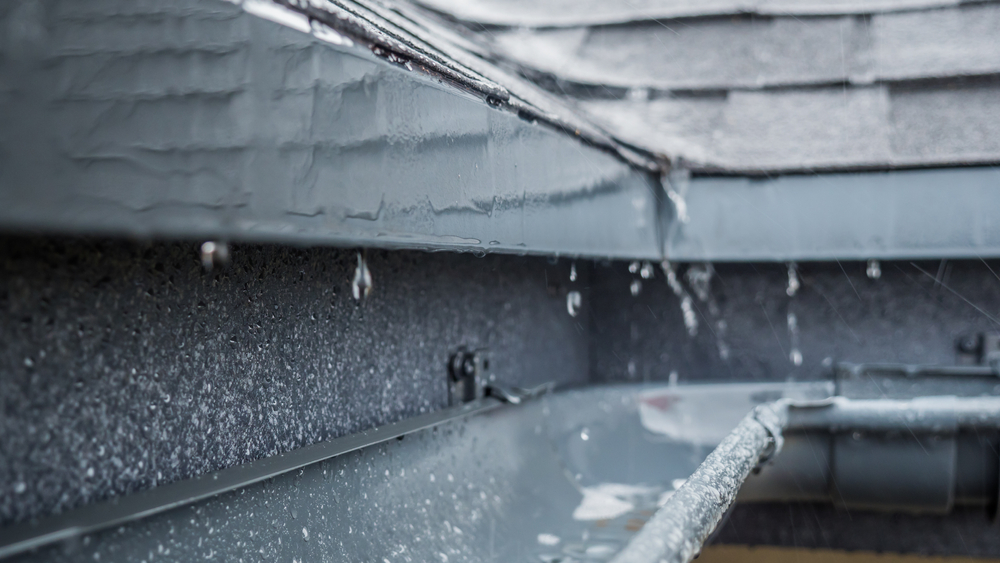
When you invest in home improvements, you want to know how long that investment is going to last. It’s a fair question. You wouldn’t buy a car without asking about its reliability, and you shouldn’t buy a roof or gutter system without understanding its lifespan. At Cola City Roofing, we talk to homeowners every day who are trying to make smart decisions for their properties. Often, they view gutters as a “one-and-done” purchase. The reality is that like every other part of your home—your HVAC, your water heater, your shingles—gutters have a finite life expectancy. However, that lifespan isn’t a fixed number written in stone. It varies wildly depending on what the gutters are made of, how they were installed, and the specific environment they live in. A vinyl gutter bought at a big-box store might last a few years before cracking, while a custom copper system could easily outlive the homeowner. Understanding these differences is crucial for planning your budget and protecting your home. You don’t want to be surprised by a failure five years down the road because you chose a material that wasn’t suited for our Columbia climate. Why Gutter Lifespan Depends on More Than Just Material Before we look at the specific metals (and plastics), it’s important to understand that the material is just one piece of the puzzle. You could buy the most expensive, heavy-gauge copper gutters on the market, but if they aren’t treated right, they won’t last. Think of it like tires on a car. Michelin tires are rated for high mileage, but if your alignment is off or you drive over potholes every day, they will wear out prematurely. Gutters work the same way. Maintenance is the biggest variable. A gutter system that is cleaned regularly and kept free of wet, rotting debris will always last longer than one that is neglected. Wet leaves create an acidic sludge that eats away at metal and causes rust. The weight of that debris pulls on the hangers, stressing the metal. Trees play a huge role. In the Midlands, we love our trees. But if you have pines dropping needles or oaks dropping heavy limbs near your roofline, your gutters are under constant assault. Physical damage from falling branches can shorten the life of a gutter system instantly, regardless of what it’s made of. Thermal movement matters. Materials expand when it’s hot and contract when it’s cold. Over twenty years, that constant movement stresses the seams and fasteners. The ability of the material to handle this stress determines how long it stays watertight. Average Gutter Lifespan by Material Type When you are looking at quotes or walking through a home improvement store, you’ll see a few standard options. Here is a realistic look at how long each material tends to last in a real-world setting. Aluminum Gutters: The Most Common Choice for Homes If you look around your neighborhood in Columbia, chances are 90% of the homes have aluminum gutters. There is a reason for that. Aluminum offers the best balance of performance, longevity, and cost for the average homeowner. Expected Lifespan: 20 to 25 years. The Pros: Aluminum is lightweight, which puts less stress on your fascia boards. It is also rust-proof. Unlike steel, aluminum won’t turn orange and corrode when the paint scratches. It is available in seamless options, which significantly reduces leak potential. The Cons: Because it is lightweight, aluminum is softer than steel or copper. It can be dented by a wayward ladder or a heavy fallen branch. What to Watch For: The thickness (gauge) of the aluminum matters. We typically recommend .027 gauge or thicker for residential homes. Thinner aluminum (like .019 gauge) is available and cheaper, but it creates a flimsy system that warps easily and won’t last nearly as long. If you want to get the full 25 years out of aluminum, you need to start with a professional-grade thickness. Copper Gutters: Built to Last, With a Higher Upfront Cost Copper is the gold standard of gutter materials. It is often seen on historic homes, high-end custom builds, or used as an accent feature on bay windows and porches. Expected Lifespan: 50 to 100+ years. The Pros: Copper is incredibly durable. It doesn’t rust; instead, it develops a protective patina over time that turns from bright penny-bronze to a deep brown and eventually a classic green. It is extremely resistant to thermal expansion issues and requires no painting or finishing. The Cons: The price tag. Copper is significantly more expensive than aluminum—often three to four times the cost for materials and labor. It also requires specialized skill to install. You cannot just use standard caulk on copper seams; they need to be soldered properly to ensure longevity. Who It’s For: Homeowners who are looking for a “forever” solution or who want to add a distinctive architectural element to their home. Because of its longevity, it often adds resale value to the property. Steel Gutters: Strong but Vulnerable to Rust Steel gutters (often galvanized steel or Galvalume) are the heavyweights of the gutter world. They are much harder than aluminum, making them a popular choice in areas with heavy snow loads or where physical damage from falling trees is a major concern. Expected Lifespan: Galvanized Steel: 15 to 20 years. Galvalume (Steel coated with aluminum/zinc): 25 to 40 years. The Pros: Strength. A steel gutter can take a hit from a ladder without denting. It holds its shape extremely well over long runs and doesn’t sag as easily as thinner aluminum. The Cons: Rust is the enemy. Galvanized steel is coated with a layer of zinc to protect it, but once that coating wears off or gets scratched, the steel underneath will rust quickly. Once rust starts, it is very difficult to stop. Galvalume lasts longer because the coating is more robust, but it is still susceptible to corrosion at cut edges and screw holes. Steel is also very heavy, requiring strong fascia boards and more robust bracketing
10 Common Gutter Installation Mistakes (and How We Fix Them)
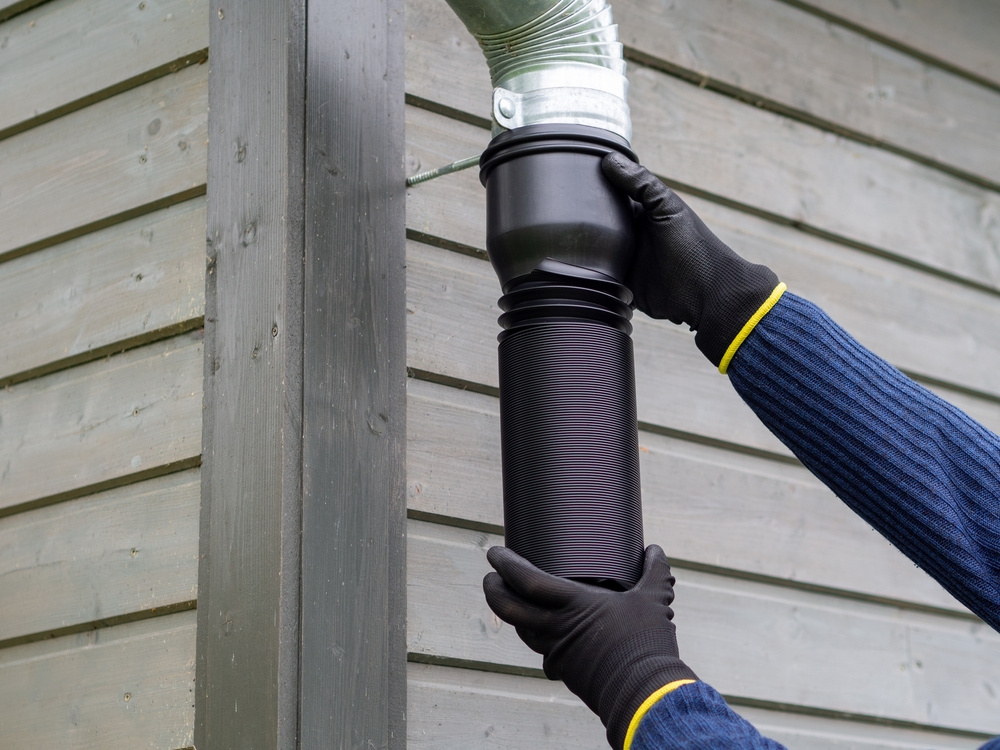
A new gutter system should provide peace of mind. It is a simple, effective tool designed to protect your home from water damage for decades. Unfortunately, a surprising number of installations are flawed from the start. These mistakes, often made by inexperienced or rushed installers, can turn a protective system into a liability that causes the very damage it was meant to prevent. At Cola City Roofing, we spend a lot of time fixing problems that could have been avoided. We see the same installation errors repeatedly across Columbia and the Midlands. Knowing what these mistakes are can help you spot poor workmanship and understand why a quality installation matters so much. It is not about using fancy materials; it is about getting the fundamentals right. Here are ten of the most common gutter installation mistakes we encounter and how they should be properly addressed. Why Gutter Installation Mistakes Are More Common Than You’d Think You might assume that hanging a gutter is a straightforward task, but it is a job that requires precision, planning, and an understanding of how water behaves. Many general handymen or low-bid contractors treat gutter installation as an afterthought. They may lack the specialized tools, the experience with different roof types, or the patience to do the job correctly. These shortcuts lead to systems that fail during the first heavy South Carolina downpour or degrade slowly over a few years, causing silent damage to your home’s fascia, siding, and foundation. The difference between a system that lasts and one that fails is all in the details. Mistake #1: Improper Gutter Slope That Prevents Proper Drainage This is the most frequent and fundamental error we see. For water to flow, gutters must have a slight, consistent downward pitch toward the downspouts. The standard is a drop of about one-quarter inch for every 10 feet of gutter. Installers often hang gutters perfectly level because it looks straight from the ground, or they create an inconsistent slope with high and low spots. When a gutter is level, water sits stagnant. This standing water is heavy, putting a constant strain on fasteners. It also becomes a breeding ground for mosquitoes and allows leaves and pine straw to rot into a thick sludge, causing clogs. An improper slope means the water has nowhere to go, so it spills over the sides, right next to your foundation. Mistake #2: Downspouts That Dump Water Too Close to the Foundation A gutter system can collect water perfectly, but if the downspout dumps that water at the base of your house, the entire system has failed. We regularly see downspouts that terminate just inches from the foundation wall. During a storm, this directs hundreds of gallons of water into the soil right where it can do the most harm. The saturated ground puts pressure on your foundation walls and can lead to cracks, leaks in your basement or crawl space, and soil erosion that causes the foundation to settle. A proper installation includes downspout extensions that carry water at least four to six feet away from the home, discharging it where the ground slopes away. Mistake #3: Gutters That Are Too Small for Heavy Rain Not all houses are the same, and not all gutters should be, either. Many installers use standard 5-inch K-style gutters on every job because it’s what they have on their truck. While 5-inch gutters are adequate for many smaller homes with simple rooflines, they can be easily overwhelmed here in the Midlands. A large or steeply pitched roof sheds an immense volume of water at high velocity. If the gutters are too small, that water will simply shoot right over the edge. For homes with complex roof valleys or large surface areas, wider 6-inch gutters are often necessary to handle the water volume without overflowing during our intense summer thunderstorms. Mistake #4: Poor Fastening That Causes Gutters to Pull Away A 40-foot section of gutter filled with water and debris can weigh hundreds of pounds. The fasteners holding it to your house must be strong and correctly installed. A common shortcut is using cheap spikes and ferrules (long nails) that are simply hammered through the gutter and into the fascia board. Over time, the weight and the natural expansion and contraction of the metal work these nails loose. The result is a gutter that sags or pulls away from the house, creating a gap for water to run behind it and rot the wood. Quality installation uses heavy-duty hidden hangers, which are screwed—not nailed—firmly into the solid wood of the rafter tails behind the fascia board, ensuring the system stays locked in place. Mistake #5: Seams and Joints That Leak Over Time Sectional gutters are installed in 10- or 20-foot pieces. Every place where two sections meet—at a joint or a corner—is a potential weak point. Many installers simply apply a thin bead of sealant to these seams. Over a few seasons of hot summers and cool winters, the metal expands and contracts, breaking that weak seal. Leaking seams allow water to drip constantly, staining your siding and eroding the ground below. While seamless gutters are the best option, even sectional systems can be durable if the joints are properly overlapped, riveted, and sealed with a high-quality, flexible gutter sealant. Mistake #6: Skipping Proper Water Flow Planning A professional installer doesn’t just start hanging gutters. They first walk the property to create a water management plan. This involves deciding on the optimal number and location of downspouts to handle the water volume efficiently. A lazy installation might only include one downspout on a very long run of gutter, which forces the system to handle too much water. It also fails to consider the landscape. A downspout should never empty onto a walkway where it can create a slippery ice patch, onto a driveway where it can cause staining, or into a heavily planted flower bed that will wash out. Proper planning ensures water is moved from the roof
How Poorly Installed Gutters Lead to Foundation Damage
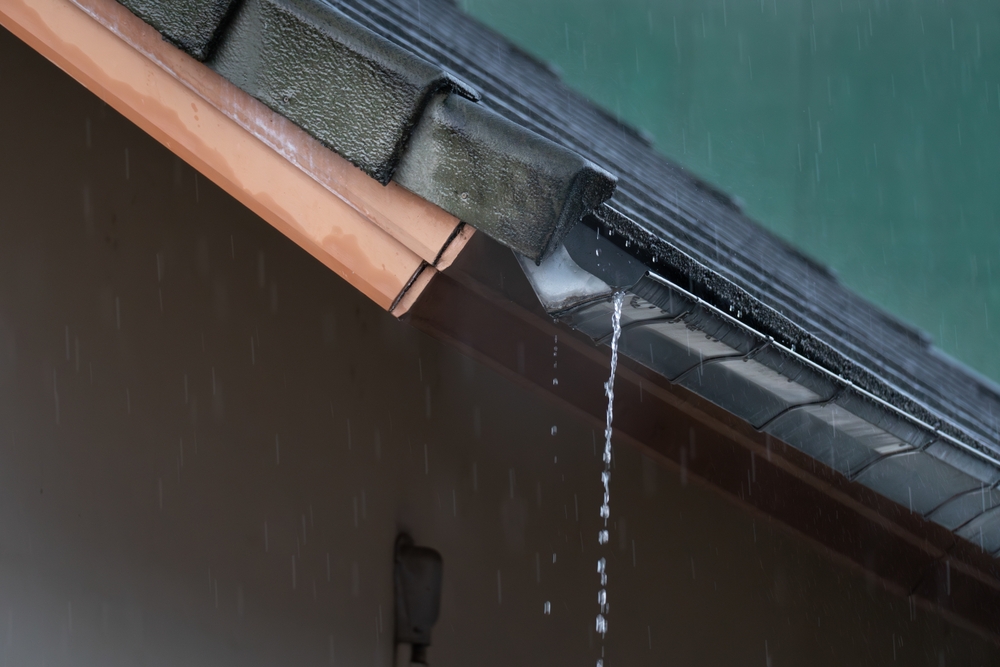
When most homeowners think about their gutters, they think about the roof. It makes sense—that’s where they are attached, and that’s where the water comes from. But after years of inspecting homes across the Midlands, we know that the real story often happens much lower down, right at the base of your house. Your foundation is the most critical structural component of your home. It supports everything else: the walls, the floors, the roof, and your family inside. What many people don’t realize is that the biggest threat to that foundation isn’t usually earthquakes or settling soil—it’s water mismanagement starting twenty feet above your head. At Cola City Roofing, we see this connection all the time. A homeowner calls us because they have cracks in their brick or a wet crawl space, thinking they have a structural issue. Often, the root cause isn’t the ground; it’s a gutter system that isn’t doing its job. Understanding this connection can save you from some of the most expensive repairs a homeowner can face. Why Foundation Problems Often Start at the Roofline It seems counterintuitive that a metal trough on your eaves could break concrete at ground level, but it comes down to volume. A typical 2,000-square-foot roof can shed over 1,000 gallons of water during a single inch of rainfall. In a heavy South Carolina summer storm, that number skyrockets. If your gutters are working correctly, all that heavy, destructive water is collected and channeled safely away to a drainage area where it can’t do any harm. But if the installation is poor—if the gutters are undersized, sloped wrong, or simply not there—that water takes the path of least resistance. Gravity pulls it straight down. Instead of being moved ten feet away from your house, those thousands of gallons dump directly onto the soil surrounding your foundation. This creates a concentrated “splash zone” that saturates the ground immediately next to your footings. That saturation is the beginning of the end for a dry, stable foundation. What Happens When Gutters Don’t Direct Water Away Properly Water is a powerful force. It can carve canyons through stone given enough time, so it can certainly undermine the soil around your house. When gutters fail to control the flow, two specific things happen that put your foundation at risk. Water Pooling Around the Base of the Home The immediate effect of a bad gutter system is pooling. You might see this as standing water in your flower beds or soggy patches of grass right next to the wall after a rain. When water pools against the foundation, it creates hydrostatic pressure. This is the pressure exerted by a fluid at rest. As the soil gets heavy and waterlogged, it pushes against your foundation walls. Concrete is strong, but it isn’t waterproof, and it doesn’t flex. Under constant pressure, water will find a way in—through microscopic pores in the concrete, through the joint where the wall meets the footing, or through small cracks that develop over time. Soil Erosion That Weakens Foundation Support The longer-term, and arguably more dangerous, issue is erosion. Your foundation relies on the soil underneath it to provide firm, even support. When water dumps off the roof unchecked, it washes away the topsoil and eventually destabilizes the subsoil. This doesn’t happen overnight. It’s a slow process where the dirt is literally washed out from under your house. As the soil erodes or becomes overly saturated and soft, it loses its load-bearing capacity. The foundation footing may start to settle or sink into this soft ground. If one corner of the house settles faster than the others—a process called differential settlement—that is when structural damage occurs. The rigid concrete can’t bend, so it cracks. Common Installation Issues That Cause Long-Term Damage It is rare for a gutter system to fail completely all at once. Usually, the damage is caused by specific installation errors that prevent the system from handling the water volume effectively. These are the mechanical failures we look for when diagnosing water issues. Improper Gutter Slope and Poor Water Flow Gutters rely entirely on gravity to move water. They must be installed with a precise slope—typically about a quarter-inch drop for every ten feet of gutter run. This slope needs to be consistent. If an installer hangs the gutters perfectly level because they think it looks better, the water won’t move. It sits there, collecting weight and eventually spilling over the sides. Conversely, if the slope is inconsistent, you get low spots where water pools and mosquitoes breed. In both cases, the water isn’t making it to the downspout fast enough to keep up with a heavy rain, leading to overflow that dumps right onto the foundation. Downspouts That Empty Too Close to the House This is perhaps the most common mistake we see. A gutter system catches all the water perfectly, channels it to the downspout, and then… dumps it six inches from the foundation wall. Ideally, downspouts should extend at least four to six feet away from the home. Dropping thousands of gallons of water right at the corner of the house creates a concentrated point of failure. The soil in that corner becomes super-saturated, often leading to corner settlement where you see stair-step cracks in brick or block walls. Loose or Undersized Gutters During Heavy Rain Size matters when it comes to gutters. Standard 5-inch gutters are sufficient for many homes, but if you have a steep roof or a large surface area, they might be easily overwhelmed by a typical Columbia thunderstorm. If the gutter is too narrow, fast-moving water shoots right over the top (overshoot). If the downspout outlet is too small, the gutter fills up like a bathtub and spills over the front and back. Additionally, gutters that aren’t secured into the rafter tails or solid fascia will pull away under load. A gap of even half an inch between the gutter and the roof edge allows water to run behind the gutter, dripping straight
Top Signs Your Gutters Need to Be Replaced Immediately
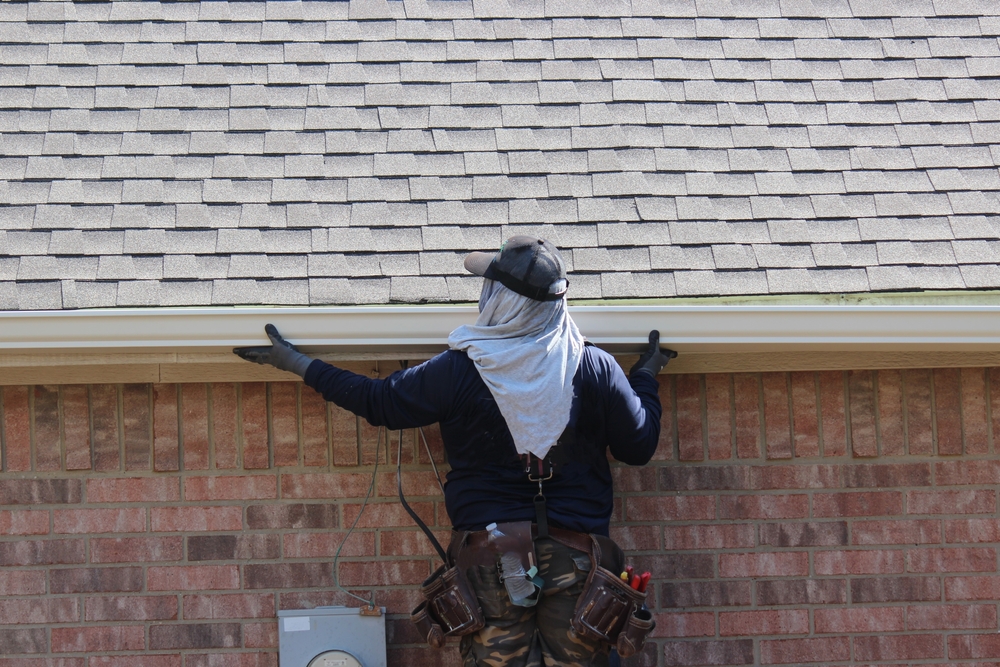
Your home’s gutter system works quietly in the background, but it’s one of the hardest-working components of your exterior. It channels thousands of gallons of water away from your roof, foundation, and siding every year. Because they do their job so well most of the time, it’s easy to forget about them until a major problem appears. Often, homeowners assume that a quick cleaning or a minor repair is all that’s needed. While that can be true for simple clogs or small leaks, there comes a point where patching things up is no longer enough. The signs of a failing gutter system can be subtle at first, but ignoring them can lead to significant and expensive water damage. Knowing what to look for can help you decide when it’s time to stop repairing and start thinking about replacement. This isn’t about looking for trouble; it’s about catching small issues before they become big headaches and protecting the long-term health of your home. Why Gutters Don’t Always Fail All at Once A gutter system rarely fails overnight. It’s usually a slow process of wear and tear. A small crack gets a little bigger with each season. A single loose fastener allows a section to sag slightly, putting more stress on the ones next to it. Rain, sun, and the weight of debris take their toll over many years. Here in the Midlands, our intense summer sun can cause vinyl gutters to become brittle and crack, while heavy rains and pine straw put a constant strain on all types of systems. Because the decline is gradual, you might not notice the small changes. A little overflow here, a small stain there—it’s easy to dismiss. The problem is that each of these “small” failures contributes to a larger issue: water not being controlled. The moment water starts escaping the system, it begins to work against your house. Understanding the difference between a minor issue and a sign of systemic failure is key. Clear Signs Your Gutters Need Replacement — Not Just a Repair Some gutter problems are obvious, while others require a closer look. If you can see any of these issues from the ground, it’s a strong indication that your system is nearing the end of its functional life. Cracks, Splits, or Rust Spots You Can See From the Ground Visible damage is the most straightforward sign that something is wrong. Take a walk around your house on a clear day and look up at the gutters. Do you see any long cracks or splits in the sections? These often start small but will eventually widen, creating leaks that allow water to run down your siding. For galvanized steel or older aluminum gutters, orange or reddish-brown spots are a major red flag. Rust is a form of corrosion that eats away at the metal, weakening it from the inside out. A small rust spot will eventually become a hole, rendering that section of the gutter useless. While you might be able to patch a single small hole, widespread rust means the metal has lost its integrity and the entire system is vulnerable. Gutters Pulling Away From the House This is one of the most serious signs of failure. If you see a gap between your gutter and the fascia board (the wood trim it’s attached to), it means the fasteners have failed. The gutter is literally detaching from your home. This is often caused by the sheer weight of water and debris overwhelming the spikes or screws that hold the system in place. When a gutter pulls away, it creates a direct path for water to run behind it, soaking the fascia board, soffit, and potentially the underlying roof structure. A detached gutter isn’t just a drainage problem; it’s a hazard that could fall and damage your siding or landscaping. This is not something a simple repair can fix; it indicates a systemic failure in how the gutters are supported. Sagging or Uneven Gutter Lines From a distance, your gutters should appear to be a straight, clean line along the roof edge. If you notice a dip or a sag in the middle of a run, that’s a sign of a problem. A sagging gutter is usually caused by standing water. This means the gutter is either clogged or improperly pitched, preventing water from flowing to the downspout. The weight of that stagnant water puts immense strain on the hangers, causing them to bend or pull loose. Once a gutter starts to sag, the problem gets worse. The dip collects more water and debris, making it even heavier and causing it to sag further. This is more than a cosmetic issue; it’s proof that water isn’t moving where it’s supposed to go. Warning Signs That Often Get Missed Not all signs of gutter failure are on the gutters themselves. Sometimes, the clues show up elsewhere on your property. These are often the most overlooked symptoms, but they point directly to a drainage system that isn’t doing its job. Water Pooling Near the Foundation After Rain After a normal rainstorm, the ground around your home should be damp but not flooded. If you consistently see puddles or standing water collecting against your foundation walls, your gutters are a likely culprit. This happens when gutters overflow or when downspouts are clogged, damaged, or terminate too close to the house. Instead of being channeled safely away, water is being dumped right at the base of your home. This saturates the soil, which can lead to serious foundation problems over time. Walk around your house after the next rain and take note of where water is collecting. That pooling is a clear warning that your water management system has failed. Peeling Paint or Rot Along Fascia Boards Take a close look at the wood trim directly behind your gutters. Do you see paint that is blistering, chipping, or peeling? Are there dark stains or soft, spongy spots on the wood? This type of damage is
Why Quality Gutter Installation Is Essential for Protecting Your Home
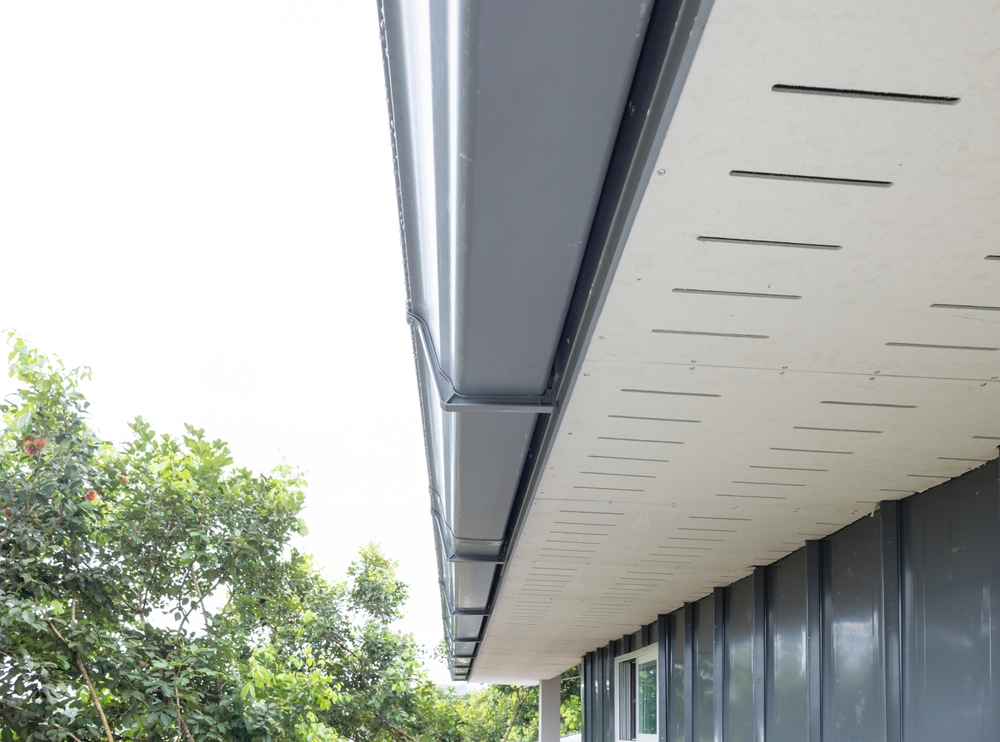
When you look at your home, it’s easy to focus on the big things: the roof, the siding, the windows. But one of the most critical systems protecting your investment is often the one you think about least—until something goes wrong. Your gutters aren’t just decorative trim along the roofline. They are the primary defense system against water damage. Every time it rains in the Midlands, hundreds of gallons of water hit your roof. Without a proper path to travel, that water has to go somewhere. Unfortunately, gravity usually dictates that “somewhere” is right where you don’t want it: soaking into your fascia, pooling around your foundation, or finding its way behind your siding. We talk to homeowners every week who are surprised to learn that their foundation issues or wet crawl space actually started up at the roofline. That’s why we don’t view gutters as an add-on. We view them as an essential part of the roofing system. Getting the installation right the first time isn’t just about curb appeal; it’s about making sure your home stays dry and solid for years to come. Why Gutters Matter More Than Most Homeowners Realize It is common to overlook gutters because they are simple in design. It’s just a metal trough, right? But that simplicity hides a massive responsibility. Think about a typical summer storm here in Columbia. The volume of water coming down in a twenty-minute downpour is immense. Your roof sheds that water efficiently, but once it hits the edge, it becomes a destructive force if it isn’t managed. Gutters control that chaos. They catch the runoff and direct it safely away from the vulnerable parts of your house. When they are working correctly, you don’t even notice them. But when they aren’t—whether they are clogged, undersized, or poorly installed—water behaves unpredictably. Water is persistent. It doesn’t need a large opening to cause damage; it just needs time. A small drip behind a gutter can rot wood for years before you see a stain on your ceiling. A puddle that forms near the foundation every time it rains can slowly erode the soil supporting your home’s footing. This is why we treat gutter work with the same seriousness as a full roof replacement. It is all about water management. What “Quality Gutter Installation” Actually Means You might see ads for “cheap gutter installation” nailed to telephone poles or in your social media feed. It’s tempting to think that all metal troughs are the same, so why not go with the lowest bidder? The difference lies in the details. A quality installation isn’t just about hanging metal; it’s about engineering a system that handles water volume specific to your roof. It involves calculations, precise measurements, and using the right materials that won’t fail when the weather turns bad. When we talk about doing the job right, we are looking at specific mechanical factors that ensure the system works for decades, not just until the check clears. Proper Slope, Placement, and Water Flow The biggest mistake we see in amateur installations is incorrect slope. Gutters need to look level from the street for aesthetic reasons, but they must have a very subtle, precise pitch toward the downspouts. If the gutter is perfectly flat, water sits. Standing water is heavy, which pulls on the fasteners. It also becomes a breeding ground for mosquitoes and allows debris to rot and form sludge, which leads to clogs. On the other hand, if the slope is too steep, it looks unprofessional and can cause water to overshoot the downspout opening during heavy flow. Getting this balance right requires experience. We have to account for the length of the run, the number of downspouts, and the total surface area of the roof draining into that section. We also have to place the gutters correctly in relation to the roof edge. If they are hung too low, water shoots right over them. Too high, and they can trap debris or cause ice damming issues in winter. It’s a game of inches, and getting it wrong means the water doesn’t flow where it needs to go. Secure Fastening That Holds Up in Heavy Rain Water is incredibly heavy. A single gallon of water weighs over eight pounds. Now, imagine a 40-foot run of gutter filled with water and wet leaves during a storm. That is hundreds of pounds of weight hanging off the edge of your roof. Standard spikes and ferrules—those long nails you see driven through the front of older gutters—often aren’t enough. Over time, the weight of the water and the natural expansion and contraction of the metal work those spikes loose. That’s when you see gutters sagging or pulling away from the fascia board. We use heavy-duty hidden hangers screwed directly into the solid fascia wood, spaced closely together. This distributes the weight evenly and ensures the gutter doesn’t sag. We build these systems to handle the reality of South Carolina weather, not just a light drizzle. Secure fastening means you don’t have to worry every time the wind picks up or the rain starts coming down sideways. How Poor Gutter Installation Leads to Water Damage Over Time The tricky thing about water damage is that it is often silent. You usually don’t see the effects of a bad gutter job immediately. It’s a slow accumulation of issues that eventually results in a big repair bill. When installation shortcuts are taken, water escapes the system. It might splash over the back, leak through poorly sealed corners, or overflow the front. Wherever it goes, it causes deterioration. Roof and Fascia Damage Starts at the Edge Your fascia board is the wooden trim that runs along the roof edge where the gutters are mounted. It is also the gateway to your roof decking and attic. When gutters aren’t installed correctly—specifically without the proper flashing or “drip edge”—water can wick backward. Instead of dropping into the gutter, it curls under the shingles and runs down the face
When Roofs Fail from Age or Poor Installation: Signs, Risks, and Next Steps
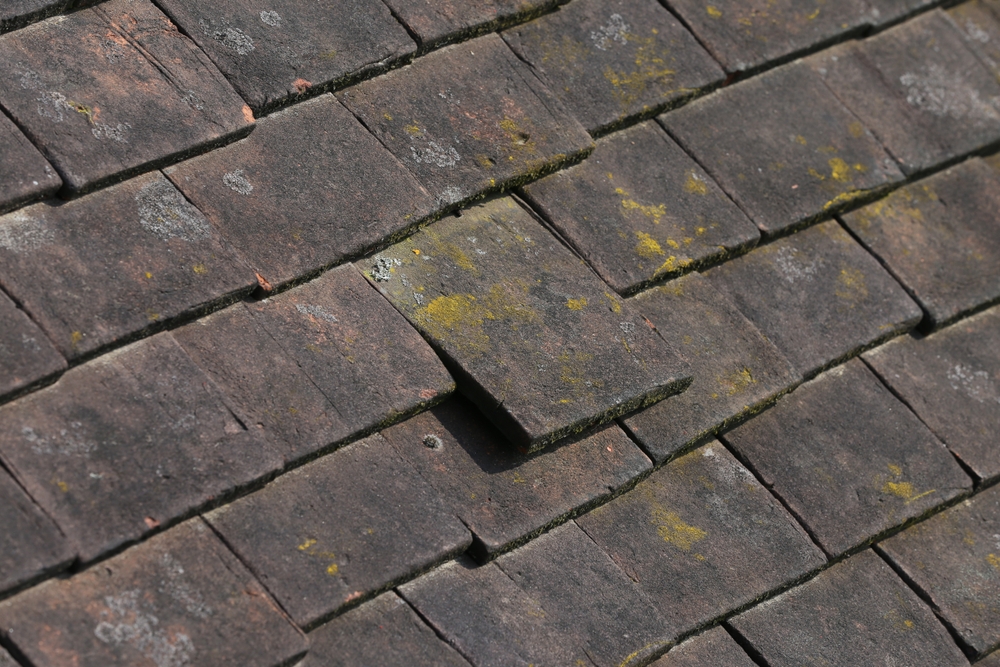
Not all roof problems are caused by a dramatic storm. Sometimes, the most significant failures happen slowly, over years, due to the natural aging process or, more frustratingly, because of critical mistakes made during the initial installation. For homeowners in Columbia, Lexington County, and surrounding areas, understanding the difference between these two causes of failure is key to making a smart, cost-effective decision when your roof starts to show signs of trouble. An aging roof will eventually need replacement, but a poorly installed roof can fail prematurely, costing you thousands in unexpected repairs and negating your manufacturer’s warranty. This guide will teach you how to recognize the signs of both normal wear and tear and common installation shortcuts, explain the risks they pose, and outline the necessary steps to secure your home for the long term. The Two Paths to Roof Failure: Age vs. Error Every roof has a finite lifespan. But how it reaches the end of that life can vary dramatically. Natural Aging: The Inevitable Wear and Tear Process Even the highest quality roof is in a constant battle with the elements. Over 15, 20, or 30 years, the sun, rain, and temperature fluctuations in the South Carolina climate take their toll. This is normal end-of-life wear. Uniform Granule Loss: Over time, the protective ceramic granules on your shingles will slowly wear away, thinning across the entire roof surface. Brittleness and Curling: Years of UV exposure and thermal cycling dry out the asphalt in the shingles, making them hard, brittle, and prone to cracking. The edges may begin to curl up or down. Seal Strip Failure: The adhesive strips that seal one course of shingles to the next will gradually lose their tackiness, making the roof more vulnerable to wind. Nail Pops: As the wood decking expands and contracts over thousands of cycles, it can slowly push nails up and out, creating small bumps or even holes in the shingles above them. Poor Installation: A Ticking Time Bomb Installation errors are different. They are man-made mistakes that compromise the roof’s integrity from day one, guaranteeing it will not last its full intended lifespan. These shortcuts, often taken by low-bid or inexperienced roofers, create built-in failure points. Uncovering Common Installation Mistakes A cheap roof is rarely a good roof. Here are the most common and damaging installation errors we find during inspections for a roof repair in Columbia SC. Improper Nailing: The #1 Cause of Failure This is the single most critical aspect of a roof installation. High Nailing: If nails are placed too high on the shingle, above the designated “nail line,” they will only fasten the top shingle and completely miss the one below it. This means half your shingles are just sitting on your roof, ready for the first strong wind to tear them away. Improper Nailing Pattern: Shingles require a specific number and pattern of nails (typically 4-6) to meet their wind warranty. Using too few nails is a common shortcut that severely compromises wind resistance. Overdriven or Underdriven Nails: Nails driven too deep will fracture the shingle mat. Nails left too high will prevent the shingle above from sealing correctly and can eventually wear a hole through it. Shortcuts at the Edges and Valleys These areas are critical for water management and are frequent targets for corner-cutting. No Starter Strip: A specific course of adhesive-laden shingles, called starter strips, must be installed at all eaves and rakes (the roof’s edges). Failing to use them leaves the most vulnerable part of your roof unsealed and exposed to wind uplift. Missing or Improper Drip Edge: The metal drip edge is essential for directing water into the gutter and away from the wooden fascia and roof deck. Omitting it or installing it incorrectly allows water to wick back under the shingles, causing rot. Underlayment Shortcuts: Some crews take shortcuts by using fewer fasteners on the underlayment or not overlapping the seams correctly. This compromises your roof’s vital secondary water barrier. Improperly Handled Valleys: Valleys handle a high volume of water. An “open” valley lined with metal can fail if not installed correctly. A “closed cut” valley can fail if shingles are cut too short, exposing the underlying seam. Flashing and Ventilation Errors These technical mistakes create immediate and long-term problems. Flashing Errors: Reusing old, failing flashing around chimneys, skylights, and walls is a major error. All flashing should be new and integrated correctly with the new shingles and underlayment to create a waterproof seal. Unbalanced or Mixed Ventilation: Proper attic ventilation requires a balanced system of intake (at the soffits) and exhaust (at the ridge). Installing a ridge vent without adequate soffit vents, or mixing different types of vents (e.g., a ridge vent and a power fan), can disrupt airflow, trap moisture, and cook your shingles from the inside out. Recognizing the Signs of a Failing Roof Whether from age or error, a failing roof will send you warning signals. Attic Signs: The first place to look is often inside. Stains or dark streaks on the underside of the roof deck. Daylight visible through the roof. Damp, compacted, or moldy insulation. A musty smell indicating moisture. Exterior Signs: Widespread curling, cracking, or missing shingles. Heavy accumulation of granules in your gutters. Shingles that have slipped or are falling out of place (a clear sign of high nailing). Bent or missing flashing. Water stains on your fascia boards. A Quick Roof Lifespan Guide for the SC Climate 3-Tab Asphalt Shingles: 15-20 years Architectural/Laminate Shingles: 25-30+ years Metal Roofing: 50+ years The intense sun and humidity in the Midlands can shorten these lifespans, especially if the attic is not properly ventilated. The Professional Inspection Workflow A professional roofing contractor will follow a methodical process to determine the true condition of your roof. Interior and Attic Inspection: We start inside, looking for the tell-tale signs of leaks and moisture in the attic. This tells us where to focus our attention on the exterior. Exterior Ground
How Roof Repairs Today Can Lead to a Brand-New Roof Tomorrow
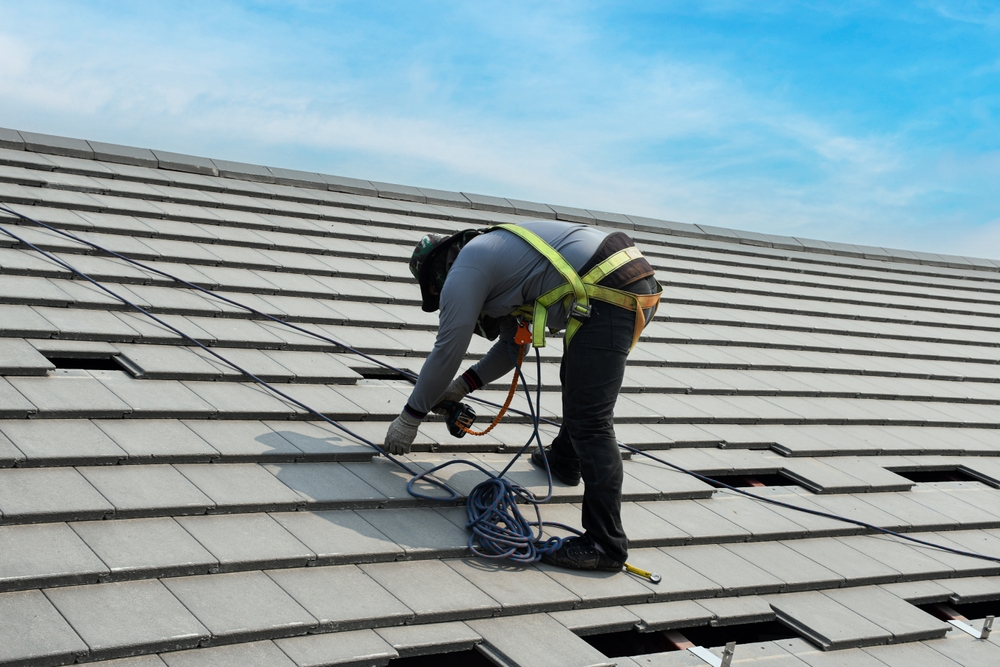
Sometimes a small roof repair uncovers a much bigger story. What starts as a few missing shingles or a small leak can quickly reveal deeper damage hidden beneath the surface — damage that simple patchwork just can’t fix. At Cola City Roofing, we’ve seen it happen countless times across Columbia, Lexington, and Irmo. A homeowner calls about a minor roof repair, expecting a quick job. But once we inspect the decking and underlayment, we often find trapped moisture, rotted wood, or long-term storm damage that’s been quietly spreading. In those cases, a full roof replacement ends up being not only the safer choice but also the smarter long-term investment. One of our recent roof repair case studies tells the story perfectly: what began as a few cracked shingles turned into a full transformation — a stronger, energy-efficient roof with lasting protection and a full warranty. If you’ve been putting off repairs or dealing with recurring leaks, it might be time for a closer look. A free roof inspection can help you see what’s really happening above your head — and whether your “small fix” might actually be the start of a brand-new roof. When a Simple Roof Repair Turns Into Something Bigger It often starts with something that seems manageable. A homeowner notices a small water spot on the ceiling after a heavy downpour or finds a few shingles in the yard following a windy day. The logical first step is to call a local roofing contractor for a quick fix. In many cases, especially on a younger roof, a targeted roof repair is all that’s needed to solve the problem and extend the life of the roof. However, the visible damage is often just the tip of the iceberg. The real story is what’s happening underneath the shingles. Water is a relentless force; it can travel from the entry point along rafters and decking, saturating a large area before a single drop ever shows up on your ceiling. What looks like a minor issue from the outside can be masking widespread rot, compromised insulation, and even structural weakness. This is why a professional assessment is so critical. It’s not about upselling a service; it’s about uncovering the true scope of the problem so you can make an informed decision and avoid spending money on a temporary patch for a permanent problem. Real Columbia Case Study: From Small Fix to Full Roof Replacement To understand how this plays out in the real world, let’s look at a recent Columbia roofing project we completed for a family in a lovely Lexington neighborhood. Their home had a 17-year-old asphalt shingle roof that, from the street, looked to be in decent shape. The homeowner’s initial concern was minor, but it led to a decision that ultimately protected their home for decades to come. This roof repair case study is a perfect example of why a thorough inspection is non-negotiable. The Initial Call — “We Just Need a Few Shingles Replaced” The homeowner called us at Cola City Roofing with a straightforward request. They had noticed a small, persistent leak in their sunroom after heavy rains and had also found a few cracked shingles on the back slope of their roof. They believed they just needed a simple patch job and a few replacement shingles. Their goal was to stop the leak and get a few more years out of their existing roof. As is our standard practice, we didn’t just provide a quote for the patch. We explained that to give them an honest and effective solution, we needed to perform a full, complimentary roof inspection. Our approach is always to diagnose the root cause of the problem, not just treat the symptom. The homeowner appreciated this and agreed to a full evaluation. The Discovery — Hidden Water Damage Beneath the Surface Our inspector started on the roof, confirming the cracked shingles the homeowner had mentioned. But upon closer examination, he found widespread evidence of thermal cracking and significant granule loss across the entire roof—signs that the shingles were brittle and at the end of their functional life. The real discovery happened in the attic. Directly above the sunroom, the underside of the roof decking was damp and stained dark, indicating a long-term moisture problem. Probing the wood revealed that it was soft and spongy—classic signs of rot. The leak wasn’t new; it had been slowly seeping in for months, if not years, compromising the structural integrity of the roof deck. The trapped moisture, a common issue with South Carolina’s humidity, had also compressed the insulation in that area, drastically reducing its effectiveness. Our professional roof inspection in Columbia, SC, had uncovered a serious case of hidden roof damage repair that South Carolina homes are prone to. The Solution — A Full Roof Replacement Built to Last After showing the homeowner photos of the rotted decking and explaining the extent of the damage, it was clear that a simple repair was not a viable option. Patching the shingles would not fix the rotten wood underneath, and the leak would inevitably return. We presented them with two options: a large, expensive repair that would involve tearing off a significant section of the roof to replace the decking, or a full roof replacement. Given the age of the roof and the widespread shingle degradation, the homeowner chose a full roof replacement. This was the smarter long-term investment. We replaced the old, failing system with high-quality architectural shingles, which offer superior durability and a longer lifespan. As part of the process, we tore out and replaced all the rotted decking, ensuring the new roof was built on a solid foundation. We also upgraded their attic ventilation system to improve airflow, which helps prevent the heat and moisture buildup that caused the rot in the first place. The new roof not only solved the leak permanently but also improved the home’s energy efficiency. Best of all, it came with a comprehensive material warranty and