
Are Copper Gutters Worth It? What Homeowners Should Know
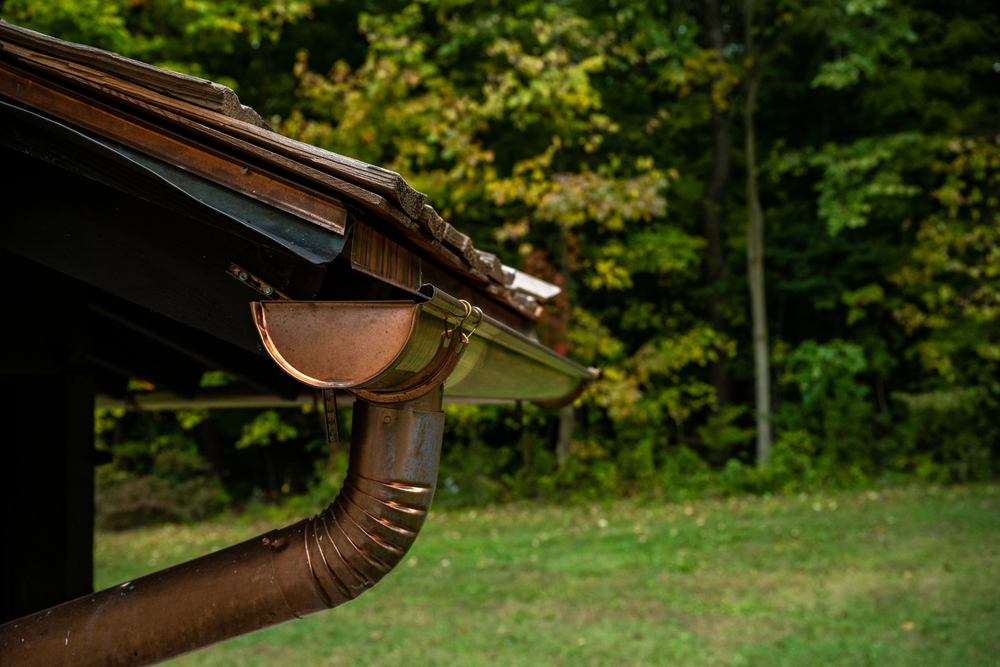
When you drive through some of Columbia’s most established neighborhoods—whether it’s the historic homes in Shandon, the estates near Lake Murray, or the custom builds in forest-lined cul-de-sacs—you might notice something distinct catching the sunlight along the rooflines. It’s not the standard white or beige aluminum you see everywhere else. It’s copper. Copper gutters are undeniably beautiful. They add a level of elegance and architectural detail that standard gutters simply cannot match. For many homeowners, they represent the gold standard of curb appeal. But curb appeal doesn’t stop water from damaging your foundation. And it certainly doesn’t pay the bills. At Cola City Roofing, we get asked about copper gutters frequently. Usually, the conversation starts with admiration (“I love how those look”) and quickly moves to practicality (“But are they actually worth the money?”). It’s a fair question. Copper is a significant investment, often costing three to four times as much as a standard aluminum system. We believe in giving our neighbors the straight facts, not a sales pitch. We aren’t here to convince you to upgrade to the most expensive option on the menu. We are here to help you understand what you are paying for, so you can decide if it makes sense for your home and your budget. Why Homeowners Consider Copper Gutters in the First Place Most people don’t start thinking about copper gutters because they are worried about flow rates or bracket spacing. They think about them because of how they look. Copper is a “living” material. Unlike painted aluminum, which looks exactly the same on day one as it does on day 1,000 (hopefully), copper changes. It starts as a bright, shiny penny color. Over time, as it is exposed to the oxygen and humidity in our Midlands air, it deepens into rich browns and eventually develops that classic Verdigris green patina. For historic homes, this isn’t just a nice feature; it’s often a requirement to maintain architectural integrity. A bright white aluminum gutter on a 1920s brick bungalow can look out of place, like wearing sneakers with a tuxedo. Copper fits. It looks like it belongs. Beyond aesthetics, there is the durability factor. Homeowners who plan to stay in their “forever home” often look at copper as a “one-and-done” investment. They want a system they will never have to replace again. Understanding the Real Cost of Copper Gutters Let’s address the elephant in the room immediately: price. If you are accustomed to the cost of standard aluminum gutters, the quote for a copper system can be a shock. You aren’t just paying for a different color; you are paying for a fundamentally different raw material and a much more labor-intensive installation process. Material Cost: Copper is a precious metal compared to aluminum. Its price fluctuates with the global market, but it is always significantly higher. Labor Cost: Installing copper is not like installing aluminum. You cannot simply screw it in and caulk it. Copper requires specialized skills. The joints aren’t sealed with silicone; they are soldered together with lead-free solder and a torch. This takes time, patience, and a high level of craftsmanship. A crew might install an aluminum system in half a day, while a copper system on the same house could take two or three days to fabricate and install correctly. The “Accessories” Cost: It’s not just the trough. Every hanger, every downspout bracket, and every end cap must also be copper or brass. You cannot mix metals (like using steel screws on copper) or you will get galvanic corrosion, where the copper eats the other metal. These specialized components add up quickly. When you ask “Are copper gutters worth it?”, you have to weigh this premium price against the lifespan and value they add to the property. Copper Gutter Pros and Cons to Think Through Carefully To make a smart decision, you need to look at the full picture. Here is the honest breakdown of what you get—and what you give up—with copper. The Pros Extreme Durability: Copper doesn’t rust. Ever. It doesn’t crack in the cold or warp in the heat. It is incredibly resilient. The Look: Nothing else looks like it. It signals quality and craftsmanship instantly. Lifespan: A well-installed copper system can easily last 50 to 80 years, or even longer. It is likely the last gutter system you will ever buy. Property Value: For high-end homes, copper gutters are a selling point that differentiates the property from others on the market. The Cons The Cost: As mentioned, it is a major upfront expense. Installation Difficulty: You cannot hire a handyman for this. You need a specialist. If the soldering is done poorly, the joints will crack and leak. Theft Risk: It sounds strange, but it happens. Because scrap copper is valuable, thieves have been known to strip downspouts off homes, especially during renovations when the house is vacant. Staining: As copper patinas, water runoff can sometimes carry green staining onto light-colored stucco or concrete driveways if the water isn’t managed properly. How Copper Gutters Perform Over Time In the roofing industry, we talk about “service life.” This is how long a product does its job before it fails. Standard aluminum gutters have a service life of about 20-30 years. Vinyl might last 10-15 years in our sun. Copper? You are looking at 60 to 100 years. There are copper gutters on churches and government buildings in downtown Columbia that have been in place for nearly a century. They work because copper is a noble metal. It doesn’t react with water to break down. Instead, the oxidation process creates a protective layer (the patina) that actually shields the metal from further corrosion. This performance holds up even in our specific Midlands climate. The humidity that causes steel to rust and wood to rot actually helps copper build its protective shell faster. Maintenance Expectations for Copper Gutter Systems There is a misconception that because copper is expensive, it is maintenance-free. That is not true. Debris is still
Benefits of Aluminum Gutters for Long-Lasting Home Protection
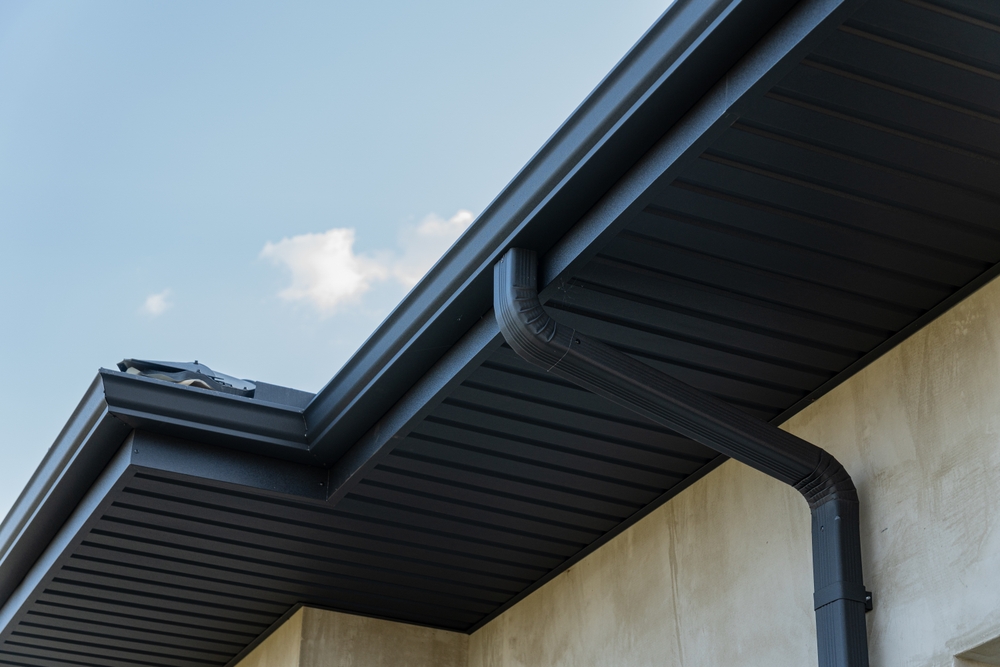
When you look at the houses in your neighborhood, from Lexington to Forest Acres, you will likely notice that most of them have one thing in common: aluminum gutters. It’s not a coincidence. When it comes time to choose a gutter system, aluminum has become the go-to material for professional installers and knowledgeable homeowners alike. But why? It is easy to get lost in the details of gutter materials, with options ranging from vinyl and steel to high-end copper. For many people, gutters are just a functional necessity, and the material doesn’t seem to matter much until there’s a problem. To see how aluminum fits into a complete drainage strategy, explore our full guide to gutter services in South Carolina. At Cola City Roofing, we believe that making an informed decision starts with understanding the “why” behind a recommendation. We almost always recommend seamless aluminum gutters for homes in the Midlands, not because it’s the easiest option, but because our experience shows it offers the best combination of performance, longevity, and value for this specific climate. Why Aluminum Gutters Are So Common on Homes Today Walk into any professional gutter supply shop, and you will see giant coils of aluminum in dozens of colors. Drive through any recently built neighborhood, and you will see seamless aluminum gutters lining the roofs. The material has become the industry standard for several very practical reasons. First, it hits the sweet spot between durability and cost. It’s a material that performs exceptionally well without the premium price tag of something like copper. Second, its physical properties make it perfectly suited for the job of managing water in a challenging climate like ours. It doesn’t rust, it’s easy to work with, and it can be formed into the seamless systems that are so crucial for preventing leaks. Its popularity isn’t the result of a marketing trend; it’s the result of decades of real-world performance. Contractors and homeowners have learned that aluminum provides a dependable, long-term solution to water management without requiring constant maintenance or premature replacement. Lightweight Gutter Systems That Don’t Stress Your Home One of the most overlooked benefits of aluminum is its weight. Compared to steel or copper, aluminum is incredibly lightweight. This might not seem important, but it has a significant impact on the long-term health of your home’s structure. Your gutters hang from the fascia board—the wooden trim that runs along the edge of your roof. This board is only so strong, and on older homes, it may have already been weakened by years of exposure to moisture. A heavy gutter system, like one made from steel, puts a constant, significant strain on the fascia and the fasteners holding it in place. Add the weight of a full trough of water during a heavy rainstorm, and the stress becomes immense. This is often why heavier steel gutters are more prone to sagging or pulling away from the house over time, especially if the fascia wood isn’t in perfect condition. Aluminum, being so much lighter, puts far less stress on this vulnerable part of your home. The fasteners aren’t under as much constant tension, and the fascia board is less likely to be damaged by the load. This low-weight advantage means a more stable, secure system that stays put for decades without needing constant adjustments or re-securing. How Aluminum Gutters Hold Up in Heavy Rain and Storms While aluminum is lightweight, it is also surprisingly strong. This is where the “gauge,” or thickness of the metal, becomes critical. The flimsy aluminum you might find in a big-box store is often too thin to provide real durability. Professional installers, however, use a much thicker gauge—typically .027 or .032. This professional-grade aluminum is rigid and robust. It’s engineered to handle the challenges of a real storm. When a typical Midlands thunderstorm unleashes a torrent of water, a professionally installed seamless aluminum gutter system is more than capable of handling the load. The rigidity of the thick-gauge metal prevents it from bowing or bending under the sudden weight of the water. Combined with a seamless design, this strength ensures that the water is captured efficiently and channeled toward the downspouts without overflowing or stressing the system to its breaking point. It’s a material built not just for a gentle shower, but for the high-intensity rainfall that is common in our region. Resistance to Rust and Corrosion Over Time This is perhaps the single most important benefit of aluminum gutters in a humid climate like South Carolina’s. Aluminum does not rust. Other metal gutters, like galvanized steel, rely on a protective coating to prevent corrosion. While this coating works for a while, it can be scratched during installation or by falling debris. Once the underlying steel is exposed to our moist air, rust is inevitable. It will eat through the metal, creating pinhole leaks that eventually become major failures. With aluminum, this is a non-issue. The material itself is inherently resistant to corrosion. You can scratch it, dent it, or expose it to a constant slurry of wet leaves, and it will not rust. This is why aluminum systems last so much longer here than steel systems. You don’t have to worry about the quiet, internal decay that plagues other metals. This rust-proof quality means you can count on the integrity of your gutters for 20, 30, or even more years. You won’t be surprised by a sudden leak caused by a rust spot that has finally broken through the bottom of the trough. A Cost-Effective Option Without Sacrificing Performance When replacing gutters, homeowners are often trying to balance their budget with the need for a quality, long-lasting solution. This is where aluminum truly shines. It offers performance characteristics that are very close to high-end copper—rust-proof, durable, and ideal for seamless fabrication—but at a fraction of the cost. On the other end of the spectrum, it is slightly more expensive than cheap vinyl gutters, but its longevity and durability are so superior that it provides
Seamless vs Sectional Gutters: Which Is Right for Your Home?
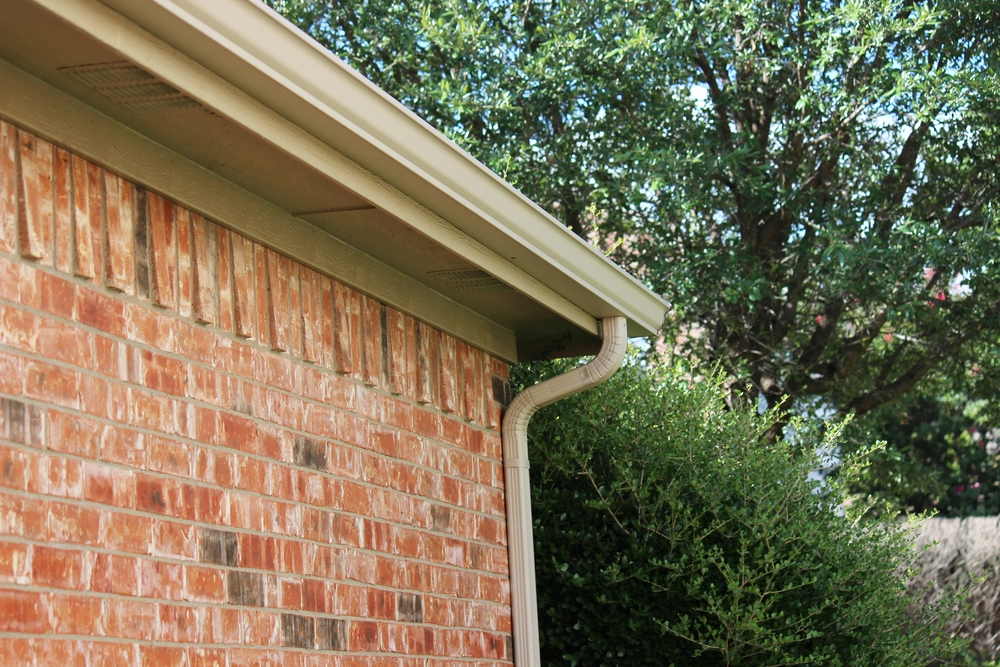
When it comes to home improvement, sometimes the smallest details make the biggest difference. You might spend months picking out the perfect shingle color for your roof, but the gutters that line the edge of it often get less attention. That is, until they start leaking, sagging, or overflowing during a heavy Columbia thunderstorm. Choosing a gutter system isn’t the most glamorous part of owning a home, but it is one of the most important decisions you will make for your property’s long-term health. Gutters are your home’s first line of defense against water damage. They control where the rain goes, keeping it away from your siding, your landscaping, and most importantly, your foundation. If you are looking to replace your gutters, you will quickly run into a fork in the road: should you go with sectional gutters or seamless gutters? It sounds like a minor technical detail, but the difference between these two systems affects everything from the cost and installation to how often you’ll be climbing a ladder to fix leaks. At Cola City Roofing, we believe in giving homeowners the straight facts so they can make the best choice for their specific situation. We aren’t here to push you into a sale; we are here to help you protect your home. Understanding the Two Main Gutter Types Before we dive into performance and cost, let’s clarify what we are actually talking about. The terms “seamless” and “sectional” refer to how the gutter system is constructed and installed. While they perform the same basic function—catching water and moving it away—they do it in very different ways. Think of it like the difference between a custom-tailored suit and one you buy off the rack. Both are suits, and both cover your body, but the fit, the finish, and the longevity are likely going to be very different. What Are Seamless Gutters? Seamless gutters are exactly what they sound like: continuous troughs of metal that run from one corner of your roof to the other without any breaks or joints in the middle. They are not something you can buy in a box at a hardware store. Because every home is different, seamless gutters must be custom-fabricated on-site. A professional installer brings a specialized machine (essentially a metal-forming factory on wheels) to your home. They feed a coil of flat aluminum (or copper) into one end, and the machine rolls it into the gutter shape and extrudes it to the exact length needed for your roofline. If the front of your house is 60 feet wide, the machine produces a single 60-foot piece of gutter. The only seams in the entire system are at the very corners (miters) and where the downspouts are attached. What Are Sectional Gutters? Sectional gutters, sometimes called DIY gutters or “stick” gutters, come in pre-cut lengths. You typically find these at big-box home improvement stores in 10-foot or 20-foot sections. To install them, you (or a general handyman) hang one section, then hang the next one, overlapping them slightly or using a connector piece to join them together. You repeat this process until you reach the end of the roof. If you have that same 60-foot run across the front of your house, a sectional system would require joining at least six separate pieces together. That means you have five seams along that one straight run, plus the seams at the corners. Seamless vs Sectional Gutters: Key Differences That Matter Now that we know the basic construction, let’s look at how that difference plays out in the real world. Why does it matter if your gutter comes in one piece or six? It comes down to simple physics: water always tries to find a way out. Every time you cut a gutter and try to join it back together, you create a potential exit point for the water. You also create a ridge or a lip inside the trough that can snag debris. Here is how the two systems stack up against each other in the areas that matter most to homeowners. Leak Risk and Long-Term Performance This is usually the deciding factor for most of our clients. The primary job of a gutter is to hold water. If it leaks, it fails. Sectional Gutters: Every seam is a weak point. To join two sections of gutter, you have to use a special sealant or a rubber gasket. When the system is brand new, these seals usually work fine. However, gutters are exposed to extreme conditions. In the Midlands, they bake in the 100-degree sun and then freeze in the winter. This temperature fluctuation causes the metal to expand and contract. Over time, this constant movement stresses the seals at every joint. Eventually—usually within a few years—the sealant cracks or the rubber dries out, and you get a drip. With a sectional system, you might have 20 or 30 of these joints around your house, meaning you have 20 or 30 potential leak spots. Seamless Gutters: Because there are no seams along the straight runs, there is literally zero chance of a leak in the middle of the gutter. The metal is solid. The only places that require sealant are the corners and the end caps. This dramatically reduces the number of failure points. Instead of 30 potential leaks, you might only have four or five corners to worry about. This structural integrity means seamless gutters perform reliably for decades, whereas sectional gutters often become a maintenance headache within the first five to seven years. Installation Process and Fit The installation process for these two systems is night and day. Sectional Gutters: This is often marketed as a DIY-friendly project. While it is true that you don’t need expensive machinery, it is deceptively difficult to get right. Getting the pitch (slope) correct over a long run when you are connecting multiple short pieces is challenging. If one section is slightly off-kilter, it can create a low spot where water pools. Furthermore, sectional gutters typically
How Humidity & Storms Affect Gutters in the Midlands
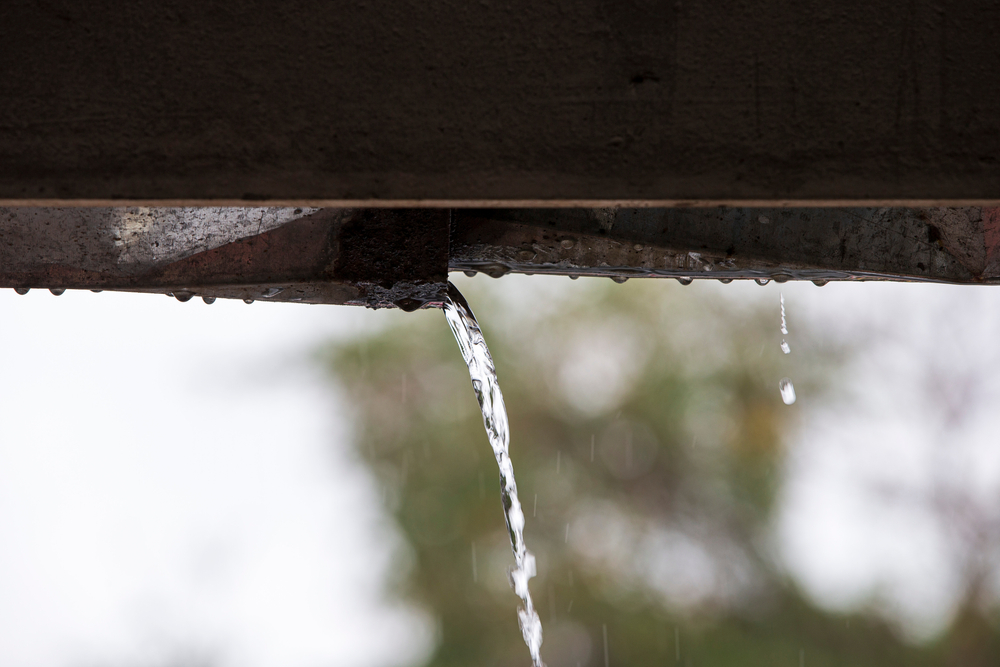
If you live anywhere in the Midlands of South Carolina, you know our weather isn’t for the faint of heart. The air gets so thick in July you can practically swim through it, and a calm afternoon can turn into a torrential downpour with little warning. It’s just a part of life here. While we adapt by turning up the air conditioning, our homes have to sit outside and take the full force of this climate, day in and day out. One of the most vulnerable parts of your home’s exterior is the gutter system. It’s easy to think of gutters as only being affected by obvious things, like falling leaves or a big storm that drops a branch on the roof. But at Cola City Roofing, we see firsthand how the quiet, persistent forces of our local climate—namely, high humidity and frequent, intense storms—are often the real culprits behind gutter failure. This isn’t about one single event; it’s about the slow, steady wear and tear that our Midlands weather inflicts on your home’s water management system. Understanding how this process works is the key to choosing the right gutters and preventing expensive damage before it starts. Why Midlands Weather Is Tough on Gutter Systems The combination of intense heat, oppressive humidity, and high-volume rainfall makes the Midlands a uniquely challenging environment for any exterior building material. Gutters sit right at the intersection of all three. First, there’s the humidity. For much of the year, the air is saturated with moisture. This means that even when it isn’t raining, your gutters are often damp. Leaves and debris that fall into the gutter don’t dry out and blow away; they sit there, get soggy, and start to decompose into a thick, water-retaining sludge. Then, there are the storms. We don’t just get gentle showers. We get sudden, powerful thunderstorms that can dump an inch or more of rain in less than an hour. This high-velocity runoff puts immense stress on the entire gutter system, from the metal trough itself to the fasteners holding it to your house. This one-two punch of constant dampness followed by sudden, violent water loads is what makes our local weather so tough on gutters. How High Humidity Accelerates Gutter Wear Humidity is a quiet enemy. It doesn’t make a loud noise like a hailstorm, but its effects can be just as destructive over time. The core problem is that high humidity prevents things from drying out. A gutter in a dry climate might see leaves and pine needles dry up and get brittle, eventually getting blown out by the wind. Here in the Midlands, that same debris gets damp and stays damp. This creates a perpetually moist environment inside your gutter trough. This constant moisture does two things: Accelerates Corrosion: For older galvanized steel gutters, this is a death sentence. The protective zinc coating is designed to handle rain, but it’s not meant to be submerged in a wet, acidic slurry of rotting leaves 24/7. The humidity speeds up the rusting process, eating through the metal from the inside out. Even aluminum, which doesn’t rust, can be affected by galvanic corrosion if it’s in contact with other metals (like steel screws) in a constantly wet environment. Promotes Wood Rot: The moisture in the gutter doesn’t stay in the gutter. It soaks into the fascia board that the gutter is attached to. Wood that is constantly damp will inevitably begin to rot. As the wood softens, the gutter screws or spikes lose their grip, leading to sagging and eventual detachment. The Impact of Frequent Storms and Heavy Rainfall While humidity weakens the system over time, our frequent storms are what deliver the knockout blow. The impact is both immediate and cumulative. When a typical Midlands summer storm hits, a massive volume of water rushes off your roof. A 2,000-square-foot roof can shed over 1,200 gallons of water from just one inch of rain. Your gutters have to handle that volume instantly. The first impact is the sheer weight. Water is heavy, weighing over eight pounds per gallon. A 40-foot section of 6-inch gutter can hold over 30 gallons of water, adding more than 250 pounds of stress to the hangers and fascia board. If the system is already weakened by humidity-induced rot, this sudden load is often what causes it to pull away from the house. The second impact is velocity. The water isn’t just trickling into the gutter; it’s crashing into it. This can cause “overshooting,” where the water flows so fast it jumps right over the gutter, especially on steep-pitched roofs. This high-velocity flow also pounds against seams and corners, testing the integrity of the sealant with every storm. Common Gutter Problems We See After Midlands Storms After a big storm system moves through Columbia, Lexington, or the surrounding areas, our phones start to ring. The problems homeowners report are almost always the direct result of the storm overwhelming a system that was already compromised. Overflowing Gutters: The most common call is about “waterfalls” pouring over the sides. This is usually caused by a downspout that is clogged with debris that was washed into it by the heavy rain. The gutter trough fills up in seconds and has nowhere to go but over the edge. Gutters Pulling Away from the House: Homeowners will notice a visible gap between the gutter and the roofline. This is a classic sign that the weight of the water was too much for the fasteners, often because the fascia wood behind it has become soft and rotten from years of moisture exposure. Leaking Seams and Corners: The force of the rushing water can bust open weakened sealant at the joints of sectional gutters. A corner that used to have a small drip might suddenly become a steady stream during a storm. Erosion and Landscape Damage: When gutters overflow or detach, that concentrated stream of water hammers the ground below, digging trenches in mulch beds, exposing foundation walls, and flooding
Common Gutter Problems in Older Columbia Homes
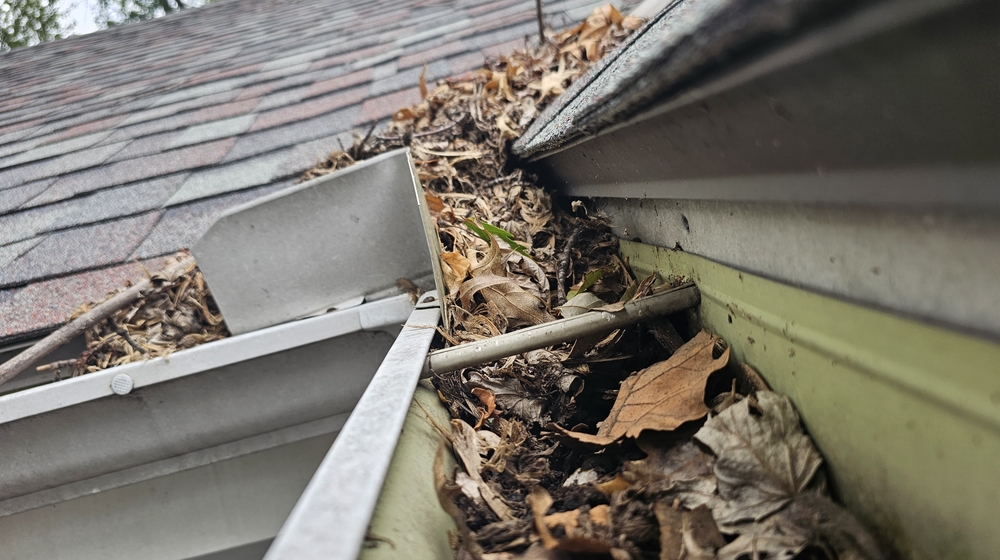
Columbia is a city with history written into its streets. From the Craftsman bungalows of Shandon to the mid-century ranches in Forest Acres and the stately historic homes downtown, our neighborhoods are filled with character. But if you own one of these older homes, you know that “character” often comes with a side of maintenance. While we love the high ceilings, solid wood doors, and unique architectural details of older builds, the systems protecting these homes were designed for a different era. This is especially true for gutters. At Cola City Roofing, we often find that the biggest threat to an older home isn’t the age of the structure itself, but water management systems that have fallen behind. A gutter system installed in 1990—or worse, 1950—simply wasn’t built to handle the intense, high-volume storms we see in the Midlands today. If you are noticing damp basements, peeling paint, or erosion around your foundation, the problem might not be the house settling. It might be that your vintage home is trying to fight modern weather with outdated tools. Why Older Homes in Columbia Face Unique Gutter Challenges New construction is predictable. The rooflines are standard, the wood is fresh, and the building codes are current. Older homes are a different story. They were built using different materials and methods, and they have had decades to settle, shift, and weather. In Columbia, we see a specific set of challenges: Mature Vegetation: Older neighborhoods are defined by their beautiful, towering oaks and pines. While they provide shade, they drop massive amounts of debris directly onto roofs that may not have been designed to shed it efficiently. Settling Foundations: Over 40 or 50 years, every house settles. This slight movement can throw off the pitch of a gutter system that was once perfectly level, causing water to pool instead of drain. Outdated Materials: Many older homes still have galvanized steel or even wooden gutters that have long since passed their useful life. Understanding these challenges is the first step in diagnosing why your home might be struggling to handle rainfall. Original Gutter Designs That No Longer Handle Modern Rainfall It is important to remember that building practices change over time. Fifty years ago, the standard approach to guttering was different. The “Spike and Ferrule” Era For decades, gutters were attached using large spikes (giant nails) driven through a metal tube (ferrule) and into the fascia board. While this worked initially, the natural expansion and contraction of wood over 50 South Carolina summers eventually works these spikes loose. Once they pull out, the gutter sags. You can hammer them back in, but the hole is stripped, so they will just pull out again in a few months. Smaller Capacity Standards In the past, 4-inch or standard 5-inch gutters were considered sufficient. However, as our climate patterns have shifted toward more intense, burst-style storms, these narrower channels get overwhelmed quickly. An older system might have been perfectly adequate for the gentle rains of the 1970s but fails completely during a 2024 summer downpour. Common Gutter Problems We See in Historic and Older Homes When we inspect a home built before 1980 in the Midlands, we almost always find one of three issues. These aren’t just cosmetic annoyances; they are functional failures that put the home at risk. Undersized Gutters That Can’t Keep Up With Heavy Rain This is the most frequent issue. You might have a large, steep roof on a two-story Colonial. When a storm hits, that roof sheds hundreds of gallons of water per minute. If that water hits a shallow, narrow gutter, it splashes right over the edge. It looks like a waterfall. The water lands right next to the foundation, digging a trench in the flower bed and soaking the soil against the brick or crawl space. The homeowner often thinks the gutter is clogged, cleans it, and finds it still overflows. The reality is that the “cup” is just too small for the amount of water being poured into it. Aging Fascia Boards and Weak Mounting Points Gutters have to hang on something. That “something” is the fascia board—the wooden trim running along the roof edge. On older homes, this wood has been exposed to humidity, splash-back, and insects for decades. If the fascia begins to rot, it loses its structural integrity. It becomes soft, like a sponge. When you attach a gutter to soft wood, the screws or spikes have nothing to bite into. As soon as the gutter fills with water (which weighs over 8 pounds per gallon), the weight pulls the fasteners right out of the rotting wood. The gutter pulls away from the house, allowing water to run behind it, which only accelerates the rot. It becomes a vicious cycle. Improper Slope From Years of Settling Water requires gravity to move. A gutter needs a very subtle slope—about a quarter-inch for every 10 feet—to direct water toward the downspout. As an older home settles, the roofline can shift slightly. A gutter that was installed with a perfect pitch in 1985 might now be perfectly flat, or even pitched backward. This leads to standing water in the gutter. Standing water causes two problems: Mosquitoes: It becomes a breeding ground for pests. Corrosion: It causes metal gutters to rust through from the bottom much faster than they normally would. How Older Rooflines Complicate Gutter Performance Modern subdivisions tend to have simple, efficient roof designs. Older homes often feature complex architecture that, while beautiful, is a nightmare for water management. Multiple Roof Levels We often see homes where a second-story roof drains directly onto a first-story roof. This concentrates a massive volume of water into a small area. If the lower gutter isn’t reinforced and oversized, it gets hammered by the water coming from above, leading to overflows and damage to the shingles below. Dormers and Valleys Dormer windows and roof valleys create high-velocity streams of water. In older gutter systems, these areas often lack “splash guards” to catch
Seasonal Gutter Maintenance Tips for Columbia Residents
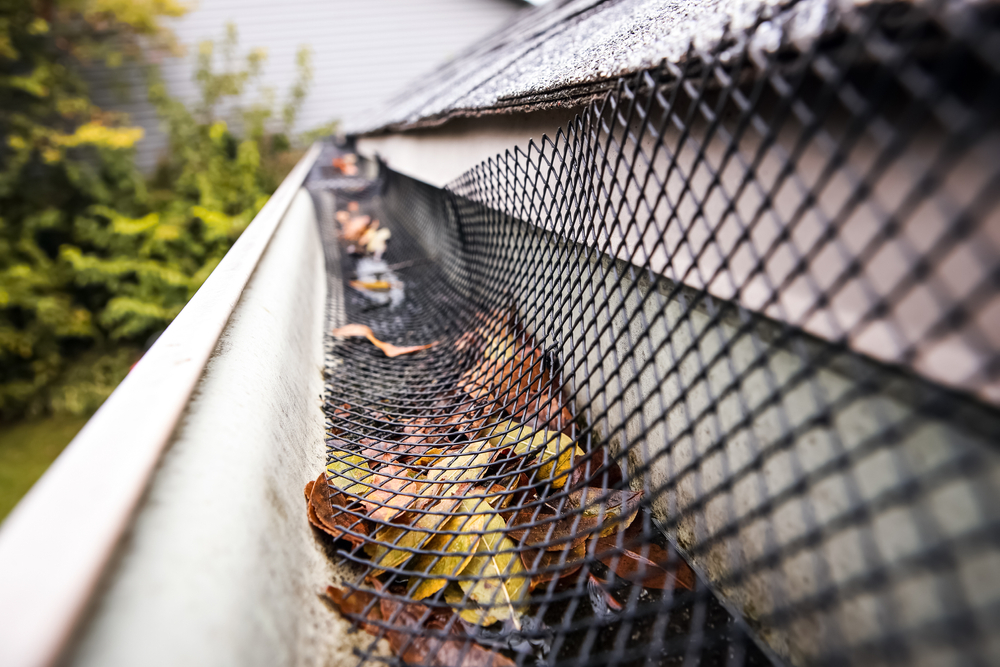
In the Midlands, the change of seasons isn’t just about the temperature; it’s about the weather. We go from the pollen clouds of spring to the sudden thunderstorms of summer, then to the leaf-fall of autumn and the damp, chilly days of winter. Each season brings a new challenge for your home, and your gutters are on the frontline for all of them. Many homeowners think of gutter cleaning as a once-a-year chore, usually in the fall. But here in Columbia, our climate demands a more consistent approach. What your gutters face in April is very different from what they handle in October. At Cola City Roofing, we know that routine maintenance is the single best way to protect your roof, siding, and foundation from water damage. A clogged or damaged gutter isn’t just an eyesore; it’s a breakdown in your home’s most critical defense system. Why Gutter Maintenance Matters in Columbia’s Climate Our weather patterns in South Carolina put a unique strain on gutters. We don’t just get four distinct seasons; we get four distinct types of debris and rainfall. That’s why dependable gutter services in South Carolina focus not just on installation, but on year-round performance and preventative care. In the spring, it’s a thick blanket of yellow pine pollen and oak tassels that can turn into a dense, water-blocking paste. In the summer, it’s high-velocity thunderstorms that drop immense amounts of water and leaf debris in a short period. In the fall, it’s the classic, heavy leaf-fall from our beautiful hardwoods. And in the winter, it’s the persistent dampness and occasional freezes that can cause hidden damage. If your gutters are clogged when one of these events happens, the system fails. Water backs up under your roof, spills over onto your siding, and pools around your foundation. Consistent, season-specific maintenance isn’t about being fussy; it’s about making sure your gutters are ready for what our local climate is about to throw at them. Spring Gutter Care: Preparing for Heavy Rain Spring in Columbia is beautiful, but it’s also the start of our rainy season and the time when gutters face their first big test of the year. After a relatively quiet winter, the gutters wake up to a sudden onslaught of debris. The primary culprit is pollen. The yellow dust that covers our cars and porches also coats the inside of our gutters. When the first spring rain hits, that pollen turns into a thick sludge that can easily block downspout openings. Right behind the pollen come the oak tassels and maple “helicopters.” These small, stringy pieces of debris are notorious for creating dams. Your Spring Maintenance Checklist: Early Spring Cleaning (Late February/Early March): This is the most important cleaning of the year. Before the heavy spring rains begin, it is crucial to clear out all the debris that accumulated over the winter. This ensures your system has maximum capacity for the upcoming storms. Check for Pollen Paste: After the first few rainfalls, take a look at your downspout outlets. If you see very little water coming out during a light rain, there’s a good chance that pollen paste has formed a clog right at the opening. Inspect Seams and Sealants: Winter’s cold temperatures can cause metal and vinyl to contract, putting stress on the seams of sectional gutters. As things warm up, it’s a good time to look for any new drips or leaks at the corners and joints. Look for Loose Hangers: Ice or wind over the winter may have loosened some fasteners. Look along the roofline for any sections that seem to be sagging or pulling away from the fascia board. By clearing the channels in early spring, you prepare your home for the heavy downpours of April and May, ensuring water flows away from your house instead of into it. You can also review our full spring gutter maintenance checklist for a deeper seasonal breakdown. Summer Gutter Checks: Heat, Storms, and Fast-Growing Debris Summer brings a new set of challenges: intense heat, violent thunderstorms, and surprisingly fast debris accumulation. While you might think of summer as a “clean” season for gutters, it’s often when they fail most dramatically. The intense sun can be hard on certain gutter materials. Vinyl gutters, in particular, can become brittle and crack under the constant UV exposure. The heat also causes all materials to expand, which can put further stress on seals and fasteners. Then come the storms. A single, powerful thunderstorm can rip small branches and heavy loads of leaves from trees and dump them directly onto your roof. A gutter that was clear in the morning can be completely blocked by the afternoon. Your Summer Maintenance Checklist: Post-Storm Inspection: After any major thunderstorm, it’s wise to do a quick visual check. You don’t necessarily need to get on a ladder, but walk around the house. Do you see large branches or clumps of leaves sticking out of the gutters? If so, it’s best to remove them before the next storm hits. Check for Overflow Signs: Look for “tiger stripes”—dirty streaks running down the face of your gutters. This is a tell-tale sign that water has been overflowing during recent storms, indicating a clog or an undersized system. Ensure Proper Drainage: Pay attention to where the water goes. Summer storms can erode the soil around your foundation quickly. Make sure your downspout extensions are still pointed away from the house and haven’t been moved by a lawnmower or pet. Look for Insect Nests: Standing water in a clogged gutter is a perfect breeding ground for mosquitoes. Wasps and hornets also love to build nests in the protected corners of a gutter system. Summer maintenance is less about a full-scale cleaning and more about vigilance. A quick check after a storm can prevent a clog from causing major damage during the next one. Fall Gutter Maintenance: Leaves, Pine Needles, and Blockages This is the season everyone associates with gutter cleaning, and for good reason. The sheer volume
Why Columbia, SC Homes Need Gutter Guards

Living in Columbia, South Carolina, means enjoying beautiful, mature trees. Our neighborhoods are filled with majestic oaks, towering pines, and vibrant maples that provide shade in the summer and character to our city. But for a homeowner, that beautiful canopy comes at a cost: a relentless, year-round assault on your gutters. It’s one of the most common frustrations we hear at Cola City Roofing. You clean your gutters in the spring to get ready for summer storms, and they are clogged again by fall. You clean them in the fall, and by winter, they are full of pine needles. It can feel like a never-ending chore. Many homeowners wonder if there’s a better way. They ask us, “Are gutter guards really worth it here?” The question isn’t just about avoiding a chore; it’s about protecting a home from the very real damage that clogged gutters can cause. For most homes in our area, the answer is a clear yes. Why Gutters Clog So Easily Around Columbia Homes If it feels like your gutters clog faster than your neighbor’s in another state, you’re not imagining it. The combination of our climate and our foliage creates a perfect storm for clogged gutters. Here in the Midlands, we don’t have a single “leaf season.” We have multiple, overlapping seasons of debris. Spring: The oaks drop a massive amount of tassels and pollen. These small, stringy bits of debris create a dense sludge at the bottom of your gutters. Summer: Heavy thunderstorms wash shingle grit, small twigs, and other rooftop debris into the channel. Fall: The deciduous trees—maples, sweetgums, and oaks—drop their leaves. These large leaves form a blanket over the top of the gutter. All Year: Our ever-present loblolly pines shed their needles continuously. These needles are notorious for getting stuck in downspout openings, creating tough, stubborn clogs. This constant cycle means that even if you clean your gutters, they might only stay clear for a few weeks before the next wave of debris arrives. The Real Problems Clogged Gutters Cause Over Time A clogged gutter is more than just an eyesore. It is a system failure waiting to happen. When water can’t flow freely to the downspout, it has to go somewhere else. Unfortunately, that “somewhere else” is almost always a place that causes damage. Roof and Fascia Rot: Water backs up and spills over the back of the gutter, soaking the wooden fascia board and the edge of your roof decking. This constant moisture leads to rot, which can compromise the structural integrity of your roofline and cause your gutters to pull away from the house. Siding and Window Damage: Water overflowing the front of the gutter runs down your siding. Over time, this causes ugly stains, promotes mold and mildew growth, and can seep behind the siding to damage the sheathing underneath. It often finds its way into the tops of window frames, causing interior leaks. Foundation Issues: All the water from your entire roof gets dumped directly at the base of your foundation. This over-saturates the soil, leading to erosion and increased hydrostatic pressure on your foundation walls. This is a common cause of leaky basements and crawl spaces in the Columbia area. Pest Infestations: A gutter full of damp, decomposing leaves is a perfect breeding ground for mosquitoes, ants, and termites. It becomes an open invitation for pests to set up camp right next to your home’s wooden structure. How Gutter Guards Help Protect Homes in the Midlands Gutter guards are a simple concept: they are a physical barrier that lets water in but keeps debris out. By preventing the initial clog, they solve all the downstream problems before they start. A good gutter protection system works by creating a shield over the open trough. When leaves, pine needles, and twigs land on your roof, they wash down and land on top of the guard. The water filters through into the clean gutter below, while the debris either blows off in the wind or washes over the edge to the ground. The primary benefit is that your gutters remain open and ready to do their job during a heavy rainstorm. Instead of becoming a liability filled with stagnant water, they function as an effective drainage system, channeling thousands of gallons of water safely away from your home’s foundation, roof, and siding. This continuous protection is what makes them such a valuable asset for any home in our tree-filled region. Leaf Protection Gutters and Why They Matter in Columbia You might hear the term “leaf protection gutters” used interchangeably with “gutter guards.” This phrase emphasizes the primary job of these systems, especially in a place like Columbia where fall leaf-drop can be overwhelming. Having a system specifically designed for leaf protection means you’re not just installing a basic screen; you are installing a product engineered to handle the volume and type of leaves common in our area. A cheap, plastic screen might keep out a few large leaves, but it will quickly get covered and clogged by the dense mat of wet oak leaves we see every autumn. A professional leaf protection system is designed with this in mind. It typically has a smooth surface that encourages leaves to slide off, rather than a rough texture that snags them. It ensures that even during the heaviest leaf fall, enough surface area remains open for rainwater to get through. This is a critical distinction. The goal isn’t just to block leaves, but to manage them in a way that allows the gutter to keep functioning. Common Trees and Debris That Cause Gutter Issues Locally To understand why gutter guards are so effective here, it helps to know the enemy. The specific trees in your yard and neighborhood dictate the type of debris your gutters have to deal with. Pine Trees: The long, thin needles from our loblolly and longleaf pines are the number one cause of downspout clogs. They slip through wide gutter screens and form a crisscrossing dam
Best Gutter Options for South Carolina’s Rainy Weather
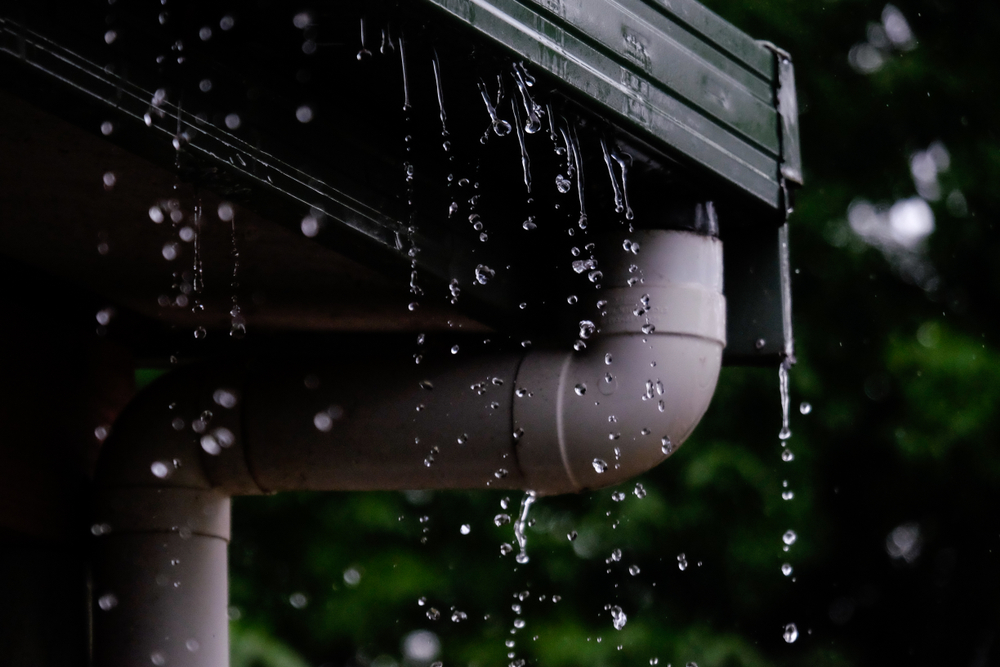
If you’ve lived in the Midlands for more than a summer, you know what rain looks like here. It doesn’t just drizzle; it dumps. We get sudden, intense thunderstorms that can drop an inch or two of water in under an hour. While that might be good for the lawns in Lexington and Columbia, it is brutal for your roof. Most homeowners don’t think about their gutters until they see a waterfall pouring over the front steps or notice a muddy trench dug into their flower bed. But by then, the system has already failed. At Cola City Roofing, we see the aftermath of these storms constantly. We see what happens when standard, builder-grade gutters try to keep up with a South Carolina deluge. The truth is, not all gutter systems are built to handle our specific climate. What works in a drier state or a region with gentle showers often falls short here. Choosing the right gutter system for your home isn’t just about picking a color that matches the trim. It’s about capacity, durability, and managing water volume. Why South Carolina Rain Puts Extra Stress on Gutters It’s not just the total amount of rain we get annually; it’s how we get it. In the Pacific Northwest, they get a lot of rain, but it often falls as a light, steady mist over many days. Gutters there rarely get overwhelmed. Here in South Carolina, we deal with “high-intensity rainfall events.” When a summer storm rolls through, the volume of water hitting your roof is massive. If you have a 2,000-square-foot roof, one inch of rain equals roughly 1,250 gallons of water. In a heavy storm, that water hits your roof and rushes down the slope at high speed. Your gutters have to catch that fast-moving water, contain it without spilling over, and funnel it away from your foundation—all within seconds. The stress comes from two places: Volume: The sheer weight of the water can pull gutters loose if they aren’t secured properly. Water weighs over 8 pounds per gallon. A gutter full of water is heavy. Velocity: Fast-moving water can overshoot the gutter entirely if the system isn’t sized or positioned correctly. If your gutters aren’t up to the task, that water ends up around your foundation, leading to crawl space moisture, erosion, and even structural settling. What Makes a Gutter System Work Well in Heavy Rain So, what separates a gutter that overflows from one that handles the storm? It comes down to a few key design features. Capacity is King The most important factor is how much water the trough can hold and how fast it can move it. Standard residential gutters are typically 5 inches wide. For many smaller homes, this is fine. But for homes with steep roofs or large surface areas, 5 inches often isn’t enough during a downpour. The water fills the trough faster than it can drain, causing overflow. Pitch and Flow Water doesn’t move on its own; gravity moves it. A gutter system needs to be pitched (sloped) correctly toward the downspouts. If the pitch is too flat, water sits still. If it’s too steep, it looks bad and the water rushes too fast toward the end cap, potentially splashing out. Secure Attachment In a heavy rain, the gutter is under load. It needs to be anchored to the fascia board securely. We look for hangers spaced every 18 to 24 inches, screwed into solid wood. If the hangers are spaced too far apart—which we often see on budget installations—the weight of the water will cause the gutter to sag. Once it sags, it holds more water, gets heavier, and eventually pulls away from the house. Best Gutter Materials for SC’s Rainy Climate The material you choose affects how long your system will last in our wet, humid environment. You need something that resists rust and can withstand the expansion and contraction caused by our temperature swings. Aluminum Gutters: Reliable and Cost-Effective For 90% of the homes we work on in Columbia, aluminum is the right choice. It is the gold standard for a reason. Rust-Proof: Aluminum does not rust. This is critical in a humid climate. You don’t want to be worrying about corrosion eating through the bottom of your gutters after five years. Lightweight but Strong: Aluminum puts less stress on your fascia board than steel, but when using a professional gauge (thickness), it is strong enough to handle heavy water loads. Value: It offers the best balance of performance and price. The key with aluminum is the “gauge” or thickness. We recommend .027 or .032 gauge aluminum. The stuff you buy at a big-box store is often thinner (.019 gauge), which can bend easily under the weight of a heavy rain or debris. Steel Gutters: Strong, With Added Maintenance Considerations Galvanized steel is stronger than aluminum. It can take a hit from a falling branch better than aluminum can. However, steel has an Achilles’ heel: rust. While galvanized steel is coated with zinc to prevent corrosion, that coating eventually wears off. Once the steel is exposed to our South Carolina moisture, it will rust. If you choose steel, you must be diligent about inspecting it for scratches and keeping it painted or sealed. For most homeowners, the extra maintenance isn’t worth the extra strength, unless you specifically need the durability for an area prone to falling limbs. Galvalume is a steel option coated with a mix of aluminum and zinc, which resists rust better than standard galvanized steel. It has a distinctive industrial look that fits certain modern or rustic home styles well. Copper Gutters: Long-Term Performance in Wet Conditions Copper is the ultimate material for wet climates. It never rusts and never needs painting. In fact, it gets more beautiful with age as it develops a green patina. Copper is incredibly durable. A properly installed copper system can last 50 to 100 years. It handles water beautifully and adds significant curb appeal. The downside, of
Gutter Replacement vs. Gutter Repair: How to Know Which You Need
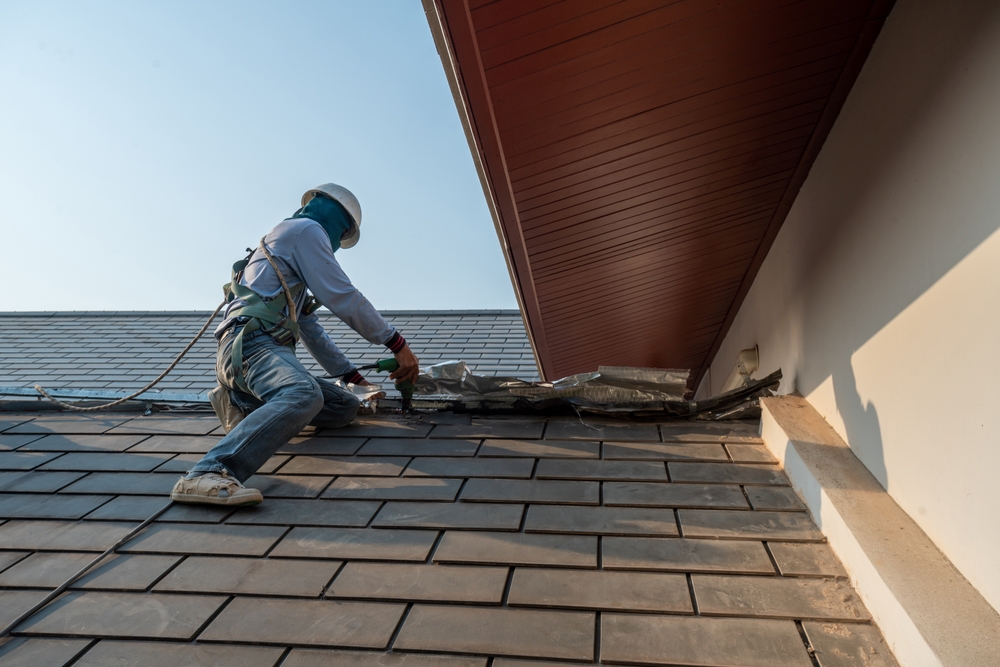
When you notice a problem with your gutters—a drip from a corner, a section pulling away from the house, or a cascade of water over the edge during a storm—you are faced with a fundamental question: should you repair it or replace the whole system? It is a decision that almost every homeowner in the Midlands will face at some point. The answer seems like it should be simple. A small problem calls for a small fix, and a big problem calls for a big solution. But in the world of home maintenance, the line between “small” and “big” can get blurry. A minor leak could be a five-minute caulking job, or it could be a symptom of a much larger, systemic failure. At Cola City Roofing, we help homeowners navigate this decision every week. We understand the temptation to choose the cheaper, quicker option. We also know from experience that throwing money at repeated repairs can be more expensive in the long run than investing in a one-time replacement. The key is to make an informed choice, not an emotional one. Why This Decision Isn’t Always as Simple as It Sounds Most homeowners think about repairs in terms of cost and convenience. A repair is cheaper and faster, so it feels like the logical first step. A replacement is a bigger project and a larger investment. However, a truly logical decision goes deeper than the immediate price tag. It considers the age of the system, the underlying cause of the problem, and the long-term cost of ownership. Think of it like an old car. If you have a flat tire, you repair it. But if the engine is throwing a rod, the transmission is slipping, and the frame is rusted, you don’t just keep fixing the individual parts. At a certain point, you recognize that the entire system is failing, and any money spent on repairs is just a temporary fix on the way to an inevitable replacement. Gutters work the same way. A professional assessment isn’t just about spotting the leak; it’s about diagnosing the health of the entire water management system. We look for clues that tell us if we are dealing with a localized issue or a system that has reached the end of its functional life. When Gutter Repair Usually Makes Sense A full replacement is not always necessary. Many common gutter problems are isolated incidents that a skilled technician can fix effectively, extending the life of your current system for years to come. If your gutters are generally in good shape and less than 15 years old, a repair is often the most practical and cost-effective solution. Small Leaks, Loose Fasteners, or Minor Sagging This category covers the most frequent service calls we receive. Leaking Corners or End Caps: In a sectional gutter system, the sealant at the corners (miters) and end caps is a known weak point. Over time, the sun and temperature fluctuations cause the sealant to crack. If the rest of the gutter is solid, scraping out the old sealant and applying a fresh, high-quality bead is a simple and effective repair. Loose Fasteners: Have you noticed a gutter spike backing out of the fascia board? Or is one section pulling away slightly? This is common, especially on older homes. The wood can expand and contract, loosening the nail’s grip. If the fascia board itself is still solid, we can often re-secure the gutter with specialized gutter screws, which have much better holding power than the original spikes. Minor Sagging: If a single section of gutter is holding water but the rest of the system is pitched correctly, it might just need a few extra hangers. Adding support brackets can lift the sagging section and restore proper water flow without replacing the entire run. These types of repairs address a specific point of failure in an otherwise healthy system. They are targeted fixes that solve the immediate problem without masking a larger one. Isolated Damage From Storms or Debris Our South Carolina weather can be rough on gutters. A summer thunderstorm can bring high winds and heavy branches crashing down onto your roofline. If a falling limb has dented or crushed a single 10-foot section of your gutter, but the rest of the system is untouched, it makes perfect sense to replace only that damaged piece. A professional can cut out the bad section and install a new one, sealing the joints carefully. This is a common and effective repair after storm damage. Similarly, if a downspout has been dented by a lawnmower or pulled loose by a climbing vine, we can easily replace just that component without disturbing the rest of the system. The key here is that the damage is localized and caused by an external event, not by the age or inherent failure of the material itself. When It’s Time to Replace Gutters Instead The tipping point from repair to replace often comes when you stop fixing isolated incidents and start fighting a systemic problem. If your gutters are showing signs of widespread failure, a replacement isn’t just a good idea—it is the only way to reliably protect your home from water damage. Repeated Problems in the Same Areas Have you had the same corner re-sealed three times in the last three years? Do you find yourself hammering the same gutter spike back in every spring? When a problem keeps coming back, it’s a sign that the repair is not addressing the root cause. A corner that repeatedly leaks might be doing so because the gutter sections are warped and no longer line up correctly, preventing a good seal. A gutter that keeps pulling away might be attached to a fascia board that is slowly rotting from the inside out. Continuing to pay for the same repair over and over is what we call “chasing the problem.” At this point, the money you spend on service calls could be better invested in a new system that comes
How Much Does Gutter Installation Cost in South Carolina?

One of the first questions any homeowner asks when they realize they need new gutters is, “How much is this going to cost me?” It is an honest, fair question. You have a budget to manage, and you need to know if this is a minor repair or a major investment. However, unlike buying a gallon of milk or a new television, buying a gutter system isn’t about picking a price off a shelf. Because every home in Columbia and the Midlands is built differently, the cost of a gutter installation is tailored specifically to the building it protects. At Cola City Roofing, we believe in being as transparent as possible about pricing. If you’re comparing options, it helps to understand how professional gutter services in South Carolina are structured and priced. We know that the “it depends” answer can be frustrating, even if it is the honest one. While we can’t give you an exact dollar figure without seeing your roof, we can explain exactly where the money goes, what the average ranges are for our area, and why the lowest price on a sheet of paper often ends up being the most expensive option in the long run. Why Gutter Installation Costs Vary Across South Carolina If you ask your neighbor in Lexington what they paid for gutters and then ask your cousin in Sumter, you might get two very different answers. This isn’t necessarily because one contractor is gouging and the other is a bargain. It’s because the cost of construction varies based on local market conditions and the specific logistics of the job site. In South Carolina, several factors drive the baseline cost of exterior work: Labor Markets: Skilled labor is in high demand. A professional crew that carries proper insurance, workers’ compensation, and has years of experience installing seamless systems costs more to employ than a general handyman working out of a pickup truck. In the Midlands, reputable contractors have to price jobs to retain quality talent. Material Availability: Aluminum prices fluctuate globally. Since most professional gutters are custom-fabricated from aluminum coils, the current market price of metal affects every job quote in the state. Accessibility: South Carolina has a mix of flat, sandy lots and hilly, terraced terrain. If a home is on a steep slope or has difficult access for our trucks and ladders, the job takes longer and carries more risk, which can influence the price. Understanding these variables helps set the expectation that a quote is a reflection of current realities, not an arbitrary number. Typical Gutter Installation Costs in the Columbia Area While every house is unique, we can look at averages to give you a ballpark idea of what to expect. In the Columbia area, gutter pricing is typically calculated by the linear foot. If you’re looking for a breakdown specific to the Midlands, we explain local pricing factors in detail in our guide to gutter installation cost in Columbia SC. For a standard, professional-grade seamless aluminum gutter system (which is what we recommend for 95% of homes in this area), you can generally expect to pay between $6 and $15 per linear foot. Where does your home fall in that range? The Lower End: A single-story ranch home with a simple, straight roofline and easy access will likely be on the lower end of that spectrum. The Higher End: A two-story or three-story home with a steep roof, multiple complex corners, and extensive downspout requirements will be on the higher end. To translate that into a total project cost: Small to Medium Home (1,500 sq ft): A complete system might range from $1,000 to $2,500. Large Home (2,500+ sq ft): A larger system with more complexity could range from $2,500 to $5,000+. Note: These are estimates based on market averages for standard materials. Specialized materials like copper or Galvalume, or the addition of high-end gutter guards, will significantly increase these numbers. What Factors Affect the Cost of Gutter Installation When an estimator from Cola City Roofing comes to your property, they aren’t just guessing. They are calculating a price based on a specific set of variables. Understanding these factors can help you see your home through a contractor’s eyes. Home Size, Roofline, and Gutter Length This is the most obvious factor. The more guttering you need, the more materials we use. However, it’s not just about the total length; it’s about how that length is distributed. A house that is a simple rectangle requires four straight runs and four corners. A house with dormers, bay windows, a garage offset, and a covered porch might have the same square footage but require three times as many cuts, end caps, and corners. Every time the gutter turns, it requires a miter (corner). Miters are labor-intensive to fabricate and seal properly. A complex roofline with 12 or 14 corners will always cost more per foot than a simple box shape. Gutter Material and System Type The material you choose is the biggest lever you can pull to adjust the cost. Aluminum: This is the industry standard for a reason. It offers the best balance of durability and affordability. It comes in a wide range of colors to match your siding. Galvalume/Steel: These materials are stronger and offer a specific industrial or rustic look, but they are heavier and harder to work with, typically costing 30% to 50% more than aluminum. Copper: This is the premium option. Copper is meant to last a lifetime and age beautifully, but the raw material is expensive, and the installation requires specialized soldering skills. A copper system can easily cost three to four times as much as an aluminum one. Additionally, the width of the gutter matters. Standard residential gutters are 5 inches wide. However, for homes with large, steep roofs that shed massive amounts of water—common in our stormy Midlands summers—we often recommend 6-inch gutters. The larger size handles 40% more water but costs slightly more due to the extra material. Number of Downspouts and