
A Day in the Life of Professional Gutter Installers

Most home improvement projects feel a bit like a mystery. You sign a proposal, and a few weeks later, a truck arrives and a team of people you’ve never met starts working on your house. When they leave, you have a new roof, new windows, or, in this case, a new gutter system. But what actually happens during that day? What does the process look like from the perspective of the people doing the work? At Cola City Roofing, we believe that understanding the process helps build trust. We know that having a crew at your home can be disruptive, and a little insight into their day can make the experience feel more predictable and less intrusive. This isn’t about marketing or a polished sales pitch; it’s a straightforward look at what our professional gutter installers do on a typical day in the Columbia area. From the first safety check in the morning to the final cleanup, every step is deliberate. It’s a combination of skilled labor, careful planning, and problem-solving. This is what a day dedicated to protecting your home with a quality gutter system really involves. What a Typical Gutter Installation Day Looks Like A gutter installation day is a well-orchestrated process that begins long before the first piece of metal is cut. It’s a full day of focused work that balances speed with precision. While every home is unique, the rhythm of the day follows a consistent pattern designed to ensure safety, quality, and respect for the homeowner’s property. The day isn’t just about hanging troughs on the side of a house. It involves careful measurement, problem diagnosis, custom fabrication, and meticulous attention to the physics of water flow. The goal is to leave the homeowner with a system that not only looks great but functions flawlessly during the heaviest Midlands downpour. From start to finish, the day is about getting it right. Starting the Day With Planning and Safety Checks Our crew’s day begins at the shop, not at your house. This is where the planning happens. The lead installer reviews the project details: the linear footage needed, the number of downspouts, the specific color of the materials, and any notes from the initial inspection. They load the truck with all necessary tools, fasteners, sealants, and safety gear. The large coil of aluminum that will become your seamless gutters is carefully loaded onto the truck-mounted machine. Safety is the first priority. Before leaving the shop, the team ensures all ladders are in good condition, safety harnesses are inspected, and first-aid kits are fully stocked. This pre-work check is non-negotiable. It sets the tone for a day where no corners are cut, either on the installation or on the well-being of the crew and the people around them. Inspecting the Home Before Any Work Begins Upon arriving at your home, the first thing our installers do is walk the property. This isn’t just to find a place to park the truck; it’s a crucial diagnostic step. The lead installer walks the perimeter, looking at the roofline and fascia boards with a critical eye. They are comparing the real-world conditions to the project plan. They look for signs of wood rot on the fascia that might not have been visible during the initial estimate. They check for bee or wasp nests that need to be handled before work can begin. They also assess the landscaping—are there delicate rose bushes or a new vegetable garden that needs to be protected with tarps? This pre-installation walkthrough confirms the plan of action and identifies any potential challenges before the first ladder is even raised. It’s a final confirmation that we’re prepared for the specifics of your home. Measuring and Preparing for a Proper Fit Once the inspection is complete, the old gutters are carefully removed and set aside for disposal. With the fascia board exposed, the real preparation begins. This is where precision takes over. An installer will take precise measurements of every roofline section that will receive a new gutter. These are not estimates. They are exact measurements, down to the fraction of an inch. These numbers are then used to fabricate your new seamless gutters on-site. The installer feeds the flat aluminum coil into the gutter machine on the back of the truck, and a perfectly formed, continuous gutter emerges at the exact length needed for your home. This on-site fabrication is what makes a seamless system possible. Because there are no factory-set lengths, we can make a single 50-foot piece for a long roofline, eliminating the seams that eventually leak in sectional gutters. Installing Gutters the Right Way, Not the Fast Way With the new gutters fabricated, the installation process starts. This is where experience and technique make all the difference. It’s a two-person job that requires coordination and a steady hand. First, a chalk line is snapped along the fascia board. This line is not level; it is carefully sloped to create the proper pitch toward the downspout. Getting this slope right is the single most important factor in a functional gutter system. Too little slope, and water will stand still. Too much, and the gutter will look odd and may not catch fast-moving water from the roof. Next, the installers begin attaching the new gutter to the fascia using heavy-duty hidden hangers. These brackets are screwed into the wood, not nailed. Screws provide a much stronger and more permanent hold than the old spike-and-ferrule method. We place these hangers every two feet to ensure the gutter is rigidly supported and will not sag under the weight of heavy water or debris. Making Sure Water Flows Where It Should After the main troughs are hung, the focus shifts to the outlets and downspouts. A hole is cut into the bottom of the gutter trough at the lowest point of the slope. This is where the water will exit. An outlet is attached and sealed to create a watertight connection. The downspouts are then assembled and attached
Common Gutter Installation Errors We Correct for Homeowners

When you look up at your roof, the gutters probably seem like the simplest part of the entire structure. They are, essentially, just metal troughs designed to catch rain. How complicated could that possibly be? It’s a fair question, and it’s one that leads many homeowners—and frankly, many inexperienced handymen—to underestimate the precision required for a proper installation. At Cola City Roofing, we spend a significant amount of our time not just installing new systems, but correcting existing ones. We often get calls from homeowners in the Midlands who are frustrated. They have gutters, and those gutters look fine from the ground, but they aren’t doing their job. Water is spilling over the sides, pooling around the foundation, or rotting out the fascia boards. The truth is, while the concept of a gutter is simple, the physics of moving water effectively is not. It requires calculation, specific geometry, and an understanding of how water interacts with different roof pitches and materials. When these details are missed, the system fails. We aren’t here to point fingers or speak negatively about others in the trade. However, we believe an educated homeowner is a protected homeowner. By understanding the common installation errors we see in the field, you can better evaluate your own system and understand why certain problems keep recurring, no matter how often you clean your gutters. Why Installation Errors Are More Common Than Most People Expect It might surprise you to learn that gutter installation is one of the most unregulated aspects of home construction. In many places, almost anyone with a ladder and a truck can claim to be a gutter installer. There isn’t the same rigorous code enforcement for gutters as there is for electrical work or structural framing. This lack of standardization often leads to a focus on speed rather than function. “Hang it and move on” becomes the motto for volume-based installers. They might use fewer brackets to save money, or eyeball the pitch rather than measuring it, assuming that “close enough” will work. But water is unforgiving. It follows the path of least resistance every single time. If there is a low spot, water will find it and sit there. If there is a gap, water will leak through it. If the capacity is too low, water will overflow. In the Columbia area, we have specific challenges that make precision even more critical. We have intense, high-volume thunderstorms in the summer that dump massive amounts of water in minutes. We have heavy pine pollen and needle drop that complicates flow. An installation that might “get by” in a drier climate will fail quickly here. The Most Frequent Gutter Installation Errors We See Over years of inspecting homes from Lexington to Northeast Columbia, we have noticed patterns. The same issues tend to crop up again and again. These aren’t usually caused by malice; they are caused by a lack of understanding of how roofing and drainage systems work together. The following sections detail the specific technical errors we encounter most often. These are the reasons why a gutter system might look brand new but fail completely during the first heavy rain of the season. Improper Gutter Slope That Causes Standing Water This is, without a doubt, the number one issue we correct. A gutter needs to look level from the street for aesthetic reasons, but it must never be level. It needs a subtle, consistent slope toward the downspout to use gravity effectively. The Physics of the Pitch The industry standard is typically a drop of about one-quarter inch for every ten feet of gutter run. If the run is forty feet long, one end should be a full inch higher than the other. Getting this precise angle right while standing on a ladder and drilling into wood is difficult. The “Smile” Effect What we often see is a gutter that is high on the ends and low in the middle—it “smiles.” Or, we see a gutter that was installed perfectly level. In these scenarios, water has no motivation to move. It sits in the trough. Why Standing Water is a Threat You might think a little standing water isn’t a big deal, but it is the enemy of your home’s longevity. Weight: Water weighs over eight pounds per gallon. A 20-foot section of gutter holding an inch of water creates significant drag on the fasteners, slowly pulling them out of the wood. Mosquitoes: In South Carolina, standing water is a breeding ground. If your gutters aren’t draining, you are hosting a mosquito farm right above your patio. Corrosion: Even aluminum can degrade over time if submerged constantly, especially at the seams or end caps. Debris Accumulation: Flowing water flushes out small debris like shingle grit and pollen. Standing water allows it to settle and form a sludge that creates clogs. Downspouts That Don’t Carry Water Far Enough Away The gutter’s job isn’t done until the water is safely away from the house. Yet, we constantly see downspouts that terminate right at the foundation wall. This is like running a marathon and quitting three feet before the finish line. The “Recirculation” Problem When a downspout dumps water directly at the base of your wall, that water soaks into the soil. Because the soil against your foundation was backfilled during construction, it is often looser than the undisturbed soil further out. This creates a “clay bowl” effect. The water sinks straight down along your foundation wall. Hydrostatic Pressure As this soil saturates, it presses against your foundation walls. This is called hydrostatic pressure. It forces moisture through the microscopic pores in concrete or brick, leading to damp crawl spaces, wet basements, and even structural shifting. The Correction We see many installations where the installer saved five dollars by leaving off the extension or the splash block. A proper system must direct water at least four to six feet away from the home, preferably to a sloped area where it can continue running off. If your downspouts
Before & After: Preventing Mold by Fixing Gutter Problems
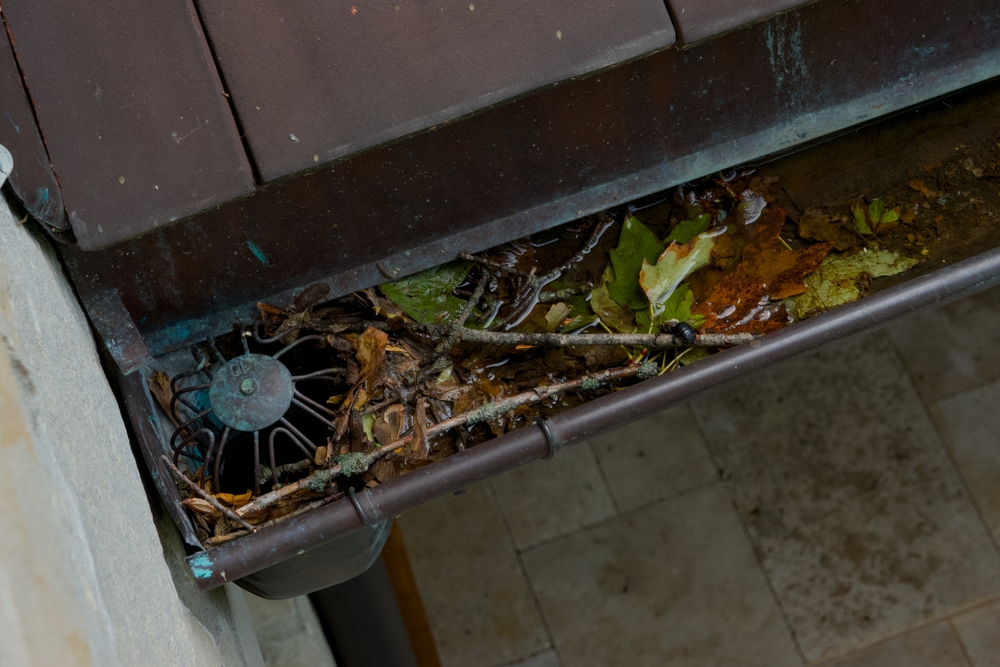
When you walk into your home, you want to smell dinner cooking or fresh laundry, not the heavy, earthy scent of mildew. That musty smell is often the first sign of a mold problem, and for many homeowners in Columbia, it triggers immediate anxiety about leaky pipes or roof failures. But what if the source of that moisture isn’t plumbing or a hole in your shingles? What if the real culprit is hanging right off the edge of your roof? At Cola City Roofing, we see a direct connection between exterior drainage and interior health. We often visit homes where families have been battling recurring mold issues or high humidity levels, only to discover that their gutter system is the silent contributor. It’s a “Before and After” scenario we see frequently: a home struggling with dampness because of poor water management, and that same home returning to a dry, healthy state once the gutters are corrected. This isn’t about scare tactics. Mold is a manageable issue if you cut off its life source: moisture. This guide walks you through how faulty gutters create the conditions for mold and how fixing those exterior problems can be the turning point for the health of your home. Why Mold Problems Often Start Outside the Home It is easy to think of your home’s walls as an impenetrable barrier. In our minds, the “outside” is wet and the “inside” is dry. However, your home is a system of porous materials—wood, concrete, drywall—that interacts constantly with the environment. When the environment directly against your home is constantly saturated, that moisture eventually migrates inward. Mold spores are everywhere in nature. They are in the air right now. They only become a problem inside your home when they find a place to land that offers food (like drywall or dust) and, critically, moisture. While we often blame humidity or internal spills, the volume of water that hits your roof during a South Carolina storm is massive compared to a spilled cup of water. If that exterior water isn’t managed, it becomes the primary fuel for indoor mold growth. Moisture Around the Foundation Is Usually the First Trigger The foundation is the anchor of your home, but it is also the most vulnerable point for moisture intrusion. In the Midlands, many homes are built on crawl spaces or slabs surrounded by clay-heavy soil. When water dumps from the roof and pools against the foundation, the soil becomes waterlogged. This creates “hydrostatic pressure,” a force that pushes groundwater against your foundation walls. Concrete and brick act like hard sponges; they can wick this moisture up and into the structure. Even if you don’t see a puddle on your basement floor, this invisible transmission of dampness raises the humidity levels in your crawl space or basement. This rising dampness permeates the subfloor and walls, creating the perfect, humid microclimate that mold loves. Gutters Play a Bigger Role Than Most Homeowners Realize Gutters are not just decorative trim. They are a functional plumbing system for your roof. Their sole job is to capture thousands of gallons of rainwater and transport it safely away from the sensitive parts of your house—the fascia, the siding, and the foundation. When gutters fail, whether due to clogs, poor installation, or damage, that system breaks down. Instead of being transported away, the water is concentrated and dumped right where it can do the most damage. A single overflowing gutter section can dump hundreds of gallons of water into a concentrated spot next to your foundation in just one hour. That is a volume of water that your home’s waterproofing systems simply aren’t designed to handle repeatedly. The “Before” Conditions That Put Homes at Risk for Mold Before we fix a problem, we have to understand what it looks like. In the “Before” stage of our case studies, we often find homes that are stuck in a cycle of saturation. The homeowners might be running dehumidifiers around the clock or scrubbing mildew off their siding every few months, but the problem keeps coming back. The common thread in these situations is that the home never gets a chance to dry out. The exterior envelope of the house is being subjected to moisture stress that exceeds its ability to shed water. Consistent Water Overflow Near Walls and Entry Points One of the most dangerous conditions we see is “splash back.” This happens when gutters are clogged or undersized, causing water to sheet over the edge and crash down onto the ground, a deck, or a patio below. When water hits a hard surface, it splashes up against the siding, door frames, or window sills. Over time, this repeated splashing forces water behind the siding or into the cracks around door casings. Once water gets behind the cladding (vinyl, Hardie board, or brick), it is trapped. It soaks into the sheathing and framing studs. This dark, wet cavity inside your wall is a playground for mold, and you won’t see it until it starts to rot the drywall from the back side. Soil Saturation and Poor Drainage Around the Foundation In the “Before” scenario, walk around the perimeter of the house after a rainstorm. You will often see standing water or soft, muddy ground directly under the eaves. This indicates that the gutter system is either overflowing or the downspouts are dumping water too close to the house. This saturated soil keeps the humidity around the home artificially high. During the hot Columbia summers, that moisture evaporates and creates a cloud of humidity that hugs the house. This makes your air conditioner work harder and makes it difficult for the interior of the home to maintain a low enough humidity level to inhibit mold growth. How Improper Drainage Creates Hidden Moisture Issues The most frustrating part of mold caused by gutter failure is that the damage is often hidden until it becomes severe. Unlike a burst pipe that sprays water visibly, gutter-related moisture is slow and insidious. It
Case Study: How Faulty Gutters Led to Interior Water Damage

Sometimes, the biggest problems in a home start as small, seemingly unrelated issues. A little discoloration on a wall, a musty smell in a closet, a door that suddenly starts to stick—it’s easy to dismiss these things. But often, they are symptoms of a larger issue. At Cola City Roofing, we often play the role of detective, tracing these clues back to their source. More often than you’d think, the trail leads not to a leaky pipe inside, but to the gutter system on the outside. We recently worked with a homeowner in the Columbia area who was dealing with a frustrating and mysterious water issue. They were doing everything right, but the problem kept getting worse. Their story is a perfect example of how an exterior issue can quietly create major interior damage. This is not a story meant to alarm you. It’s a real-world look at how different systems in your home are connected. By understanding what happened here, you can learn to spot the early warning signs and protect your own home from a similar fate. The Homeowner’s Initial Concern The call we received was about a water stain. It was a faint, brownish discoloration that had appeared on the drywall of an exterior wall, right near the floor. The homeowner was understandably concerned about a potential pipe leak inside the wall. They had already called a plumber, who had checked the fixtures and found no active leaks. Yet, after a heavy rain, the stain seemed to darken and expand slightly. A musty smell was also developing in the corner of the room. This was confusing and stressful. The homeowner couldn’t find the source of the water, and the thought of tearing open a wall to search for a hidden leak was daunting. This is a common point of anxiety for homeowners—when you know there’s a problem but have no idea where it’s coming from or how bad it might be. Early Warning Signs That Were Easy to Miss In hindsight, the house had been offering clues for months. These were small things that are easy to overlook or attribute to normal wear and tear. One of the first signs was “tiger striping” on the gutters. These are the dark, vertical streaks that appear on the outside face of a gutter. They are caused by dirty water consistently overflowing from the top. While it might look like a cosmetic issue, it’s a clear signal that the gutter is clogged or not functioning correctly. Another clue was the flower bed below that section of the house. The mulch was constantly being washed out onto the walkway. The homeowner thought they just had a drainage issue in the yard, not realizing the water was coming from directly above. Finally, there was a subtle change in the gutter’s appearance. From the ground, it looked like it was tilting forward just slightly, creating a small gap between the back of the gutter and the wooden fascia board it was attached to. It wasn’t dramatic, but it was another sign that the system was failing under stress. What We Found During the Gutter Inspection When we arrived, the first thing we did was put a ladder up to inspect the gutter system directly above the stained interior wall. What we found was a system that had completely failed. The gutter was packed solid with a dense, heavy mixture of old leaves, pine needles, and shingle grit. This organic sludge had been sitting there for years, holding moisture like a sponge. The weight of this waterlogged debris was immense. Over time, it had caused the gutter hangers to pull loose from the fascia board. The gutter was sagging significantly in the middle, creating a low spot that collected even more water. Because it was tilting forward, very little water was even making it to the downspout anymore. Instead, during a rainstorm, water would hit the clogged gutter, back up, and spill over both the front and, more importantly, the back. The wooden fascia board behind the gutter was soft to the touch—a clear sign of advanced wood rot. The gutter system wasn’t just clogged; it was no longer securely attached to a solid structure. How Exterior Drainage Problems Caused Interior Damage The connection between the clogged gutter outside and the water stain inside became clear once we understood the path the water was taking. A properly functioning gutter system is designed to catch all the water from the roof and channel it through downspouts safely away from the house’s foundation. When this system fails, the water is uncontrolled. In this case, every time it rained, a significant amount of water was spilling over the back of the failing gutter. It was running down the home’s siding and soaking the ground directly against the foundation wall. The exterior of the house in that area was constantly wet. This uncontrolled flow of water was the direct cause of the interior damage, even though the problem started ten feet higher at the roofline. Why the Damage Didn’t Start Inside the Home The homeowner’s initial fear of a burst pipe is logical. Most people assume that water inside the house must come from an interior source. But the physics of water intrusion are often counterintuitive. The exterior walls of a home have multiple layers of protection—siding, a weather-resistant barrier (like house wrap), and sheathing. These are designed to shed water that hits the side of the house vertically. They are not designed to stand up to a concentrated, continuous flow of water pouring down from a failed gutter. Over time, that constant stream of water finds a way in. It might get behind the siding and saturate the sheathing, or it could oversaturate the ground and find a small crack in the foundation. In this instance, the water was doing both. The problem was 100% an exterior drainage issue that was manifesting inside the house. The Role Poor Gutter Installation Played As we looked closer, we
Common Winter Gutter Problems Homeowners Should Watch For
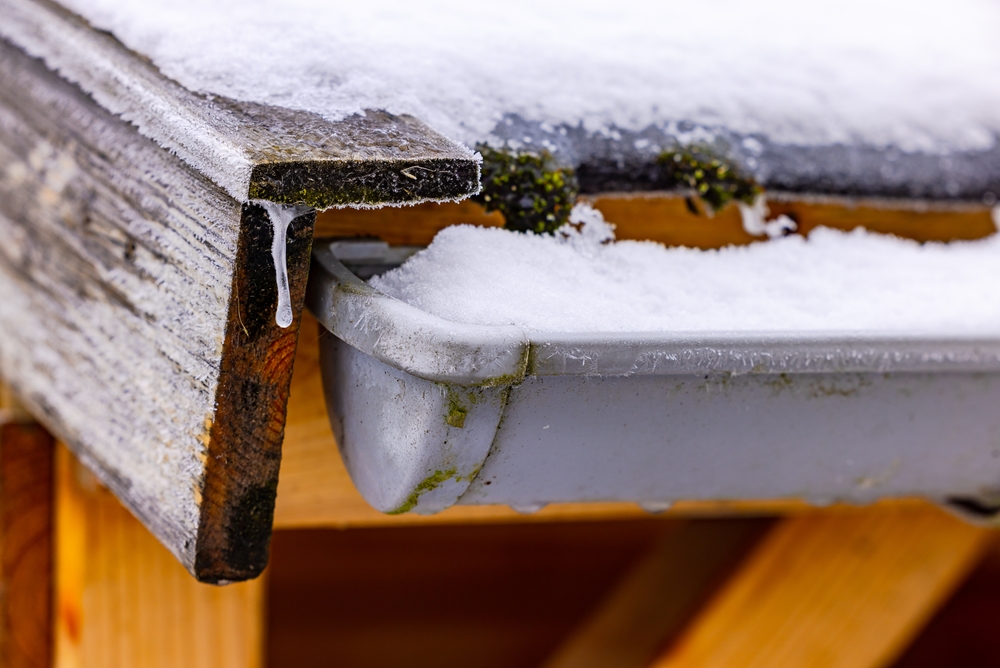
In South Carolina, we don’t get the kind of winters they see in the Northeast. We aren’t digging our cars out of four feet of snow every morning. But that doesn’t mean our winters are gentle on your home. In fact, the Midlands weather patterns—where we might have a 70-degree day followed by a freezing night—can be deceptively tough on your exterior systems. Your gutters are right on the front lines of this seasonal shift. While we often think of summer thunderstorms as the main event for water management, winter brings a different, quieter set of challenges. Cold snaps, freezing rain, and the constant cycle of wet-and-dry can stress your gutter system in ways that aren’t always obvious until something breaks. At Cola City Roofing, we’ve seen plenty of winter damage that could have been prevented with a little bit of knowledge. Winter gutter issues tend to be sneaky. They happen slowly over weeks of cold nights, only revealing themselves when you see a leak in the spring or notice a piece of trim rotting away. Why Winter Weather Is Hard on Gutter Systems You might wonder why winter is such a concern if we don’t get heavy snow. The answer lies in the physics of materials and the behavior of water. Metal expands and contracts with temperature changes. Aluminum gutters are constantly moving as the thermometer dips below freezing at night and climbs back up during the sunny afternoons. Over time, this movement can work fasteners loose or stress the sealant at the joints (if you have sectional gutters). But the bigger enemy is the weight. Water is heavy, weighing over eight pounds per gallon. When that water freezes, it expands. If your gutters are holding water because of a clog or poor slope, that water turns into a solid block of ice when the temperature drops. That ice block is not only heavy; it is rigid. It puts immense strain on the hangers and the fascia board. In the Midlands, we also deal with a lot of organic debris in late fall and early winter. Pine needles, oak leaves, and twigs are often still falling or blowing around just as the freezing temperatures arrive. This combination of debris and cold is the perfect recipe for clogs that harden and stick, making them much harder to clear than the loose, dry leaves of October. How Ice and Standing Water Create Gutter Issues The core of most winter gutter problems is simply water that stops moving. Gutters are designed for flow, not storage. When water sits still, it causes trouble. In the summer, standing water is a mosquito breeding ground. In the winter, it’s a structural hazard. When water freezes inside a gutter, it expands by about 9%. If a gutter is full to the brim with water and debris, that expansion pushes outward against the metal walls of the trough. This can warp the gutter, distorting its shape so that it never flows correctly again, even after the ice melts. Furthermore, ice doesn’t just sit there; it grips. It grabs onto the shingles, the drip edge, and the rough surface of the gutter interior. As the temperature fluctuates, that ice shifts, potentially lifting shingles or pulling the gutter out of alignment. This is why we emphasize slope so much. If your gutters are pitched correctly, water drains away before it has a chance to freeze. But if there are low spots or clogs, you are essentially creating ice trays attached to your roofline. Ice Buildup That Pulls Gutters Away From the House One of the most dramatic failures we see in winter is gutters physically pulling away from the home. This usually looks like a gap opening up between the gutter and the roofline, or the gutter tilting forward dangerously. This happens because of weight overload. Your gutter hangers (the brackets that hold the gutter to the house) are rated to hold a significant amount of weight—plenty for a heavy rainstorm. But they aren’t designed to support hundreds of pounds of solid ice for days on end. When a gutter is clogged and fills with water that subsequently freezes, the weight is static—it just hangs there, pulling constantly on the screws or spikes. If the fascia board behind the gutter is even slightly softened by age or previous water damage, the fasteners will start to slide out. Once the gutter pulls away even a fraction of an inch, the problem accelerates. Now, water from the roof doesn’t fall into the gutter; it falls behind it. This creates a waterfall effect against your siding and foundation, completely bypassing the drainage system you paid for. In severe cases, we have seen entire runs of gutter rip loose and fall to the ground under the weight of winter ice. Blocked Gutters That Freeze and Overflow A blockage in winter is different from a blockage in summer. In warm weather, water might eventually seep through a pile of leaves. In winter, that wet pile of leaves freezes into a solid dam. When it rains or when snow on the roof melts, that water runs down to the gutter. If it hits a frozen dam of debris, it has nowhere to go. It backs up and immediately overflows. The “Ice Dam” Effect While true ice dams (thick ridges of solid ice at the eaves) are more common up north, we do see versions of them here in Columbia during cold snaps. If your gutters are blocked, the trapped water freezes at the edge of the roof. As more water runs down, it hits that ice block and backs up under the shingles. When this water refreezes, it lifts the shingles. When it melts again (from the heat of your attic), it leaks directly into your roof decking. This is how a clogged gutter in January leads to a ceiling stain in your living room. Furthermore, overflow in winter creates slippery, dangerous conditions on the ground. Water spilling over a clogged gutter will land
DIY Gutter Cleaning Risks Homeowners Should Know
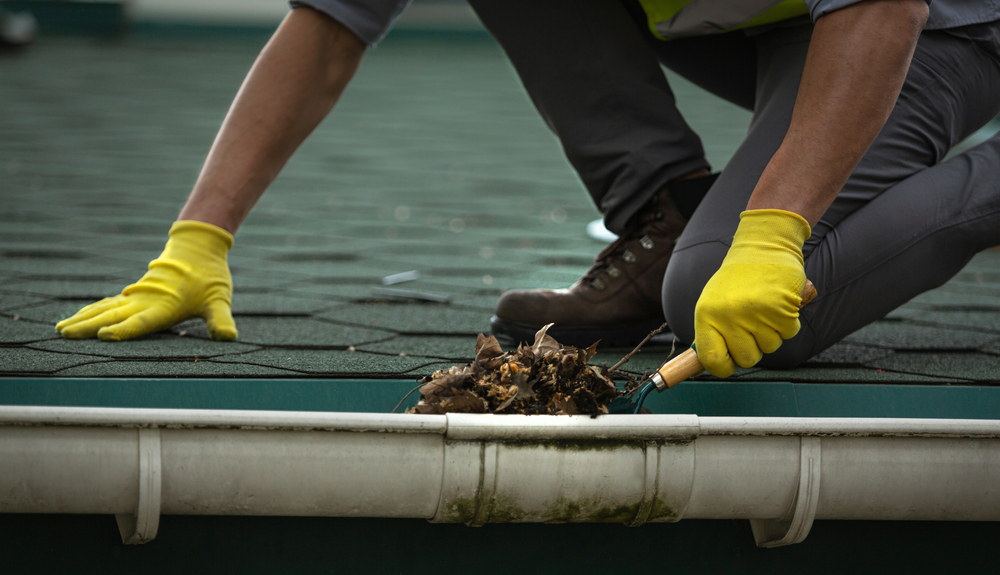
It looks deceptively simple. You see a few leaves poking out of your gutters, or maybe a small tree sapling growing near a downspout. You think, “I’ll just grab the ladder, hop up there, and clear that out in ten minutes.” It’s a common thought process for many homeowners in Columbia. We pride ourselves on being self-reliant and taking care of our own properties. But what starts as a quick Saturday chore can quickly turn into a dangerous situation if you aren’t careful. At Cola City Roofing, we’ve climbed thousands of ladders. We know exactly what it takes to clean a gutter safely, and more importantly, we know what can go wrong when safety isn’t the priority. We aren’t here to tell you that you are incapable of maintaining your own home. Instead, we want to have an honest conversation about the risks involved. Understanding what you are up against is the first step in deciding whether DIY gutter cleaning is worth the savings, or if it’s a job better left to professionals. Why DIY Gutter Cleaning Seems Simple — Until It Isn’t On paper, cleaning gutters is straightforward. You go up, you scoop the debris out, you come down. There are no complex mechanics involved, and you don’t need a degree to understand how a scoop works. This perceived simplicity is exactly why so many homeowners underestimate the job. The reality shifts the moment you are ten feet in the air. Suddenly, the ground looks much further away. The ladder that felt stable on the driveway feels a bit wobbly on the flower bed mulch. The debris isn’t just dry leaves; it’s a heavy, wet sludge that smells terrible and requires force to remove. You realize you have to overreach to get that last handful, shifting your center of gravity just enough to make your heart skip a beat. For us, working at heights is just another Tuesday. For a homeowner who spends most of the year with both feet on the ground, the physical and mental demands of working on a ladder can be surprising. Fatigue sets in faster than you expect, and that’s when mistakes happen. The gap between “thinking about it” and “doing it” is where the risk lies. The Most Common Safety Risks With DIY Gutter Cleaning When we talk about risks, we aren’t just talking about falling off the roof, though that is certainly the biggest fear. The dangers of DIY gutter cleaning are often more subtle and cumulative. Loss of Balance This is the most frequent issue. You are standing on a narrow rung, using one hand to hold the ladder (hopefully) and the other to scoop. Then you encounter a stubborn clog. You pull, the clog gives way suddenly, and your balance is compromised. Or perhaps you try to stretch just a few inches further to avoid moving the ladder again. That moment of overreaching is the leading cause of ladder falls. Vertigo and Dizziness Even if you don’t think you are afraid of heights, looking up at the sky while scrubbing and then looking down at the ground to toss debris can disorient you. This rapid shift in focus can cause momentary dizziness or vertigo, especially on a hot South Carolina afternoon. Tool Mishaps Many homeowners try to use leaf blowers, pressure washers, or garden hoses while on the ladder. Managing a heavy, vibrating tool or a hose that is jerking with water pressure while trying to maintain three points of contact is a recipe for disaster. The recoil from a pressure washer wand alone is enough to knock an inexperienced user off balance. Ladder Hazards and Fall Risks Around the Home The ladder is your primary tool, but it is also your primary enemy if not used correctly. In the Midlands, our homes sit on a variety of terrains, very few of which are perfectly flat concrete pads. Uneven Ground Most gutter work happens over grass, flower beds, or mulch. These surfaces are soft and uneven. A ladder leg can easily sink into soft soil once your weight is on it, causing the ladder to tilt sideways. Even a shift of an inch at the base can translate to a foot of movement at the top. Improper Ladder Angle There is a specific geometry to ladder safety. The base needs to be one foot away from the wall for every four feet of height. If the angle is too steep, the ladder can tip backward. If it is too shallow, the bottom can slide out from under you. Getting this angle right without training is harder than it looks. The “Old Ladder” Problem Many homeowners use an old wooden or aluminum ladder that has been sitting in the garage for decades. It might have loose rungs, missing rubber feet, or bent rails. Trusting your safety to compromised equipment is a gamble you shouldn’t take. Ladder Placement Against Gutters Leaning a heavy extension ladder directly against a lightweight aluminum gutter can crush the metal. Not only does this damage your home, but if the gutter buckles under the weight, the ladder loses its support point and slides sideways. Hidden Electrical and Roofline Dangers Your roofline is a busy place. It’s not just shingles and gutters; it’s often where power lines, cable wires, and phone lines enter your home. Overhead Power Lines This is a critical, life-threatening risk. If you are using an aluminum ladder (which conducts electricity) and you accidentally touch a service drop line, the results can be fatal. Even if you don’t touch the wire directly, cleaning tools or long poles can bridge the gap. You should never, ever place a ladder near the power line service mast. Stinging Insects Gutters and eaves are favorite nesting spots for wasps, hornets, and yellow jackets. Imagine being at the top of a ladder, reaching into a gutter, and disturbing a hornet’s nest. The natural reaction is to swat and recoil. On the ground, that’s fine. On a ladder, that panic
Hidden Dangers of Clogged Gutters Homeowners Often Miss
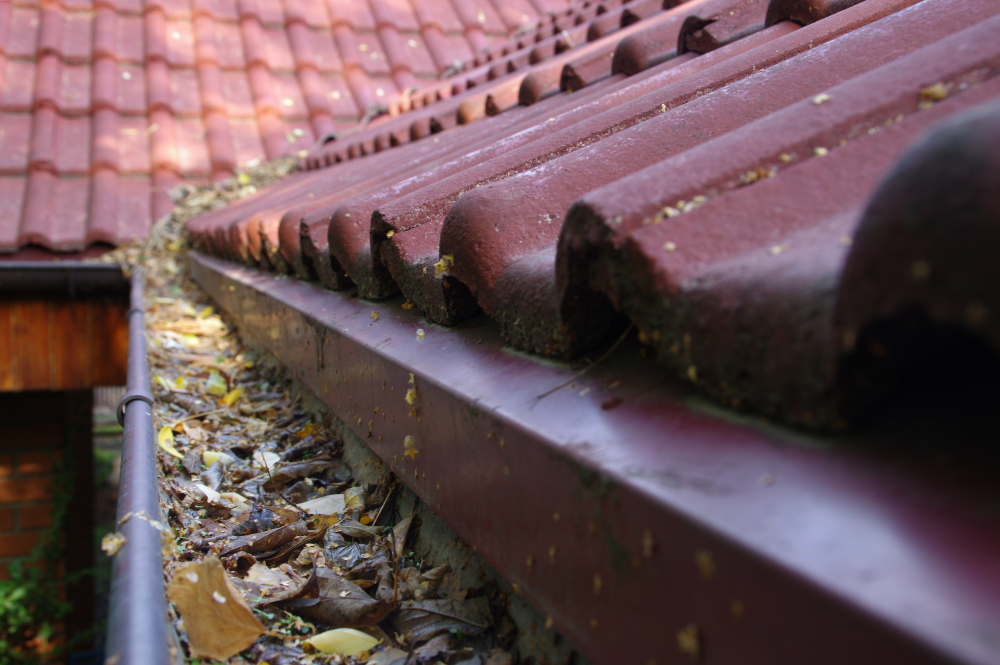
Most homeowners see clogged gutters as a simple, annoying chore. You notice leaves spilling over the edge, you sigh, and you add “clean the gutters” to a weekend to-do list. It feels like a minor tidiness issue, something you will get to eventually. But what many people don’t realize is that a clogged gutter is not just an eyesore; it’s an active threat to your home. It’s a quiet problem that can lead to some of the most expensive and stressful repairs a homeowner can face. At Cola City Roofing, our work gives us a unique perspective. We see the chain of events that starts with a handful of wet leaves and ends with a rotten roof structure or a cracked foundation. The real dangers of clogged gutters are often hidden from view until the damage is significant. We believe in giving our neighbors in the Columbia area the straight facts so they can protect their homes. This is not about causing alarm; it’s about connecting the dots. Understanding the hidden risks allows you to see gutter maintenance not as a chore to be avoided, but as a critical, preventative step in safeguarding your biggest investment. That’s why professional gutter services in South Carolina focus heavily on prevention before structural damage begins. Why Clogged Gutters Are More Than Just a Maintenance Issue A functioning gutter system is your home’s first and most important line of defense against water. It’s designed to capture the immense volume of rain that hits your roof and direct it safely away from your house. When gutters become clogged with leaves, pine needles, and shingle grit, that entire system breaks down. The problem is that the gutter stops being a channel for water and becomes a reservoir. It holds gallons of water right up against the most vulnerable parts of your home’s exterior. This isn’t just a maintenance task you have neglected; it is a ticking clock. The constant presence of trapped water initiates a slow but steady process of decay and destruction that can compromise your home from the roofline all the way down to the foundation. How Water Overflow From Gutters Starts Bigger Problems When a gutter is full, the water has to go somewhere. During a typical heavy rainstorm in the Midlands, it will spill over both the front and the back of the trough. This water overflow is the catalyst for a whole host of more serious issues. Persistent overflow should never be ignored, as it often signals deeper structural risk. Water that spills over the front can erode your landscaping, wash away mulch, and damage flower beds. It can even create ruts in your lawn or crack concrete patios and walkways over time. However, the overflow that goes over the back of the gutter is far more dangerous. This water runs directly onto the wooden components of your roof edge—the fascia and soffit—and down your home’s siding. This is where the most significant hidden damage begins, as water starts to penetrate parts of your home that were never meant to be wet. Damage to Roof Edges, Fascia, and Soffits The fascia board is the long, straight board that runs along the lower edge of the roof. It’s what your gutters are mounted to. The soffit is the underside of the roof overhang. These components are usually made of wood, and they are the first victims of a clogged gutter. When water constantly overflows from the back of the gutter, it soaks the fascia board. Wood that is perpetually damp will inevitably begin to rot. This rot is more than just a cosmetic problem. Weakened Support: As the fascia rots, the fasteners holding your gutters in place begin to lose their grip. The gutter will start to sag and pull away from the house, making the overflow problem even worse. Eventually, the gutter can collapse entirely. Pathway for Pests: Rotted, soft wood is an open invitation for pests like termites and carpenter ants. They are drawn to the moisture and the easily chewable material, creating an infestation right at your roofline. Roof Deck Damage: The water doesn’t just stop at the fascia. It can wick its way up under the edge of your shingles and begin to rot the plywood roof decking. This can lead to a spongy, weak roof structure and is an extremely expensive repair, often requiring a partial roof replacement. Foundation and Crawl Space Issues Caused by Overflow Perhaps the most dangerous and costly risk associated with clogged gutters is the damage they can do to your home’s foundation. When water overflows, it falls in a concentrated sheet directly against the base of your house. Our heavy clay soil in South Carolina is particularly susceptible to this. When it becomes saturated, the clay expands. When it dries out, it shrinks. This constant cycle of expansion and contraction puts immense hydrostatic pressure on your foundation walls. Over time, this pressure can cause: Foundation Cracks: You may start to see horizontal or stair-step cracks in your foundation blocks or concrete slab. These are serious structural issues that can be very expensive to stabilize and repair. Settling and Shifting: Uneven moisture around the house can cause parts of the foundation to settle or sink, leading to sloped floors, doors that stick, and cracks in your interior drywall. Crawl Space Moisture: For homes with crawl spaces, the constant saturation of the ground will lead to high humidity and standing water underneath your house. This is a perfect environment for mold, mildew, and wood rot in your floor joists and subfloor. A few hundred dollars spent on gutter maintenance can prevent tens of thousands of dollars in foundation repair work. Interior Water Damage That Begins Outside It can be baffling for a homeowner to find a water stain on an interior ceiling or wall when the roof itself isn’t leaking. Often, the culprit is the gutter system. When water backs up in a clogged gutter, it can be forced up under the roof
How Often Should You Clean Your Gutters?
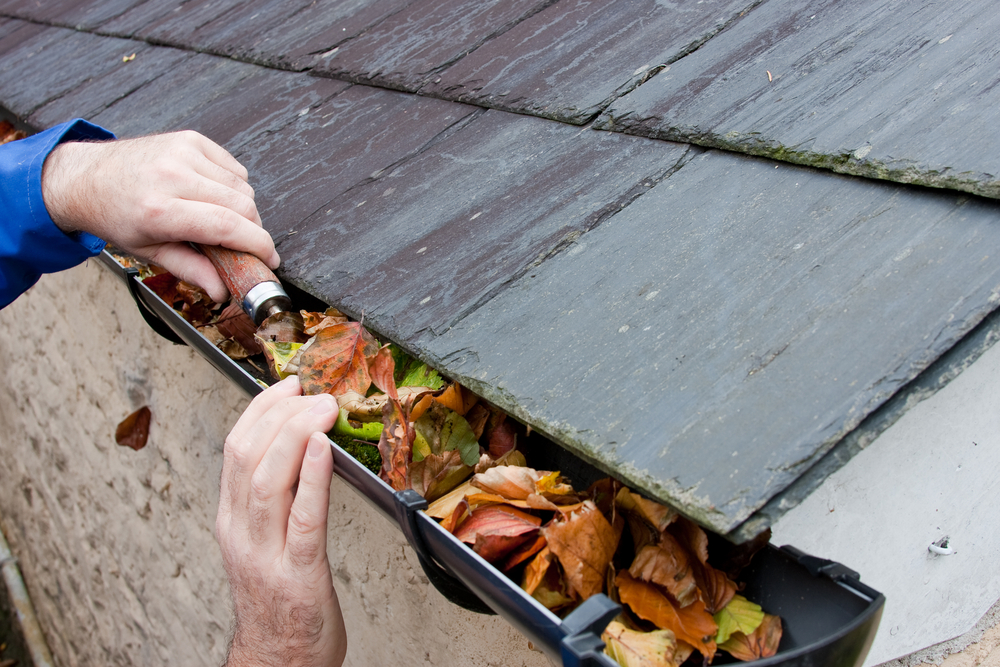
It’s one of those home maintenance tasks that’s easy to put off. Gutter cleaning is a messy, time-consuming job, and it’s tempting to delay it until you absolutely have to. But how often is that, really? Some people say once a year is enough, while others insist on doing it every season. The truth is, there isn’t a single right answer for every home. The frequency depends on your specific property, your surrounding environment, and even the type of roof you have. At Cola City Roofing, we spend a lot of time on ladders, and we see firsthand what happens when gutters are neglected for too long. Clogged gutters aren’t just an eyesore; they are a direct threat to your home’s foundation, siding, and structural integrity. That’s why professional gutter services in South Carolina emphasize routine cleaning and inspections tailored to our climate. A simple, routine cleaning can prevent thousands of dollars in water damage. Knowing the right frequency for your home isn’t about following an arbitrary rule. It’s about understanding the factors that contribute to clogs and creating a schedule that keeps your water management system working properly year-round. Why Gutter Cleaning Frequency Matters More Than You Think Many homeowners view gutter cleaning as a simple tidying-up task, like weeding a flower bed. In reality, it’s a critical piece of preventative maintenance. Your gutters are designed to collect thousands of gallons of water from your roof and channel it safely away from your home. When they are clogged with leaves, pine needles, and other debris, they can’t do their job. The frequency of cleaning matters because clogs don’t just happen overnight. They build up over time. A few leaves in October can turn into a dense, water-logged dam by December. If you wait too long between cleanings, you’re leaving your home vulnerable during every storm in the interim. Regular cleaning ensures that your gutters are always ready to handle the next downpour. It prevents the slow, silent damage that occurs when water overflows and seeps into places it doesn’t belong. Consistent maintenance is far less expensive and stressful than dealing with a water-damaged foundation or a rotten fascia board. The question isn’t just about doing the work; it’s about doing it often enough to prevent problems before they start. A Simple Gutter Cleaning Schedule for Most Homes For the average homeowner who wants a reliable, set-it-and-forget-it schedule, a good rule of thumb is to clean your gutters twice a year. A simple and effective gutter cleaning schedule for most homes in the Columbia area is: Late Spring (May/June): This cleaning is designed to clear out all the pollen, oak tassels, “helicopters” from maple trees, and flower petals that accumulate during the spring blooming season. This ensures your gutters are clear before the heavy summer thunderstorms begin. Late Fall (November/December): This is the most critical cleaning of the year. It removes all the fallen leaves that have accumulated throughout autumn. Getting this debris out before the wetter, colder winter months is essential to prevent clogs and ice buildup. This twice-a-year schedule is a fantastic starting point. It covers the two heaviest seasons for debris and ensures your system is never neglected for too long. However, this is just a baseline. For many homes in the Midlands, this schedule may need to be adjusted based on the specific environment. How Trees, Roof Type, and Weather Change the Schedule The “twice-a-year” rule works for a house on a clear lot, but most of us don’t live in that ideal scenario. Several factors can significantly increase the need for more frequent cleaning. The Impact of Trees: This is the single biggest factor. Pine Trees: If you have pine trees directly overhanging your house, you may need to clean your gutters as often as four times a year. Pine needles fall continuously and form dense mats that are excellent at blocking water. They don’t just clog downspouts; they can clog the entire gutter channel. Oak and Maple Trees: Large deciduous trees that drop a heavy volume of leaves in the fall might require an extra cleaning session right in the middle of autumn, in addition to the end-of-season cleanout. Sometimes, the leaves fall so fast that they can clog a freshly cleaned gutter in just a few weeks. No Trees: If your home has no overhanging trees, you might be able to get by with cleaning your gutters only once a year. You will still get shingle grit and wind-blown debris, but the volume will be much lower. Roof Type and Pitch: Steep Roofs: A steep roof sheds water and debris at a higher velocity. This can help keep the gutters flushed out, but it also means more debris gets into the system faster during a storm. Low-Pitch Roofs: On a roof with a gentle slope, leaves and needles are more likely to sit on the shingles and slowly wash into the gutters over time, creating a more constant, slow-moving stream of debris. Local Weather Patterns: During a particularly stormy season, you might need an extra inspection. A heavy thunderstorm can knock down a surprising amount of small branches and leaves, clogging a previously clean gutter system in a single afternoon. After any major storm, it’s a good idea to at least do a visual inspection from the ground to see if anything looks out of place. Signs Your Gutters Need Cleaning Sooner Than Planned Your home will give you clear signals when your gutters are clogged and need immediate attention. Don’t wait for your scheduled cleaning if you notice any of these warning signs. Recognizing the early signs your gutters are clogged or failing can prevent structural damage: Water Spilling Over the Sides: This is the most obvious sign. If you see waterfalls cascading over the edge of your gutter during a rainstorm, it means the water has nowhere to go. There is a clog either in the gutter run or at the downspout opening. “Tiger Stripes” on the Gutter Face: Look
The Science Behind Proper Gutter Slope

When you look at your home from the street, your gutters probably look perfectly straight. In fact, if they are doing their job correctly, they should look straight to the naked eye. We often judge a gutter installation by how level and clean the lines appear against the roofline. But here is the secret that most homeowners don’t know: if your gutters are actually perfectly level, they are failing. Gutters are not just storage containers for rain; they are a transportation system. Their entire purpose is to move water from point A (your roof) to point B (the downspout) and eventually to point C (away from your foundation). Since gutters don’t have pumps or motors, they rely entirely on one force to do this work: gravity. At Cola City Roofing, we often find that when a gutter system fails—leaking, overflowing, or sagging—the issue isn’t a clog or a hole. It’s simple physics. The pitch, or slope, of the gutter is wrong. Getting this slope right is a game of millimeters. It requires a balance between mechanics and aesthetics. If it is too steep, your house looks broken. If it is too flat, the water goes nowhere. Why Gutter Slope Matters More Than Most Homeowners Think It is easy to underestimate the importance of slope because, frankly, it is invisible. When you look at a newly installed gutter system, you are looking at the color, the finish, and how well it matches the trim. You aren’t standing on a ladder with a digital level checking the pitch. However, the slope is the heartbeat of the system. Without it, the water that lands in the trough is just dead weight. In Columbia, where a summer afternoon storm can dump thousands of gallons of water on a roof in under an hour, that “dead weight” becomes a serious structural threat. We often see homeowners trying to troubleshoot gutter issues by cleaning them obsessively or adding splash guards, not realizing that the water simply has no motivation to move. They assume that because the gutter is open, the water will find its way out. But water is lazy. It takes the path of least resistance. If the gutter is flat, the path of least resistance is to sit still. If the slope is off, the water sits. Standing water is the enemy of your home. It creates weight stress on the fascia board, it breeds mosquitoes, and it accelerates corrosion. The slope is the only thing standing between a functioning drainage system and a stagnant moat attached to your roof. How Water Flow in Gutters Actually Works To understand slope, you have to understand fluid dynamics—at least the basics of it. Water has weight and surface tension. When it enters a gutter, it needs enough momentum to overcome the friction of the gutter material and the minor obstacles (like shingle grit or small twigs) in its path. The standard rule of thumb in the industry is that a gutter should slope about one-quarter of an inch for every 10 feet of length. That doesn’t sound like much. On a 40-foot run of gutter, that’s only a one-inch drop from one end to the other. But that subtle incline is enough to generate flow. The Role of Velocity The goal isn’t just to get the water to the downspout; it is to get it there quickly. During a heavy downpour, your roof is shedding water at a high rate. The gutter needs to evacuate that water as fast as it comes in. If the slope is correct, the water gains velocity as it travels. This speed helps “scour” the gutter, picking up small debris like pollen, dust, and shingle granules and washing them down the drain. This self-cleaning action is a key benefit of proper slope. Overcoming Surface Tension Water likes to stick to surfaces. If a gutter is perfectly flat, small pools will form due to surface tension and imperfections in the metal. Slope uses gravity to break that tension, pulling the water into a cohesive stream that moves toward the outlet. Without that pull, the water stagnates, and the system fails to perform its primary duty. What Happens When Gutters Are Too Flat or Too Steep Achieving the perfect pitch is a “Goldilocks” scenario. You can go wrong in two directions, and both have negative consequences for your home. The Problem with Flat Gutters (No Pitch) This is the most common installation error we see, especially with DIY jobs or handyman specials. It makes intuitive sense to hang the gutter level with the roofline, but it is structurally wrong. Ponding Water: This is the immediate result. Water sits in low spots. Debris Accumulation: Without a current to wash it away, every leaf and pine needle that lands in the gutter stays there. This leads to sludge buildup that turns into compost. Mosquito Breeding: In the humid Midlands heat, a gutter holding half an inch of standing water is the perfect nursery for mosquitoes. If you have a bug problem you can’t solve, check your gutters. Premature Rust and Rot: Even aluminum gutters can suffer if organic matter rots inside them constantly. But the bigger risk is to the wood fascia behind the gutter. Standing water keeps the system heavy and damp, which eventually transfers moisture to the wood. The Problem with Steep Gutters (Excessive Pitch) On the flip side, some installers overcompensate. They think, “If some slope is good, more slope is better!” This creates its own set of issues. Aesthetic Failure: A gutter that drops 4 or 5 inches over a short run looks like it is falling off the house. It clashes with the horizontal lines of your siding and roof, reducing curb appeal. Overshooting: If water moves too fast, it can hit the end cap or the turn at a corner with too much force, splashing out or overshooting the downspout opening entirely. Capacity Reduction: Believe it or not, a steep slope effectively reduces the holding capacity of the
Why Gutter Guards Are a Smart Addition to Your Home
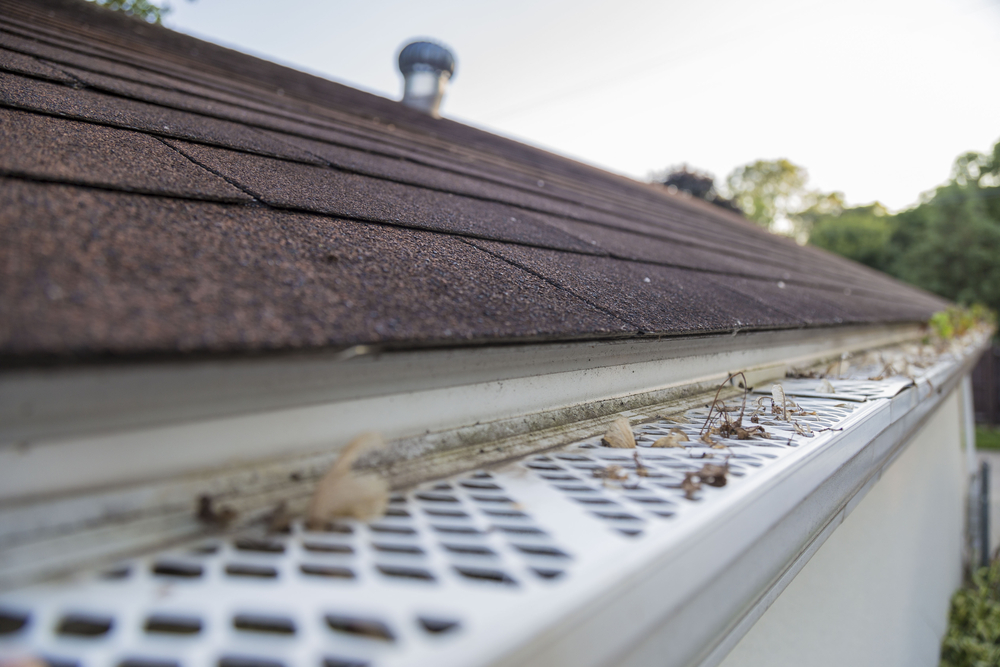
For many homeowners in the Midlands, cleaning gutters is a chore that is perpetually on the to-do list. It is messy, unstable work that often feels futile—no sooner do you finish cleaning them than the next storm or windy day fills them right back up. Because of this, it is tempting to look for a permanent solution, a way to cross that chore off the list for good. This is where gutter guards enter the conversation. Gutter guards, also known as leaf protection systems, are designed to cover your gutters and prevent debris from getting in while still allowing water to flow through. But are they a gimmick or a genuine solution? At Cola City Roofing, we believe in giving homeowners straight answers based on our experience in the field. We’ve installed and inspected countless gutter systems, both with and without guards. The truth is, a quality gutter guard system, installed correctly, is one of the smartest investments you can make to protect your home from water damage and reduce long-term maintenance. Why Gutters Clog in the First Place Before we can talk about the solution, it helps to understand the problem. Gutters are essentially open troughs designed to catch water. Unfortunately, they catch everything else that lands on your roof, too. Here in Columbia, the primary culprits are: Pine Needles: Our beautiful pines drop needles year-round. These small needles form dense, water-blocking mats inside a gutter trough. Oak Tassels and Leaves: In the spring and fall, our mighty oaks shed tassels and leaves that are notorious for creating dams. Shingle Grit: As asphalt shingles age, they shed their granular coating. This heavy grit washes into the gutter and settles on the bottom, creating a sludge that prevents water from draining properly. Twigs and Small Branches: After a storm, small bits of debris from surrounding trees land on the roof and end up in the gutter channel. When this debris accumulates, it blocks the flow of water. The gutter fills up, and the water has nowhere to go but over the edge, right next to your foundation. The Real Benefits of Gutter Guards for Homeowners A gutter guard system is designed to solve this fundamental problem. By creating a physical barrier over the top of the gutter, it separates the water from the solid debris. The real-world benefits for a homeowner are significant and go far beyond just avoiding a dirty job. First and foremost, they provide peace of mind. You no longer have to worry if your gutters are clogged every time a storm rolls in. You know that the system is clear and ready to handle the rain, protecting your home from overflows. Second, they dramatically reduce the safety risks associated with home maintenance. Ladder falls are one of the most common causes of serious injury for homeowners. By minimizing the need to climb a ladder to clean your gutters, you are making your home a safer place. Finally, they protect the investment you’ve made in your gutter system. By preventing the buildup of wet, acidic debris, guards can extend the life of your gutters by preventing corrosion and rust from the inside out. How Leaf Protection Systems Keep Water Flowing There are many different designs of gutter guards, but most quality systems work on a similar principle: surface tension. As rainwater flows off your roof and over the top of the gutter guard, it clings to the surface. The forward momentum of the water carries it over the edge of the guard and, due to surface tension, it follows the curve of the material and drops down into the gutter trough below. Meanwhile, the solid debris—the leaves, pine needles, and twigs—cannot follow this path. Lacking the fluid properties of water, they are unable to make the turn. Their momentum carries them straight off the edge of the guard and harmlessly to the ground below. The result is that only water enters the gutter. The channel stays clear, allowing it to flow freely to the downspout and away from your house, even during a heavy downpour. This simple but effective use of physics is what makes a good leaf protection system so reliable. Reducing Gutter Cleaning and Ongoing Maintenance This is the benefit that gets the most attention, and for good reason. For most homeowners, gutter guards can turn a quarterly, high-risk chore into a simple, occasional check-up. With a quality guard system in place, you will no longer need to scoop out handfuls of soggy, decomposing leaves several times a year. The system does that work for you every time it rains. The need for manual cleaning is reduced by 90% or more. This doesn’t just save you time and effort; it keeps your gutters functioning at peak performance year-round. An open gutter might be clean in May but completely clogged by July after a few summer storms. A guarded gutter remains clear and ready to work through every season, protecting your home consistently without you having to think about it. It’s a proactive solution, not a reactive chore. How Gutter Guards Help Prevent Water Damage Clogged gutters are one of the leading causes of preventable water damage to homes. When a gutter overflows, it creates a cascade of problems that can cost thousands of dollars to fix. Gutter guards help prevent this damage at the source. Foundation Protection: When water pours over the side of a clogged gutter, it saturates the soil directly against your foundation. This can lead to cracks in the foundation, basement leaks, and destabilization of the structure over time. By keeping gutters clear, guards ensure water is channeled away from this vulnerable area. Fascia and Soffit Rot: Overflowing water runs back onto the fascia board and soffit. This constant moisture exposure leads to wood rot, which can compromise the structural integrity of your roof edge and require expensive repairs. Siding and Window Damage: Water splashing down your walls can get behind siding, leading to rot in the wall sheathing. It can