
How to Compare Gutter Installation Quotes the Right Way

After you’ve decided to invest in a new gutter system, the next step is gathering quotes. This is often where things can get confusing for homeowners. You might receive two, three, or even four different estimates that vary widely in price, detail, and scope. It’s tempting to simply choose the lowest number, but a gutter quote is more than just a price tag—it’s a blueprint for the health and safety of your home’s exterior for years to come. At Cola City Roofing, we believe that an educated homeowner is an empowered one. Understanding how to read and compare gutter installation quotes is crucial for making a confident decision. This isn’t about finding the cheapest option; it’s about identifying the best long-term value and choosing a partner you can trust. We want to walk you through what to look for, what questions to ask, and how to spot the difference between a great deal and a future headache. Why Gutter Installation Quotes Can Look So Different It’s one of the first things homeowners notice: one company’s quote might be hundreds or even thousands of dollars different from another’s for what seems like the same job. This variance usually comes down to a few key factors: Materials: One quote might be for a standard 5-inch gutter, while another is for a higher-capacity 6-inch system. The thickness of the aluminum and the quality of the hangers used can also differ. Scope of Work: A low bid might not include the cost of removing and disposing of your old gutters, or it may exclude necessary repairs to rotted fascia boards. Labor and Insurance: A reputable company carries proper liability and workers’ compensation insurance, which is a cost of doing business that protects you. A low-ball offer may come from a contractor cutting corners on this crucial protection. Experience and Overhead: An established local company with a physical office, trained crews, and a fleet of service vehicles will have different operating costs than a one-person operation working out of a truck. This often translates to a more reliable and professional experience. Understanding these variables is the first step to making an apples-to-apples comparison. What a Professional Gutter Quote Should Always Include A vague, one-line quote is a major red flag. A professional estimate should be a detailed, transparent document that clearly outlines every aspect of the project. It protects both you and the contractor by setting clear expectations. At a minimum, your quote should include: Company Information: The contractor’s full name, address, phone number, and license number. Detailed Scope of Work: A clear description of what will be done, including the removal and disposal of old gutters. Material Specifications: The type of material (e.g., seamless aluminum), size (5-inch or 6-inch), and color. It should also specify the size of the downspouts. Itemized Costs: A breakdown of costs for materials and labor. Any additional work, like fascia repair, should be listed as a separate line item. Total Project Cost: The final, all-inclusive price. Warranty Information: Details on both the material warranty (from the manufacturer) and the workmanship warranty (from the installer). Estimated Timeline: An approximate start date and the expected duration of the project. A quote with this level of detail shows that the contractor is thorough, professional, and has nothing to hide. Material and System Details to Check Carefully This is where you need to look beyond the final price. The details of the system being proposed will determine its performance and longevity. Scrutinize this section on every quote you receive. Seamless vs. Sectional: The quote should explicitly state “seamless” gutters. If it doesn’t, you may be getting a lower-quality sectional system pieced together from pre-cut lengths. For any professional installation, seamless is the standard. Gutter and Downspout Size: Does the quote specify 5-inch or 6-inch gutters? For most homes in the Columbia area, especially those with larger or steeper roofs, 6-inch gutters paired with larger 3×4 inch downspouts are the recommended choice for handling our heavy rains. A lower bid might be based on an undersized 5-inch system that will struggle to keep up. Material Thickness (Gauge): While not always listed, you can ask about the gauge of the aluminum. Professional-grade residential gutters are typically .027 or .032 inches thick. A thinner, flimsier material is less resistant to damage. Hangers and Fasteners: The quote may specify the type of hangers used. Look for “hidden hangers,” which are screwed into the fascia for a secure hold. Ask how far apart they will be spaced—18 to 24 inches is a sign of a quality installation designed to handle weight and resist sagging. If one quote is significantly cheaper, it’s often because it specifies inferior or undersized materials. Installation Quality Matters More Than the Lowest Price The single biggest factor in your gutter system’s long-term success is the quality of the installation. Even the best materials will fail if installed poorly. This is an area where a low-priced quote often comes with significant risks. A cheap installation might involve: Improper Pitch: “Eyeballing” the slope instead of using a level, leading to standing water. Inadequate Fastening: Using too few hangers or nailing them instead of screwing them in, leading to gutters pulling away from the house. Ignoring Fascia Rot: Covering up rotted wood instead of replacing it, which guarantees the new gutters will fail. Poorly Sealed Corners: Rushing the sealing process at corners and end caps, creating immediate leak points. A reputable contractor invests in training their crews to follow best practices. Their price reflects the time and skill required to do the job right the first time. The cost of fixing a failed installation is always higher than the cost of a quality job upfront. Labor, Timeline, and Cleanup Expectations A professional quote should provide a sense of the project’s logistics. While timelines can be affected by weather, the contractor should be able to give you a clear estimate of how long the work will take—typically one day for an average-sized home. More importantly, the quote
Why Seamless Gutters Increase Home Value
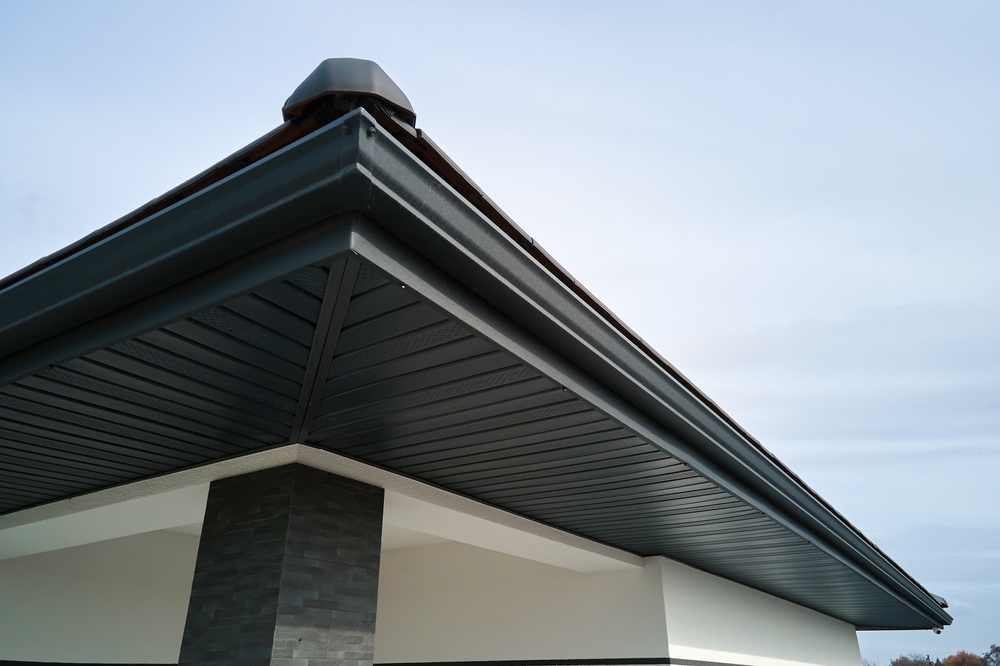
When homeowners consider upgrades to increase their property’s value, they often think of kitchen remodels or fresh paint. Functional exterior elements like gutters are rarely at the top of the list. Yet, these simple components play a significant role in a home’s long-term health, curb appeal, and ultimately, its market value. Opting for a modern, high-quality system like seamless gutters is an investment that provides returns far beyond simple rainwater diversion. At Cola City Roofing, we often talk with homeowners who are surprised to learn how much a well-functioning water management system contributes to their home’s worth. It’s not just about preventing damage; it’s about providing peace of mind and demonstrating a commitment to quality maintenance. A home with a reliable seamless gutter system is simply a more attractive, secure, and valuable asset, both to you and to future buyers. Why Exterior Drainage Plays a Role in Home Value A home’s value is deeply connected to its structural integrity. The most significant threat to that integrity is uncontrolled water. An effective drainage system, with gutters as the primary component, is the first line of defense. It protects the most valuable parts of your property, including the foundation, siding, and landscaping. Appraisers and savvy homebuyers look for signs of proactive maintenance. A high-quality gutter system signals that the owner has taken steps to prevent the most common and costly types of damage. Conversely, failing, clogged, or nonexistent gutters can be a major red flag, suggesting potential hidden problems like rotted wood or foundation issues. A home that effectively manages water is seen as a lower-risk, higher-value investment. How Seamless Gutters Improve Curb Appeal First impressions matter, and a home’s exterior is the first thing a potential buyer sees. Seamless gutters offer a clean, finished look that outdated, sectional gutters simply cannot match. Because they are custom-formed on-site to the exact dimensions of your roofline, they have no unsightly seams, joints, or bulky connectors every ten feet. This creates a smooth, continuous line that blends into the home’s trim, looking more like an intentional architectural feature than a functional afterthought. The clean profile complements the roof and siding, contributing to a sharp, well-maintained appearance. Sectional gutters, with their visible seams and potential for sagging or leaking, can make even a beautiful home look worn and neglected. In the competitive real estate market, this boost in curb appeal can make a significant difference. Fewer Leaks Mean Fewer Future Repairs The most significant advantage of seamless gutters is the elimination of weak points. In a traditional sectional system, every seam is sealed with caulk, creating a point of failure. Over time, as the gutter expands and contracts with temperature changes, these seals break down, leading to leaks. Seamless gutters have no such weakness along their straight runs. The only joints are at the corners and downspout outlets, drastically reducing the potential for leaks by over 95%. For a homeowner, this means fewer worries about water dripping down siding, rotting fascia boards, or eroding the soil around the foundation. For a potential buyer, it translates to fewer anticipated repairs and lower long-term maintenance costs, making the home a more attractive purchase. Why Buyers Notice Water Management Issues During the home buying process, the home inspection is a critical phase. Experienced home inspectors pay close attention to the roof and gutter system because they know that water damage is a leading cause of expensive repairs. They are trained to spot the tell-tale signs of a failing gutter system. Inspectors will look for overflowing gutters, water stains on the fascia and soffit, eroded landscaping, and signs of water intrusion in the basement or crawlspace. A report that flags issues with the gutters can cause a buyer to become nervous, leading them to request costly repairs, ask for a credit, or even walk away from the deal. A home equipped with a clean, properly installed seamless gutter system is far more likely to pass this part of the inspection without issue, leading to a smoother, more successful transaction. Seamless Gutters vs Sectional Gutters for Long-Term Value When comparing seamless and sectional gutters, the conversation is really about short-term cost versus long-term value. Sectional Gutters: These are the DIY-friendly option found in big-box stores. They have a lower initial material cost but come with significant long-term drawbacks. The numerous seams are prone to leaking and catching debris, leading to clogs. The material is often a thinner gauge, making it more susceptible to denting and damage. Their typical lifespan is shorter, often requiring replacement in 10-15 years. Seamless Gutters: These are custom-fabricated on-site by a professional installer. The upfront investment is higher, but the return is substantial. The absence of seams means superior performance and durability. They are typically made from thicker, higher-quality aluminum that can last 20-30 years or more. From a home value perspective, seamless gutters are a clear winner. They represent a permanent, professional solution, whereas sectional gutters can be perceived as a temporary or inadequate fix. Lower Maintenance Is a Selling Point In today’s busy world, “low-maintenance” is a powerful selling feature. Homebuyers are looking for a property they can enjoy, not one that adds a long list of chores to their weekend. Because seamless gutters have no interior ridges at the joints, debris like leaves and pine needles are less likely to get snagged and cause blockages. This means they require less frequent cleaning than their sectional counterparts. When paired with a quality gutter guard system, they can become a virtually maintenance-free solution. Highlighting a low-maintenance exterior is a great way to appeal to buyers who are willing to pay a premium for convenience and peace of mind. How Seamless Gutters Help Protect Structural Components The value added by seamless gutters goes beyond aesthetics. Their primary function is to protect the home itself, and their superior performance offers superior protection. By effectively channeling water away from the house, they prevent a cascade of potential problems: Foundation Protection: By discharging water far from the base
Gutter Materials Compared: Which Option Is Right for Your Home?
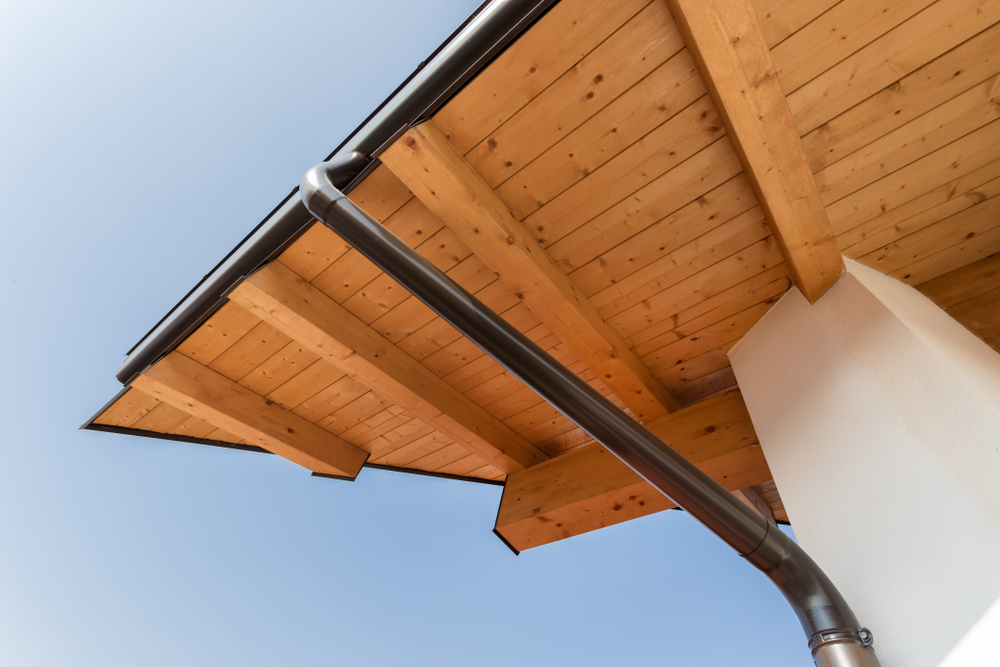
When it’s time to replace your home’s gutters, it’s easy to think of them as a simple commodity. You get a quote, pick a color, and the new ones go up. However, the material your gutters are made from is one of the most important decisions you’ll make. It directly impacts how long they will last, how much maintenance they’ll need, and how well they stand up to the heavy rains and summer sun here in South Carolina. At Cola City Roofing, we help homeowners make this decision every day. We understand that you’re not just buying a product; you’re investing in a long-term solution to protect your home from water damage. Choosing the right material isn’t about finding the most expensive or trendiest option. It’s about finding the material that offers the best balance of performance, durability, and value for your specific home and budget. If you’re evaluating your full drainage system, start with our complete guide to gutter services in South Carolina to understand how material selection fits into the bigger picture. This is a straightforward comparison of the most common gutter materials. We’ll break down the pros and cons of each, so you can see them side-by-side and make a confident choice that you won’t have to worry about for years to come. Why Gutter Material Matters More Than Most People Think The material of your gutter system determines its fundamental characteristics. It dictates the system’s strength, its weight, its resistance to rust and corrosion, and its expected lifespan. A material that works well in a dry, mild climate might fail quickly in our humid, storm-prone environment. For example, some materials can become brittle and crack under intense UV exposure, while others might dent easily during a hailstorm or from a falling branch. The right material can mean the difference between a system that lasts 30 years with minimal fuss and one that needs repairs or replacement in less than a decade. It’s the foundation upon which a reliable water management system is built. The Most Common Gutter Materials Homeowners Choose From While you might hear about various specialty materials, the residential gutter market is dominated by four main options: aluminum, copper, steel, and vinyl. Each has a distinct profile when it comes to cost, durability, and maintenance needs. For most homes in the Columbia area, the choice comes down to aluminum or copper, but it’s important to understand all the options. Aluminum Gutters: Balanced Performance and Value Aluminum is the most popular gutter material in the United States, and for very good reasons. It hits a sweet spot of affordability, durability, and low maintenance that makes it the right choice for the vast majority of homeowners. When we install seamless gutters, we are most often working with high-quality aluminum. Here’s a closer look at the long-term benefits of aluminum gutters and why they dominate residential installations. Durability, Cost, and Maintenance Expectations Aluminum’s biggest advantage is that it is naturally rust-proof. Unlike steel, it will not corrode, making it perfectly suited for the humid, rainy climate of the Midlands. Modern aluminum gutters are also surprisingly durable. They come in various thicknesses, and professional-grade material is strong enough to withstand typical storm conditions without issue. From a cost perspective, aluminum offers tremendous value. It is more affordable than copper or heavy-gauge steel, yet it provides a much longer lifespan than vinyl. When it comes to maintenance, aluminum is a top performer. The factory-applied baked-on enamel finish is designed to last for 20 years or more without fading, chipping, or needing to be repainted. Beyond regular cleaning to remove debris, an aluminum system requires very little upkeep. If you’re deciding between budget vinyl and professional aluminum, review our full aluminum vs vinyl gutter comparison for a deeper breakdown. Copper Gutters: Premium Look, Long-Term Investment Copper gutters represent the pinnacle of quality and aesthetics. They are a premium product chosen for their unparalleled longevity and stunning appearance. For historic homes or custom new builds, copper offers a timeless elegance that no other material can match. Pros, Cons, and When Copper Makes Sense The most significant pro of copper is its lifespan. A properly installed copper gutter system can easily last 100 years or more. It will never rust and is highly resistant to corrosion. Over time, it develops a beautiful blue-green patina that protects the metal and is highly prized for its classic look. Copper is also a very strong material that stands up well to the elements. The primary con is the upfront cost. Copper is substantially more expensive than any other gutter material. It also requires specialized tools and expertise to install correctly, which adds to the labor cost. Copper makes sense when longevity and aesthetics are the top priorities and the budget allows for it. It is an investment that adds significant curb appeal and lasting value to a home. It’s for the homeowner who wants to buy a gutter system once and never have to think about it again. If you’re weighing the investment carefully, we break down whether copper gutters are truly worth the cost in detail. To compare cost, durability, and aesthetics side by side, see our aluminum vs copper gutter comparison. Steel Gutters: Strength With Added Maintenance Steel gutters, typically galvanized to resist rust, are known for their strength and rigidity. They are extremely durable and can withstand impacts from ladders or branches better than aluminum. They are also a good choice in regions that experience heavy snowfall, as they can support a significant weight of snow and ice. However, for our climate in South Carolina, steel’s primary weakness is a major concern: rust. The galvanized zinc coating protects the steel, but if that coating is scratched—by a falling branch, a pressure washer, or even the cutting process during installation—the exposed steel will begin to rust. Once rust starts, it can spread and eventually eat through the gutter, creating leaks. This means steel systems require more vigilant maintenance to check for and
The Ultimate Gutter Buying Guide: How to Choose the Right System
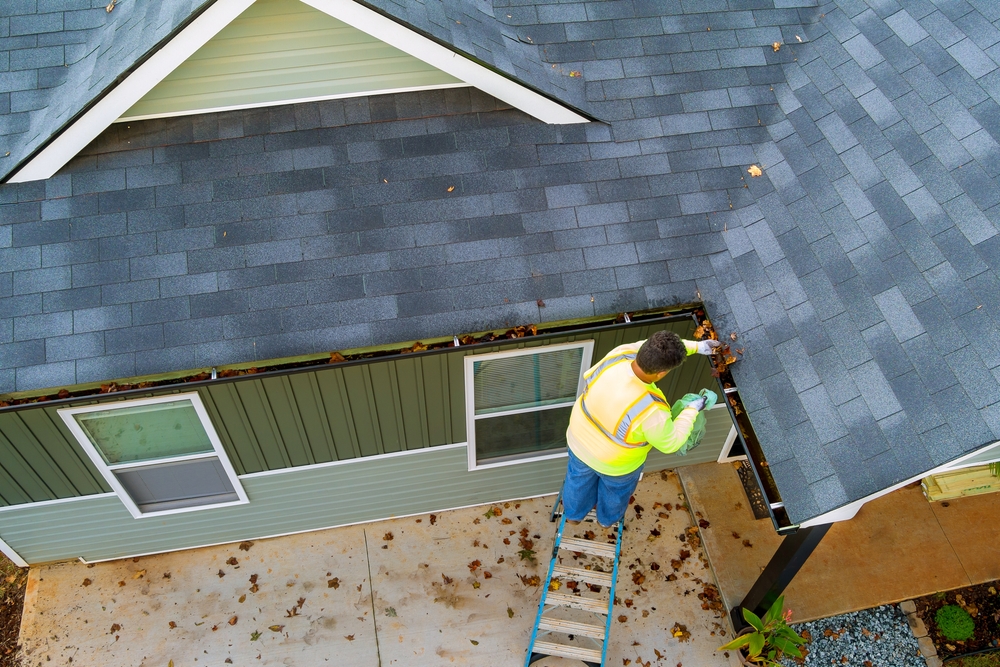
Choosing new gutters for your home can feel like a complicated task. It’s an important investment, and with so many options for materials, sizes, and styles, it’s easy to feel overwhelmed. Many homeowners focus on the final price, but a gutter system is one of those things where the cheapest option is rarely the best long-term solution. The goal is to install a system that you don’t have to think about for decades. At Cola City Roofing, we believe a confident decision comes from clear information. We’ve helped countless homeowners in the Columbia area navigate this process, and we want to walk you through the same steps we use. This isn’t about selling you on a specific product. It’s about giving you a framework to help you choose the right system for your home, your budget, and our local South Carolina climate. Why Choosing the Right Gutters Matters More Than Price Alone A gutter system is your home’s primary defense against water damage. It collects thousands of gallons of rainwater from your roof each year and directs it safely away from your foundation. When a gutter system fails—whether by overflowing, leaking, or pulling away from the house—that water ends up where it can do the most harm. Investing in a quality gutter system isn’t an expense; it’s a form of insurance. It protects your home from costly problems like foundation cracks, wood rot in your walls, basement flooding, and landscape erosion. Choosing a system based solely on the lowest bid often means getting undersized materials or a rushed installation, which can lead to failure within just a few years. A well-chosen, professionally installed system can protect your home for decades. Start With Your Home’s Needs, Not the Product The first step in choosing gutters isn’t to look at material samples. It’s to look at your home. A successful gutter system must be designed to handle the specific challenges your property presents. Before you consider any products, you or a professional should assess these key factors: Roof Size: The total square footage of your roof determines the maximum volume of water the gutters will need to handle. A larger roof requires a higher-capacity system. Roof Pitch: The steepness of your roof dictates how fast the water will travel. A steep roof accelerates water, requiring a system that can catch it without “overshooting.” Roof Material: A slick metal roof sheds water much faster than a textured asphalt shingle roof. The gutter system must be compatible with the roof’s surface. Trees and Landscaping: If your home is surrounded by tall pines or oaks, debris will be a constant issue. This makes gutter guards a more critical consideration. Starting with this assessment ensures that you are solving for your home’s unique needs, not just buying an off-the-shelf product. Gutter Materials Explained: What Works Best and Why Once you understand your home’s needs, you can start looking at materials. While several options exist, a few have become the standard for residential use due to their balance of durability, cost, and performance. Aluminum Gutters: The Most Common Choice Aluminum is, by a wide margin, the most popular gutter material in the country, and for good reason. It offers an excellent combination of benefits for most homeowners. Lightweight and Durable: Aluminum is strong enough to handle heavy rain but light enough that it doesn’t put excessive strain on your fascia boards. Rust-Proof: Unlike steel, aluminum will never rust, which is a major advantage in our humid, rainy climate. Color Variety: Aluminum gutters come with a factory-applied, baked-on enamel finish in a wide range of colors to match any home’s trim. This finish is incredibly durable and won’t need repainting for 20 years or more. Seamless aluminum gutters, custom-made for your home, represent the best value and performance for the vast majority of properties in the Midlands. Copper Gutters: Long-Term Investment With Higher Cost Copper gutters are the premium choice for homeowners seeking unparalleled longevity and a distinctive, high-end look. Lifetime Durability: Copper is a “lifetime” material. It will never rust or corrode and can last for a century or more with proper care. Classic Aesthetics: New copper has a brilliant shine, which over time develops a beautiful blue-green patina. This look is highly sought after for historic homes and high-end new construction. Significant Cost: The main drawback is the cost. Copper is significantly more expensive than aluminum, both in material cost and the labor required for skilled installation. Choosing copper is an investment in your home’s long-term value and curb appeal. Other Materials Homeowners Ask About You might also encounter a few other materials, though they are less common for professional installations today. Steel Gutters: Galvanized steel is very strong and can be a good choice in regions with heavy snow and ice. However, its biggest weakness is rust. Once the galvanized coating is scratched, rust will set in, eventually eating through the metal. Vinyl Gutters: Vinyl is the cheapest option and is often sold in sections at home improvement stores for DIY projects. While it won’t rust, vinyl is prone to cracking after years of sun exposure, and the seams are frequent failure points. Most professional installers avoid vinyl due to its poor long-term durability. Seamless vs Sectional Gutters: Which Makes More Sense? This is one of the easiest decisions in the gutter buying process. Gutters come in two main types: Sectional Gutters: These are pre-cut 10-foot or 20-foot pieces that are joined together with connectors. Every seam is a potential point for leaks and a snag for debris. Seamless Gutters: These are custom-made on-site from a single coil of aluminum. A machine extrudes a continuous trough to the exact length of your roofline. The only seams are at the corners and downspout outlets. For a professional installation, seamless gutters are the only logical choice. They are stronger, far less likely to leak, and offer a cleaner, more attractive look. The small additional cost is more than worth it for the massive improvement in reliability.
The Future of Gutters: What Homeowners Can Expect in 2025
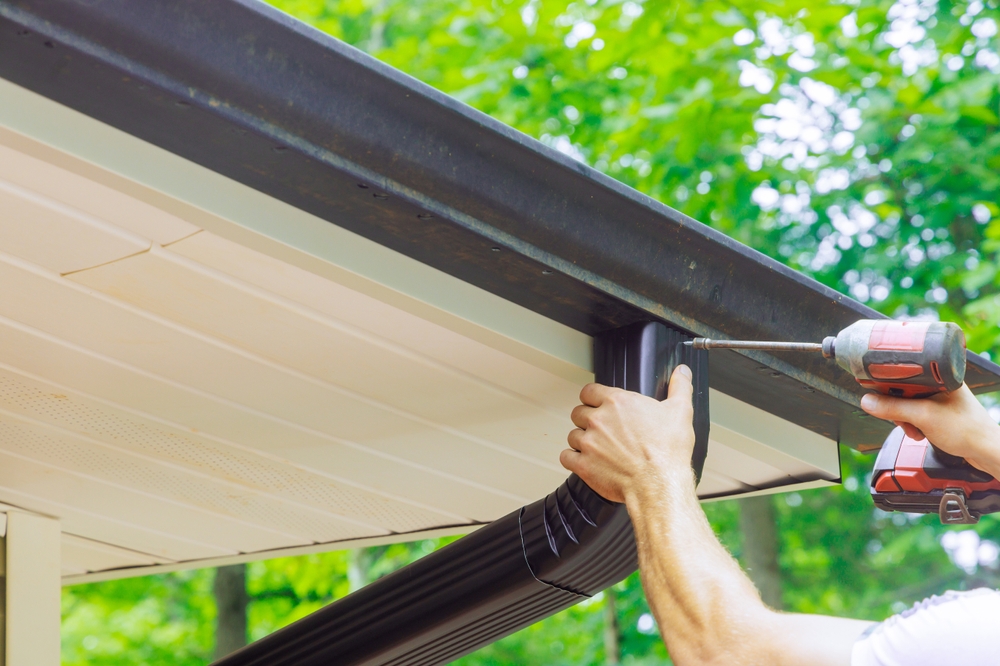
When people think about the future of home technology, they usually picture smart thermostats, solar roof tiles, or security systems you can control from your phone. Gutters rarely make that list. They are, after all, metal troughs on the side of a house—simple, functional, and largely unchanged for decades. But at Cola City Roofing, we know that even the most fundamental parts of a home evolve. The future of gutters in 2025 isn’t about flying robots cleaning your eaves; it’s about smarter engineering, better materials, and a deeper understanding of how to protect homes from increasingly unpredictable weather. For homeowners in Columbia and the Midlands, the “future” is really about resilience. It’s about installing systems that require less worry and offer more protection. As we look ahead, the trends we see aren’t just aesthetic choices; they are practical shifts toward durability and efficiency. Whether you are building a new home or replacing an aging system, understanding where the industry is heading can help you make a decision that pays off for decades to come. Why Gutter Trends Matter More Than Ever It’s easy to dismiss “gutter trends” as industry noise. Do gutters really have trends? They do, but unlike fashion, these trends are driven by necessity rather than style. We are seeing a shift in how homeowners view their exteriors. In the past, gutters were often an afterthought—something slapped on at the end of a build. Today, they are recognized as a critical component of the home’s defense system. This shift is driven by a few key factors: Weather Volatility: We are seeing more intense storms with higher rainfall rates. A system designed for the average rainfall of 1990 may not handle the summer storms of 2025. Investment Protection: Homes are more expensive than ever. Protecting that investment from water damage—the most common cause of home deterioration—is a top priority. Low-Maintenance Living: Modern homeowners are busy. They want solutions that work without constant intervention. Staying ahead of these trends means choosing a system that is prepared for the reality of tomorrow’s weather, not just today’s. Smarter Gutter Designs Focused on Water Control The primary job of a gutter has always been to move water. What’s changing is how we design them to move it more effectively. In 2025, we expect to see a continued move toward high-capacity designs becoming the residential standard. For years, the 5-inch K-style gutter was the default for almost every home. Now, we are seeing a significant shift toward 6-inch systems as the new norm, especially here in South Carolina. The reason is simple physics: a 6-inch gutter holds nearly 40% more water than a 5-inch gutter. This isn’t just about size; it’s about flow dynamics. Smarter design also involves deeper troughs and smoother transitions at the downspout outlets to reduce friction and turbulence. The goal is to evacuate water from the roof as quickly as possible. When a summer thunderstorm dumps two inches of rain in an hour, that extra capacity is the difference between a dry foundation and a flooded flowerbed. Materials That Last Longer With Less Maintenance One of the biggest frustrations for homeowners is rust and degradation. In the past, galvanized steel gutters were common, but they were prone to rusting over time. Vinyl gutters offered a rust-free option but often became brittle and cracked in the sun. The future belongs to aluminum and copper, but with significant improvements in longevity. Advanced Aluminum Alloys: Modern aluminum gutters are being made thicker and more rigid. They resist denting from falling branches better than their predecessors and are light enough to put less strain on the fascia. Better Coatings: The paint finishes on aluminum gutters are vastly improved. Factory-applied baked-on enamel finishes are designed to resist fading, chalking, and peeling for 20 years or more. This means your gutters will look new longer without needing a fresh coat of paint. The Return of Copper: For those looking for a lifetime solution, copper is seeing a resurgence. It never rusts, requires no painting, and develops a beautiful patina over time. It’s a trend toward “buy it once, buy it right.” Seamless Systems Continuing to Lead the Way If there is one trend that has solidified itself as the industry standard, it is seamless gutters. In 2025, we anticipate that sectional gutters (sold in pieces at big-box stores) will become almost exclusively a DIY repair product, while professional installations will be 100% seamless. The logic is undeniable. Every seam is a potential leak point. Every seam creates a ridge inside the gutter that catches debris and slows down water flow. Seamless gutters, custom-formed on-site to the exact length of the home, eliminate these weak points entirely. As technology improves, the machines used to form these gutters are becoming more precise, allowing for cleaner lines and tighter tolerances. This ensures that the gutter not only functions better but also looks like a natural architectural feature of the home rather than a bolted-on accessory. Increased Demand for Gutter Guards and Debris Protection Gutter guards used to be a niche add-on, often viewed with skepticism. Today, they are becoming a standard part of the initial installation conversation. The reason is the rising value of time and safety. Climbing a ladder twice a year to scoop out muck is a chore fewer homeowners are willing—or able—to do. In 2025, we expect the market to consolidate around the most effective technologies: Micro-Mesh Dominance: The industry is moving away from simple screens with large holes (which trap seeds and pine needles) toward surgical-grade stainless steel micro-mesh. These systems filter out everything but water, keeping the trough virtually empty of debris. Integrated Systems: We are seeing more systems where the guard and the gutter are designed to work together, rather than the guard being a generic aftermarket clip-on. This improves the strength of the entire system and ensures a better fit. Homeowners in the Midlands, surrounded by pines and oaks, are driving this trend locally. They know that in our area, an
What Home Inspectors Look For in a Gutter System

Whether you’re buying a new house or selling your current one, the home inspection is a critical moment. An inspector’s job is to provide an impartial, expert assessment of a home’s condition, from the foundation to the rooftop. While they look at everything, experienced inspectors pay special attention to the gutter system. They know that these simple troughs are a leading indicator of how well a home has been maintained and how protected it is from water damage. At Cola City Roofing, we often work with homeowners who are preparing for a sale or who have just received an inspection report with a list of gutter-related issues. We understand the inspector’s perspective because we look for the same things. An inspector isn’t trying to find fault; they are looking for signs of current or future problems. Understanding what a home inspector looks for can help you see your own home through their eyes. It allows you to be proactive about maintenance and can prevent small issues from becoming major red flags on an inspection report. This is a look at the typical checklist an inspector follows and why each point is so important for the long-term health of your home. Why Gutters Get Extra Attention During Home Inspections Home inspectors focus so much on gutters for a simple reason: water is a home’s number one enemy. Uncontrolled water can lead to foundation damage, wood rot, mold growth, and pest infestations. The gutter system is the first line of defense in managing rainwater. If it fails, the consequences can be widespread and expensive. An inspector knows that a faulty gutter system is a direct threat to the home’s structural integrity. They see gutters not as an accessory, but as a critical component of the overall building envelope. Issues with the gutters are rarely isolated. They often point to bigger problems, like a rotted fascia board or poor drainage around the foundation. For an inspector, evaluating the gutters is a shortcut to understanding the home’s overall vulnerability to water. The Gutter Inspection Checklist Inspectors Typically Follow While every inspector has their own method, they are all looking at the same core components of the gutter system’s performance and condition. Their evaluation is a systematic process designed to answer one main question: Does this system effectively capture all roof water and move it safely away from the house? This is the general checklist they follow. Proper Gutter Attachment and Stability The first thing an inspector will assess is how securely the gutters are attached to the home. A gutter full of water is incredibly heavy, and the system must be able to support that weight without pulling away from the fascia board. They will visually inspect the entire length of the gutter runs, looking for any signs of sagging, looseness, or gaps between the back of the gutter and the wood it’s mounted on. They will often give the gutters a gentle push to test for stability. A properly installed system will feel solid and rigid. A loose system will move or wobble, indicating that the fasteners have failed or the wood behind them has softened. Secure Fasteners and Solid Mounting Points An inspector will look closely at the type and condition of the fasteners. Modern systems use hidden hangers that are screwed, not nailed, into the fascia board. These provide a much stronger and more durable hold. Older systems often use long spikes and ferrules, which are prone to working themselves loose over time as the wood expands and contracts. The inspector is also indirectly assessing the condition of the fascia board. If gutters are pulling away, it’s often because the fascia has begun to rot due to prolonged moisture exposure. Soft, rotten wood cannot hold a fastener. This is a major red flag, as it indicates a problem that goes beyond the gutters themselves and will require wood replacement. Slope and Drainage Performance Aesthetics can be deceiving. Gutters that appear perfectly level are actually improperly installed. An inspector knows that for a gutter to drain, it must have a slight, continuous slope toward the downspout. They will check for this pitch, often using a level inside the trough. They are looking for a consistent drop of about a quarter-inch for every 10 feet of gutter. Anything less than this, and water will not move efficiently. They also look for sections that are “back-pitched” (sloping away from the downspout) or have a significant sag in the middle, both of which trap water and prevent proper drainage. No Standing Water After Rain The ultimate test of proper slope is the absence of standing water. If the inspection occurs after a recent rain, the inspector will look inside the gutters for any puddles. Standing water is a clear sign of an improper slope. Even on a dry day, they can spot the evidence. Stains, sediment buildup, and algae growth in certain sections of the gutter are all tell-tale signs that water regularly pools there. This standing water not only breeds mosquitoes and corrodes the gutter material but also adds constant, unnecessary weight to the system. Downspout Placement and Water Discharge Catching the water is only half the battle. The inspector will pay just as much attention to how the system gets rid of the water. They will check that downspouts are securely attached to the wall and that all sections are properly connected. The location and number of downspouts are also important. Long runs of gutter (over 40 feet) should ideally have a downspout at each end or a larger-capacity downspout to handle the volume. An insufficient number of downspouts can create a bottleneck, causing water to back up and overflow the trough during a heavy storm. Clear Direction Away From the Home This is one of the most critical points on any home inspection report. Where does the water go when it exits the downspout? The inspector will verify that the water is discharged at least four to six feet away from
How Roof Type Affects Gutter Performance

It’s natural to think of your roof and your gutters as two separate things. The roof keeps the rain out, and the gutters catch what runs off. While that’s true, it’s a bit too simple. In reality, your roof and gutters form a single, integrated system designed to manage water. How well that system works depends entirely on how well its two main components are matched to each other. At Cola City Roofing, we see firsthand how a mismatch between the roof material and the gutter design can lead to persistent problems. A gutter solution that works perfectly on a standard shingle roof might be completely overwhelmed by the runoff from a slick metal roof. The type of roof you have dictates how water behaves—its speed, its volume, and its path—and your gutters must be chosen and installed to account for these specific behaviors. Thinking about your roof and gutters as a compatible pair is essential for long-term home protection. This isn’t about complex engineering; it’s about understanding that different roof materials create different challenges. Getting the combination right from the start prevents countless headaches, from overflowing troughs to serious water damage. Why Roof and Gutter Compatibility Matters Compatibility is about performance. A successful gutter system doesn’t just catch water; it controls it. The material, pitch, and size of your roof all determine the “load” that your gutters will be asked to handle. If the gutter system isn’t designed for that specific load, it will fail. This failure often looks like a simple gutter problem—overflowing, leaking, or pulling away from the house. Homeowners might blame the gutters themselves or assume they are clogged. In many cases, however, the gutters are simply the wrong tool for the job. They were never designed to handle the sheer velocity or volume of water coming off that particular roof. A professional assessment always starts by looking at the roof first, because the roof defines the problem that the gutters need to solve. How Roof Pitch Changes Water Speed and Volume Before we even get to the roofing material, the pitch, or steepness, of your roof is a primary factor. As we’ve discussed before, pitch dictates the speed of the water. A low-slope roof allows rain to run off slowly and gently. A steep roof acts like a slide, accelerating water to high speeds before it ever reaches the gutter. This high-velocity runoff can easily “overshoot” a standard gutter. The water comes down so fast that it skips right over the edge and crashes onto the ground. This effect is magnified by certain roofing materials. Therefore, both the pitch and the material must be considered together when designing the gutter system. A steep metal roof presents a much greater challenge than a low-slope shingle roof, and the gutter system must be robust enough to handle it. Asphalt Shingle Roofs and Standard Gutter Systems Asphalt shingle roofs are the most common type on residential homes in Columbia and across the country. They have a granular, textured surface that creates a bit of friction, which helps to slow down rainwater slightly as it flows toward the edge. For most homes with standard asphalt shingle roofs and moderate roof pitches, a well-installed 5-inch or 6-inch K-style gutter system is perfectly adequate. The key is to size the system correctly based on the roof’s total square footage. Because the water flow is relatively predictable, standard gutter placement and sizing calculations work well. However, one specific challenge with shingle roofs is the shedding of granules, especially on new roofs. These heavy, sand-like particles can accumulate in gutters and need to be cleaned out to prevent clogs. Metal Roofs and High-Flow Water Challenges Metal roofing has become increasingly popular for its durability and modern aesthetic. However, it presents a unique and significant challenge for gutter systems. Unlike asphalt shingles, a metal roof has an extremely smooth, non-porous surface. There is virtually zero friction to slow down the water. As a result, rainwater flies off a metal roof at a very high velocity. This creates two main problems: Overshooting: The fast-moving sheet of water can easily shoot right over a standard-sized or poorly placed gutter. “Sheet Flow”: In heavy rain, water comes off a metal roof not in drips, but in a solid, powerful sheet that can overwhelm a system in seconds. To combat this, gutter systems for metal roofs often require specific modifications. Upgrading to 6-inch gutters is almost always necessary to provide a wider target. In some cases, installers may need to place the gutters slightly lower than the roofline to ensure they catch the fast-moving water. Special diverters or splash guards may also be needed in valleys or on long runs to manage the intense flow. Tile and Slate Roofs: Weight, Overhang, and Drainage Considerations Tile and slate roofs are beautiful and can last a lifetime, but they require specialized gutter solutions. The individual tiles or slates are not flat; they have curved or uneven profiles. This means water doesn’t flow in a uniform sheet but is channeled in complex ways. Furthermore, these materials often have a significant overhang past the edge of the fascia board. If gutters are installed in the standard position against the fascia, the water running off the tiles may miss them completely. The installation must be customized. This often involves using specialized hangers or brackets that can extend the gutter out to meet the edge of the tile. The weight and fragility of tile and slate also mean that ladders cannot be leaned against the roof edge during installation or cleaning, which adds complexity to any gutter work. A contractor must have experience with these specific roofing systems to avoid causing damage. Flat and Low-Slope Roofs: Different Drainage Needs Flat or very low-slope roofs, common on some modern homes and commercial buildings, don’t use traditional pitched gutter systems. Because there is not enough slope for gravity to move water effectively along a trough, these roofs require a different approach. Most low-slope roofs have
Why Gutter Pitch Matters More Than Most Homeowners Think

When you look at the gutters on a home, your eye expects to see a straight, level line that perfectly matches the roof. It’s clean, it’s orderly, and it looks right. However, this is one of the few times in home construction where what looks perfectly level is actually incorrect. For a gutter to do its job, it must have a subtle, deliberate slope. This slope is known as “pitch,” and it is one of the most critical and frequently misunderstood elements of a functional drainage system. At Cola City Roofing, we often inspect gutter systems that look fine from the ground but are failing to protect the home. The homeowner might complain about overflowing troughs or water pooling near the foundation, assuming the gutters are clogged or too small. While those can be issues, the root cause is often an improper pitch. The system was installed to look good rather than to function effectively. Understanding the principle of gutter pitch is essential for any homeowner. It’s not a complicated engineering concept, but getting it wrong has serious consequences. This isn’t about finding fault; it’s about explaining the physics of water flow so you can recognize if your home’s primary defense against rain is working as it should. What “Gutter Pitch” Actually Means Gutter pitch is simply the angle or slope of the gutter trough. To work, a gutter system must use gravity to move water from one end to the other, directing it toward a downspout. For gravity to do its job, one end of the gutter must be slightly higher than the other. Gutter pitch is the measurement of this intentional slope. The industry standard is to create a drop of about one-quarter of an inch for every 10 feet of gutter run. So, for a 40-foot section of gutter, the end furthest from the downspout should be a full inch higher than the end with the downspout outlet. This slope is subtle enough that it’s nearly invisible from the street, preserving the home’s aesthetic appeal. But on the functional level, this slight angle is the engine that drives the entire water management system. Without the correct pitch, a gutter is just a stationary metal trough waiting to cause problems. How Gutter Pitch Affects Water Movement Water is predictable; it always follows the path of least resistance. A properly pitched gutter creates a clear, unobstructed path for rainwater to follow. As water runs off the roof and into the trough, the angle immediately encourages it to start moving toward the downspout outlet. This constant movement is key. Flowing water has energy. It helps to flush small debris like shingle grit, pollen, and dirt down the line and out through the downspout. A system with a good, consistent pitch essentially helps clean itself of minor sediment. Conversely, when the pitch is wrong, the water loses its motivation. It becomes slow, stagnant, and ineffective. The system’s ability to move water quickly during a heavy storm is compromised, and that’s when the real trouble begins. What Happens When Gutter Pitch Is Off An improperly pitched gutter system can fail in several ways, and each failure mode creates a new risk for your home. The problems usually manifest in two main forms: standing water from too little pitch, or overflow from a back-pitch. Standing Water That Never Fully Drains The most common issue we see is a gutter that is installed almost perfectly level. This is often done by inexperienced installers who prioritize appearance over function. When a gutter is level, water has no incentive to move toward the downspout. After a rainstorm, pools of water will remain in the trough indefinitely. This standing water is a significant problem for several reasons: Weight: Water is heavy, weighing over eight pounds per gallon. A gutter full of standing water puts constant, heavy strain on the fasteners and the fascia board, causing them to sag and pull away from the house over time. Debris Buildup: Standing water allows all the debris that washes off the roof to settle at the bottom of the trough. This sediment forms a heavy sludge that quickly leads to clogs and further restricts water flow. Mosquito Breeding: In a climate like ours in South Carolina, any standing water is a breeding ground for mosquitoes. Gutters that don’t drain become a pest-control problem right outside your windows. Corrosion: Over time, constant submersion can accelerate the corrosion of the gutter material, especially at seams or any points where the protective coating has been scratched. Overflow During Moderate Rain The other common pitch problem is a “back-pitch” or “negative slope.” This occurs when a section of the gutter actually slopes away from the downspout. Water flows in the wrong direction, gets trapped, and quickly overflows the edge of the gutter as soon as it rains with any intensity. We also see gutters that are high on the ends and low in the middle, creating a “smile” or sag. Water pools in the center of the run, far from any downspout. During a heavy rain, this low spot fills up and overflows, dumping a concentrated stream of water onto the ground below. This type of overflow is particularly damaging because it concentrates all the water from a large section of the roof into one spot, overwhelming the ground and threatening your foundation. Why Pitch Problems Often Go Unnoticed Gutter pitch issues can be insidious because they aren’t always obvious on a clear, sunny day. A homeowner can look up at their gutters and see nothing wrong. The fasteners might be tight, the troughs might be clean, and the system might look brand new. The problem only reveals itself when the system is under load—during a rainstorm. Many homeowners first notice the issue not by looking at the gutters themselves, but by seeing the symptoms of their failure. These can include: Vertical “tiger stripes” or stains on the face of the gutter, indicating frequent overflow. Eroded mulch or a trench forming in the
Choosing the Right Gutter Size for Your Home
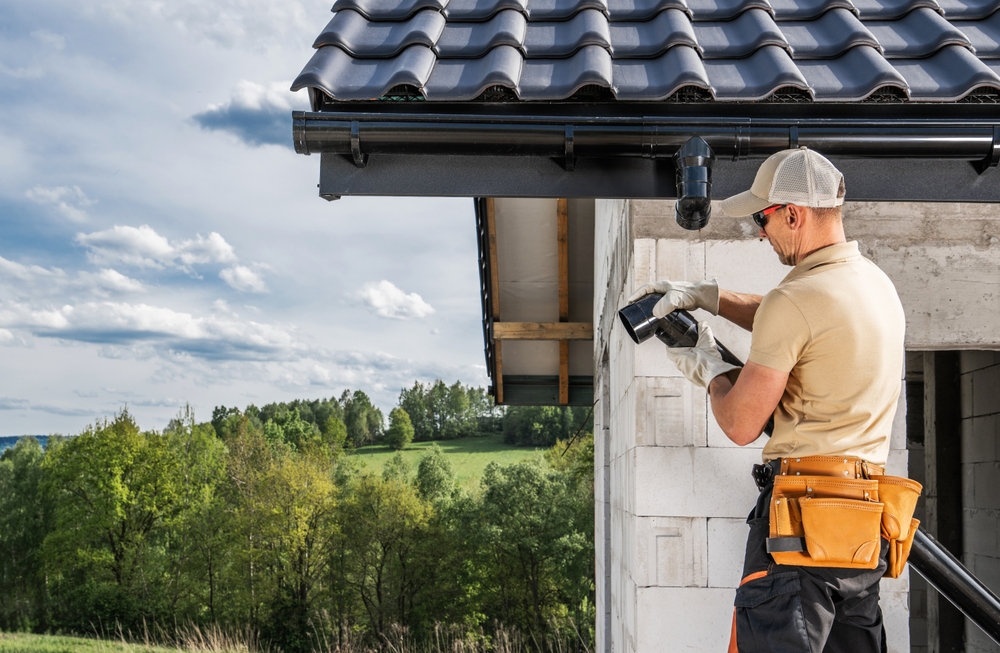
When it comes to protecting your home from water damage, few components are as critical as your gutter system. Yet, one of the most important decisions in designing that system—the size of the gutters themselves—is often treated as an afterthought. Many homeowners assume all gutters are the same, or that the standard size will automatically work for their house. At Cola City Roofing, we know that the right size isn’t a one-size-fits-all answer. It’s a calculated decision based on your home’s specific needs. A gutter system that is too small for your roof is like trying to drain a swimming pool with a garden hose; during a heavy rain, it’s guaranteed to fail. This failure isn’t just an inconvenience—it’s a direct threat to your home’s foundation, siding, and landscaping. Understanding why gutter size matters is the first step toward making an informed decision for your property. This is not about upselling or choosing the most expensive option. It’s about applying some simple physics to ensure your home can handle the rain that our South Carolina weather sends its way. Why Gutter Size Is One of the Most Overlooked Decisions Most people think about gutters only when they are clogged or leaking. The technical details, like width and depth, rarely come to mind. This is partly because for many years, a single “standard” size was used on most homes, and it was simply accepted as adequate. However, modern architectural trends and shifting weather patterns have made this assumption risky. Homes today often feature larger, more complex rooflines than homes built 50 years ago. These larger surface areas collect a much greater volume of water. At the same time, we are seeing more intense rainfall events here in the Midlands—storms that drop a massive amount of water in a very short period. When an installer puts a standard, undersized gutter on a large or steep roof, they are setting that system up for failure. The homeowner is left wondering why their brand-new gutters are overflowing, never realizing the problem wasn’t the quality of the installation but a fundamental error in design. What Gutter Size Actually Refers To When we talk about “gutter size,” we are primarily referring to the width of the gutter trough as measured across the top opening. This dimension determines the volume of water the gutter can hold and transport at any given moment. While depth also plays a role, the width is the industry standard for classification. Choosing the right size is about matching the gutter’s carrying capacity to the amount of water your roof will shed during a heavy downpour. It’s a simple equation of supply (rainwater from the roof) and demand (the gutter’s ability to drain it). If the supply exceeds the drainage capacity, you get overflow, and overflow leads to damage. Common Residential Gutter Sizes Explained For residential homes, you will almost always encounter two primary sizes: 5-inch and 6-inch gutters. 5-Inch K-Style Gutters: For many decades, this was the undisputed standard for residential construction. “K-style” refers to the decorative profile that resembles crown molding. A 5-inch gutter is perfectly adequate for smaller homes with simple, less-steep rooflines and in regions with typically gentle rainfall. 6-Inch K-Style Gutters: In recent years, 6-inch gutters have become increasingly popular, and for good reason. While one inch may not sound like a significant difference, a 6-inch gutter can handle nearly 40% more water volume than a 5-inch gutter. This extra capacity makes a massive difference in preventing overflow during the intense thunderstorms common in Columbia. They are the preferred choice for larger homes, steeper roofs, or any property with long runs of gutter. While other sizes (like 7-inch or half-round styles) exist, 5-inch and 6-inch K-style gutters represent the vast majority of what is installed on homes in our area. How Roof Size and Shape Affect Gutter Sizing Your roof is the collection basin for your gutter system. Therefore, its size and shape are the most important factors in determining how much water the gutters will need to handle. A professional assessment always starts with a careful look at the roof itself. Larger Roof Areas Mean More Water to Manage The total square footage of your roof directly correlates to the volume of water that will rush into your gutters. A sprawling ranch-style home may have a larger roof surface area than a two-story home with a smaller footprint, even if their total living space is the same. During a storm that drops one inch of rain, over 600 gallons of water will fall on just 1,000 square feet of roof space. If your roof is 3,000 square feet, that’s nearly 1,900 gallons of water that your gutters need to manage in a single storm. A larger roof simply requires a larger-capacity gutter system to keep up with that volume. Steeper Roofs Send Water Faster The pitch, or steepness, of your roof is just as important as its size. A low-slope roof allows water to drain relatively slowly. A steep roof, however, acts like a water slide. Rainwater accelerates as it travels down the shingles, hitting the gutter with significant force and speed. This high-velocity runoff can easily “overshoot” a smaller 5-inch gutter. The water comes down so fast that it skips right over the trough and crashes onto the ground below. A 6-inch gutter provides a wider opening and a deeper channel, giving it a much better chance of capturing that fast-moving water and directing it properly toward the downspouts. For homes with steep pitches (common in many modern designs), 6-inch gutters are almost always the recommended choice. Why Rainfall and Local Weather Matter in Gutter Size Selection A gutter system that works perfectly in a desert climate like Arizona would fail spectacularly in South Carolina. Sizing must be done with local weather patterns in mind. Here in the Midlands, our rainfall is not gentle and consistent; it’s often intense and overwhelming. We get heavy, subtropical downpours in the summer that can dump an inch or
Real Customer Gutter Success Story: What Homeowners Say After the Job Is Done

When you’re looking for a contractor to work on your home, you’re not just buying a service. You’re inviting a team of people to your property, trusting them with your biggest investment, and hoping they will do what they say they’re going to do. Promises are easy to make, but follow-through is what really matters. That’s why the real story of a company isn’t found in its advertising; it’s found in the experiences of the homeowners it serves. At Cola City Roofing, we can talk all day about our commitment to quality and honesty, but the words that carry the most weight are the ones from our customers. Their stories paint a picture of what it’s like to work with us, from the very first phone call to the final cleanup and beyond. These aren’t just reviews; they are accounts of real-life situations—storms, leaks, insurance confusion, and the simple need for an honest opinion. By looking at the patterns in these experiences, you can get a clear sense of what to expect when you put your trust in our team. This is a collection of those stories, showing how a focus on communication, honesty, and professionalism turns a stressful situation into peace of mind. Why Homeowners Call Us in the First Place No one calls a roofing and gutter company when things are going perfectly. The phone rings when there’s a problem. Sometimes it’s a small, nagging issue, and other times it’s a full-blown emergency. The common thread is always a feeling of stress and uncertainty. Homeowners are worried about their property, the cost of repairs, and how to navigate the process. Storm Damage, Leaks, and Time-Sensitive Problems In the Columbia area, we are no strangers to severe weather. A strong thunderstorm can change everything in an instant. That’s often when we get a call, like the one from a homeowner who had a tree limb crash through their roof during a storm. This isn’t just a leak; it’s a crisis. The immediate need is a plan—not just for the final repair, but for protecting the home from further damage right now. Other calls come from a place of slower, but equally stressful, discovery. A homeowner might notice a stain on their kitchen ceiling from a leaking vent pipe, a problem that has likely been developing for months. They know something is wrong and are concerned about how much damage has already been done inside the walls or attic. In these time-sensitive moments, homeowners need a contractor who responds with a sense of urgency and a clear plan of action. Uncertainty About Insurance and Repair Options Dealing with property damage is stressful enough. Adding an insurance claim into the mix can feel overwhelming for many homeowners. They aren’t sure what their policy covers, how to talk to their adjuster, or whether the insurance company’s assessment is fair. We often hear from people who are stuck in this confusing middle ground. They need their roof or gutters repaired or replaced, but they also need a professional who can patiently work with the insurance company, providing the necessary information and documentation. They are looking for an advocate who can help them navigate the process, explain their options clearly, and provide a fair quote, regardless of what the insurance company decides. This was the case for one homeowner who appreciated our team’s patience in dealing with the insurance process, even when the final decision wasn’t what was hoped for. Clear Communication From the First Call When your home is damaged, the last thing you want is to be left in the dark. From the moment a homeowner calls us, our goal is to reduce anxiety by providing clear, consistent communication. This means listening to their concerns, explaining the next steps, and keeping them updated throughout the entire process. Explaining Options Without Pressure A home is a complex system, and there is rarely only one way to solve a problem. When we inspect a roof or gutter system, we see our role as educators. We explain what we’re seeing, what the potential solutions are, and the pros and cons of each. For homeowners looking at a full roof replacement, this means clearly laying out the options available so they can make an informed choice that fits their needs and budget. This approach is about empowering the homeowner, not pushing a sale. Our customers appreciate that we take the time to explain things without pressure. The goal is to provide the knowledge they need to feel confident in their decision, whether it’s a minor repair or a major replacement. Helping Homeowners Navigate Insurance When Needed When insurance is involved, communication becomes even more critical. A professional contractor should be willing to be part of the solution. This means being available to meet with the insurance adjuster on-site, as we did for the family whose roof was damaged by a tree limb. By being there, we can point out the full extent of the damage, answer the adjuster’s technical questions, and help ensure that the scope of work is accurately assessed. This collaborative approach helps streamline the claims process and gives the homeowner peace of mind that an experienced professional is representing their best interests. It’s about being a partner in the process, not just a service provider waiting for a check. Doing the Right Thing Even When It Doesn’t Mean a Big Sale Trust is built on integrity. Anyone can do a good job when the project is large and profitable. But a company’s true character is revealed in how it handles the small jobs and the moments when telling the truth means walking away without a sale. Recommending Repairs Instead of Replacement When Possible Not every roofing issue requires a full replacement. Sometimes, a simple, targeted repair is all that’s needed to extend the life of the roof for several more years. This is a reality that some contractors are hesitant to admit. We believe the honest approach is always the best one.