
How Heat and Sun Exposure Can Damage Your Gutters Over Time

In South Carolina, we talk a lot about rain. We prepare for hurricane season, we worry about spring thunderstorms, and we watch the radar for hail. But there is another weather element that works silently on your home nearly every day of the year: the sun. While you are inside enjoying the air conditioning, the exterior of your home is baking. In the height of a Columbia summer, roof temperatures can easily exceed 150 degrees. While your shingles are designed to take a beating, your gutters are often the unsung victims of this intense heat. At Cola City Roofing, we often see gutters that have failed not because of a storm, but because years of relentless sun exposure have weakened them to the point where they simply can’t do their job anymore. Heat and sun damage is a slow process, but it is just as destructive as a sudden downpour. Understanding how the sun affects your drainage system is key to keeping your home protected for the long haul. Why Sun Damage Is a Real Problem for Gutters in South Carolina Here in the Midlands, we are blessed with a lot of sunshine. But for your home’s exterior, that sunshine is a source of constant stress. Ultraviolet (UV) rays are powerful. Just as they can burn your skin or fade the upholstery in your car, they degrade building materials over time. It’s easy to think of gutters as permanent metal fixtures that are immune to the weather. However, gutters are subject to the laws of physics just like everything else. They expand when they get hot and contract when they cool down. They are coated with finishes that can break down under UV radiation. When you combine the high ambient air temperature of a South Carolina July with the direct radiant heat coming off an asphalt roof, your gutters are operating in an extreme environment. How Long Hours of Direct Sun Wear Down Gutter Materials The damage starts at a molecular level. UV radiation attacks the chemical bonds in paints, sealants, and certain gutter materials. Over time, this makes them brittle. Think about an old plastic lawn chair that has been left out in the yard for two summers. When you sit in it, it cracks. The sun has cooked the flexibility right out of the plastic. Similar things happen to your gutter system. Vinyl gutters are particularly susceptible, but even aluminum gutters have components that suffer. The sealants used on corners and end caps can dry out and shrink. The rubber gaskets on some gutter guards can degrade. And the metal itself undergoes constant movement. A 50-foot run of aluminum gutter can expand by nearly half an inch on a hot day. If the installation didn’t account for this movement, something has to give. Usually, it’s the fasteners holding the gutter to your house. Common Signs of Heat and Sun Damage on Gutters You don’t need a microscope to spot sun damage. You just need to know what to look for. Unlike storm damage, which happens instantly, heat damage shows up gradually. It usually looks like “aging,” but in our climate, this aging happens much faster than in cooler parts of the country. Warping, Cracking, or Fading Along the Gutter Runs One of the most obvious signs of heat stress is warping. If you look down the length of your gutter, it should be a straight line. If it looks wavy or distorted, heat is often the culprit. This happens frequently with vinyl or plastic gutters. The intense heat softens the material, and the weight of the water (or just gravity) causes it to sag and twist. Once a gutter warps, it loses the proper pitch needed to drain water. Instead of flowing to the downspout, water pools in the warped sections, creating mosquito breeding grounds and adding unnecessary weight. Cracking is another major issue. UV rays make materials brittle. A vinyl gutter might develop hairline cracks along the bottom or at the mounting points. Even on metal gutters, the paint finish can chalk and fade. While fading might seem like just a cosmetic issue, that paint is a protective layer. Once it’s gone, the metal underneath is exposed to oxidation and corrosion. Gutters Pulling Away From the Roofline During Hot Weather Thermal expansion is a powerful force. As the metal heats up, it grows. As it cools down at night, it shrinks. This daily cycle of expanding and contracting puts repetitive stress on the spikes or screws holding the gutter to the fascia board. Over years of South Carolina summers, this movement works the fasteners loose. It’s like wiggling a loose tooth; eventually, it comes out. You might notice a gap opening up between the back of the gutter and the wood of your house. This “pulling away” is dangerous. It means the gutter is no longer securely attached. During the next heavy rainstorm, the weight of the water combined with the loose fasteners can cause the entire section to rip off the house. We often see this happen in late summer—the heat loosens the nails, and a tropical storm finishes the job. How Heat-Damaged Gutters Lead to Roof and Fascia Problems The problem with damaged gutters isn’t just that they look bad. It’s that they stop managing water effectively. When heat warps a gutter or pulls it loose, the water doesn’t stop coming. It just goes to places it shouldn’t. Gaps That Let Water Run Behind Gutters and Onto the Roof Edge When a gutter pulls away from the fascia due to thermal expansion, it creates a gap. Rainwater coming off the roof doesn’t land in the trough; it drips right through that gap. This water runs down the face of the fascia board and behind the gutter. It can also splash back up under the drip edge and reach the roof decking. Because the gutter is physically blocking the airflow, this area stays damp. This is a silent killer for roofs. The water wicks up
The Best Time to Install Gutters in South Carolina
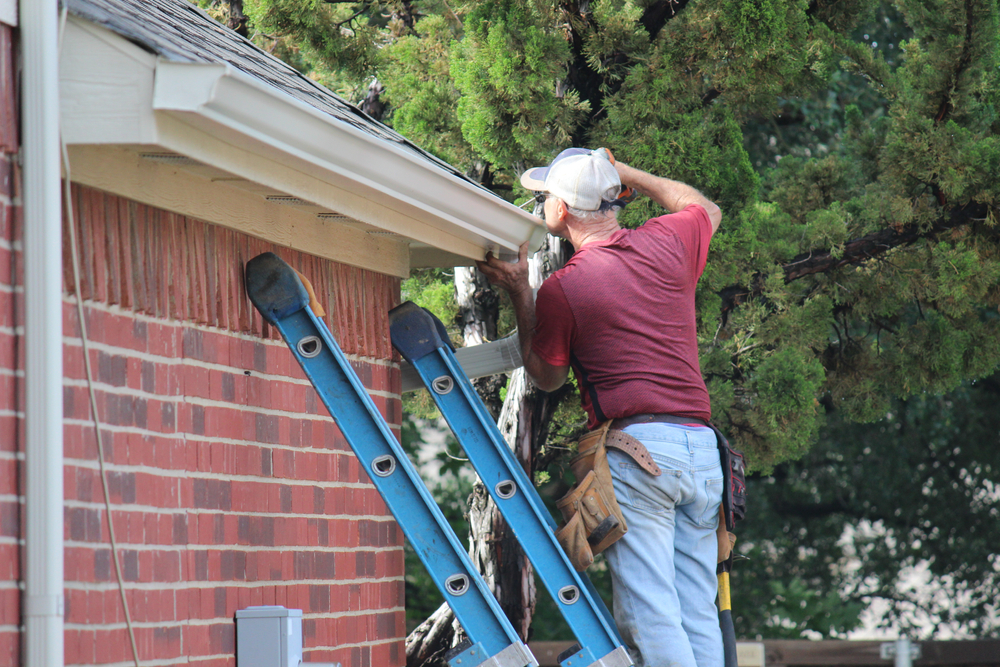
If you have lived in South Carolina for more than a year, you know our weather doesn’t exactly follow a textbook calendar. We might have 80-degree days in December, pollen storms in February, and hurricane threats in October. Because our seasons blur together, homeowners often wonder when the “right” time is to tackle exterior home improvements. One of the most common questions we get at Cola City Roofing is about timing. “Is it too hot to install gutters?” “Should I wait until after the leaves fall?” “Can you install gutters in the winter?” The short answer is that gutter installation is a year-round job in the Midlands. However, the best time for you often depends on what your current gutters (or lack thereof) are doing to your home right now. While there are ideal windows for installation, the cost of waiting often outweighs the benefits of perfect timing. Why Timing Matters When Installing Gutters in SC In many northern states, the roofing and gutter season shuts down completely for months due to snow and ice. In Columbia, we don’t have that problem. Our challenges are different. We deal with intense heat, sudden torrential downpours, and a hurricane season that can turn a small drip into a major leak overnight. Timing your gutter installation isn’t just about convenience; it’s about strategy. You want your system in place before the weather tests your home’s defenses. How Rainfall Patterns and Storm Seasons Affect Gutter Performance To understand the best timing, you have to look at how rain falls here. We generally have two peak wet seasons: the volatile spring storm season (March–May) and the tropical moisture season (August–October). If you install gutters right in the middle of a rainy month, you might face scheduling delays because we can’t safely work on a roof during a lightning storm. More importantly, if you wait until you see a leak during a storm to call us, your home has already suffered some degree of water intrusion. The goal is to be ahead of the curve. You want the system installed and tested before the heavy volume hits. Season-by-Season Look at Gutter Installation in South Carolina Because our weather allows us to work almost every week of the year, let’s look at the pros and cons of scheduling your project in each season. This breakdown will help you plan based on your budget and your home’s needs. Spring: Preparing for Heavy Rain and Storm Season Spring is arguably the busiest time for gutter installation in South Carolina, and for good reason. As the weather warms up, homeowners go outside, look up, and realize winter did a number on their exterior. The Pros: Immediate Protection: Spring storms in the Midlands are fierce. Installing seamless gutters in March or April ensures you are ready for the deluge. Visual Appeal: If you are doing spring cleaning or landscaping, new gutters give the house a crisp, finished look just as everything starts blooming. The Cons: Demand: Because everyone is thinking about home improvement, schedules fill up fast. You might have to wait a couple of weeks for an installation slot. Pollen: It sounds minor, but yellow pollen covers everything in spring. If we install gutters during peak pollen season, they get dirty immediately. (Though a good rain usually washes them clean). The Verdict: If you notice your current gutters are pulling away or leaking, spring is the time to act. Do not wait for summer storms to finish off a failing system. Summer: Managing Sudden Downpours and Heat Summer in Columbia is hot and humid, with pop-up thunderstorms that drop inches of rain in minutes. The Pros: Test Conditions: We can often see exactly how water is flowing (or not flowing) around your property during these months. Dry Spells: Despite the storms, we often have long stretches of hot, dry days, which are perfect for uninterrupted installation work. The Cons: Heat: It gets hot on a roof. Our crews start very early in the morning to beat the heat, which might mean some noise before your alarm goes off. Storm unpredictability: We watch the radar like hawks. A clear forecast can turn into a thunderstorm by 2 PM, which can pause work temporarily. The Verdict: Summer is a great time to upgrade if you are noticing overflow issues. The volume of rain in July and August will quickly reveal if your current 5-inch gutters are undersized. Upgrading to 6-inch gutters in the summer solves that problem instantly. Fall: Installing Gutters Before Leaves and Winter Weather For many homeowners, fall is the traditional “gutter season.” The leaves start changing, and the dread of cleaning gutters sets in. The Pros: Leaf Management: Installing new gutters with high-quality gutter guards in the fall saves you from the most hated chore of the year. You get a clean slate right before the heavy leaf drop. Temperature: The weather is perfect for outdoor work—not too hot, not too cold. Sealants cure well, and crews can work full days without heat exhaustion. The Cons: Hidden Rot: Sometimes, falling leaves hide existing damage until we take the old gutters down. We might find fascia rot that needs to be repaired before the new system goes up. The Verdict: If you have mature trees (especially pines or oaks) near your home, fall is the ideal time to replace your system and add guards. It proactively solves the clogging issue before winter sets in. Winter: When Gutter Installation Still Makes Sense Many people assume winter is a “dead” season for exterior work, but in South Carolina, it’s actually a hidden gem for scheduling. The Pros: Scheduling Availability: Since fewer people think about roofing in January, you can often get on the schedule very quickly. Dormant Landscaping: With bushes and flowers dormant, it’s easier for our crews to access the perimeter of your home without worrying about trampling prize petunias. Preventing Winter Moisture: While we don’t get much snow, we get plenty of cold rain and ice. Functioning gutters prevent
Spring Gutter Prep in Columbia, SC: Get Your Home Ready for Storm Season
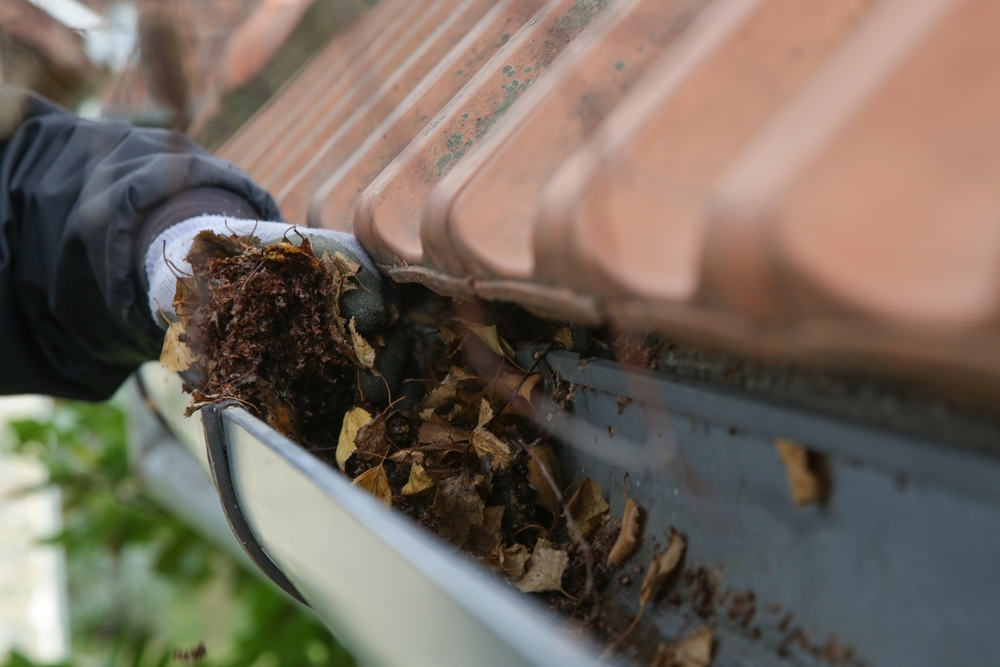
Here in Columbia, the arrival of spring brings a lot to look forward to—warmer weather, blooming azaleas, and longer days. But as every South Carolina resident knows, it also brings the start of storm season. Those sudden, intense thunderstorms can go from a light shower to a torrential downpour in a matter of minutes, putting your home’s exterior to a serious test. While you might be thinking about your roof, the real frontline workers during a spring storm are your gutters. If they aren’t prepared for the onslaught of rain, wind, and debris, the consequences can be severe, leading to water damage that affects your roof, fascia, and even your foundation. At Cola City Roofing, we believe that preparation is the best form of protection. Getting your gutters ready for spring isn’t just another chore; it’s one of the most important steps you can take to safeguard your home. A little attention now can prevent major headaches and expensive repairs later. This is a practical look at what spring gutter prep in Columbia really involves and why it’s so critical for protecting your home. Why Spring Storms in Columbia Put Gutters to the Test Spring weather in the Midlands is unpredictable. One day it’s sunny and mild, and the next we’re under a tornado watch with high winds and heavy rain. This volatility is precisely what makes spring so hard on gutter systems. It’s not just one factor, but a combination of issues that create a perfect storm for gutter failure. What Makes South Carolina Spring Rain So Hard on Gutters First, there’s the sheer volume of water. Spring storms often drop an immense amount of rain in a very short period. A standard roof can collect over a thousand gallons of water from just one inch of rain. When that water comes down all at once, your gutters have to handle a massive surge. If they can’t move that water out as fast as it’s coming in, they overflow. Second, there’s the debris. Winter leaves behind a mess. Even if you cleaned your gutters in the fall, winter winds and ice can knock down dead branches, pine needles, and loose twigs that settle in your gutter troughs. Spring then adds its own layer of pollen, seed pods, and “tree helicopters.” This combination creates a thick, heavy sludge that is particularly effective at blocking downspouts. Finally, there are the high winds that often accompany our spring storms. These winds don’t just blow debris around; they put direct physical stress on the gutters themselves, testing the strength of every hanger and fastener. A system that was already weakened by the weight of winter debris is highly vulnerable to being pulled loose or damaged by a strong spring gust. What Spring Gutter Prep Really Means for SC Homes When we talk about “spring gutter prep,” it’s more than just a quick scoop-out of last year’s leaves. It’s a comprehensive check-up to ensure your entire water management system is ready to perform under pressure. For homeowners in South Carolina, this involves a few key steps. Clearing Winter Debris Before Spring Rain Hits The first and most obvious step is a thorough cleaning. Over the winter, gutters collect a specific type of debris. It’s not just dry leaves; it’s often a damp, compacted mat of pine needles, dirt, and decaying organic matter. This winter layer is heavy and dense, and it’s the primary cause of spring clogs. A proper spring gutter cleaning involves removing all of this heavy sediment from the troughs. It also means checking the downspouts. It’s common for a clump of leaves to get wedged in the elbow of a downspout, creating a blockage that you can’t see from the ground. Flushing the downspouts with a hose is the only way to be sure they are completely clear from top to bottom. If water backs up at the top when you run the hose, you know you have a clog that needs to be removed before the first big storm. Checking Gutter Pitch and Downspout Flow Once the gutters are clean, the next step is to check their function. This is something many homeowners overlook. Gutters are not meant to be level; they must have a slight slope, or “pitch,” toward the downspouts to allow gravity to do its job. Over the winter, the weight of ice and snow can cause gutters to sag, creating low spots where water will pool. A house can also settle, changing the original pitch of the system. A simple way to check this is to run water into the gutter at the end opposite the downspout. Watch how it flows. Does it move steadily toward the outlet, or does it sit stagnant in the middle? Standing water is a red flag. Not only does it add weight and strain to the system, but it’s also a breeding ground for mosquitoes and a source of corrosion for the gutters themselves. Correcting the pitch is a critical part of spring prep that ensures water moves efficiently when the rain starts pouring. Common Gutter Problems Homeowners See During Spring Storms Spring is when underlying gutter problems are forced into the open. That first major downpour acts as a stress test, and if your system has a weakness, the storm will find it. These are the issues we see most frequently when homeowners call us after a storm. Overflowing Gutters During Heavy Rainfall This is by far the most common spring complaint. A homeowner looks out their window during a storm and sees a waterfall cascading over the edge of their gutter. In most cases, this is a direct result of a clog. The winter and spring debris has created a dam, and the sudden rush of rainwater has nowhere to go but over the side. This overflow isn’t just messy; it’s destructive. It can erode your flower beds, saturate the soil around your foundation, and splash mud and dirt all over your siding and windows. More importantly,
How to Protect Your Home From Heavy Rain Before Damage Starts
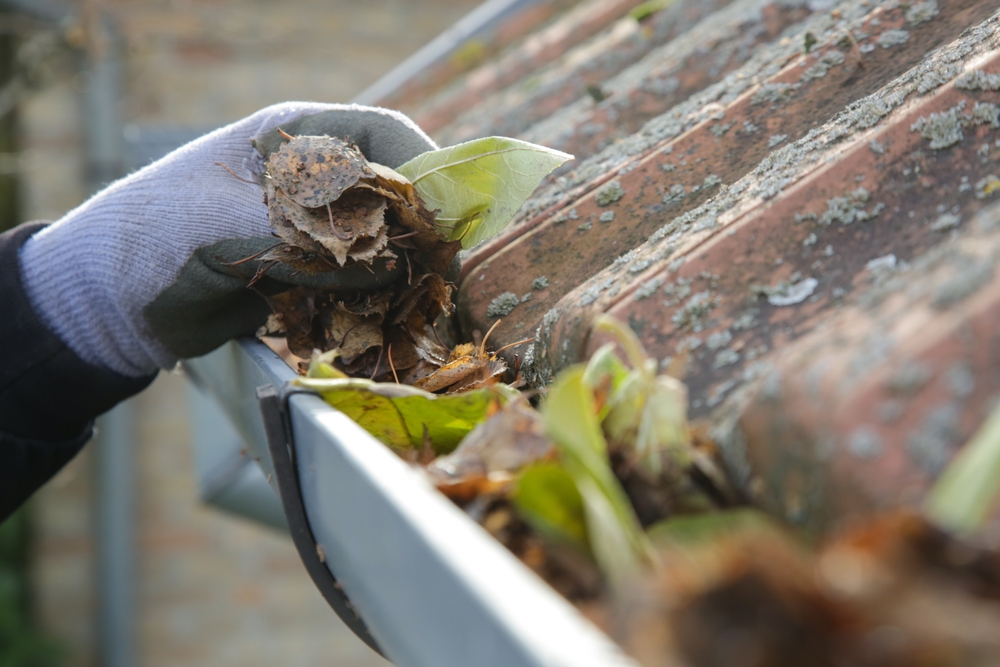
If you have lived in Columbia or the Midlands for any length of time, you know exactly what a heavy summer thunderstorm sounds like. It starts with a rumble, the sky turns dark, and then the heavens open up. For twenty or thirty minutes, it feels like someone is pouring buckets of water directly onto your roof. While these storms are just a part of life in South Carolina, they are a major stress test for your home. During those intense downpours, your roof and gutter system have to manage thousands of gallons of water in a very short amount of time. If everything is working correctly, you stay dry and comfortable inside. But if there is a weak link in your exterior protection—a clogged gutter, a loose downspout, or a small gap in the flashing—that heavy rain can cause significant, expensive damage before the sun even comes back out. At Cola City Roofing, we talk to homeowners every week who are dealing with the aftermath of heavy rain. Often, they didn’t realize there was a problem until they saw a water stain on the ceiling or noticed a puddle in the basement. The good news is that most of this damage is preventable. Protecting your home doesn’t require magic; it requires understanding how water moves and ensuring your home is ready to handle the flow. Here is a practical guide to protecting your home from heavy rain, starting right at the roofline. Why Heavy Rain Is So Hard on Gutters and Roofs It’s easy to underestimate rain. It’s just water, right? But the volume and weight of water during a storm are staggering. A one-inch rainfall on a typical 2,000-square-foot roof produces roughly 1,250 gallons of water. Now, imagine a severe thunderstorm dropping two or three inches in an hour. That is nearly 4,000 gallons—almost 33,000 pounds of water—slamming onto your shingles and rushing toward the edges of your house. This massive volume creates immediate physical stress. Your roof has to shed it instantly, and your gutters have to catch and transport it just as fast. Heavy rain exposes weaknesses that a light drizzle hides. A small pinhole leak or a slightly loose gutter hanger might hold up fine during a gentle shower, but under the pressure of a deluge, those small issues turn into big failures. What Happens When Your Home Can’t Move Water Fast Enough Protection from heavy rain is entirely about speed. The water must move from the peak of the roof to the ground and away from the foundation as quickly as it falls. When your system can’t keep up, you get a bottleneck. Think of it like rush hour traffic in Columbia. If too many cars try to merge onto the interstate at once, everything stops. On your roof, when the water can’t exit through the downspouts fast enough, it backs up. It fills the gutters to the brim, then overflows. It creates pools on flatter sections of the roof. It splashes back against siding and windows. When water stops moving, it starts searching for a new path. Unfortunately, that new path is usually the path of least resistance: behind the fascia board, under the shingles, or down the interior of your walls. The damage from heavy rain often happens not because the roof has a hole in it, but because the water volume overwhelmed the system’s ability to drain it away. The Role Gutters Play in Heavy Rain Protection Your gutters are the unsung heroes of storm protection. While the roof gets all the credit for keeping you dry, the gutters are the active managers of the water. Without them, that 4,000 gallons of stormwater would cascade off the edge of your roof like a waterfall, trenching your yard and pounding your foundation. In the context of heavy rain gutter protection, capacity is key. Standard gutters are designed to handle average rainfall. But in the Midlands, where “average” often means “torrential,” your gutters need to operate at peak efficiency to prevent disaster. How Proper Gutter Flow Prevents Water From Backing Up Onto the Roof The most critical function of a gutter during a storm is to keep the water level below the roof edge. As rain sheets off the shingles, it enters the gutter trough. Gravity pulls it toward the downspout. If the flow is smooth and fast, the water level in the gutter stays low, even during a downpour. This is crucial because your roof edge—where the shingles end and the drip edge begins—is vulnerable. If the water level in the gutter rises too high, it touches the wood fascia and the edge of the roof deck. Wood acts like a sponge. If water backs up and touches the roof edge, the wood begins to absorb it. This is called “wicking.” Over time, this wicking action pulls moisture up under the shingles, leading to rot that you can’t see from the ground. Proper gutter flow ensures that even when it’s pouring, the water is whisked away before it ever has a chance to threaten the roof structure. Why Downspouts Matter Just as Much During Storms You can have the biggest, widest gutters in the neighborhood, but they are useless if the downspouts can’t handle the volume. The downspout is the drain. If the drain is too small or clogged, the tub fills up. During heavy rain, the downspouts are under immense pressure. They need to evacuate gallons of water per second. If a downspout is dented, clogged with debris, or simply too narrow (standard 2×3 inches vs. oversized 3×4 inches), the water creates a backup that travels all the way up to the roofline. Furthermore, where the downspout empties matters. If it dumps water right next to the foundation, the heavy rain will saturate the soil, potentially causing basement leaks or foundation settling. Effective stormwater control means guiding that water at least 4 to 6 feet away from the house, ensuring the ground around your home remains stable even when the
How Gutters and Roof Ventilation Work Together to Protect Your Home
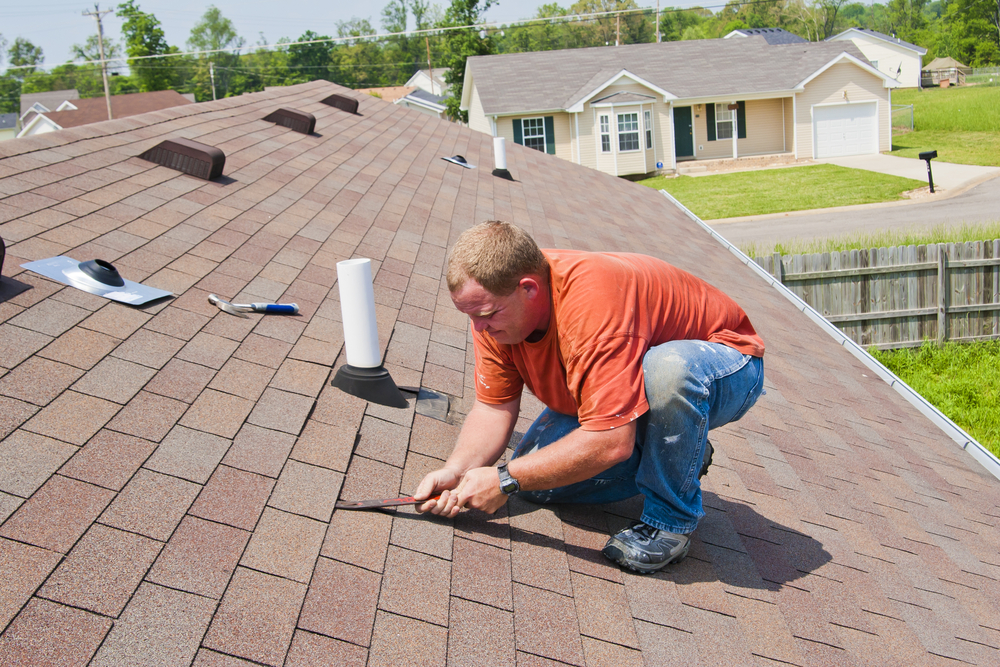
When homeowners think about their roof, they often see it as a single shield protecting them from the rain. But a roof is actually a complex system of interconnected parts, each with a specific job. Two of the most misunderstood—and most connected—parts are the gutters and the roof ventilation. It’s not immediately obvious how a pipe that carries water away is related to a vent that lets air out, but the health of one directly impacts the performance of the other. At Cola City Roofing, we’ve seen how a breakdown in this relationship can lead to serious issues, from attic mold to premature roof failure. Many common problems that homeowners assume are caused by a leak are actually the result of poor ventilation and failing gutters creating a moisture-rich environment. Understanding how these two components work together is key to maintaining a healthy, long-lasting roof over your home in the Columbia area. Why Gutters and Roof Ventilation Are More Connected Than You’d Expect Your home is constantly managing two things: water and air. Gutters are designed to manage liquid water from the outside, while ventilation is designed to manage water vapor (humidity) and heat from the inside. Problems arise when the line between these two jobs gets blurry. How Moisture and Airflow Move Through Your Roof System A healthy roof needs to breathe. A balanced ventilation system creates a continuous flow of air through the attic space. Cool, dry air is drawn in through intake vents, which are usually located in the soffits (the underside of your roof’s overhang). As the air warms up in the attic, it rises and exits through exhaust vents near the peak of the roof. This constant airflow accomplishes two critical tasks. First, it removes the hot air that builds up in the summer, which can bake your shingles from the inside out. Second, and more importantly for this discussion, it removes the moisture that naturally rises from your living space through cooking, showering, and breathing. The gutters play a key role at the very start of this process. The intake vents are located right next to the gutters. If your gutters are failing, they can directly compromise the starting point of your home’s entire ventilation system. What Happens When Gutters and Roof Ventilation Don’t Work Well Together When either the gutter system or the ventilation system fails, it creates a feedback loop of moisture and heat that can cause significant damage. The two systems rely on each other to keep the roof edge—one of the most vulnerable parts of your home—dry and stable. Excess Moisture That Stays Trapped Near the Roofline Imagine your gutters are clogged with leaves and pine straw. During a heavy Midlands rain, they overflow. Where does that water go? It often spills over the back of the gutter, saturating the fascia board and the soffit. This is a double problem. First, it introduces liquid water to wood that should be dry. Second, if that water soaks the area around your soffit vents, it can block the path for fresh air entering your attic. Now you have a situation where the attic can’t draw in dry air. The moisture already inside has nowhere to go. It gets trapped, condensing on the underside of your roof deck, rafters, and insulation. This chronic dampness is a perfect breeding ground for mold and rot, starting from the inside out. Heat and Humidity Stress That Shortens Roof Life A poorly ventilated attic becomes an oven in the summer. When soffit vents are blocked by overflowing gutters or water damage, the natural convection of air stops. Temperatures in the attic can soar to 150 degrees or more. This intense, trapped heat bakes the asphalt shingles from below, causing them to become brittle and lose their protective granules much faster. Simultaneously, the trapped humidity accelerates the breakdown of the wooden roof deck. The combination of high heat and high moisture creates a “jungle-like” environment that causes plywood to delaminate, swell, and lose its structural integrity. A roof that should have lasted 30 years might fail in 15, not because of a storm, but because it couldn’t breathe properly. How Proper Gutters Support Healthy Roof Ventilation A well-functioning gutter system is the first line of defense for your ventilation. By controlling water at the roof’s edge, gutters ensure that the ventilation system can do its job without interference. Keeping Water Away From Soffits and Vent Openings This is the most direct connection. Seamless, properly installed gutters capture all the runoff from the roof and channel it to the downspouts. This keeps the soffits dry. When soffits are dry, the vents within them remain open and unobstructed, allowing a clear path for air to enter the attic. If water from overflowing gutters is constantly splashing onto your soffit vents, it can carry debris that clogs the small vent holes. In some cases, homeowners paint over their soffits without realizing they are sealing up the vents. A professional roofer knows to check that these intake points are clear, and keeping gutters working correctly is the best way to protect them from water and dirt. Preventing Moisture From Entering the Attic Through the Roof Edge When gutters overflow, water saturates the fascia board. This moisture can wick its way up into the roof sheathing. If there are any small gaps at the edge of the roof, this moisture can find its way directly into the attic. This creates a localized moisture problem right at the lowest point of your attic. You might see water stains on your insulation or mold growing on the rafters right above the exterior walls. Homeowners often mistake this for a roof leak, but it’s actually an external water management problem (gutters) creating an internal air quality problem (attic moisture). By keeping the fascia and roof edge dry, good gutters close off this potential entry point for dampness. How Roof Ventilation Helps Gutters Do Their Job This relationship is a two-way street. While gutters protect vents,
Why Downspout Placement Matters More Than Most Homeowners Think
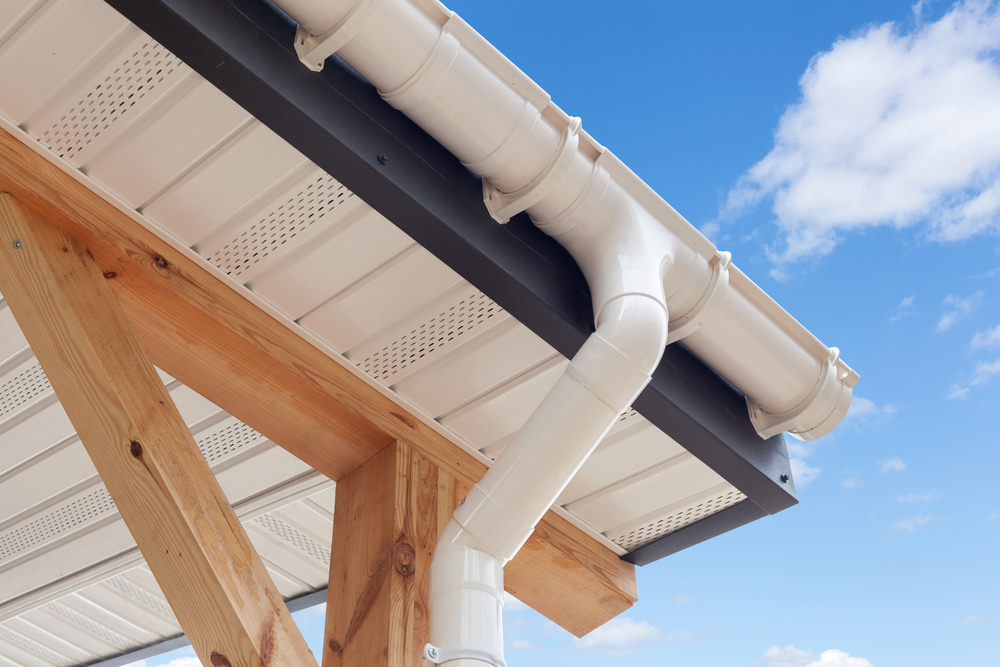
When you look at your home’s exterior, it’s easy to focus on the big things. You check the shingles to make sure they aren’t curling. You look at the siding to see if it needs a wash. You might even glance at the gutters to see if leaves are poking out. But very few homeowners pay attention to the vertical pipes running down the corners of their house: the downspouts. In our experience at Cola City Roofing, downspouts are often the unsung heroes—or the hidden villains—of a roofing system. While the horizontal gutters catch the water, the downspouts are the only way out. If they are in the wrong place, too small, or simply not there at all, the entire system backs up. It’s a common misconception that gutters are just “buckets” attached to the roof. In reality, they are a plumbing system for your roof. And like any plumbing, if the drain is in the wrong spot, you’re going to have a flood. Improper downspout placement isn’t just an annoyance that causes puddles in the driveway; it can actively shorten the life of your roof, rot your fascia boards, and cause expensive structural damage. Here is why getting those vertical pipes right matters more than you might think. What Proper Downspout Placement Actually Does for Your Roof To understand why placement is so critical, you have to think about what happens during a typical summer thunderstorm here in the Midlands. The volume of water hitting your roof is massive. A one-inch rain on a 2,000-square-foot roof produces over 1,200 gallons of water. That is a lot of weight and force that needs to be managed instantly. Proper downspout placement is about calculating that volume and providing an efficient exit strategy. It’s not enough to just stick a pipe at the corner of the house because that’s where they usually go. Effective placement considers the slope of the roof, the length of the gutter run, and the capacity of the drainage area below. How Water Is Meant to Move Off Your Roof and Away From the House Ideally, water management follows a specific path: Collection: Rain hits the shingles and sheds down to the eaves. Capture: The horizontal gutter catches the runoff. Transport: The gutter is pitched slightly to guide water toward the outlet. Exit: The downspout takes that water vertically down to the ground. Dispersal: An elbow or extension directs the water at least 4 to 6 feet away from the foundation. When downspouts are placed correctly, this flow is continuous. The water never stops moving. It enters the gutter and immediately begins flowing toward an exit. This prevents weight from building up in the troughs. It keeps the water moving fast enough to flush out small debris like pollen or shingle grit. Most importantly, it keeps the water level in the gutter low, ensuring that even in a deluge, the water stays below the roof edge. However, when placement is an afterthought, that flow stops. Water travels down the gutter and hits a “dead end” because the downspout is too far away or overwhelmed. The water rises, sits stagnant, and eventually overflows. That stagnation is where the damage begins. Common Downspout Placement Problems That Lead to Roof Damage We see a lot of “standard” gutter installations that simply don’t account for the unique architecture of the home or the intensity of our local weather. A builder might place downspouts purely for aesthetics, trying to hide them on the back of the house, regardless of whether that’s where the water naturally wants to go. Here are the most common placement errors we see and how they impact the roof. Downspouts That Dump Water Back Toward the Roofline This is one of the most destructive mistakes we encounter, and it is rampant on two-story homes. It happens when a downspout from an upper-story dormer or roof section drains directly onto a lower roof section. It seems convenient to just let the water run out onto the shingles below, but it creates a concentrated stream of water. Over time, this acts like a pressure washer constantly hitting the same spot on your lower roof. It washes away the protective granules on the shingles, exposing the asphalt to the sun. We often see roofs that look brand new everywhere except for a worn-out, bald strip right below an upper downspout. Even worse, if that upper downspout is angled incorrectly, it can shoot water back under the shingles or flashing of the lower roof, causing leaks that are incredibly difficult to trace. It can also overwhelm the gutter on the lower level. That lower gutter is sized to handle the rain falling on its specific section of the roof. When you suddenly dump all the water from the upper roof into it as well, it overflows instantly. Too Few Downspouts for the Size of the Roof There is a limit to how much water a single downspout can handle. The general rule of thumb is one downspout for every 20 to 30 feet of gutter, but that depends heavily on the size of the roof area feeding it. If you have a long, ranch-style home with a 60-foot continuous gutter run and only one downspout at the far end, you are asking for trouble. During a light drizzle, it might be fine. But during a heavy storm, the water at the far end of the gutter has to travel 60 feet to get out. It simply can’t move fast enough. The gutter fills up like a bathtub. The weight of that water is immense. A gallon of water weighs over 8 pounds. If that 60-foot gutter fills up, you could have hundreds of pounds of water hanging off your roof edge. This causes the gutter to sag, which destroys the pitch, making the drainage problem even worse. Eventually, the water overflows the front (damaging landscaping) or the back (rotting the fascia). Short Downspouts That Leave Water Pooling Near the Roof Edge Sometimes
How Roof Softwashing Makes Your Gutters Work Better

If you are like most homeowners in Columbia and the Midlands, you probably have a mental schedule for cleaning your gutters. Maybe you do it once in the fall when the leaves drop, and again in the spring when the pollen hits. But have you ever noticed that sometimes, even just a few weeks after a thorough cleaning, your gutters seem to be struggling again? They might be overflowing during a heavy thunderstorm, or you might see sludge building up near the downspouts much faster than you expected. The problem often isn’t with the gutters themselves, or even with the trees in your yard. The issue is frequently sitting right above them: your roof. At Cola City Roofing, we look at your home’s exterior as a complete system. The roof and the gutters are partners in water management. If the roof is dirty—covered in algae, moss, or accumulated debris—it directly impacts how well your gutters can do their job. While many people think of “roof washing” as purely cosmetic, it actually plays a vital functional role. Roof softwashing is one of the most effective ways to break the cycle of constant gutter clogs and ensure your water management system works the way it was designed to. The Connection Between Roof Buildup and Gutter Performance To understand why your gutters are getting clogged so quickly, you have to look at the source of the water. Your roof collects rainfall, but it also collects dust, pollen, bird droppings, and fungal spores. In our humid South Carolina climate, our roofs are particularly prone to organic growth. That black streaking you see on so many roofs around town isn’t just dirt; it’s a living algae called Gloeocapsa magma. This algae, along with moss and lichen, doesn’t just sit on the shingles. It grows, spreads, and eventually dies. And gravity ensures that everything on your roof eventually heads in one direction: down. What Washes Off Your Roof Ends Up in Your Gutters Every time it rains, water acts as a transport system. As rainwater sheets off your shingles, it picks up loose particles. If your roof is clean, the water runs relatively clear. But if your roof has significant organic buildup, the rain is constantly washing a slurry of algae, moss particles, and decaying organic matter directly into your gutter troughs. This creates a nutrient-rich sludge that settles in the bottom of your gutters. Unlike dry leaves, which might blow away or sit loosely on top, this sludge is heavy and dense. It creates a dam that slows down water flow. Even worse, it acts as a perfect soil bed for seeds to sprout. If you’ve ever seen small trees or weeds growing out of a gutter, it’s usually because roof runoff has provided enough organic material for them to take root. By ignoring the condition of the roof, you are essentially feeding your gutters a steady diet of debris that makes them fail faster. Roof Softwashing Benefits That Directly Impact Your Gutters When we perform a roof softwash, we aren’t just making the shingles look brand new (although that is a nice benefit). We are sanitizing the surface. By removing the organic growth at the source, we fundamentally change the quality of the water entering your gutters. Stops Organic Growth From Feeding Gutter Clogs The primary benefit is stopping the “feed.” When we kill the algae and moss on the roof using our specialized softwash solution, we stop the cycle of growth and decay. Once the roof is clean, the rainwater running into your gutters is free of that heavy biological sludge. This means your gutter cleanings last significantly longer. Instead of a thick, muddy paste forming in the bottom of the trough every month, you might only deal with seasonal leaves and twigs, which are much easier for water to flush out naturally. By addressing the root cause on the shingles, you reduce the workload on the gutters significantly. Reduces Gutter Overflow During Heavy Rain Midlands storms can dump a massive amount of water in a very short time. Your gutters are sized to handle a specific volume of flow, but that calculation assumes the water can move freely. Algae and moss on a roof act like a sponge. They hold moisture, and they create friction. A roof covered in thick growth doesn’t shed water as efficiently as a clean roof. However, the bigger issue happens in the gutter itself. The sludge we mentioned earlier reduces the internal capacity of the gutter. If you have an inch of muck in the bottom of a 5-inch gutter, you’ve lost 20% of your capacity. During a torrential downpour, that 20% is the difference between water flowing out the downspout and water cascading over the edge, damaging your landscaping and foundation. Softwashing restores the roof’s ability to shed water cleanly and keeps the gutter’s full capacity available for moving water, not storing dirt. Helps Protect Fascia Boards and Gutter Attachment Points Weight is the enemy of any gutter system. Gutters are attached to your fascia board—the wooden trim along the roofline—using hangers or spikes. These fasteners are strong, but they aren’t designed to hold hundreds of pounds of wet, heavy muck for months on end. The organic sludge that washes off a dirty roof is incredibly dense. When wet, it weighs far more than dry leaves. This added weight puts constant strain on the fascia board. Over time, this can cause the fasteners to pull loose or the fascia wood to crack and rot. By keeping the roof clean, you prevent this heavy sediment from accumulating. This keeps the gutters lighter and reduces the physical stress on your home’s structure. You aren’t just cleaning; you are extending the structural lifespan of the roof edge. Why Gutter Cleanings Alone Don’t Solve the Problem We talk to homeowners all the time who are frustrated. They say, “I just paid someone to clean these gutters two months ago, and they are already clogged again!” It’s a common scenario,
Signs of Gutter-Caused Roof Damage Homeowners Shouldn’t Ignore

Most homeowners think of their roof and gutters as separate parts of their home. The roof keeps the rain out, and the gutters catch the runoff. It seems simple. But when your gutters stop working correctly, they can cause serious and expensive damage to the very roof they are supposed to protect. It’s a slow, quiet process that often goes unnoticed until the repair bill is significant. At Cola City Roofing, we’ve seen it countless times. A homeowner calls us about a leak or some rot along their roofline, assuming it’s a shingle problem. But when we get up on the ladder, we find that the real culprit is a failing gutter system. Understanding the subtle warning signs can help you catch these issues early, protecting your roof and your wallet. This is a practical look at how to tell if your roof problems are actually starting at the gutters. How Gutters Can Quietly Damage Your Roof Over Time A properly functioning gutter system is your roof’s best friend. It collects water and directs it safely away from your home. But the moment that system fails—whether from a clog, damage, or improper installation—it becomes an active threat. Why Water Direction Matters More Than Most Homeowners Realize The entire purpose of your home’s exterior is to move water down and away. When gutters fail, they reverse this process. Water that should be flowing down a downspout is instead trapped, forcing it to back up. This backflow pushes water into places it was never meant to go: under your shingles, behind your fascia boards, and onto the wooden structure of your roof deck. This constant, low-level moisture is far more destructive over time than a single heavy rainstorm because it never has a chance to fully dry out. Clear Signs Your Roof Damage Is Coming From the Gutters You don’t have to be a roofing expert to spot the warning signs. Most of the evidence is visible from the ground if you know what to look for. These are the most common indicators that your roof is suffering because of your gutters. Rotting Fascia Boards and Soft Roof Edges Near the Gutters The fascia is the long, straight board that runs along the lower edge of your roof, right behind your gutters. It’s the foundation to which your gutters are attached. When gutters overflow or leak from the back, the fascia is the first thing to get wet. Over time, this constant moisture causes the wood to rot. You might see paint peeling or bubbling on the fascia, or the wood itself may look dark and stained. In advanced cases, you can poke the wood with a screwdriver, and it will feel soft and spongy. Since the fascia is directly connected to the rafters and the roof deck, this rot can easily spread upward into the roof structure itself, compromising the integrity of the roof’s edge. Water Stains or Mold Where the Roof Meets the Exterior Walls Take a close look at the area where the top of your exterior wall meets the overhang of your roof (the soffit). Do you see dark streaks, water stains, or patches of green or black mold? This is a classic sign of overflowing gutters. When gutters are clogged, water spills over the back and runs down behind the fascia, soaking the soffit. This creates a damp, shaded environment perfect for mold and mildew growth. These stains are a clear signal that water is not being managed correctly at the roofline and is instead saturating the wooden components of your roof’s overhang. Shingle Deterioration Along the Roofline The shingles at the very edge of your roof should look just like the shingles in the middle. If you notice that the bottom row of shingles is curling, crumbling, or has lost its protective granules, it’s often due to a gutter problem. This happens when clogged gutters create an “ice dam” in the winter or a “water dam” during heavy summer rains in the Midlands. Water backs up and sits on top of the shingles, keeping them constantly saturated. Shingles are designed to shed water, not sit in it. This prolonged exposure breaks down the asphalt and causes the shingles to fail prematurely, leaving the underlying roof deck vulnerable. Sagging or Pulling Gutters Taking the Roof Edge With Them Look at your gutters from across the street. Do they form a straight, clean line, or are there visible sags and low spots? Gutters full of wet leaves, shingle grit, and water are extremely heavy. This weight can cause the hangers to pull loose from the fascia board. As the gutter sags, it pulls the fascia board with it. In severe cases, this can bend or break the drip edge—the metal flashing that protects the edge of the roof deck. Once the drip edge is compromised, water has a direct path to the wood underneath. A sagging gutter isn’t just an eyesore; it’s a sign that the entire roof edge is under immense strain. Clogged vs. Improperly Installed Gutters: Which Causes More Roof Damage? Both clogged and improperly installed gutters can destroy a roof, but they do it in slightly different ways. Understanding the distinction helps diagnose the core problem. How Overflowing Gutters Trap Moisture Against Roofing Materials Clogging is the most common gutter problem. Leaves, pine needles, and shingle granules build up, creating a dense dam. When it rains, water hits this dam and pools, overflowing wherever it can. This is a problem of volume. The gutter simply can’t drain fast enough, and the resulting overflow soaks the fascia, soffit, and roof edge. This leads to widespread rot and mold growth over a broad area. It’s a slow but relentless attack on all the wood components at the roofline. Why Poor Gutter Pitch Can Send Water Back Onto Your Roof An improperly installed gutter might be perfectly clean but still cause damage. The most common installation error is incorrect “pitch” or slope. Gutters should be sloped slightly
Why New Roofs Often Need New Gutters

When you make the decision to replace your roof, it’s usually because you have to. Maybe it’s old, maybe a storm rolled through Columbia and did some damage, or maybe you’re just tired of patching leaks. Whatever the reason, it’s a big investment. During the planning process, homeowners often ask us: “Do I really need to replace my gutters too, or can I just keep the old ones?” It’s a fair question. No one wants to spend money they don’t have to. However, the answer isn’t always what people expect. While it might seem like the roof and the gutters are two separate things, they function as a single unit. Putting a brand-new roof on a house with aging or damaged gutters is a bit like putting new tires on a car with a bent axle. You might get by for a while, but eventually, the underlying issue is going to cause problems for the new investment. At Cola City Roofing, we don’t believe in upselling you on things you don’t need. But we do believe in telling you the truth about how your home works. Here is a practical look at why replacing your roof and your gutters together is often the smartest move for the long-term health of your home. Why Roof and Gutter Replacement Go Hand in Hand To understand why these two projects are connected, you have to look at how your home manages water. It’s not just about keeping rain off your head; it’s about moving that water safely away from your entire structure. Both Systems Manage Water — Just at Different Stages Your roof is the first line of defense. Its job is to catch the rain and shed it as quickly as possible. But once that water leaves the edge of the shingles, the roof’s job is done. That’s where the gutters take over. They catch the runoff and channel it away from your fascia, your siding, and most importantly, your foundation. If your roof is working perfectly but your gutters aren’t, the system fails. The water sheds off the roof exactly as it should, but if the gutters are clogged, bent, or pitched incorrectly, that water backs up. It can rot the wood right at the edge of your new roof, or it can dump water directly onto the ground next to your house. The two systems have to work in sync. If one is brand new and efficient and the other is old and struggling, you create a bottleneck in your home’s water management. Problems Start When One System Is Updated and the Other Isn’t Imagine installing a high-performance roof designed to last 30 years. It looks great and seals tight. But right underneath the drip edge hangs a 20-year-old gutter system that is slightly pulled away from the fascia. When the next big Midlands thunderstorm hits, your new roof sheds water faster than the old one did (because the granules are fresh and the surface is slick). The old gutters, which were already struggling, now get overwhelmed. Water splashes back up under the new shingles or overflows behind the gutter, soaking the wood you just paid to protect. We often see rot developing on new roofs within just a few years simply because the old gutters couldn’t keep up with the water flow. What Happens to Gutters During a Roof Replacement There is also a practical, logistical side to this. Replacing a roof is a major construction project. It involves tearing off thousands of pounds of old shingles, repairing decking, and installing new materials. Your gutters are right in the middle of the action. Removal, Re-Fastening, and Alignment Challenges To install a roof correctly, especially the drip edge (the metal flashing that goes along the eaves), we often have to work around or even detach the existing gutters. If we don’t detach them, they are at risk of being banged up by ladders or falling debris during the tear-off process. If we do detach them to protect them or to replace rotten wood behind them, putting them back up is rarely simple. Old aluminum gutters tend to be brittle. They have settled into a specific shape over years of sun and rain. Trying to re-hang them often leads to bending, twisting, or seams popping open. It’s very difficult to take an old system down and put it back up so that it looks good and functions perfectly. Why Older Gutters Often Don’t Reinstall Cleanly Even if the gutters stay in place during the roof work, the new roof might sit differently. New shingles might overhang slightly more or less than the old ones. The new drip edge might be wider. If the old gutters were installed with spikes and ferrules (the old nail-and-tube method), those spikes often work themselves loose over time. Hammering them back in usually doesn’t hold, and trying to pull them out to use screws can damage the gutter lip. Often, by the time we finish a roof, the old gutters look even more tired next to the crisp, clean lines of the new shingles. It’s not just cosmetic; the physical stress of the roofing job can sometimes be the final straw for an aging gutter system. How Old Gutters Can Undermine a Brand-New Roof The biggest risk of keeping old gutters isn’t just that they look bad—it’s that they can actively damage your new roof. This is the part that worries us the most as contractors who want your warranty to stand up. Overflow and Backflow That Reach Roof Edges When gutters clog or don’t drain fast enough, they fill up with water. In a heavy downpour, that water has to go somewhere. If the front of the gutter is lower than the back (which is how it should be), it overflows onto the ground. That’s bad for your foundation, but it doesn’t hurt the roof. However, older gutters often lose their pitch or get bent so the back edge is lower. When they fill
Understanding Gutter Warranties: What’s Covered and What’s Not

When you invest in a new gutter system, the warranty is often mentioned as a key benefit. It sounds simple enough—a promise that the product and the work will be protected. But in reality, warranties can be confusing. They are often filled with technical language, and what’s covered isn’t always as straightforward as it seems. Understanding the details of your warranty before you sign a contract is one of the most important steps in protecting your investment. At Cola City Roofing, we believe that transparency is essential. We want homeowners in the Columbia area to feel completely confident in their decisions, and that includes understanding the promises being made. A good warranty isn’t just a piece of paper; it’s a reflection of a company’s commitment to quality and their willingness to stand behind their work. Let’s break down what gutter warranties really mean, what to look for, and what to watch out for. Why Gutter Warranty Coverage Matters More Than You Think A gutter system is a critical component of your home’s defense against water damage. It works hard year-round, channeling thousands of gallons of water away from your roof, siding, and foundation. When something goes wrong—a leak, a clog, or a section pulling loose—the consequences can be serious and expensive. A strong warranty provides a safety net. It ensures that if a problem arises due to a manufacturing defect or an installation error, you have a clear path to getting it fixed without incurring additional costs. It’s a measure of accountability. A contractor who offers a clear, comprehensive warranty is showing you that they are confident in their materials and their craftsmanship. Conversely, a vague or limited warranty can be a sign that you might be on your own if issues appear down the road. The Two Main Types of Gutter Warranties Most professional gutter installations come with two distinct warranties. It’s crucial to understand the difference, as they cover separate aspects of your new system. The Material Warranty: This warranty is provided by the manufacturer of the gutter materials (e.g., the company that makes the aluminum coil). The Workmanship (or Installation) Warranty: This warranty is provided by the contractor who installs the gutters on your home. These two warranties protect you from different types of problems, and one is not a substitute for the other. A professional quote should clearly mention both. What Material Warranties Usually Cover The material warranty covers the physical integrity of the gutter product itself. For seamless aluminum gutters, which are the most common choice, this warranty is typically focused on the factory-applied finish. A standard material warranty for aluminum gutters will usually cover things like: Cracking, flaking, or peeling: It warrants that the paint finish won’t fail under normal atmospheric conditions. Blistering: It protects against the finish bubbling up. Significant fading: Some warranties cover the finish against changing color beyond a certain threshold over a specific period. These warranties are often quite long, frequently lasting 20 years or even a lifetime. However, they are very specific. They do not cover damage to the finish from scratches, harsh chemicals, or impacts. They only cover defects originating from the manufacturing process. What Installation and Workmanship Warranties Cover This is arguably the more important warranty for a homeowner. The vast majority of gutter problems are not due to a material defect but to an error during installation. A strong workmanship warranty is the sign of a contractor who stands behind their team’s skill and attention to detail. A good workmanship warranty should cover issues like: Leaks: Specifically, leaks at the seams created during installation, such as at the corners or end caps. Improper Slope: If the gutters are not pitched correctly and hold standing water, the warranty should cover the cost of re-pitching them. Loose Gutters: It should cover gutters that pull away from the fascia board due to improper fastening. Detached Downspouts: If a downspout or elbow comes loose, the installer should fix it. The length of a workmanship warranty is a key indicator of a contractor’s quality. A one-year warranty is the minimum you should accept. Reputable, confident companies often offer warranties of five years or longer on their labor. Common Things Gutter Warranties Don’t Cover It’s just as important to understand what is not covered. Reading the exclusions section helps set realistic expectations. Most gutter warranties, both material and workmanship, will not cover: Clogging: Gutters clogged by leaves, pine needles, or other debris are a maintenance issue, not a warranty issue. The warranty doesn’t cover cleaning your gutters. Storm Damage: Damage from high winds, hail, falling trees, or other “acts of God” is typically excluded. This type of damage should be covered by your homeowner’s insurance policy. Impact Damage: Dents or scratches from ladders, thrown baseballs, or branches hitting the gutters are not covered. Alterations: If you or another contractor modifies the gutter system after the initial installation, it will likely void the warranty. Improper Maintenance: If you use a high-pressure power washer and it damages the finish, or use harsh chemicals that cause corrosion, the warranty won’t apply. Foundation or Structural Issues: A gutter warranty will not cover damage to other parts of your home, even if a gutter failure contributed to it. How Maintenance Affects Gutter Warranty Coverage This is a critical point that many homeowners miss. Most warranties, especially material warranties, are contingent upon the homeowner performing regular, routine maintenance. The fine print will often state that the gutter system must be kept clean and free of debris. If you file a warranty claim for a peeling finish, but the manufacturer’s representative finds that the gutters were filled with wet, decomposing leaves for years, they can deny the claim. The logic is that the constant moisture and acidic nature of the debris created conditions that the finish was not designed to withstand. Keeping your gutters clean isn’t just good practice for preventing water damage; it’s often a requirement for keeping your warranty valid. Questions to Ask About Warranties Before