If you have lived in Columbia or the Midlands for any length of time, you know exactly what a heavy summer thunderstorm sounds like. It starts with a rumble, the sky turns dark, and then the heavens open up. For twenty or thirty minutes, it feels like someone is pouring buckets of water directly onto your roof.
While these storms are just a part of life in South Carolina, they are a major stress test for your home. During those intense downpours, your roof and gutter system have to manage thousands of gallons of water in a very short amount of time. If everything is working correctly, you stay dry and comfortable inside. But if there is a weak link in your exterior protection—a clogged gutter, a loose downspout, or a small gap in the flashing—that heavy rain can cause significant, expensive damage before the sun even comes back out.
At Cola City Roofing, we talk to homeowners every week who are dealing with the aftermath of heavy rain. Often, they didn’t realize there was a problem until they saw a water stain on the ceiling or noticed a puddle in the basement. The good news is that most of this damage is preventable. Protecting your home doesn’t require magic; it requires understanding how water moves and ensuring your home is ready to handle the flow. Here is a practical guide to protecting your home from heavy rain, starting right at the roofline.
Why Heavy Rain Is So Hard on Gutters and Roofs
It’s easy to underestimate rain. It’s just water, right? But the volume and weight of water during a storm are staggering. A one-inch rainfall on a typical 2,000-square-foot roof produces roughly 1,250 gallons of water. Now, imagine a severe thunderstorm dropping two or three inches in an hour. That is nearly 4,000 gallons—almost 33,000 pounds of water—slamming onto your shingles and rushing toward the edges of your house.
This massive volume creates immediate physical stress. Your roof has to shed it instantly, and your gutters have to catch and transport it just as fast. Heavy rain exposes weaknesses that a light drizzle hides. A small pinhole leak or a slightly loose gutter hanger might hold up fine during a gentle shower, but under the pressure of a deluge, those small issues turn into big failures.
What Happens When Your Home Can’t Move Water Fast Enough
Protection from heavy rain is entirely about speed. The water must move from the peak of the roof to the ground and away from the foundation as quickly as it falls. When your system can’t keep up, you get a bottleneck.
Think of it like rush hour traffic in Columbia. If too many cars try to merge onto the interstate at once, everything stops. On your roof, when the water can’t exit through the downspouts fast enough, it backs up. It fills the gutters to the brim, then overflows. It creates pools on flatter sections of the roof. It splashes back against siding and windows.
When water stops moving, it starts searching for a new path. Unfortunately, that new path is usually the path of least resistance: behind the fascia board, under the shingles, or down the interior of your walls. The damage from heavy rain often happens not because the roof has a hole in it, but because the water volume overwhelmed the system’s ability to drain it away.
The Role Gutters Play in Heavy Rain Protection
Your gutters are the unsung heroes of storm protection. While the roof gets all the credit for keeping you dry, the gutters are the active managers of the water. Without them, that 4,000 gallons of stormwater would cascade off the edge of your roof like a waterfall, trenching your yard and pounding your foundation.
In the context of heavy rain gutter protection, capacity is key. Standard gutters are designed to handle average rainfall. But in the Midlands, where "average" often means "torrential," your gutters need to operate at peak efficiency to prevent disaster.
How Proper Gutter Flow Prevents Water From Backing Up Onto the Roof
The most critical function of a gutter during a storm is to keep the water level below the roof edge. As rain sheets off the shingles, it enters the gutter trough. Gravity pulls it toward the downspout.
If the flow is smooth and fast, the water level in the gutter stays low, even during a downpour. This is crucial because your roof edge—where the shingles end and the drip edge begins—is vulnerable. If the water level in the gutter rises too high, it touches the wood fascia and the edge of the roof deck.
Wood acts like a sponge. If water backs up and touches the roof edge, the wood begins to absorb it. This is called "wicking." Over time, this wicking action pulls moisture up under the shingles, leading to rot that you can’t see from the ground. Proper gutter flow ensures that even when it’s pouring, the water is whisked away before it ever has a chance to threaten the roof structure.
Why Downspouts Matter Just as Much During Storms
You can have the biggest, widest gutters in the neighborhood, but they are useless if the downspouts can’t handle the volume. The downspout is the drain. If the drain is too small or clogged, the tub fills up.
During heavy rain, the downspouts are under immense pressure. They need to evacuate gallons of water per second. If a downspout is dented, clogged with debris, or simply too narrow (standard 2×3 inches vs. oversized 3×4 inches), the water creates a backup that travels all the way up to the roofline.
Furthermore, where the downspout empties matters. If it dumps water right next to the foundation, the heavy rain will saturate the soil, potentially causing basement leaks or foundation settling. Effective stormwater control means guiding that water at least 4 to 6 feet away from the house, ensuring the ground around your home remains stable even when the sky is falling.
Common Gutter Problems That Show Up During Heavy Rain
It’s common for homeowners to tell us, "My gutters seemed fine until that big storm last week." That’s because heavy rain is a stress test. It reveals the flaws that were sitting there quietly during the dry season. Knowing what to look for can help you fix these issues before the next storm hits.
Clogged Gutters That Can’t Handle Sudden Rainfall
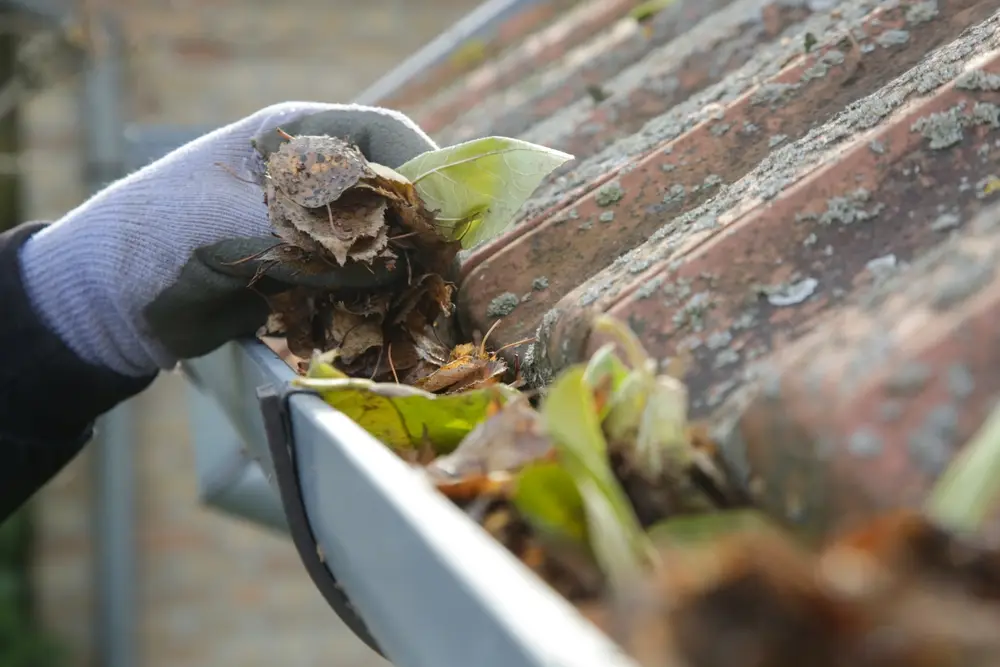
This is the number one cause of water damage during storms. It sounds simple, but the mechanics of a clog are destructive. A layer of pine needles, leaves, and shingle grit in the bottom of your gutter acts like a dam.
When a sudden downpour hits, the water rushes down the roof carrying more debris with it. This debris hits the existing blockage and packs it tight. The water has nowhere to go. Within minutes, your gutters are full.
Clogged gutters in heavy rain create a waterfall effect. The water spills over the front (and back) of the gutter. This overflow hits the ground with force, ruining landscaping and splashing mud onto your siding. Worse, the weight of the water and wet debris puts massive strain on the gutter hangers. We often see gutters that have been pulled completely away from the fascia simply because they became too heavy during a storm.
Sagging or Undersized Gutters Overwhelmed by Storm Water
Sometimes the gutters aren’t clogged; they just aren’t big enough or pitched correctly.
If a gutter section sags in the middle due to loose spikes or age, it creates a low spot. Water pools there instead of flowing to the downspout. During a light rain, this might just mean a little standing water. But during a heavy rain, that pool becomes a collection point that fills up instantly and overflows.
Additionally, many older homes in Columbia have 5-inch gutters. While these were standard for years, modern rooflines are steeper and larger, shedding water much faster. In a heavy storm, water can shoot right over the top of a 5-inch gutter because the trough isn’t wide enough to catch the high-velocity runoff. Or, the volume simply overwhelms the capacity, leading to overflow even if the gutter is clean. Upgrading to 6-inch gutters is often the best solution for homes that struggle with gutter system capacity during our fierce local storms.
How Heavy Rain Can Damage Your Roof Without You Realizing It
We often think of roof damage as missing shingles or a tree limb through the attic. But water damage from heavy rain is often slower and more insidious. It happens at the edges, creeping in where the roof meets the gutter.
Water Pushing Under Shingles and Along the Roof Edge
There is a phenomenon called "hydrostatic pressure." When water pools or backs up, it exerts pressure. If your gutters are overflowing and water is standing against the roof edge, that water is looking for a way in.
Wind-driven rain adds another layer of complexity. In a severe thunderstorm, rain rarely falls straight down. It blows sideways. If your gutters are full, the wind can pick up the water on the surface of the gutter and push it backward, up under the drip edge and beneath the first row of shingles.
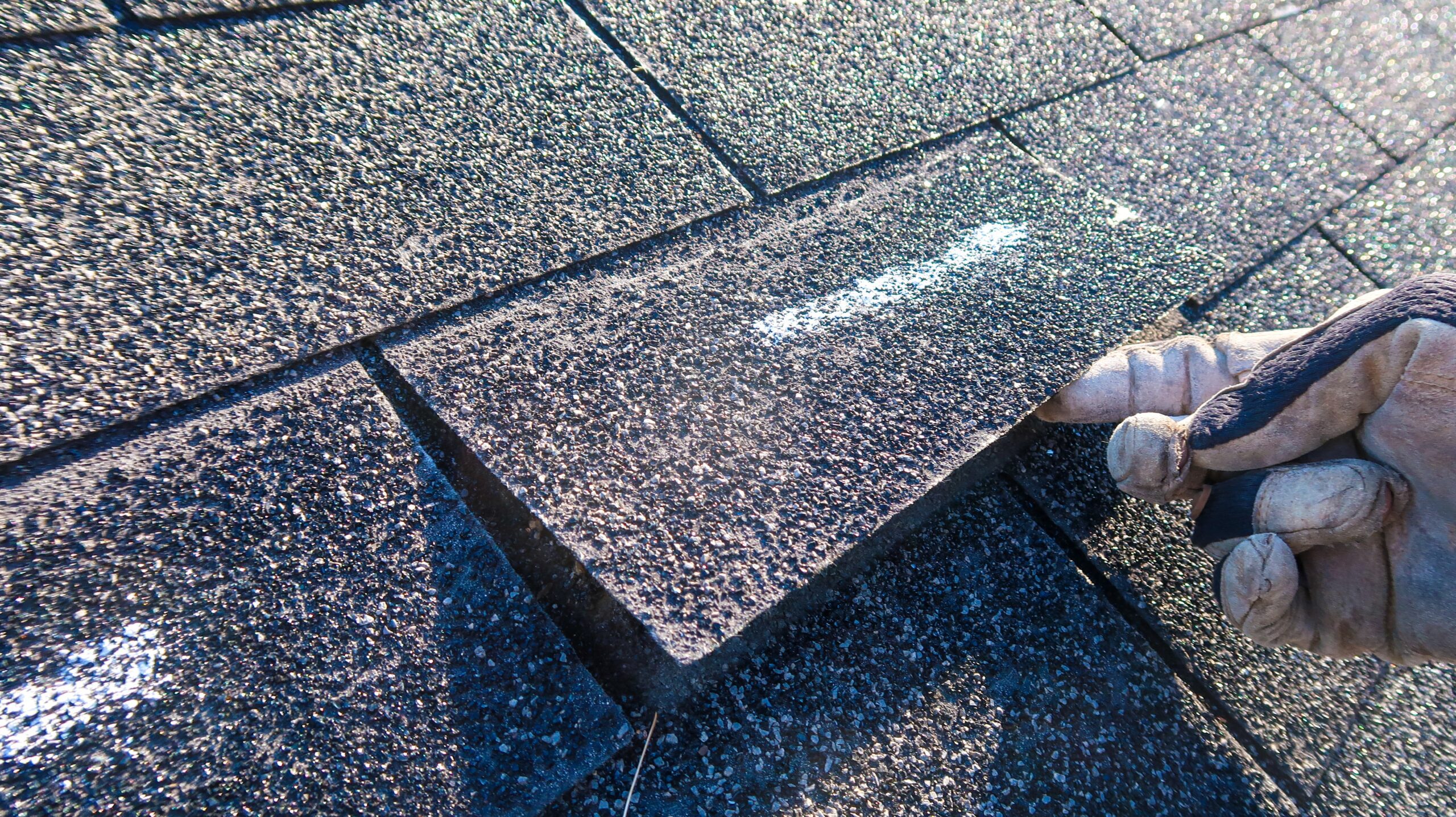
Once water gets under the shingles, it hits the underlayment and the wooden decking. If this happens repeatedly, the adhesive that seals your shingles down can degrade. The nails holding the shingles can rust. You end up with a compromised perimeter that is weak against wind and prone to leaks, all because the water couldn’t get away fast enough.
Fascia and Roof Rot Caused by Repeated Overflow
The fascia board is the unsung victim of gutter failure. It is the board your gutters are mounted to. When gutters overflow from the back side—which happens frequently when they are clogged or bent—water runs directly over the face of the fascia.
Most fascia boards are painted wood. Paint protects against occasional moisture, but it cannot withstand a constant stream of water. Eventually, the water finds a crack in the paint or a seam between boards. The wood swells, cracks, and begins to rot.
Gutter-caused roof damage often starts here. As the fascia rots, it becomes soft. The screws holding the gutters lose their grip. The gutters begin to pull away or sag, creating a larger gap for water to enter. This rot can easily spread upward into the soffit (the underside of the eave) and the rafter tails. We have repaired many homes where what looked like a "gutter issue" turned into a major carpentry project involving the replacement of feet of structural wood, all due to unmanaged heavy rain overflow.
Steps That Actually Help Protect Your Home Before the Rain Hits
You don’t have to wait for a storm to find out if your home is protected. There are proactive steps you can take right now to ensure your roof and gutters are ready for the next deluge.
Why Regular Gutter Cleaning Matters More During Rainy Seasons
In the Midlands, we have distinct seasons for debris. We have the fall leaf drop, the spring pollen coating, and the intermittent storms that knock down twigs and pine cones. Seasonal gutter cleaning is your best defense.
It is not enough to clean them once a year. For optimal protection, you should check your gutters before the heavy rain seasons (typically spring and late summer hurricane season).
Cleaning isn’t just about scooping out leaves. It’s about flushing the system. After removing the debris, use a garden hose to run water through the gutter. Watch the flow. Does it move swiftly to the downspout? Does it pool in the middle? Does water come out of the downspout freely, or does it trickle? This "flow test" mimics a rainstorm and will reveal blockages in the downspouts or pitch issues that you can’t see just by looking.
How Gutter Guards and Proper Pitch Improve Heavy Rain Performance
If you are tired of climbing ladders, or if you have heavy tree coverage, gutter guards can be a valuable investment for heavy rain protection. However, not all guards are created equal.
For heavy rain, you need a guard that allows high-volume water filtration. Some cheap plastic covers actually block the water, causing it to sheet over the edge during a storm. High-quality mesh or screen guards keep the debris out while pulling the water into the trough. This ensures that when the storm hits, your gutters are empty and ready to accept the full volume of water.
Proper pitch is equally important. Gutters need to slope slightly toward the downspout—usually about a quarter-inch for every 10 feet. Over time, houses settle and spikes loosen, causing gutters to go flat. Re-pitching your gutters is a relatively simple repair for a professional that can drastically improve how much water they can handle. If your gutters are holding standing water after a rain, they need to be re-pitched before the next heavy storm.
When Heavy Rain Is a Sign Your Gutter System Needs an Upgrade
Sometimes, maintenance isn’t enough. If your system is old, damaged, or simply undersized for your home, no amount of cleaning will stop the overflow. Heavy rain often acts as the final whistleblower for a failing system.
How to Tell If Your Gutters Are No Longer Doing Their Job
Watch your home during the next storm. Grab an umbrella and take a walk around the perimeter. Here are the signs that it’s time to consider a replacement:
- Sheet Flow: If water is pouring over the edge of the gutter in a solid sheet, your gutters are either clogged or too small for the roof area.
- Leaking Seams: If you see water dripping from the corners or the joints between sections (on sectional gutters), the sealant has failed.
- Pulling Away: Look up at the roofline. Can you see daylight between the gutter and the fascia board? If so, the water is running behind the gutter, not in it.
- Splashing: If water is hitting the ground with enough force to splash mud onto your siding 3 feet up the wall, your downspouts or gutters aren’t controlling the energy of the water.
- Tiger Striping: Dark vertical lines on the front of the gutter are caused by dirty water overflowing the front edge repeatedly.
If you see these signs, your current system is putting your roof and foundation at risk. Investing in seamless, properly sized gutters is often cheaper than repairing the water damage caused by the old ones.
Protecting Your Home From Heavy Rain Starts With Water Control
At the end of the day, your home’s ability to weather a storm comes down to control. You can’t control the weather, but you can control where the water goes once it hits your roof.
Protecting your home from heavy rain is about ensuring a clear, continuous path for water to travel from the sky to the drain. It requires a roof that seals tight, gutters that flow freely, and downspouts that carry water away. When all three work together, the sound of a heavy thunderstorm stops being a source of stress and becomes just background noise.
How Professional Gutter Solutions Help Homes Handle Storm Season
At Cola City Roofing, we specialize in preparing homes for the specific weather challenges of Columbia and the Midlands. We don’t just install gutters; we design water management solutions.
When we inspect a home, we look at the roof pitch, the square footage, and the tree coverage to recommend the right size and style of gutter protection. We check the fascia for rot, ensure the downspouts are placed effectively, and verify that the system can handle the heavy rain events we know are coming.
Don’t wait for the next storm to reveal a leak. If you are concerned about how your home handles heavy rain, or if you noticed overflow during the last downpour, give us a call. We will provide an honest assessment and help you build a defense that keeps your home safe, dry, and secure, no matter what the forecast brings.