When you invest in a new gutter system, the warranty is often mentioned as a key benefit. It sounds simple enough—a promise that the product and the work will be protected. But in reality, warranties can be confusing. They are often filled with technical language, and what’s covered isn’t always as straightforward as it seems. Understanding the details of your warranty before you sign a contract is one of the most important steps in protecting your investment.
At Cola City Roofing, we believe that transparency is essential. We want homeowners in the Columbia area to feel completely confident in their decisions, and that includes understanding the promises being made. A good warranty isn’t just a piece of paper; it’s a reflection of a company’s commitment to quality and their willingness to stand behind their work. Let’s break down what gutter warranties really mean, what to look for, and what to watch out for.
Why Gutter Warranty Coverage Matters More Than You Think
A gutter system is a critical component of your home’s defense against water damage. It works hard year-round, channeling thousands of gallons of water away from your roof, siding, and foundation. When something goes wrong—a leak, a clog, or a section pulling loose—the consequences can be serious and expensive.
A strong warranty provides a safety net. It ensures that if a problem arises due to a manufacturing defect or an installation error, you have a clear path to getting it fixed without incurring additional costs. It’s a measure of accountability. A contractor who offers a clear, comprehensive warranty is showing you that they are confident in their materials and their craftsmanship. Conversely, a vague or limited warranty can be a sign that you might be on your own if issues appear down the road.
The Two Main Types of Gutter Warranties
Most professional gutter installations come with two distinct warranties. It’s crucial to understand the difference, as they cover separate aspects of your new system.
- The Material Warranty: This warranty is provided by the manufacturer of the gutter materials (e.g., the company that makes the aluminum coil).
- The Workmanship (or Installation) Warranty: This warranty is provided by the contractor who installs the gutters on your home.
These two warranties protect you from different types of problems, and one is not a substitute for the other. A professional quote should clearly mention both.
What Material Warranties Usually Cover
The material warranty covers the physical integrity of the gutter product itself. For seamless aluminum gutters, which are the most common choice, this warranty is typically focused on the factory-applied finish.
A standard material warranty for aluminum gutters will usually cover things like:
- Cracking, flaking, or peeling: It warrants that the paint finish won’t fail under normal atmospheric conditions.
- Blistering: It protects against the finish bubbling up.
- Significant fading: Some warranties cover the finish against changing color beyond a certain threshold over a specific period.
These warranties are often quite long, frequently lasting 20 years or even a lifetime. However, they are very specific. They do not cover damage to the finish from scratches, harsh chemicals, or impacts. They only cover defects originating from the manufacturing process.
What Installation and Workmanship Warranties Cover
This is arguably the more important warranty for a homeowner. The vast majority of gutter problems are not due to a material defect but to an error during installation. A strong workmanship warranty is the sign of a contractor who stands behind their team’s skill and attention to detail.
A good workmanship warranty should cover issues like:
- Leaks: Specifically, leaks at the seams created during installation, such as at the corners or end caps.
- Improper Slope: If the gutters are not pitched correctly and hold standing water, the warranty should cover the cost of re-pitching them.
- Loose Gutters: It should cover gutters that pull away from the fascia board due to improper fastening.
- Detached Downspouts: If a downspout or elbow comes loose, the installer should fix it.
The length of a workmanship warranty is a key indicator of a contractor’s quality. A one-year warranty is the minimum you should accept. Reputable, confident companies often offer warranties of five years or longer on their labor.
Common Things Gutter Warranties Don’t Cover
It’s just as important to understand what is not covered. Reading the exclusions section helps set realistic expectations. Most gutter warranties, both material and workmanship, will not cover:
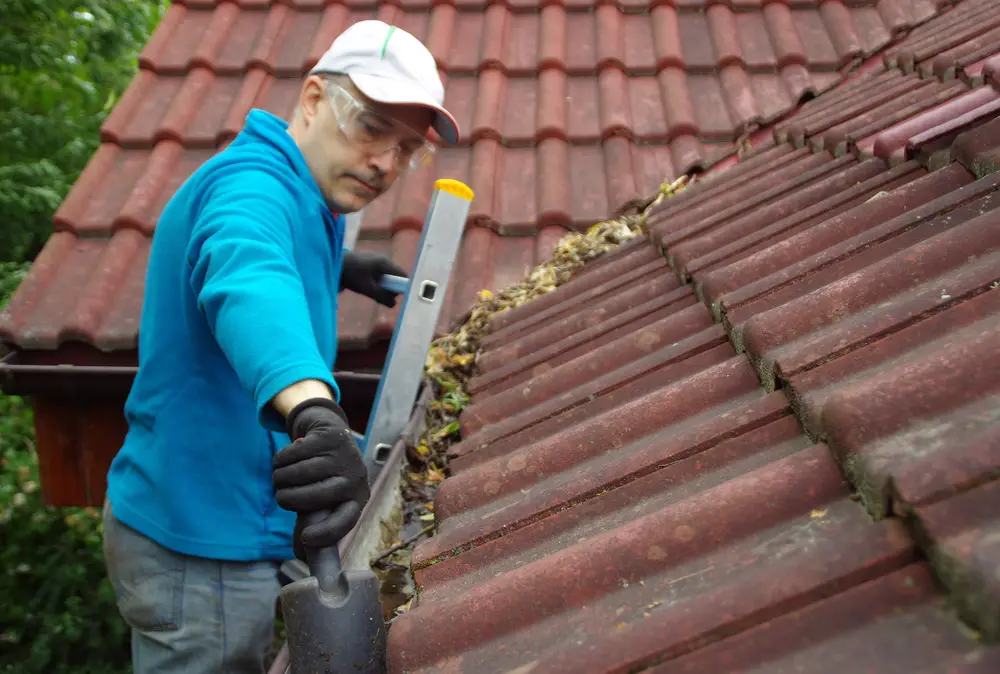
- Clogging: Gutters clogged by leaves, pine needles, or other debris are a maintenance issue, not a warranty issue. The warranty doesn’t cover cleaning your gutters.
- Storm Damage: Damage from high winds, hail, falling trees, or other "acts of God" is typically excluded. This type of damage should be covered by your homeowner’s insurance policy.
- Impact Damage: Dents or scratches from ladders, thrown baseballs, or branches hitting the gutters are not covered.
- Alterations: If you or another contractor modifies the gutter system after the initial installation, it will likely void the warranty.
- Improper Maintenance: If you use a high-pressure power washer and it damages the finish, or use harsh chemicals that cause corrosion, the warranty won’t apply.
- Foundation or Structural Issues: A gutter warranty will not cover damage to other parts of your home, even if a gutter failure contributed to it.
How Maintenance Affects Gutter Warranty Coverage
This is a critical point that many homeowners miss. Most warranties, especially material warranties, are contingent upon the homeowner performing regular, routine maintenance. The fine print will often state that the gutter system must be kept clean and free of debris.
If you file a warranty claim for a peeling finish, but the manufacturer’s representative finds that the gutters were filled with wet, decomposing leaves for years, they can deny the claim. The logic is that the constant moisture and acidic nature of the debris created conditions that the finish was not designed to withstand.
Keeping your gutters clean isn’t just good practice for preventing water damage; it’s often a requirement for keeping your warranty valid.
Questions to Ask About Warranties Before Signing a Contract
When you’re reviewing a gutter installation quote, the warranty section deserves your full attention. Don’t just accept a bullet point that says "Warranty included." Ask specific, clarifying questions:
- "Can you provide me with a printed copy of both the material and the workmanship warranties?"
- "What is the exact length of your workmanship warranty?"
- "If I have a leak at a corner in two years, what is the process for getting it fixed under warranty?"
- "Is the warranty transferable to a new owner if I sell my house?" (This can be a selling point).
- "Who is the contact person for a warranty claim—your office or the manufacturer?"
- "Are there any specific maintenance tasks I need to perform to keep the warranty valid?"
A trustworthy contractor will be happy to answer these questions and provide documentation. Hesitation or vague answers should be a cause for concern.
Red Flags in Gutter Warranty Language
As you read the warranty documents, be on the lookout for language that could be problematic:
- "Pro-rated" Coverage: This means the warranty’s value decreases over time. In year one, it might cover 100% of the replacement cost, but by year ten, it might only cover 20%.
- High Service Fees: Some warranties state that while the repair itself is covered, you are responsible for a "service call fee" or a "trip charge," which can be substantial.
- Burdensome Claim Process: A warranty that requires you to ship a section of the gutter back to the manufacturer at your own expense is designed to discourage claims.
- "Lifetime" Ambiguity: The word "lifetime" can be misleading. Does it mean your lifetime, the lifetime of the home, or the expected product lifetime (which could be defined as just 20 years)? Ask for clarification.
- No Workmanship Warranty: If a contractor says the "manufacturer’s warranty" is all you need, walk away. They are taking no responsibility for their own work.
Why Local Contractors Handle Warranty Issues Differently
There is a significant difference in how a local, established company and a national chain or out-of-town storm chaser handle warranty claims.
A local contractor like Cola City Roofing has a reputation to uphold right here in the Midlands. Our name is on our trucks, and our business depends on word-of-mouth and positive reviews from our neighbors. When you have a warranty issue, you call our office, and we send our team to assess it. We have a vested interest in making it right quickly and professionally.
A large national company may route your claim through a call center, and it can be difficult to get a resolution. An out-of-town contractor who was only here after a storm may be unreachable when a problem surfaces a year later. Choosing a local, reputable installer is one of the best ways to ensure your warranty will actually be honored.
How Proper Installation Protects Your Warranty
The best way to avoid needing your warranty is to ensure the installation is done correctly from the start. A quality installation prevents most of the common problems that lead to claims. When a professional crew installs your gutters, they are:
- Ensuring the pitch is perfect, so water flows out and doesn’t sit against the finish.
- Using the correct, high-quality sealants at corners to prevent premature leaks.
- Fastening the gutters securely, so they don’t pull away under the weight of heavy rain.
Investing in a quality installation is your first and best line of defense. The warranty is the safety net for the rare, unexpected issue.
Choosing Coverage You Can Rely On Long Term
Your home is your most valuable asset, and a gutter system is a long-term investment in its protection. The warranty that comes with it should provide genuine peace of mind, not just empty promises. Look for a clear, comprehensive workmanship warranty from a local, reputable contractor who is willing to put their promises in writing.
At Cola City Roofing, we stand behind our work with a straightforward, honest warranty because we build our systems to last. We use high-quality materials and our experienced crews follow the highest standards on every job. We want you to feel secure in your decision, knowing that we’re here to support you long after the installation is complete.