
Why Gutter Installation Is More Than Just Hanging Metal

From the ground, installing gutters might look straightforward. You attach a few sections of metal to the edge of the roof, and you’re done, right? This common misconception leads many homeowners to either attempt a DIY installation or hire a general handyman, hoping to save a few dollars. The reality, however, is that proper gutter installation is a precise science. It’s a complex process that demands technical expertise, an understanding of physics, and specialized knowledge of building science. Treating it as simply “hanging metal” is a recipe for costly, long-term damage to your home. A correctly installed gutter system is your property’s first and most critical line of defense against water intrusion. It is an engineered network designed to protect everything from your roofline and siding down to your foundation. When done correctly, it’s an invisible protector. When done incorrectly, it actively channels water to your home’s most vulnerable points, causing structural rot, foundation failure, and pest infestations. This article will delve into the technical expertise required for a successful installation, highlighting why the long-term gutter installation benefits of hiring Columbia SC gutter experts far outweigh any perceived upfront savings from an amateur job. The Science Behind a Seemingly Simple Task At its core, a gutter system is designed to manage the immense force and volume of water that a roof sheds during a storm. This isn’t a passive process; it’s an active one that relies on precise calculations, strategic design, and meticulous execution. An amateur sees a trough; a professional sees a complex water-diversion system. Here are the critical scientific and technical elements that a professional gutter installation addresses. The Crucial Calculation of Water Load and Capacity The first step in any professional installation is a detailed assessment of your home’s specific needs. This isn’t a one-size-fits-all process. An expert installer considers several factors to determine the right system for your property. Roof Surface Area and Pitch: The total square footage of your roof and its steepness (pitch) are the primary factors in determining water volume. A large, steep roof will shed a massive amount of water very quickly, requiring a system with a higher capacity than a smaller, flatter roof. Professionals use established formulas to calculate the “total roof drainage area,” which accounts for both factors. Local Rainfall Intensity: An installer in a dry climate like Phoenix would use different calculations than one in Columbia, SC, which experiences heavy subtropical rainfall and intense thunderstorms. Columbia SC gutter experts are familiar with local weather patterns and reference rainfall intensity data to size the system appropriately, ensuring it can handle the torrential downpours common to the region without being overwhelmed. Sizing Gutters and Downspouts: Based on these calculations, the professional selects the appropriate gutter size (typically 5-inch or 6-inch K-style) and the necessary number and size of downspouts. A common mistake is using too few downspouts for a long gutter run. This creates a bottleneck where water cannot drain fast enough, leading to overflow even if the gutter itself is the correct size. A professional will map out strategic downspout locations to ensure efficient drainage from all roof sections. An amateur guesses. A professional calculates. This initial phase of data-driven design is fundamental to the system’s success and is often completely overlooked in a DIY or handyman installation. Mastering the Art of the Pitch Perhaps the most misunderstood aspect of gutter installation is the pitch. Gutters must not be level. They require a precise, consistent downward slope toward each downspout to allow gravity to do its work. The Physics of Flow: The standard, industry-accepted pitch is a drop of approximately one-quarter inch for every 10 feet of gutter. This slight angle is enough to keep water moving but subtle enough to be invisible from the ground. Without this pitch, water pools in the trough. With too much pitch, water can flow too quickly, overshooting the downspout opening during a heavy storm. The Challenge of Long Runs: Achieving a consistent pitch over a long gutter run (30, 40, or 50 feet) is exceptionally difficult. A professional uses a level and chalk line, meticulously marking the start and end points and snapping a precise guideline. They might even decide to pitch a long run from the center down to a downspout at each end, creating a high point in the middle. Consequences of Improper Pitch: Level Gutters: Water stagnates, creating a heavy, sagging trough that pulls on fasteners. This standing water also breeds mosquitoes and allows algae and mold to grow, which can corrode the gutter material. Negative Pitch: Even worse is a gutter pitched away from the downspout. Water becomes trapped, guaranteeing overflow at the wrong end of the run, often far from any designed drainage path. Setting the correct pitch is a skill honed over hundreds of installations. It requires patience, precision, and an understanding of how water behaves, qualities that are often lacking in a rushed or inexperienced job. The Structural Mechanics of Fastening A gutter system is only as strong as its attachments. Gutters must support not only their own weight but also the immense weight of flowing water, wet debris, or in some climates, snow and ice. A 50-foot section of 6-inch gutter filled with water can weigh over 400 pounds. Fascia Board Integrity: The first thing a professional does is inspect the fascia board—the wooden plank the gutter attaches to. Is it solid wood, or is it soft and rotting? Fastening a new gutter system to a decaying fascia board is pointless; the fasteners will pull out, and the system will fail. A professional will recommend replacing any rotted wood before proceeding, a crucial step an amateur might ignore. You can often prevent this decay with a working system, but if it’s too late, a gutter repair service is needed to fix the underlying issue. Hanger Type and Spacing: Professionals use high-quality, heavy-duty hangers designed for strength and longevity. Crucially, they space these hangers no more than three feet apart (and often closer in high-load
How Gutters Work: A Homeowner’s Guide
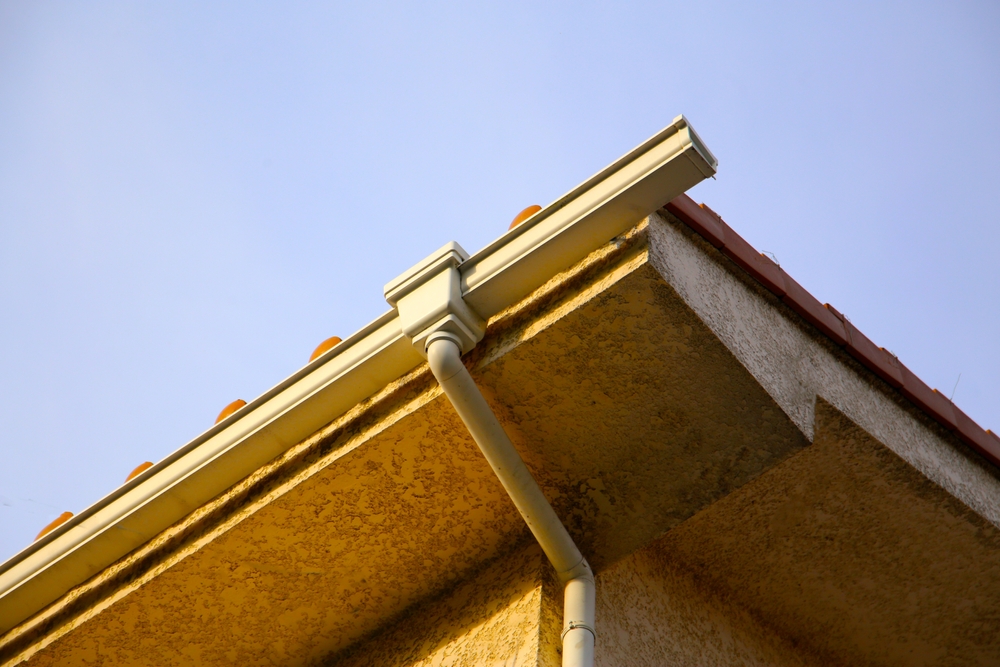
Your home’s gutter system is one of its most essential, yet often overlooked, features. Perched at the edge of the roof, these simple channels perform a task of immense importance: they control the flow of rainwater, protecting your house from top to bottom. Without a functional gutter system, every rainstorm would wage a direct assault on your roof, siding, windows, and foundation, leading to costly and extensive damage. For many homeowners, however, the gutter system is a bit of a mystery. How do all the pieces work together? Why is the slope so important? What really happens if they get clogged? This comprehensive guide is designed to demystify your gutters. We will break down each component, explain the science behind how they function, and highlight why proper installation and maintenance are critical for protecting your home’s value and integrity. Understanding your gutters is the first step toward ensuring they can do their job effectively for years to come. The Fundamental Purpose: Mastering Water Management At its core, a gutter system is a water collection and diversion network. Its primary job is to capture the immense volume of water that lands on your roof during rainfall and channel it safely away from your home’s structure. To understand the scale of this task, consider this: for every inch of rain that falls, a 1,000-square-foot roof surface collects approximately 620 gallons of water. A moderate storm can dump thousands of gallons onto your roof in a short period. Without gutters, this deluge would cascade off the roofline in uncontrolled sheets, causing a host of problems: Landscape and Soil Erosion: Water would carve trenches in your flowerbeds and lawn, washing away topsoil and mulch. Siding and Window Damage: Constant water exposure would lead to stained siding, wood rot around windows and doors, and premature paint failure. Foundation Saturation: The most critical issue is that water would pool directly around your home’s foundation, creating immense pressure that leads to cracks, leaks, and severe structural damage. A properly functioning gutter system prevents all of this. It is your home’s first and most important line of defense against water damage, making it an indispensable part of your property’s exterior. Anatomy of a Gutter System: The Key Components A gutter system is more than just the horizontal trough you see from the ground. It is an assembly of several distinct parts, each with a specific role. Understanding these components is key to grasping how the entire system works. The Gutters (Troughs) These are the main horizontal channels attached to the edge of your roof along the fascia board. Their purpose is to catch the water as it runs off the shingles. Gutters come in various materials and styles. Materials: Common options include aluminum (most popular due to its low cost, rust resistance, and light weight), vinyl (affordable but can become brittle), steel (very strong but can rust if not properly coated), and copper (extremely durable and beautiful, but the most expensive). Styles: The two most common shapes are K-style and half-round. K-style gutters have a flat back and a decorative front profile that mimics crown molding. They are the standard for most modern homes and can carry more water than half-round gutters of the same width. Half-round gutters are a simpler, semi-circular shape often found on historic or custom homes. The Downspouts Downspouts are the vertical pipes connected to the gutters. Their job is to carry the collected water from the roofline down to the ground. They must be sized correctly to handle the volume of water coming from the gutters they serve. If a downspout is too small, water will back up and overflow the gutter during heavy rain. End Caps and Miters (Corners) End Caps: These are flat pieces that seal the end of a gutter run that does not connect to another section. They simply stop the water from spilling out the side. Miters (Corners): Where two sections of gutter meet at a corner of the roof (either an inside or outside corner), they are joined by a miter. These corners must be sealed perfectly to prevent them from becoming a major leak point. Hangers or Fasteners These are the brackets that hold the gutter system in place, attaching it securely to the fascia board (the long, straight board that runs along the lower edge of the roof). The spacing and quality of hangers are critical. They should be spaced no more than three feet apart and must be anchored into the solid wood structure of the fascia to support the immense weight of water during a storm. Improperly spaced or weak hangers lead to sagging and eventual system failure. Downspout Elbows Elbows are angled, curved pieces of the downspout that allow it to navigate around corners and the roof’s overhang. An “A” elbow typically directs the pipe forward or backward, while a “B” elbow directs it to the side. A combination of these allows the downspout to hug the wall of the house cleanly. Downspout Extensions and Splash Blocks This is one of the most critical, yet often neglected, parts of the system. The downspout should not terminate directly at the foundation. A downspout extension is a horizontal pipe that attaches to the bottom elbow and carries water at least 4-6 feet away from the house. A splash block is a plastic or concrete channel placed under the downspout to prevent erosion and help direct water away. Discharging water directly at the foundation is a primary cause of basement leaks and foundation damage. The Physics of a Functional Gutter: How It All Works Together For a gutter system to work effectively, it relies on a few key scientific principles, primarily gravity. Here’s a step-by-step look at how a properly installed system manages rainwater. The Principle of Pitch From the ground, your gutters may appear perfectly level, but they aren’t. A professional installer gives them a slight but precise downward slope, or pitch, toward the nearest downspout. The standard pitch is roughly a quarter-inch
The Hidden Dangers of Poorly Installed Gutters
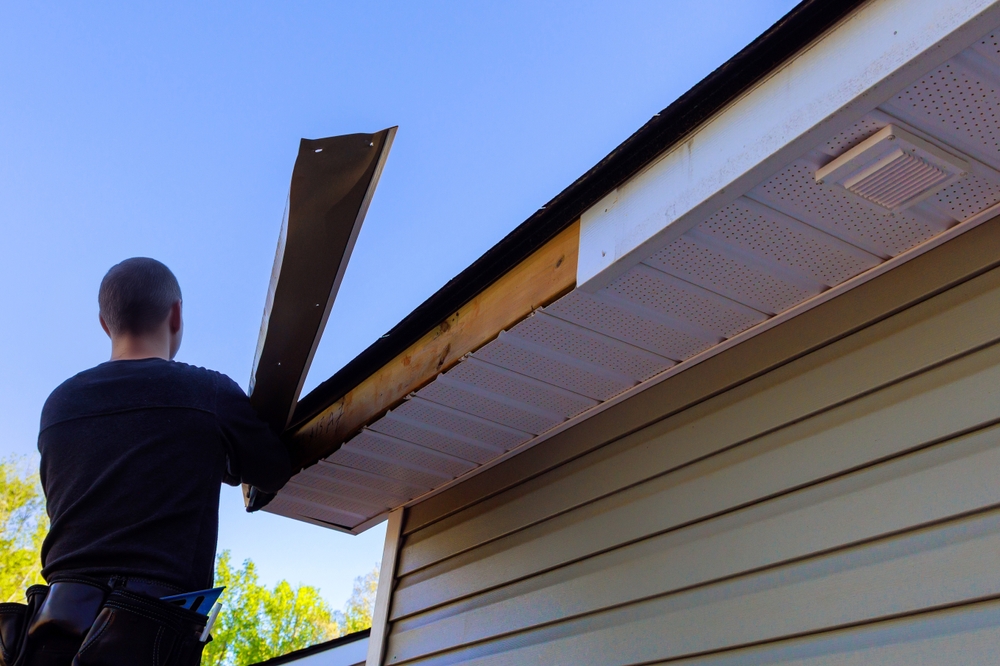
Most homeowners see their gutters as a simple, functional part of their house—a trough that catches rain. They might worry about cleaning out leaves in the fall, but few understand the profound and costly dangers that arise from a system that was poorly installed in the first place. A faulty gutter installation isn’t just an inconvenience; it’s a slow-acting poison to your home, creating a domino effect of destruction that often goes unnoticed until the damage is severe and expensive. The truth is, the biggest threats from bad gutters are the ones you can’t see. These hidden dangers silently compromise your home’s structural integrity, foster unhealthy living conditions, and attract unwanted pests. From a rotting foundation to toxic mold growth inside your walls, the consequences extend far beyond a bit of overflowing water. This guide will uncover the secret hazards of improper gutter installation, revealing why what you don’t know can absolutely hurt your home and your wallet. Understanding these risks is the first step toward protecting your property with a system that actually does its job. Beyond the Obvious: Why Gutter Installation is a Science To appreciate the dangers of a bad installation, it’s crucial to understand what a good installation entails. It’s a process rooted in physics, engineering, and an understanding of water dynamics. A truly effective gutter system is precisely calibrated to protect every part of your home, from the roof’s edge down to the soil around your foundation. A professional installation from a team like Cola City Roofing accounts for several critical factors that a DIY enthusiast or general handyman might overlook: Load Calculation: Experts calculate the maximum volume of water your roof will shed during a heavy South Carolina downpour. This determines the necessary size for the gutters (e.g., 5-inch vs. 6-inch) and the number and size of downspouts required to handle that load without overflowing. Pitch Precision: Gutters must be sloped, or “pitched,” at a specific angle—typically between 1/16 and 1/8 inch per foot. This precise slope uses gravity to guide water smoothly toward the downspouts, preventing stagnation. A level gutter is a failed gutter. Structural Integrity: Hangers must be spaced no more than three feet apart and fastened securely into the fascia board’s solid wood structure, not just the decorative trim. This ensures the system can support immense weight from water, ice, or debris without pulling away. Water-Tight Sealing: Every seam, corner, and end cap is a potential failure point. Professionals use high-grade, durable sealants and meticulous techniques to ensure these connections remain water-tight for years, preventing the drips that lead to disaster. Strategic Water Diversion: The system’s purpose isn’t just to get water off the roof, but to get it far away from the house. Proper downspout placement and extensions are non-negotiable elements that protect your foundation. When any one of these scientific principles is ignored, the gutter system transforms from a protective shield into an active threat. Hidden Danger 1: The Silent Attack on Your Foundation This is perhaps the most critical and costly danger of a faulty gutter system. When gutters are improperly pitched, clogged, or undersized, water spills over the edge and saturates the ground directly beside your house. Similarly, if downspouts terminate at the base of your home without extensions, they are essentially injecting thousands of gallons of water into the soil around your foundation. How it Unfolds: Soil Erosion and Grading Issues: The constant flow of water erodes the soil around your foundation. This erosion can change the “grade” or slope of the land. The ground, which should slope away from your house, can become level or even slope inward, creating a bowl that collects water. Hydrostatic Pressure: As the soil becomes saturated, the water builds immense hydrostatic pressure against your foundation walls. This pressure is powerful enough to exploit any existing hairline crack, forcing its way into your basement or crawl space. Foundation Cracks and Failure: Over months and years, this relentless pressure can create new cracks in the concrete or block walls. Water enters, freezes, and expands, widening the cracks in a destructive cycle. In the most severe cases, this can lead to bowing walls and major structural failure, a repair that can cost tens of thousands of dollars. Sinking and Settling: When certain types of soil, like clay, become oversaturated, they can lose their ability to support the weight of the house. This can cause sections of your foundation to sink or settle, leading to cracked drywall, sticking doors and windows, and slanted floors throughout your home. This entire catastrophic process begins with a simple, unseen gutter flaw. By the time you notice a damp spot in the basement or a crack in the drywall, your foundation has been under assault for a long time. Hidden Danger 2: The Rotting of Your Home’s Skeleton Poorly installed gutters initiate a process of wood rot that can compromise the very frame of your house. This happens when water is allowed to make continuous contact with wooden components that are not meant to be wet. The Pathway of Destruction: Fascia and Soffit Decay: The first victims are the fascia boards (the boards the gutters are attached to) and the soffits (the underside of the roof overhang). When gutters overflow or leak from poorly sealed seams, this wood becomes perpetually damp. It begins to soften, rot, and lose its structural integrity. Rotted fascia can no longer hold the gutter fasteners, causing the system to sag and pull away, which worsens the overflow. Infiltration into the Rafters and Sheathing: As the fascia and soffits decay, they create a direct entry point for water into your roof structure. Water wicks its way up into the rafter tails and soaks the roof sheathing (the plywood or OSB deck under your shingles). This leads to widespread rot that can compromise the stability of your roof. A spongy or soft roof deck is a major red flag indicating extensive damage. Damage to Walls and Framing: Water that runs behind a detached gutter
How Improper Gutter Installation Leads to Interior Water Damage
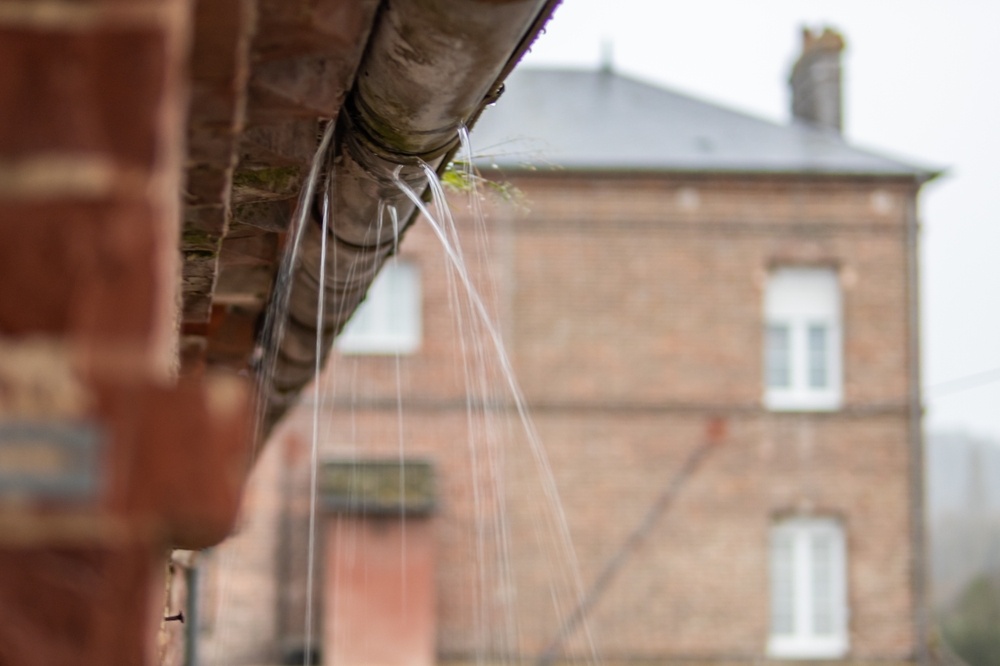
Your home’s gutter system is its first line of defense against rainwater. When functioning correctly, gutters collect water from the roof and channel it safely away from your house. However, when gutters are installed improperly, they can fail at this crucial task, leading to a cascade of problems that often culminate in significant interior water damage. Many homeowners underestimate the precision required for a successful gutter installation, viewing it as a simple weekend project. The reality is that a flawed installation can be more damaging than having no gutters at all. This comprehensive guide will explore the direct link between improper gutter installation and interior water damage. We will detail the specific installation errors that cause system failure, identify the warning signs of a faulty setup, and explain how these issues allow water to penetrate your home’s defenses. Understanding these risks is essential for protecting your property’s structural integrity and value. For homeowners in Columbia, SC, recognizing the importance of professional installation can save thousands in future repairs. The Critical Role of a Properly Installed Gutter System Before diving into the problems caused by poor installation, it’s important to understand what a correctly installed gutter system does. It’s more than just a metal trough on the edge of your roof; it’s an engineered water management system designed to protect your entire home, from the roofline to the foundation. A professional installation ensures several key factors are addressed: Correct Sizing: Gutters and downspouts are appropriately sized to handle the volume of rainfall typical for your region and the surface area of your roof. Proper Pitch: Gutters are angled precisely (or “pitched”) to use gravity, ensuring water flows smoothly towards the downspouts instead of stagnating. Secure Fastening: The system is attached securely to the fascia boards with hangers spaced correctly to support the weight of water, ice, and debris. Seamless Connections: Seams between gutter sections are sealed watertight to prevent leaks. Strategic Downspout Placement: Downspouts are positioned to efficiently drain water from the gutters and direct it a safe distance away from your home’s foundation. When all these elements are executed correctly, your gutter system effectively shields your home from the destructive power of water. When even one is done incorrectly, the system’s integrity is compromised, leaving your home vulnerable. Common Gutter Installation Mistakes and How They Cause Damage A DIY approach or hiring an inexperienced handyman for gutter installation in Columbia SC can lead to several common but critical errors. Each mistake creates a unique pathway for water to infiltrate your home. The Dangers of Incorrect Pitch One of the most frequent and damaging installation errors is setting an improper pitch. Gutters may look level from the ground, but they must have a slight, consistent downward slope toward each downspout. The standard recommendation is a slope of about one-quarter to one-half inch for every 10 feet of gutter. What Happens When the Pitch is Wrong? Standing Water: If gutters are perfectly level or, worse, pitched away from the downspout, water will pool in them instead of draining. This standing water is heavy, putting constant strain on the gutter hangers and fascia board. Over time, the weight can cause the gutters to sag or pull away from the house entirely. Stagnant water is also a breeding ground for mosquitoes, mold, and algae, which can corrode the gutters. Overflow and Backflow: During a heavy downpour, pooled water quickly fills the trough. The excess water has nowhere to go but over the edges. It will spill over the front, which causes landscape erosion, but more critically, it will overflow against the back, running down the fascia board and siding. This constant exposure to moisture leads to wood rot, paint peeling, and eventually, water seeping into the wall cavity. Ice Dams in Winter: In colder climates, standing water freezes into solid blocks of ice. As more water melts from the roof and reaches this blockage, it backs up under the shingles, where it can refreeze. This process, known as ice damming, forces water directly underneath your roof’s primary protective layer and into your attic, causing ceiling stains, ruined insulation, and interior leaks. Improperly Spaced or Weak Hangers Gutters are held in place by hangers or fasteners that attach them to the fascia board. These hangers must be strong enough and spaced correctly to support the weight of the gutter system, especially when it’s full of water or snow. The Consequences of Poor Fastening: Sagging Gutters: When hangers are spaced too far apart (typically more than three feet), the gutter section between them will sag under the weight of water. These low spots become areas where water and debris collect, exacerbating the problem and leading to overflow. Detachment from the Home: Weak or incorrectly installed fasteners can fail. Nails or screws that are too short or don’t bite into solid wood will pull loose. A gutter that detaches from the house creates a massive gap where water can pour directly against the exterior walls and foundation. In a severe storm, a detached gutter can become a projectile, causing further damage to your home or property. Fascia Board Rot: Water that overflows from sagging gutters or leaks from loose attachment points constantly soaks the fascia board. This wooden board is not designed to withstand perpetual moisture. It will begin to rot, soften, and lose its ability to hold the fasteners, leading to a complete system failure. Rotted fascia is a direct entry point for water into the eaves and attic. Leaky Seams and End Caps Sectional gutters are installed in pieces, creating seams that must be meticulously sealed with high-quality sealant. The same applies to end caps and corners. A failure at any of these connection points turns a small drip into a major problem. How Leaks Lead to Interior Damage: Concentrated Water Flow: Unlike general overflow, a leak at a seam creates a concentrated stream of water. This stream acts like a tiny but persistent hose aimed directly at your home’s exterior. It soaks the
DIY vs Professional Gutter Installation: What Homeowners Should Know
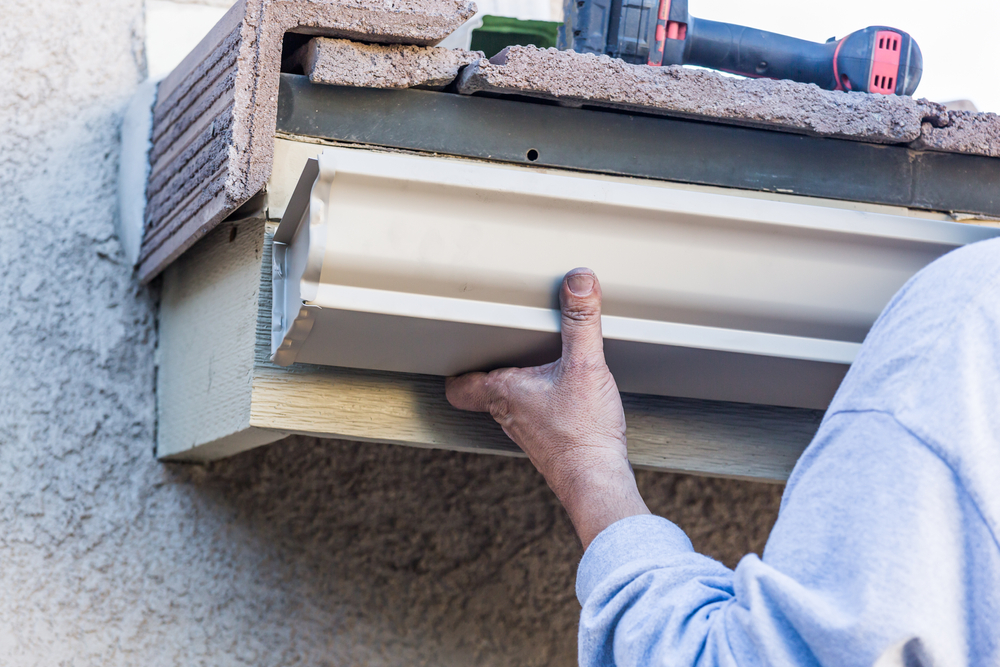
When it comes to home improvement projects, the “do-it-yourself” approach can be a rewarding way to save money and learn new skills. For many tasks, a bit of research and elbow grease is all it takes. However, some jobs carry a higher risk and require a level of precision that makes professional expertise invaluable. Gutter installation falls squarely into this category. While it may seem like a straightforward project, the difference between a DIY gutter installation and a professional one can have significant consequences for your home’s long-term health and safety. A properly installed gutter system is your home’s primary defense against water damage, protecting everything from your foundation to your roof. An improperly installed one can lead to costly repairs that far exceed any initial savings from doing the job yourself. For homeowners in areas like Columbia, SC, which experiences heavy rainfall, this decision is even more critical. So, should you grab a ladder and head to the hardware store, or should you call in the experts? This guide will provide a comprehensive comparison of DIY vs. professional gutter installation, covering the key factors every homeowner should consider before making a choice. The Allure of DIY Gutter Installation The appeal of a DIY project is undeniable. At first glance, installing your own gutters seems like a manageable task with several potential benefits that attract handy homeowners. Potential Cost Savings The most significant motivator for any DIY project is the potential to save money. By tackling the installation yourself, you eliminate labor costs, which can be a substantial portion of a professional quote. The expenses are limited to the materials—sectional gutters, downspouts, hangers, sealant, and screws—and any tools you may need to buy or rent. For a homeowner on a tight budget, this can seem like a very attractive option. A Sense of Accomplishment There is a unique satisfaction that comes from completing a home improvement project with your own two hands. Successfully installing your own gutters can be a source of pride, adding to your sense of self-reliance and competence as a homeowner. You controlled the project from start to finish and can look at the result knowing you did it yourself. Control Over the Schedule Hiring a contractor means working around their schedule. A DIY project allows you to work at your own pace, on weekends or evenings as your time allows. You aren’t waiting for a crew to show up or trying to coordinate with a company’s timeline. This flexibility is a major plus for those with busy schedules or who prefer to take their time with a project. The Hidden Realities and Risks of DIY Installation While the benefits are appealing, the reality of a DIY gutter installation is often far more complex and risky than it appears. The potential for mistakes is high, and these errors can lead to serious problems. Safety: The Number One Concern Gutter installation is inherently dangerous work. It requires spending extended periods on a ladder, often 10 to 20 feet off the ground, while handling bulky, awkward materials. According to the World Health Organization, the United States leads the world in ladder-related accidents, with over 164,000 emergency room visits each year. The risks include: Falls: A fall from that height can result in severe or fatal injuries. Reaching and leaning while trying to position a 10-foot gutter section significantly increases the risk of losing your balance. Electrical Hazards: Unseen power lines running to your house can pose a serious electrocution risk when you are working with long metal gutters. Improper Tool Use: Power tools, cutting equipment, and ladders all require proper handling to avoid injury. Professional installers are trained in safety protocols, use appropriate safety equipment like harnesses, and are fully insured. This insurance protects you, the homeowner, from liability in the event of an accident on your property. When you do the job yourself, you assume all of the risk. The Challenge of Achieving the Correct Pitch This is the most common and critical mistake in a DIY gutter installation. For water to flow properly to the downspouts, gutters must be installed with a slight, consistent downward slope, or “pitch.” The standard recommendation is a pitch of about one-quarter inch for every 10 feet of gutter. Achieving this precise angle is harder than it sounds. Too Little Pitch: If the gutter is too level, water will stagnate. This standing water breeds mosquitoes, promotes rust and corrosion, and adds significant weight that can cause the gutters to sag. Too Much Pitch: If the slope is too steep, water can flow too quickly in a heavy downpour, overshooting the downspout opening and spilling over the side. It also creates an unsightly, crooked appearance on your roofline. Professionals use specialized levels and years of experience to set the pitch perfectly, ensuring optimal water flow and drainage. Material Quality and Limitations The materials available at a typical big-box hardware store are generally intended for DIYers and are often of a lower quality than what professional gutter services use. Sectional Gutters: DIY gutters come in 10-foot sections that must be joined together with sealant. Every seam is a potential point of failure. Over time, the sealant will degrade, and these joints will inevitably leak. Thinner Gauge Metal: The aluminum or vinyl used in DIY-grade gutters is often thinner and more susceptible to denting, cracking, and damage from ladders or impacts. Limited Options: Your choice of materials, colors, and styles is often limited to what is in stock at the store. The Lack of Proper Tools and Equipment Professional gutter contractors arrive with a truck full of specialized tools that make the job safer, faster, and more precise. This includes extra-tall ladders, ladder stabilizers, specialized cutting tools, and, most importantly, a seamless gutter machine. A DIYer is typically working with basic hand tools and a standard ladder, which makes achieving a professional-quality result extremely difficult. The Advantages of Professional Gutter Installation Hiring a professional team like Cola City Roofing for your gutter installation offers
Common Signs You Need New Gutters Installed
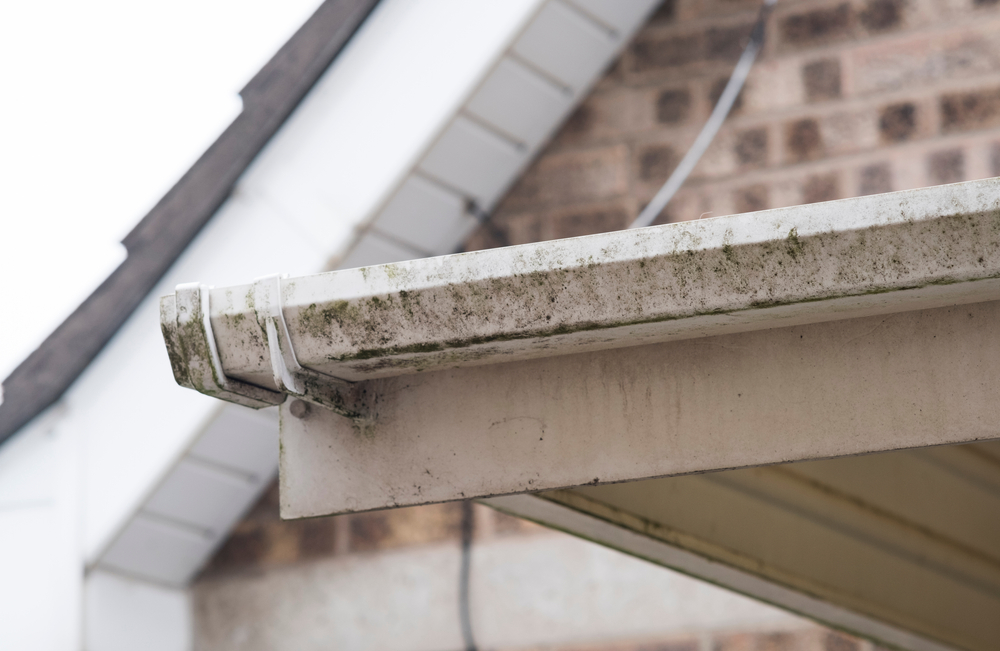
Gutters are the unsung heroes of your home’s exterior, working tirelessly to channel thousands of gallons of rainwater away from your foundation, siding, and roof. Because they operate quietly in the background, it’s easy to forget about them until a problem becomes too obvious to ignore. Unfortunately, by the time gutter issues are glaring, underlying damage may have already occurred. Recognizing the early warning signs that you need new gutters is a crucial part of proactive home maintenance that can save you from costly and extensive repairs down the road. A failing gutter system doesn’t just look bad; it compromises your home’s entire defense against water damage. That’s why comprehensive gutter services in South Carolina focus on both early detection and long-term replacement solutions. From a cracked foundation to a rotting roof structure, the consequences of neglect can be severe. Homeowners in areas with heavy rainfall, like Columbia, SC, must be especially vigilant. Knowing what to look for can help you decide whether a simple fix is sufficient or if a full gutter replacement is the necessary next step to protect your investment. This guide will walk you through the most common signs of gutter damage. By learning to spot these red flags, you can take timely action, ensuring your home remains safe, dry, and structurally sound for years to come. Visible Physical Damage to the Gutters The most straightforward signs that you need new gutters are the ones you can see with your own eyes. It’s a good practice to walk around your home periodically, especially after a storm, and inspect the condition of your gutter system. Look for these clear indicators of failure. Cracks, Holes, and Rust Spots Even small cracks or holes can render a gutter system ineffective. While a tiny crack might seem insignificant, it can allow a concentrated stream of water to escape, leading to soil erosion or siding damage. These cracks often form along seams in sectional gutters or can result from impact damage or corrosion over time. For galvanized steel gutters, rust is a major red flag. Orange or reddish-brown spots indicate that the protective coating has worn away and the metal is corroding. Rust weakens the gutter, and eventually, those spots will turn into holes. While you can sometimes patch a small area, widespread rust is a clear signal that the gutters have reached the end of their lifespan and a full gutter replacement is necessary. Sagging or Pulling Away from the House Gutters should be firmly attached to the fascia board (the board running along the roofline) and maintain a straight, even line. If you notice your gutters are sagging, bowing in the middle, or pulling away from the house, it’s a serious problem that needs immediate attention. This issue can be caused by several factors: Clogged Gutters: The sheer weight of water, wet leaves, and debris can overwhelm the hangers and cause the gutter to bend or pull loose. Failed Hangers: The fasteners that hold the gutters in place can break, corrode, or pull out from the fascia board over time. Rotten Fascia Board: If the wood behind the gutter is rotten, the hangers will have nothing solid to anchor to. A sagging gutter does not drain properly. Water will pool in the low spots, adding more weight and exacerbating the problem. Water will also spill over the sides, bypassing the downspouts entirely. While a single broken hanger might be a simple fix, widespread sagging often indicates a systemic failure that warrants installing new gutters. Broken or Missing Gutter Sections This one is hard to miss. If a section of your gutter is physically broken, dented beyond repair, or has fallen off the house completely, it’s a clear sign of a critical failure. This can happen during a severe storm with high winds or due to heavy ice and snow accumulation. A missing section leaves a large part of your roofline unprotected, allowing water to cascade down and damage your foundation and siding. This is not a situation for a minor patch; it requires immediate action. Signs of Water Damage Around Your Home Sometimes, the first clues of gutter failure aren’t on the gutters themselves but in the damage they are causing elsewhere. These signs indicate that water is not being managed correctly and is ending up where it shouldn’t. Peeling Paint on Siding or Fascia Paint is your home’s first layer of defense against moisture. When you see paint bubbling, flaking, or peeling on your exterior walls, fascia boards, or window sills, it’s often due to prolonged exposure to water. This is a classic symptom of overflowing or leaking gutters. When water constantly runs down the siding or soaks the fascia boards, it gets behind the paint and causes it to lose adhesion. This isn’t just a cosmetic issue. The underlying wood is also being saturated, which can lead to rot and structural decay. If you notice peeling paint, look up. The source is likely a clogged, leaking, or sagging gutter directly above the damaged area. Stains, Mold, or Mildew on Siding If you see dark streaks, green patches of algae, or black spots of mold on your siding, particularly below the roofline, it’s a strong indicator of overflowing gutters. This constant dampness creates the perfect environment for mold and mildew to grow. These stains are not only unsightly but can also signal a more serious moisture problem. Water can get behind the siding, leading to rot in the wall sheathing and creating a potential health hazard if mold begins to grow within your walls. A functional gutter system is essential for keeping your siding dry and clean. Water in Your Basement or Crawl Space One of the most dangerous consequences of a failed gutter system is water intrusion into your home’s lowest levels. If you find puddles, dampness, or a musty smell in your basement or crawl space after it rains, your gutters are a primary suspect. When gutters overflow or downspouts discharge water too close to
How Gutters Protect Your Foundation From Costly Water Damage
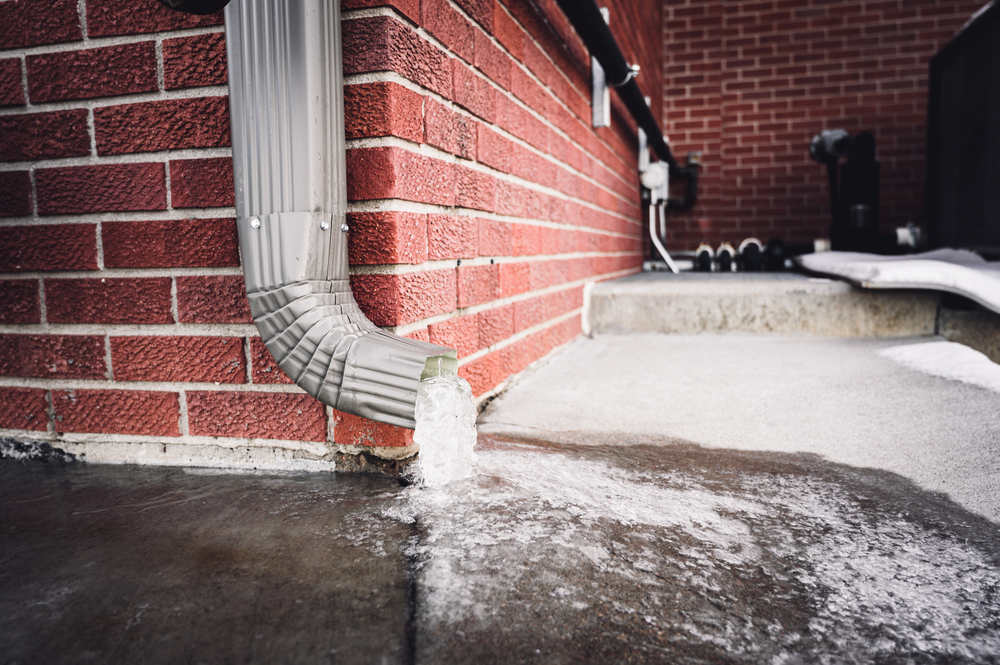
Your home’s foundation is its most critical structural component. It bears the weight of the entire house, and its stability is essential for the safety and integrity of everything built upon it. Yet, this crucial element is under constant threat from a powerful and relentless adversary: water. Uncontrolled rainwater is the number one cause of foundation problems, leading to repairs that can be extraordinarily expensive and disruptive. Fortunately, your home has a simple but powerful defense system designed specifically to combat this threat—your gutters. Many homeowners think of gutters as a minor accessory, but their role in foundation protection is paramount. A properly functioning gutter system is your first and best line of defense, collecting thousands of gallons of rainwater from your roof and directing it safely away from the vulnerable soil around your foundation. Without this system, water cascades directly to the base of your home, setting the stage for a host of devastating issues, from minor cracks to major structural failure. Understanding the direct link between your gutters and the health of your foundation can save you thousands of dollars and immense stress. At Cola City Roofing, we’ve seen countless instances where foundation damage could have been prevented with a proper gutter system. This comprehensive guide will detail exactly how gutters protect your foundation from costly water damage, especially for homeowners in regions with heavy rainfall like Columbia, SC. The Science of Water and Foundations To appreciate what your gutters do, it’s important to understand what happens when water is allowed to accumulate around your foundation. The soil surrounding your home acts like a sponge. When it becomes oversaturated, it creates two significant problems that directly threaten your foundation’s stability: hydrostatic pressure and soil erosion. Hydrostatic Pressure: The Silent Foundation Killer Hydrostatic pressure is the force exerted by a fluid at rest due to gravity. In the context of your home, it’s the immense pressure that waterlogged soil exerts against your foundation walls. The soil in many parts of the country, including the Columbia, SC area, is rich in clay. Clay-based soil is known for being “expansive,” which means it swells dramatically when it absorbs water and shrinks as it dries out. Here’s how the process unfolds without a proper gutter system: Intense Saturation: During a heavy rainstorm, water pours off your roof and collects in the soil directly against your foundation. Soil Expansion: The clay soil absorbs this water and expands, pressing inward on your basement or crawl space walls with incredible force. A cubic foot of water weighs over 62 pounds, and saturated soil can exert thousands of pounds of pressure per square foot. Cracking and Bowing: Concrete and masonry foundations are strong under vertical compression but are not designed to withstand this constant lateral pressure. Over time, the walls can begin to bow inward and develop vertical or stairstep cracks. Water Intrusion: Once cracks form, they become pathways for water to seep into your basement or crawl space, leading to flooding, moisture problems, and mold growth. A professional gutter installation is the most effective way to prevent this cycle. By capturing rainwater at the roofline and channeling it away from the home, gutters keep the soil around the foundation from becoming oversaturated, thereby neutralizing the threat of hydrostatic pressure. Soil Erosion and Foundation Settling The second major threat is soil erosion. The force of water cascading from your roof can easily wash away the soil that supports your foundation. This might not seem like a big deal initially, but over time, it can lead to serious structural problems. When the soil supporting a section of your foundation is eroded, it creates a void. The foundation is no longer evenly supported and can begin to “settle” or sink into this unstabilized area. This is known as differential settlement, and it places enormous stress on your home’s entire frame. Signs of foundation settling are often visible throughout the house and include: Large, diagonal cracks in interior drywall, particularly above door and window frames. Doors and windows that become difficult to open or close because their frames are no longer square. Sloping or uneven floors. Cracks in the exterior brickwork or the concrete foundation slab itself. Repairing a settled foundation is a complex and costly process that often involves underpinning—installing piers deep into the ground to provide new support. By preventing soil erosion at the base of your home, a functional gutter system provides essential foundation protection and helps you avoid these catastrophic repair scenarios. How a Gutter System Provides Total Water Management A complete gutter system is more than just the horizontal troughs along your roofline. It’s an engineered solution for water management that consists of several key components working together to protect your foundation. Gutters: The Collection Channel The primary role of the gutters themselves is to catch every drop of water that runs off your roof. To do this effectively, they must be sized correctly. A roof in a rainy climate like Columbia’s requires a system that can handle a high volume of water. An undersized gutter will be quickly overwhelmed during a downpour, leading to overflows that defeat the purpose of the system. A professional will calculate the required gutter size (typically 5-inch or 6-inch) based on your roof’s square footage and pitch. Downspouts: The Vertical Pathway Downspouts are the vertical pipes that carry the collected water from the gutters down to the ground. The number and placement of downspouts are critical. Too few downspouts will create a bottleneck, causing water to back up and overflow the gutters. Professionals strategically place downspouts to ensure efficient drainage from all sections of the roof. Extensions and Splash Blocks: The Final Discharge This is perhaps the most critical—and most often neglected—part of the system for foundation protection. The downspout’s job is not finished when it reaches the ground. If it simply discharges water at the base of your foundation, it’s only concentrating the problem in one spot. To be effective, downspouts must have extensions that carry
Why Proper Gutter Installation Is Critical for Homes in Columbia, SC
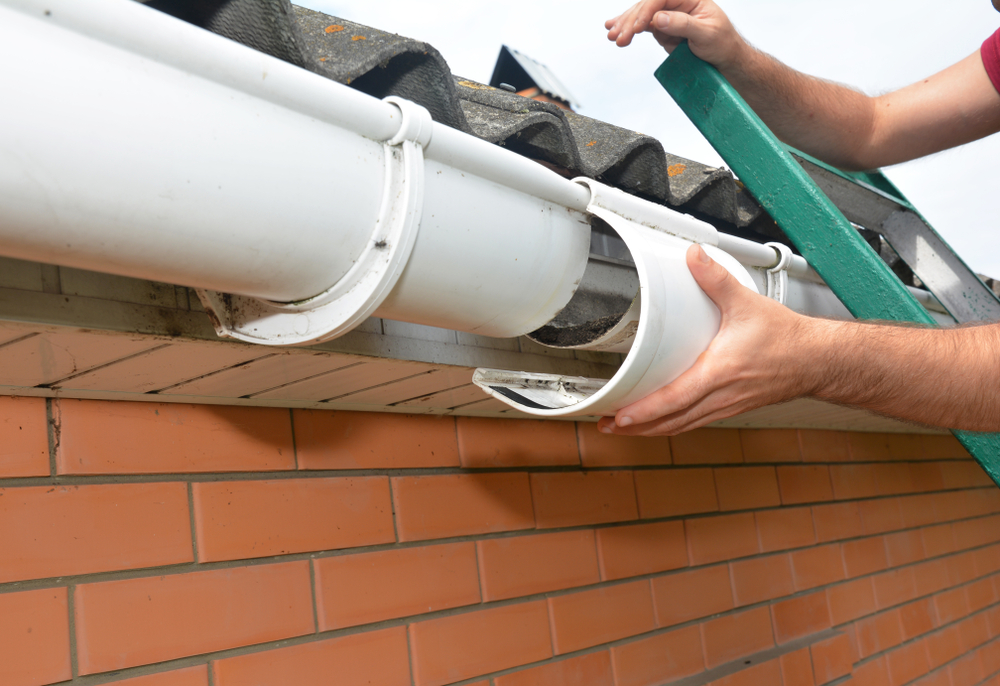
Living in Columbia, South Carolina, means enjoying beautiful, warm weather, but it also means preparing for significant rainfall. The region is known for its humid subtropical climate, which brings heavy downpours and thunderstorms, particularly during the summer months. All that water needs a safe place to go, and for your home, that means a high-quality, properly installed gutter system. Many homeowners overlook their gutters, seeing them as a minor detail. However, these simple channels are one of the most critical components protecting your home from extensive and costly water damage. An inadequate or improperly installed gutter system can lead to a cascade of problems, turning a simple rain shower into a threat against your home’s foundation, roof, and landscaping. In a climate like Columbia’s, the sheer volume of water a roof must handle makes professional gutter installation not just a good idea, but an essential part of responsible homeownership. It’s a proactive investment in your property’s health and longevity. At Cola City Roofing, we have witnessed the devastating effects of failed gutter systems across the Midlands. From flooded basements to cracked foundations, the damage is often preventable. This guide will explain why proper gutter installation is so critical for homes in Columbia, SC, detailing the specific risks our local climate poses and how a professional installation provides the ultimate line of defense for your most valuable asset. The Unique Challenges of Columbia’s Climate To understand the importance of gutters in Columbia, SC, we first need to look at the local weather patterns. Our city receives about 45 inches of rain per year, which is higher than the national average. More importantly, this rainfall often comes in the form of intense, short-duration storms that can dump a massive amount of water in a very brief period. Intense Rainfall and Water Volume A one-inch rainstorm might not sound like much, but consider the math. For an average 2,000-square-foot roof, a single inch of rain translates to approximately 1,240 gallons of water. During a heavy summer thunderstorm that drops two or three inches of rain, your roof could be shedding over 3,700 gallons of water. Without a functional gutter system, all of this water has to go somewhere. It will sheet off your roofline in uncontrolled torrents, saturating the ground directly around your home. This is where the problems begin. A gutter system designed for a drier climate simply won’t be able to handle this volume, leading to overflows that are just as damaging. Homes in Columbia require a system specifically designed to manage our region’s high-intensity rainfall. High Humidity and Its Effects Columbia’s high humidity creates an environment where mold, mildew, and algae thrive. When water is allowed to pool or constantly dampen surfaces, it creates the perfect breeding ground. Overflowing or leaking gutters contribute directly to this issue by keeping your siding, fascia boards, and foundation perpetually moist. This not only leads to unsightly green and black stains but also promotes wood rot and can introduce harmful mold spores into your home’s air supply, posing a health risk to your family. Protecting Your Foundation: The Most Critical Job The number one reason proper gutter installation is non-negotiable in Columbia is to protect your home’s foundation. Your entire house rests on this structure, and any compromise to its integrity can lead to catastrophic and expensive failures. The clay-rich soil common in the Midlands adds another layer of risk. The Threat of Hydrostatic Pressure on South Carolina Soil The soil around Columbia and throughout the Midlands often has a high clay content. Clay soil is expansive, meaning it swells significantly when it absorbs water and shrinks as it dries. When thousands of gallons of water from your roof saturate this soil, it expands and exerts immense force against your foundation walls. This is known as hydrostatic pressure. Over time, this relentless pressure can cause foundation walls to bow, crack, and shift. Water then exploits these new cracks, leading to leaks in your basement or crawl space. A professionally installed gutter system is designed to collect all the water from your roof and channel it through downspouts, discharging it a safe distance away from your home. This keeps the soil around your foundation stable, preventing the cycle of swelling and shrinking that leads to structural damage. Preventing Foundation Cracks and Settling When water erodes the soil around and under your foundation, it creates voids. The foundation, no longer evenly supported, can begin to settle or sink into these gaps. This uneven settling puts immense stress on your home’s structure. Telltale signs of foundation settling include: Cracks in exterior brickwork or interior drywall, especially over doorways and windows. Doors and windows that stick or no longer close properly. Floors that become sloped or uneven. Visible cracks in the concrete foundation itself. Repairing a settled foundation is an invasive and extremely expensive process, often costing tens of thousands of dollars. Proper gutter installation in Columbia, SC is one of the most effective and affordable ways to prevent this scenario by controlling water flow and maintaining soil stability around your home. Safeguarding Your Roof, Siding, and Exterior While the foundation is the primary concern, a faulty gutter system also inflicts significant damage on the rest of your home’s exterior. Water that isn’t properly managed becomes a destructive force. The Dangers of Clogged Gutters and Ice Dams Gutters clogged with leaves, pine straw, and other debris are a common problem in our tree-lined neighborhoods. When gutters are blocked, rainwater has nowhere to go. It backs up, overflowing the sides and, more dangerously, sitting against the edge of your roof. This standing water will seep under your shingles and saturate the underlying roof decking and fascia boards (the boards to which the gutters are attached). This leads to wood rot, which weakens the roof’s structure and can cause leaks into your attic and home. While severe winters are not the norm in Columbia, we do experience freezing temperatures. When water backed up in a clogged gutter freezes, it
What Does Professional Gutter Installation Really Protect on Your Home?
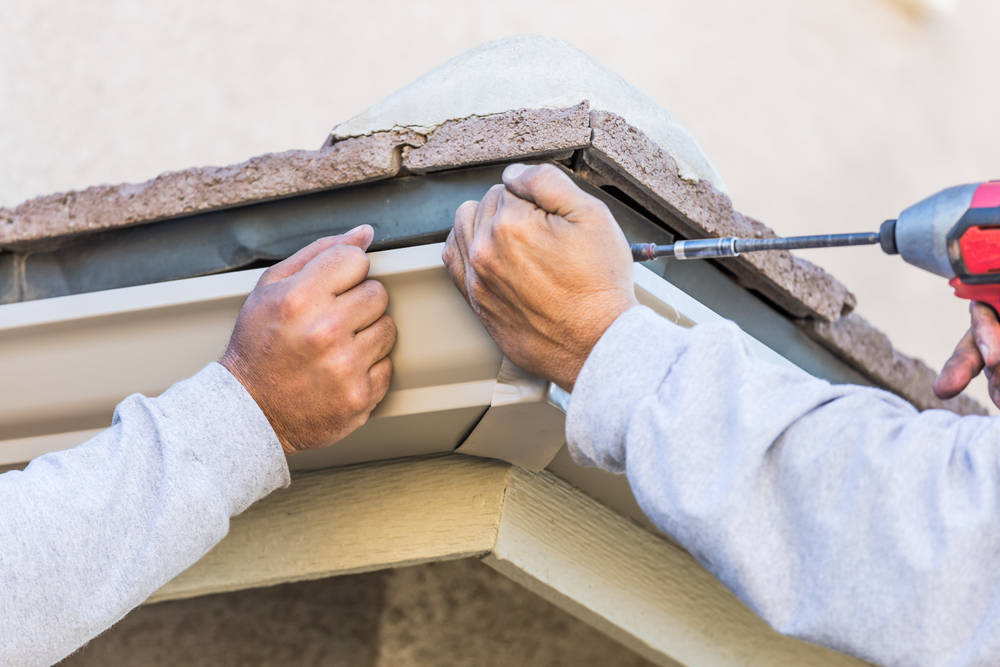
Gutters are one of the most underappreciated components of a home’s exterior. Many homeowners see them as simple channels for rainwater, but their role is far more critical. A properly installed gutter system is a frontline defense, safeguarding your home from a surprising array of potential damages. When you invest in professional gutter installation, you are not just buying metal troughs and downspouts; you are purchasing comprehensive protection for your most valuable asset. This system works tirelessly to manage the flow of thousands of gallons of water off your roof each year. Without it, that water would cascade down your walls, pool around your foundation, and wreak havoc in ways you might not expect. From preserving your home’s structural integrity to protecting your beautiful landscaping, the benefits of a high-quality gutter system are extensive. Understanding what your gutters truly protect can change your perspective from seeing them as a simple accessory to recognizing them as an essential part of your home’s defense network. At Cola City Roofing, we’ve seen firsthand the costly consequences of failed or non-existent gutter systems. Our goal is to help homeowners in Columbia, SC, and surrounding areas understand the importance of this crucial element. This detailed guide will explore everything that professional gutter installation protects, demonstrating why it is a wise and necessary investment for long-term home protection. Your Home’s Foundation: The First Line of Defense The single most important job of your gutter system is to protect your home’s foundation. The foundation is the bedrock upon which your entire house rests. If it becomes compromised, the structural integrity of the whole building is at risk. Water is the foundation’s primary enemy, and a functional gutter system is its greatest ally. Preventing Soil Erosion and Hydrostatic Pressure When rainwater flows freely from your roof, it saturates the soil directly adjacent to your foundation. This oversaturation leads to two major problems: soil erosion and hydrostatic pressure. Soil Erosion: The constant deluge of water washes away the soil that supports your foundation. As this supportive soil erodes, the foundation can begin to settle or shift unevenly. This settling can cause significant structural issues, including large cracks in your foundation walls, floors, and even the interior drywall of your home. You might notice doors and windows that no longer open or close properly, or floors that slope. These are often signs of foundation movement, which can be incredibly expensive to repair. Hydrostatic Pressure: When the soil around your foundation becomes waterlogged, it expands and exerts immense pressure against the foundation walls. This is known as hydrostatic pressure. Concrete foundations, while strong, are not designed to withstand this constant lateral force. Over time, this pressure can cause the foundation walls to bow inward, crack, or even collapse in extreme cases. Water can then seep through these cracks, leading to a wet or flooded basement or crawl space. A professional gutter installation directs water away from this critical zone, ensuring the soil remains stable and pressure does not build up. Mitigating Basement and Crawl Space Flooding For homes in Columbia, SC, with basements or crawl spaces, uncontrolled rainwater is a direct threat. Water that pools around the foundation will inevitably find the path of least resistance. This means it will exploit any small cracks or joints in the foundation walls and seep inside. A wet basement or crawl space is more than just a nuisance. It creates a perfect breeding ground for mold and mildew, which can pose serious health risks to your family. The moisture can damage stored items, ruin flooring and drywall, and lead to wood rot in the structural supports of your home, such as floor joists and support beams. Professional gutter installation ensures that water is channeled through downspouts and discharged a safe distance from your home—typically at least 5-10 feet away—drastically reducing the risk of water intrusion and the associated costly repairs. If you suspect water is already causing problems, a professional inspection can determine the source. Protecting Your Roof and Siding While gutters are attached to your roofline, they also play a vital role in protecting the roof itself, as well as your home’s siding. Without a system to manage runoff, water becomes a destructive force against these exterior surfaces. Preventing Roof Damage and Rot When gutters become clogged with leaves, twigs, and other debris, they can no longer function. Water that should be flowing away from your home backs up and overflows. This standing water sits along the edge of your roof, seeping underneath the shingles and into the roof decking. This constant exposure to moisture can cause the wooden roof deck and fascia boards (the boards behind the gutters) to rot and deteriorate. Rotting wood weakens the roof structure, making it susceptible to further damage and leaks. In winter, this backed-up water can freeze, creating ice dams. As the ice expands, it can lift shingles, pry open seams, and create significant gaps where water can penetrate when the ice melts. A well-maintained gutter system, part of a comprehensive roofing plan, is crucial for preventing this cycle of damage. Should you notice issues, prompt gutter repair services can prevent small problems from becoming major ones. Safeguarding Siding, Windows, and Doors When water overflows from clogged gutters or simply runs off an unguttered roof, it cascades down the side of your house. This constant flow of water can cause significant damage to your siding, regardless of the material. Wood Siding: Becomes saturated, leading to rot, warping, and peeling paint. Vinyl Siding: Can develop stains, mold, and mildew growth in the crevices. Water can also get behind the vinyl, damaging the sheathing underneath. Brick and Stone: While durable, the mortar joints can erode over time from constant water exposure, weakening the structure. Water can also cause discoloration and efflorescence (salty white deposits). This cascading water also affects your windows and doors. It can seep into the frames, causing the wood to rot and swell, which makes them difficult to operate. The seals around windows and
Fall Gutter Maintenance Checklist for South Carolina Homeowners

In South Carolina, fall is arguably the most beautiful time of year. The humidity finally breaks, the air gets crisp, and the trees across the Midlands put on a spectacular show of red, orange, and gold. But for homeowners in Columbia, that beauty comes with a catch. As the leaves drop, they have to go somewhere—and far too often, they end up clogging your gutters. While it’s tempting to spend your autumn weekends watching football or enjoying the State Fair, ignoring the leaves piling up on your roof is a risky gamble. Fall is the pivotal season for exterior home maintenance. As part of a broader seasonal gutter maintenance strategy, fall preparation is especially critical in the Midlands. It is the bridge between the heavy rains of summer and the freezing temperatures of winter. If your gutter system isn’t ready to handle the transition, you could be setting your home up for water damage that won’t become obvious until it’s too expensive to ignore. At Cola City Roofing, we treat fall gutter maintenance as one of the most critical services we discuss with our neighbors. We know that a clean, functioning gutter system is the first line of defense against roof rot, foundation issues, and basement leaks. To help you navigate this season, we’ve put together a comprehensive, practical checklist designed specifically for South Carolina homes. Whether you plan to tackle the job yourself or hire a professional, understanding what needs to be done will help keep your home safe and dry all season long. Why Fall Is the Most Important Season for Gutter Maintenance in SC You might think spring is the big season for rain, but fall in South Carolina presents a unique set of challenges. We often deal with the tail end of hurricane season, bringing tropical moisture well into October and November. When you combine that heavy rainfall with the sheer volume of organic debris falling from our trees, you create a “perfect storm” for gutter failure. That’s why dependable gutter services in South Carolina focus heavily on fall preparation before winter moisture sets in. Fall gutter maintenance in SC isn’t just about tidiness; it’s about capacity. Your gutters are designed to move a specific volume of water. When they are half-full of pine straw and oak leaves, their capacity is cut in half, just when you might need it most. How Falling Leaves and Autumn Rain Stress Your Gutters The trees in the Midlands—specifically our massive oaks and ubiquitous pines—don’t drop their leaves all at once. It’s a slow, steady accumulation that can last from October through December. This creates a layering effect in your gutters. First, the lighter broad leaves fall. Then, the heavy, needle-like pine straw drops, weaving itself into a dense mat. Finally, autumn rains come along and soak this mixture. What you end up with is a heavy, wet sludge that sits in the bottom of your gutter trough. This sludge does two things. First, it creates a physical dam that blocks water flow, causing overflows. Second, it adds immense weight to the system. A gutter full of wet leaves can weigh hundreds of pounds. This puts incredible strain on the hangers and the fascia board. If this wet debris is allowed to sit there as temperatures drop, it can freeze, turning your gutters into heavy blocks of ice that pull away from the roofline. Addressing this buildup during the fall—not waiting until winter—is the only way to prevent this stress. A Simple Fall Gutter Checklist That Helps Prevent Winter Damage Knowing you need to maintain your gutters is one thing; knowing exactly what to look for is another. We believe in keeping things simple and actionable. You don’t need to be a roofing expert to protect your home; you just need a plan. Here is the checklist we recommend every homeowner in Columbia runs through before the first frost hits. Remove Leaves and Debris Before They Build Up The most obvious step is cleaning, but timing and technique matter. Don’t wait until the very last leaf has fallen. By then, the bottom layer of debris has already started to decompose and rot. The Strategy: Plan for two cleanings: a “light” clean in mid-October to keep the flow moving, and a “deep” clean in late November or early December once the trees are bare. The Process: When you (or a pro) get up there, remove the bulk debris by hand or with a scoop. Don’t just blow it out with a leaf blower if it’s wet; that just packs the mud tighter into the corners. You need to physically remove the muck. Pay special attention to the corners (miters). This is where debris tends to snag and build up. Also, look out for “shingle grit.” As your roof ages, the granules on the shingles wash off. They are heavy and settle in the bottom of the gutter like sand. This grit accelerates corrosion on metal gutters and needs to be flushed out completely. Safety Note: If you are doing this yourself, ladder safety is paramount. Make sure your ladder is on solid, level ground. If you have a steep roof or a multi-story home, we strongly recommend calling a professional. No amount of money saved is worth a fall. Check for Sagging, Leaks, or Loose Fasteners Once the debris is gone, you can actually see the condition of the gutters. Fall is the best time to perform a visual inspection because the damage from summer heat and storms is fresh. What to Look For: Sagging: Look at the gutter line from the ground. Does it dip in the middle? Sagging usually means the spikes or hangers have pulled loose from the fascia board. If water sits in that low spot, it will rust the gutter and rot the wood behind it. Loose Fasteners: South Carolina heat causes metal to expand and contract, which can wiggle nails loose over time. If you see nail heads sticking out, they need to be