
How Custom-Fit Gutters Protect Your Home Better
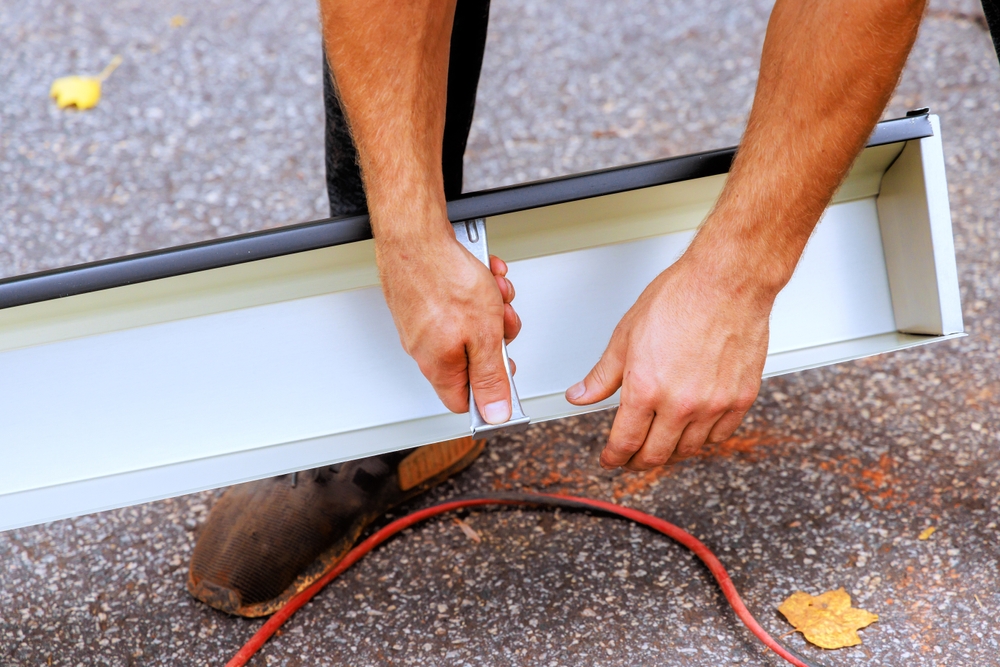
Water is arguably the most destructive natural force your home will ever face. It carves canyons out of rock, and given enough time and opportunity, it can carve a path of destruction through your home’s foundation, siding, and roof. The primary defense against this relentless adversary is a deceptively simple system: your gutters. However, not all gutters are created equal. Walk into any big-box hardware store, and you will see shelves stacked with “one-size-fits-all” sectional gutter pieces. While these might seem like a convenient DIY solution, they often fail to provide the robust protection your biggest investment requires. The superior alternative is custom-fit gutters, often referred to as seamless gutters. These are not pulled off a shelf; they are manufactured precisely for your home’s unique dimensions. This difference is not just about aesthetics—it is about structural integrity and long-term defense. In this comprehensive guide, we will explore exactly how custom-fit gutters provide a higher level of security for your property. We will delve into the mechanics of water damage, the specific failures of sectional systems, and why investing in a custom solution is one of the smartest decisions a homeowner can make. The Science of Water Management To understand why custom-fit gutters are superior, we first need to understand what happens when water management fails. When it rains, your roof acts as a massive catchment area. A 2,000-square-foot roof can collect over 1,200 gallons of water during a one-inch rainstorm. That is nearly five tons of water that needs to be moved from the top of your house to a safe discharge point away from your foundation. If your gutter system is ill-fitting, leaking, or clogging, that water has to go somewhere else. It follows gravity, taking the path of least resistance. Unfortunately, that path usually leads directly into the vulnerable parts of your home structure. The Consequences of Poor Drainage Foundation Erosion: Water pooling at the base of your home softens the soil, leading to settling, cracks in the foundation, and structural instability. Basement Flooding: Hydrostatic pressure builds up against foundation walls, forcing water through microscopic cracks and into your basement or crawlspace. Siding Rot: Water spilling over the back or front of a gutter soaks fascia boards, soffits, and siding, creating the perfect environment for wood rot and mold. Landscape Destruction: Heavy waterfalls from overflowing gutters can wash away mulch, kill expensive plants, and create unsightly trenches in your lawn. Custom-fit systems are engineered specifically to prevent these scenarios by ensuring that 100% of that roof runoff is captured and controlled. The Flaw of Sectional Gutters: The Seam The primary weakness of traditional DIY gutters is the seam. Sectional gutters come in pre-cut lengths, usually 10 feet. To span a 50-foot roof edge, you must join five separate pieces together using connectors and sealant. Every single one of those connection points is a potential failure zone. Sealant Degradation: The mastic or silicone used to seal the joints will eventually dry out, crack, or peel due to exposure to UV rays and temperature fluctuations. Thermal Expansion: Metal expands in summer heat and contracts in winter cold. In a sectional system, these independent pieces pull against each other at the seams, eventually breaking the seal. Snag Points: Inside the gutter, the ridges created by the connectors act as speed bumps for debris. Leaves, pine needles, and twigs catch on these ridges, starting a blockage that grows with every rainstorm. Seamless gutters eliminate this weakness entirely. Because they are fabricated in one continuous piece to match the exact length of your eaves, there are no joints to leak or catch debris. This seamless design is the cornerstone of superior gutter protection. Precision Engineering for Your Home A house is not a perfect geometric box. Rooflines settle, eaves have subtle bows, and corners aren’t always perfect 90-degree angles. A “custom-fit” approach accounts for these realities in ways that standard kits cannot. Exact Measurements When you hire professionals for gutter installation services, they measure your home down to the inch. This precision ensures that the gutter runs from corner to corner without unsightly gaps or awkward overlaps. Customized Pitch This is perhaps the most critical aspect of protection. For a gutter to work, it must slope slightly toward the downspouts. If the pitch is too steep, it looks terrible. If it is too shallow, water pools in the gutter, leading to corrosion and mosquito breeding. Achieving the perfect pitch—usually about 1/4 inch per 10 feet—requires professional skill. On a custom installation, this slope is calculated and executed flawlessly across long runs. In contrast, trying to maintain a consistent pitch across five or six separate sections of DIY gutters is nearly impossible for the average homeowner. The result is often “bird baths” of standing water that weigh down the system and cause it to pull away from the fascia. Tailored Capacity Not all roofs shed water at the same rate. A steep metal roof will send water shooting into the gutters with high velocity, while a flat asphalt roof sheds it more slowly. 5-Inch Gutters: Standard for most homes. 6-Inch Gutters: Essential for large, steep, or complex roofs. A custom-fit assessment determines the volume of water your roof generates. If a standard 5-inch gutter would be overwhelmed by a heavy storm, a professional will recommend a 6-inch custom-fit system. This prevents the “waterfall effect” where water simply overshoots the gutter during a downpour, rendering the system useless. Protecting the Roof and Fascia We often think of gutters protecting the ground (foundation and landscaping), but custom-fit gutters play a vital role in protecting the roof edge itself. The Drip Edge Dynamic The drip edge is a piece of metal flashing that slides under the shingles and hangs over the edge of the roof. Its job is to direct water into the gutter. If the gutter is hung too low or too far away from the fascia—common issues with poor DIY installations—water can wick back up behind the gutter. This “blowback” water rots the fascia
Seamless Gutters for New Construction vs Existing Homes
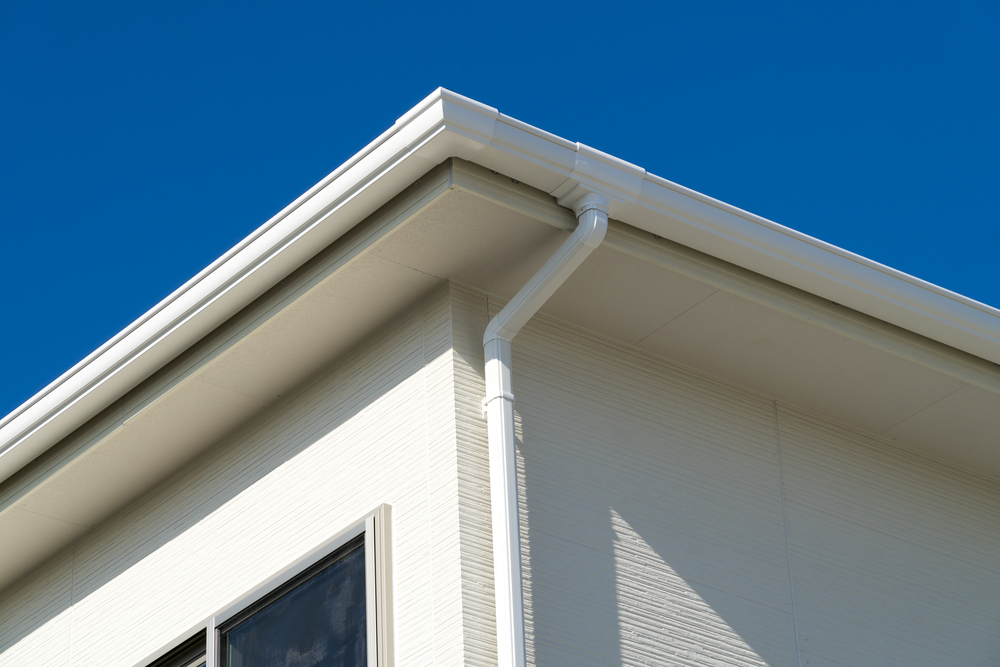
Every home, whether it is currently just a set of blueprints on a builder’s desk or a historic property that has stood for a hundred years, faces the same enemy: water. Uncontrolled rainwater is the single most destructive force for residential properties. It erodes foundations, rots fascia boards, floods basements, and ruins landscaping. The solution is a robust gutter system. Today, seamless gutters are widely recognized as the superior choice for water management due to their durability, lack of leak-prone seams, and aesthetic appeal. However, the path to installing them differs significantly depending on the stage of the home’s life. You can explore how seamless systems fit into a complete exterior drainage strategy in our guide to gutter services in South Carolina. Installing new construction gutters involves a different set of logistics, timelines, and considerations compared to a gutter replacement project on an existing home. In this comprehensive guide, we will explore the unique challenges and advantages of both scenarios. Whether you are building your dream home from scratch or upgrading the house you have lived in for decades, understanding these differences will help you make the best decision for your property. The Universal Need for Seamless Gutters Before diving into the differences, it is important to establish why seamless gutters are the standard for both new and existing homes. Traditional sectional gutters—the kind you buy in 10-foot pieces at a hardware store—are plagued by seams. Every place two sections connect is a weak point. Over time, the sealant degrades, screws rust, and the seams leak. Seamless gutters are different. They are fabricated on-site using a specialized machine that extrudes the metal to the exact length of your roofline. A 40-foot roof edge gets a single 40-foot gutter. No seams means no leaks. We compare the two systems side-by-side in our guide on seamless gutters vs traditional gutters. Regardless of whether the house is brand new or 50 years old, the benefits of seamless technology remain constant: Leak Prevention: Water is carried safely to the downspouts without dripping through gaps. Aesthetics: Smooth lines that blend with the home’s architecture. Low Maintenance: Fewer ridges inside the gutter means less debris gets trapped. Custom Fit: Every piece is measured and cut for that specific home. Now, let’s look at how the application differs between building a new home and renovating an existing one. If you want a deeper breakdown of how they’re built and why they outperform sectional systems, read what seamless gutters are and why homeowners love them. Part 1: Seamless Gutters for New Construction Building a new home is an exciting, albeit stressful, orchestration of contractors, schedules, and materials. The gutter system is often one of the final pieces of the exterior puzzle, but its planning should start much earlier. Especially in our climate, it’s important to understand why seamless gutters are ideal for South Carolina weather. 1. Integration with the Design Phase One of the massive advantages of new construction gutters is the ability to plan them into the architecture. Fascia Design: Architects can design the fascia boards specifically to accommodate the size and style of gutters you want. For example, if you are building a large home with a steep roof pitch that requires 6-inch gutters to handle the water volume, the builder can ensure the fascia is wide enough to support them securely. Downspout Placement: In an existing home, you are often stuck putting downspouts where they fit best or where the old ones were. In new construction, you can plan the drainage system underground. You can bury drainage pipes before the final landscaping is done, allowing the downspouts to feed directly into an underground French drain or dry well. This keeps water management completely invisible and highly effective. Color Coordination: You aren’t trying to match a faded siding color. You are choosing the gutter color at the same time you choose your siding, trim, and roof colors, ensuring a perfect, cohesive palette from day one. 2. The Logistics of Installation Installing gutters on a new build is generally cleaner and faster than retrofitting, but it requires strict coordination. Access is Easier: Typically, there is no landscaping to worry about. No rose bushes to step over, no delicate flower beds to avoid. The ground is usually rough grade, allowing installers to move ladders and equipment freely without fear of damaging property. Pristine Surfaces: The fascia boards are brand new. There is no rot to discover, no old nail holes to fill, and no peeling paint to scrape. This guarantees a solid, secure attachment for the hangers. Timing is Critical: The gutters usually go up after the roof and siding are finished but before the final landscaping. If they go up too early, they might get damaged by other trades (like painters or window installers). If they go up too late, the first rainstorm could ruin the fresh grading around the foundation. 3. Cost Considerations for New Construction Generally, installing seamless gutters on a new home can be slightly more cost-effective per linear foot compared to a retrofit, simply because there is no demolition involved. No Removal Costs: The crew doesn’t have to spend hours taking down and disposing of old, rusty gutters. No Repair Costs: There are no surprise carpentry fees for replacing rotted wood behind the gutters. However, builders often include gutters as an “allowance” in the contract. It is crucial for homeowners to ensure that this allowance covers high-quality seamless aluminum (or copper) gutters, not cheap vinyl sectional ones. Always specify seamless gutters in your building contract. 4. Protecting the Investment from Day One The most significant benefit of installing seamless gutters during new construction is that the home is protected from the very first rainfall. Foundation Protection: A new foundation needs to settle. If water pools around it immediately because there are no gutters, it can cause uneven settling and cracks before you even move in. Basement Dryness: Keeping the basement dry during the final phases of construction is vital to prevent mold
The Installation Process for Seamless Gutters Explained
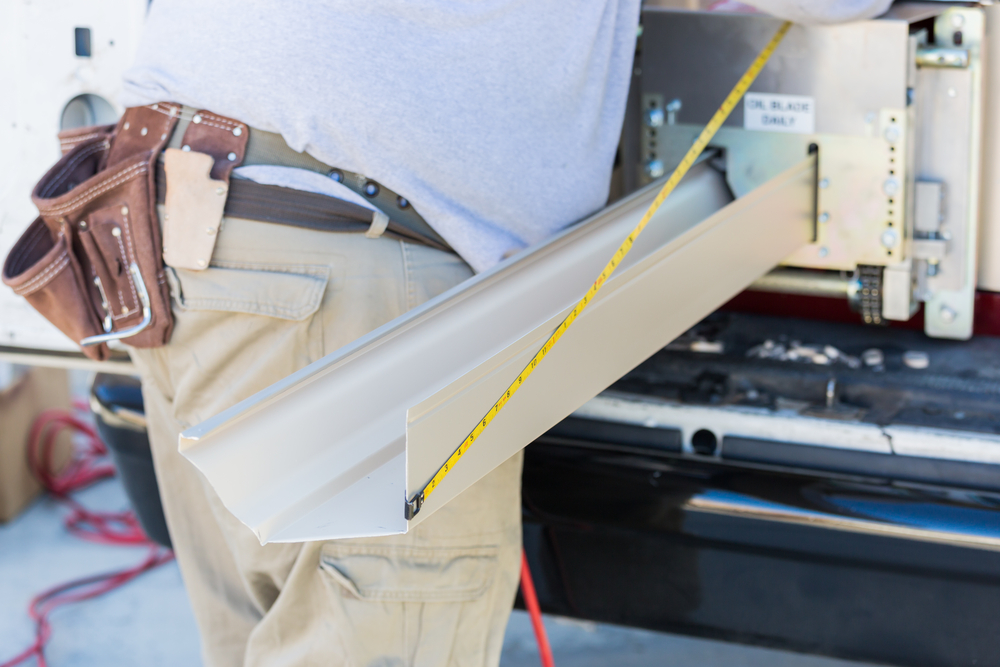
Most homeowners don’t think about their gutters until there is a problem. A waterfall cascading over the front door during a storm or a basement that suddenly smells damp are usually the first signs that your water management system has failed. When the time comes to replace that system, seamless gutters are widely considered the gold standard for durability and aesthetics. But what actually happens during the seamless gutter installation process? Unlike traditional sectional gutters that you can buy in pieces at a home improvement store, seamless gutters are a custom-manufactured product. They require specialized machinery, precise measurements, and a level of expertise that goes beyond the average DIY project. In this comprehensive guide, we will walk you through the entire gutter installation process, from the moment you pick up the phone to the final cleanup. We will demystify how these custom-fit gutters are created right in your driveway and explain why professional installation is critical for protecting your home’s foundation and roof. Step 1: The Initial Consultation and Assessment Every successful home improvement project begins with a plan. You cannot simply show up with a roll of aluminum and start hanging gutters. The first step is a thorough evaluation of your home’s specific needs. Evaluating the Existing System When a professional estimator arrives at your property, they start by looking at what is currently there. Are the old gutters sagging? Is the fascia board behind them rotted? Are the downspouts placed in areas that cause water to pool near the foundation? Identifying these issues early is crucial. If the fascia board (the wooden board that runs along the roofline) is soft or rotting, it cannot support the weight of new gutters. Installing new metal over bad wood is a recipe for disaster. A reputable installer will always check for structural integrity before planning the new system. Measuring the Roofline Precision is everything in seamless gutter installation. The installer will measure the exact length of every roof edge where gutters will be placed. Because seamless gutters are extruded in one continuous piece, these measurements need to be exact. There is no “cutting it short and adding a piece later” without compromising the integrity of the seamless design. Determining Water Volume Needs Not all roofs shed water the same way. A steep, expansive metal roof will shed water much faster and with more force than a flat, asphalt shingle roof. The estimator will calculate the square footage of the roof area and the pitch to determine the size of the gutter needed. 5-inch gutters: The standard for most residential homes. 6-inch gutters: Often necessary for larger roofs, steep pitches, or areas with heavy rainfall. Choosing the right size is a critical part of the gutter installation process to ensure your system doesn’t overflow during heavy storms. Color and Material Selection This is the fun part. You will get to choose the color and material that best complements your home. While white is traditional, many homeowners opt for colors that match their trim or siding to make the gutters blend in seamlessly. Materials usually include aluminum (the most popular), copper, or steel. If you are unsure what your home needs, our team at Cola City Roofing can guide you through our gutter installation services to find the perfect match for your aesthetic and budget. Step 2: Preparation and Removal of Old Gutters Once the plan is set and the quote is accepted, the installation crew arrives. The first order of business is usually “out with the old.” Careful Removal Removing old gutters isn’t just about ripping them off the house. It requires care to avoid damaging the roof shingles, the drip edge, or the siding. The crew will unscrew the hangers and carefully lower the old sections to the ground. Inspecting the Fascia and Soffit This is the moment of truth. With the old gutters gone, the fascia board is fully exposed. The installers will do a final check for rot, mold, or damage. Minor repairs: Sometimes, a small area of wood needs to be replaced or reinforced. Major rot: If significant damage is found, work may pause briefly to replace the fascia board. It is vital to have a solid nailing surface for the new system. Correcting the Drip Edge The drip edge is a metal flashing that sits under the shingles and hangs over the edge of the roof. Its job is to direct water into the gutter, not behind it. If the existing drip edge is damaged or missing, water can wick back up under the shingles or run down behind the gutter, rotting the fascia. Installers will ensure the drip edge is positioned correctly before proceeding. Step 3: On-Site Fabrication – The “Seamless” Magic This is the step that sets seamless gutter installation apart from traditional methods. Instead of a truck full of pre-cut 10-foot sections, the crew arrives with a specialized machine trailer. The Gutter Machine Inside the truck or trailer is a portable roll-forming machine. It holds a large coil of flat metal (usually aluminum) in the color you selected. Feeding the Coil: The flat metal is fed into one end of the machine. Roll Forming: As the metal passes through a series of rollers, it is bent and shaped into the gutter profile (usually the “K-style” profile). Custom Lengths: The machine continues to extrude the gutter until it reaches the exact length required for a specific section of your roof. Cutting: Once the precise length is reached, the installer uses a guillotine-style cutter to slice the gutter cleanly. Why On-Site Fabrication Matters By manufacturing the gutters at your home, the installers ensure that a 50-foot roofline gets a single 50-foot piece of gutter. There are no seams to leak, no connectors to weaken, and no waste. It is a truly custom-fit gutter solution tailored to your home’s dimensions. Step 4: Installing Hardware and Hangers Before the gutter goes up on the house, it needs to be prepped on the ground. This involves installing end
How Seamless Gutters Improve Curb Appeal

When you think about “curb appeal,” your mind likely drifts to fresh landscaping, a vibrant coat of paint on the front door, or perhaps a new, modern roof. These are the heavy hitters of home improvement—the obvious changes that make a house pop. But there is an unsung hero in the world of exterior aesthetics, a feature that runs along the eaves of your home, silently defining its silhouette. We are talking about your gutters. Specifically, we are talking about seamless gutters. While traditional sectional gutters have done the job for decades, they often come with visual baggage: seams, fasteners, and eventual leaks that can stain your home’s siding. Seamless gutters, on the other hand, offer a sleek, streamlined appearance that complements your home’s architecture rather than cluttering it. In this comprehensive guide, we will explore exactly how upgrading to seamless gutters can dramatically improve your property’s curb appeal. We will dive into the design benefits, the functional advantages that protect your home’s beauty, and why this specific home improvement project is one of the best investments you can make for your property value. The Visual Clutter of Traditional Gutters To understand the beauty of seamless gutters, we first have to look at the alternative. Traditional “sectional” gutters are sold in pre-cut pieces, usually 10 to 20 feet long. To span the length of your roof, these pieces must be joined together with connectors and sealed with mastic or sealant. From the street, these seams are visible. They break up the smooth horizontal lines of your roofline. Over time, the sealant used at these joints typically discolors or creates bulky ridges. Worse, as the system ages, these sections can begin to pull apart or sag independently of one another. This creates an uneven, jagged line across the front of your house. Nothing ruins a beautiful facade faster than a gutter system that looks like it is falling apart. It signals to neighbors and potential buyers that the home may have deferred maintenance issues. The Seamless Difference Seamless gutters are different. They are manufactured on-site using a specialized machine that extrudes the metal to the exact length of your roof’s eaves. If your front roofline is 40 feet long, the gutter is one single, continuous 40-foot piece. The result is a clean, unbroken line that blends perfectly with your home’s fascia. There are no connectors to catch the eye, no jarring vertical seams every few feet, and no bulky joints. This creates a polished, custom-finished look that instantly elevates the perceived quality of the home’s exterior. It is a subtle change that makes a massive difference in the overall harmony of your architectural design. Customization: Color and Style Matching One of the primary ways seamless gutters enhance curb appeal is through customization. Because these systems are fabricated for your specific home, you aren’t limited to the generic white vinyl options found at big-box hardware stores. The Power of Color Modern seamless gutters come in a vast array of colors. This allows you to use your gutter system as a design element rather than just a functional necessity. Blending In: Most homeowners choose a color that matches their trim or fascia board. This helps the gutters “disappear” visually, allowing the architectural details of the house—like custom molding or unique roof shingles—to take center stage. Standing Out: Alternatively, you can choose a contrasting color to frame the house. For example, dark bronze or black gutters on a white farmhouse-style home create a striking, modern contrast that outlines the roof structure beautifully. Matching the Roof: Some homeowners prefer to match the gutter color to the roof shingles, which can make the roofline appear lower or the roof itself appear more expansive. By consulting with professionals who handle gutter installation services, you can look at color swatches against your siding and roof to find the perfect match. This level of intentional design makes your exterior look thoughtfully curated. Profiles and Shapes While the “K-style” gutter is the most common profile in North America (resembling crown molding), seamless gutters can also be fabricated in other styles depending on the material and machine used. K-Style: These have a flat back and a decorative front that mimics interior molding. They hold a lot of water and look fantastic on most traditional and contemporary homes. Half-Round: These are semicircular troughs often used on historic homes or homes with a European aesthetic. When paired with round downspouts, they add an incredible amount of old-world charm and elegance. Box Style: Often used in commercial or ultra-modern residential architecture, these offer a boxy, industrial look that provides high capacity for water flow. Choosing the right profile ensures that your gutters act as an extension of your home’s architectural style, rather than an afterthought tacked onto the eaves. Functional Beauty: Protecting Your Home’s Exterior It is impossible to discuss curb appeal without discussing condition. A house can have a beautiful design, but if it looks dirty, stained, or damaged, the curb appeal plummets. This is where the functional superiority of seamless gutters directly translates to aesthetic benefits. Seamless gutters are not just about looking good themselves; they are about keeping the rest of your house looking good. Preventing “Tiger Striping” Have you ever looked at a gutter and seen vertical black streaks running down the face of it? In the industry, we call this “tiger striping.” It is caused by electrostatic bonding of dirt, pollen, and pollutants to the aluminum. While this can happen to any gutter, it is significantly worse on sectional gutters. The seams and connectors disrupt the smooth flow of water, causing overflow and drips that carry concentrated dirt down the face of the gutter and onto your siding. Seamless gutters minimize this issue by ensuring a smooth, uninterrupted path for water flow. Eliminating Leaks and Stains The number one enemy of a pristine exterior is uncontrolled water. Sectional gutters are notorious for leaking at the seams. Even the best sealant degrades over time due to UV exposure and
Are Seamless Gutters Worth the Investment?
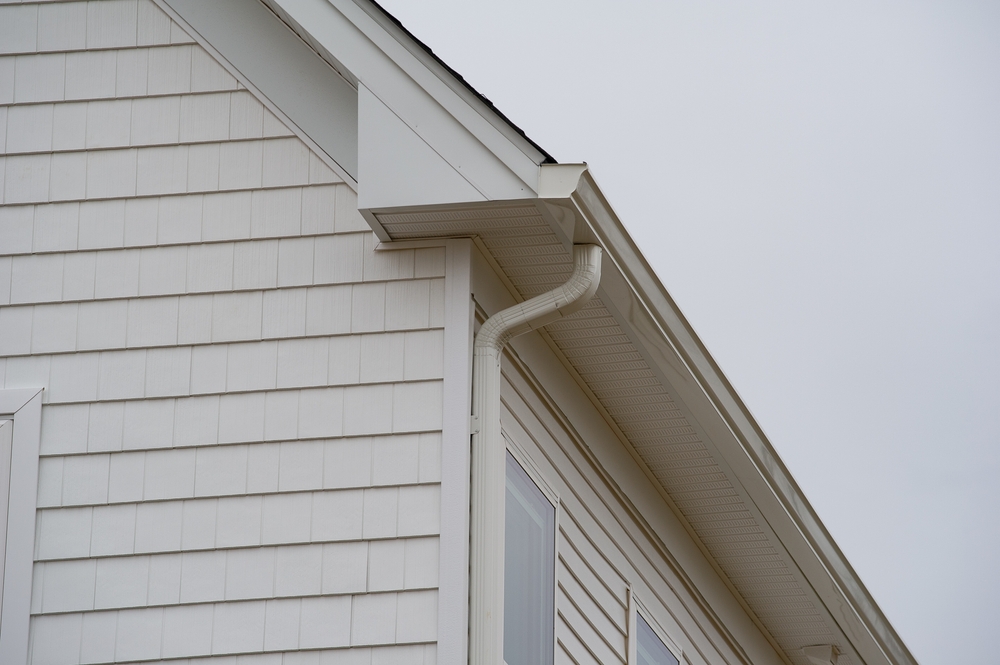
When it comes to home improvement projects, every homeowner asks the same fundamental question: “Is this worth my money?” Whether you are upgrading your HVAC system, replacing your windows, or looking at your roof, you want to know that the dollars you spend today will save you headaches—and more dollars—tomorrow. Gutters are often an afterthought in this conversation. They aren’t as flashy as a new kitchen or as obvious as a fresh coat of paint. Yet, they perform one of the most critical functions for your home: water management. When your gutters fail, the damage to your foundation, siding, and landscaping can be catastrophic. If you are currently facing the decision to replace your gutters, you have likely encountered two main options: traditional sectional gutters (the kind you buy in pieces at a hardware store) and seamless gutters (custom-fabricated by professionals). The seamless option comes with a higher upfront price tag. This naturally leads to the question: Are seamless gutters actually worth the investment? At Cola City Roofing, we believe in transparency. We have installed thousands of feet of guttering across South Carolina, and we have seen the long-term results of both systems. In this comprehensive guide, we will move beyond the sales pitch and dive into a detailed cost-benefit analysis. We will explore the durability, maintenance costs, and property value implications to help you decide if seamless gutters are the smart financial move for your home. The Sticker Shock: Understanding the Upfront Cost Let’s address the elephant in the room first. Yes, seamless gutters cost more initially than traditional sectional gutters. If you walk into a big-box store, you can buy vinyl or aluminum gutter sections for a few dollars per foot. You can buy a tube of sealant, some hangers, and downspouts, and if you are handy, you can install them yourself for a relatively low material cost. Seamless gutters, on the other hand, require professional fabrication. You are paying for: Specialized Equipment: A mobile factory (roll-forming machine) that comes to your driveway. Skilled Labor: Technicians who know how to calculate pitch and secure the system properly. Superior Materials: Typically heavier-gauge aluminum than what is available on the shelf. So, if you are looking strictly at day-one costs, traditional gutters are “cheaper.” But as any savvy homeowner knows, the initial price is only a fraction of the total cost of ownership. To understand real value, we have to look at the lifespan of the investment. The Hidden Costs of “Cheap” Gutters To determine if seamless gutters are worth it, we have to look at what you lose by choosing the cheaper alternative. Sectional gutters have hidden costs that accumulate over time, often exceeding the price difference of seamless installation within just a few years. 1. The Cost of Leaks Sectional gutters have seams every 10 feet. A standard home might have 50 or more seams. Each seam is a potential failure point. Sealant degrades in the sun and cracks in the cold. When seams leak, water drips onto your fascia boards, your siding, and your foundation. Wood Rot Repair: Replacing rotted fascia or soffit can cost hundreds or thousands of dollars. Siding Damage: Water staining or peeling paint requires professional attention. Foundation Issues: This is the big one. Water pooling at your foundation can cause cracks and settling. Foundation repair bills easily run into the tens of thousands. Seamless gutters eliminate the seams along the roofline, effectively removing the primary cause of these expensive damages. 2. The Cost of Maintenance Time is money. Sectional gutters clog frequently because the internal connectors act as debris traps. Cleaning them is a chore that must be done multiple times a year. If you hire a service to clean your gutters, that is an annual recurring cost. If you do it yourself, you are risking your safety on a ladder. Seamless gutters are smoother and clog far less often. While not maintenance-free, the reduction in cleaning frequency saves you hours of labor or hundreds of dollars in service fees over the life of the system. 3. The Cost of Replacement Vinyl sectional gutters become brittle and crack after 5-10 years of UV exposure. Lightweight aluminum sections dent easily and sag. You might find yourself replacing a “cheap” system two or three times in the same period that a single high-quality seamless system would have lasted. The ROI of Durability: Built to Last When you invest in seamless gutters, you are buying longevity. Structural Integrity Seamless gutters are roll-formed from a continuous coil of metal. This creates a rigid, continuous beam that is structurally superior to pieced-together segments. They are less likely to sag under the weight of wet leaves, snow, or heavy rain. At Cola City Roofing, we use heavy-duty hidden hangers screwed directly into the fascia board, spaced closely together. This ensures the gutter stays tight to the house even during South Carolina’s intense storms. Material Quality The aluminum used in professional seamless gutter fabrication is coated with a baked-on enamel finish. This industrial-grade coating resists chipping, peeling, and fading far better than the painted surfaces of DIY products. A well-installed seamless aluminum system can last 20 to 30 years or more. Copper seamless gutters can last a lifetime (50+ years). When you amortize the cost over three decades, the annual cost of seamless gutters is often lower than replacing cheap gutters every 7 years. Curb Appeal and Property Value We often think of ROI in terms of cash, but we must also consider the value of the asset itself—your home. The “Finished” Look Sectional gutters look… sectional. You can see the seams, the connectors, and often the spike-and-ferrule heads rusting on the front. Over time, they tend to get wavy and uneven. Seamless gutters provide a clean, continuous line that frames your roof perfectly. They look custom-made because they are custom-made. The use of hidden hangers means there are no visible fasteners to mar the smooth face of the gutter. Resale Value Prospective buyers are looking for red flags.
Why Seamless Gutters Are Ideal for South Carolina Weather

If you have lived in South Carolina for any length of time, you know our weather has a personality of its own. We don’t just have rain; we have torrential downpours that turn streets into rivers in minutes. We don’t just have heat; we have a thick, blanket-like humidity that permeates everything. And let’s not forget hurricane season, bringing wind and water that test the limits of every structure. For homeowners in Columbia and the surrounding areas, protecting your property against these elements is a year-round job. While your roof takes the brunt of the sun and rain, your gutter system is the unsung hero that manages the aftermath. If that system fails, the water doesn’t just go away—it goes into your foundation, your siding, and your basement. To see how seamless systems fit into your full exterior drainage plan, explore our complete gutter services in South Carolina guide. This is why the debate between traditional sectional gutters and seamless gutters is so important here. In milder climates, a sectional gutter might suffice. But in South Carolina? You need something built to withstand the extremes. At Cola City Roofing, we specialize in fortifying homes against our unique climate. In this comprehensive guide, we will explore exactly why seamless gutters are not just a luxury but a necessity for South Carolina homes. We will break down the science of our weather patterns and explain how seamless engineering provides the superior defense your home deserves. We break that comparison down in detail in our article on seamless gutters vs traditional gutters. The South Carolina Weather Profile: What Are We Up Against? To understand the solution, we must respect the problem. South Carolina’s climate presents a specific set of challenges that are particularly harsh on exterior building materials. 1. High-Intensity Rainfall We are known for our “gully washers.” During summer thunderstorms or tropical systems, it is not uncommon to see rainfall rates exceeding 2-3 inches per hour. This volume of water puts immense hydrostatic pressure on gutter systems. A standard sectional gutter often cannot handle this load without overflowing or leaking at the seams. 2. Relentless Humidity The humidity here acts like a slow-motion wrecking ball. Moisture is constantly in the air, trying to work its way into wood and metal joints. This accelerates the breakdown of sealants used in traditional gutters and promotes rust and corrosion on steel components. 3. Rapid Temperature Fluctuations While our winters are generally mild, we do get freezes. More importantly, the temperature swing between a scorching afternoon and a cool evening can be significant. This causes metal gutters to expand and contract. In sectional gutters, this movement tears apart the caulking at the seams. 4. Pine Needles and Debris South Carolina is pine tree country. Those long needles are the arch-nemesis of gutter systems. They mat together, creating dense clogs that are difficult to clear. Combined with the rapid growth of moss and algae due to humidity, keeping gutters flowing is a constant battle. Why Seamless Gutters Are Engineered for the Palmetto State Seamless gutters are designed differently. By eliminating the weak points found in traditional systems, they offer a robust defense tailored to handle exactly what our skies throw at us. Handling the Deluge: superior Capacity and Flow When a summer storm dumps inches of rain on your roof in minutes, speed matters. You need that water off your roof and away from your foundation immediately. Seamless gutters have a distinct advantage here: No Friction Points: Sectional gutters have ridges inside every joint where pieces connect. These ridges create turbulence, slowing the water down. Seamless gutters are smooth troughs. Water glides through them without resistance. Reduced Clogging: During a storm, water often carries debris. In a sectional gutter, debris snags on the joints, creating instant dams that cause overflow. Seamless gutters allow debris to flow freely to the downspout, maintaining capacity even during the heaviest rains. If your current gutters look like waterfalls during a storm, it is a sign they are overwhelmed. Our gutter installation services can upgrade you to a high-capacity seamless system designed to handle high-volume runoff. The Humidity Defense: No Sealant to Fail In the humid South, sealants and caulking degrade faster than in dry climates. The constant moisture weakens the bond, causing it to peel and crack. Traditional gutters rely on sealant every 10 feet. That is a lot of potential failure points. Seamless gutters rely on… nothing. Because the straight runs are continuous metal, there are no seams to seal (except at corners). You don’t have to worry about the humidity eating away at your gutter’s integrity because the integrity is built into the metal itself. Here’s a deeper look at how seamless gutters reduce leaks and maintenance over time. Expansion and Contraction Resilience Aluminum seamless gutters are flexible enough to handle thermal expansion. Because the system is secured with floating hangers (which allow for slight movement) and lacks rigid, caulked seams in the middle of long runs, the metal can expand in the July heat and contract in the January chill without breaking its watertight seal. In contrast, sectional gutters often buckle or pull apart at the seams when the temperature swings, leading to those annoying drips that eventually rot out your fascia boards. If you want a full breakdown of how these systems are built, read our guide on what seamless gutters are and why homeowners love them. Protecting Your Foundation from “The Red Clay” South Carolina soil is famous for its red clay. While beautiful, red clay is problematic for foundations. It is highly expansive—it swells when wet and shrinks when dry. This cycle of swelling and shrinking puts tremendous stress on your home’s foundation. If your gutters leak or overflow, they dump concentrated water right next to the foundation wall. The clay absorbs this water, expands, and pushes against your basement or crawlspace walls. This leads to cracks, bowing walls, and water intrusion. Seamless gutters are your best defense against foundation damage. By ensuring that
How Seamless Gutters Reduce Leaks and Maintenance

Imagine a heavy summer thunderstorm rolling through Columbia, SC. The rain is pounding against your roof, sheets of water cascading down the shingles. In an ideal world, all that water is neatly captured by your gutters and shuttled away from your home’s foundation. But for many homeowners, the reality is a drip-drip-drip—or worse, a waterfall—spilling over the edges or leaking through the joints of their gutter system. Water damage is insidious. It starts small—a damp spot in the basement, a little erosion near the flower beds—but over time, it can lead to catastrophic foundation issues and costly repairs. The first line of defense against this threat is your gutter system. And when it comes to reliability, nothing compares to seamless gutters. To understand how your entire drainage system works together, explore our full gutter services in South Carolina overview. At Cola City Roofing, we have seen firsthand how switching to a seamless system can transform a home’s exterior maintenance routine. In this deep dive, we will explore the engineering behind seamless gutters, explaining exactly why they leak less and require far less attention than their traditional sectional counterparts. The Engineering of Leaks: Why Traditional Gutters Fail To understand why seamless gutters are the solution, we first have to look at the problem. Traditional “sectional” gutters, the kind you buy in 10-foot pieces at the hardware store, are inherently flawed by design. The Problem with Seams Every time you connect two pieces of gutter, you create a seam. A standard 60-foot run of gutter on the back of a house might have five or six seams. Each of these connections relies on a sealant—usually a silicone or rubber-based caulk—to stay watertight. However, gutters are exposed to the harshest elements. The metal expands in the blistering South Carolina summer heat and contracts during winter frosts. This constant movement puts immense stress on those seams. Over time (often just a few years), the sealant dries out, cracks, and fails. Once a seam fails, you have a leak. Water begins to drip through the joint, bypassing the downspout entirely. This concentrated dripping is often more damaging than no gutters at all, as it drills a hole into the soil right next to your foundation. The “Speed Bump” Effect Inside a sectional gutter, the connector pieces often create a small ridge or lip. When water flows down the trough carrying leaves, pine needles, and roof grit, these ridges act like speed bumps. Debris catches on the lip, slows down the water, and eventually forms a dam. This dam causes water to back up and pool over the seam. Standing water accelerates rust (in steel gutters) and puts even more pressure on the failing sealant. It is a vicious cycle of clogging and leaking that requires constant vigilance to prevent. If you’re comparing both systems side by side, read our detailed breakdown of seamless gutters vs traditional gutters. How Seamless Gutters Eliminate the Leak Points Seamless gutters solve these problems by fundamentally changing the structure of the system. One Continuous Trough The magic of seamless gutters lies in their fabrication. When you hire a professional team for gutter installation services, we arrive with a specialized machine that forms the gutter on-site from a large coil of aluminum. If the front of your house is 52 feet long, we manufacture a single 52-foot piece of gutter. There are no connectors. There are no seams to seal. There are no weak points along the entire horizontal run. The Only Joints Are Necessary Ones The only places where a seamless system has joints are at the corners (miters) and where the downspouts connect. By reducing the number of potential leak points by 80-90%, the statistical probability of a leak drops dramatically. Precision Fitting Because seamless gutters are custom-made for your specific roofline, the fit is exact. There is no trying to force pre-cut sections to overlap correctly. This precision ensures that the pitch (the slope of the gutter) is consistent, allowing gravity to do its job without interruption. If you’re new to this system, start with our guide explaining what seamless gutters are and why homeowners love them. Reducing Maintenance: The Hidden Benefit of Seamless Design While “leak reduction” is the headline feature, the reduction in day-to-day maintenance is what homeowners truly fall in love with. Cleaning gutters is a dangerous and dirty chore that no one enjoys. Seamless gutters don’t eliminate the need for cleaning entirely, but they make the process significantly easier and less frequent. Smoother Water Flow Without the internal ridges and connector lips found in sectional gutters, the interior of a seamless gutter is smooth. Water flows faster and with less turbulence. This increased velocity helps flush out small debris like shingle granules, pollen, and dirt that would otherwise settle and create sludge. Fewer Snag Points for Debris Pine needles are the nemesis of gutters in South Carolina. In a sectional system, pine needles snag on the sealant beads at every joint, quickly building up a blockage. In a seamless trough, there is nothing for them to catch on. They are far more likely to wash down to the downspout opening, where they can be easily cleared or flushed out. Reduced Sagging and Pull-Away Sectional gutters are prone to sagging at the joints, creating low spots where water pools and mosquitoes breed. This standing water also adds weight, pulling the gutter away from the fascia board. Seamless gutters are structurally stronger because they are one continuous beam. When installed with high-quality hidden hangers spaced closely together (as we do at Cola City Roofing), they maintain their shape and pitch much better over time. This means you spend less time up on a ladder trying to re-secure loose spikes or adjust sagging sections. The Connection Between Leaks and Foundation Damage It is easy to dismiss a leaky gutter as a minor annoyance, but the implications for your home’s structure are severe. Understanding this connection highlights why investing in a leak-proof system is so critical. The
Seamless Gutters vs Traditional Gutters: Which Is Better?

Every homeowner knows the dread of hearing water splashing against the foundation during a heavy storm. It is the sound of money dripping away—money that will eventually be spent on landscaping repairs, basement waterproofing, or worse, foundation restoration. The culprit? Often, it is an outdated or failing gutter system. When the time comes to replace your gutters, you are faced with a pivotal choice: Seamless Gutters or Traditional (Sectional) Gutters. At first glance, they might look similar. They are both troughs attached to your roofline designed to catch rain. However, the difference in performance, longevity, and maintenance is stark. As the leading experts at Cola City Roofing, we have seen firsthand how the wrong choice can lead to headaches down the road. In this comprehensive guide, we are pitting these two systems against each other. We will break down the mechanics, the costs, the installation processes, and the long-term realities of living with each. By the end, you will have a clear answer to the question: Which system is truly better for your home? The Contenders: Defining the Systems Before we dive into the battle of benefits, let’s clearly define what we are talking about. What Are Traditional (Sectional) Gutters? Traditional gutters are the “DIY special.” They come in pre-cut sections, typically 10 to 20 feet long. To cover the length of a house, these sections are pieced together using connectors, snap-in-place joiners, and a generous amount of sealant. They are readily available at big-box home improvement stores and are made from materials like vinyl, aluminum, or steel. Key Characteristic: They have seams every 10 to 20 feet, plus seams at every corner and downspout outlet. What Are Seamless Gutters? Seamless gutters are custom-manufactured to the exact dimensions of your home. Using a professional-grade machine, a continuous coil of metal (usually aluminum) is formed into a gutter trough that runs the entire length of your roofline without a single break. If your roof is 60 feet long, the gutter is one solid 60-foot piece. Key Characteristic: They have no seams along the straight runs. The only joints are at the corners (miters) and where the downspouts connect. If you’re new to the concept, start with our complete guide on what seamless gutters are and why homeowners love them. Round 1: Leak Prevention and Water Management The primary job of a gutter system is to control water. If it fails at this, nothing else matters. Traditional Gutters: The Leaky Reality The math here is unforgiving. If you have a 50-foot run of traditional gutters using 10-foot sections, you have four connection points along that single wall. That means four potential failure points. Over time, the expansion and contraction caused by temperature changes (especially in the fluctuating South Carolina climate) stress these joints. The sealant eventually dries out, cracks, and fails. Once that happens, water starts dripping through the seams. Instead of being diverted to the downspout, water falls directly onto your flower beds, porch, or foundation. See how seamless systems perform in South Carolina weather conditions. Seamless Gutters: The Watertight Winner Seamless gutters eliminate the problem at the source. By removing the seams along the horizontal runs, you remove the leak points. Water has nowhere to go but down the channel toward the downspout. This efficiency is crucial during heavy downpours. Seamless gutters allow water to flow faster and smoother because there are no internal ridges or bumps from connectors to create turbulence. For homeowners tired of patching drips, our gutter installation services offer a permanent solution to the leak problem. Winner: Seamless Gutters For a deeper look at how seamless systems reduce failure points, read about seamless gutters and leak prevention. Round 2: Maintenance and Clogs No homeowner enjoys climbing a ladder to scoop out muck. Which system keeps you on the ground longer? Traditional Gutters: The Debris Trap The design of sectional gutters is inherently prone to clogging. Where two sections join, there is usually a connector inside the trough, often accompanied by a lip or a bead of sealant. This internal ridge acts like a speed bump. When leaves, pine needles, and shingle grit wash down the gutter, they snag on these ridges. A small dam forms. Over weeks, more debris accumulates behind this dam, eventually blocking water flow entirely. This leads to overflowing gutters, which can rot your fascia boards and damage your roof deck. Seamless Gutters: The Smooth Operator The interior of a seamless gutter is smooth and unobstructed. There are no ridges to catch debris. While leaves can still accumulate (gravity affects us all), they are much more likely to be flushed out by the flow of rainwater. This means significantly fewer clogs and less time spent cleaning them. While no open system is completely maintenance-free, seamless gutters are the closest you can get without adding gutter guards. Winner: Seamless Gutters Round 3: Installation Process and Difficulty This is the one area where the two systems differ most drastically in terms of accessibility. Traditional Gutters: The DIY Option The biggest appeal of sectional gutters is that you can buy them today and hang them yourself tomorrow. You don’t need expensive machinery; you just need a ladder, a drill, a hacksaw, and some patience. For the handy homeowner on a strict budget, this accessibility is a major plus. However, “do-it-yourself” often translates to “do-it-wrong.” Proper gutter installation requires calculating the correct pitch (slope) to ensure water drains. Getting multiple 10-foot sections to line up perfectly with a consistent 1/4-inch slope over 40 feet is incredibly difficult for an amateur. Poor pitch leads to standing water, which breeds mosquitoes and causes rust. Seamless Gutters: Professional Only You cannot buy seamless gutters off the shelf. They must be fabricated on-site by a professional contractor with a specialized rolling machine. This makes them inaccessible for DIY projects. However, this “drawback” is actually a benefit in disguise. When you hire professionals like Cola City Roofing, you aren’t just paying for the metal; you are paying for expert installation. We
What Are Seamless Gutters and Why Homeowners Love Them

Your home is likely your biggest investment, and protecting it requires attention to detail—specifically, how you manage water. While often overlooked, your gutter system plays a heroic role in defending your foundation, landscaping, and roof from water damage. If you are still relying on old, sectional gutters that leak at every joint during a heavy storm, it might be time for an upgrade. Enter seamless gutters: the modern gold standard in rainwater management. If you want a full overview of system types, materials, and installation options, visit our gutter services in South Carolina page. In this comprehensive guide, we will dive deep into exactly what seamless gutters are, how they function, and why homeowners across South Carolina are making the switch. From superior aesthetics to drastically reduced maintenance, we will explore every angle to help you decide if this investment is right for your property. What Exactly Are Seamless Gutters? To understand why seamless gutters are superior, we first need to define what they are. As the name suggests, seamless gutters are continuous troughs of metal that are custom-manufactured to the exact length of your home’s roofline. Unlike traditional sectional gutters, which are sold in pre-cut pieces (usually 10 to 20 feet long) and pieced together with connectors and sealant, seamless gutters have no joints along the straight runs. The Anatomy of the System The only “seams” in a seamless system occur at the corners (miters) and where the downspouts are attached. This drastic reduction in joints creates a sleek, unified look and, more importantly, eliminates the weak points that plague traditional systems. Most seamless gutters are made from aluminum, though they can also be fabricated from copper or steel. They are created using a specialized machine—often brought directly to your home by professional installers—that forms the metal from a coil into the gutter profile (typically K-style or half-round) right on your driveway. This ensures a perfect fit for your specific roof measurements. The Problem with Traditional Sectional Gutters To appreciate the solution, we must look at the problem. Traditional gutters, often found in DIY kits at big-box hardware stores, come in sections. While they are cheaper upfront, they come with a host of inherent flaws: Multiple Weak Points: Every place two sections meet is a seam. Every seam is a potential leak. Over time, the sealant used to bond these sections degrades due to UV exposure and temperature fluctuations. Debris Traps: The ridges created by connectors and sealants inside sectional gutters act as speed bumps for water and debris. Leaves, pine needles, and sediment catch on these ridges, leading to faster clogging. Sagging Issues: Because they are pieced together, sectional gutters lack the structural integrity of a single, continuous piece of metal. They are more prone to sagging or pulling away from the fascia board under heavy loads. If you are comparing options, see our detailed breakdown of seamless vs traditional gutters. If you are tired of patching leaks and dealing with overflow, upgrading to a professional system is the logical next step. At Cola City Roofing, we specialize in high-quality solutions that protect your home for the long haul. The Top 7 Reasons Homeowners Love Seamless Gutters Why are seamless gutters becoming the preferred choice for modern homes? It comes down to a blend of functionality, durability, and curb appeal. 1. Drastic Reduction in Leaks The math is simple: fewer seams equal fewer leaks. In a traditional system, a 40-foot run of gutter might have three or four seams. In a seamless system, that same 40-foot run has zero seams. By eliminating the joints along the straight sections of your roof, you effectively remove the most common failure points. This ensures that water is carried effectively to the downspouts rather than dripping onto your porch or foundation. Learn more about how seamless systems improve leak prevention in gutter systems. 2. Custom Fit and Aesthetics Because seamless gutters are rolled out on-site to exact measurements, they fit your home like a tailored suit. There are no unsightly seams or mismatched connectors ruining the clean horizontal lines of your roof. They are available in a wide variety of colors (baked-on enamel finishes) that can match your siding or trim perfectly, enhancing your home’s curb appeal rather than detracting from it. 3. Lower Maintenance Requirements While no open gutter system is completely maintenance-free, seamless gutters significantly reduce the workload. Without the internal ridges and seams of sectional gutters, water flows more smoothly, and small debris flushes out more easily. This means fewer clogs and less time spent on a ladder cleaning out muck. However, if you do encounter issues or need a tune-up, our team offers expert gutter repair services to keep your system flowing freely. 4. Improved Durability and Lifespan Seamless gutters are typically made from heavier-gauge materials than DIY sectional options. The continuous design provides better structural rigidity, making them more resistant to bending or warping during heavy winds or storms. A well-installed seamless aluminum system can easily last 20 to 30 years or more with proper care. 5. Protection for Your Home’s Foundation The primary job of a gutter is to move water away from your home. When gutters leak or overflow, water falls directly to the base of your house. Over time, this saturation can cause soil erosion, cracks in your foundation, and even basement flooding. Seamless gutters are far more reliable at capturing and diverting heavy rainfall, providing a critical shield for your foundation. 6. Value for Money While the initial investment for seamless gutters is higher than buying plastic sections off the shelf, the long-term value is undeniable. You save money on sealants, repairs, and potential water damage restoration. Plus, the increased lifespan means you won’t be replacing the system again in a few years. 7. Resale Value Prospective homebuyers notice details. A home with a clean, high-functioning seamless gutter system signals that the property has been well-maintained. It is a functional upgrade that adds tangible value to the property. For a deeper breakdown
How Long Does Gutter Installation Take?
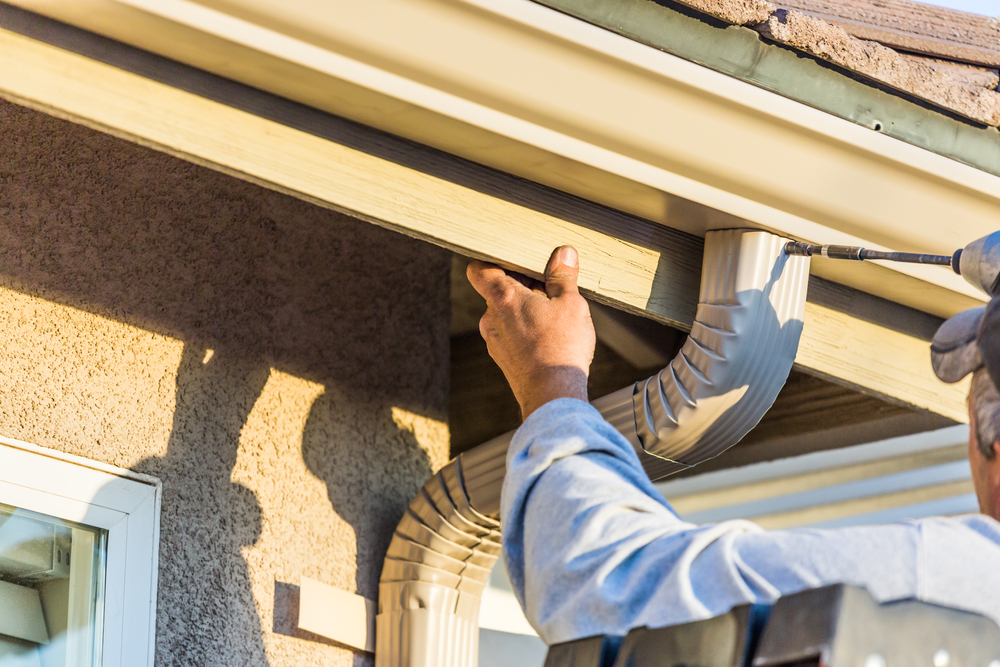
When planning a home improvement project, one of the first questions homeowners ask is, “How long will this take?” Understanding the project timeline is crucial for managing your schedule, preparing your property, and setting realistic expectations. When it comes to replacing your home’s gutter system, the answer isn’t a single number. The time required for a professional gutter installation can vary significantly based on a range of factors. While a crew might be at your home for just a few hours, the complete professional gutter installation process involves several stages, from the initial consultation to the final walkthrough. This guide will provide a comprehensive overview of the typical gutter installation timeline. We’ll break down each phase of the project and explore the key variables—like your home’s size, the complexity of your roofline, and even the weather—that can influence how long the job takes. Knowing what to expect will help you plan accordingly and appreciate the efficiency and precision of professional Columbia SC gutter services. The Complete Gutter Installation Timeline: A Phased Approach A professional gutter installation isn’t a single event but a multi-step process. Each phase has its own timeline, and understanding this workflow provides a clearer picture of the total project duration from start to finish. For an average-sized single-family home, the entire process—from your first call to the final inspection—can take anywhere from one to three weeks, with the on-site installation itself typically being completed in a single day. Here is a breakdown of the four main phases: Phase 1: Consultation and Measurement (1-3 days) Phase 2: Proposal, Material Ordering, and Scheduling (3-10 days) Phase 3: The Installation Day (4-8 hours) Phase 4: Cleanup and Final Walkthrough (30-60 minutes) Let’s explore what happens during each of these crucial stages. Phase 1: The Initial Consultation and Detailed Measurement Timeline: 1-3 business days from your initial contact This first phase begins the moment you decide to take action and reach out to a professional gutter company. It’s a critical data-gathering stage that sets the foundation for the entire project. Scheduling the Appointment After you contact us, a representative will get in touch, usually within 24 hours, to schedule an on-site consultation. This appointment is designed to work with your schedule and typically involves a project manager or lead installer visiting your home. The On-Site Assessment (30-60 minutes) During the consultation, the expert isn’t just taking a quick look. They are performing a detailed assessment of your property to gather all the information needed for an accurate proposal. This includes: Precise Measurements: The technician will measure every roofline that requires a gutter. This involves determining the linear footage of gutters needed, as well as the required height and placement for each downspout. Roofline Complexity Analysis: The expert will note the complexity of your roof. Are there many corners (miters), gables, or unusual angles? A complex roofline requires more cuts, seams, and custom work, which affects both material needs and installation time. Fascia Board Inspection: This is a crucial step. The technician will inspect the condition of your fascia boards—the wooden planks to which the gutters are attached. If the fascia is rotted, soft, or damaged, it cannot securely hold a new gutter system. The expert will identify any areas that need replacement, as this repair must be completed before the new gutters can be installed. Drainage and Grading Evaluation: The consultant will look at the landscape around your foundation to determine the best locations for downspouts and plan for effective water diversion away from your home. Discussing Options: The representative will discuss material options (e.g., aluminum, steel, copper), colors, and gutter guard systems with you. They will answer your questions and help you choose the best options for your home’s style and your budget. This thorough assessment ensures that the subsequent proposal is accurate and that there are no surprises on installation day. Phase 2: Proposal, Material Sourcing, and Scheduling Timeline: 3-10 business days Once the on-site assessment is complete, the project moves into the administrative and logistical phase. The duration of this stage can vary depending on the company’s backlog and the availability of specific materials. Receiving and Approving the Proposal (1-2 days) Using the measurements and data from the consultation, the company will create a detailed, written proposal. This document will outline: The total cost of the project. A breakdown of materials and labor. The scope of work, including any necessary fascia board repairs. The type, size, and color of the gutters and downspouts. Warranty information. You will have time to review this proposal and ask any follow-up questions. Once you approve the quote and sign the contract, the project is officially green-lit. Material Ordering and Fabrication (2-7 days) This step is often the most variable part of the pre-installation timeline. Standard Materials: If you’ve chosen a common color and size, the materials may be in stock, and this phase will be short. Custom Orders: If you select a custom color or a less common material like copper, these items may need to be special-ordered from a supplier. This can add several days or even a week to the timeline. Seamless Gutter Fabrication: Most professional companies, including Cola City Roofing, use seamless gutters. These are not pre-cut sections but are fabricated on-site from a roll of aluminum using a specialized machine mounted in the installation truck. While the raw material (the coil) is ordered in advance, the actual gutter sections are created at your home on installation day. Scheduling the Installation Day Once the materials are secured and a spot opens in the work calendar, the company will contact you to schedule the installation. This is usually planned a few days in advance to allow for a clear weather window. Phase 3: The Installation Day—Bringing It All Together Timeline: 4-8 hours for an average home This is the main event—the day the crew arrives to install your new gutter system. For a typical single-story home with a straightforward roofline (around 150-200 linear feet of gutters), a professional crew