
Best Gutter Materials for Homes in Columbia, SC
Choosing the right gutters for your home in Columbia, South Carolina, is about more than just aesthetics. It’s a critical decision that directly impacts your home’s ability to withstand the unique challenges of our local climate. From the hot, humid summers and intense UV radiation to the heavy, sudden downpours, the Midlands puts any exterior building material to the test. Your gutter system is the frontline defense for your foundation, siding, and landscaping, making the material you choose a crucial investment in your property’s health and longevity. To see how material choice fits into your full drainage strategy, explore our complete guide to gutter services in South Carolina. While materials like vinyl, steel, and copper all have their place, they perform very differently under the specific environmental pressures of our region. A gutter that works perfectly in a dry, mild climate might fail prematurely when faced with Columbia’s combination of heat, humidity, and torrential rain. Understanding how these factors affect different materials is the key to making a smart, cost-effective choice. This guide will provide a detailed breakdown of the best gutter materials for Columbia, SC homes. We will analyze how our climate influences gutter performance and compare the top contenders—aluminum, copper, vinyl, and steel—to help you select a system that will provide reliable protection for decades to come. Understanding Columbia’s Climate and Its Impact on Gutters To choose the right gutters, you first need to understand what you’re up against. The climate in Columbia, SC, presents a specific set of challenges that your gutter system must be equipped to handle. Intense Heat and UV Radiation Columbia is known for its long, hot summers. This prolonged exposure to intense sunlight and high temperatures affects gutter materials in several ways: UV Degradation: The sun’s ultraviolet (UV) rays are incredibly damaging to certain materials. Plastics, like those in vinyl gutters, are particularly vulnerable. UV exposure breaks down the chemical bonds in the material, causing it to become brittle, faded, and prone to cracking. Thermal Expansion: All materials expand when heated and contract when cooled. In our climate, the daily temperature swings can be significant. Materials with a high coefficient of thermal expansion, like vinyl, will move, warp, and sag more dramatically. This movement puts stress on the seams and fasteners, leading to leaks and failure over time. Metal gutters also expand and contract, but materials like aluminum and copper handle this stress much more effectively. High Humidity and Heavy Rainfall Humidity is a year-round reality in the Midlands, and it’s often paired with significant rainfall, including sudden, intense thunderstorms. The Threat of Rust and Corrosion: Constant moisture creates a perfect environment for rust in materials that are not inherently corrosion-resistant. This makes the choice of metal gutters particularly important. Any scratch or imperfection in a rust-prone material can quickly become a point of failure. Water Volume Management: A gutter system in Columbia must be able to handle a massive volume of water in a short amount of time. The size and design of the gutters are important, but the material must be strong enough to support the weight of this water without bending, sagging, or pulling away from the house. Biological Growth: The warm, damp environment is ideal for the growth of algae, mold, and mildew. This growth can not only stain your gutters and siding but also contribute to clogs, causing water to overflow. Given these factors, the ideal gutter material for Columbia, SC, needs to be UV-resistant, structurally stable in high heat, impervious to rust and corrosion, and strong enough to handle deluges of water. For a broader look at how regional weather influences performance, read our guide to climate-based gutter material selection. Comparing the Contenders: Which Gutter Material is Best for Columbia? With our climate’s challenges in mind, let’s compare the performance of the most common gutter materials: aluminum, copper, vinyl, and steel. Aluminum Gutters: The Local Champion For the vast majority of homes in Columbia, SC, aluminum is the top recommendation, and for several compelling reasons. It offers the best combination of performance, longevity, and value for our specific climate. Performance in the Columbia Climate Completely Rust-Proof: This is aluminum’s single most important feature for our humid environment. Unlike galvanized steel, aluminum will not rust, ever. You never have to worry about moisture leading to corrosion and compromising the integrity of your gutters. Excellent Heat Tolerance: Aluminum handles South Carolina’s heat exceptionally well. While it does expand and contract, it does so without warping or becoming brittle. A seamless aluminum system, which is formed in one continuous piece, effectively minimizes the impact of this movement. Seamless Design: Modern gutter installation in Columbia SC almost exclusively uses seamless aluminum gutters. This is a massive advantage because it eliminates the weakest link in any gutter system: the seams. Fewer seams mean fewer opportunities for leaks to develop, which is crucial during our heavy rain events. Durable Finish: The factory-applied enamel finish on aluminum gutters is baked on, making it highly resistant to chipping and fading from UV exposure. This means your gutters will maintain their color and appearance for years, even under the intense summer sun. Here’s a deeper look at the long-term benefits of aluminum gutters and why they outperform other materials in our region. Durability and Lifespan A professionally installed seamless aluminum gutter system has a typical lifespan of 20 to 30 years in our region. Opting for a heavier gauge of aluminum can increase its resistance to denting from ladders or falling limbs, potentially extending its life even further. Because it doesn’t rust, its lifespan is determined by physical integrity rather than corrosion, making it a reliable and long-lasting choice. The Verdict for Columbia Aluminum is the best all-around choice. It directly counters our climate’s biggest threats—humidity and rain—with its rust-proof nature, while its stability in heat and durable finish stand up to the sun. For a functional, long-lasting, and cost-effective solution, aluminum is the clear winner for most local homes. Copper Gutters: The Ultimate Long-Term
How Gutter Material Affects Performance and Lifespan
Your home’s gutter system works tirelessly behind the scenes. Every time it rains, these simple channels collect thousands of gallons of water from your roof and direct it safely away from your house. A well-functioning gutter system is your primary defense against a host of problems, including foundation damage, basement flooding, soil erosion, and water stains on your siding. When this system fails, the consequences can be both destructive and expensive. One of the most critical factors determining how well your gutters will work—and for how long—is the material they are made from. Not all gutter materials are created equal. They vary widely in cost, durability, maintenance needs, and overall lifespan. Choosing the right material is an investment in your home’s protection and long-term value. This comprehensive guide will explore the most common gutter materials: aluminum, copper, vinyl, and steel. We will examine how each material’s unique properties impact its performance and longevity, especially in a climate like Columbia, SC. By understanding these differences, you can make an informed choice that best suits your home, budget, and expectations. The Foundational Role of Gutters in Home Protection Before diving into a gutter lifespan comparison, it’s important to appreciate what your gutters do. Their primary job is water management. Without them, rainwater would pour directly off your roofline, leading to several potential issues: Foundation Damage: Water pooling around the base of your home can saturate the soil, leading to hydrostatic pressure against your foundation walls. This can cause cracks, leaks, and in severe cases, significant structural damage. Basement and Crawlspace Flooding: Poorly managed rainwater is a leading cause of water intrusion into basements and crawlspaces, promoting mold growth and damaging stored items. Siding and Masonry Damage: Water splashing back onto your home can cause staining, rot in wood siding, and deterioration of mortar in brick or stone. Landscape Erosion: Uncontrolled runoff can wash away topsoil, mulch, and plantings, destroying your landscaping efforts. A gutter system is not a passive feature; it is an active defense. The material you choose directly influences how reliably this defense will hold up against weather, time, and physical stress. Aluminum Gutters: The Popular All-Rounder Aluminum is, by a wide margin, the most popular gutter material used on homes today. Its combination of affordability, reliability, and versatility makes it the default choice for many homeowners and builders. Gutter Material Performance: Aluminum Aluminum’s performance is defined by its lightweight nature and resistance to corrosion. Rust-Proof: The single greatest performance advantage of aluminum is that it does not rust. This is a crucial feature in any environment with regular rainfall and humidity, making it an excellent choice for homeowners in South Carolina. Seamless Construction: Most aluminum gutters are installed as “seamless” systems. A specialized machine on-site forms a continuous gutter from a roll of aluminum, cut to the exact length of your roofline. This design drastically reduces the number of seams (the most common points for leaks) compared to older, sectional gutters. Water-Handling Capacity: Aluminum gutters are available in standard 5-inch and larger 6-inch K-style profiles, which are highly efficient at channeling large volumes of water. This is essential for handling the heavy downpours common in the Southeast. However, aluminum is not without its performance weaknesses. Its main drawback is its relative softness. It is more susceptible to denting than steel or copper. A misplaced ladder, falling tree branches, or even large hail can leave dings and potentially affect its shape and function. Lifespan and Durability of Aluminum A professionally installed seamless aluminum gutter system typically has a lifespan of 20 to 30 years. Several factors can influence this: Thickness (Gauge): Aluminum gutters come in different thicknesses. Standard-gauge aluminum is suitable for most climates, but a thicker, heavier-gauge option provides greater resistance to denting and bending, potentially extending its life. Installation Quality: Proper installation is key. The gutters must be securely fastened to the fascia board with hangers spaced correctly to support the weight of water and debris without sagging. Maintenance: Regular cleaning is essential. If aluminum gutters become clogged with heavy, wet leaves and debris, the excess weight can cause them to bend or pull away from the house, leading to premature failure. Over time, the baked-on enamel finish can fade or get scratched. While this is mostly a cosmetic issue, it can detract from your home’s appearance. If you notice leaks or sections pulling away, timely gutter repair services can prevent small problems from becoming big ones. Copper Gutters: The Premium, Lifelong Investment Copper gutters sit at the pinnacle of the market in both price and performance. They are chosen not just for their function but for their unparalleled beauty and longevity, making them an architectural feature in their own right. Gutter Material Performance: Copper Copper’s performance is legendary. It is a material that doesn’t just withstand the elements; it interacts with them to become stronger. Exceptional Durability: Copper is a strong, rigid metal that is highly resistant to damage from impacts. It will not sag under heavy loads and is unfazed by extreme temperatures, from freezing cold to intense summer heat. Natural Corrosion Resistance: Like aluminum, copper does not rust. However, it goes a step further by developing a protective patina. Through oxidation, the shiny metal slowly turns a deep brown and eventually the classic verdigris green. This patina acts as a natural shield, protecting the copper from degradation. Low-Maintenance Seams: Copper gutters require specialized installation where the joints are soldered together. This creates a permanent, metallic bond that is far more durable than the caulk used on other gutter types, effectively eliminating seam failure as a concern. Biostatic Properties: Copper naturally inhibits the growth of algae and moss. This helps keep the gutters cleaner and prevents the buildup of organisms that can cause clogs and stains. Lifespan and Durability of Copper The lifespan of a properly installed copper gutter system is 80 to 100 years, or even longer. In many cases, it will outlast the roof it’s attached to and potentially the homeowners themselves. This
Aluminum vs Copper Gutters: Which Should You Choose?
Your home’s gutter system is its first line of defense against rainwater. A properly functioning system channels thousands of gallons of water away from your roof, siding, and foundation each year, preventing costly water damage, erosion, and even structural issues. When it’s time to install new gutters or replace an old system, one of the most important decisions you’ll make is the material. If you’re exploring professional gutter services in South Carolina, understanding how materials differ is critical before making your final decision. For most homeowners, the choice often comes down to two leading candidates: aluminum and copper. Aluminum is the undisputed champion of popularity, found on millions of homes across the country due to its affordability and versatility. On the other end of the spectrum is copper, a premium material prized for its stunning beauty and incredible longevity. Choosing between them involves more than just looking at the price tag; it requires a careful evaluation of cost, durability, aesthetics, maintenance needs, and your long-term goals as a homeowner. For a broader breakdown of how aluminum and copper compare to other options like steel and vinyl, review our full comparison of gutter materials. This in-depth guide will break down the “aluminum vs copper gutters” debate. We will compare these two materials across all the key categories, giving you the clarity needed to select the perfect gutter system for your home, your budget, and your style. The Decisive Factor: A Head-to-Head Cost Comparison For most homeowners, the budget is the starting point for any major home improvement project, and gutters are no exception. The cost difference between aluminum and copper is significant and is often the primary factor that sways the decision. The Upfront Investment: Aluminum Aluminum gutters are one of the most cost-effective options on the market. The material itself is inexpensive, and it is lightweight and easy to work with, which helps keep labor costs down. Key cost factors for aluminum gutters include: Material Cost: Aluminum is a widely available and affordable metal. Installation: Professional installation is relatively quick and straightforward for experienced contractors. Many aluminum gutters are seamless, meaning they are custom-formed on-site from a roll of aluminum, which reduces the number of joints and potential leak points. Overall Price: You can expect the cost of an aluminum gutter system to be a fraction of what you would pay for copper. This affordability makes it an accessible choice for nearly any budget. The Premium Outlay: Copper Copper occupies the high end of the gutter material market. It is a semi-precious metal, and its cost reflects that status. The investment in copper is substantial for several reasons: Material Cost: The price of raw copper is significantly higher than that of aluminum and can fluctuate based on global commodity markets. Specialized Labor: Installing copper gutters is a craft that requires specialized skills and tools. The material is heavier than aluminum, and the seams must be expertly soldered by a trained professional to ensure a durable, leak-proof system. This meticulous, time-consuming process increases labor costs significantly. Component Costs: Every part of a copper gutter system, from the hangers to the fasteners, must be made of copper or brass to prevent corrosion. These specialized components add to the total expense. The Verdict on Cost: If your primary concern is minimizing the initial, out-of-pocket expense, aluminum is the clear winner. It provides excellent function at a price point that fits almost any budget. However, if you view your gutters as a long-term investment and have the budget for a premium upgrade, the higher upfront cost of copper may be justified by its extended lifespan and other benefits. If you’re weighing whether the premium investment makes sense long term, we break that down in detail in our guide on whether copper gutters are worth the cost. Durability and Lifespan: A Tale of Two Metals A gutter system is constantly exposed to the elements, from torrential downpours and intense sun to falling debris. Its ability to withstand these challenges year after year is a critical measure of its value. In the gutter material comparison, both aluminum and copper offer good durability, but in very different ways. Aluminum: The Reliable Workhorse Aluminum has earned its popularity for a reason: it’s a dependable material that performs well in most environments. Corrosion Resistance: One of aluminum’s greatest strengths is that it does not rust. This makes it a great choice for rainy or humid climates like that of Columbia, SC. Weaknesses: The main drawback of aluminum is its relative softness. It is more susceptible to denting and damage than stronger metals. A poorly placed ladder, a falling tree branch, or even hail can leave noticeable dents or dings. Over time, heavy loads of wet leaves or ice can cause the gutters to bend or pull away from the fascia. Lifespan: A professionally installed, well-maintained aluminum gutter system can be expected to last 20 to 30 years, especially when you understand the full benefits of aluminum gutters in residential applications. Seamless aluminum systems tend to last longer than sectional ones because they have fewer points of failure. Eventually, however, the finish may fade, or damage may accumulate, necessitating gutter repair services or a full replacement. Copper: The Heirloom Investment Copper is in a class of its own when it comes to longevity. It is a material that doesn’t just endure; it improves with age. Exceptional Strength and Resistance: Copper is a much stronger and more robust material than aluminum. It is highly resistant to denting and will not sag or lose its shape, even under heavy loads. It is also completely rust-proof. The Patina Effect: Instead of rusting or degrading, copper develops a protective layer called a patina. This process is a slow oxidation that first turns the shiny metal a deep brown and eventually results in the classic blue-green verdigris finish. This patina acts as a shield, protecting the underlying copper from the elements and allowing it to last for an incredibly long time. Unmatched Lifespan: A
Are Copper Gutters Worth the Cost?
When you’re making decisions about your home’s exterior, every choice matters. From the type of shingles on your roof to the color of your front door, these elements combine to protect your property and define its character. Gutters, while primarily functional, play a significant role in this equation. They are essential for managing rainwater, protecting your foundation, and preventing water damage. While standard materials like aluminum and vinyl are common, some homeowners consider a more premium option: copper. Copper gutters are known for their striking beauty and exceptional longevity. However, they also come with a significantly higher price tag. This leads to a critical question for any homeowner weighing their options: Are copper gutters truly worth the substantial investment? The answer isn’t a simple yes or no. It depends on your priorities, budget, long-term goals for your property, and even the architectural style of your home. This comprehensive guide will explore every facet of copper gutters. We will dive deep into their costs, weigh the remarkable benefits against the potential drawbacks, and compare them to other available materials. By the end, you will have a clear understanding of what copper gutters offer, enabling you to make an informed decision for your home. If you’re evaluating your full options, start with our complete guide to gutter services in South Carolina before choosing a material. Understanding the True Cost of Copper Gutters The first thing most homeowners notice about copper gutters is the price. There is no denying that copper is one of the most expensive gutter materials on the market. The initial outlay for a copper gutter system can be several times that of aluminum, vinyl, or steel. This cost is influenced by a few key factors. Factors Influencing the Cost Several variables determine the final price of a copper gutter installation. It’s not just about the raw material itself. Price of Raw Copper: The cost of copper as a commodity fluctuates on the world market. Global supply and demand can cause its price to rise or fall, which directly impacts the cost of the finished gutter products. As a precious metal, its value tends to be consistently higher than that of more common materials like aluminum. Linear Footage Required: The size of your home is a primary driver of the total cost. A larger home with a more extensive roofline will require more linear feet of guttering, increasing the overall material and labor expenses. Complexity of Installation: A simple, straight roofline is much easier and faster to work with than a complex roof with multiple gables, valleys, and corners. Each corner, downspout, and custom fitting adds to the complexity and time required for the job, which in turn increases the labor costs. Labor and Expertise: Installing copper gutters is not a standard job. It requires specialized skills, tools, and experience. Copper is heavier than aluminum and cannot be easily bent or sealed with standard caulk. Instead, the seams must be expertly soldered by a skilled craftsman to create a durable, leak-proof system. This level of expertise comes at a premium, and you should only trust experienced professionals with this type of project. For expert gutter installation services, it’s crucial to partner with a team that understands the nuances of working with premium materials. Gutter Style and Thickness: Copper gutters come in various styles, such as K-style and half-round, and different thicknesses (gauges). Thicker-gauge copper is more durable and more expensive. The style you choose can also affect the cost, with more ornate or complex profiles demanding a higher price. A Long-Term Investment Perspective While the upfront cost is high, it’s essential to view copper gutters through the lens of a long-term investment. An aluminum or vinyl gutter system might last 20 to 30 years before needing significant repairs or a full replacement. A properly installed copper gutter system, on the other hand, can last for 50, 80, or even 100 years. When you break down the cost over this extended lifespan, the value proposition changes. For example, you might have to replace an aluminum system three or four times during the lifespan of a single copper system. When you factor in the repeated costs of materials, labor, and the hassle of multiple replacements, the lifetime cost of copper gutters becomes much more competitive. For homeowners who plan to stay in their property for decades or want to invest in features that add lasting value, copper can be an economically sound choice over the very long run. The Unmatched Benefits of Copper Gutters The high cost of copper gutters is balanced by a range of powerful benefits that other materials struggle to match. These advantages span durability, aesthetics, and overall performance, making them a compelling option for discerning homeowners. Superior Durability and Longevity The most significant advantage of copper is its incredible durability. Copper is an extremely resilient material that stands up to the elements with grace. Corrosion Resistance: Unlike steel, which will rust, or aluminum, which can corrode over time, copper does not rust. It is naturally resistant to corrosion. Instead of degrading, it develops a protective patina. This natural process is what gives copper its signature green or blue-green appearance over time and is a key part of its longevity. Structural Integrity: Copper is a strong material that holds its shape well. It is less likely to dent from ladders or minor impacts compared to softer aluminum. It also performs exceptionally well in a wide range of temperatures. It will not become brittle and crack in extreme cold, nor will it warp or sag under intense heat, which can be a concern for vinyl gutters in climates like Columbia, SC. This resilience makes it one of the most durable gutter materials available. Longevity: As mentioned, the lifespan of copper gutters is unparalleled. With proper installation and minimal maintenance, a copper system can easily last the lifetime of the home itself. This “install it and forget it” quality is a major selling point for those who want a permanent
Copper Gutters: Beauty, Durability, and Value

In the world of home design and exterior architecture, few elements command attention quite like copper. It is a material that speaks a language of elegance, permanence, and history. While most homeowners view gutters merely as a functional necessity—a system to move water from point A to point B—discerning property owners understand that gutters can be a crowning jewel of their home’s exterior. If you are building a custom home, restoring a historic property, or simply looking to elevate your curb appeal to the highest level, copper gutters are the gold standard. They are not just a drainage system; they are an architectural statement. But beyond their undeniable beauty, are copper gutters a practical choice? Do they offer enough value to justify their premium price tag? In this comprehensive guide, we will explore the world of copper gutters, examining their aesthetic evolution, their legendary durability, and why they remain the ultimate upgrade for homeowners in the Columbia SC roofing market. The Unmatched Aesthetic of Copper The primary reason homeowners choose copper is simple: it is beautiful. Unlike aluminum or vinyl, which are often designed to blend in or disappear against the fascia, copper is meant to be seen. It adds a level of sophistication and warmth that painted metals simply cannot replicate. The Living Finish: A Journey Through Time One of the most magical qualities of copper is that it is a “living” material. It does not look the same on day one as it will on day one thousand. When first installed, copper gutters gleam with the brightness of a new penny—a shiny, metallic orange-gold that catches the sunlight. Over time, as the metal interacts with oxygen and moisture in the air, it begins to darken. It transitions through shades of rich brown, bronze, and eventually, after many years, develops the coveted green or blue-green patina known as verdigris. This patina is not a sign of decay; it is a protective layer that shields the metal from corrosion. For historic homes, this aged look provides an authentic sense of timelessness. For modern homes, the evolving finish offers a dynamic, organic element that contrasts beautifully with stone, brick, or stucco. Architectural Versatility While often associated with historic mansions or European-style estates, copper is incredibly versatile. Traditional Homes: On a brick Georgian or Colonial home, copper gutters accentuate the classic lines and add a sense of heritage. Modern Design: Architects increasingly use copper on contemporary homes to provide a warm, metallic contrast to cool materials like concrete and glass. Rustic Settings: In log cabins or stone cottages, the earth tones of aging copper blend seamlessly with the natural surroundings. Whether you want the high-polish look of new copper or the stately grace of aged bronze, this material elevates the visual status of any property. Durability: The Forever Gutter While beauty draws people in, durability seals the deal. Copper is widely considered the most durable material available for residential rainwater systems. A Lifespan Measured in Generations Standard aluminum gutters last 20 to 30 years. Vinyl gutters might last 10 to 15. Copper gutters? They are in a league of their own. A professionally installed copper gutter system can last 60 to 100 years or more. It is not uncommon to see copper gutters on historic buildings that are over a century old and still functioning perfectly. When you install copper, you aren’t just buying gutters for yourself; you are likely buying them for the next two or three owners of your home. It is truly a “once-in-a-lifetime” investment. Why Copper Don’t Rust Like aluminum, copper is a non-ferrous metal, meaning it contains no iron. Therefore, it cannot rust. Iron rust is destructive; it eats away the metal until it crumbles. The oxidation on copper (the patina) is constructive; it creates a hard, non-permeable shell that protects the underlying copper from the elements. This makes copper exceptionally resistant to: Salt Air: While salt spray destroys steel and pits aluminum, copper withstands coastal environments with ease. Acid Rain: Copper is highly resistant to acidic environments that might corrode other metals. Fungi and Algae: Copper has natural antimicrobial properties, which can help inhibit the growth of moss and fungi that often clog or damage other gutter types. Structural Integrity Copper is a dense, heavy metal. It does not crack or split in freezing temperatures. It has a low coefficient of thermal expansion, meaning it doesn’t warp or buckle significantly during the hot South Carolina summers. This structural stability ensures that the gutters maintain their shape and pitch for decades, preventing the sagging issues common with vinyl. If you are looking for a permanent solution to your drainage needs, our gutter installation services can equip your home with a copper system designed to outlast the roof itself. The Value Proposition: Is Copper Worth the Cost? Let’s address the elephant in the room: cost. Copper gutters are significantly more expensive than their aluminum or steel counterparts—often costing three to four times as much. Is it worth it? That depends on your goals as a homeowner. increasing Property Value Copper gutters are a prestige item. They signal quality. When prospective buyers pull up to a home and see copper gutters and downspouts, it immediately communicates that this is a high-end property where no expense was spared. This curb appeal can translate into higher property valuations and faster sales, particularly in luxury markets. The “Cost Per Year” Calculation If you look only at the upfront sticker price, copper seems expensive. However, if you calculate the cost of ownership over time, the math changes. Scenario A (Vinyl): You install cheap vinyl gutters. Over a 60-year period, you might replace them 4 or 5 times. You pay for materials and labor 5 separate times. Scenario B (Aluminum): You install aluminum. Over 60 years, you replace them 2 or 3 times. Scenario C (Copper): You install copper once. When you factor in inflation and the rising cost of labor over decades, the “expensive” copper system becomes a rational financial choice for
How Long Do Aluminum Gutters Last? A Complete Guide to Lifespan and Durability
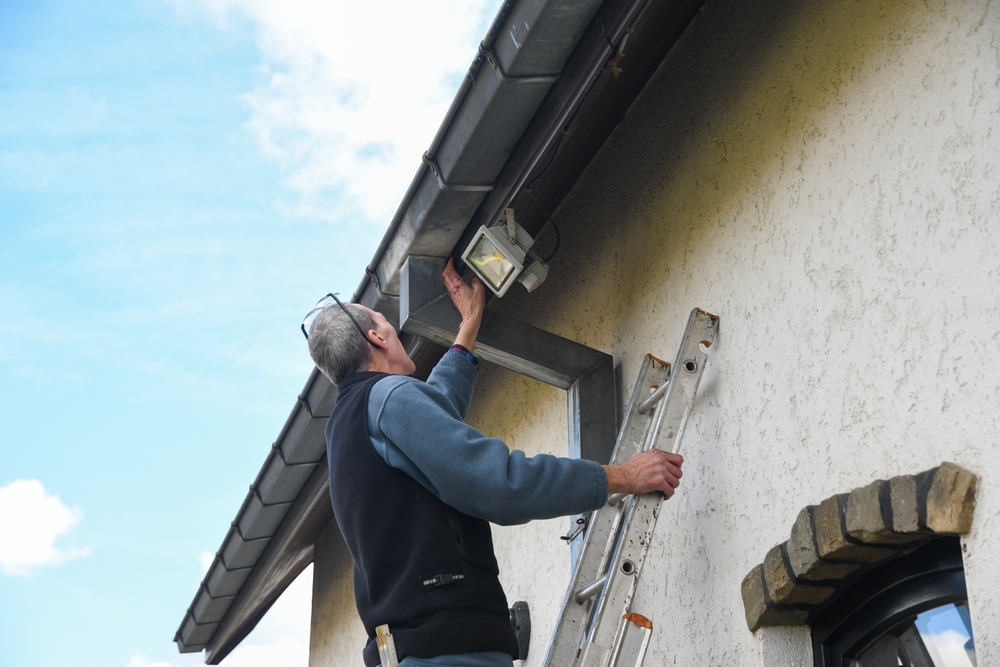
When you own a home, the to-do list never truly ends. From servicing the HVAC system to repainting the deck, maintaining a property is a continuous cycle of investment and care. Among these tasks, your gutter system is easily one of the most critical components. It stands as the first line of defense against water damage, protecting your roof, siding, foundation, and landscaping from the destructive power of uncontrolled rainwater. However, like every part of your home, gutters have an expiration date. If you are considering installing new gutters or wondering if your current ones are running on borrowed time, one question is likely at the top of your mind: How long do aluminum gutters last? It is a vital question for budgeting and long-term planning. You want to know if this is an investment you will make once and enjoy for decades, or if it is a recurring headache you will face every few years. In this comprehensive guide, we will explore the lifespan of aluminum gutters in depth. We will break down the factors that influence their longevity, compare them to other materials, and provide actionable tips on how to extend their life. Whether you are dealing with a historic home or a new build in the Columbia SC roofing market, understanding the lifecycle of your gutters is key to protecting your biggest asset. The Short Answer: What to Expect Let’s start with the bottom line. Under normal conditions, a high-quality aluminum gutter system will last between 20 and 30 years. This places aluminum firmly in the “long-term investment” category. To put that in perspective, a standard asphalt shingle roof often lasts about 20 to 25 years. This means that if you install a new roof and new aluminum gutters at the same time, they will likely age together and reach the end of their service lives around the same time. However, “20 to 30 years” is an average, not a guarantee. Some aluminum systems, particularly those made of thicker gauge metal and maintained meticulously, can last up to 50 years. Conversely, a poorly installed system in a harsh environment might begin to fail in 15 years. Why the wide range? Because “aluminum gutters” is a broad term that covers everything from flimsy DIY sectional pieces to heavy-duty, custom-fabricated seamless systems. The choices you make during installation and the care you provide afterward will determine where your system falls on that timeline. Why Aluminum is Built for Longevity To understand why aluminum gutters last as long as they do, we need to look at the material properties that make them unique. Aluminum is the most popular gutter material in America for a reason—it hits the “sweet spot” of durability and affordability. 1. Natural Rust Resistance The single biggest enemy of metal is rust. Steel gutters, while strong, are fighting a losing battle against oxidation from the moment they are installed. Once the protective zinc coating on galvanized steel wears down, rust eats through the metal, creating holes and structural failure. Aluminum, on the other hand, does not rust. It is a non-ferrous metal, meaning it contains no iron. When exposed to oxygen and moisture, aluminum forms a microscopic layer of aluminum oxide. Unlike rust (iron oxide), which flakes off and eats away the metal, aluminum oxide creates a hard, protective shield that prevents further corrosion. This self-healing property allows aluminum gutters to withstand decades of rain and humidity without turning into a crumbling orange mess. 2. Flexibility and Resilience Building materials need to handle temperature changes. In South Carolina, we experience scorching summers and occasional freezing winter nights. This thermal cycling causes materials to expand and contract. Vinyl gutters often struggle here. Over time, UV exposure makes the plastic brittle, and the expansion/contraction cycle causes them to crack or shatter. Aluminum is more resilient. It can expand and contract without losing its structural integrity. While it is lightweight, it retains a level of elasticity that prevents it from cracking under normal thermal stress. 3. The Power of Factory Finishes Modern aluminum gutters are not just raw metal; they are coated with a baked-on enamel finish. This is not like painting a wall with a roller; the finish is applied at the factory under high heat, bonding the color to the metal. This coating serves as a secondary layer of protection. It resists chipping, peeling, and fading far better than painted wood or vinyl. This means your gutters don’t just physically last for 30 years; they stay looking presentable for most of that time, too. Critical Factors That Influence Gutter Lifespan While the material itself is durable, the environment and installation method play massive roles in determining exactly how long your gutters will last. Let’s break down the variables that can add or subtract years from your system’s life. 1. Weather and Climate Your local climate is the biggest external factor. Heavy Rainfall: Gutters are designed to move water, but constant, torrential downpours put strain on the system. In areas with frequent heavy storms, the weight of the water tests the strength of the hangers and fasteners. Snow and Ice: While less common in the Columbia SC roofing region than in the north, ice is a gutter killer. When water freezes in a gutter, it expands and becomes incredibly heavy. This weight can bend the aluminum or pull the hangers right out of the fascia board. Wind: High winds can loosen fasteners over time. If a gutter isn’t secured properly, a hurricane or severe thunderstorm can tear sections loose or cause them to twist. 2. The “Gauge” (Thickness) of the Aluminum Not all aluminum is created equal. Aluminum gutters come in different thicknesses, measured in inches. .025 inch: This is “builder grade” or light-duty aluminum. It is often found in big-box stores for DIY projects. It dents easily and is more prone to warping under heavy loads. Expect a shorter lifespan from this gauge. .027 inch: The standard residential gauge. It offers a good balance of cost and
Are Aluminum Gutters Rust-Proof? The Truth About Aluminum Durability
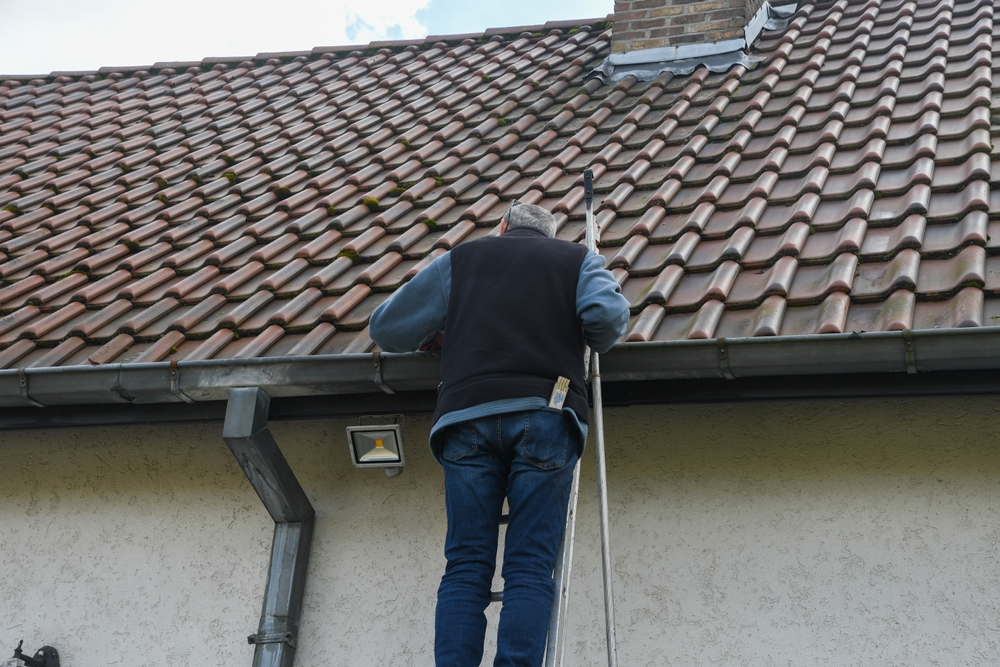
When homeowners invest in a new gutter system, one question looms larger than almost any other: “Will this rust?” It is a fair question. We have all seen houses with ugly, orange streaks running down the siding or gutters that have literally disintegrated into jagged, rusty edges. Rust is not just an aesthetic nightmare; it is a structural failure. When a gutter rusts, it develops holes. When it develops holes, water escapes and pours directly onto your foundation, ruining the very landscaping and structural integrity the gutter was meant to protect. If you are considering aluminum gutters for your home in Columbia, SC, you have likely heard the claim that they are “rust-proof.” But is that marketing hype, or is it scientific fact? The short answer is: Yes, aluminum gutters are effectively rust-proof. Unlike steel, which requires heavy galvanization or painting to fight off oxidation, aluminum naturally resists rust at a chemical level. This unique characteristic is what makes aluminum the gold standard for residential rainwater management. In this deep dive, we will explore the science behind why aluminum doesn’t rust, how it compares to materials that do rust, and why this specific trait makes it the smartest investment for your home’s exterior. The Science of Rust: Why Aluminum is Different To understand why aluminum doesn’t rust, we first have to understand what “rust” actually is. What is Rust? Rust is specifically iron oxide. It occurs when iron (or alloys containing iron, like steel) reacts with oxygen and moisture. This reaction creates a reddish-brown, flaky substance that eats away at the metal, weakening it until it crumbles. Crucially, rust only happens to metals that contain iron. Aluminum vs. Iron Aluminum is a non-ferrous metal, meaning it contains no iron. Because there is no iron present, it is chemically impossible for aluminum to create iron oxide (rust). However, aluminum does oxidize. When raw aluminum is exposed to air, it reacts with oxygen to form aluminum oxide. But here is the magical difference: Iron Oxide (Rust): Is porous and flaky. It expands and falls away, exposing fresh metal underneath to more oxygen and moisture, continuing the cycle of destruction until the metal is gone. Aluminum Oxide: Is a hard, thin, transparent film that clings tightly to the surface of the metal. Instead of eating the metal away, this oxide layer acts as a shield. It seals the aluminum underneath from further reaction. In simpler terms: When steel oxidizes, it destroys itself. When aluminum oxidizes, it protects itself. This “self-healing” mechanism is why aluminum is used in everything from soda cans to airplanes to, yes, your gutters. It can withstand decades of exposure to rain and oxygen without losing its structural integrity. Why “Rust-Proof” Matters for Your Home You might be thinking, “Okay, so it doesn’t rust. Is that really a big deal?” In the world of Columbia SC roofing and exterior maintenance, it is a huge deal. Here is why rust resistance translates directly to value for homeowners. 1. Longevity The most obvious benefit is lifespan. Steel gutters, even galvanized ones, rely on a protective coating of zinc. Over time, that coating scratches or wears off. Once water touches the steel underneath, the clock starts ticking. A rusted steel gutter might need replacement in as little as 10-15 years. Aluminum gutters, because they do not suffer from this “cancer” of metals, typically last 20 to 30 years or more. They will eventually wear out due to other factors (like falling branches or extreme denting), but they will not crumble away from water exposure. 2. Curb Appeal Maintenance We mentioned the ugly orange stains earlier. Rust isn’t polite; it travels. When steel gutters rust, that rusty water drips onto your fascia boards, runs down your expensive vinyl or Hardie plank siding, and stains your concrete driveway or patio. Removing rust stains from siding or concrete is difficult, expensive, and often requires harsh chemicals. By choosing rust-proof gutters made of aluminum, you eliminate the source of the stain entirely. Your white siding stays white, and your home maintains its pristine appearance. 3. Lower Maintenance Costs Maintaining steel gutters often involves scraping away rust spots and repainting them with specialized metal primers to extend their life. It is a labor-intensive chore. Aluminum gutters are virtually maintenance-free regarding the material itself. You still have to clean the leaves out (or install gutter guards), but you never have to worry about sanding down a rusty spot before it eats a hole through the trough. If you are tired of battling corrosion on your current system, our gutter installation services can upgrade you to a seamless aluminum system that ends the war on rust forever. Comparison: Aluminum vs. Galvanized Steel To truly appreciate aluminum, it helps to look at its main competitor in the metal gutter category: galvanized steel. Galvanized steel gutters are strong. In fact, they are stronger than aluminum, able to withstand heavier impacts from ladders or falling limbs. However, their Achilles’ heel is rust. The Galvanization Process Galvanized steel is steel that has been coated in a layer of zinc. Zinc, like aluminum, resists rust. Ideally, the zinc coating protects the steel core. The Failure Point The problem arises when the zinc coating is breached. Scratches: If a branch scratches the gutter, or if a tool nicks it during installation, the steel is exposed. Cutting: When steel gutters are cut to size, the ends are raw steel. Unless the installer meticulously seals every cut end (which rarely happens perfectly), rust begins at the seams and ends immediately. Standing Water: If gutters are not pitched perfectly and water pools, the constant moisture eventually breaks down the zinc coating. Once the rust starts on steel, it spreads underneath the paint or zinc coating, bubbling up like a blister. By the time you see it, the damage is often deep. The Aluminum Advantage Aluminum has no coating to fail. The metal itself is the protection. Even if you scratch an aluminum gutter down to the core, the
Aluminum Gutters vs Vinyl Gutters: Pros and Cons
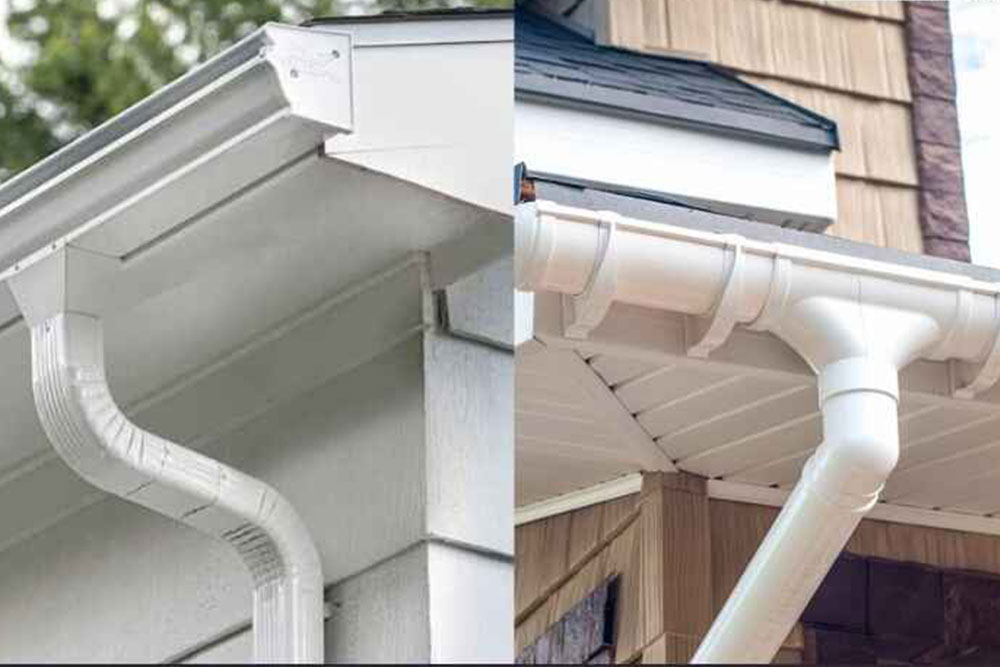
When it comes to home improvement projects, choosing the right materials is half the battle. This is especially true for your gutter system—a critical component that protects your roof, siding, and foundation from water damage. If you are in the market for new gutters, you have likely narrowed your choices down to the two most popular contenders: aluminum and vinyl. If you’re exploring professional gutter services in South Carolina, understanding material differences is the first step toward making the right decision. Both materials have their champions. You might see vinyl touted for its rock-bottom price tag at local hardware stores, while aluminum is often praised by professional contractors as the industry standard. But which one is truly right for your home in Columbia, SC? In this comprehensive guide, we will break down the “Aluminum vs. Vinyl” debate. We will compare them head-to-head on cost, durability, installation, aesthetics, and maintenance so you can make an informed decision that protects your investment for years to come. The Basics: Understanding the Materials Before we dive into the pros and cons, it is helpful to understand exactly what we are comparing. Vinyl Gutters: These are made from PVC (polyvinyl chloride) plastic. They are lightweight, resistant to corrosion, and are typically sold in pre-cut sections at home improvement stores. They are the darling of the DIY community because they snap together easily. Aluminum Gutters: These are made from lightweight aluminum metal. They are also rust-resistant and lightweight but offer significantly more structural strength than vinyl. While you can buy sectional aluminum gutters, they are most commonly installed as “seamless” systems by professionals. Both serve the same basic function—channeling water away from your home—but they perform very differently over time. If you want to see how aluminum and vinyl stack up against copper, steel, and other options, review our full comparison of gutter materials. Round 1: Durability and Lifespan When you invest in your home’s exterior, you want it to last. The climate in South Carolina can be tough on building materials, with intense summer heat, humidity, and occasional heavy storms. Vinyl Gutters: The Fragility Factor Vinyl gutters have one major enemy: the weather. While PVC plastic is immune to rust, it is highly sensitive to temperature fluctuations and UV radiation. Brittleness: Over time, exposure to the sun causes vinyl to become brittle. In colder months (or even just after years of sun exposure), a stray branch or a heavy ladder leaning against them can cause the plastic to crack or shatter. Sagging: Vinyl is not a rigid material. In heavy rain, the weight of the water can cause the gutters to bow or sag between hangers. Once a vinyl gutter sags, water pools in that spot, adding more weight and worsening the problem. Lifespan: You can typically expect vinyl gutters to last 10 to 15 years in a mild climate. However, in areas with intense sun or weather shifts, that lifespan can be significantly shorter. Aluminum Gutters: The Long-Term Warrior Aluminum is designed to endure. It offers the strength of metal without the heavy weight of steel. Weather Resistance: Aluminum stands up remarkably well to all weather conditions. It does not become brittle in the cold or soft in the heat. It can handle heavy downpours without losing its shape. Rust-Proof: Like vinyl, aluminum does not rust. This gives it a huge advantage over steel gutters, which eventually succumb to corrosion. Lifespan: A high-quality aluminum gutter system can last 20 to 30 years or more, especially when you consider the full benefits of aluminum gutters in long-term performance. If you opt for seamless aluminum gutters, you eliminate the weak points (seams) that often lead to failure in other systems. Winner: Aluminum. Its ability to withstand the elements without degrading makes it the clear choice for longevity. Round 2: Installation and Leak Potential How your gutters are installed plays a massive role in their performance. This is where the difference between “sectional” and “seamless” becomes critical. The Problem with Seams (Vinyl) Vinyl gutters are almost exclusively sold in 10-foot sections. To cover a 50-foot roofline, you have to snap five separate pieces together using connectors. Leak Points: Every seam is a potential leak. Over time, the rubber seals in the connectors degrade, or the plastic warps slightly, allowing water to drip through. Debris Traps: Seams create ridges inside the gutter trough. These ridges catch leaves, pine needles, and twigs, leading to clogs. DIY vs. Pro: While vinyl is easy for a homeowner to install themselves, it is difficult to get the pitch (slope) perfect with sectional pieces. Poor pitch leads to standing water. The Seamless Advantage (Aluminum) While you can buy sectional aluminum, the gold standard—and what we recommend at Cola City Roofing—is seamless aluminum. Custom Fit: Professional gutter installation services involve bringing a machine to your home that forms the gutter from a continuous coil of aluminum. This means one solid piece runs the entire length of your roof. No Leaks: Without seams every 10 feet, there are simply fewer places for water to escape. The only seams are at the corners (miters). Better Flow: A smooth interior channel means water and debris flow freely toward the downspouts, reducing maintenance needs. Winner: Aluminum. The option for seamless installation provides superior protection against leaks that vinyl simply cannot match. Round 3: Aesthetic Appeal Curb appeal matters. Your gutters are a visible “frame” on your house, and you want them to look good. Vinyl: The “Budget” Look Vinyl gutters have a distinct appearance that can sometimes look “cheap” or plasticky, which might not suit a higher-end home or a historic property. Color Limitations: Vinyl typically comes in white or brown. While you can paint it, it is difficult. Paint does not adhere well to PVC, and it is prone to peeling over time. Fading: The color of vinyl gutters tends to yellow or fade unevenly after years of sun exposure, leaving your home’s exterior looking tired. Aluminum: The Designer’s Choice Aluminum offers versatility that architects and
Why Aluminum Gutters Are the Most Popular Choice
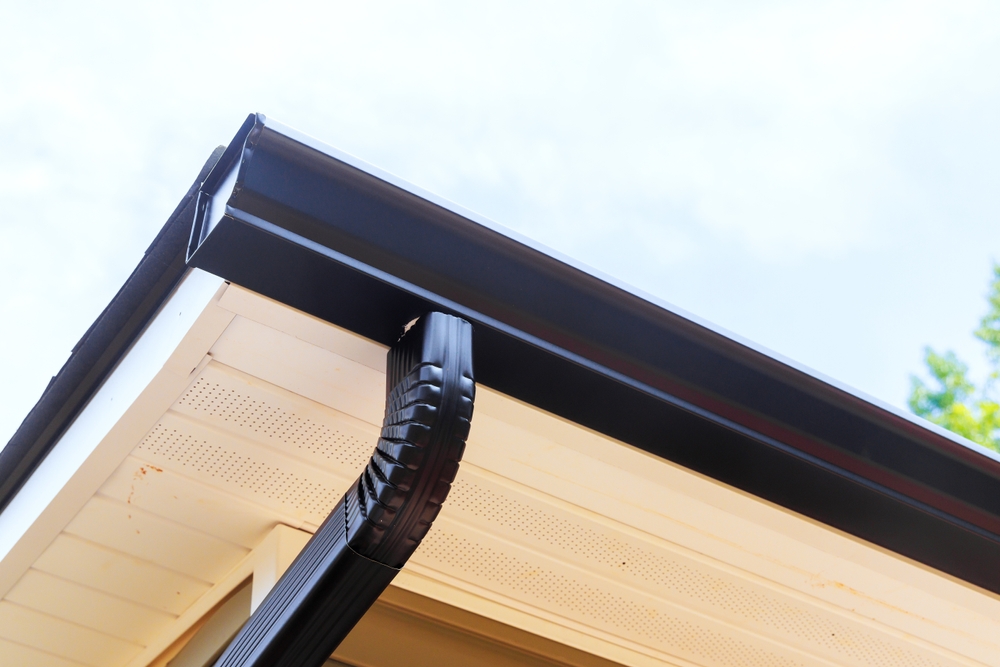
When it comes to protecting your home from water damage, your gutter system plays a silent but critical role. While homeowners often focus on roof shingles or siding, the humble gutter is the unsung hero directing thousands of gallons of rainwater away from your foundation every year. Among the various materials available—copper, vinyl, steel, and zinc—one stands out as the overwhelming favorite for American homes: aluminum. Aluminum gutters have secured their spot as the industry standard for good reason. They offer a unique balance of durability, affordability, and aesthetic versatility that other materials struggle to match. Whether you are building a new home in Columbia, SC, or looking to replace an aging system, understanding why aluminum is the top choice can help you make an informed investment in your property’s longevity. In this comprehensive guide, we will explore exactly why aluminum gutters reign supreme, how they compare to alternatives, and why they are likely the perfect fit for your home. The Perfect Balance: Durability Meets Affordability One of the primary reasons aluminum gutters are the most popular choice is their cost-to-value ratio. Home improvements are investments, and homeowners naturally want the best return on that investment. Cost-Effectiveness Without Compromise Compared to high-end materials like copper or zinc, aluminum is significantly more affordable. Copper gutters, while beautiful, can cost three to four times as much as aluminum. On the other end of the spectrum, vinyl gutters are cheaper but often lack the longevity and structural integrity of aluminum. Aluminum sits in the “sweet spot.” It provides a high-end look and performance without the luxury price tag. For most families, this makes aluminum the most practical option. It allows you to protect your home effectively without blowing your entire exterior maintenance budget. Built to Last Don’t let the lightweight nature of aluminum fool you. These gutters are incredibly durable. A well-maintained aluminum gutter system can last anywhere from 20 to 30 years or more. Unlike steel, which is prone to rusting over time, aluminum is naturally resistant to rust and corrosion. This is a crucial factor for homes in areas with high humidity or frequent rainfall. However, durability isn’t just about resisting rust. It’s about holding up against the elements. Aluminum gutters can withstand snow loads (within reason), heavy downpours, and the scorching summer sun without warping or becoming brittle—a common failure point for vinyl gutters. If you are considering upgrading your home’s exterior, our gutter installation services ensure you get high-quality aluminum products installed with precision to maximize this lifespan. Lightweight and Easy to Install The weight of a building material matters more than you might think. Heavy gutters, such as those made from galvanized steel, place significant stress on your roof’s fascia boards. Over time, this weight can cause the fascia to pull away from the house, leading to rot and structural damage. Reducing Strain on Your Home Aluminum is a lightweight metal. This characteristic makes it much easier to handle during installation and places minimal stress on your home’s structure. Even when full of water during a storm, aluminum gutters are less likely to cause sagging or detachment compared to heavier metals, provided they are installed with the correct hanger spacing. Seamless Installation Options One of the biggest advantages of aluminum is that it is the primary material used for “seamless” gutters. In the past, gutters were sold in sections that had to be pieced together, leaving seams every 10 feet or so. Every seam is a potential leak point and a catch point for debris. Professional gutter installation teams bring a machine to your home that forms the aluminum gutter to the exact length of your roofline. This means you can have a single, continuous run of gutter stretching 40, 50, or even 60 feet without a single seam. This drastically reduces the likelihood of leaks and improves the overall flow of water. Aesthetic Versatility: Matching Your Home’s Style Your gutters are a visible part of your home’s exterior trim. While their function is utilitarian, their form contributes to your curb appeal. A Rainbow of Colors Aluminum gutters are available in a vast array of factory-baked enamel colors. Whether you want your gutters to blend in seamlessly with your siding or stand out as a contrasting trim feature, there is an aluminum color to match. Unlike vinyl, which typically comes in white or brown and is hard to paint, aluminum holds paint incredibly well. This factory finish is baked on, meaning it is resistant to peeling, chipping, and fading. It can endure years of UV exposure while maintaining a fresh look. Styles to Suit Any Architecture Aluminum is malleable, meaning it can be formed into different profiles. The most common style is the “K-style” gutter, which has a decorative shape resembling crown molding. This style looks excellent on most modern and traditional homes. For a more historic or industrial look, aluminum is also available in “half-round” styles. This versatility ensures that no matter the architectural style of your home in Columbia, SC, there is an aluminum profile that complements it perfectly. Low Maintenance Requirements Homeowners are busy. The last thing you want is a home exterior feature that requires constant babysitting. While no gutter system is completely maintenance-free (leaves will always fall!), aluminum requires far less attention than other materials. Rust Resistance As mentioned earlier, aluminum does not rust. If you install steel gutters, you must be vigilant about scratches or chips in the paint, as these can quickly turn into rust spots that eat through the metal. With aluminum, a scratch is just a cosmetic issue, not a structural threat. This rust-proof quality means you won’t wake up one day to find ugly orange stains running down your pristine white siding. minimal Thermal Movement All materials expand and contract with temperature changes. Vinyl gutters are notorious for expanding significantly in the heat and contracting in the cold. This constant movement can cause the gutters to warp or pull free from their hangers. Aluminum has a much
Common Myths About Seamless Gutters
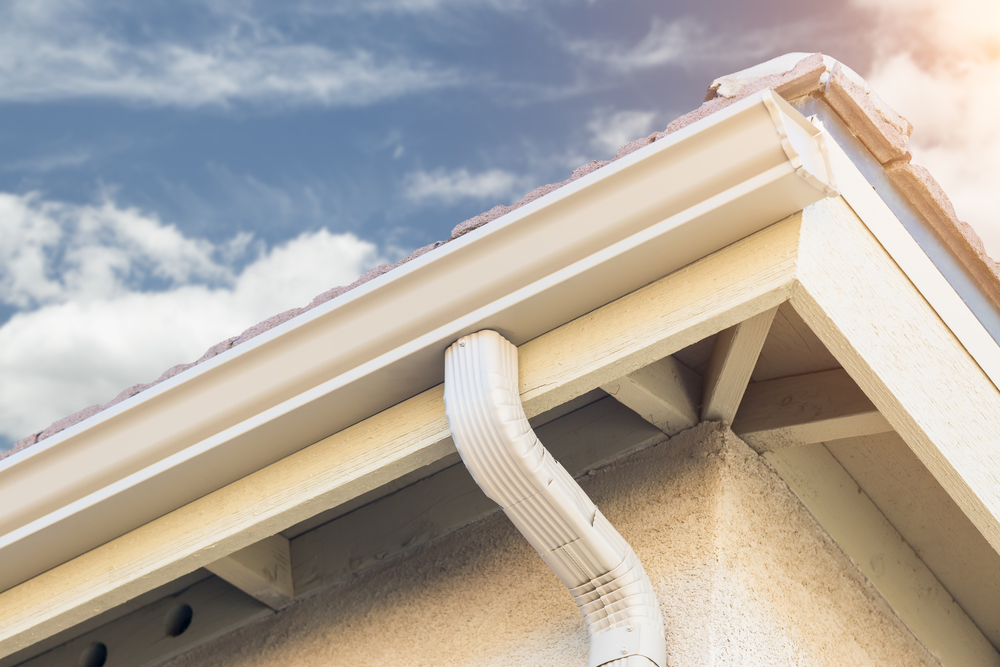
In the world of home improvement, misinformation travels fast. Whether it comes from a well-meaning neighbor, an outdated forum post, or a contractor trying to push a specific product, myths can cloud a homeowner’s judgment. This is especially true for gutter systems. Gutters are your home’s first line of defense against water damage, yet they are often misunderstood. Specifically, seamless gutters—the modern standard for effective water management—are frequently the subject of myths regarding their cost, necessity, and maintenance. Believing these myths can be costly. It might lead you to choose an inferior product that fails in a few years, or worse, ignore your drainage needs until your foundation is compromised. In this comprehensive guide, we are going to tackle the biggest misconceptions head-on. We will separate fact from fiction, explaining exactly why seamless gutters are the superior choice and why some of the things you have heard simply aren’t true. If you’re exploring your options more broadly, start with our complete guide to gutter services in South Carolina. Myth #1: “Seamless Gutters Are Too Expensive” This is arguably the most pervasive myth out there. Many homeowners assume that because something is “custom-made” or “seamless,” it must come with a luxury price tag that is out of reach for the average budget. The Reality: While the initial upfront cost of seamless gutters is typically higher than buying plastic sectional pieces at a big-box store, the price difference is often much smaller than people expect—and the long-term value is significantly higher. Breaking Down the Cost When you buy sectional gutters, you are paying for the material, the connectors, the extra sealant, and likely the tools you don’t own to install them. Then, you are paying with your time—hours spent on a ladder, measuring, cutting, and hoping you get the pitch right. Professional gutter installation of seamless aluminum gutters is incredibly efficient. Because the gutters are extruded on-site from a machine, there is very little waste. The labor is streamlined because the crew isn’t spending time piecing together 10-foot sections. The Cost of Failure The true cost of a gutter system isn’t just the purchase price; it is the cost of ownership. Sectional Gutters: prone to leaking at the seams within a few years. This leads to rotted fascia boards, stained siding, and potential foundation issues. Fixing these problems can cost thousands of dollars. Seamless Gutters: Designed to last 20+ years with minimal issues. When you amortize the cost over the lifespan of the product, seamless gutters are often the cheaper option. Furthermore, seamless gutters add to your home’s resale value, whereas visibly sagging or leaking DIY gutters can be a red flag during a home inspection. When you consider the protection they offer, seamless gutters are an investment, not just an expense. You can see a full breakdown of performance advantages in what seamless gutters are and why homeowners love them. Myth #2: “Seamless Means Maintenance-Free” We wish this one were true. The word “seamless” sounds like magic—a perfect, self-sustaining system that you can install and forget about forever. The Reality: “Seamless” refers to the construction of the gutter trough, not its ability to repel leaves. No open gutter system is 100% maintenance-free. Why You Still Need to Clean Them Even though seamless gutters have fewer snag points than sectional ones, they are still open channels designed to catch water. If your home is surrounded by trees, leaves, pine needles, and twigs will inevitably fall onto your roof and wash into the gutters. If these organic materials are allowed to accumulate, they will form a dam. This can cause water to back up and overflow, rendering the “seamless” aspect irrelevant because the water isn’t going down the spout anyway. The Advantage of Seamless Maintenance However, there is a grain of truth here: seamless gutters are easier to maintain. Fewer Clogs: In sectional gutters, the ridges where pieces connect act like little nets, catching debris and starting clogs. Seamless gutters are smooth from end to end, allowing water to flush out smaller debris more effectively. Less Leak Repair: Maintenance on sectional gutters involves constantly re-caulking the seams. With seamless gutters, that chore is eliminated entirely. To get as close to “maintenance-free” as possible, we recommend pairing your seamless gutters with high-quality gutter guards. This combination keeps the debris out while letting the water in, significantly reducing the frequency of cleaning. Myth #3: “I Can Install Seamless Gutters Myself” The DIY spirit is strong among homeowners. We watch videos, buy tools, and tackle projects to save money. It is natural to think, “It’s just a metal trough; how hard can it be?” The Reality: You literally cannot install genuine seamless gutters yourself unless you own a $10,000+ gutter machine and a box truck to carry it. The “Seamless” Definition True seamless gutters are fabricated on-site. A professional gutter installation services crew arrives with a roll-forming machine. They feed a coil of aluminum into one end, and the machine extrudes a continuous gutter out the other end, cut to the exact length of your roofline. You cannot buy a 40-foot seamless gutter at a hardware store because you couldn’t transport it home. It would bend, kink, and become useless before you left the parking lot. The DIY Trap When people say they “DIY-ed” their gutters, they are almost always talking about sectional gutters. They bought 10-foot pieces and glued them together. As we have established, these are not seamless, and they come with all the inherent risks of leaks and failure. Beyond the machine, professional installation involves critical technical skills: Calculating Pitch: Ensuring the gutter slopes correctly (approx. 1/4 inch per 10 feet) to drain water without looking crooked. Proper Fastening: Using hidden hangers screwed into the fascia (not just the trim) to handle heavy snow and water loads. Downspout Placement: knowing exactly where to discharge water to protect the foundation. This is one home improvement project where “DIY” is physically impossible for the product you actually want. Here’s a side-by-side comparison of seamless