
The Long-Term Savings of Installing Gutter Guards
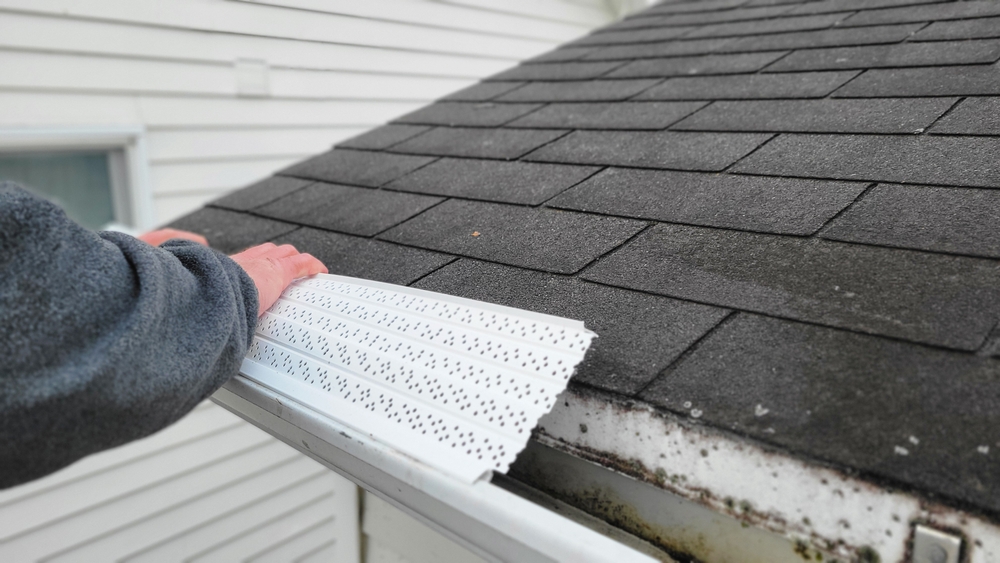
When it comes to home improvement, every homeowner asks the same question: “Is this going to save me money in the long run?” We live in an era of smart investments. We upgrade to energy-efficient windows to lower our electric bills. We add insulation to keep our HVAC systems running efficiently. Yet, one of the most financially impactful upgrades is often overlooked because it sits high above our heads, out of sight and out of mind: gutter guards. At first glance, installing a high-quality gutter protection system seems like just another expense. It is easy to look at the upfront quote and think, “I can just clean them myself for free.” However, this short-term thinking often leads to significant long-term costs. The true value of gutter guards isn’t just in the convenience of not climbing a ladder; it is in the thousands of dollars saved on maintenance, repairs, and premature replacements over the lifespan of your home. In this detailed financial breakdown, we will explore the long-term savings with gutter guards, analyzing the hard numbers behind maintenance costs, the hidden expenses of neglect, and why this upgrade is one of the most cost-effective gutter solutions for homeowners in Columbia, SC. Many homeowners exploring gutter services in South Carolina are surprised to learn that long-term protection often costs less than ongoing maintenance. The Hidden Economics of Open Gutters To understand the savings, we first have to understand the cost of the status quo. Open gutters are not free to operate. They come with a recurring maintenance debt that must be paid either with your wallet or your time. If you live in a leafy area—which describes most of Columbia and the Midlands—your gutters are under constant assault. Homes surrounded by mature trees often see the fastest return on investment from gutter protection. Pine needles, oak tassels, twigs, and broad leaves accumulate rapidly. This debris holds moisture, weighs down the system, and blocks water flow. Keeping open gutters functional requires a strict maintenance schedule. Neglecting this schedule doesn’t just save money; it defers it, often with high interest in the form of damage repairs. The Recurring Cost of Professional Cleaning For the average home surrounded by trees, professional gutter cleaning is required at least twice a year—once in late spring after the pollen drop and once in late autumn after the leaves fall. For homes with heavy pine coverage, quarterly cleaning is often necessary. Let’s look at the math over a 10-year period: Average cost per cleaning: $150 – $250 (depending on home size and height) Frequency: 2-3 times per year Annual Cost: $300 – $750 10-Year Cost: $3,000 – $7,500 This is money that disappears from your bank account every year, with no equity added to your home. It is a pure maintenance expense. By installing gutter guards, you effectively eliminate this recurring bill, keeping that money in your pocket. If you’re comparing your options, this breakdown of gutter guards vs regular cleaning walks through cost, safety, and long-term value in detail. The “Free” DIY Cleaning Myth Many homeowners argue that they save money by doing it themselves. But is DIY cleaning truly free? First, there is the cost of equipment: a sturdy extension ladder, gloves, buckets, gutter scoops, and perhaps a pressure washer attachment. Second, there is the value of your time. Cleaning gutters properly is a half-day project. If you value your weekend time at even a modest hourly rate, spending 8-12 hours a year on a ladder adds up to hundreds of dollars in “sweat equity” lost. Finally, there is the risk cost. Ladder falls are a leading cause of home injury. One trip to the emergency room, one lost week of wages due to a sprained ankle, or one back injury can instantly negate decades of “savings” from DIY cleaning. Gutter guards are an insurance policy against these risks. Here’s a closer look at how gutter guard systems reduce maintenance throughout the year. Preventing Expensive Water Damage The most significant long-term savings with gutter guards come not from cleaning costs, but from damage prevention. Clogged gutters are the root cause of surprisingly expensive structural issues. When gutters fail to move water away from your home, that water attacks your property. 1. Foundation Repair Savings Your gutters are your home’s first line of defense against foundation damage. When debris blocks the downspouts, water overflows directly onto the soil surrounding your foundation. The Damage: This water saturation causes the soil to expand and contract (hydrostatic pressure), leading to cracks in your foundation walls. In severe cases, it can cause the foundation to settle or shift. The Cost: Minor foundation crack repairs can cost $500 to $2,000. Major structural underpinning to fix a sinking foundation can easily exceed $10,000 to $30,000. The Savings: By ensuring water always flows freely through the downspouts and away from the house, gutter guards protect your foundation from this hydrostatic pressure, potentially saving you tens of thousands of dollars. 2. Fascia and Soffit Preservation The fascia board is the wood that your gutters are mounted to. When gutters clog with wet, rotting leaves, that sludge sits against the wood for weeks or months. The Damage: The moisture wicks into the fascia and the soffit (the underside of the roof overhang), causing wood rot. This not only weakens the gutter attachment but allows pests and water to enter your attic. The Cost: Replacing rotted fascia and soffit is labor-intensive. It requires removing the gutters, cutting out the bad wood, installing new primed lumber, painting it, and reinstalling the gutters. This can cost $20 to $50 per linear foot. A whole-house repair can run into the thousands. The Savings: Gutter guards keep wet debris off the wood. Dry gutters mean dry fascia, extending the life of your roof edge indefinitely. 3. Landscape Erosion Control You invest time and money into your landscaping—mulch, shrubs, flower beds, and hardscaping. The Damage: A clogged gutter creates a waterfall effect. This concentrated stream of water acts like a drill, washing
Are Gutter Guards Worth It for Homes With Trees?
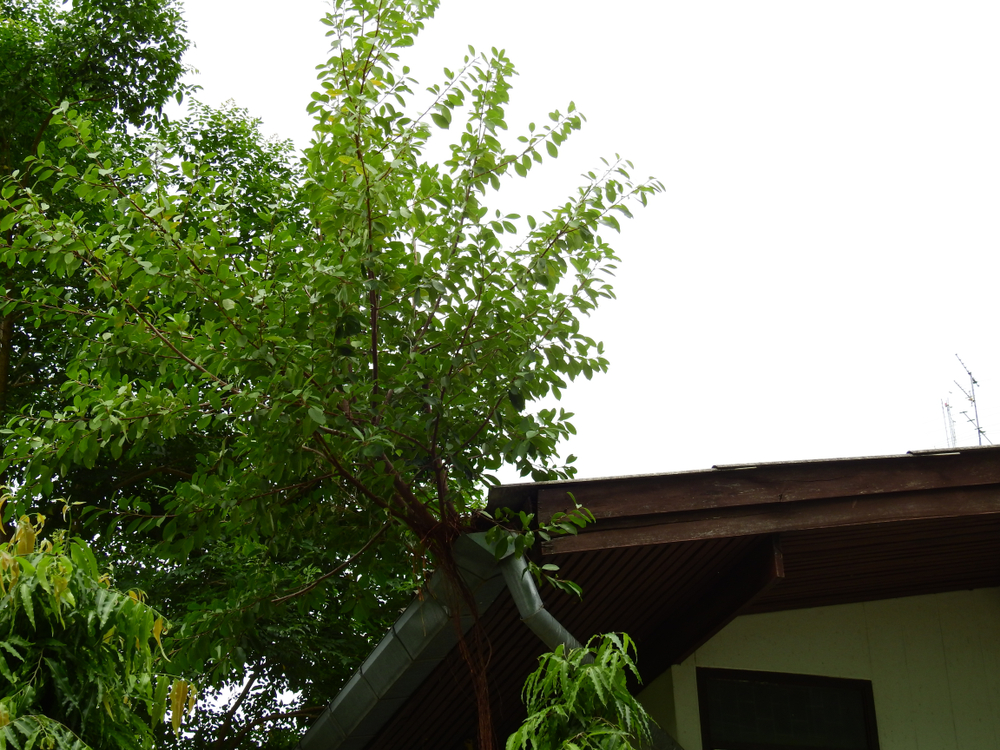
There is a distinct charm to living in Columbia, South Carolina. Our neighborhoods are known for their lush canopies, established oaks, and towering pines that provide much-needed shade during our famously hot summers. These trees add value to our properties, curb appeal to our streets, and a sense of serenity to our backyards. However, for a homeowner, this natural beauty comes with a significant caveat: debris. If you live on a property surrounded by trees, you know the seasonal ritual all too well. Spring brings a coating of yellow pollen and oak tassels (catkins). Summer brings heavy storms that knock down twigs and green leaves. Autumn brings the great leaf drop. And winter? Winter brings the relentless fall of pine needles. Your gutters are on the front lines of this constant barrage. That’s why dependable gutter services in South Carolina focus on long-term debris control, not just basic installation. Designed to channel water away from your home, they often end up acting as shelves for tree debris. This leads to clogs, overflows, and the dreaded weekend chore of climbing a ladder to scoop out the muck. This leads to a common question we hear at Cola City Roofing: Are gutter guards worth it for homes with trees? Is the upfront cost of installation justified by the reduction in maintenance? Do they actually work against stubborn pine needles? In this comprehensive guide, we will explore the economics, mechanics, and practical realities of installing gutter guards for homes with trees. We’ll help you decide if this home improvement project is the right solution for your leafy landscape. The Battle Between Trees and Open Gutters To understand if gutter protection is worth the investment, we first need to analyze the problem. Open gutters are simple, effective tools—until you introduce trees into the equation. The Seasonal Cycle of Clogs For a home in an open field, gutters might only need cleaning once a year to remove dust and roof grit. But for a home with trees, the maintenance schedule is grueling. Spring: Oak trees drop catkins—those stringy, worm-like flowers. These mat down instantly when wet, creating a dense layer at the bottom of the gutter that blocks flow before the rainy season even peaks. Summer: Summer thunderstorms in Columbia are intense. High winds snap small twigs and strip fresh leaves. Because these leaves are green and heavy, they don’t blow out; they stick. Autumn: The classic problem. Broad leaves from maples, sweetgums, and oaks pile up rapidly. They create “bridges” over the gutter opening, causing water to cascade over the side. When clogs form, water has nowhere to go, which is why gutter guards play a critical role in preventing overflow during heavy storms. Winter: The silent killer of gutters: pine needles. They fall year-round but heavily in winter. They align with the flow of water, slipping into downspouts and creating complex clogs deep within the elbows of the pipe that are incredibly difficult to remove. The Consequences of Neglect When you have trees, you cannot afford to ignore your gutters. Tree debris in gutters retains moisture. This wet sludge does three things: Weight: It adds hundreds of pounds of stress to the gutter hangers, causing them to pull away from the fascia. Rot: The wet debris sits against the fascia board, leading to wood rot that can spread to the roof decking. Pests: It creates a perfect nesting ground for mosquitoes, ants, and even squirrels looking for a soft bed. If your gutters are already showing signs of sagging or leaking due to years of heavy debris, you may need to address the underlying damage first. Our team provides expert Gutter Repair Services to restore your system’s structural integrity before we discuss adding protection. The ROI Analysis: Are Gutter Guards Worth It? “Worth” is subjective, but in home improvement, it usually comes down to three factors: Money, Time, and Safety. Let’s break down the value proposition of gutter guards specifically for tree-heavy properties. 1. The Financial Equation Let’s look at the numbers. If you live under trees, you should be cleaning your gutters at least 3-4 times a year to prevent overflow. Many homeowners compare gutter guards vs regular cleaning before making a decision, especially when facing heavy tree debris year-round. Professional Cleaning Costs: Hiring a pro to clean gutters safely can cost anywhere from $150 to $300 per visit, depending on the size and height of your home. If you clean 3 times a year, that is $450 – $900 annually. Over 10 years, you are spending $4,500 to $9,000 just on maintenance. The Cost of Damage: What is the cost of not cleaning them? A flooded basement from overflow can cost thousands to remediate. Rotted soffit and fascia repairs are expensive carpentry projects. Compared to these recurring costs, the one-time investment in high-quality gutter guards often pays for itself within a few years. It transforms a variable, recurring expense into a fixed, one-time equity improvement. 2. The Time Calculation If you choose the DIY route to save money, you are spending “sweat equity.” Cleaning gutters on a home with trees is not a quick 30-minute job. It involves: Hauling the ladder out. Moving it every 4-6 feet around the perimeter of the house. Scooping wet, smelling mulch. Flushing the downspouts. Cleaning up the mess you threw on the ground. For a standard home, this is easily a half-day project. Doing this three times a year means you are dedicating multiple weekends to gutter maintenance. Gutter guards for homes with trees give you that time back. While no system is 100% maintenance-free, guards reduce the frequency of cleaning from “every season” to “a quick visual check once a year.” Here’s a deeper look at how gutter guard systems reduce maintenance for homes surrounded by trees. 3. The Safety Factor (The Most Important Metric) This is the intangible “worth” that is hard to put a price tag on. Ladder falls are a leading cause of emergency room visits for homeowners in the
How Gutter Guards Help Prevent Water Overflow
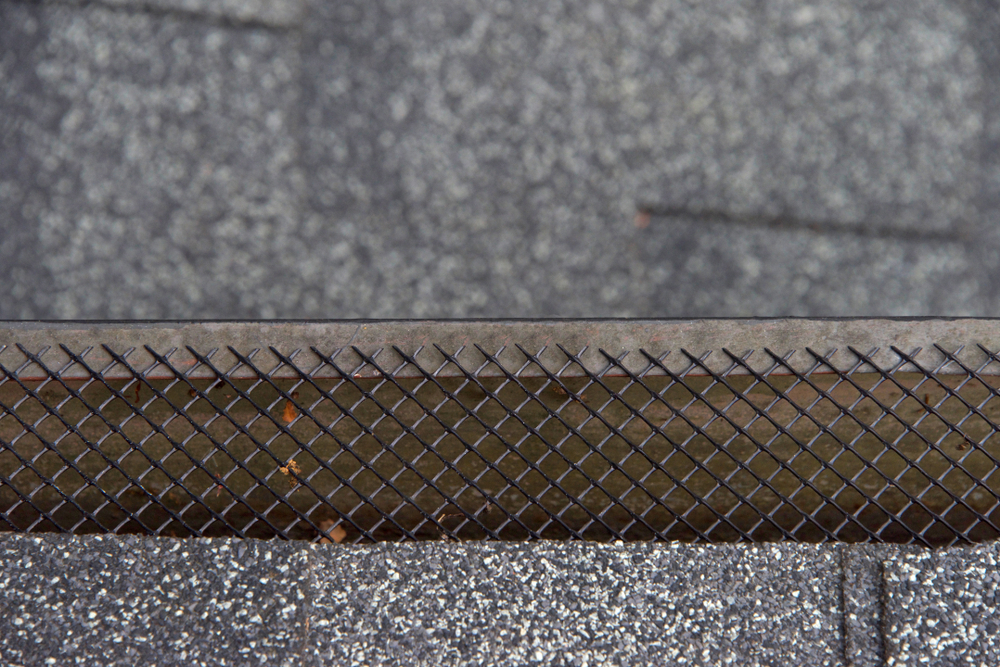
Every homeowner knows the sound. It starts as a gentle patter on the roof, escalating into a rhythmic drumming. Then, if something is wrong, the rhythm breaks. Instead of the satisfying whoosh of water rushing down the downspout, you hear a splash—a heavy, chaotic pouring of water hitting the ground right next to your foundation. This is the sound of water overflow. It is the sound of a gutter system that has been defeated by debris. While gutters are essential for managing rainwater, they have a fatal flaw: they are open buckets. They catch everything that falls from the sky and the trees above. When leaves, twigs, and pine needles accumulate, they create dams that block the flow of water. The result is overflow, a problem that looks like a nuisance but acts like a wrecking ball to your home’s structural integrity. That’s why professional gutter services in South Carolina focus not just on installation, but long-term flow protection and overflow prevention. The solution to this persistent problem is often simple yet misunderstood: gutter guards. These protective devices act as a filtration system for your roof, ensuring that only water enters the channel while debris stays out. But how exactly do they work, and can they really handle the torrential downpours we experience here in South Carolina? If you’re new to the concept, here’s a full breakdown of what gutter guards are and whether you actually need them. In this deep dive, we will explore the mechanics of gutter guards, how they effectively prevent water overflow, and why they might be the most important upgrade you make for your home this year. Understanding the Root Cause of Water Overflow To appreciate how gutter guards solve the problem, we must first understand why overflow happens. It is rarely a failure of the gutter trough itself; rather, it is a failure of capacity caused by obstruction. The Debris Dams The primary culprit is organic debris. In Columbia, SC, we are blessed with beautiful foliage—towering oaks, expansive maples, and the ubiquitous pine trees. While these trees provide shade and beauty, they are the natural enemy of open gutters. When leaves fall, they don’t just sit loosely in the gutter. They get wet. Wet leaves mat together, forming a dense, heavy sludge that acts like cement. This sludge piles up at the narrowest points of the system: the downspout outlets. Once the outlet is blocked, the water has nowhere to go. It fills the gutter trough until it reaches the brim, and then it spills over. The Volume vs. Velocity Equation Gutters are designed to handle a specific volume of water based on the square footage of your roof. However, this calculation assumes an unobstructed path. Even a small handful of pine needles can reduce the flow rate of a downspout by 50% or more. During a heavy summer thunderstorm, the volume of rain hitting your roof is immense. If the velocity of the water exiting the system is slowed by debris, the system backs up almost instantly. Gutter guards are designed to solve both sides of this equation: they eliminate the debris dams and maintain the velocity of water flow. What Are Gutter Guards? Gutter guards—also known as gutter covers, screens, or helmets—are protective layers installed over or inside your existing gutters. Their purpose is simple: let water in, keep everything else out. While the concept is straightforward, the engineering can be quite sophisticated. There are several types of gutter protection available, each with its own method of preventing overflow: Mesh Screens: These are metal sheets with thousands of tiny holes. They act like a sieve. They are excellent at keeping out large leaves and grit, though some finer sediment can pass through. Reverse Curve (Surface Tension) Guards: These use a solid cover with a curved nose. They rely on the scientific principle of liquid adhesion. Water clings to the curve and flows into the gutter, while leaves (which don’t adhere to the curve) fall off the edge. Brush Guards: These look like large pipe cleaners that sit inside the gutter. They keep large debris on top while allowing water to flow through the bristles. Foam Inserts: Triangular wedges of porous foam that fit into the gutter. Water soaks through; debris sits on top. Regardless of the type, the goal is the same: maintain an open channel for water to travel, ensuring it never creates the blockage that leads to overflow. The Mechanism: How Guards Stop the Overflow Before It Starts So, how does a thin piece of metal or plastic prevent the waterfall effect? It comes down to flow management. 1. Maintaining Continuous Channel Capacity The most critical way gutter guards prevent overflow is by preserving the capacity of the gutter trough. An open gutter might be 5 inches deep, but if 3 inches of that depth are filled with rotting leaves, you effectively only have a 2-inch gutter. A 2-inch gutter cannot handle a heavy storm. Gutter guards ensure that the interior of the gutter remains empty. By keeping the channel clear, the full depth of the gutter is always available to hold and transport water. This means when a sudden deluge hits, your system has maximum capacity to manage the volume without spilling over the sides. 2. Protecting the Downspout The downspout is the bottleneck of the entire system. It is the drain in the bathtub. If the drain is plugged, the tub overflows. Gutter guards act as the ultimate drain cover. By preventing debris from ever entering the horizontal trough, they ensure that nothing large enough to clog the downspout ever reaches the opening. When the downspout remains clear, water creates a vacuum effect as it falls, pulling more water behind it and increasing the efficiency of the drainage. This rapid evacuation of water is essential for preventing overflow during high-intensity rainfall. 3. Shedding Debris Without guards, debris accumulates until you manually remove it. With guards, the system becomes self-cleaning to a large degree. Leaves and pine needles
Signs Your Gutters Are Clogged or Failing
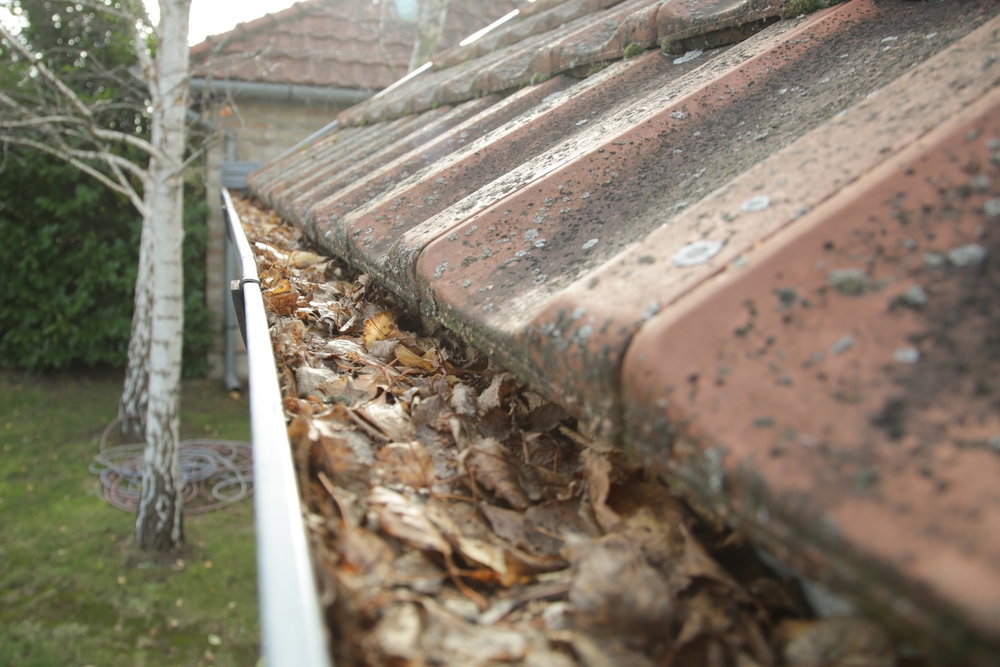
Imagine a typical afternoon storm in Columbia, SC. The rain is pouring, thundering against the roof. You are safe and dry inside, assuming your home is doing its job. But outside, a silent battle might be raging—one you won’t notice until the damage is done. Your gutters, designed to be the unsung heroes of your home’s defense system, might be failing. Gutters are easily overlooked. They sit high up, out of direct sight, collecting leaves, debris, and the occasional lost baseball. However, when they stop working correctly, the consequences can be disastrous for your foundation, roof, and landscaping. Recognizing the early warning signs of clogged or failing gutters is not just about home maintenance; it is about protecting your largest investment. That’s why professional gutter services in South Carolina focus on early detection before small clogs turn into structural damage. In this comprehensive guide, we will walk you through everything you need to know to spot trouble before it becomes an expensive repair bill. Why Healthy Gutters Matter More Than You Think Before diving into the signs of failure, it’s crucial to understand the role your gutters play. Your roof catches a massive amount of water during a storm. Without a functional gutter system, that water has nowhere to go but down—straight onto your siding, windows, and foundation. Healthy gutters channel this water away from your home’s vulnerable points. They prevent soil erosion around your house, stop basements from flooding, and protect your siding from rot and mold. When gutters are clogged or broken, they turn from a protective asset into a liability. Water that should be flowing away ends up pooling where it shouldn’t, leading to a cascade of structural issues. If you suspect your system is compromised, professional help is often the safest route. Cola City Roofing offers comprehensive Gutter Repair Services to get your system back in fighting shape. Visible Signs Your Gutters Are Clogged The most obvious indicators of gutter trouble are the ones you can see with the naked eye. You don’t always need a ladder to know something is wrong; sometimes, a simple walk around your property is enough. 1. Water Spilling Over the Sides During a rainstorm, take a look outside. Do you see water cascading over the edges of your gutters like a miniature Niagara Falls? This is the number one sign of a clog. When debris blocks the downspout or the channel, water fills up and spills over the path of least resistance. This overflow hits the ground with force, damaging your landscaping and splashing dirt onto your siding. Chronic overflow is more than messy—it signals a larger structural risk to your home. 2. Sagging Gutters Gutters are lightweight channels made of aluminum, vinyl, or steel. They are designed to carry water, not heavy, wet mulch. When leaves and debris decompose in your gutters, they form a heavy sludge. This weight puts immense strain on the hangers and fasteners holding the gutters to your fascia board. If you notice your gutters looking uneven, bowing in the middle, or pulling away from the roofline, they are likely full of heavy clogs. 3. Plants Growing in the Gutters If you see a small garden sprouting from your roofline, it’s a clear sign that you have a problem. Seeds from nearby trees—like the maples and oaks common in Columbia, SC—land in the gutters. If there is enough dirt and moisture (which clogged gutters provide in abundance), these seeds will germinate. Seeing saplings or weeds poking out of your gutters means there is a significant accumulation of organic matter that needs to be removed immediately. 4. Staining on Siding Take a close look at the siding directly beneath your gutters. Do you see vertical streaks of dirt, rust, or mold? These stains often indicate that water is overflowing regularly. As the water spills over dirty gutters, it carries sediment and grime down the side of your house. Over time, this can damage the paint and even the siding material itself. 5. Birds or Pests Making Themselves at Home Clogged gutters are a luxury hotel for pests. The decomposing leaves provide warmth and nesting material, while the stagnant water offers a drink. If you notice an increase in mosquitoes, see birds constantly flying to and from your gutters, or spot squirrels scampering along the edge more than usual, they might be nesting in the debris. This not only blocks water flow but can also lead to pests entering your attic. Physical Damage to the Gutter System Sometimes the issue isn’t just a clog; it’s structural failure. Gutters have a lifespan, and weather, age, and accidents can take their toll. In many cases, these warning signs indicate it may be time to consider whether you need new gutters installed. Cracked or Split Gutters Small cracks might seem insignificant, but they are the beginning of the end for a gutter section. Even a tiny fissure will allow water to leak through, dripping onto the fascia or foundation below. Over time, these cracks widen. In winter, water trapped in these cracks can freeze and expand, shattering the material. Inspect your gutters on a dry day; if you see daylight coming through, or if you see focused dripping during a light rain, you have a breach. Peeling Paint or Orange Rust Spots Gutters often have a coating to protect them from the elements. If you see this paint peeling or flaking off, or if you spot orange rust on steel gutters, it indicates that the material is deteriorating. Rust eats away at the metal, leading to holes and structural weakness. Peeling paint on the gutters themselves (or the wood fascia behind them) is also a sign of constant moisture exposure due to leaks or overflow. Separated Seams Most residential gutters are sectioned, meaning they have seams where two pieces connect. These seams are sealed, but over time, the sealant can degrade. If you notice leaks specifically at the joints, the connectors have likely failed. While re-sealing is a temporary
How Often Should You Clean Your Gutters in South Carolina?
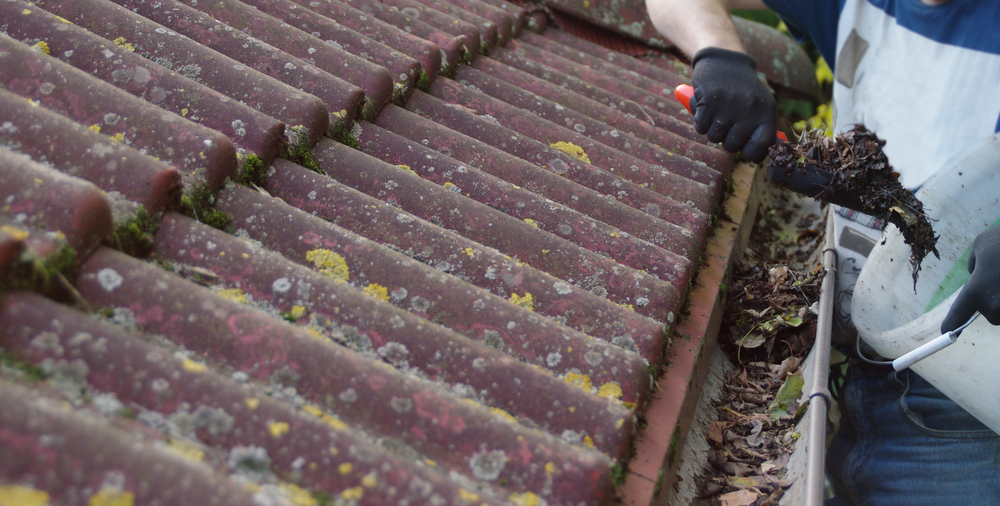
South Carolina is known for its natural beauty, from the majestic live oaks draped in Spanish moss to the dense pine forests that define the landscape. While these trees provide shade and character to our properties, they also create a unique and relentless challenge for one of your home’s most critical systems: your gutters. A stray leaf here and a pine needle there can quickly escalate into a major clog, leaving your home vulnerable to water damage. This leads to a crucial question for every local homeowner: exactly how often should you clean your gutters in South Carolina? The standard advice is often a generic “twice a year,” but this one-size-fits-all answer doesn’t account for the specific environmental factors at play in the Palmetto State. Our heavy pollen seasons, sudden thunderstorms, and the sheer variety of trees mean that a more tailored approach is necessary. Neglecting this vital chore can lead to everything from a waterlogged foundation to a pest-infested roofline. At Cola City Roofing, we believe that an effective maintenance plan is a proactive one. This comprehensive guide will provide a detailed answer to the gutter cleaning frequency question, specifically for South Carolina residents. We’ll explore the key factors that influence your schedule, break down the seasonal risks, and explain why a modern solution like gutter guards might be the best way to protect your home. Let’s create the perfect South Carolina gutter maintenance plan for your property. Why a Standard Gutter Cleaning Schedule Falls Short in SC Before we build a custom schedule, it’s important to understand why the generic “spring and fall” advice isn’t sufficient for many South Carolina homes. Our climate and environment create a year-round assault of debris that can quickly overwhelm an unprotected gutter system. Intense Pollen Season (Spring): In March and April, a thick blanket of yellow pine pollen covers everything. This fine, sticky dust washes into your gutters with the spring rains, forming a thick sludge at the bottom. This sludge acts like a primer, catching and holding larger debris that falls later in the year. Heavy Rains and Thunderstorms (Summer): Our humid summers are punctuated by intense downpours and thunderstorms. These storms can drop a massive volume of water in a short period, washing loose twigs, leaves, and shingle grit into your gutters all at once. A partially clogged gutter can quickly become completely blocked and overflow during one of these events. Heavy Leaf Fall (Autumn): This is the most notorious season for gutters. Our beautiful oaks, maples, and hickories shed a tremendous volume of leaves. A single autumn weekend can be enough to completely fill an unprotected gutter, rendering it useless. Pine Needles (Year-Round): Unlike deciduous trees, our abundant pine trees shed their needles throughout the year. These needles are particularly problematic, as they interlock to form dense, water-resistant mats that are experts at creating stubborn clogs. Relying on a simple biannual cleaning means your gutters could be clogged for months at a time, leaving your home exposed to significant risk. A smarter approach involves assessing your specific property to determine a more accurate and effective cleaning frequency. Key Factors That Determine Your Gutter Cleaning Schedule Not all homes are created equal when it comes to gutter maintenance. The ideal cleaning frequency for your property depends on a unique combination of environmental factors. By evaluating the following, you can move from a generic schedule to one that provides real protection. 1. Tree Coverage and Type (The Biggest Influencer) The number, type, and proximity of trees to your home are the most significant factors. Heavy Hardwood Coverage: If your home is shaded by large, mature oak, maple, hickory, or sweetgum trees, you are in a high-risk category. These trees drop a massive amount of large leaves in the fall, in addition to flowers and seeds in the spring. Recommended Frequency: At least 3-4 times per year. A cleaning in late spring (after pollen/seed drop), once or twice during the fall (as leaves are actively falling), and another in early winter (after all leaves have dropped). Dense Pine Tree Coverage: Properties surrounded by pine trees face a constant, year-round battle. Pine needles can clog gutters more stubbornly than leaves. Recommended Frequency: Quarterly (4 times per year). The consistent shedding of needles means there is no “off-season.” Regular cleaning is needed to prevent the formation of dense, matted clogs. Mixed Tree Coverage (Hardwoods and Pines): This common scenario in the Midlands presents the challenges of both tree types. Recommended Frequency: At least 4 times per year. You need to address the spring pollen, summer debris, fall leaves, and the year-round threat of pine needles. Minimal to No Tree Coverage: If your home is in a newer development with few mature trees nearby, your gutters will primarily collect shingle grit and wind-blown dust. Recommended Frequency: Annually. A single cleaning each year is often sufficient to clear out any minor accumulation and ensure the downspouts are clear. 2. Roof Type and Pitch The material and slope of your roof also play a role in how debris finds its way into your gutters. Asphalt Shingle Roofs: As these roofs age, they shed their granules. This “shingle grit” is heavy and abrasive. It accumulates at the bottom of the gutter, mixes with organic matter, and forms a thick, heavy sludge that accelerates corrosion and adds significant weight. Frequent cleaning helps remove this abrasive material. Steep-Pitched Roofs: A steep roofline causes water to flow faster. This high-velocity water can wash debris into the gutters more forcefully and can also help to flush out some lighter debris. However, it can also cause water to “overshoot” the gutters if they are even partially clogged. Low-Pitched Roofs: On roofs with a gentle slope, debris is less likely to be washed off by rain. It can sit on the roof for longer and then be washed into the gutters in larger clumps during a storm. 3. Recent Weather Events Your cleaning schedule should be flexible enough to account for major weather
How Leaves and Debris Damage Your Gutters Over Time
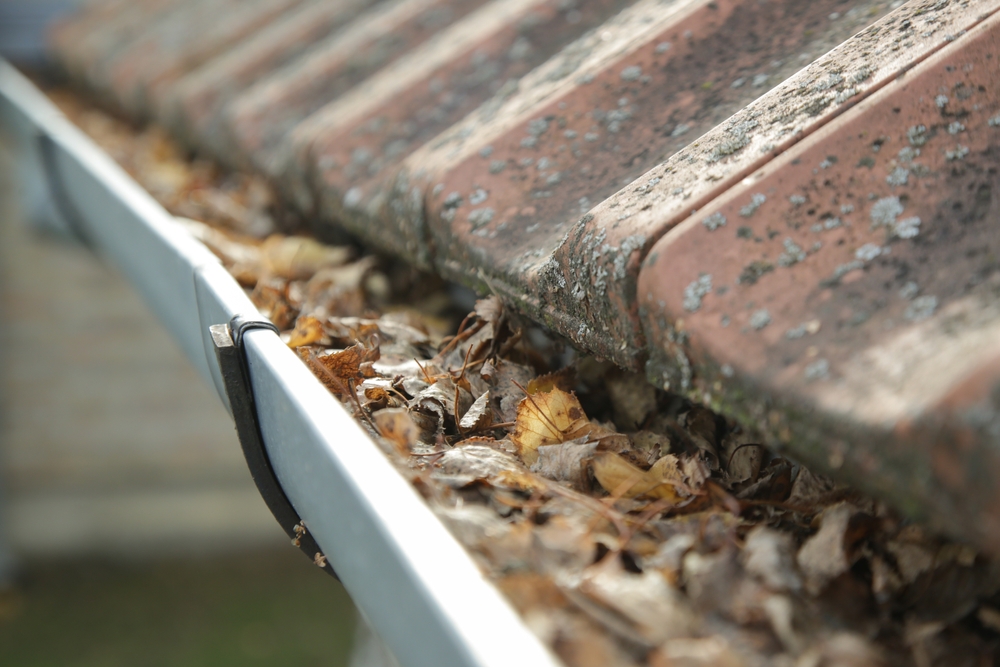
Your home’s gutter system works quietly in the background, a simple but essential component of your property’s overall health. When it rains, gutters collect the deluge of water from your roof and channel it safely away from your home. It’s an elegant solution to a powerful force of nature. But what happens when this system is compromised? A few leaves and twigs might seem harmless, but over time, this seemingly minor debris can initiate a cascade of damage that threatens your gutters, your roof, and even your home’s foundation. Many homeowners underestimate the destructive power of a clogged gutter. They see the buildup of leaves as a simple annoyance, a task to get to eventually. The reality is that this organic matter is the starting point for serious, expensive problems. From causing rust and corrosion to placing immense physical strain on the entire system, debris is the number one enemy of your gutters. For homeowners in Columbia, SC, with our beautiful, mature trees and significant seasonal rainfall, understanding these risks is critical. At Cola City Roofing, we’ve seen firsthand how a little neglect can lead to major repairs. This guide will detail the specific ways leaves, pine needles, and other debris damage your gutters over time, and explain why keeping them clear is one of the most important maintenance tasks for protecting your home. The First Stage: The Clog Itself The process of gutter damage begins with a simple clog. It doesn’t happen all at once. It’s a gradual accumulation, season after season, that slowly chokes your home’s water management system. Understanding how these clogs form is the first step in preventing the damage they cause. How Debris Accumulates It starts with a few leaves getting caught in a corner or a handful of pine needles snagging on a seam. This initial small blockage creates a rough surface that is more effective at catching the next wave of debris. Leaves and Twigs: In the fall, deciduous trees drop a massive volume of leaves. These large, flat leaves can quickly cover and block gutter openings. Twigs and small branches add to the matrix, creating a framework for a more solid clog. Pine Needles: Pine needles are particularly troublesome. They are small enough to get into any nook and cranny, and they interlock to form dense, water-resistant mats that are very effective at damming the flow of water. Seeds, Flowers, and Pollen: In the spring, trees drop seeds, flowers, and catkins. This fine, sticky material can coat the inside of your gutters, creating a sludge-like base that larger debris sticks to. Shingle Grit: As asphalt shingles age, they shed their protective granules. This grit washes into the gutters, mixing with organic debris to form a thick, heavy sludge that is abrasive and difficult to remove. From Buildup to Blockage As this mixture of organic matter and grit accumulates, it begins to decompose. Rain adds moisture, turning the pile into a dense, soggy mass. This heavy sludge settles in the bottom of the gutter trough, compacting over time and obstructing the flow of water. The clog is no longer just a pile of leaves; it’s a solid dam. The most vulnerable points for these blockages to form are at the corners and, most critically, at the top of the downspouts. When the downspout opening is blocked, the entire gutter system is effectively neutralized. This is the point where the real damage begins. The gutter is no longer a channel for water but a stagnant trough filled with heavy, corrosive material. The Destructive Power of Water Overflow Once a gutter is clogged, water has nowhere to go but up and over the sides. This overflow is far from harmless; it directs a concentrated flow of water to places it was never meant to go, causing a wide range of problems that can be incredibly costly to repair. Threat #1: Foundation Damage This is the most severe and expensive consequence of overflowing gutters. Your home’s foundation is designed to stay relatively dry. When water constantly pours over the edge of your gutters, it saturates the soil directly against your foundation walls. Soil Expansion and Contraction: The soil around your foundation will expand when saturated and shrink as it dries. This constant cycle exerts immense pressure on your concrete foundation walls, leading to cracks. Hydrostatic Pressure: During heavy rain, the saturated soil creates significant hydrostatic pressure, which can force water through existing cracks or even create new ones, leading to basement flooding or crawlspace moisture. Erosion and Settling: The flowing water can erode the soil that supports your foundation, causing parts of your home to settle. This can lead to sloped floors, cracked drywall, and doors that no longer close properly. A compromised foundation threatens the structural integrity of your entire house. Threat #2: Roof and Fascia Damage Water doesn’t just flow over the front of the gutter; it also backs up and flows over the back, directly against the edge of your roof and the fascia board to which the gutter is attached. Fascia and Soffit Rot: Fascia and soffit boards are typically made of wood. When they are constantly exposed to moisture from overflowing gutters, they will begin to rot. Rotted wood can no longer hold the screws and hangers that support the gutter, leading to sagging and collapse. Replacing these boards is a significant carpentry repair. Roof Decking Damage: The backed-up water can seep under the edge of your shingles and saturate the underlying roof decking (the plywood or OSB sheathing). This leads to wood rot, which weakens the roof structure and can become a source of major leaks into your attic and home. Threat #3: Siding and Landscape Damage The waterfall effect created by overflowing gutters also damages your home’s exterior and yard. Siding Stains and Rot: Water cascading down your walls can leave behind ugly stains from dirt and algae. If you have wood siding, this constant moisture will cause the paint to peel and the wood itself to rot.
Gutter Guards vs Regular Cleaning: What’s Better?

For homeowners, maintaining a property involves a series of choices between short-term effort and long-term investment.For homeowners, maintaining a property involves a series of choices between short-term effort and long-term investment. Nowhere is this clearer than in the debate over gutter maintenance. Your gutters are essential, protecting your home’s foundation, roof, and siding from water damage. A properly maintained system is part of a larger plan for dependable gutter services in South Carolina, especially with our heavy seasonal rainfall. But keeping them functional requires a plan. This leaves you with a fundamental question: Should you stick with the traditional method of regular, manual gutter cleaning, or is it better to invest in a modern gutter guard system? This isn’t just a question of convenience. It’s a decision that impacts your wallet, your safety, and the long-term health of your home. Both approaches aim to achieve the same goal—a free-flowing gutter system—but they take vastly different paths to get there. Regular cleaning is a reactive, recurring task. Gutter guards are a proactive, one-time installation. In Columbia, South Carolina, where heavy rains and abundant trees make clogged gutters a constant threat, this decision is particularly important. At Cola City Roofing, we’ve helped countless homeowners navigate this choice. This guide will provide a comprehensive, head-to-head comparison of gutter guards versus regular cleaning, analyzing them across four critical categories: cost, effectiveness, safety, and long-term value. Let’s settle the debate and find the best gutter maintenance solution for you. The Case for Regular Gutter Cleaning Regular gutter cleaning is the age-old, traditional method for keeping your drainage system clear. It’s a straightforward, manual process: you get up on a ladder and physically remove leaves, twigs, pine needles, and other debris that have accumulated in the gutter troughs. For generations, this has been the default solution, and it comes with its own set of advantages and disadvantages. The “Pros” of Sticking with Manual Cleaning For many, the appeal of regular cleaning lies in its perceived simplicity and low initial cost. It doesn’t require a major upfront investment, and the process itself is easy to understand. Lower Upfront Cost This is the most significant advantage of manual cleaning. There is no large initial purchase or installation fee. If you choose the DIY route, your only cost is a ladder, a pair of gloves, and a bucket—tools you may already own. If you hire a professional, it’s a predictable, periodic expense rather than a large, one-time capital outlay. This can be appealing for homeowners on a tight budget or for those who don’t plan to stay in their homes long-term. Thorough, Hands-On Inspection When you or a professional cleans your gutters by hand, it provides an opportunity to inspect the system up close. During the cleaning process, you can spot issues that might otherwise go unnoticed from the ground. This includes: Cracks, holes, or rust spots in the gutters. Loose or failing hangers and fasteners. Separated seams or end caps. Signs of rot on the fascia boards behind the gutters. Catching these problems early can prevent more significant damage. However, this benefit assumes that the person doing the cleaning is actively looking for these issues. Guaranteed Debris Removal When you manually clean a gutter, you can be certain that it is completely empty and clear—at least for that moment. You physically see and remove all the sludge and blockages, leaving a clean channel. There is no question about whether the system is working as intended once the job is done. The “Cons” of the Manual Cleaning Cycle While the benefits are straightforward, the drawbacks of relying on regular cleaning are substantial and often outweigh the positives over time. These cons touch on safety, cost, and the fundamental reactive nature of the task. Significant Safety Risks This is the most critical downside. Manually cleaning gutters requires working at height on a ladder, a task that is inherently dangerous. Each year, ladder-related falls result in hundreds of thousands of injuries. Factors like an unstable ladder, overreaching to avoid moving it, or encountering a wasp’s nest can lead to a life-altering accident. For older homeowners or those with mobility issues, the DIY route is simply not a safe option. It’s a Repetitive, Never-Ending Chore Manual cleaning is not a permanent solution; it’s a temporary fix. Your gutters will start collecting debris again the moment you are finished. In a place like Columbia with heavy leaf and pollen seasons, gutters may need to be cleaned 2 to 4 times a year to remain effective. This repetitive cycle costs you valuable time and energy that could be spent on more enjoyable activities. It’s a recurring headache on your home maintenance calendar. Long-Term Costs Add Up If you hire a professional to clean your gutters, the costs accumulate. A typical cleaning service might cost $150-$300 per visit, depending on the size and height of your home. If you need this service three times a year, you could be spending up to $900 annually. Over a decade, that’s $9,000 spent on a problem that is never truly solved. This recurring financial drain can eventually surpass the one-time cost of a permanent gutter guard solution. It’s a Reactive, Not Proactive, Solution Manual cleaning only addresses a clog after it has already formed. In the time between cleanings, your gutters can become partially or fully blocked. A single heavy rainstorm with clogged gutters can be enough to cause water damage to your foundation, basement, or roof. You are always playing catch-up, and your home remains vulnerable in the interim. The Case for Installing Gutter Guards Gutter guards represent a modern, engineering-based approach to gutter maintenance. These systems are installed over your existing gutters to create a physical barrier, preventing debris from entering while allowing water to flow freely. This fundamentally changes gutter maintenance from a reactive chore to a proactive, automated process. The “Pros” of Investing in Gutter Guards The benefits of a gutter guard system are centered on long-term convenience, safety, and home protection. They
How Gutter Guard Systems Reduce Maintenance

Homeownership comes with a long list of responsibilities, but few are as universally disliked as cleaning the gutters. Balancing precariously on a ladder, scooping out handfuls of wet, decaying leaves and mysterious sludge is a chore most people would gladly give up forever. For residents in Columbia, SC, where lush trees and heavy seasonal rainfall are the norm, this task can feel like a never-ending cycle. That’s why professional gutter services in South Carolina increasingly focus on long-term protection instead of repeat cleanings. What if you could reclaim your weekends and cross this dreaded job off your to-do list for good? This is the primary promise of a gutter guard system: a dramatic reduction in home maintenance. These systems are engineered to create low-maintenance gutters, transforming a recurring problem area into a reliable, self-sufficient part of your home’s protective shell. But how exactly do they achieve this? It’s more than just blocking a few leaves; it’s about fundamentally changing how your gutter system functions and interacts with the environment. If you’re still exploring the basics, here’s a complete guide explaining what gutter guards are and whether they’re right for your home. This in-depth guide will explore the specific ways gutter guard systems reduce your maintenance burden. We’ll break down the science behind their design, the safety benefits of staying off the ladder, and how they provide proactive protection that saves you time, money, and stress. At Cola City Roofing, we’ve seen firsthand how a quality gutter guard installation can transform a homeowner’s maintenance routine, and we’re here to show you how. The Problem: The High Cost of Unprotected Gutters To fully appreciate the value of gutter guards, we must first understand the true cost of leaving your gutters unprotected. This cost isn’t just measured in the hours spent cleaning them; it encompasses safety risks, financial burdens, and the slow degradation of your property. The Time Sink of Manual Cleaning For a home in a moderately wooded area, gutters require cleaning at least twice a year—once in the late spring after trees have dropped seeds and pollen, and once in the late fall after they’ve shed their leaves. For homes surrounded by dense foliage or pine trees, this frequency can jump to four or more times a year. Homes with heavy tree coverage often benefit the most from gutter guard systems. Each cleaning session can take several hours, depending on the size of your home and the extent of the clogging. This is time that could be spent with family, enjoying a hobby, or simply relaxing. Over the lifespan of a home, this adds up to weeks of unpleasant, unpaid labor. Many homeowners compare gutter guards vs regular cleaning to determine which option actually makes more sense long term. The Unacceptable Safety Risks Ladder-related accidents are alarmingly common and can be devastating. The U.S. Centers for Disease Control and Prevention (CDC) reports that falls remain a leading cause of unintentional injury nationwide. Many of these falls are from ladders during routine home maintenance tasks like gutter cleaning. Factors contributing to the risk include: Unstable Ground: Placing a ladder on soft, uneven soil can easily lead to a slip. Overreaching: Trying to clean just a little further down the line without moving the ladder is a common cause of losing balance. Debris and Pests: Reaching into a gutter, you might encounter sharp twigs, rotting material, or even wasp nests and rodents, causing a startled reaction that can lead to a fall. Simply put, every time you climb a ladder to clean your gutters, you are taking a significant personal risk. Reducing this task is a direct investment in your personal safety and well-being. The Financial Drain of Neglect If you’re unable or unwilling to clean the gutters yourself, you must hire a professional. While this is a safer option, the costs accumulate quickly. Professional gutter cleaning services in the Columbia area can cost hundreds of dollars per visit. Over several years, this recurring expense can easily add up to the cost of a permanent gutter guard solution, without ever providing a lasting fix. The alternative—neglecting the gutters entirely—is even more costly. Clogged gutters lead to water overflow, which is a primary cause of some of the most expensive home repairs, including foundation damage, basement flooding, roof rot, and siding replacement. In this light, manual gutter cleaning is a high-stakes, repetitive chore where failure has severe consequences. This is the fundamental problem that gutter guard systems are designed to solve permanently. How Gutter Guards Create a Low-Maintenance System Gutter guards work by creating a physical barrier that separates solid debris from rainwater. By preventing leaves, pine needles, twigs, and shingle grit from ever entering the gutter channel, they eliminate the root cause of clogs. This single function has a cascading effect, dramatically reducing nearly every aspect of gutter-related maintenance. Eliminating the Need for Routine Manual Scooping This is the most direct and obvious maintenance reduction. Instead of debris accumulating inside the gutter trough where it decomposes into heavy sludge, it lands on top of the gutter guard. Self-Shedding Design: Most high-quality gutter guards, particularly micro-mesh and reverse-curve systems, are installed at a slight angle that mimics the pitch of your roof. This clever design uses natural forces to do the cleaning for you. Dry leaves are often blown away by the wind. When it rains, the water flow helps wash remaining debris over the edge and safely to the ground. From Hours of Work to a Quick Glance: With a properly installed, effective gutter guard system, the chore of scooping muck is replaced by a simple visual inspection from the ground once or twice a year. You are no longer performing a task; you are simply confirming that the system is performing its task. This shifts your role from manual laborer to system overseer, saving you countless hours of work. Preventing Interior Gutter and Downspout Clogs Unprotected gutters don’t just clog in the horizontal sections. Debris inevitably washes into the downspouts, creating
What Are Gutter Guards and Do You Need Them?

Your home’s gutter system is a crucial line of defense against water damage. It diligently collects rainwater from your roof and channels it safely away from your foundation, siding, and landscaping. However, for gutters to function correctly, they must remain clear of leaves, twigs, pine needles, and other debris. This is where the dreaded task of gutter cleaning comes in. For many homeowners in Columbia, SC, climbing a ladder to scoop out muck is a tiresome and often risky chore. But what if there was a way to significantly reduce this maintenance and better protect your home? Enter gutter guards. These innovative products are designed to cover your gutters and prevent debris from entering while still allowing water to flow through. But are they a worthwhile investment for your property? This comprehensive guide will explore everything you need to know about gutter guards. We’ll break down what they are, how they work, the different types available, and the key benefits they offer. By the end, you’ll be able to make an informed decision about whether gutter guards are the right solution for your home. At Cola City Roofing, we provide complete gutter services in South Carolina, ensuring your home’s drainage system is built to handle our heavy rain and seasonal debris. From roof integrity to gutter performance, every component plays a role in protecting your home. Let’s dive into the world of gutter guards and see how they can contribute to a safer, lower-maintenance home. Understanding the Core Purpose of Gutters Before we can fully appreciate the role of gutter guards, it’s essential to understand why your gutters are so important in the first place. Gutters are not just a decorative trim for your roofline; they perform a vital function that protects your home’s structural integrity from top to bottom. When it rains, a significant amount of water lands on your roof. Without gutters, this water would cascade off the eaves, landing in concentrated areas around your home. This uncontrolled water flow can lead to a host of serious and expensive problems. Key Functions of a Gutter System: Foundation Protection: By directing water away from the base of your house, gutters prevent soil erosion around the foundation. When soil becomes oversaturated, it can expand and exert immense pressure on your foundation walls, leading to cracks, settling, and long-term structural damage. Basement and Crawlspace Dryness: Proper water diversion is key to preventing water from seeping into your basement or crawlspace. A dry lower level prevents mold growth, musty odors, and damage to stored belongings. Siding and Masonry Preservation: Gutters stop water from splashing back onto your home’s exterior walls. This protects siding from rot, staining, and deterioration. For brick or stone homes, it prevents moisture from degrading the mortar over time. Landscape Protection: Uncontrolled runoff can create trenches in your yard, wash away expensive mulch, and drown flowerbeds and other plants. Gutters ensure rainwater is discharged in a controlled manner, protecting your landscaping investment. Preventing Ice Dams (in Colder Climates): While South Carolina doesn’t face extreme winters, the principle remains. By keeping water flowing, gutters can help prevent the formation of ice dams at the edge of the roof, which can force water back under the shingles. For your gutters to perform these critical tasks, they must be free-flowing. When they become clogged with leaves, pine needles, and other debris, the system fails. Water overflows, defeating the entire purpose of the gutter system and exposing your home to all the risks mentioned above. This is the fundamental problem that gutter guards aim to solve. What Exactly Are Gutter Guards? Gutter guards, also known as gutter covers, screens, or helmets, are protective coverings installed over the top of your existing gutters. Their primary job is simple: to block debris from entering the gutter channel while allowing rainwater to pass through freely. By keeping the gutters clear, they ensure the system can do its job of channeling water away from your home, rain or shine. Think of a gutter guard as a permanent filter for your roof’s water drainage system. Instead of debris accumulating inside the trough, it rests on top of the guard, where it can be more easily blown away by the wind or washed off by subsequent rainfall. This simple concept can save homeowners countless hours of hazardous work and prevent the costly damage associated with clogged gutters. The market offers a wide variety of gutter guard designs, each with a unique approach to filtering debris. While some are simple mesh screens, others are complex, solid-surface systems engineered for maximum performance. Regardless of the specific type, the goal is always the same: keep solids out and let liquids in. If you’re tired of dealing with clogs and overflows, a professionally installed gutter guard system might be the permanent solution you’ve been looking for. For a professional assessment, consider our Gutter Installation Services to ensure your home is properly protected. The Major Benefits of Installing Gutter Guards Investing in gutter guards offers homeowners a range of compelling advantages that go far beyond simply avoiding a tedious chore. These benefits contribute to your home’s safety, longevity, and overall value. By preventing clogs before they start, gutter guards provide peace of mind and protection against a variety of potential issues. 1. Drastically Reduced Maintenance This is the most celebrated benefit of gutter guards. The recurring task of climbing a ladder to scoop decomposing leaves and sludge from your gutters is unpleasant, time-consuming, and dangerous. Eliminates Frequent Cleaning: For homes surrounded by trees, gutters may need cleaning multiple times a year, especially in the spring and fall. Gutter guards can reduce this chore to a simple annual inspection, or in many cases, eliminate it almost entirely. Increased Safety: According to the American Academy of Orthopaedic Surgeons, over 500,000 people are treated for ladder-related injuries each year. By keeping you off the ladder, gutter guards significantly reduce your risk of a fall or injury. Many homeowners also compare gutter guards vs regular cleaning to
How Climate Impacts Gutter Material Selection

Your home’s gutter system is a crucial component of its overall health, channeling water away from the roof, siding, and foundation. To understand how material selection fits into a complete drainage system, review our full guide to gutter services in South Carolina. But the effectiveness and longevity of that system depend heavily on the material it’s made from. A gutter material that performs exceptionally well in one part of the country might fail prematurely in another. This is because climate—with its unique combination of temperature, precipitation, and humidity—is one of the most significant factors influencing gutter material selection. Choosing the right material isn’t just about color or price; it’s about matching the material’s inherent strengths and weaknesses to the specific environmental challenges it will face year after year. A mismatched material can lead to rust, cracks, warping, and ultimately, system failure, resulting in costly water damage. This guide will explore how different climates impact the performance of common gutter materials, including aluminum, copper, vinyl, and steel. For a side-by-side overview of every major option, see our complete gutter materials comparison guide. By understanding these relationships, you can make an informed decision that ensures your gutters provide durable, long-lasting protection for your home, no matter where you live. Understanding the Key Climate Stressors on Gutter Materials Before diving into specific climates, it’s important to understand the primary environmental forces that affect gutters. Every material responds differently to these four main stressors. 1. Precipitation (Rain, Snow, and Ice) The type and amount of precipitation are critical. Heavy rainfall demands a strong system that can handle a large volume and weight of water. In colder regions, the weight of snow and ice puts immense physical stress on gutters and their fasteners. This is where material strength and rigidity become paramount. 2. Temperature Extremes and Fluctuations Extreme heat and cold, as well as daily temperature swings, cause materials to expand and contract. This process, known as thermal expansion, can wreak havoc on certain materials. Materials with high expansion rates can warp, sag, or pull apart at the seams. In freezing temperatures, some materials can become brittle and prone to cracking. 3. Humidity and Moisture The amount of moisture in the air is a primary driver of corrosion. In humid, damp climates, materials susceptible to rust or other forms of corrosion will degrade much faster than in arid regions. The material’s inherent ability to resist rust is a key factor in its longevity. 4. Solar Radiation (UV Exposure) The sun’s ultraviolet (UV) rays can be incredibly damaging. Over time, UV exposure can cause materials to fade, become brittle, or break down. This is a major concern for plastic-based materials and can also affect the protective coatings on some metals. With these stressors in mind, let’s examine how different materials hold up in various climates. Humid and Rainy Climates (e.g., Columbia, SC) Humid climates, like those found in the Southeastern United States, are defined by high moisture levels and significant rainfall. These conditions make rust and corrosion the number one enemy of any gutter system. Material Performance in Humid Climates Aluminum: This is often the top choice in humid regions. Aluminum is naturally rust-proof, so it is completely unfazed by constant moisture and rain. Modern seamless aluminum systems also minimize the risk of leaks, which is crucial when dealing with heavy downpours. Its durable, baked-on finish also resists fading from the sun that often accompanies these climates. Here’s a deeper breakdown of the benefits of aluminum gutters in moisture-heavy climates. Copper: Copper is another excellent, premium choice. It does not rust and instead develops a protective patina that shields it from the elements. Its strength ensures it can handle the weight of torrential rain, and its soldered seams provide permanent leak protection. The natural biostatic properties of copper also help inhibit the growth of algae and moss, which thrive in damp environments. If you’re debating between these two premium metals, review our aluminum vs copper gutter comparison. Galvanized Steel: This material is a high-risk choice in humid climates. While the zinc coating provides initial protection, any scratch or cut end exposes the steel core to moisture, leading to inevitable rust. In a constantly damp environment, the lifespan of galvanized steel can be significantly shortened. Vinyl: While vinyl doesn’t rust, its performance in the heat and sun that often define humid subtropical climates (like Columbia’s) is poor. The material can warp and sag in high temperatures, and the intense UV radiation can make it brittle and cause its seams to fail. Recommendation: For humid and rainy climates, aluminum offers the best balance of rust-proof performance and value. Copper is the superior, long-term investment for those with a larger budget. If you’re specifically choosing materials for the Midlands, here’s our detailed guide to the best gutter materials for homes in Columbia, SC. Cold Climates with Snow and Ice In cold climates, found in the Northern U.S. and at high altitudes, the primary challenge is not moisture but physical force. The weight of heavy snow and the expansion of ice can exert tremendous pressure on a gutter system. Material Performance in Cold Climates Steel: This is where steel shines. Its exceptional strength and rigidity make it the go-to material for handling heavy snow and ice loads. A heavy-gauge steel gutter is far less likely to bend, sag, or be torn from the fascia under the weight of winter precipitation. Galvanized steel is common, but its susceptibility to rust from scratches (often caused by snow removal tools) remains a concern. Aluminum: Standard aluminum gutters can be vulnerable in very snowy climates. They are softer than steel and can be bent or damaged by heavy ice. However, using a heavier-gauge aluminum, along with reinforced hangers and proper spacing, can make it a viable option. Its rust-proof nature is an advantage during spring thaws. Copper: Copper is also a strong performer in cold weather. It is robust enough to handle snow loads and, unlike vinyl, it will not become brittle and