
Before & After: Real Gutter Installation Problems We’ve Fixed
Your home’s gutter system works quietly in the background, and it’s easy to forget it’s even there. That is, until it stops working. A failing gutter system quickly makes its presence known through waterfalls cascading over doorways, mysterious water stains on your siding, or alarming puddles forming around your foundation. These are more than just annoyances; they are symptoms of a serious problem that could be causing silent, progressive damage to your home. At Cola City Roofing, we’ve seen firsthand how a seemingly small gutter issue can lead to catastrophic damage. The difference between a home at risk and a home that is secure often comes down to the quality of the gutter installation. We specialize in turning these stressful situations around. This article isn’t just about the problems; it’s about the solutions. We’re pulling back the curtain to share real before-and-after stories from projects right here in the Columbia, SC area, showing you the common issues we encounter and the transformative impact of a professional repair or installation. The Unseen Dangers of a Faulty Gutter System Before we dive into specific examples, it’s important to understand what’s at stake. A poorly installed, clogged, or damaged gutter system is not just an aesthetic issue. It’s a direct threat to your home’s structural integrity. When water isn’t properly managed, it can lead to: Foundation Damage: Water pooling around your home saturates the soil, creating immense pressure that can crack your foundation. Fascia and Soffit Rot: Overflowing water soaks the wooden boards at your roofline, leading to rot, decay, and a gateway for pests. Siding and Wall Damage: Water running down your walls can cause staining, peeling paint, and can seep into the wall cavity, damaging insulation and framing. Basement Flooding: Uncontrolled runoff is the number one cause of water intrusion into basements and crawl spaces. Landscape Erosion: Torrents of water can wash away topsoil, mulch, and expensive plants. These issues often begin with a flawed installation. Let’s look at some real-world examples of how we’ve diagnosed and solved these problems for homeowners just like you. Case Study 1: The Sagging, Leaking System This scenario is one of the most common we encounter. A homeowner notices their gutters are visibly bowing and pulling away from the house, and water drips from multiple spots during a storm. Before: The Problem We arrived at a home in Lexington, SC, where the homeowner was frustrated with persistent leaks and the unsightly look of their sagging gutters. A walk around the property revealed several critical issues: Extreme Sagging: Long sections of the gutter were bowed significantly, creating low points where dark, stagnant water and debris had collected. Insufficient Hangers: The original installer had spaced the gutter hangers over 48 inches apart in some areas. For the type of aluminum gutters installed, hangers should never be more than 36 inches apart, and in a climate with heavy rainfall like ours, 24 inches is preferable. Failed Sealant: At the corners and seams, the cheap, silicone-based sealant had cracked and pulled away, creating multiple active leaks. Early Fascia Rot: The constant moisture from the sagging, overflowing sections and the leaky seams had started to take a toll. The paint on the fascia board was peeling, and probing the wood revealed soft, damp spots—the first stage of rot. This gutter system wasn’t just failing; it was actively damaging the home’s fascia and directing water toward the foundation. The Solution: A Targeted Repair and Reinforcement In this case, the gutters themselves were still in relatively good condition, meaning a full replacement wasn’t necessary. Our goal was to correct the installation flaws and secure the system for the long term. Gutter Re-pitching: We first detached the existing hangers. This allowed us to remove the heavy, wet debris and properly re-pitch the entire system. We set a precise slope of a quarter-inch drop for every 10 feet, ensuring water would flow efficiently toward the downspouts. Adding New Hangers: We installed new, heavy-duty hidden hangers, placing them every 24 inches. This provided more than double the original support, immediately eliminating the sag and ensuring the gutters could handle the weight of heavy rainfall. Resealing All Seams: We scraped out all the old, failed sealant. After cleaning and preparing the surface, we applied a professional-grade, high-performance gutter sealant to all seams, corners, and end caps to create a durable, watertight bond. Addressing Fascia Damage: Since the rot was not yet severe, we were able to treat the affected areas. We scraped away the peeling paint, allowed the wood to dry, applied a wood hardener to stabilize the fibers, and then primed and painted the fascia to protect it from future moisture. After: The Outcome The transformation was immediate. The gutters were straight, secure, and flush against the newly painted fascia board. After the next rainstorm, the homeowner reported that for the first time in years, there were no drips, no overflows, and no puddles forming below. By addressing the root causes of the failure—improper support and poor sealing—we were able to save the existing system and prevent the need for a far more expensive fascia replacement down the line. This is a perfect example of how our professional gutter repair services can provide a lasting solution. Case Study 2: Foundation at Risk from Downspout Disaster A homeowner in Columbia contacted us with a serious concern: every time it rained, a large pool of water formed against their foundation wall, and they were beginning to notice a musty smell in their crawl space. Before: The Problem Upon inspection, we found that the gutters themselves were clean and in good shape. The issue was entirely with the water’s exit strategy—or lack thereof. Downspouts Terminating at the Foundation: The home had four downspouts, and every single one ended in a small elbow that dumped water directly at the base of the foundation. There were no extensions or splash blocks to be found. Negative Grading: To make matters worse, the soil around the foundation had settled over time,
Why Water Is Pooling Near Your Foundation
Noticing puddles and standing water around the perimeter of your house after a rainstorm can be unsettling. While it might seem like a simple drainage issue, water pooling near your foundation is a serious red flag. Your home’s foundation is its most critical structural element, and prolonged exposure to excess moisture can lead to catastrophic damage, costing tens of thousands of dollars to repair. Understanding the source of this water is the first step toward protecting your investment. Often, the culprit is not as complex as you might think. More often than not, the problem originates from the very system designed to prevent it: your gutters. A malfunctioning or poorly installed gutter system fails to properly manage rainwater, allowing it to saturate the soil directly surrounding your foundation. This guide will walk you through the primary causes of water pooling near your foundation, with a special focus on gutter-related failures. We will detail the severe risks this water poses and explain how professional gutter services are the key to safeguarding your home’s structural integrity. The Critical Link Between Your Gutters and Your Foundation Before diving into the problems, it’s essential to understand the intended relationship between your gutters and your foundation. Your roof is a massive, non-absorbent surface. During a one-inch rainstorm, a 2,000-square-foot roof can shed approximately 1,240 gallons of water. The purpose of a gutter system is to capture every gallon of that water, contain it, and channel it through downspouts to a safe discharge point far away from your home. When functioning correctly, your gutters ensure the soil around your foundation remains at a stable moisture level. This is crucial because the soil acts as the platform supporting your entire house. A properly working gutter system is, therefore, one of the most important protective features of your home, silently defending your foundation from the relentless force of water. However, when this system fails, it actively contributes to the problem, dumping those thousands of gallons of water in the worst possible place. 1. Clogged Gutters: The Most Common Culprit The most frequent cause of water pooling near a foundation is also the most straightforward: clogged gutters. Gutters are open troughs that are highly effective at catching not just water, but also leaves, pine needles, twigs, shingle grit, and other airborne debris. Over time, this debris accumulates and creates blockages. How Clogs Lead to Foundation Pooling When a gutter is clogged, rainwater flowing from the roof has nowhere to go. The trough fills up, and the water is forced to spill over the sides. Overflowing Gutters: Instead of being neatly channeled to a downspout, the water cascades over the front and back of the gutter like a waterfall. This torrent of water falls directly onto the ground below, immediately saturating the soil next to your foundation. Overwhelmed Downspouts: Debris often gets washed down into the downspouts, creating clogs within the vertical pipes or at the elbow joints. A blocked downspout is just as bad as a clogged gutter. Water will back up the entire system, leading to overflows, or it may find a way to leak out from seams in the downspout itself, creating a concentrated stream of water against your wall. Sheet Flow Off the Roof: In some cases, gutters can become so packed with heavy, dense debris that water from the roof “sheets” right over them, barely entering the gutter at all. This creates a wide curtain of water that drenches the ground below. The result of any of these scenarios is the same: a massive volume of water is deposited in a narrow band of soil along your foundation wall. This is precisely the area that must be kept as dry as possible. Regular gutter cleaning is essential maintenance, but if you’re experiencing persistent clogs, it might be time to consider professional gutter repair services to ensure the system is functioning optimally. 2. Improper Downspout Placement and Termination Even if your gutters are clean and flowing perfectly, your foundation can still be at risk if the downspouts are not correctly configured. The entire purpose of the gutter system is to move water away from the house. The downspouts are the final, critical step in this process. Common Downspout Errors Terminating Too Close to the Foundation: This is an incredibly common and destructive mistake. If your downspout ends with an elbow that dumps water right at the base of your foundation wall, it completely defeats the purpose of the gutter system. All the water collected from a large section of your roof is being concentrated and directed to the most vulnerable spot. Building codes and best practices recommend that water be discharged at least four to six feet away from the foundation, and preferably up to ten feet. Missing or Ineffective Splash Blocks: A splash block is a simple concrete or plastic channel placed under the downspout to help direct water flow. However, if the splash block is too small, cracked, or angled incorrectly, it won’t be effective. A common issue is a splash block that has settled into the ground, creating a small basin that collects water right next to the foundation instead of dispersing it. Lack of Downspout Extensions: The best solution is often a downspout extension. These can be flexible corrugated pipes or rigid PVC pipes connected to the downspout elbow. They are designed to carry the water a safe distance away from the home before discharging it onto a sloped surface or into a landscape drainage system. An installation that omits these extensions on a flat or negatively graded property is a recipe for foundation trouble. If you see water gushing from your downspouts and forming pools just a foot or two from your wall, you have an urgent problem. Correcting downspout termination is a relatively simple fix that can save you from devastating repair costs down the line. For a professional assessment of your drainage needs, it’s best to contact us. 3. Flawed Gutter Installation Sometimes, the problem isn’t a lack
How Improper Gutter Installation Damages Fascia and Soffits
The fascia and soffits are essential components of your home’s roofing system, providing both aesthetic appeal and critical protection. The fascia is the long, straight board that runs along the lower edge of your roof, supporting the bottom row of tiles and carrying your gutters. The soffit is the exposed surface beneath the overhanging section of a roof eave. Together, they seal the gap between your roof and siding, preventing pests from entering your attic and promoting ventilation. However, their position makes them uniquely vulnerable to water damage, especially when the gutter system attached to them is installed improperly. A faulty gutter installation can turn a system meant for protection into a direct threat to your fascia and soffits. When water isn’t channeled correctly, it overflows, leaks, and saturates these wooden or composite boards, leading to rot, decay, and significant structural issues. Many homeowners don’t connect the peeling paint on their fascia or the dark stains on their soffits with the gutters right next to them. Understanding this connection is the first step toward preventing costly and extensive repairs. This comprehensive guide will explore the specific ways an incorrect gutter installation can destroy your fascia and soffits. We will break down the common installation errors, detail the progressive stages of water damage, and explain why professional installation is the only way to safeguard these vital parts of your home. The Anatomy of Your Roof Edge: Fascia, Soffits, and Gutters To fully grasp how gutter problems affect your fascia and soffits, it’s helpful to understand how these three components work together. Think of them as an integrated system at the edge of your roofline. Fascia: This is the board mounted to the exposed ends of your roof rafters. Its primary job is to be the last line of support for the lower edge of the roof sheathing and shingles. Critically, it is also the surface to which your gutters are directly mounted. The fascia board needs to be strong and secure to hold the weight of the gutters, especially when they are full of rainwater. Soffit: Tucked away underneath the roof’s overhang, the soffit bridges the gap between the siding and the roofline. Vented soffits are particularly important as they allow air to flow into the attic, which helps regulate temperature and moisture levels, preventing heat buildup in the summer and ice dams in the winter. Gutters: These troughs are attached directly to the fascia. Their purpose is to catch all the rainwater that flows off your roof and direct it safely into downspouts and away from your home’s foundation, siding, and, of course, the fascia and soffits themselves. When this system is in perfect harmony, your home is protected. The roof sheds water, the gutters collect and channel it, and the fascia and soffits remain dry and structurally sound. But when the gutter installation is flawed, this harmony is broken, and the fascia and soffits bear the brunt of the damage. 1. The Missing Drip Edge: An Open Invitation for Water One of the most common and damaging mistakes made during a cheap or rushed gutter installation is the omission of a drip edge. A drip edge is a simple L-shaped piece of metal flashing installed under the roofing shingles and over the gutter. Its purpose is to create a clean, uninterrupted path for water to flow from the roof directly into the gutter. How a Missing Drip Edge Causes Damage Without a drip edge, a gap exists between the edge of the shingles and the back of the gutter. Water flowing off the roof doesn’t always make a perfect leap into the trough. Instead, surface tension can cause it to curl around the edge of the shingles and run down the surface behind the gutter—the fascia board. This creates a constant flow of moisture directly onto the wood. At first, you might not notice anything. But with every rainfall, the fascia board gets a little more saturated. This leads to a predictable and destructive sequence: Paint Damage: The first sign is often peeling, bubbling, or blistering paint on the fascia. The moisture seeping into the wood from behind pushes the paint off from the inside out. You’ll also see dark, vertical streaks of water stains. Wood Saturation: As the paint barrier fails, water absorption accelerates. The wood becomes perpetually damp, creating the perfect environment for mold, mildew, and fungus to grow. Wood Rot (Decay): Once fungal growth begins, the wood fibers start to break down. The fascia becomes soft, spongy, and weak. This is wood rot, and it is irreversible. A rotted fascia can no longer provide a secure anchor for the gutter hangers. Soffit Damage: The water running down the fascia will drip onto the soffit below. This leads to staining, mold growth, and eventually, rot in the soffit panels as well. A professional installer knows that a drip edge isn’t optional; it’s a mandatory part of a functional roofing and gutter system. At Cola City Roofing, every installation includes a properly fitted drip edge to ensure a watertight seal between the roof and the gutters. 2. Incorrect Gutter Pitch and Resulting Overflows For gutters to work, they must be sloped correctly toward the downspouts. The standard pitch is a subtle drop of about a quarter-inch for every 10 feet of gutter. If an installer sets the gutters perfectly level (a common mistake) or, even worse, slopes them away from the downspout, water will not drain. How Improper Pitch Destroys Fascia and Soffits An improperly pitched gutter creates pools of standing water. When the next rain comes, the gutter is already partially full, causing it to overflow quickly. This overflow doesn’t just happen in one direction; water spills over the front, but more destructively, it also spills over the back, directly against the fascia. Constant Saturation: This consistent overflow keeps the fascia and soffits in a state of perpetual dampness. Unlike the gradual seepage from a missing drip edge, overflows can send a significant volume of water
Signs Your Gutters Were Installed Incorrectly

Your home’s gutter system is its first line of defense against water damage. When functioning correctly, gutters collect rainwater from your roof and channel it safely away from your foundation, siding, and landscaping. However, an improperly installed gutter system can fail at this crucial task, leading to a host of expensive and frustrating problems. Many homeowners don’t realize their gutters were installed incorrectly until significant damage has already occurred. Recognizing the subtle and overt signs of a faulty installation is key to protecting your property. From visible sagging to hidden leaks, the evidence of a poor installation job can manifest in numerous ways. Understanding these signs allows you to take corrective action before minor issues escalate into major structural damage. This guide will walk you through the most common indicators of incorrect gutter installation, explain the potential consequences, and highlight how professional services can provide a lasting solution. Protecting your home starts with ensuring every component, especially your gutters, is installed with precision and expertise. The Critical Role of Proper Gutter Installation Before we explore the signs of a bad installation, it’s important to understand why getting it right from the start is so vital. A properly installed gutter system is custom-fit to your home’s unique specifications. It accounts for the pitch of your roof, the average rainfall in your area, and the specific layout of your property. The goal is to create a seamless water management system that protects your home from top to bottom. When installed by professionals, gutters do more than just catch rain. They: Protect Your Foundation: By directing water away from the base of your home, gutters prevent soil erosion and water infiltration that can crack or weaken your foundation. Safeguard Your Siding and Fascia: A functional system prevents water from running down your walls, which can cause rot, staining, and deterioration of your siding, fascia, and soffits. Prevent Basement Flooding: Channeling water away from the perimeter of your house is the most effective way to keep your basement or crawl space dry. Preserve Your Landscaping: Controlled water flow prevents torrents of rain from washing away topsoil, mulch, and plants in your garden beds. A flawed installation undermines all these benefits. It can turn a system designed for protection into one that actively causes harm. At Cola City Roofing, we have seen firsthand how a shoddy installation can lead to thousands of dollars in repairs. That’s why we emphasize the importance of getting the job done right the first time. 1. Visible Sagging and Gaps One of the most obvious signs of an incorrect gutter installation is visible sagging. Walk around your property and look up at the gutter lines. They should appear straight and securely attached to the fascia board. If you notice sections that are pulling away from the roofline or bowing in the middle, you have a problem. What Causes Sagging Gutters? Sagging is typically a result of one or more installation errors: Insufficient or Improperly Spaced Hangers: Gutters are held in place by hangers or brackets. These need to be spaced correctly—usually every 24 to 36 inches, depending on the material and local climate—to support the weight of the gutter, especially when it’s full of water and debris. If an installer cuts corners by using too few hangers or spacing them too far apart, the gutter will sag under its own weight. Wrong Type of Hangers: Different gutter systems require specific types of hangers. Using weak or incorrect brackets for the gutter material can lead to failure. Damaged Fascia Board: Hangers are attached to the fascia, the longboard that runs along the lower edge of the roof. If the fascia was already rotted or damaged, it cannot provide a secure anchor for the hangers, causing the entire system to pull away. A professional installer should inspect and, if necessary, repair the fascia before installing new gutters. Consequences of Sagging Gutters A sagging gutter is more than just an eyesore. The bowed section becomes a low point where water and debris collect. This standing water is heavy, causing the gutter to sag even more over time. Eventually, the section may collapse, potentially damaging the roof edge, siding, and anything below it. Furthermore, the collected water can overflow, sending water down your walls and creating pools near your foundation—the very problems gutters are meant to prevent. If you see gaps between the gutter and the fascia board, it’s a clear sign that the system is failing. Don’t wait for it to get worse. A professional can assess whether the issue can be fixed by adding more hangers or if a full replacement is needed. For an expert evaluation, consider our gutter repair services. 2. Improper Slope or Pitch For a gutter system to work, it must be angled slightly toward the downspouts. This angle, known as the slope or pitch, is what allows gravity to do its job and drain the water away. The ideal slope is subtle—typically about a quarter-inch of drop for every 10 feet of gutter. While it might not be noticeable to the naked eye, its absence certainly is. How to Spot an Improper Slope The most common sign of improper pitch is standing water. After a rainstorm, check your gutters. If you see pools of water that haven’t drained hours or even days later, it means the slope is incorrect. The water is sitting in a low spot instead of flowing to the downspout. Another sign is water overflowing from the middle of a gutter run during a storm. This happens when the gutter is pitched away from the downspout or is completely level, causing water to back up and spill over the side. You might also notice mud, shingle grit, or other debris collecting in certain spots, which indicates that water is not effectively flushing the system. Why an Incorrect Slope Is a Major Problem Standing water is the enemy of any gutter system. Breeding Ground for Pests: Stagnant water is an ideal breeding ground for
When Gutter Repair Is Not Enough and Replacement Is Needed
Your home’s gutter system is a crucial element of its overall health, quietly protecting your foundation, siding, and landscaping from the destructive power of rainwater. When a problem arises—a leak, a sag, or a loose section—the immediate question for most homeowners is whether to repair or replace it. A quick fix can seem like the most cost-effective solution, but there comes a point where continuous repairs are no longer sufficient. Patching up a failing system can be like putting a bandage on a broken bone—a temporary measure that ignores a much deeper problem. Knowing when to move from repair to a full replacement is key to safeguarding your home and making a sound financial decision. While a simple patch or a re-secured hanger can solve minor issues, widespread or recurring problems are clear signs that your gutter system has reached the end of its functional life. Continuing to invest in an old, failing system can lead to more significant and expensive damage down the road. This guide will help you identify the critical signs that indicate gutter repair is not enough, explore the benefits of a full replacement, and explain how to choose the right new system for your home. The Repair or Replace Dilemma: Making the Right Call Deciding between a repair and a replacement often comes down to evaluating three key factors: the extent of the damage, the age of your gutter system, and the frequency of the problems. A small, isolated issue is usually a good candidate for a repair. However, when the problems are widespread and persistent, replacement becomes the more logical and economical choice. Scenarios for Gutter Repair A professional gutter repair service can effectively address several common, isolated issues: A Single Leak at a Joint: If you have a sectional gutter system, the seams between sections can sometimes fail. If the rest of the gutter is in good shape, a professional can simply clean the area and apply a fresh, high-quality sealant. One or Two Loose Hangers: If a small section of your gutter is slightly sagging, it may just be due to a couple of failed fasteners. These can be replaced with new, long-shank screws to re-secure the gutter to the fascia. A Small Crack or Hole: A minor hole caused by a fallen branch or impact can often be patched, especially in metal gutters. A Damaged Downspout: If a downspout has been dented or detached but the horizontal gutters are fine, the downspout can be repaired or replaced independently. In these cases, a targeted repair is efficient and extends the life of your existing system without the cost of a full replacement. However, when you start seeing multiple of these issues at once, the equation changes. 7 Critical Signs That You Need a Full Gutter Replacement There are clear red flags that indicate your gutter system is beyond the point of simple repairs. Ignoring these signs can lead to significant water damage to your home’s structure. If you notice one or more of the following issues, it’s time to start considering a full replacement. 1. Widespread Cracks, Holes, or Rust A single small crack is repairable, but if you are finding numerous cracks, splits, or holes throughout your gutter runs, the system is failing. These breaches allow water to escape and damage the fascia, siding, and foundation. For steel gutters, the appearance of rust is a major warning sign. Rust spots indicate that the protective coating has worn away and the metal is corroding. Once rust starts, it spreads, and rusted-through sections cannot be effectively repaired; they signal a systemic failure. 2. Numerous or Recurring Leaks If you seal one joint only to have another one start leaking a month later, you are fighting a losing battle. In older, sectional gutter systems, the sealants at every joint and end cap degrade over time. When you find yourself constantly chasing new leaks, it means the materials are at the end of their lifespan. A full replacement, especially with a seamless gutter system that has far fewer joints, is the only permanent solution. 3. Gutters That Are Sagging or Pulling Away in Multiple Places A gutter system should be firmly attached to the fascia board along its entire length. If you notice multiple sections sagging, bowing, or pulling away from the house, it points to a significant problem. This is often caused by the failure of the fasteners, which may be too short or have pulled loose from rotted fascia wood. While you can repair one sagging section, widespread sagging means the entire system is unstable and at risk of collapse. It’s a sign that the weight of water and debris has been too much for the system to bear over time, and a new, more securely installed system is needed. 4. Visible Damage to Fascia, Soffit, or Siding Your gutters are meant to protect the wooden elements of your roofline. If you see peeling paint, dark water stains, or soft, rotting wood on the fascia boards behind your gutters, it’s a clear indication that the gutters have been failing for a long time. Water has been overflowing or leaking, causing significant damage. In this situation, simply repairing the gutter is not enough. You will need to replace the rotted wood and install a new, functional gutter system to prevent the problem from recurring. Installing new gutters on rotted fascia is impossible and ineffective. 5. Water Pooling Around Your Foundation Take a walk around your home after a rainstorm. If you see puddles of water collecting against your foundation or trenches eroded into your landscaping, your gutter system is not doing its job. This is one of the most dangerous signs of gutter failure, as it can lead to foundation cracks and basement flooding. This level of water mismanagement indicates that the system is either severely clogged, improperly pitched, or completely overwhelmed—all signs that a replacement may be necessary to protect your home’s structural integrity. 6. Evidence of Interior Water Damage The connection
The Connection Between Gutters and Interior Water Damage
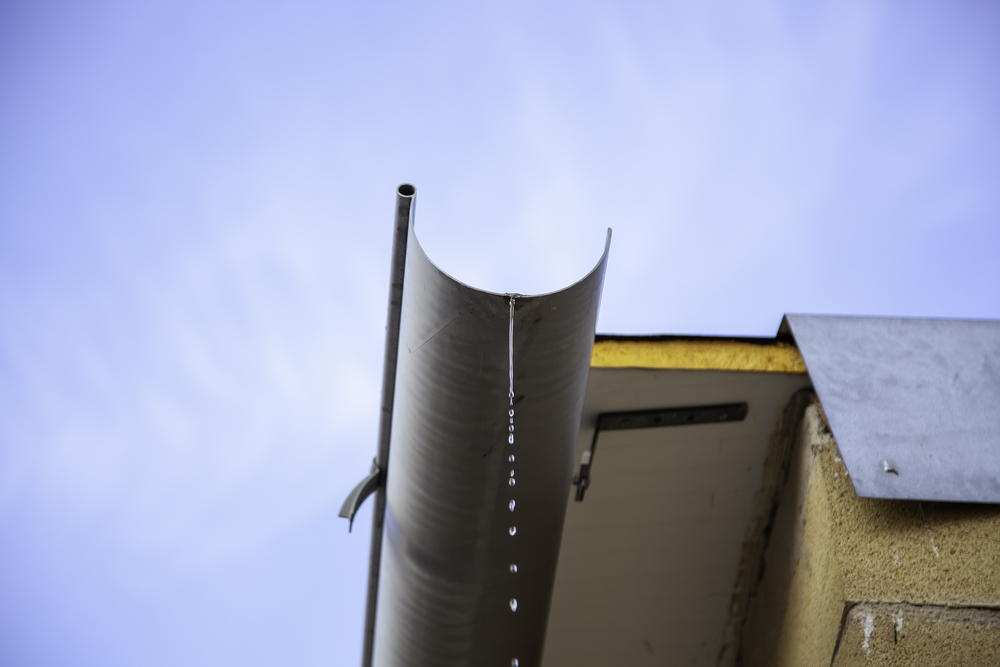
When homeowners think about water damage, they often picture a burst pipe or a hole in the roof. Few immediately consider their gutters as a potential source of water intrusion inside their home. Gutters are designed to manage water on the exterior, so it can be difficult to draw a line from a clogged or damaged gutter to a watermark on your living room ceiling. However, this connection is very real and incredibly destructive. A malfunctioning gutter system is one of the most common culprits behind serious and expensive interior water damage. Your gutters are your home’s first line of defense against rainwater. When they fail, water doesn’t just disappear; it finds the path of least resistance, which often leads directly into your attic, walls, and foundation. Understanding how a problem on the outside can lead to a disaster on the inside is crucial for every homeowner. This guide will explore the direct link between faulty gutters and interior water damage, help you identify the subtle warning signs, and outline the essential steps to protect your home from this preventable threat. How Faulty Gutters Cause Interior Water Damage A gutter system’s job is to collect rainwater from the roof and channel it safely away from the house. When gutters are clogged, sagging, or improperly installed, they cannot perform this function. This failure creates several pathways for water to infiltrate your home’s interior. Pathway 1: Roof and Attic Leaks from Clogged Gutters This is the most direct route from a bad gutter to interior damage. It all starts with a clog. Leaves, twigs, pine needles, and shingle grit accumulate in your gutters over time, forming dense blockages. Water Backup: When it rains, the clogged gutter cannot drain. Water backs up and pools along the edge of your roof. Fascia and Soffit Saturation: The standing water first overflows onto the fascia board (the board the gutter is attached to) and the soffit (the underside of the roof overhang). These wooden components become saturated and begin to rot. Under-Shingle Intrusion: As water continues to rise, it defies gravity through capillary action and seeps underneath the first few rows of your roof shingles. This is something your roof is not designed to handle. Shingles are meant to shed water flowing downwards, not repel water pushing upwards from below. Roof Decking Rot: The water soaks the roof decking—the plywood or OSB sheathing that forms the structural surface of your roof. Over time, this wood will rot, soften, and lose its structural integrity. Attic and Ceiling Leaks: Once the roof decking is compromised, water is free to drip into your attic. From there, it can saturate insulation (rendering it ineffective and promoting mold growth) and eventually soak through the drywall of your ceiling below, creating those dreaded brown stains. In a severe case, a saturated ceiling can collapse under its own weight. In colder climates, this process is dramatically accelerated by ice dams. The standing water in clogged gutters freezes, creating a dam of ice that forces melting snow and ice from further up the roof to travel underneath the shingles. Pathway 2: Wall Damage from Overflowing Gutters Even if water doesn’t get into your attic, overflowing gutters can damage the inside of your walls. When water spills over the front or back of a clogged or sagging gutter, it runs down the siding of your house. Window and Door Frame Leaks: Siding is water-resistant, but it’s not waterproof. The most vulnerable points are around windows and doors. Water running down the siding will find its way into small cracks and failed seals around these frames. Sheathing and Stud Rot: Once behind the siding, water soaks the wall sheathing and the wooden studs of your home’s frame. This leads to wood rot, which compromises the structural integrity of your walls. Interior Wall Damage: The moisture can then penetrate your interior drywall, causing paint to peel, wallpaper to bubble, and the wall itself to feel soft or damp. This damp environment inside your walls is a perfect breeding ground for toxic black mold, which can pose serious health risks. Pathway 3: Basement Flooding and Foundation Issues The final pathway for water to enter your home is through the foundation. This happens when gutters overflow or when downspouts are clogged, broken, or discharge water too close to the house. Soil Oversaturation: A functioning gutter system directs thousands of gallons of water away from your home. When it fails, all of that water is dumped in a concentrated area around your foundation. Hydrostatic Pressure: The soil becomes a waterlogged sponge. This creates immense hydrostatic pressure, which is the force of water pushing against your foundation walls. Cracks and Seepage: This pressure is powerful enough to create new cracks in your foundation and force water through existing ones. Basement or Crawlspace Intrusion: Water seeps into your basement or crawlspace, leading to flooding, damaged property, and rampant mold and mildew growth. Even a small, persistent leak can create a perpetually damp environment that damages your home and affects your indoor air quality. While this may seem like an exterior problem, the resulting mold growth and structural damage are very much interior issues that can affect your family’s health and the stability of your entire home. Spotting the Signs: Early Warnings of Gutter-Related Water Damage Catching water damage early is key to minimizing repair costs. Be vigilant and look for both the exterior signs of gutter failure and the interior signs of water intrusion. Exterior Warning Signs: Gutter Waterfalls: During rain, do you see water sheeting over the edges of your gutters? This is the number one sign of a clog or a pitch problem. Sagging Gutters: Are your gutters bowing or pulling away from the fascia board? This indicates they are heavy with water and debris, and the fasteners are failing. Plant Growth: Are there weeds or small saplings growing out of your gutters? This means there is enough soil and trapped moisture to sustain life—a severe clog. Peeling Paint
How Short Fasteners Cause Gutters to Sag
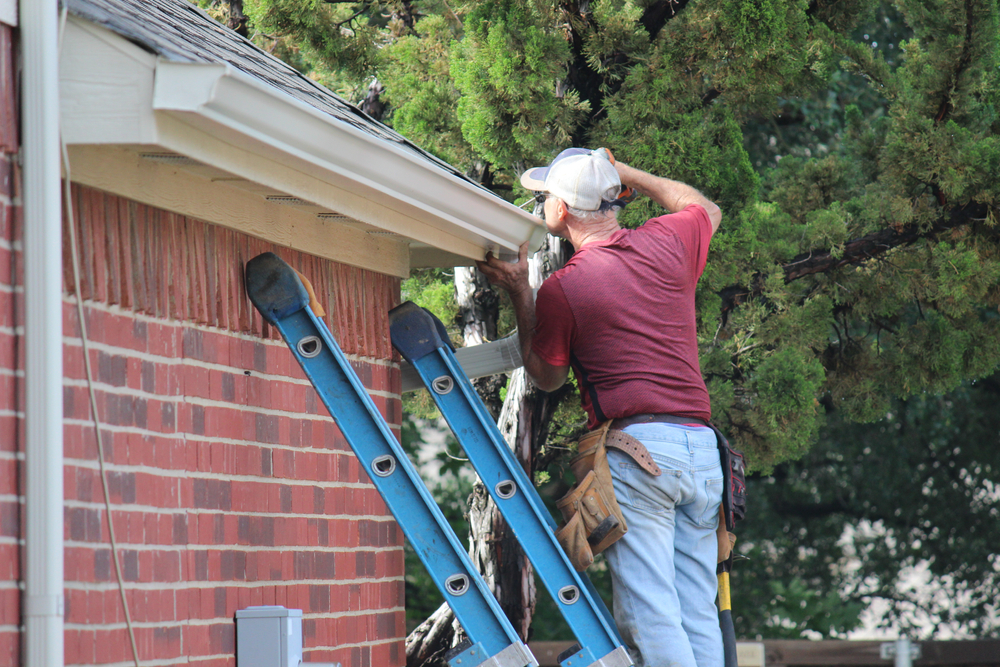
A properly functioning gutter system is essential for protecting your home from water damage. It channels thousands of gallons of rainwater away from your roof, siding, and foundation each year. Yet, the integrity of this entire system often depends on one of its smallest components: the fasteners. These are the screws, spikes, or hangers that anchor the gutters to your home. When installers cut corners by using fasteners that are too short, they are setting the stage for a catastrophic failure. Sagging, pulling, and collapsing gutters are often the direct result of this single, critical mistake. It’s easy to overlook the importance of something as small as a screw. However, these fasteners are responsible for bearing the immense weight of the gutters, the water flowing through them, and any accumulated debris. A short fastener simply cannot provide the necessary support, leading to a cascade of problems that can compromise your home’s structure. This article will delve into the crucial role of gutter fasteners, explain exactly how and why short fasteners lead to sagging, detail the extensive damage that can result, and provide clear solutions for homeowners facing this common but serious issue. The Unseen Heroes: Understanding the Role of Gutter Fasteners Before we can understand why short fasteners fail, we must appreciate what a correctly installed fastener does. Gutter fasteners, also known as hangers, are the hardware that attaches a gutter section to the fascia board—the long, straight board that runs along the lower edge of your roof. Their job is to hold the gutter system securely in place against the forces of gravity, weather, and the weight of water. The Anatomy of a Secure Connection A secure gutter installation relies on a fastener that is long enough to penetrate through the fascia board and anchor firmly into the solid wood of the rafter tails behind it. Rafter tails are the ends of the roof’s structural joists. They provide a much stronger and more stable anchoring point than the fascia board alone. Fascia Board: This is typically a 1×6 or 1×8 inch board, meaning it is only about ¾ of an inch thick. It is primarily a cosmetic element designed to cover the ends of the rafters. While it helps support the gutter, it is not strong enough to be the sole anchor point. Rafter Tails: These are the structural bones of your roof’s overhang. Anchoring into this solid wood is the key to a long-lasting and secure gutter system. Professional installers use fasteners (typically specialized screws) that are at least two to three inches long. This length ensures they can pass completely through the gutter, through the fascia board, and embed deeply into the rafter tail. This creates a powerful connection that can withstand the significant weight and stress a gutter system endures. Forces Working Against Your Gutters A securely fastened gutter system must contend with several forces: The Weight of Water: Water is surprisingly heavy, weighing approximately 8.3 pounds per gallon. During a heavy downpour, a standard 40-foot section of gutter can be carrying over 160 pounds of moving water. Debris Buildup: Wet leaves, twigs, and shingle grit can form a dense, heavy sludge that clogs gutters and adds significant weight. Snow and Ice: In colder climates, snow and ice accumulation is a major threat. A foot of gutter can hold dozens of pounds of ice, placing extreme stress on the fasteners. Wind and Weather: High winds can exert upward or downward pressure on the gutter system, testing the strength of the connection to the house. Properly sized and spaced fasteners are designed to handle all these forces. When short fasteners are used, the system is weak from the very beginning. The Critical Failure: Why Short Fasteners Are a Recipe for Disaster Using short fasteners is one of the most common and damaging shortcuts taken by inexperienced or unscrupulous installers. These inadequate fasteners, often just 1 to 1.5 inches long, are only long enough to grip the thin fascia board. They never reach the structural security of the rafter tails. This creates a fundamentally weak installation that is destined to fail. The Inevitable Pull-Out A short screw or spike embedded only in the fascia board has very little holding power. The wood fibers of the thin fascia cannot withstand the constant, downward pull from a heavy gutter. Over time, the following process occurs: Initial Strain: The weight of the empty gutter itself puts a constant, low-level strain on the short fastener. Increased Load: During a rainstorm, the weight increases dramatically. The fastener begins to shift and pull against the wood fibers of the fascia. Moisture Weakens the Wood: As water inevitably splashes onto the fascia board, it softens the wood around the fastener. This is especially true if the gutter seams leak or the system overflows, which is common in failing systems. The Loosening Cycle: Each time it rains, the fastener pulls out a little more. The hole in the fascia board widens, and the fastener’s grip weakens. This process accelerates over time. The Sag Begins: As the fasteners loosen their grip, the gutter section begins to sag or droop. This creates a low spot in the gutter. The Vicious Cycle of Sagging: The new low spot collects even more water and debris, adding more weight to that specific area. This increased weight pulls even harder on the already-failing fasteners, causing the sag to worsen. The cycle continues until the gutter section pulls away from the fascia completely or collapses. This entire process is a direct result of the fastener being too short to anchor into the structural wood of the rafter tails. Had the fasteners been long enough, they would have held firm against the weight, preventing the initial loosening that starts the cycle of failure. The Domino Effect: Widespread Damage Caused by Sagging Gutters A sagging gutter is more than just an eyesore. It’s a sign that your home’s water management system has been compromised, and it sets off a chain reaction of costly damage.
What Happens When Gutters Are Installed With the Wrong Slope?
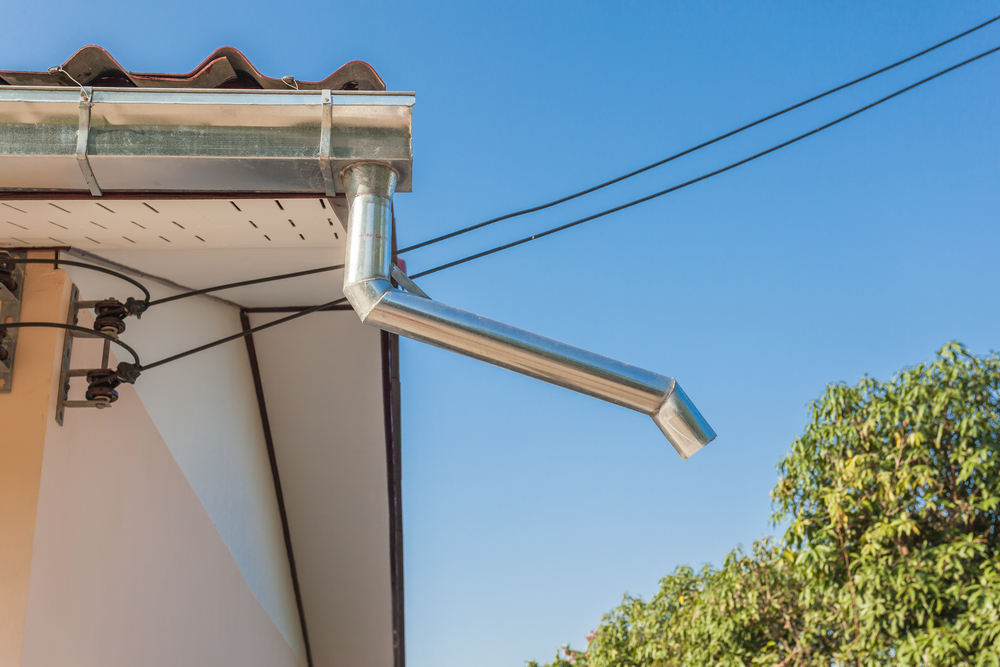
Your home’s gutter system is an unsung hero, working quietly to protect your property from the damaging effects of rainwater. Its job seems simple: catch the water that runs off your roof and guide it safely away from your home. However, the effectiveness of this entire system hinges on one critical, often overlooked detail: the slope. Gutters are not meant to be installed perfectly level. They require a precise, subtle angle—or pitch—to allow gravity to efficiently channel water toward the downspouts. When this slope is wrong, the consequences can range from minor annoyances to severe structural damage. An incorrect gutter slope turns your home’s primary defense against water into a liability. Whether the pitch is too shallow, completely flat, or even angled away from the downspouts, the result is a system that fails to perform its core function. This guide will explore the science behind proper gutter slope, detail the extensive damage that can occur from an improper installation, and explain how to identify and correct this critical issue. Understanding the importance of the right slope is the first step in protecting your home from costly, water-related repairs. Professional gutter services in South Carolina focus heavily on precise installation, because even small slope miscalculations can create long-term damage. The Science of Gutter Slope: Why a Perfect Angle Matters At its core, a gutter system is a simple gravity-fed channel. For it to work, water must continuously move from the highest point to the lowest point, which is the downspout opening. This movement is achieved by installing the gutter with a slight downward angle. The industry standard and best practice for this angle is a drop of at least a quarter-inch for every 10 feet of gutter length. This calculation isn’t arbitrary. It’s the ideal pitch that balances two competing needs: Ensuring steady water flow: The slope needs to be steep enough to keep water moving, carrying small debris like shingle grit and dirt along with it. This prevents water from becoming stagnant. Preventing overflow: The slope can’t be so steep that water rushes too quickly. In a heavy downpour, fast-moving water can overshoot the downspout opening, splashing over the sides and rendering the system ineffective. A professional installer uses a level and a chalk line to map out this precise angle along the fascia board before hanging the gutters. For long gutter runs—typically those over 40 feet—the strategy changes. Instead of a single, long slope, the gutter is pitched down from the center towards a downspout at each end. This “high point in the middle” approach prevents the total drop from becoming too dramatic and unsightly while ensuring efficient drainage for the entire length. Achieving this perfect, consistent slope requires careful measurement and experience, which is why a DIY installation often falls short. The Destructive Power of Improper Slope: Consequences for Your Home When the gutter slope is incorrect, it sets off a chain reaction of destructive events. The problems stem from one main issue: water that doesn’t drain. Whether the pitch is too flat, causing water to stand still, or negatively sloped, causing it to flow away from the downspout, the results are damaging. 1. Water Pooling and Gutter Damage The most immediate consequence of an insufficient slope is standing water. When gutters are too level, water has nowhere to go. It sits in the channels long after the rain has stopped. Excess Weight and Sagging: Water is heavy, weighing about 8.3 pounds per gallon. A 40-foot section of 5-inch gutter can hold over 20 gallons of water, adding more than 160 pounds of unexpected weight. This constant strain puts immense pressure on the hangers and fasteners, causing them to pull loose from the fascia board. The result is sagging gutters, which create even lower spots for more water to pool, accelerating the failure. Breeding Ground for Pests and Mold: Stagnant water is an ideal breeding ground for mosquitoes and other insects. It also creates a damp, dirty environment perfect for the growth of algae, mold, and mildew within your gutters. This sludge adds more weight and can eventually lead to blockages. Ice Dam Formation: In colder climates, standing water is a recipe for disaster. It freezes into solid blocks of ice, creating heavy ice dams. As the ice expands, it can warp, bend, and even split the gutters. Furthermore, ice dams on the roofline can force melting snow and ice underneath your shingles, leading to roof leaks and interior water damage. 2. Fascia and Soffit Rot The fascia board is the wooden trim that your gutters are mounted to, and the soffit is the underside of your roof’s overhang. These components are extremely vulnerable to water damage from improperly sloped gutters. Overflow and Saturation: When water pools, it will eventually overflow. It typically spills over the back of the gutter, running directly onto the fascia board. Since most fascia boards are made of wood, this constant exposure to moisture leads to rot. Spreading Decay: Rotted fascia can no longer provide a secure anchor for gutter hangers, leading to gutter collapse. The decay often doesn’t stop at the fascia. It can spread to the soffit panels and even to the wooden rafter tails that form the structural backbone of your roof’s edge. What starts as a gutter problem can quickly become a much more expensive roofing and structural repair. If you notice peeling paint or dark stains on your fascia, it’s a strong indicator of a long-term water issue that may require professional gutter repair services. 3. Foundation Damage and Basement Flooding This is the most severe and costly consequence of a failed gutter system. The primary purpose of gutters is to protect your home’s foundation. When they fail due to an improper slope, they do the exact opposite—they concentrate water in the worst possible place. Soil Oversaturation: Overflowing water saturates the soil directly around your foundation. This creates immense hydrostatic pressure, which is the force exerted by water in the ground. This pressure pushes against your foundation
Common Gutter Installation Mistakes Homeowners Should Avoid
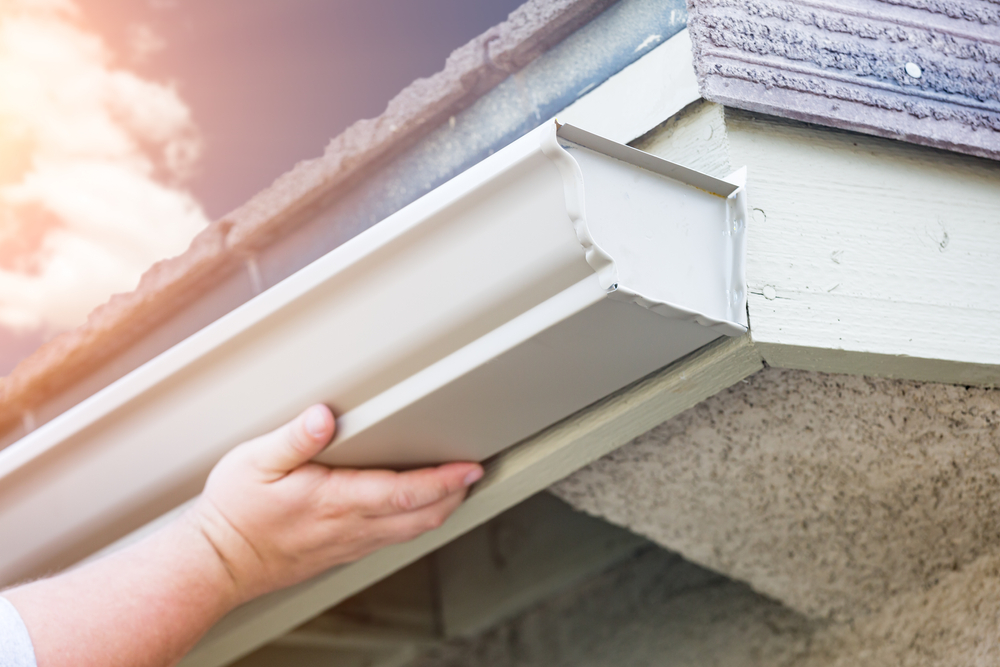
Your home’s gutter system is a critical line of defense against water damage. It’s designed to capture rainwater from your roof and channel it safely away from your foundation, walls, and landscaping. When installed correctly, gutters protect your home’s structural integrity and prevent a host of expensive problems. However, a seemingly straightforward gutter installation can quickly go wrong if not handled with expertise. Many well-intentioned homeowners attempting a DIY installation, or even hiring an inexperienced contractor, fall victim to common mistakes that render their gutter system ineffective or even harmful. These errors can lead to everything from minor leaks to catastrophic foundation damage. Understanding the pitfalls of improper gutter installation is the first step toward safeguarding your investment. From selecting the wrong materials to setting an incorrect pitch, small miscalculations can have significant consequences. This guide will walk you through the most frequent and damaging gutter installation mistakes homeowners make. We will explore why these errors occur, the damage they can cause, and how you can ensure your gutter system is installed for maximum performance and longevity. For a flawless installation, sometimes the best solution is to trust the professionals. 1. Choosing the Wrong Gutter Type and Size One of the most fundamental mistakes in gutter installation happens before a single tool is picked up: selecting the wrong type or size of gutters for your home. It’s easy to assume that all gutters are created equal, but this couldn’t be further from the truth. The size, style, and material of your gutters must be appropriate for your home’s specific needs, which are dictated by your roof’s size and pitch, as well as the typical rainfall patterns in your area. The Importance of Correct Sizing Gutters are not a one-size-fits-all product. They are most commonly available in 5-inch and 6-inch widths. While a 5-inch K-style gutter is standard for many residential homes, it may be completely inadequate for a house with a large or steep roof. A larger roof surface area collects a greater volume of water during a storm. If the gutters are too small, they will be quickly overwhelmed, causing water to overflow and spill down the side of your house, defeating their purpose entirely. Similarly, the downspouts must be sized correctly to handle the volume of water collected by the gutters. A 6-inch gutter system will be ineffective if paired with small, 2×3-inch downspouts that can’t drain the water fast enough. This creates a bottleneck, causing water to back up and overflow. Professional installers perform calculations based on your roof’s square footage and the maximum rainfall intensity for your region to determine the appropriate gutter and downspout dimensions. Material Matters Gutters are available in various materials, each with its own set of pros, cons, and price points. Choosing incorrectly can lead to a shorter lifespan and more frequent repairs. Aluminum: This is the most popular choice due to its affordability, rust-proof nature, and lightweight design. It comes in various colors and is relatively easy to install. However, aluminum can be dented by ladders or hail. Vinyl: The most budget-friendly and DIY-friendly option, vinyl gutters are lightweight and won’t corrode. Their primary drawback is a lack of durability. They can become brittle in cold weather, crack under impact, and may fade over time from sun exposure. Steel: Galvanized steel is strong and durable, making it a great choice for areas with heavy snow or extreme weather. However, it is heavier and more susceptible to rust if the protective coating is scratched. Copper: The premium option, copper gutters are extremely durable, will never rust, and develop an attractive patina over time. They are, however, the most expensive material and require professional installation by experts familiar with soldering the joints. Selecting a material that isn’t suited for your climate or failing to account for its maintenance needs is a recipe for premature failure. 2. Incorrect Gutter Slope or Pitch Perhaps the most critical technical mistake in gutter installation is setting the wrong slope, or pitch. Gutters are not meant to be perfectly level. They need to be angled slightly toward the downspouts to allow gravity to do its job and guide water to where it needs to go. Without the correct pitch, water will pool in the gutters instead of draining, leading to a cascade of problems. The Consequences of a Flawed Slope Too Little Slope: If the gutter is too level, water will stagnate. This standing water becomes a breeding ground for mosquitos, attracts other pests, and promotes the growth of algae and mold. The weight of the pooled water also puts immense strain on the gutter hangers and fasteners, causing them to sag and pull away from the fascia board over time. In winter, this standing water can freeze, creating heavy ice dams that can damage both the gutters and your roofline. Too Much Slope: On the other hand, an excessively steep pitch can also be problematic. While the water will certainly drain, it will move too quickly. During a heavy downpour, fast-moving water can overshoot the downspout opening altogether, splashing over the edge of the gutter. This can cause erosion to the ground below and soak the foundation. A dramatically sloped gutter is also aesthetically jarring and can look unprofessional. The Golden Rule of Gutter Pitch The generally accepted rule for proper gutter slope is a drop of at least a quarter-inch for every 10 feet of gutter run. For longer runs (over 40 feet), it is often recommended to pitch the gutter from the middle down toward a downspout at each end. Achieving this precise, subtle angle requires careful measurement and experience. A professional installer uses a level and chalk line to snap a perfectly graded guideline, ensuring a consistent and effective slope along the entire length of the roofline. Trying to “eyeball” the pitch is a common DIY error that almost always leads to drainage issues. If you suspect your gutters are not draining correctly, it’s a clear sign that professional gutter repair services may
How Gutter Guards Protect Against Pest Infestations
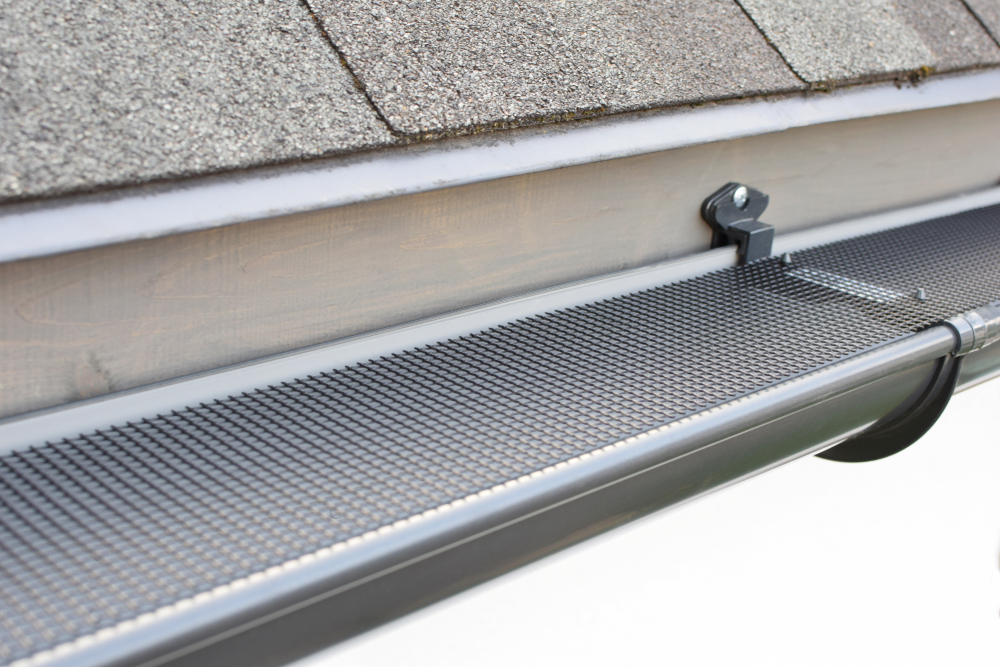
When you think of gutter maintenance, your mind likely jumps to water damage, rotting wood, or the annoyance of cleaning out soggy leaves. Rarely do homeowners associate their gutters with something arguably more unsettling: pest infestations. Yet, your open gutters are essentially a five-star hotel for the unwanted critters of the animal kingdom. High above the ground, safe from predators, and filled with a constant supply of water and nesting materials, clogged gutters are the perfect ecosystem for pests. From the high-pitched whine of mosquitoes to the scratching sound of squirrels in the attic, many household infestations start at the roofline. This biological hazard is often overlooked until it is too late. Once pests establish a foothold in your gutters, the leap into your home’s interior—through rotted fascia or roof vents—is a short one. The good news is that there is a structural solution to this biological problem. Gutter guards and pest control go hand-in-hand. By sealing off the entry point, you can effectively deter a wide range of insects and rodents. In this comprehensive guide, we will explore the hidden ecosystem living in your gutters and how installing protection is one of the most effective pest control measures you can take for your home in Columbia, SC. The Gutter Ecosystem: Why Pests Love Your Roof To understand how to stop them, we must first understand the attraction. Why do pests flock to gutters? In nature, animals look for three things: food, water, and shelter. An open, clogged gutter provides all three in abundance. Water: Even a small amount of debris can trap water. Stagnant water is essential for mosquitoes and thirsty rodents. Shelter: decomposing leaves create warmth (through the composting process) and cover. This makes it an ideal nursery for insects and a warm bed for mammals during winter. Food: For some insects, the rotting organic matter is food. For larger predators like birds or snakes, the insects living in the muck are the buffet. By leaving your gutters open and prone to clogging, you are essentially hanging a “Vacancy” sign on your home. Installing gutter guards effectively closes the hotel. The Mosquito Menace: Stopping the Breeding Ground In South Carolina, mosquitoes are more than just a nuisance; they are a public health concern. We spend hundreds of dollars on sprays, candles, and yard treatments, often forgetting that the source of the problem is right above our heads. The Stagnant Water Problem Mosquitoes require stagnant water to breed. They don’t need a lake; a bottle cap full of water is enough for a female mosquito to lay hundreds of eggs. A clogged gutter is basically a linear pond running the length of your house. Because the debris prevents drainage, water sits there for days or weeks after a rainstorm. This warm, shallow, nutrient-rich water is the perfect incubator. If you have been fighting a losing battle against mosquitoes in your backyard, look up. Your gutters might be producing thousands of new mosquitoes every week. How Gutter Guards Help Prevent pests in gutters by removing the water source. Gutter guards function by keeping debris out of the trough. When leaves and pine needles are blocked, water flows freely down the downspout and away from the home. It never has a chance to pool or stagnate. By ensuring your gutters dry out completely between rainstorms, gutter guards break the mosquito breeding cycle. It is a chemical-free, permanent solution to reducing the mosquito population around your home. Rodents in the Roof: Squirrels, Rats, and Mice While insects are annoying, rodents are destructive. Squirrels, chipmunks, rats, and mice are excellent climbers. They use downspouts as ladders and overhanging branches as bridges to access your roof. The Attic Highway Once on the roof, an open gutter is a convenient highway. It provides a secure ledge to travel along. But the real danger lies in what the gutter rests against: the fascia board. When gutters are clogged with wet debris, that moisture rots the wooden fascia board behind it. Rodents have strong teeth but prefer soft targets. Rotting wood is easy to chew through. A squirrel can gnaw through water-softened fascia in minutes, granting them access to your attic. Once inside, they tear up insulation, chew electrical wires (a fire hazard), and contaminate your home. The Barrier Method High-quality gutter protection from rodents acts as a physical shield. Metal gutter guards—specifically aluminum or stainless steel mesh—cap the gutter trough. Denial of Shelter: Guards prevent the accumulation of soft nesting materials (leaves and twigs) inside the gutter. Physical Blockade: A properly installed guard covers the top of the gutter, making it difficult for rodents to access the roof edge or chew on the lip of the fascia. Material Strength: Rodents struggle to chew through metal. By installing a robust metal guard, you “harden” the perimeter of your roof. If your fascia is already compromised by rot, simply adding guards isn’t enough. You need to repair the damage first. Our Gutter Repair Services can replace rotted wood and secure loose gutters before we install the protective guards. The Termite Connection Termites cause billions of dollars in damage annually, and they love moisture. You might think of termites as ground dwellers, but clogged gutters create the perfect conditions for them to attack your home from the top down or the bottom up. The Moisture Bridge Subterranean termites need moisture to survive. When gutters overflow, they saturate the soil around your foundation. This constant dampness attracts termite colonies to the very base of your home. Additionally, “dampwood” termites or secondary colonies can establish themselves in the rotting wood of your roof eaves if the moisture problem is severe enough. The wet mulch in a clogged gutter acts as a bridge, allowing termites to move from the debris into your roof trusses. Drying Out the Perimeter Effective Columbia SC gutter services focus on water management. Gutter guards ensure that water is directed away from the house via the downspouts, rather than spilling over onto the foundation. This keeps the