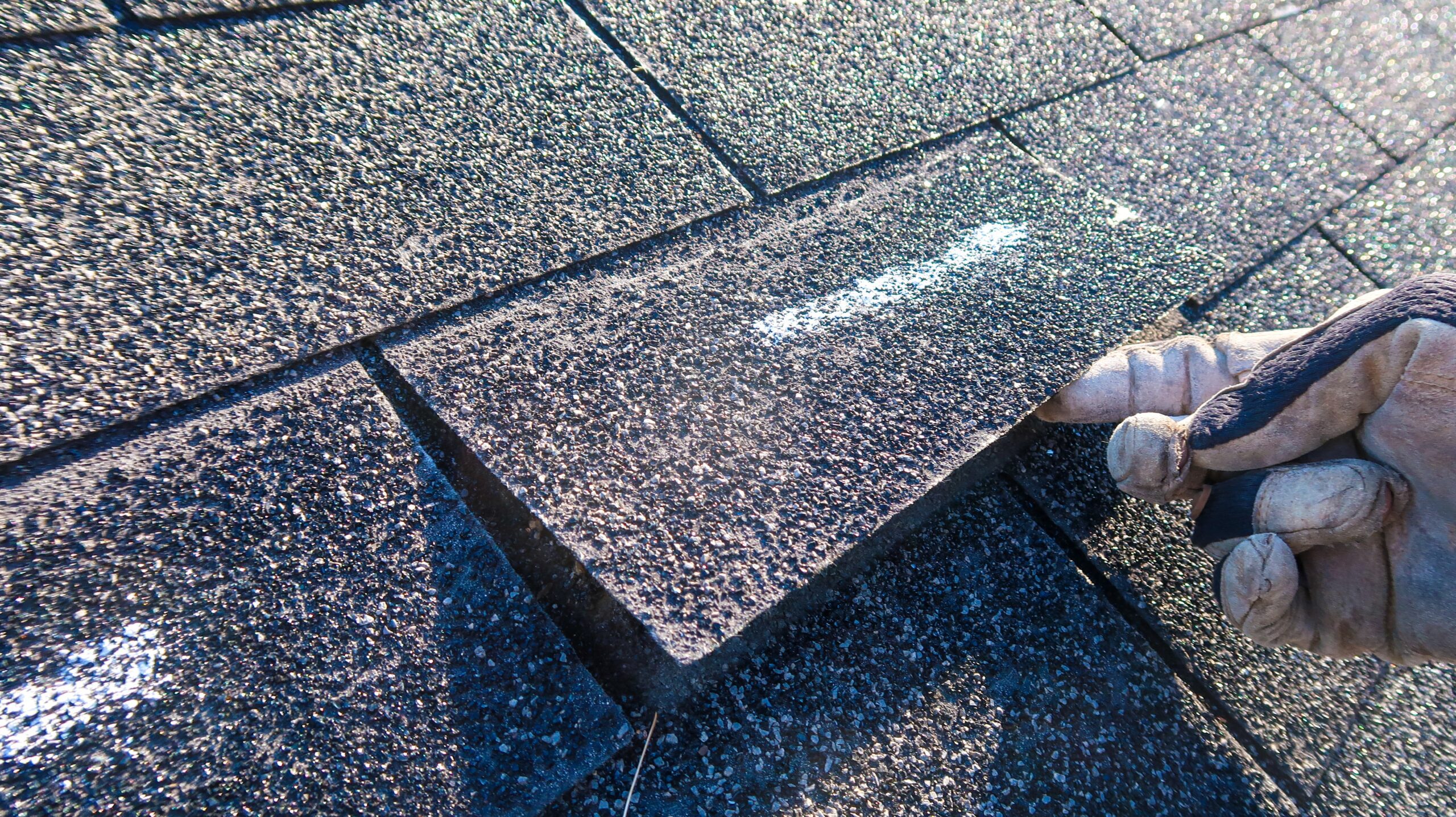
When you walk into your home, you want to smell dinner cooking or fresh laundry, not the heavy, earthy scent of mildew. That musty smell is often the first sign of a mold problem, and for many homeowners in Columbia, it triggers immediate anxiety about leaky pipes or roof failures. But what if the source of that moisture isn’t plumbing or a hole in your shingles? What if the real culprit is hanging right off the edge of your roof?
At Cola City Roofing, we see a direct connection between exterior drainage and interior health. We often visit homes where families have been battling recurring mold issues or high humidity levels, only to discover that their gutter system is the silent contributor. It’s a "Before and After" scenario we see frequently: a home struggling with dampness because of poor water management, and that same home returning to a dry, healthy state once the gutters are corrected.
This isn’t about scare tactics. Mold is a manageable issue if you cut off its life source: moisture. This guide walks you through how faulty gutters create the conditions for mold and how fixing those exterior problems can be the turning point for the health of your home.
Why Mold Problems Often Start Outside the Home
It is easy to think of your home’s walls as an impenetrable barrier. In our minds, the "outside" is wet and the "inside" is dry. However, your home is a system of porous materials—wood, concrete, drywall—that interacts constantly with the environment. When the environment directly against your home is constantly saturated, that moisture eventually migrates inward.
Mold spores are everywhere in nature. They are in the air right now. They only become a problem inside your home when they find a place to land that offers food (like drywall or dust) and, critically, moisture. While we often blame humidity or internal spills, the volume of water that hits your roof during a South Carolina storm is massive compared to a spilled cup of water. If that exterior water isn’t managed, it becomes the primary fuel for indoor mold growth.
Moisture Around the Foundation Is Usually the First Trigger
The foundation is the anchor of your home, but it is also the most vulnerable point for moisture intrusion. In the Midlands, many homes are built on crawl spaces or slabs surrounded by clay-heavy soil. When water dumps from the roof and pools against the foundation, the soil becomes waterlogged.
This creates "hydrostatic pressure," a force that pushes groundwater against your foundation walls. Concrete and brick act like hard sponges; they can wick this moisture up and into the structure. Even if you don’t see a puddle on your basement floor, this invisible transmission of dampness raises the humidity levels in your crawl space or basement. This rising dampness permeates the subfloor and walls, creating the perfect, humid microclimate that mold loves.
Gutters Play a Bigger Role Than Most Homeowners Realize
Gutters are not just decorative trim. They are a functional plumbing system for your roof. Their sole job is to capture thousands of gallons of rainwater and transport it safely away from the sensitive parts of your house—the fascia, the siding, and the foundation.
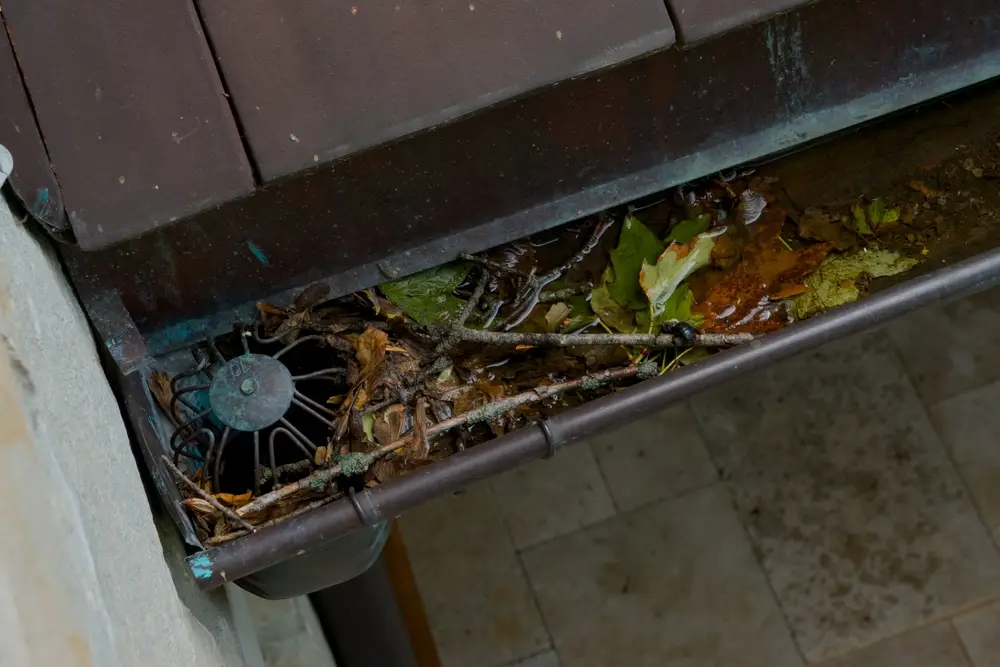
When gutters fail, whether due to clogs, poor installation, or damage, that system breaks down. Instead of being transported away, the water is concentrated and dumped right where it can do the most damage. A single overflowing gutter section can dump hundreds of gallons of water into a concentrated spot next to your foundation in just one hour. That is a volume of water that your home’s waterproofing systems simply aren’t designed to handle repeatedly.
The “Before” Conditions That Put Homes at Risk for Mold
Before we fix a problem, we have to understand what it looks like. In the "Before" stage of our case studies, we often find homes that are stuck in a cycle of saturation. The homeowners might be running dehumidifiers around the clock or scrubbing mildew off their siding every few months, but the problem keeps coming back.
The common thread in these situations is that the home never gets a chance to dry out. The exterior envelope of the house is being subjected to moisture stress that exceeds its ability to shed water.
Consistent Water Overflow Near Walls and Entry Points
One of the most dangerous conditions we see is "splash back." This happens when gutters are clogged or undersized, causing water to sheet over the edge and crash down onto the ground, a deck, or a patio below. When water hits a hard surface, it splashes up against the siding, door frames, or window sills.
Over time, this repeated splashing forces water behind the siding or into the cracks around door casings. Once water gets behind the cladding (vinyl, Hardie board, or brick), it is trapped. It soaks into the sheathing and framing studs. This dark, wet cavity inside your wall is a playground for mold, and you won’t see it until it starts to rot the drywall from the back side.
Soil Saturation and Poor Drainage Around the Foundation
In the "Before" scenario, walk around the perimeter of the house after a rainstorm. You will often see standing water or soft, muddy ground directly under the eaves. This indicates that the gutter system is either overflowing or the downspouts are dumping water too close to the house.
This saturated soil keeps the humidity around the home artificially high. During the hot Columbia summers, that moisture evaporates and creates a cloud of humidity that hugs the house. This makes your air conditioner work harder and makes it difficult for the interior of the home to maintain a low enough humidity level to inhibit mold growth.
How Improper Drainage Creates Hidden Moisture Issues
The most frustrating part of mold caused by gutter failure is that the damage is often hidden until it becomes severe. Unlike a burst pipe that sprays water visibly, gutter-related moisture is slow and insidious. It is a game of inches, where moisture moves slowly through materials over months or years.
Water That Never Fully Dries Out
Mold needs consistent moisture to thrive. If a wall gets wet once and dries out quickly, mold usually won’t grow. The problem arises when an area gets wet and stays wet.
When gutters malfunction, they re-wet the same areas of the home with every rainfall. A piece of fascia board that gets soaked during a storm might start to dry out the next day, but if the gutter is holding standing water and slowly dripping onto it for three days, that wood remains saturated. This chronic dampness breaks down the cellular structure of the wood and provides the sustained moisture mold spores need to colonize.
Moisture Moving From the Exterior to Interior Spaces
Moisture follows the path of least resistance. When the soil under your home is wet, that moisture vapor rises. This is known as the "stack effect." As warm air rises through your house and escapes out the attic, it pulls cool, damp air up from the crawl space or basement to replace it.
This means the moldy air from a damp foundation is actively being pulled into your living room, bedrooms, and kitchen. If you smell that musty odor on the first floor, it is often a signal that the drainage situation below your floorboards is failing. The gutter problem outside has effectively become an indoor air quality problem.
What We Identified During the Gutter Evaluation
When Cola City Roofing arrives at a home suspected of having moisture issues, we start our investigation at the roofline. We look for the mechanical failures that are contributing to the moisture load. In almost every "Before" case, we find specific installation errors or maintenance neglect.
Slope, Placement, and Drainage Problems
Water obeys gravity. For a gutter to work, it must have a continuous, subtle slope toward the downspout. We frequently find gutters that are hung flat or, worse, with a "negative pitch" where they slope away from the outlet.
In these cases, water sits in the gutter trough long after the rain stops. This standing water inevitably seeps through seams, overflows during the next storm, or wicks up under the roof shingles. We also look at placement—is the gutter tucked firmly behind the drip edge? If not, water can run behind the gutter, running down the fascia board and bypassing the system entirely.
Downspouts Releasing Water Too Close to the Home
This is perhaps the most common and easily fixable error we see. A perfectly functioning gutter system can still cause mold if the downspout terminates twelve inches from the foundation.
We essentially see a system that collects all the water from a 2,000-square-foot roof and dumps it into four concentrated puddles right next to the house. This massive injection of water into the soil overwhelms the foundation drainage. If we don’t see splash blocks or downspout extensions carrying water at least 4 to 6 feet away, we know we’ve found a major contributor to the moisture problem.
How Gutter Issues Allow Moisture to Build Up Over Time
The transition from a "dry home" to a "moldy home" rarely happens overnight. It is a cumulative process. Gutter failure accelerates the aging of your home’s weatherproofing.
Repeated Wetting of the Same Areas
Materials like wood, brick, and concrete have a limit to how much water they can absorb before they start to degrade. When a gutter consistently overflows in the same spot—say, a corner near the back porch—that specific corner of the house never gets a break.
The paint eventually peels, exposing raw wood. The mortar joints in the brick soften and crack. These tiny failures create new pathways for water to enter deeper into the wall assembly. What started as surface water is now structural water intrusion.
Conditions That Support Mold Growth Indoors
Once that water is inside the wall cavity or crawl space, the conditions for mold are perfect. It is dark, there is no airflow, the temperature is stable, and there is an endless buffet of cellulose (wood and paper) to eat.
Because these areas are hidden, the mold can grow undisturbed for years. The only signs you might get are the smell, or perhaps an increase in allergy symptoms for your family. By the time you see a stain on the drywall, the colony inside the wall is likely extensive.
The Changes Made to Improve Water Flow and Drainage
The "After" phase of our work is about restoring order to the flow of water. We don’t just patch the gutters; we re-engineer the drainage to ensure water is moving swiftly and predictably away from the structure.
Correcting Gutter Slope and Water Direction
The first step in our correction process is usually to re-hang or replace the gutters to achieve the correct pitch. We use levels to ensure that for every 10 feet of gutter, there is a proper drop toward the downspout. This ensures that the trough empties completely after a rain.
We also look at the capacity. If the home has a steep roof that sheds water violently, we often upgrade to 6-inch seamless gutters. These larger troughs can handle the surge of water without overflowing, preventing that dangerous splash-back effect that soaks the siding.
Redirecting Water Away From the Foundation
This is the most critical change for preventing foundation moisture. We extend the downspouts. We use elbows, extensions, and splash blocks to guide the water well past the "danger zone" of the foundation soil.
In some cases, we might recommend tying the downspouts into underground drain lines that carry the water all the way to the street or a backyard swale. The goal is to ensure that the ground touching your house stays as dry as possible, regardless of the weather.
The “After” Results Homeowners Notice
The impact of these changes is often felt before it is seen. Homeowners tell us that the "After" reality feels different—less heavy, cleaner.
Drier Crawl Spaces and Lower Indoor Humidity
Once the gutters stop dumping water into the foundation soil, the hydrostatic pressure drops. The soil under the house begins to dry out. Over the course of a few weeks, the humidity levels in the crawl space stabilize.
This has a ripple effect upwards. The floors feel less damp. The air inside the home feels crisper and easier to cool. The dehumidifier in the basement stops running 24/7 and starts cycling on and off normally. You have effectively turned off the tap that was filling your home with moisture.
No New Signs of Interior Water Damage
In the months following the repair, the progression of damage stops. The water stains don’t get bigger. The peeling paint stops spreading. The musty smell fades and eventually disappears as the existing moisture evaporates and isn’t replaced.
While we can’t undo the past damage (rotten wood still needs to be replaced), fixing the gutters stops the bleeding. It allows repairs to be made with confidence, knowing that the new drywall or wood won’t just rot again in six months.
Why Correcting Gutters Makes Mold Prevention Possible
You cannot fight mold with bleach alone. You have to change the environment. Correcting your gutters is a fundamental environmental change for your property.
Stopping Moisture at the Source Instead of Treating Symptoms
Many homeowners spend thousands on waterproofing paints, encapsulation, and mold remediation services, but skip the gutter work. This is like bailing out a boat without plugging the hole.
By fixing the gutters, you are addressing the root cause. You are managing the source of the water rather than trying to manage the water once it’s already attacking your home. It is the most cost-effective form of mold prevention available because it relies on gravity and physics rather than chemicals and machinery.
Early Warning Signs Homeowners Can Watch for Themselves
You don’t have to wait for a mold outbreak to act. Your home gives you clues that your drainage system is failing.
Musty Smells, Damp Spots, or Persistent Humidity
Trust your nose. If a room smells "old" or damp, investigate. If your windows are sweating excessive condensation on the inside during winter, it suggests high indoor humidity, which often comes from the foundation. If you see baseboards separating from the wall or hardwood floors cupping (curling at the edges), these are signs of moisture rising from below.
Exterior Clues Around Gutters and Downspouts
Go outside and look at your gutters. Do you see "tiger stripes"—dark vertical lines on the face of the gutter? That means they are overflowing. Do you see green algae growing on your siding in specific streaks? That points to a leak above. Do you see a trench washed into the dirt below your roofline? That means the water is missing the gutter entirely. Catching these signs early allows you to intervene before the water penetrates the walls.
How Proper Gutters Support a Healthier Living Space
Ultimately, we care about gutters because we care about homes and the people inside them. A dry home is a healthy home.
Reducing Conditions That Lead to Mold and Rot
By keeping the structural wood dry, you prevent rot. By keeping the insulation dry, you maintain energy efficiency. By keeping the interior air dry, you inhibit mold growth and dust mite populations.
Proper gutters are the guardians of your home’s envelope. They quietly handle the chaotic volume of storm water and render it harmless. It’s a simple mechanical function with profound health implications for your living space.
Stopping Mold Risks Before They Turn Into Repairs
The difference between a "Before" nightmare and an "After" success story is often just a matter of attention. At Cola City Roofing, we help homeowners bridge that gap. We don’t just install metal; we diagnose drainage.
Why Early Gutter Corrections Matter
If you suspect your gutters aren’t performing—if you see the overflow, smell the dampness, or notice the soggy ground—don’t wait. The water isn’t going to stop finding a way in. A professional assessment can determine if your system needs a simple tuning, a cleaning, or a redesign to handle the water load.
Preventing mold is far cheaper and less stressful than remediating it. Let’s get your water management system working correctly so you can enjoy a dry, safe, and fresh-smelling home, no matter how hard it rains in Columbia.