Columbia is a city with history written into its streets. From the Craftsman bungalows of Shandon to the mid-century ranches in Forest Acres and the stately historic homes downtown, our neighborhoods are filled with character. But if you own one of these older homes, you know that "character" often comes with a side of maintenance.
While we love the high ceilings, solid wood doors, and unique architectural details of older builds, the systems protecting these homes were designed for a different era. This is especially true for gutters.
At Cola City Roofing, we often find that the biggest threat to an older home isn’t the age of the structure itself, but water management systems that have fallen behind. A gutter system installed in 1990—or worse, 1950—simply wasn’t built to handle the intense, high-volume storms we see in the Midlands today.
If you are noticing damp basements, peeling paint, or erosion around your foundation, the problem might not be the house settling. It might be that your vintage home is trying to fight modern weather with outdated tools.
Why Older Homes in Columbia Face Unique Gutter Challenges
New construction is predictable. The rooflines are standard, the wood is fresh, and the building codes are current. Older homes are a different story. They were built using different materials and methods, and they have had decades to settle, shift, and weather.
In Columbia, we see a specific set of challenges:
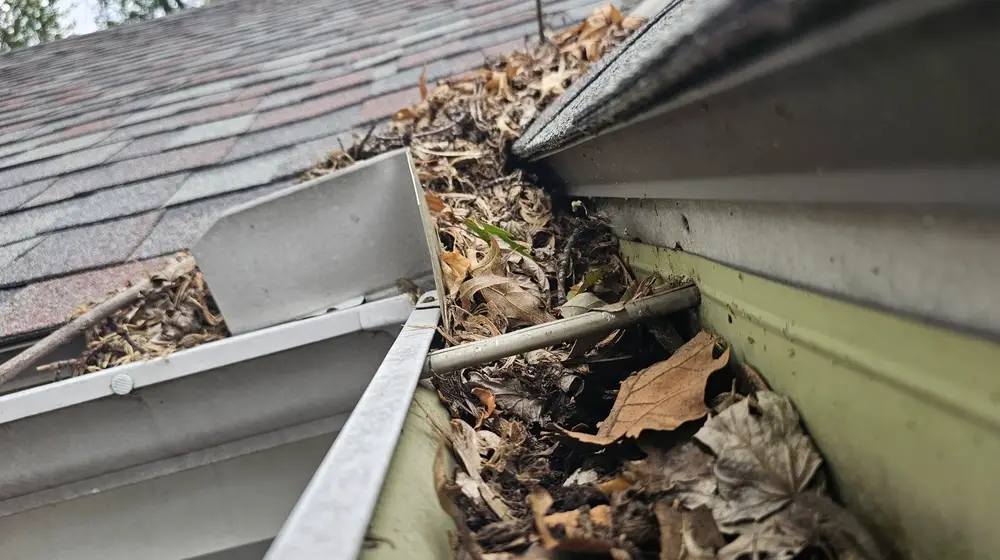
- Mature Vegetation: Older neighborhoods are defined by their beautiful, towering oaks and pines. While they provide shade, they drop massive amounts of debris directly onto roofs that may not have been designed to shed it efficiently.
- Settling Foundations: Over 40 or 50 years, every house settles. This slight movement can throw off the pitch of a gutter system that was once perfectly level, causing water to pool instead of drain.
- Outdated Materials: Many older homes still have galvanized steel or even wooden gutters that have long since passed their useful life.
Understanding these challenges is the first step in diagnosing why your home might be struggling to handle rainfall.
Original Gutter Designs That No Longer Handle Modern Rainfall
It is important to remember that building practices change over time. Fifty years ago, the standard approach to guttering was different.
The "Spike and Ferrule" Era For decades, gutters were attached using large spikes (giant nails) driven through a metal tube (ferrule) and into the fascia board. While this worked initially, the natural expansion and contraction of wood over 50 South Carolina summers eventually works these spikes loose. Once they pull out, the gutter sags. You can hammer them back in, but the hole is stripped, so they will just pull out again in a few months.
Smaller Capacity Standards In the past, 4-inch or standard 5-inch gutters were considered sufficient. However, as our climate patterns have shifted toward more intense, burst-style storms, these narrower channels get overwhelmed quickly. An older system might have been perfectly adequate for the gentle rains of the 1970s but fails completely during a 2024 summer downpour.
Common Gutter Problems We See in Historic and Older Homes
When we inspect a home built before 1980 in the Midlands, we almost always find one of three issues. These aren’t just cosmetic annoyances; they are functional failures that put the home at risk.
Undersized Gutters That Can’t Keep Up With Heavy Rain
This is the most frequent issue. You might have a large, steep roof on a two-story Colonial. When a storm hits, that roof sheds hundreds of gallons of water per minute. If that water hits a shallow, narrow gutter, it splashes right over the edge.
It looks like a waterfall. The water lands right next to the foundation, digging a trench in the flower bed and soaking the soil against the brick or crawl space. The homeowner often thinks the gutter is clogged, cleans it, and finds it still overflows. The reality is that the "cup" is just too small for the amount of water being poured into it.
Aging Fascia Boards and Weak Mounting Points
Gutters have to hang on something. That "something" is the fascia board—the wooden trim running along the roof edge. On older homes, this wood has been exposed to humidity, splash-back, and insects for decades.
If the fascia begins to rot, it loses its structural integrity. It becomes soft, like a sponge. When you attach a gutter to soft wood, the screws or spikes have nothing to bite into. As soon as the gutter fills with water (which weighs over 8 pounds per gallon), the weight pulls the fasteners right out of the rotting wood. The gutter pulls away from the house, allowing water to run behind it, which only accelerates the rot. It becomes a vicious cycle.
Improper Slope From Years of Settling
Water requires gravity to move. A gutter needs a very subtle slope—about a quarter-inch for every 10 feet—to direct water toward the downspout.
As an older home settles, the roofline can shift slightly. A gutter that was installed with a perfect pitch in 1985 might now be perfectly flat, or even pitched backward. This leads to standing water in the gutter. Standing water causes two problems:
- Mosquitoes: It becomes a breeding ground for pests.
- Corrosion: It causes metal gutters to rust through from the bottom much faster than they normally would.
How Older Rooflines Complicate Gutter Performance
Modern subdivisions tend to have simple, efficient roof designs. Older homes often feature complex architecture that, while beautiful, is a nightmare for water management.
Multiple Roof Levels We often see homes where a second-story roof drains directly onto a first-story roof. This concentrates a massive volume of water into a small area. If the lower gutter isn’t reinforced and oversized, it gets hammered by the water coming from above, leading to overflows and damage to the shingles below.
Dormers and Valleys Dormer windows and roof valleys create high-velocity streams of water. In older gutter systems, these areas often lack "splash guards" to catch the rushing water. Instead of turning the corner into the gutter, the water shoots straight over the edge, drenching the walkway or porch below.
Zero Overhangs Some historic homes have almost no roof overhang (eaves). This means the water rolls right off the edge and down the siding if the gutter isn’t positioned perfectly. There is no margin for error. If the gutter is loose or clogged, the water goes directly into the wall cavity.
Water Damage Risks That Start With Failing Gutters
Why does all this matter? Because in an older home, the margin for error is smaller. Modern homes are wrapped in synthetic moisture barriers (like Tyvek). Older homes often have tar paper (felt) that has become brittle and cracked over time, or sometimes no barrier at all behind the siding.
When gutters fail on an older home, the water hits the siding and can easily penetrate into the wall structure. This leads to:
- Rotting Sills and Framing: The wood structure of the house begins to decay.
- Foundation Issues: Older brick or pier foundations are susceptible to shifting if the soil around them becomes waterlogged.
- Basement/Crawl Space Flooding: Many older Columbia homes have basements or deep crawl spaces that aren’t sealed like modern encapsulations. Poor drainage leads to high humidity, mold growth, and musty smells rising into the living area.
When Repairs Make Sense for Older Gutter Systems
Just because a home is old doesn’t mean the gutters are trash. If the gutters were replaced in the last 15-20 years and are made of aluminum, they might be salvageable.
Repairs make sense if:
- The metal is sound: There is no rust or splitting.
- The issue is localized: A single loose downspout or one leaking corner can be fixed.
- The fascia is solid: If the wood behind the gutter is still hard and holds a screw, we can often re-secure loose sections using modern hidden hangers.
However, we are always honest with homeowners. We won’t patch a system that is fundamentally undersized or attached to rotting wood. It’s a waste of your money.
When Replacement Is the Safer Long-Term Option
For many older homes in Columbia, the original or second-generation gutters simply need to go. Replacement is the safer option when:
- You have galvanized steel gutters: If they are rusting, they are done. You cannot stop the rust once it starts.
- The system is undersized: If you have 4-inch or standard 5-inch gutters and are experiencing overflows, upgrading to 6-inch gutters is the only way to solve the volume problem.
- Fascia rot is present: You cannot hang new gutters on bad wood. A replacement project allows us to tear off the old metal, rip out the rotten wood, install fresh PVC or pressure-treated lumber, and then hang a new system that is secure.
- The "Spike and Ferrule" failure: If the spikes keep pulling out, the holes in the wood are stripped. A new system uses hidden hangers that screw into fresh wood, providing a grip that won’t let go.
Modern Gutter Solutions That Work for Older Homes
The good news is that modern technology works beautifully on older homes. You don’t have to sacrifice aesthetics for performance.
Seamless Aluminum This is the standard for a reason. We form the gutter on-site to the exact length of your roofline. No seams means no leaks. It’s lightweight, which is easier on older fascia boards, and it doesn’t rust.
6-Inch High-Capacity Gutters For older homes with steep pitches or large surface areas, we almost always recommend upgrading to 6-inch gutters. They don’t look significantly different from the ground—they don’t look bulky or commercial—but they handle 40% more water. This extra capacity is the best insurance against heavy storms.
Oversized Downspouts Replacing tiny 2×3 downspouts with 3×4 inch versions helps flush debris (like those oak tassels) through the system instead of letting it clog the elbow.
Protecting the Character of Your Home While Improving Drainage
We understand that you don’t want a shiny, industrial-looking metal strip ruining the curb appeal of your 1920s bungalow. Preservation matters.
That’s why color matching is a huge part of what we do. Modern aluminum gutters come in dozens of colors. We can match your trim paint, your siding, or even the dark bronze of antique fixtures.
- K-Style Gutters: These have a crown molding profile that fits the aesthetic of most traditional Columbia homes perfectly.
- Half-Round Gutters: For true historic accuracy, especially on Tudors or Victorian-style homes, we can install half-round gutters. These offer a distinct, period-correct look while still providing modern seamless performance.
- Copper: If you want to maintain the absolute authenticity of a historic home, copper is the answer. It ages to a beautiful patina and lasts a lifetime, fitting right in with slate or tile roofs.
Helping Older Columbia Homes Handle Today’s Weather
Your older home has stood the test of time. It has weathered hurricanes, ice storms, and decades of Columbia heat. But to help it survive the next 50 years, it needs a drainage system that is up to the task.
Ignoring gutter issues on an older home is risky. The damage happens slowly—a little rot here, a little erosion there—until it becomes a major structural expense.
At Cola City Roofing, we love older homes. We understand how they are built, where they are vulnerable, and how to protect them. We don’t just come out and slap up some metal. We inspect the fascia, check the roofline, and design a system that respects the architecture while handling the rain.
If you are tired of watching waterfalls pour over your porch or worrying about dampness in your crawl space, let us take a look . We’ll give you an honest assessment of what your home needs to stay dry, secure, and beautiful for generations to come.