
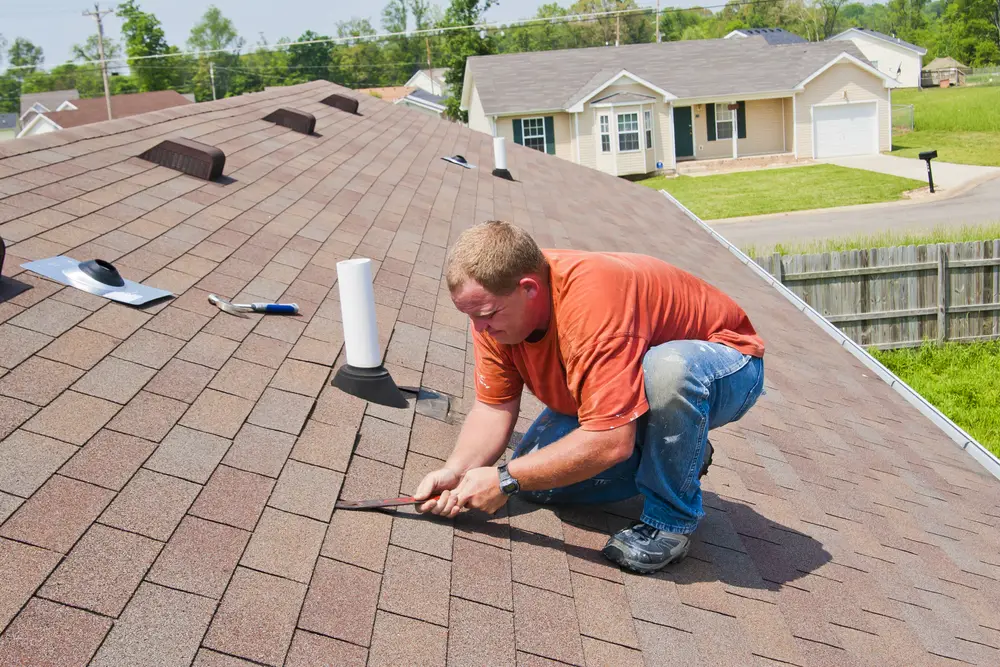
In the Midlands of South Carolina, we are no strangers to heat. Columbia is "Famously Hot," a title we wear with pride—until we see our summer energy bills or notice our shingles curling prematurely. While homeowners often spend hours researching the best roofing materials Columbia SC or comparing GAF, Owens Corning, and CertainTeed , one of the most critical components of a healthy home is often the most overlooked: proper roof ventilation .
At Cola City Roofing , we believe that a roof is not just a lid on a box; it is a living, breathing system. Without an effective roof ventilation guide to follow, even the most expensive roofing system will fail long before its time. This 3,000-word guide will explore the science of attic ventilation guide principles, the unique challenges of the South Carolina climate, and how roof airflow systems protect your investment and your comfort.
Section 1: What is Roof Ventilation and How Does It Work?
At its simplest, roof ventilation is a system of intake and exhaust that allows air to flow through your attic space. It is based on a simple law of physics: hot air rises.
1.1 The Intake-Exhaust Balance
For a roof ventilation guide to be effective, it must be balanced. You cannot have one without the other.
- Intake Vents: Usually located at the lowest part of the roof (the eaves or soffits), these vents allow cool, fresh air to enter the attic.
- Exhaust Vents: Located at the highest point of the roof (the ridge or near the peak), these allow hot, stale air to escape.
When this system is balanced, it creates a "passive" airflow. As hot air escapes through the top, it creates a vacuum that pulls cool air in through the bottom. If your system is unbalanced—for instance, if you have plenty of exhaust but blocked intake—the system will fail, often pulling air from your living space instead, which spikes your cooling costs.
Section 2: Why Columbia, SC Needs Superior Ventilation
Our climate in the Midlands is unique. We deal with extreme heat and high humidity, both of which are enemies of an unventilated attic.
2.1 Combatting the 150-Degree Attic
On a 95-degree day in Columbia, the temperature inside an unventilated attic can easily soar to 150 degrees or higher. This heat radiates downward through your ceiling, forcing your HVAC system to work overtime. By following a proper attic ventilation guide , you can lower that attic temperature by 30 to 50 degrees, significantly reducing the strain on your air conditioner.
2.2 Humidity and Mold Prevention
South Carolina humidity is legendary. Moisture from showers, cooking, and even breathing can migrate into your attic. In a poorly ventilated space, this moisture traps against the underside of the roof deck. This leads to:
- Mold and Mildew: Which can compromise your indoor air quality.
- Wood Rot: Softening the plywood deck and rafters, leading to structural failure.
- Saturated Insulation: Wet insulation loses its R-value, making your home harder to heat and cool.
2.3 Protecting Shingle Longevity
When your attic is a furnace, it literally "cooks" your shingles from the inside out. This leads to premature aging, granule loss, and "shingle baking," where the asphalt becomes brittle and cracks. If you are looking at the Columbia SC roof cost 2025 , the best way to ensure you don’t have to pay that cost again in 12 years is to get your ventilation right today.
Section 3: Types of Roof Airflow Systems
Not every house in Lexington or Irmo is built the same way. Depending on your roof’s architecture, we may recommend different roof airflow systems .
3.1 Ridge Vents
These are the gold standard for most modern roof-installation-sc projects. A ridge vent is a low-profile vent that runs along the very peak of the roof. It is covered by "ridge cap" shingles, making it almost invisible from the ground. It provides a continuous exhaust path along the entire length of the attic.
3.2 Box Vents (Louver Vents)
These are static vents installed near the ridge. They are common on older homes or roofs with complex shapes where a continuous ridge line isn’t available. While effective, you need multiple box vents to equal the airflow of a single ridge vent.
3.3 Power Vents and Solar Fans
These are "active" ventilation components. They use a thermostat to turn on a fan when the attic reaches a certain temperature. Solar-powered fans are increasingly popular in the Midlands because they don’t require wiring and use the very sun that is heating your roof to power the cooling solution.
3.4 Soffit Vents (The Intake King)
Located under the eaves, soffit vents are the most common intake method. During a roof replacement guide Columbia inspection, we often find that these vents have been covered by thick layers of blown-in insulation, rendering the entire ventilation system useless.
Section 4: Ventilation and Your Roofing Warranty
Many homeowners are surprised to learn that their shingle warranty—whether from GAF, Owens Corning, or CertainTeed—may be tied to ventilation.
4.1 Manufacturer Requirements
Major manufacturers spend millions on R&D. They know that heat destroys shingles. Most GAF, Owens Corning, and CertainTeed warranties specifically state that the roof must be installed over a properly ventilated space. If you have a claim in ten years and the manufacturer finds your attic was unventilated, they may deny the claim, citing "user negligence" or "improper installation."
4.2 The Role of the Contractor
This is why choosing the right pro matters. When you book an appointment with Cola City Roofing, we don’t just look at the shingles. We calculate the "1/300 rule"—the industry standard that requires 1 square foot of ventilation for every 300 square feet of attic floor space.
Section 5: Signs Your Columbia Home Has Poor Ventilation
How do you know if your roof is suffocating? Look for these red flags:
- Extremely High Electric Bills: If your AC never stops running, your attic might be the culprit.
- Hot and Cold Spots: If the second floor is significantly hotter than the first, air isn’t moving.
- Shingle Curling: If your shingles look like they are "puckering," they are being cooked.
- Rusty Nails in the Attic: This is a sign of high humidity and condensation.
- Evidence of Pests: Squirrels and raccoons love unventilated attics because they stay warm in the winter. They often chew through stagnant soffits to gain entry. Check our gutter-repair-services for signs of pest entry near the roofline.
Section 6: Ventilation During a Roof Replacement
The best time to fix a ventilation problem is during a roofing-replacement .
6.1 Correcting Past Mistakes
Many homes in older Columbia neighborhoods were built before modern ventilation science was understood. When we perform a project/roof-replacement , we can cut new ridge vents, install "Smart Vents" for homes without eaves, and ensure that the intake and exhaust are perfectly balanced.
6.2 Understanding the Quote
When you look at how to read and understand a roof quote , ensure that ventilation isn’t listed as an "optional" add-on. It should be a core component of the system. We factor in the necessary vents and labor to ensure your home meets the International Residential Code (IRC) standards, which we also use to secure homeowner-roof-permits-sc .
Section 7: Energy Efficiency and the "Cool Roof" Connection
Proper roof airflow systems work hand-in-hand with energy-efficient materials.
7.1 Reflectance and Airflow
If you choose "Cool Series" shingles from GAF or a metal roof from our best roofing materials guide, you are already reflecting more heat. However, that heat still needs a way to escape. Combining high-reflectance materials with a high-performance roof ventilation guide strategy can lower your cooling costs by as much as 20-30%.
7.2 The Environmental Impact
By reducing your energy consumption, you aren’t just saving money; you’re reducing the strain on the South Carolina power grid and lowering your carbon footprint.
Section 8: Commercial Roof Ventilation Challenges
If you own a commercial or industrial building in the Midlands, ventilation is even more complex. Large flat roofs or metal buildings require massive roof airflow systems to protect inventory and employee health.
8.1 Commercial Solutions
We offer specialized ventilation audits for commercial properties. Whether you need gravity vents, turbine vents, or high-powered industrial fans, we can design a system that protects your structure. This is also a key factor in commercial-storm-damage-insurance claims, as poor ventilation can lead to structural rot that adjusters may use to deny a claim.
Section 9: DIY Ventilation Checks: What Can You Do?
While you should always hire a professional for installation, you can do a "ventilation audit" yourself.
- Tip 1: The Daylight Test. Go into your attic during a sunny day and turn off the lights. Can you see light through the eaves? If not, your intake is blocked.
- Tip 2: The "Hand Test." On a hot day, put your hand on the attic ceiling. If it feels like a hot stove, your exhaust isn’t working.
- Tip 3: Check the Gutters. Sometimes, debris from gutters can wash up into the soffit vents. Ensure your gutter-installation is clear to allow air into the eaves.