
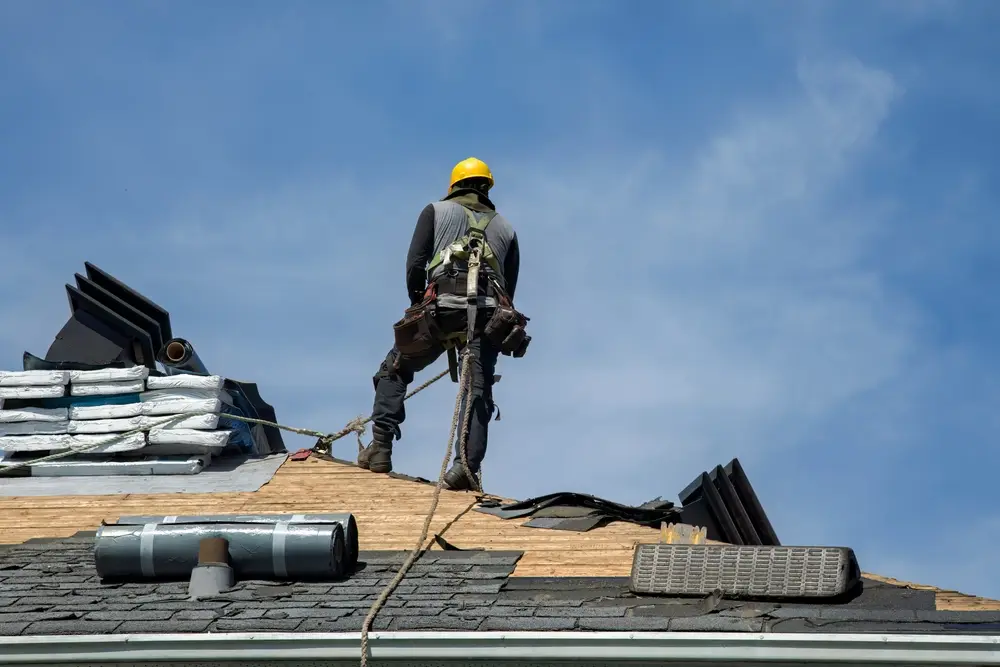
In the Midlands of South Carolina, we live with a meteorological paradox. Our summers are "Famously Hot," but our weather is also famously volatile. From the sudden, violent microbursts of a July afternoon to the sprawling, wind-whipped outer bands of Atlantic hurricanes and the dreaded "Hail Alley" that often forms across Richland and Lexington Counties in the spring, your roof is under constant siege.
At Cola City Roofing , we believe that a roof shouldn’t just be a covering; it should be a fortified shield. While many homeowners focus on aesthetics or the lowest initial Columbia SC roof cost 2025 , the true value of a roof is found in its ability to withstand a 100-MPH wind gust or a barrage of one-inch hailstones.
This 3,000-word storm-resistant roofing guide is designed to help you understand the science of storm protection for roofs , the best materials for the South Carolina climate, and how a professional roof-installation-sc can mean the difference between a dry living room and a catastrophic insurance claim.
Section 1: The Three Main Threats to Columbia Roofs
To build a storm-proof roofing system , you must first understand the "opponents" your home faces every year in the Midlands.
1.1 High-Wind Uplift
Wind doesn’t just blow against your house; it creates a vacuum effect as it moves over your roof. This is known as "wind uplift." If shingles aren’t properly secured, the wind catches the edges, breaking the factory seal and lifting the shingles. Once lifted, the shingles can crease, tear, or blow away entirely, leaving the wooden deck exposed to driving rain.
1.2 Impact Damage (Hail)
Hail is a recurring threat in South Carolina. Even small hailstones can "bruise" a standard asphalt shingle. This impact knocks away the protective ceramic granules, exposing the underlying asphalt to UV rays. Within months, these bruised areas will crack and leak. If you suspect your home has been hit, consult our storm damage roof repair in Columbia SC experts immediately.
1.3 Water Intrusion (Driving Rain)
In a tropical storm or hurricane, rain doesn’t just fall; it is pushed horizontally by the wind. It can be forced upward under shingles, behind flashing, and into attic vents. A hurricane-resistant roofing strategy must include secondary water barriers to catch what the shingles miss.
Section 2: Choosing the Best Storm-Resistant Materials
When you are planning a roofing replacement , the materials you choose are your first line of defense.
2.1 Impact-Resistant (IR) Shingles: The Class 4 Standard
The industry grades shingles based on their impact resistance. A "Class 4" rating is the highest. During testing, a 2-inch steel ball is dropped from 20 feet onto the shingle. To pass, the shingle must not crack or show signs of fracture on the back side.
- Top Picks: Brands like GAF, Owens Corning, and CertainTeed all offer Class 4 shingles.
- The Benefit: Many insurance companies in South Carolina offer significant premium discounts for homes with Class 4 roofs.
2.2 Metal Roofing: The Wind King
In the battle of shingle vs. metal roof storms , metal is often the victor. A standing-seam metal roof has fewer entry points for wind and can be engineered to withstand winds exceeding 140 MPH. Furthermore, metal reflects the heat of the Columbia sun, making it both storm-resistant and energy-efficient. You can compare options in our best roofing materials Columbia SC guide.
2.3 Synthetic and Composite Roofing
Materials made from recycled polymers (like DaVinci or Brava) provide the look of slate or wood shakes but with incredible impact resistance. These are virtually impervious to hail and are becoming popular in high-end service locations like Lake Murray and Forest Acres.
Section 3: The Importance of Installation Quality
You could buy the most expensive shingles in the world, but if they are installed incorrectly, they will fail in the first storm. A truly storm-resistant roofing SC system depends on "the invisible details."
3.1 Advanced Nailing Patterns
Most shingles require 4 nails per shingle for a standard installation. However, for a high-wind "enhanced" warranty, manufacturers often require 6 nails per shingle, placed precisely in the "nailing zone." This increases the mechanical bond between the shingle and the deck.
3.2 Starter Strips and Shingle Adhesion
The most common point of failure is the edge of the roof. Professional installers use dedicated "starter shingles" with extra-strong adhesive to "lock down" the first course of roofing. This prevents the wind from getting a "finger-hold" under the shingles.
3.3 Secondary Water Barriers (Synthetic Underlayment)
Old-fashioned felt paper (tar paper) tears easily. We recommend a high-performance synthetic underlayment. Even if shingles are blown off during a hurricane, the synthetic underlayment stays pinned to the deck, providing a temporary waterproof shield for your home. Learn more in our roof replacement guide Columbia .
Section 4: Fortifying the "Weak Points"
Every roof has transition points that are more susceptible to storm damage. Storm protection for roofs must focus on these areas.
4.1 Valleys and Flashing
The valleys are where two roof slopes meet and carry the highest volume of water. We use "Ice and Water Shield" membranes in all valleys and around chimneys. This self-healing membrane seals around every nail, preventing water from backing up under the shingles.
4.2 Gutter Integrity
If your gutters are clogged or pulling away, they become a liability during a storm. Heavy rain can’t escape the roof, leading to "wicking" and rot. A secure gutter installation with heavy-duty hangers ensures that water is moved away from your foundation. If your gutters were rattled by a storm, check out our gutter repair services .
4.3 Attic Ventilation
During high winds, attic pressure can fluctuate wildly. If your ventilation isn’t balanced, the wind can actually pull air from your house through the roof, contributing to shingle uplift. A proper storm resistant roofing strategy includes wind-baffled ridge vents.
Section 5: Commercial Storm Protection
For business owners in the Midlands, a storm can mean more than just a repair bill; it can mean a loss of inventory or business closure.
5.1 Commercial Roofing Systems
Flat roofs on commercial buildings (TPO, EPDM, or Modified Bitumen) are prone to "wind scouring." We specialize in commercial storm damage insurance claims and fortified installations for industrial properties. Ensuring your commercial roof has proper "edge metal" is the most effective way to prevent total roof failure during a storm.
Section 6: Post-Storm Procedures: What to Do When the Clouds Part
After a major weather event in your service locations , speed and documentation are essential.
- Safety First: Never climb on a wet or damaged roof.
- Visual Ground Inspection: Look for "tabs" (pieces of shingles) in your yard or "pockmarks" on your downspouts.
- Document Damage: Take photos of hail on the ground and any interior leaks.
- Book a Professional Assessment: Book an appointment for a drone or manual inspection. A professional roofer can spot "bruised" shingles that an insurance adjuster might miss.
Section 7: Maintenance as a Form of Protection
The best way to survive a storm is to be ready for it. A roof that is already weakened by age or neglect will be the first to fail.
- Tip 1: Trim Your Trees. Ensure branches are at least 10 feet away from your roofline. In a windstorm, these branches act like saws against your shingles.
- Tip 2: Annual Inspections. Catching a loose piece of flashing or a cracked pipe boot now prevents it from becoming an entry point for rain during a hurricane.
- Tip 3: Check Your Gutters. Ensure your gutter-repair-services are up to date so water can clear the roof quickly.
Section 8: Understanding Permits and Building Codes
South Carolina has strict building codes regarding wind resistance. When you are looking at how to read and understand a roof quote , ensure your contractor is factoring in the latest local requirements.
At Cola City Roofing, we handle all the homeowner roof permits SC and logistics. We ensure that every project we touch meets or exceeds the International Residential Code (IRC) for the Midlands.