Churches often have significantly larger and more exposed roofing systems than standard residential buildings or small commercial properties. When severe weather strikes, these expansive structures interact with wind, hail, heavy rain, and flying debris in unique ways. South Carolina storms create specific risks for sanctuaries, fellowship halls, and multi-building church campuses, often subjecting these large structures to immense atmospheric pressure and direct impact damage. Because of the sheer size and height of these buildings, identifying vulnerabilities immediately after a severe weather event requires a highly systematic approach.
Wind, hail, heavy rain, and debris can affect large roof systems differently than smaller homes due to the physics of structural exposure. A broad sanctuary roof, for example, catches a massive volume of wind, while intricate architectural features like steeples, dormers, and multi-level roof ties create complex vulnerabilities. Furthermore, older church buildings often feature aging roofing materials and historical construction methods that may not withstand the severe forces generated during the South Carolina storm season. The resulting damage is rarely contained to a single missing shingle or a visible dent.
Why Large Church Roof Systems Are More Vulnerable During Storms
Large Surface Areas Face Greater Wind Exposure
Expansive roof spans act like massive sails during a storm, catching strong wind currents and creating significant aerodynamic lift. Large surface areas face greater wind exposure simply because there is more square footage interacting with high-velocity gusts. This increased exposure heightens the risk of wind uplift, where the suction force pulls roofing materials away from the underlying decking. On large church roofs, this uplift pressure can compromise entire sections of the roofing system, leading to widespread material failure rather than isolated patches of damage.
Steep Rooflines and Elevated Structures Increase Risk
The architectural design of many religious buildings often features steep rooflines and elevated structures that dramatically increase storm risk. High-pitched roofs force wind to travel upward, accelerating its speed and increasing the sheer force exerted on shingles, tiles, or metal panels. Elevated structures, such as towers and belfries, extend well above surrounding tree lines and neighboring buildings, leaving them entirely unprotected from the full brunt of severe weather. These prominent features often sustain the most severe impacts during violent storms.
Older Roofing Systems May Already Be Structurally Weakened
Many established congregations worship in older church buildings that rely on aging roofing systems. These older roofing systems may already be structurally weakened by years of thermal expansion, UV degradation, and previous minor weather events. When a major storm hits, materials that have lost their flexibility or structural adhesion are far more likely to crack, tear, or blow off entirely. Aging underlayment and weakened fasteners simply cannot provide the same level of storm-resistant roofing protection as modern, newly installed components.
Large Buildings Create More Potential Leak Entry Points
The sheer scale of a church campus means there are exponentially more seams, transitions, and penetrations across the roof surface. Large buildings create more potential leak entry points at every valley, ridge, HVAC curb, and skylight. Each of these architectural intersections requires precise flashing and sealing to remain watertight. During a powerful storm, driving rain and high winds test every single vulnerability, increasing the statistical probability that water will find a path into the building envelope.
Wind Damage on Church Roofs Can Spread Quickly
Shingle Uplift and Roofing Material Separation
High winds do not just blow materials off the roof; they pry them upward. Shingle uplift and roofing material separation occur when wind gets underneath the leading edge of a roofing component, breaking the adhesive seal. Once this seal is broken, successive gusts can easily peel back large swaths of the roof. On expansive church roofs, a small area of material separation can trigger a chain reaction, leading to massive structural roof damage that exposes the vulnerable decking beneath.
Wind Pressure Around Roof Edges and Transitions
The perimeter of a roof experiences the most intense aerodynamic forces during a storm. Wind pressure around roof edges and transitions creates intense stress on the materials anchoring the system to the building. Eaves, rakes, and parapet walls often bear the initial brunt of the wind load. If the edge metal or perimeter flashing fails, the wind can infiltrate the entire roofing system, causing substantial wind damage roof repair needs across the broader structure.
Damage Near Steeples, Towers, and Roof Peaks
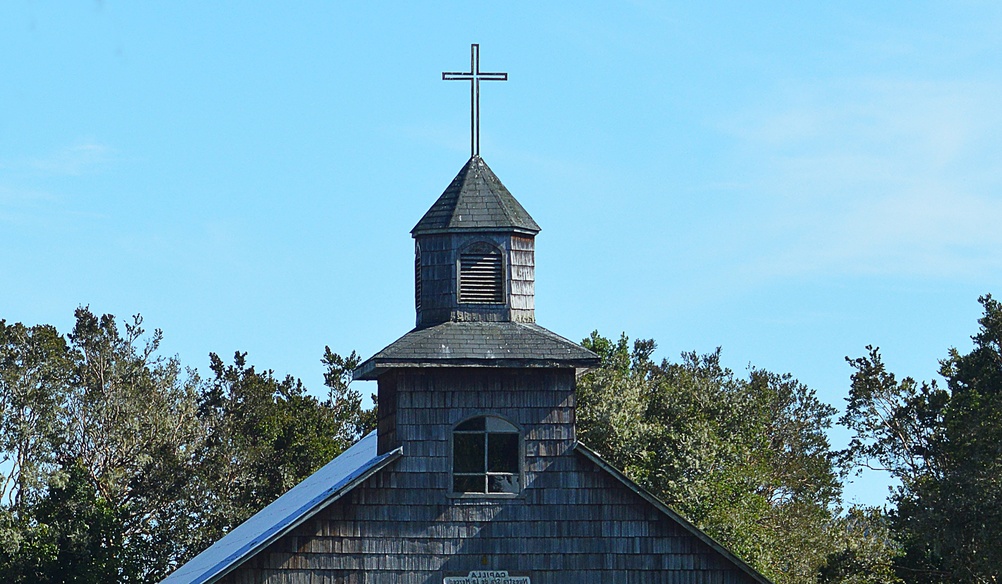
Steeples, towers, and roof peaks represent the highest points of a church structure, making them highly susceptible to high-velocity winds. The aerodynamics around these sharp vertical features cause wind currents to swirl and accelerate, creating localized vortexes that violently tear at roofing materials. Damage near steeples is particularly concerning because repairing these elevated, hard-to-reach areas requires specialized equipment and extensive safety protocols.
How Small Wind Damage Leads to Major Water Intrusion
A few missing shingles or a bent piece of flashing might seem insignificant on a massive roof, but these minor defects can have catastrophic consequences. How small wind damage leads to major water intrusion is a matter of time and subsequent rainfall. Once the primary water-shedding layer is compromised, wind-driven rain can soak into the underlayment and roof decking. Eventually, this moisture travels down roof trusses and interior walls, necessitating both storm damage roof repair and extensive interior restoration.
Hail Damage Is Often Harder to Detect on Churches
Impact Damage Across Large Roofing Areas
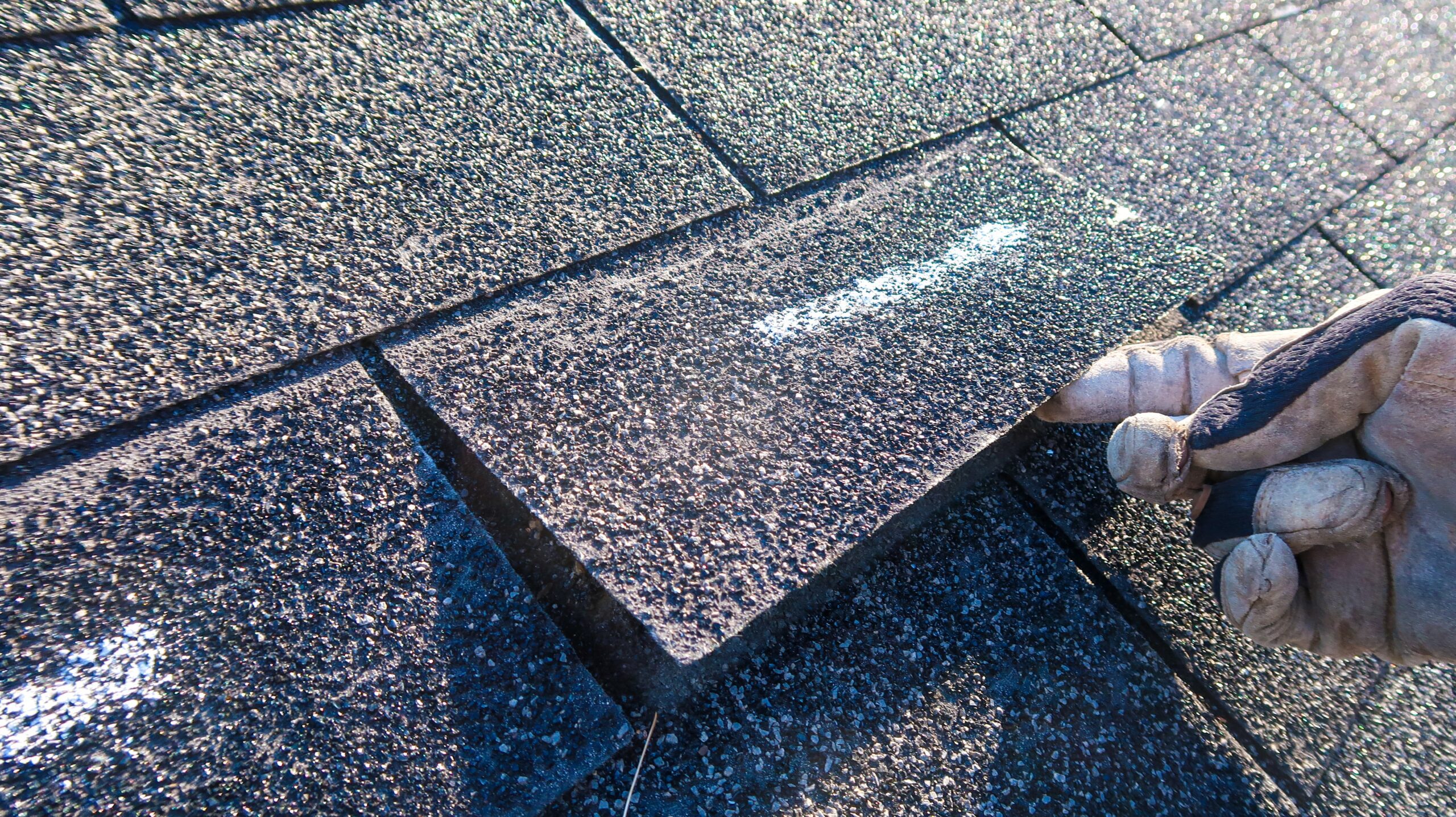
When a hailstorm passes over a church campus, thousands of impacts can occur across the roof surface. Impact damage across large roofing areas is incredibly difficult to assess without a close, physical inspection. From the ground, a hail-battered roof might look completely normal, especially on steep-sloped structures. However, up close, the impacts may have fractured the fiberglass matting of shingles or compromised the protective coating of flat roofing membranes.
Granule Loss and Surface Damage on Aging Roofs
Hailstones physically scour the surface of asphalt shingles, dislodging the protective mineral granules that shield the asphalt from solar degradation. Granule loss and surface damage on aging roofs significantly accelerate the deterioration of the roofing system. Without these protective granules, the underlying asphalt becomes brittle and prone to cracking under thermal stress, setting the stage for premature system failure and the need for a full roof replacement contractor.
Damage to Metal Roofing Systems and Flashing
Many churches utilize metal roofing systems for their longevity and aesthetic appeal. However, large hailstones can dent metal panels, potentially compromising the seams and protective finishes. Damage to metal roofing systems and flashing often leads to standing water and eventual rust. Furthermore, hail impacts can bend and distort the delicate flashing around chimneys, skylights, and valleys, breaking the watertight seals that protect the building’s interior.
Why Delayed Hail Damage Often Leads to Leaks Later
Because hail damage does not immediately cause gaping holes in a roof, congregations often delay inspections. Why delayed hail damage often leads to leaks later relates to the slow degradation of the compromised materials. A fractured shingle might hold back water for a few months, but subsequent freezing, thawing, and wind exposure will eventually tear it apart. Thorough hail damage roof inspections are crucial for identifying these latent defects before they escalate into active leaks.
Heavy Rain and Moisture Intrusion Create Widespread Problems
Water Penetration Through Large Roofing Systems
During severe thunderstorms or tropical weather, enormous volumes of water cascade down the surface of a church roof. Water penetration through large roofing systems occurs when gutters overwhelm, valleys back up, or flashing fails under the relentless deluge. The sheer volume of runoff on a massive sanctuary roof requires a perfectly functioning drainage system; any obstruction or defect can force water backward under the roofing materials.
Leaks Traveling Through Attics and Structural Cavities
Water rarely drips straight down from the point of entry on a sloped roof. Leaks traveling through attics and structural cavities can traverse rafters, pipes, and electrical conduits before finally pooling on an interior ceiling. This horizontal movement makes identifying the actual source of the moisture intrusion highly complex. By the time the congregation notices a stain, the water has likely saturated insulation and wood framing hidden deep within the building.
Moisture Damage Above Sanctuaries and Community Spaces
The areas directly below expansive church roofs typically house the most important parts of the facility. Moisture damage above sanctuaries and community spaces can ruin expensive audiovisual equipment, historical artifacts, pews, and delicate plasterwork. Roof leak repair in these environments is highly time-sensitive. A continuous leak over a vaulted sanctuary ceiling presents severe logistical challenges and can force the closure of the worship space until repairs are finalized.
Mold and Interior Damage After Storm Events
When water sits in dark, poorly ventilated structural cavities, mold growth is virtually inevitable. Mold and interior damage after storm events pose serious health risks to the congregation and require costly remediation. Rapid emergency roof repair and professional moisture extraction are essential steps to prevent airborne spores from contaminating the sanctuary and fellowship halls following a severe weather breach.
Storm Damage on Older and Historic Churches
Aging Roofing Materials Under Severe Weather Stress
Historic churches often feature traditional materials like slate, clay tile, or aging copper. Aging roofing materials under severe weather stress behave very differently than modern synthetics. While slate is incredibly durable, century-old fasteners may have corroded, allowing high winds to dislodge the heavy tiles. Older materials require specialized Historic Church Roofing knowledge to repair properly without destroying the architectural integrity of the building.
Structural Movement During High Winds
Older timber-framed buildings are designed to flex slightly, but severe storms can push this flexibility to the limit. Structural movement during high winds can stress the roofing system, causing rigid materials to crack or snap. This shifting can also pull flashing away from masonry walls or chimney stacks, creating instant pathways for severe water intrusion that older drainage systems cannot handle.
Flashing Failures Around Historic Roof Features
Historic religious buildings frequently feature ornate masonry, intricate dormers, and complex parapets. Flashing failures around historic roof features are common after violent storms because the metal may be decades old and heavily oxidized. When wind or hail compromises these delicate transitions, it opens the building up to rapid water damage, requiring specialized Historic Church Roofing repair techniques.
Water Damage Risks for Older Church Interiors
The interior finishes of historic churches—such as lath and plaster walls, frescoes, and antique woodwork—are highly sensitive to moisture. Water damage risks for older church interiors escalate quickly during a storm because these materials absorb water rapidly and are notoriously difficult to restore. Protecting these irreplaceable elements requires immediate action and deep expertise in mitigating storm damage large roof systems.
Emergency Roofing Challenges After Severe Storms
Protecting Large Worship Spaces From Further Damage
When a major storm blows through, the immediate priority is stopping active leaks. Protecting large worship spaces from further damage requires rapid mobilization and strategic triage. Church emergency roof repair teams must first identify the most critical breaches over the sanctuary or expensive technical equipment to prevent secondary internal destruction while the storm system passes.
Emergency Roof Tarping on Large Roof Structures
Securing a heavily damaged roof until permanent repairs can be made is a monumental task. Emergency roof tarping on large roof structures involves specialized techniques to secure massive protective covers against steep pitches and high winds. Standard residential tarping methods are insufficient for the large spans of a sanctuary roof; professional contractors must use heavy-duty materials and structural anchoring to ensure the temporary fix holds.
Access and Safety Challenges During Emergency Repairs
Church roofs are often extremely high and steeply pitched, presenting significant hazards for repair crews. Access and safety challenges during emergency repairs are compounded by slick surfaces, high winds, and potentially compromised structural decking. Executing Emergency Roof Repair safely requires commercial-grade scaffolding, boom lifts, and rigorous fall protection protocols that only experienced roofing contractors can provide.
Preventing Additional Interior Water Damage
The goal of any emergency response is containment. Preventing additional interior water damage involves not only sealing the roof but also managing the water that has already entered the building envelope. Coordinating roof repair services with internal water mitigation efforts is crucial for protecting the church’s drywall, flooring, and electrical systems from lingering moisture and humidity.
Church Roof Storm Damage Is Often Worse Than It First Appears
Hidden Structural Damage After Wind Events
The visible loss of shingles is often just the surface layer of the problem. Hidden structural damage after wind events can include cracked rafters, lifted decking, or compromised truss connections caused by the immense suction forces of the storm. These underlying structural issues can severely weaken the building’s ability to withstand future weather events if left unaddressed.
Leaks That Develop Days or Weeks Later
As mentioned earlier, water takes the path of least resistance, which is rarely a straight line. Leaks that develop days or weeks later are common because the moisture must first saturate multiple layers of underlayment, insulation, and drywall before becoming visible to the congregation. This delay creates a false sense of security immediately following the storm.
Water Intrusion Behind Walls and Ceilings
When flashing fails near a parapet wall or steeple, water can run directly into the wall cavities. Water intrusion behind walls and ceilings can quietly rot structural studs and encourage massive hidden mold colonies. Because this damage is completely concealed, it emphasizes the need for a thorough inspection utilizing thermal imaging or moisture meters to detect trapped water.
Why Professional Roof Inspections Matter After Storms
Relying on a visual assessment from the church parking lot is a risky strategy. Why professional roof inspections matter after storms is because trained experts know exactly where to look for stress fractures, lifted seams, and micro-punctures. Comprehensive Roof Inspection content emphasizes that identifying these subtle signs of failure early is the only way to prevent catastrophic interior damage down the road.
Insurance and Storm Damage Documentation for Churches
Why Detailed Roof Inspections Matter for Claims
Filing a successful insurance claim for a large commercial property requires extensive evidence. Why detailed roof inspections matter for claims is because insurance adjusters need definitive proof that the damage was caused by a specific weather event, rather than ongoing maintenance neglect. A professional assessment provides the photographic and technical documentation necessary to substantiate the claim.
Documenting Large-Scale Roofing Damage
The sheer size of a church campus makes evidence gathering incredibly tedious. Documenting large-scale roofing damage involves mapping out all affected areas across multiple roof facets, elevations, and outbuildings. Commercial roof inspections utilize drones and specialized software to create accurate, undeniable records of the structural trauma the campus sustained.
Understanding Storm-Related Roofing Reports
Following an inspection, the church leadership board will receive a comprehensive evaluation. Understanding storm-related roofing reports is vital for making informed financial decisions. These reports detail the scope of the damage, outline necessary code upgrades, and provide the accurate cost projections needed to navigate complex insurance roof claims effectively.
Planning Repairs Before Damage Spreads
Once the damage is documented and the claim is filed, time is of the essence. Planning repairs before damage spreads prevents minor issues from compounding into structural failures. Prompt coordination with a trusted roofing contractor ensures that materials are ordered and mitigation strategies are implemented before the next major weather event hits the region.
Protecting Church Roof Systems Before Storm Season
Preventative Roof Maintenance for Churches
The best defense against severe weather is a proactive offense. Preventative roof maintenance for churches involves regular, scheduled assessments to clear debris, inspect sealants, and monitor the overall health of the roofing system. Regular Roof Maintenance pages highlight that keeping a roof in optimal condition maximizes its ability to withstand extreme wind and hail loads.
Identifying Weak Roofing Areas Early
Storms aggressively exploit existing vulnerabilities. Identifying weak roofing areas early—such as peeling sealant around a skylight or a loose piece of perimeter flashing—allows the church to perform minor repairs before they become major emergency leaks. Addressing these weak points is a highly cost-effective way to protect the sanctuary.
Drainage and Flashing Maintenance
Water accumulation is the enemy of any roof structure. Drainage and flashing maintenance ensures that gutters, downspouts, and internal drains flow freely. If a massive summer thunderstorm drops three inches of rain in an hour, a clean and fully functional drainage system is the only thing preventing catastrophic water weight from building up on flat roof sections.
Storm Preparation for Large Religious Buildings
As storm season approaches, specific protocols should be enacted. Storm preparation for large religious buildings includes trimming overhanging tree branches, securing rooftop HVAC access panels, and scheduling a pre-season inspection. Establishing a relationship for a Storm Damage Consultation before an emergency occurs ensures priority service when disaster strikes.
Church Storm Damage Roofing Services Across South Carolina
When severe weather impacts your congregation, navigating the aftermath requires local expertise and specialized commercial knowledge. Cola City Roofing provides dedicated church storm damage roofing services to communities across South Carolina. Whether your sanctuary is located in Columbia, Lexington, or Irmo, our teams are highly experienced in assessing large-scale wind and hail exposure. We proudly assist religious institutions in Chapin, Camden, Sumter, and Blythewood with comprehensive inspections and emergency mitigation. If your facility in the Lake Murray area has sustained structural roof damage, our experienced professionals are ready to secure your building and guide you through the repair process.
Frequently Asked Questions About Church Roof Storm Damage
Why are church roofs more vulnerable during storms?
Church roofs frequently feature massive surface areas, steep pitches, and complex architectural elements like steeples. These characteristics create a much larger profile for wind exposure and aerodynamic uplift compared to standard residential or commercial buildings.
Can hail damage on churches go unnoticed?
Yes. Because church roofs are often very high and steeply pitched, it is extremely difficult to spot hail impacts from the ground. Furthermore, hail often causes functional damage to the shingle mat or metal seams that only a close physical inspection can reveal.
What should churches do after major storm damage?
The first step is ensuring the safety of the congregation by restricting access to damaged areas. Next, immediately contact a qualified commercial roofing contractor to perform emergency roof tarping and stop active water intrusion while initiating the insurance claims process.
How quickly should churches schedule roof inspections after storms?
Inspections should be scheduled immediately following a severe weather event, even if no leaks are currently visible. Catching hidden wind uplift or displaced flashing early prevents catastrophic interior water damage during the next rainstorm.
Can storm damage create delayed roof leaks?
Absolutely. Wind can lift shingles to break their seal without blowing them off, and moisture can take weeks to travel through dense commercial roof insulation and structural cavities before finally staining an interior ceiling.
Are older church roofs at greater risk during severe weather?
Older religious buildings often have aging roofing systems that have lost flexibility and adhesion over time. These deteriorated materials are much more susceptible to cracking, tearing, and blowing off when subjected to high winds and hail impacts.