Older churches face roofing issues that modern buildings simply do not encounter. When dealing with historic architecture, a roof is more than just a waterproof barrier. It is a complex system of aging framing, sensitive historic materials, and unique structural limitations. These elements require a specialized level of care to ensure the long-term building preservation of sanctuaries, steeples, and historical facades.
Many religious buildings across South Carolina have roofs that have been repaired repeatedly over decades. Unfortunately, these layered repairs often involve incompatible materials or outdated methods that mask deeper issues. High South Carolina humidity and severe storms continuously test the limits of these aging structures. Over time, moisture exposure and structural movement create unique roofing concerns that demand a highly informed approach.
Why Historic Church Roofs Require a Different Roofing Approach
Older Construction Methods and Structural Limitations
Historic churches were built using construction methods that predate modern engineering standards. Instead of modern truss systems, older sanctuaries often rely on large, heavy timber framing and load-bearing masonry walls. These older structural systems can limit the types of roofing materials that can be safely installed today. Understanding these weight loads and structural limitations is a mandatory first step before any roof replacement contractor begins work.
Roof Systems Designed Decades Ago Under Different Standards
Many older religious buildings feature roof designs that met the building codes of their era but fall short of modern performance expectations. Roof slopes, ventilation standards, and drainage systems were engineered differently. Applying a modern roofing system directly over an older deck without accounting for these historical design differences can lead to poor ventilation, trapped moisture, and premature roof failure.
The Challenge of Preserving Historic Appearance
A church roof restoration must maintain the visual identity of the building. Slate, clay tile, copper, and specialized architectural shingles contribute significantly to a church’s historic footprint. Replacing these components requires sourcing materials that match the original aesthetic closely. Balancing this requirement with modern performance needs takes careful planning and access to specialized roofing materials.
Why Standard Residential Roofing Approaches Often Fail
Standard residential roofing techniques are entirely inadequate for historic church roofing. A standard home has straightforward rooflines and standard decking. Historic churches feature complex geometries, steep pitches, and sensitive adjacent materials like stained glass or fragile masonry. Roofing older religious buildings requires a contractor who understands structural load distribution and the chemical compatibility of historic metals and underlayments.
Aging Roofing Materials Create Long-Term Problems
Deterioration of Older Shingles and Metal Roofing Systems
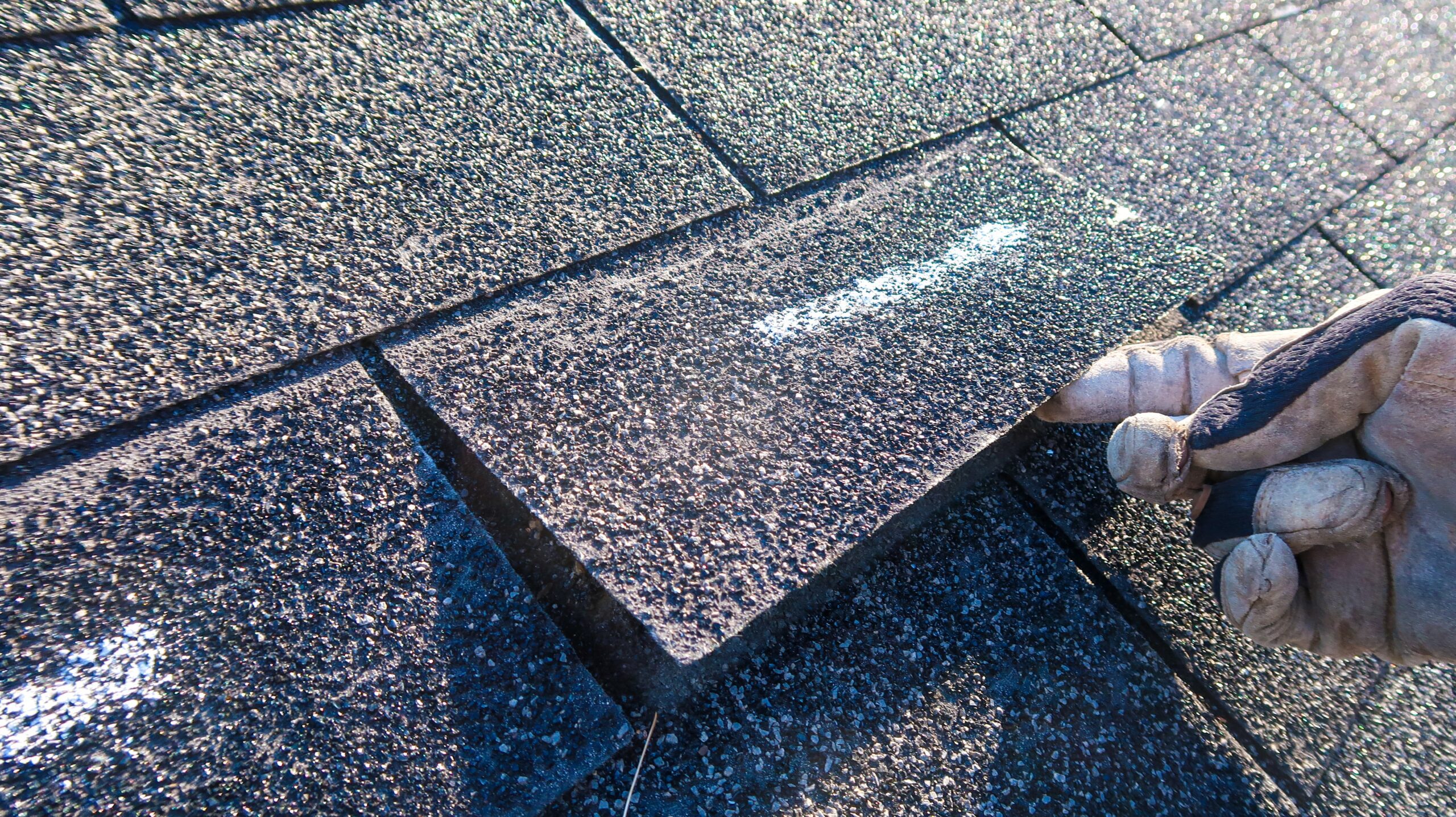
Over many decades, all roofing materials will eventually break down. Older metal roofing systems, such as terne or copper, may suffer from weakened solder joints or metal fatigue. Historic shingles become brittle, crack, or slip out of place. This gradual deterioration leaves the underlying wood decking exposed to the elements, leading to slow, pervasive damage.
Weather Exposure Over Decades of South Carolina Storms
South Carolina weather is unforgiving on aging structures. High winds, heavy rainfall, and hurricane remnants take a cumulative toll on a roof. A roof that has endured forty years of South Carolina storms will have hidden stress points. Wind uplift slowly loosens fasteners, and constant heat and humidity accelerate the degradation of waterproofing layers.
Roofing Materials Near the End of Their Lifespan
When a church roof nears the end of its roof lifespan, patches and minor repairs are no longer effective. The entire system begins to fail systematically. Recognizing when materials have surpassed their useful life is critical to preventing catastrophic water damage. Understanding the lifespan of specific historical materials helps church boards make informed decisions about total replacements versus targeted repairs.
Repeated Repairs That Mask Deeper Structural Problems
A common issue with roofing older churches is the presence of layered, overlapping repairs. Decades of quick fixes, such as excessive sealant application or improperly integrated patches, often trap moisture and hide the true condition of the roof deck. These repeated repairs can mask deeper structural roof damage, allowing rot and decay to spread silently through the framing.
Water Intrusion Is Often Harder to Detect in Older Churches
Hidden Moisture Behind Historic Interior Features
Water intrusion in an older church is rarely straightforward. Leaks often develop behind thick plaster ceilings, ornate woodwork, and multi-layered wall assemblies. By the time a watermark appears on the ceiling of a sanctuary, the water has likely been trapped inside the building envelope for months. This hidden moisture buildup can severely damage historic interior finishes before anyone realizes there is a problem.
Leaks Traveling Through Older Structural Framing
Water follows the path of least resistance. In complex historic framing, water from a roof leak can travel significant distances along heavy timber rafters before dropping onto the ceiling below. Tracing historic church roof leaks back to their actual source on the roof requires a deep understanding of older architectural designs and extensive leak tracking experience.
Moisture Damage Above Sanctuaries and Attic Spaces
The attic spaces above older church sanctuaries are often large, dark, and difficult to access. Because these spaces lack the continuous ventilation required by modern codes, moisture from minor roof leaks can become trapped. This creates a humid microclimate in the attic space, encouraging mold growth and the gradual weakening of the structural wood components above the main worship area.
How Long-Term Leaks Affect Wood and Structural Components
When long-term leaks go unaddressed, the structural integrity of the roof framing is compromised. Wood rot sets in, softening the very timbers holding up the roof deck. If left unchecked, this damage escalates from a simple roof leak repair to a major structural engineering project. Addressing moisture issues early is the only way to protect the skeletal framework of the church.
Flashing and Roof Transition Areas Frequently Fail First
Steeples, Bell Towers, and Decorative Roof Features
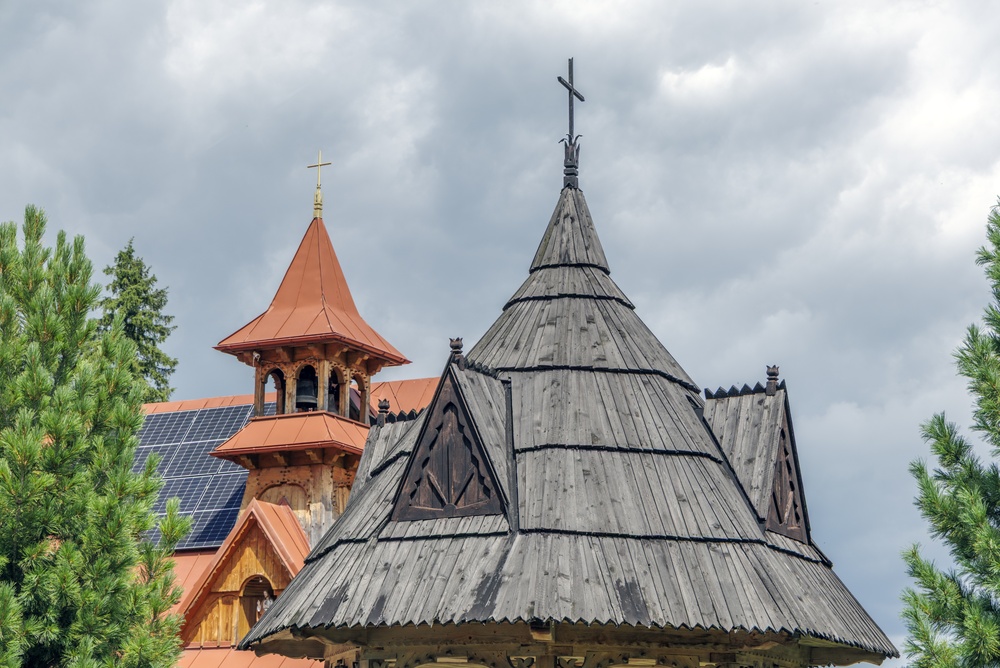
Steeples and bell towers are beautiful architectural features, but they are also highly vulnerable to water intrusion. The areas where these towering elements intersect with the main roof deck require complex flashing solutions. High winds put immense pressure on these transitions, making them a common failure point on older religious structures.
Aging Chimney and Wall Flashing Systems
Historic masonry walls and older brick chimneys rely on lead, copper, or galvanized steel flashing to keep water out of the roof joints. Over time, mortar joints deteriorate, and metal flashing pulls away or corrodes. These aging flashing problems account for a massive percentage of water intrusion in historic buildings, requiring specialized masonry and flashing integration to repair properly.
Roof Penetrations Added Over Time
Throughout a building’s history, new penetrations are often added to the roof. HVAC systems, plumbing vents, and electrical conduits are cut into the roof deck long after the original construction. If these penetrations were not integrated into the historic roofing material correctly, they become immediate pathways for water.
Drainage Problems Around Complex Roof Designs
Older churches often feature complex roof designs with multiple intersecting rooflines, creating internal valleys and dead valleys. These areas collect leaves, pine needles, and debris, which blocks proper water drainage. When water pools on aging materials in these transitions, it accelerates wear and forces moisture under the shingles or metal panels.
Historic Churches Often Have Structural Movement Over Time
Settling and Shifting in Older Buildings
All buildings settle over time, but heavy historic structures with massive stone or brick foundations experience significant shifting. As the foundation settles, the framing above moves with it. This shifting pulls at the roof deck, causing slight changes in the roof’s geometry.
Roof Decking and Framing Weaknesses
The original roof decking on older churches is often made of skip sheathing or wide plank boards rather than modern plywood. As the building shifts and moisture takes its toll, these older boards can warp, split, or lose their ability to hold roofing fasteners securely. This weakness makes the entire roof system more susceptible to wind damage.
How Structural Changes Affect Roofing Systems
When a building shifts, rigid roofing materials like slate, tile, or older metal panels cannot flex to accommodate the movement. This structural movement causes rigid materials to crack, seams to split open, and flashing to pull away from masonry walls. The roofing system loses its monolithic waterproofing ability as a direct result of the building’s structural changes.
Why Some Roof Problems Keep Returning
If structural movement or inadequate decking is not addressed, new roof repairs will simply fail again. Applying new shingles over a shifting or sagging deck guarantees that the new material will soon buckle or leak. True roof repair services for older churches must address the root structural cause, rather than just treating the visible symptom on the surface.
Storm Damage Can Be More Severe on Older Religious Buildings
Wind Damage on Aging Roofing Systems
Older roofing systems are inherently more vulnerable to high winds. Fasteners rust, sealants dry out, and the holding power of the aging wood deck diminishes. During a severe weather event, older shingles and metal panels are easily caught by the wind, leading to large-scale uplift and material loss.
Hail Damage to Older Materials
Materials that have baked in the sun for decades lose their elasticity and impact resistance. When hail strikes an older church roof, it shatters brittle historic shingles and heavily dents aging metal. This damage instantly compromises the waterproofing layer, necessitating professional storm damage consultation.
Water Intrusion After South Carolina Storms
Following a heavy South Carolina storm, older churches face an elevated risk of water intrusion. Wind-driven rain can be forced under aging materials that might perform fine during a gentle shower. Once water breaches the system, the lack of modern underlayments in many historic roofs allows the water to directly saturate the building interior.
Emergency Roofing Risks for Historic Structures
When severe storms hit, older churches often require immediate emergency roof repair. However, placing heavy tarps and standard emergency materials on a fragile historic roof can sometimes cause more damage if not done carefully. Navigating storm damage roof repair on a historic building requires contractors who know how to temporarily secure the building without destroying historic fabric.
Balancing Roof Repairs With Historic Building Preservation
Matching Roofing Materials and Architectural Style
A primary goal of any church roof restoration is preserving the building’s visual legacy. This requires meticulously matching the color, profile, and texture of the original roofing materials. Whether it involves sourcing specific slate tiles or custom-fabricating copper panels, the new materials must align seamlessly with the church’s architectural style.
Protecting the Character of Older Church Buildings
Every repair or replacement must respect the historical character of the building. This often means working closely with local historical societies or preservation boards to ensure all work meets specific preservation guidelines. The right contractor knows how to upgrade the roof’s performance while maintaining its historic authenticity.
Planning Roofing Work Without Major Operational Disruption
Churches are active hubs of the community. Coordinating a major roofing project requires careful logistical planning to ensure weekend services, weddings, and community events can continue safely. Professional staging, clear communication, and site safety management are essential to minimizing disruption to the congregation.
Long-Term Roofing Strategies for Historic Churches
Historic preservation is a marathon, not a sprint. Churches need long-term roofing strategies that look decades into the future. This involves selecting storm resistant roofing materials, applying compatible roof coatings where appropriate, and establishing a phased approach to replacing aging systems before they fail completely.
Why Roof Inspections Matter More for Older Churches
Finding Hidden Structural Problems Early
Because older churches are prone to hidden decay, a regular roof inspection is the best defense against catastrophic damage. Inspectors who understand historic architecture can identify subtle signs of structural sagging or hidden rot that a standard residential roofer might miss entirely.
Preventative Maintenance for Aging Roof Systems
Routine, preventative roof maintenance extends the life of aging materials. Simple actions like clearing debris from complex valleys, resealing aging flashing, and replacing isolated damaged tiles can keep a historic roof functioning effectively for years longer.
Monitoring Moisture and Ventilation Issues
Commercial roof inspections for older churches should always include an assessment of attic ventilation and moisture levels. Monitoring these areas ensures that modern repairs haven’t inadvertently trapped humidity inside the building, protecting the historic timber framing from silent rot.
Reducing the Risk of Emergency Repairs
Proactive roof maintenance catches small issues before a major South Carolina storm turns them into massive leaks. By staying ahead of deterioration, church boards can budget for planned repairs rather than reacting to expensive, chaotic emergency situations.
Historic Church Roofing Services Across South Carolina
Cola City Roofing provides specialized roofing services for historic churches throughout the Midlands. We understand the specific architectural challenges faced by older congregations in Columbia, Lexington, and Camden. From towering steeples in Sumter to aging sanctuaries in Orangeburg and Newberry, we are dedicated to preserving the structural integrity of smaller historic church communities across the region. You can rely on our expertise for your next church roofing services project.
Frequently Asked Questions About Historic Church Roofing
Why are historic church roofs harder to repair?
Historic roofs feature complex architectural designs, steep pitches, and sensitive, aging materials. They also rely on older structural framing that may not support modern roofing applications easily, requiring highly specialized knowledge to repair correctly.
Can older church roofing systems still be repaired?
Yes, many older systems can be repaired if the underlying structure is sound. Targeted roof repair services can address localized flashing failures or replace missing historic tiles, extending the overall roof lifespan significantly.
What roofing materials work best on historic churches?
The best materials depend on the building’s original design. Slate, clay tile, copper, and specialized heavy-duty architectural shingles are frequently used to match historical aesthetics while providing modern storm resistance.
How often should older church roofs be inspected?
Older church roofs should undergo professional commercial roof inspections at least once a year, and immediately following any major severe weather event in South Carolina.
Can roof leaks damage historic interiors?
Absolutely. Water intrusion can quickly destroy antique plaster, warp historic woodwork, and ruin irreplaceable stained glass. Addressing leaks early is essential for interior preservation.
What makes storm damage more dangerous for older churches?
Aging materials are brittle and structural framing may already be compromised by time. When high winds or hail strike, these older systems fail more rapidly, allowing massive water intrusion into spaces that lack modern protective underlayments.