Emergency roofing situations are almost always the result of problems that developed slowly over time. Most expensive emergency roofing situations on churches actually begin long before water starts pouring through the ceiling. Churches face unique roofing risks because of their massive building sizes, aging structures, and the reality of delayed leak detection in vast spaces. When a major roofing failure happens suddenly, it brings severe disruptions to worship services, community programs, and daily building operations.
Protecting facilities like sanctuaries and fellowship halls requires a fundamentally proactive approach. High winds, heavy rains, and severe South Carolina storms frequently expose the vulnerabilities in large roof systems, especially those carrying aging roofing materials. Facilities committees and leadership teams tasked with stewardship must understand that waiting for a leak to appear is an expensive strategy.
Long-term preventative planning helps churches avoid larger emergency repair expenses while protecting the structural integrity of the property. By shifting focus from reaction to prevention, congregations can establish a sustainable framework that preserves their buildings and keeps operational budgets intact.
Why Emergency Roofing Problems Become So Expensive for Churches
Large Roof Systems Create Larger Repair Scope
Church buildings encompass immense square footage with complex architectural features. When a roofing system fails across a massive sanctuary or an extended educational wing, the sheer scale of the required materials and labor significantly drives up costs. A small vulnerability in a large roof system can compromise wide sections of insulation and decking before anyone notices a problem.
Water Damage Often Spreads Before It Is Detected
Because many church spaces remain unoccupied during the week, water intrusion can travel along rafters, decking, and insulation for days before reaching a visible interior ceiling. This delayed detection allows trapped moisture to rot wood, degrade insulation, and weaken structural supports, turning what could have been a basic roof leak repair into a major structural reconstruction project.
Emergency Repairs Usually Require Faster and More Complex Work
When severe leaks threaten weekend services or active community centers, facility managers must authorize immediate action. Emergency roof repair often requires specialized crews to mobilize outside of standard business hours, navigating challenging weather conditions. The urgency of stabilizing the building limits options and increases the immediate financial burden on the congregation.
Interior Damage Adds Costs Beyond the Roof Itself
A compromised roof rarely limits its damage to the exterior materials. Water entering the building quickly ruins drywall, historic plaster, custom painting, and flooring. The financial impact multiplies when you consider the cost of replacing commercial carpets or repairing intricate sanctuary ceilings, significantly inflating the total cost of the emergency event.
Most Emergency Roof Failures Start as Small Problems
Minor Roof Leaks That Go Unnoticed
Many catastrophic roofing emergencies begin as tiny, persistent drips. A compromised shingle or a tiny puncture in a flat membrane might only let in a few drops during a heavy rainstorm. Over months or years, these minor, unnoticed leaks degrade the underlying structural components, eventually leading to a massive failure during a major weather event.
Flashing and Drainage Problems That Slowly Worsen
Roof flashing around chimneys, steeples, HVAC units, and parapet walls is notoriously vulnerable to thermal expansion and contraction. As sealants crack and metal flashing pulls away from the masonry, water finds an easy path inside. Similarly, clogged internal drains or gutters cause standing water, which accelerates the deterioration of the roofing materials and forces water beneath the seams.
Storm Damage That Is Never Fully Repaired
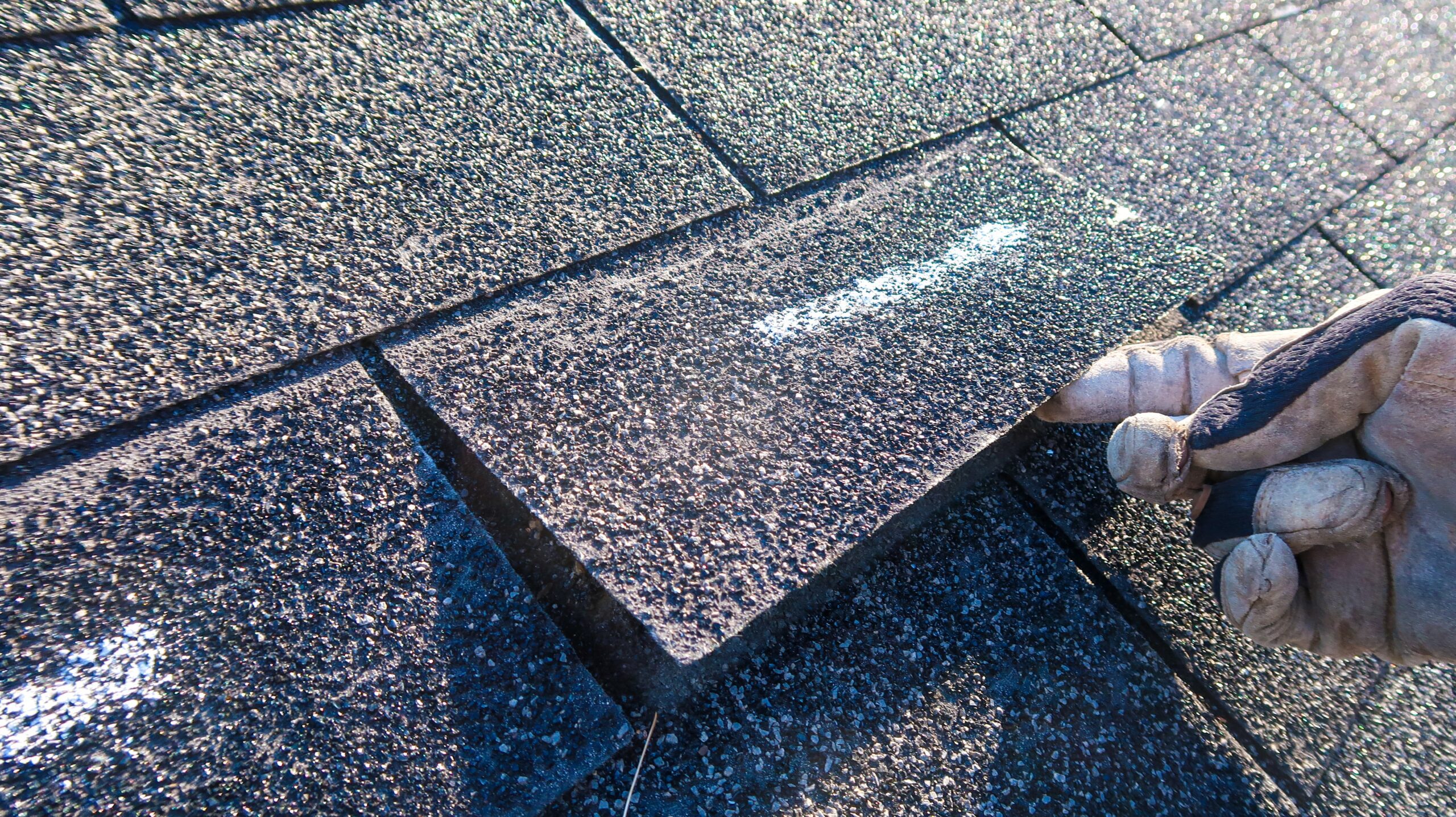
South Carolina experiences intense weather, and minor storm damage often goes unaddressed if it does not cause an immediate leak. Wind-lifted shingles, bruised materials from hail, or slightly displaced metal panels compromise the water-shedding ability of the entire system. Without proper storm damage roof repair, the next severe weather event easily tears away these weakened sections.
Moisture Intrusion Inside Older Church Buildings
Older church buildings often lack modern ventilation systems, leading to condensation and moisture intrusion originating from inside the structure. This trapped moisture slowly rots the roof decking from the bottom up. By the time the damage becomes visible to the congregation, the structural integrity of the roof deck may already be severely compromised.
Regular Roof Inspections Help Churches Avoid Emergencies
Annual Roof Inspections for Large Church Buildings
Consistent commercial roof inspections serve as the foundation of any facility stewardship plan. Professional evaluations allow roofing contractors to assess the condition of membranes, shingles, metal panels, and all penetrations. Scheduling these inspections annually provides a clear, documented baseline of the roof’s health, ensuring that small defects are caught early.
Identifying Weak Roofing Areas Before Storm Season
Thorough evaluations conducted prior to storm season empower church leadership to address vulnerabilities before high winds and heavy rains arrive. Roof inspectors look for loose flashing, unsealed membrane seams, and missing shingles. Securing these weak points dramatically lowers the risk of catastrophic wind uplift or massive water intrusion during a severe storm.
Tracking Aging Roofing Materials Over Time
Every roofing system has a specific roof lifespan. Regular inspections help churches monitor how materials are weathering under prolonged sun exposure and thermal shock. Documenting the progressive aging process allows facility managers to accurately predict when sections of the building will require extensive repairs or full replacement, completely removing the element of surprise.
Using Inspection Reports for Long-Term Planning
A detailed roof inspection report provides actionable data for finance committees. Instead of guessing about facility needs, church leaders can use comprehensive photos and condition reports to create accurate timelines for capital campaigns. This documentation transforms roofing maintenance from a sudden emergency expense into a predictable, manageable budget item.
Preventative Maintenance Reduces Long-Term Roofing Costs
Addressing Small Repairs Before They Expand
Preventative roof maintenance focuses on fixing minor defects while they are still inexpensive to resolve. Resealing a single pipe boot or patching a small membrane puncture costs a fraction of an emergency mobilization. Addressing these small repairs stops water from entering the insulation layer, preserving the effectiveness of the entire roofing system.
Maintaining Drainage and Water Flow Systems
Proper water shedding is the primary function of any roof. Routine maintenance programs ensure that gutters, scuppers, and internal drains remain completely free of leaves, pine needles, and debris. Keeping water flowing away from the building prevents the heavy accumulation of standing water that degrades roofing adhesives and strains structural supports.
Preventing Moisture Damage and Structural Deterioration
When churches invest in proactive maintenance, they directly protect the structural bones of their facilities. Keeping the roof watertight prevents wood rot, rust on steel decking, and the growth of mold within the attic spaces. Preserving these core components saves congregations tens of thousands of dollars in structural rehabilitation.
Extending the Lifespan of Existing Roofing Systems
Consistent care maximizes the return on investment for any roofing installation. Roof maintenance programs help membranes stay flexible and keep shingles securely fastened. By extracting every possible year of functional life out of the current materials, churches can significantly delay the massive capital expense of a total roof replacement.
Storm Preparation Helps Churches Reduce Emergency Repairs
Preparing Large Roof Systems Before Severe Weather
When forecasts show severe storms approaching, proactive facilities teams take immediate steps to secure their buildings. This includes verifying that all rooftop equipment panels are locked down and that drains are completely clear. Preparing the exterior envelope limits the ability of high winds to gain leverage under the roofing materials.
Identifying Wind-Vulnerable Roofing Areas
Certain architectural features on churches, such as steep parapets, elevated steeples, and large flat expanses, bear the brunt of wind forces. Identifying and reinforcing these wind-vulnerable areas with enhanced fasteners or updated perimeter edge metals helps prevent the domino effect of wind uplift, where one lost panel leads to the destruction of the entire roof.
Protecting Older Church Roofs During Storm Season
Aging materials become brittle and lose their wind resistance over time. Protecting older church roofs requires strict attention to loose components. Applying targeted reinforcements to aging sections or utilizing storm resistant roofing techniques during minor repairs helps older buildings survive intense weather patterns until a full replacement can be funded.
Post-Storm Inspections Before Leaks Spread
Even if the sanctuary remains dry after a major weather event, churches must prioritize post-storm inspections. Undetected damage, such as hairline cracks in masonry caps or lifted membrane seams, will eventually cause massive leaks during the next gentle rain. Catching this damage early allows churches to file timely insurance roof claims and complete repairs before water destroys the interior.
Older Churches Face Higher Emergency Roofing Risks
Aging Roofing Materials and Structural Weaknesses
Historic congregations often manage facilities constructed decades or even a century ago. These buildings feature aging roofing materials resting on older structural frameworks that may have settled or shifted. As these materials reach the end of their service life, they become highly susceptible to sudden failures, making them prime candidates for severe church emergency roof leaks.
Historic Roofing Systems With Deferred Maintenance
Slate, tile, and copper roofs offer incredible longevity but require specialized, ongoing maintenance. When budgets are tight, churches sometimes defer the maintenance of these complex systems. Skipping routine upkeep allows mortar to crumble and fasteners to rust, setting the stage for heavy tiles or slate pieces to slip, leaving the underlayment completely exposed to the elements.
Repeated Temporary Repairs That Eventually Fail
Facility managers sometimes rely on heavy applications of roofing cement to stop persistent leaks in older buildings. These temporary patches dry out, crack, and eventually trap moisture against the roof deck. Relying on repeated temporary fixes instead of addressing the root cause guarantees a larger, far more expensive emergency failure down the road.
Water Damage Hidden Inside Older Structures
Many historic sanctuaries feature thick masonry walls and inaccessible ceiling cavities. Water entering through a compromised roof can travel silently within these heavy walls for years. By the time paint starts peeling in the sanctuary, the hidden moisture damage has often rotted out essential structural timbers, turning a roofing issue into a major structural crisis.
Emergency Roofing Costs Often Include More Than Roofing Work
Damage to Ceilings, Flooring, and Interior Spaces
The total cost of a roofing emergency is rarely limited to the roof itself. Water pours through light fixtures, stains acoustic ceiling tiles, and warps expensive hardwood flooring. Restoring the interior finishes of a sanctuary or a gymnasium often costs just as much, if not more, than the actual roof leak repair happening on the exterior of the building.
Disruption to Worship and Community Activities
A severe roof leak forces church leadership to close affected areas, displacing worship services, daycares, and community outreach programs. These operational disruptions cause immense frustration for the congregation and can result in lost revenue for facilities that rent out their spaces for events and gatherings.
Moisture Damage to Equipment and Furnishings
Water intrusion heavily damages the expensive assets housed within church buildings. Audio-visual equipment, custom seating, musical instruments, and office computers are frequently ruined during sudden roof failures. Protecting these assets requires a watertight building envelope, as the replacement costs for specialized church equipment are astronomically high.
Temporary Protection and Emergency Tarping Costs
When an emergency happens, immediate mitigation is required to stop the bleeding. Professional roof tarping and emergency shrink-wrapping are labor-intensive services that require specialized safety equipment. While these temporary measures are absolutely necessary to protect the interior, they add an immediate, unexpected expense to the overall repair bill.
How Churches Can Plan Ahead Financially
Creating Roofing Maintenance Budgets
Financial stewardship requires moving roofing costs from reactive emergency columns into planned operational budgets. Establishing a dedicated line item for annual church roof maintenance ensures that funds are always available for inspections, gutter cleaning, and minor patching. This predictable spending model eliminates the financial shock of neglected roof systems.
Prioritizing Repairs Before Emergencies Develop
With proper inspection data, church administration can rank repairs by severity. Addressing a failing pipe boot immediately while planning to replace a larger section of membrane next quarter allows for strategic cash flow management. Prioritizing church roof repair planning keeps the building watertight without draining cash reserves all at once.
Planning Roof Replacement Before Major Failures
Every roof will eventually need replacement. Forward-thinking churches use their preventative maintenance data to estimate exactly when that capital expense will occur. Engaging a reputable roof replacement contractor early in the process allows the church to explore material options, compare warranties, and launch fundraising campaigns years before the current roof actually fails.
Keeping Roofing Documentation and Inspection Records
Thorough documentation is an invaluable financial asset. Keeping a meticulous log of all inspection reports, maintenance invoices, and warranty documents streamlines facility management. If a severe storm damages the building, having a clear history of preventative care makes the insurance roof claims process significantly smoother and more likely to result in a favorable payout.
Why Fast Emergency Response Still Matters
Preventing Additional Water Intrusion
Despite the best planning, severe weather can still cause unexpected emergencies. When a tree branch punctures a membrane or wind tears away a metal panel, fast response is critical. Immediate emergency roof repair stops the active flow of water into the building, effectively capping the total financial exposure of the incident.
Protecting Structural Roofing Components
Every hour that water sits on a wood deck or saturates rigid insulation increases the scope of the required repair. Rapid deployment of a roofing contractor ensures that wet insulation is removed and the decking is dried out. Protecting these underlying components stops the decay process and saves the foundation of the roofing system.
Reducing Long-Term Interior Damage
Fast exterior stabilization translates directly to reduced interior restoration costs. By stopping the water at the source quickly, facility teams can begin drying out carpets and drywall before mold has a chance to develop. A rapid response preserves the safety of the indoor environment and accelerates the timeline for reopening the affected spaces.
Stabilizing Roof Systems After Severe Storms
After a major weather event, parts of the roof may be loose and dangerously unstable. Emergency crews provide the necessary skills to safely secure heavy metal flashing, tie down loose membranes, and apply heavy-duty roof tarping. This immediate stabilization protects the congregation and prevents the damaged roofing materials from becoming dangerous airborne debris.
Church Roofing Services Across South Carolina
Protecting large religious facilities requires a roofing partner who understands the operational realities of congregation-led properties. Cola City Roofing provides comprehensive preventative care, rapid emergency response, and long-term planning for churches facing complex roofing challenges. From conducting detailed inspections in Columbia and Lexington to managing extensive storm damage recovery in Irmo and Chapin, our experienced crews help facility teams maintain watertight buildings. Whether establishing a maintenance program in Camden, addressing historic roofs in Sumter, or planning a full replacement in Blythewood and West Columbia, we deliver practical, stewardship-focused roofing solutions across the region.
Frequently Asked Questions About Emergency Church Roofing Costs
Why do emergency church roof repairs become so expensive?
Emergency repairs become expensive because the massive scale of church buildings allows water damage to spread unnoticed for long periods. Furthermore, emergency mobilizations require rapid, off-hours response times, and the resulting interior damage to expensive sanctuary finishes dramatically increases the total cost.
How can churches reduce emergency roofing problems?
Churches can drastically reduce emergency situations by shifting to a proactive maintenance strategy. This includes scheduling regular professional inspections, immediately fixing minor leaks, keeping drainage systems completely clear of debris, and establishing a dedicated budget for ongoing preventative care.
How often should church roofs be inspected?
Large church facilities should undergo professional commercial roof inspections at least once a year, ideally before the heavy storm season begins. Additional inspections should always be scheduled immediately following any severe wind, hail, or major storm event in the area.
Can preventative maintenance reduce emergency repairs?
Yes. Preventative maintenance identifies and resolves minor vulnerabilities—such as cracked flashing, small punctures, and clogged drains—before they evolve into massive leaks. Fixing small defects early extends the roof lifespan and stops emergencies before they start.
What causes most emergency roof leaks on churches?
Most sudden leaks on churches stem from deferred maintenance, aging roofing materials, unaddressed minor storm damage, and failing flashing around complex architectural features like steeples, parapet walls, and large HVAC units.
Should churches inspect roofs after major storms?
Absolutely. High winds and hail can compromise the water-shedding integrity of a roof without immediately causing an active leak inside the building. Post-storm inspections identify hidden damage, allowing churches to complete repairs and file insurance claims before water ruins the interior.