
How Churches Can Reduce Emergency Roofing Costs
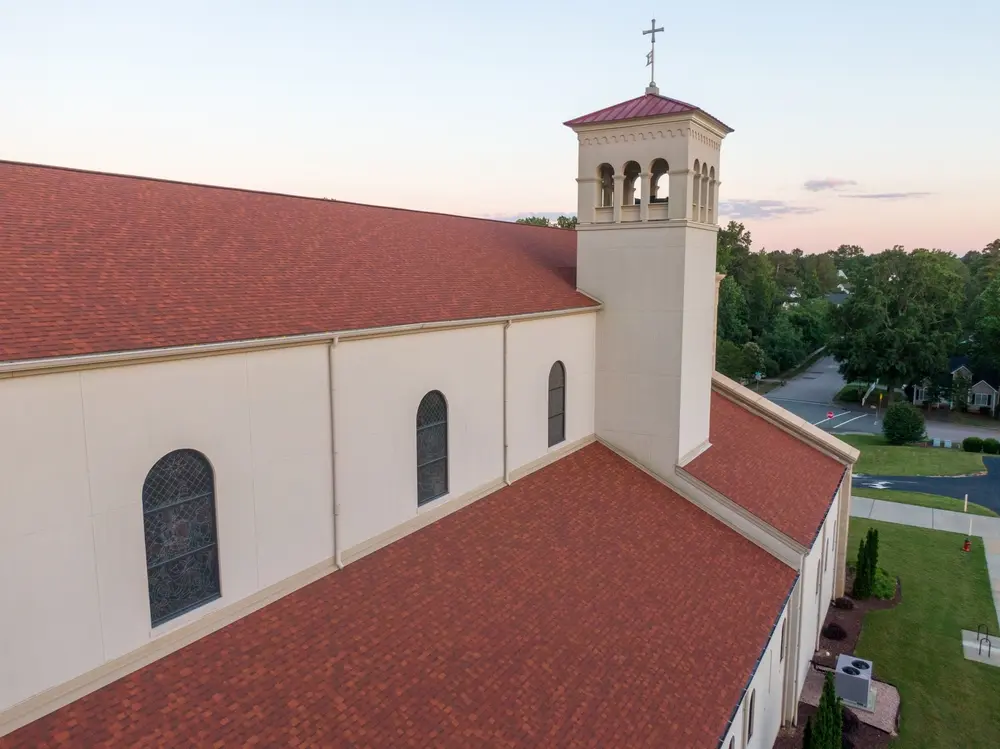
Emergency roofing situations are almost always the result of problems that developed slowly over time. Most expensive emergency roofing situations on churches actually begin long before water starts pouring through the ceiling. Churches face unique roofing risks because of their massive building sizes, aging structures, and the reality of delayed leak detection in vast spaces. When a major roofing failure happens suddenly, it brings severe disruptions to worship services, community programs, and daily building operations. Protecting facilities like sanctuaries and fellowship halls requires a fundamentally proactive approach. High winds, heavy rains, and severe South Carolina storms frequently expose the vulnerabilities in large roof systems, especially those carrying aging roofing materials. Facilities committees and leadership teams tasked with stewardship must understand that waiting for a leak to appear is an expensive strategy. Long-term preventative planning helps churches avoid larger emergency repair expenses while protecting the structural integrity of the property. By shifting focus from reaction to prevention, congregations can establish a sustainable framework that preserves their buildings and keeps operational budgets intact. Why Emergency Roofing Problems Become So Expensive for Churches Large Roof Systems Create Larger Repair Scope Church buildings encompass immense square footage with complex architectural features. When a roofing system fails across a massive sanctuary or an extended educational wing, the sheer scale of the required materials and labor significantly drives up costs. A small vulnerability in a large roof system can compromise wide sections of insulation and decking before anyone notices a problem. Water Damage Often Spreads Before It Is Detected Because many church spaces remain unoccupied during the week, water intrusion can travel along rafters, decking, and insulation for days before reaching a visible interior ceiling. This delayed detection allows trapped moisture to rot wood, degrade insulation, and weaken structural supports, turning what could have been a basic roof leak repair into a major structural reconstruction project. Emergency Repairs Usually Require Faster and More Complex Work When severe leaks threaten weekend services or active community centers, facility managers must authorize immediate action. Emergency roof repair often requires specialized crews to mobilize outside of standard business hours, navigating challenging weather conditions. The urgency of stabilizing the building limits options and increases the immediate financial burden on the congregation. Interior Damage Adds Costs Beyond the Roof Itself A compromised roof rarely limits its damage to the exterior materials. Water entering the building quickly ruins drywall, historic plaster, custom painting, and flooring. The financial impact multiplies when you consider the cost of replacing commercial carpets or repairing intricate sanctuary ceilings, significantly inflating the total cost of the emergency event. Most Emergency Roof Failures Start as Small Problems Minor Roof Leaks That Go Unnoticed Many catastrophic roofing emergencies begin as tiny, persistent drips. A compromised shingle or a tiny puncture in a flat membrane might only let in a few drops during a heavy rainstorm. Over months or years, these minor, unnoticed leaks degrade the underlying structural components, eventually leading to a massive failure during a major weather event. Flashing and Drainage Problems That Slowly Worsen Roof flashing around chimneys, steeples, HVAC units, and parapet walls is notoriously vulnerable to thermal expansion and contraction. As sealants crack and metal flashing pulls away from the masonry, water finds an easy path inside. Similarly, clogged internal drains or gutters cause standing water, which accelerates the deterioration of the roofing materials and forces water beneath the seams. Storm Damage That Is Never Fully Repaired South Carolina experiences intense weather, and minor storm damage often goes unaddressed if it does not cause an immediate leak. Wind-lifted shingles, bruised materials from hail, or slightly displaced metal panels compromise the water-shedding ability of the entire system. Without proper storm damage roof repair, the next severe weather event easily tears away these weakened sections. Moisture Intrusion Inside Older Church Buildings Older church buildings often lack modern ventilation systems, leading to condensation and moisture intrusion originating from inside the structure. This trapped moisture slowly rots the roof decking from the bottom up. By the time the damage becomes visible to the congregation, the structural integrity of the roof deck may already be severely compromised. Regular Roof Inspections Help Churches Avoid Emergencies Annual Roof Inspections for Large Church Buildings Consistent commercial roof inspections serve as the foundation of any facility stewardship plan. Professional evaluations allow roofing contractors to assess the condition of membranes, shingles, metal panels, and all penetrations. Scheduling these inspections annually provides a clear, documented baseline of the roof’s health, ensuring that small defects are caught early. Identifying Weak Roofing Areas Before Storm Season Thorough evaluations conducted prior to storm season empower church leadership to address vulnerabilities before high winds and heavy rains arrive. Roof inspectors look for loose flashing, unsealed membrane seams, and missing shingles. Securing these weak points dramatically lowers the risk of catastrophic wind uplift or massive water intrusion during a severe storm. Tracking Aging Roofing Materials Over Time Every roofing system has a specific roof lifespan. Regular inspections help churches monitor how materials are weathering under prolonged sun exposure and thermal shock. Documenting the progressive aging process allows facility managers to accurately predict when sections of the building will require extensive repairs or full replacement, completely removing the element of surprise. Using Inspection Reports for Long-Term Planning A detailed roof inspection report provides actionable data for finance committees. Instead of guessing about facility needs, church leaders can use comprehensive photos and condition reports to create accurate timelines for capital campaigns. This documentation transforms roofing maintenance from a sudden emergency expense into a predictable, manageable budget item. Preventative Maintenance Reduces Long-Term Roofing Costs Addressing Small Repairs Before They Expand Preventative roof maintenance focuses on fixing minor defects while they are still inexpensive to resolve. Resealing a single pipe boot or patching a small membrane puncture costs a fraction of an emergency mobilization. Addressing these small repairs stops water from entering the insulation layer, preserving the effectiveness of the entire roofing system. Maintaining Drainage and Water Flow Systems Proper water shedding is the primary function
Church Roof Maintenance Planning for Long-Term Budgeting
Churches often manage expansive and complex roofing systems for decades at a time. Overseeing the care of sanctuaries, sprawling fellowship halls, and multiple educational buildings requires a strategic approach to facility management. Large roof systems demand ongoing planning and operational foresight, rather than relying exclusively on reactive repairs when problems eventually surface. For facility committees and church administrators, responsible stewardship means anticipating these structural needs before they escalate into significant financial burdens. Unexpected roofing emergencies can severely disrupt daily operations and create immediate financial strain on a congregation. When a sudden leak forces the closure of a sanctuary or damages interior electrical systems, the resulting expenses easily exceed the cost of standard upkeep. Long-term maintenance planning helps churches avoid major repair costs and dramatically extends the overall lifespan of the roof. By treating the roof as a critical asset requiring continuous management, leadership boards can stabilize their annual budgets and ensure their buildings remain safe and functional for their communities. Why Churches Need Long-Term Roofing Plans Instead of Reactive Repairs Large Roofing Systems Age Differently Than Residential Roofs The scale and complexity of church buildings mean their roofing systems do not age uniformly. A steeply pitched sanctuary roof may shed water efficiently but endure high wind exposure, while a flat educational wing might struggle with ponding water and UV degradation over time. Because these distinct areas experience different environmental stressors, they require tailored maintenance scheduling. Understanding how various roofing materials perform across a massive footprint is crucial for accurate lifespan management and effective church roof replacement planning. Small Roofing Problems Become Expensive Over Time Minor vulnerabilities rarely resolve themselves. A loose shingle, a failing flashing joint, or a slightly blocked scupper can allow moisture intrusion to persist unnoticed for months. By the time water stains appear on the ceiling of a fellowship hall, the underlying insulation and decking have likely already sustained significant rot. Addressing these minor defects through routine preventative roof maintenance for churches prevents isolated issues from requiring widespread structural restoration. Emergency Repairs Often Cost More Than Planned Maintenance Reacting to a sudden roofing failure carries a premium price tag. Emergency roof repair requires immediate contractor mobilization, expedited material sourcing, and often temporary mitigation measures before permanent fixes can be installed. These urgent interventions strain financial reserves and disrupt scheduled community events. Planned maintenance allows facility teams to solicit competitive bids, schedule work during optimal weather windows, and control church roof maintenance costs effectively. Long-Term Budgeting Creates Better Roofing Decisions When church boards plan years in advance, they transition from a mindset of survival to one of strategic stewardship. Establishing a dedicated church roof budgeting framework provides the necessary capital to choose higher-quality materials and proven roofing systems when replacement becomes inevitable. This financial predictability ensures leadership can make choices based on durability and long-term value, rather than simply selecting the cheapest immediate fix due to a lack of available funds. What Impacts the Lifespan of a Church Roof South Carolina Weather and Storm Exposure Regional climate plays a massive role in the degradation of commercial roofing. South Carolina weather introduces severe thunderstorms, hurricane-force wind gusts, and relentless summer heat. Thermal shock—the rapid expansion and contraction of roofing materials as temperatures fluctuate wildly between afternoon sun and cool evening rain—causes membranes to crack and shingles to blister. Continuous exposure to these elements significantly dictates the overall roof lifespan. Roofing Material Type and Installation Quality The inherent durability of the selected roofing materials dictates how long a building remains protected. Slate and heavy-duty architectural shingles may last several decades, while certain single-ply membranes on flat roofs might require replacement much sooner. Just as importantly, the initial installation quality by a qualified roofing contractor in South Carolina determines whether those materials will reach their maximum intended lifespan or fail prematurely due to poor workmanship at critical seams. Drainage, Ventilation, and Moisture Management Proper water displacement is the lifeblood of any roofing system. If internal drains, gutters, and downspouts become clogged with leaves and debris, water will inevitably back up beneath flashing or seep through membrane overlaps. Furthermore, inadequate attic ventilation traps humid air beneath the roof deck, baking asphalt shingles from the inside out and promoting mold growth. Effective drainage and ventilation are non-negotiable components of preventative roof maintenance. The Effect of Deferred Maintenance on Roof Longevity Delaying minor upkeep directly shortens the functional life of a building’s exterior. When facility committees postpone caulking deteriorated sealants or replacing rusted flashing to save money in the short term, they accelerate the systemic failure of the entire roof. Deferred maintenance allows environmental degradation to compound, transforming what should be an eighty-dollar sealant application into an eighty-thousand-dollar roof leak repair and structural rehabilitation project. Roof Inspections Help Churches Plan Financially Annual Roof Inspections and Maintenance Tracking Consistent evaluation is the foundation of facility stewardship. Scheduling annual commercial roof inspections establishes a baseline for the roof’s current condition and highlights areas of accelerated wear. By maintaining detailed records and tracking maintenance activities year over year, church leadership can accurately measure the effectiveness of previous repairs and anticipate exactly when major capital expenditures will be required. Identifying Small Problems Before They Spread A professional roof inspection is designed to uncover hidden vulnerabilities that untrained eyes easily miss. Technicians look for microscopic membrane punctures, loose fasteners, and failing pipe boots that serve as entry points for moisture. Catching these defects early through structured roof maintenance programs stops active leaks before they compromise structural decking or ruin expensive interior finishes. Creating Predictable Maintenance Timelines Thorough inspections allow churches to map out their repair schedules logically. Instead of guessing when the educational wing will need a new roof, administrators receive a clear timeline detailing the remaining useful life of each building section. This timeline enables facility managers to distribute necessary repair projects across multiple fiscal years, ensuring that maintenance scheduling aligns seamlessly with the church’s annual budget constraints. Using Inspection Reports for Long-Term Budget Discussions Data drives responsible financial planning. Comprehensive inspection reports provide church boards with
How Storm Damage Impacts Large Church Roof Systems
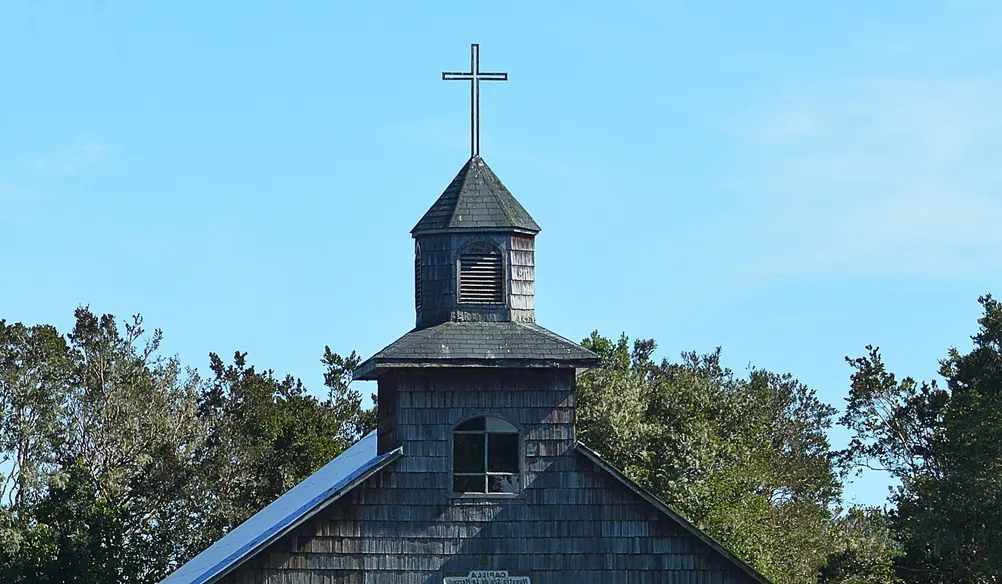
Churches often have significantly larger and more exposed roofing systems than standard residential buildings or small commercial properties. When severe weather strikes, these expansive structures interact with wind, hail, heavy rain, and flying debris in unique ways. South Carolina storms create specific risks for sanctuaries, fellowship halls, and multi-building church campuses, often subjecting these large structures to immense atmospheric pressure and direct impact damage. Because of the sheer size and height of these buildings, identifying vulnerabilities immediately after a severe weather event requires a highly systematic approach. Wind, hail, heavy rain, and debris can affect large roof systems differently than smaller homes due to the physics of structural exposure. A broad sanctuary roof, for example, catches a massive volume of wind, while intricate architectural features like steeples, dormers, and multi-level roof ties create complex vulnerabilities. Furthermore, older church buildings often feature aging roofing materials and historical construction methods that may not withstand the severe forces generated during the South Carolina storm season. The resulting damage is rarely contained to a single missing shingle or a visible dent. Why Large Church Roof Systems Are More Vulnerable During Storms Large Surface Areas Face Greater Wind Exposure Expansive roof spans act like massive sails during a storm, catching strong wind currents and creating significant aerodynamic lift. Large surface areas face greater wind exposure simply because there is more square footage interacting with high-velocity gusts. This increased exposure heightens the risk of wind uplift, where the suction force pulls roofing materials away from the underlying decking. On large church roofs, this uplift pressure can compromise entire sections of the roofing system, leading to widespread material failure rather than isolated patches of damage. Steep Rooflines and Elevated Structures Increase Risk The architectural design of many religious buildings often features steep rooflines and elevated structures that dramatically increase storm risk. High-pitched roofs force wind to travel upward, accelerating its speed and increasing the sheer force exerted on shingles, tiles, or metal panels. Elevated structures, such as towers and belfries, extend well above surrounding tree lines and neighboring buildings, leaving them entirely unprotected from the full brunt of severe weather. These prominent features often sustain the most severe impacts during violent storms. Older Roofing Systems May Already Be Structurally Weakened Many established congregations worship in older church buildings that rely on aging roofing systems. These older roofing systems may already be structurally weakened by years of thermal expansion, UV degradation, and previous minor weather events. When a major storm hits, materials that have lost their flexibility or structural adhesion are far more likely to crack, tear, or blow off entirely. Aging underlayment and weakened fasteners simply cannot provide the same level of storm-resistant roofing protection as modern, newly installed components. Large Buildings Create More Potential Leak Entry Points The sheer scale of a church campus means there are exponentially more seams, transitions, and penetrations across the roof surface. Large buildings create more potential leak entry points at every valley, ridge, HVAC curb, and skylight. Each of these architectural intersections requires precise flashing and sealing to remain watertight. During a powerful storm, driving rain and high winds test every single vulnerability, increasing the statistical probability that water will find a path into the building envelope. Wind Damage on Church Roofs Can Spread Quickly Shingle Uplift and Roofing Material Separation High winds do not just blow materials off the roof; they pry them upward. Shingle uplift and roofing material separation occur when wind gets underneath the leading edge of a roofing component, breaking the adhesive seal. Once this seal is broken, successive gusts can easily peel back large swaths of the roof. On expansive church roofs, a small area of material separation can trigger a chain reaction, leading to massive structural roof damage that exposes the vulnerable decking beneath. Wind Pressure Around Roof Edges and Transitions The perimeter of a roof experiences the most intense aerodynamic forces during a storm. Wind pressure around roof edges and transitions creates intense stress on the materials anchoring the system to the building. Eaves, rakes, and parapet walls often bear the initial brunt of the wind load. If the edge metal or perimeter flashing fails, the wind can infiltrate the entire roofing system, causing substantial wind damage roof repair needs across the broader structure. Damage Near Steeples, Towers, and Roof Peaks Steeples, towers, and roof peaks represent the highest points of a church structure, making them highly susceptible to high-velocity winds. The aerodynamics around these sharp vertical features cause wind currents to swirl and accelerate, creating localized vortexes that violently tear at roofing materials. Damage near steeples is particularly concerning because repairing these elevated, hard-to-reach areas requires specialized equipment and extensive safety protocols. How Small Wind Damage Leads to Major Water Intrusion A few missing shingles or a bent piece of flashing might seem insignificant on a massive roof, but these minor defects can have catastrophic consequences. How small wind damage leads to major water intrusion is a matter of time and subsequent rainfall. Once the primary water-shedding layer is compromised, wind-driven rain can soak into the underlayment and roof decking. Eventually, this moisture travels down roof trusses and interior walls, necessitating both storm damage roof repair and extensive interior restoration. Hail Damage Is Often Harder to Detect on Churches Impact Damage Across Large Roofing Areas When a hailstorm passes over a church campus, thousands of impacts can occur across the roof surface. Impact damage across large roofing areas is incredibly difficult to assess without a close, physical inspection. From the ground, a hail-battered roof might look completely normal, especially on steep-sloped structures. However, up close, the impacts may have fractured the fiberglass matting of shingles or compromised the protective coating of flat roofing membranes. Granule Loss and Surface Damage on Aging Roofs Hailstones physically scour the surface of asphalt shingles, dislodging the protective mineral granules that shield the asphalt from solar degradation. Granule loss and surface damage on aging roofs significantly accelerate the deterioration of the roofing system. Without these protective
Roofing Challenges for Historic Churches and Older Religious Buildings

Older churches face roofing issues that modern buildings simply do not encounter. When dealing with historic architecture, a roof is more than just a waterproof barrier. It is a complex system of aging framing, sensitive historic materials, and unique structural limitations. These elements require a specialized level of care to ensure the long-term building preservation of sanctuaries, steeples, and historical facades. Many religious buildings across South Carolina have roofs that have been repaired repeatedly over decades. Unfortunately, these layered repairs often involve incompatible materials or outdated methods that mask deeper issues. High South Carolina humidity and severe storms continuously test the limits of these aging structures. Over time, moisture exposure and structural movement create unique roofing concerns that demand a highly informed approach. Why Historic Church Roofs Require a Different Roofing Approach Older Construction Methods and Structural Limitations Historic churches were built using construction methods that predate modern engineering standards. Instead of modern truss systems, older sanctuaries often rely on large, heavy timber framing and load-bearing masonry walls. These older structural systems can limit the types of roofing materials that can be safely installed today. Understanding these weight loads and structural limitations is a mandatory first step before any roof replacement contractor begins work. Roof Systems Designed Decades Ago Under Different Standards Many older religious buildings feature roof designs that met the building codes of their era but fall short of modern performance expectations. Roof slopes, ventilation standards, and drainage systems were engineered differently. Applying a modern roofing system directly over an older deck without accounting for these historical design differences can lead to poor ventilation, trapped moisture, and premature roof failure. The Challenge of Preserving Historic Appearance A church roof restoration must maintain the visual identity of the building. Slate, clay tile, copper, and specialized architectural shingles contribute significantly to a church’s historic footprint. Replacing these components requires sourcing materials that match the original aesthetic closely. Balancing this requirement with modern performance needs takes careful planning and access to specialized roofing materials. Why Standard Residential Roofing Approaches Often Fail Standard residential roofing techniques are entirely inadequate for historic church roofing. A standard home has straightforward rooflines and standard decking. Historic churches feature complex geometries, steep pitches, and sensitive adjacent materials like stained glass or fragile masonry. Roofing older religious buildings requires a contractor who understands structural load distribution and the chemical compatibility of historic metals and underlayments. Aging Roofing Materials Create Long-Term Problems Deterioration of Older Shingles and Metal Roofing Systems Over many decades, all roofing materials will eventually break down. Older metal roofing systems, such as terne or copper, may suffer from weakened solder joints or metal fatigue. Historic shingles become brittle, crack, or slip out of place. This gradual deterioration leaves the underlying wood decking exposed to the elements, leading to slow, pervasive damage. Weather Exposure Over Decades of South Carolina Storms South Carolina weather is unforgiving on aging structures. High winds, heavy rainfall, and hurricane remnants take a cumulative toll on a roof. A roof that has endured forty years of South Carolina storms will have hidden stress points. Wind uplift slowly loosens fasteners, and constant heat and humidity accelerate the degradation of waterproofing layers. Roofing Materials Near the End of Their Lifespan When a church roof nears the end of its roof lifespan, patches and minor repairs are no longer effective. The entire system begins to fail systematically. Recognizing when materials have surpassed their useful life is critical to preventing catastrophic water damage. Understanding the lifespan of specific historical materials helps church boards make informed decisions about total replacements versus targeted repairs. Repeated Repairs That Mask Deeper Structural Problems A common issue with roofing older churches is the presence of layered, overlapping repairs. Decades of quick fixes, such as excessive sealant application or improperly integrated patches, often trap moisture and hide the true condition of the roof deck. These repeated repairs can mask deeper structural roof damage, allowing rot and decay to spread silently through the framing. Water Intrusion Is Often Harder to Detect in Older Churches Hidden Moisture Behind Historic Interior Features Water intrusion in an older church is rarely straightforward. Leaks often develop behind thick plaster ceilings, ornate woodwork, and multi-layered wall assemblies. By the time a watermark appears on the ceiling of a sanctuary, the water has likely been trapped inside the building envelope for months. This hidden moisture buildup can severely damage historic interior finishes before anyone realizes there is a problem. Leaks Traveling Through Older Structural Framing Water follows the path of least resistance. In complex historic framing, water from a roof leak can travel significant distances along heavy timber rafters before dropping onto the ceiling below. Tracing historic church roof leaks back to their actual source on the roof requires a deep understanding of older architectural designs and extensive leak tracking experience. Moisture Damage Above Sanctuaries and Attic Spaces The attic spaces above older church sanctuaries are often large, dark, and difficult to access. Because these spaces lack the continuous ventilation required by modern codes, moisture from minor roof leaks can become trapped. This creates a humid microclimate in the attic space, encouraging mold growth and the gradual weakening of the structural wood components above the main worship area. How Long-Term Leaks Affect Wood and Structural Components When long-term leaks go unaddressed, the structural integrity of the roof framing is compromised. Wood rot sets in, softening the very timbers holding up the roof deck. If left unchecked, this damage escalates from a simple roof leak repair to a major structural engineering project. Addressing moisture issues early is the only way to protect the skeletal framework of the church. Flashing and Roof Transition Areas Frequently Fail First Steeples, Bell Towers, and Decorative Roof Features Steeples and bell towers are beautiful architectural features, but they are also highly vulnerable to water intrusion. The areas where these towering elements intersect with the main roof deck require complex flashing solutions. High winds put immense pressure on these transitions, making them a common
Why Church Roof Leaks Are More Complicated Than Residential Leaks
When a typical homeowner notices a water stain on their ceiling, finding the source is usually a straightforward process. Residential leaks are generally easier to locate and isolate because standard house roofs have relatively simple layouts and accessible attics. A quick inspection directly above the stained drywall often reveals a missing shingle or a failed pipe boot. Church buildings operate on an entirely different scale, making leak detection significantly more challenging. These religious facilities frequently feature massive roof systems, multiple varying elevations, deep hidden attic spaces, and steep rooflines that complicate access. A small roofing failure on a sanctuary can allow water to travel incredible distances along beams and decking before ever becoming visible from the floor below. By the time water starts dripping into fellowship halls or educational wings, the actual breach might be on an entirely different section of the building. Small roofing failures often create widespread interior damage before anyone notices a problem. Why Church Roof Behave Differently Than House Roof Leaks Residential roofs are designed for rapid water shedding over a short distance. Church roofs combine multiple architectural styles, massive square footage, and intricate transitions that fundamentally change how water interacts with the building envelope. Large Roof Systems Create Longer Water Travel Paths A standard house might have a few thousand square feet of shingles. A church facility often spans tens of thousands of square feet. This massive surface area means that when a leak occurs, water has an incredibly long path it can travel before dripping down. Gravity pulls moisture down the slope, allowing it to run along underlayment, decking panels, and massive structural trusses long before it penetrates the interior ceiling. High Ceilings and Hidden Structural Cavities Delay Detection Many congregations gather under soaring vaulted ceilings that look beautiful but hide significant empty space above them. These high ceilings and large structural cavities delay detection because water can pool on top of suspended ceilings, saturate thick layers of commercial insulation, or run down interior column wraps. A small drip can go unnoticed for months in a dimly lit, high-vaulted sanctuary. Multiple Roofing Sections and Transitions Increase Leak Risks Houses typically use one type of roofing material. Churches frequently mix flat roof sections over fellowship halls with steep sloped roofs over the main worship space. Every point where a metal roofing system meets a flat membrane or an asphalt shingle section requires complex flashing. These transitions increase leak risks because they endure different rates of thermal expansion and contraction during intense seasonal temperature shifts. Church Roof Designs Often Include Complex Architectural Features Parapet walls, domed sections, intersecting gables, and decorative facades are common on religious buildings. These complex architectural features interrupt the natural flow of water. Instead of shedding directly into a gutter, water often has to navigate around multiple structural obstacles. Every architectural complication creates a potential collection point for debris, standing water, and eventual water intrusion. Water Often Appears Far From the Actual Leak Source Tracing a leak on a church requires understanding fluid dynamics and commercial building construction. The spot where water drops onto a pew is rarely directly beneath the hole in the roof. How Water Travels Through Church Roofing Systems Water follows the path of least resistance. On a sprawling church roof, that path might involve traveling down a sloped roof deck, hitting a steel beam, running horizontally for twenty feet, and finally dropping onto a drop-ceiling tile in an entirely different room. Effective church roof inspection requires tracing this path backward from the visible damage to the true point of entry. Moisture Moving Through Insulation and Structural Framing Commercial-grade insulation acts like a giant sponge. When a slow leak begins, the thick insulation above educational wings and administrative offices absorbs the moisture. The water migrates slowly through this fiberglass or cellulose layer, rotting the structural framing along the way. By the time the insulation is saturated enough to drip, the structural damage is already extensive. Why Ceiling Stains Rarely Identify the True Leak Location If you place a bucket directly under a ceiling stain in a church, you are only treating a symptom. Ceiling stains rarely identify the true leak location because layers of vapor barriers, HVAC ductwork, and electrical conduits intersect the space above the ceiling. Water drops from the roof, hits a large air conditioning duct, travels along the metal surface, and falls onto the drywall far away from the initial roofing failure. Hidden Water Intrusion Behind Walls and Decorative Features Many traditional churches feature intricate woodwork, plaster walls, or decorative acoustic paneling. Water intrusion can happen entirely behind these surfaces. Moisture travels down the inside of exterior masonry walls, quietly causing mold and rot. Diagnosing this requires advanced commercial roof inspections using thermal imaging and moisture meters rather than just looking for wet drywall. Steep Rooflines and Elevated Structures Make Leak Detection Harder Safety and accessibility are massive barriers when evaluating church roof leak problems. You cannot simply prop a standard ladder against a steeple and expect to conduct a thorough evaluation. Steeples, Bell Towers, and High Roof Sections Steeples and bell towers take the brunt of severe weather while being the hardest areas to reach. These high roof sections are exposed to the strongest wind gusts and heaviest driving rain. Finding a blown-off shingle or a cracked piece of siding near the top of a bell tower requires specialized safety equipment, lifts, or even drone technology to safely identify the breach. Flashing Failures Around Roof Penetrations Large buildings require substantial ventilation and mechanical equipment. Exhaust vents, large HVAC units, and heavy plumbing stacks penetrate the roof surface constantly. Flashing problems around these roof penetrations account for a massive percentage of church roofing leaks. The flashing must be custom-fabricated to handle the unique angles and slopes found on religious structures, and when it fails, water pours directly into the building. Difficult Access Areas That Delay Repairs Because of the height and pitch of many church roofs, simple repairs take careful planning. Difficult access areas delay
Common Roofing Problems on Churches in South Carolina

Churches often feature roofing systems that are vastly different from standard homes and commercial buildings. When you look at many church buildings across South Carolina, you see architecture that includes steep rooflines, massive sanctuaries, flat-roofed fellowship halls, and sprawling educational buildings. These structures require specialized attention because their size and complexity naturally create unique maintenance challenges. Historic churches, in particular, face accelerated wear due to aging materials and decades of structural settling. South Carolina weather creates long-term stress on these impressive structures. The combination of intense summer humidity, heavy coastal and inland storms, and seasonal temperature shifts constantly tests the durability of protective exterior systems. Over time, this weather exposure compromises roofing materials, particularly in areas where different architectural elements meet. Why Church Roofs Experience Different Problems Than Residential Roofs Church buildings require a completely different approach to maintenance than residential properties. A typical home has a relatively simple layout, while a church compound often consists of several distinct structures built over different decades. This structural complexity means that church roofing issues are rarely straightforward. Large Roof Areas and Complex Roof Designs Sanctuaries and main worship halls require large roof spans to keep the interior space free of support columns. These massive surface areas collect heavy volumes of rainwater during South Carolina downpours, putting immense pressure on drainage systems. Furthermore, complex roof designs featuring intersecting slopes, dormers, and varying elevations create numerous vulnerable points where water can easily penetrate the building envelope if the materials degrade. Steep Rooflines, Towers, and Difficult Access Areas Many older churches and traditional sanctuaries feature exceptionally steep rooflines designed to draw the eye upward. While visually striking, these steep pitches make routine roof inspections and maintenance highly dangerous and difficult to perform. Towers, steeples, and high parapet walls require specialized equipment for safe access, meaning that minor issues in these high zones often remain ignored until major water damage becomes visible from the ground. Long Roof Lifespans and Aging Materials Because replacing a massive sanctuary roof is a massive financial undertaking, churches tend to stretch their roofing systems to the absolute limit of their usable lifespans. This often means dealing with aging materials that have become brittle, lost their protective granules, or developed rusted fasteners. Long roof lifespans require diligent preventative roof maintenance to keep the underlying decking and structural supports protected as the exterior materials slowly deteriorate. Deferred Maintenance on Older Church Buildings Church budgets are frequently stretched thin, with funds prioritizing community outreach, staff salaries, and immediate operational needs. Consequently, deferred maintenance on older church buildings is a leading cause of severe church roof damage. When small repairs are put off for years, minor wear and tear escalates into rotted decking, compromised insulation, and extensive interior damage that eventually demands a full roof replacement contractor. Roof Leaks That Go Undetected for Too Long One of the most insidious problems religious facilities face is the delayed discovery of water intrusion. By the time a leak is visible inside a church, the water has usually been entering the building for quite a while. Leaks Hidden Above Sanctuaries and Attic Spaces The cavernous spaces above sanctuaries easily conceal dripping water. Roof leaks can persist for months in these dark, unmonitored attic spaces, soaking into thick insulation or pooling on heavy structural beams. Because nobody routinely walks through these specific areas, the moisture buildup continues undisturbed, leading to significant wood rot and biological growth long before anyone spots a water stain on the ceiling below. Water Intrusion Around Flashing and Roof Penetrations Flashing problems are the root cause of many significant roof leak repair projects. Churches have numerous roof penetrations, including large HVAC units, plumbing vents, skylights, and complex steeple bases. The metal flashing around these penetrations expands and contracts with changing temperatures, eventually pulling away from the masonry or roofing materials. Once the seal is broken, water intrusion quietly rots the surrounding roof deck. Interior Damage That Appears Far From the Actual Leak Water rarely travels in a straight vertical line when it breaches a large roof system. It usually follows the path of least resistance, running down heavy rafters, sliding along metal decking, or tracking across electrical conduits before finally dripping onto a ceiling panel. This means that interior damage often appears far away from the actual compromised roofing material, making accurate leak detection incredibly difficult without professional commercial roof inspections. Why Small Leaks Become Major Structural Problems A minor drip might seem inconsequential, but persistent moisture degrades building materials at a fundamental level. Small leaks rust metal fasteners, weaken wooden trusses, and saturate drywall, turning what should have been a simple patch job into a major structural hazard. Catching these hidden vulnerabilities early is why engaging a reputable roofing company in South Carolina for routine assessments is so critical. Storm Damage on Church Roof Systems South Carolina experiences intense weather events, from summer thunderstorms and hail to severe hurricane remnants passing through the state. Church roofs bear the brunt of these impacts, often suffering sudden damage that requires immediate attention. Wind Damage on Large Sloped Roofs High winds can easily catch the edges of shingles, metal panels, or single-ply membranes on massive church roofs. Wind damage on large sloped roofs often involves severe uplift forces that loosen fasteners and break the adhesive seals on asphalt shingles. Once a section is lifted, subsequent storms can easily tear the materials completely off the deck, exposing the interior to immediate water damage. Hail Damage to Shingles and Metal Roofing Systems Hailstorms create immediate and lasting damage across broad roof surfaces. On shingle roofs, hail knocks away the protective granules and bruises the asphalt matting, significantly reducing the roof lifespan. Hail damage to metal roofing systems often results in dented panels, but more importantly, it can warp the seams and loosen the exposed fasteners, creating tiny pathways for moisture to enter the building. Tree Damage and Debris Impact After Storms Many beautiful, historic churches in South Carolina are surrounded by towering oak and pine trees. While these
Church Roofing Services in South Carolina
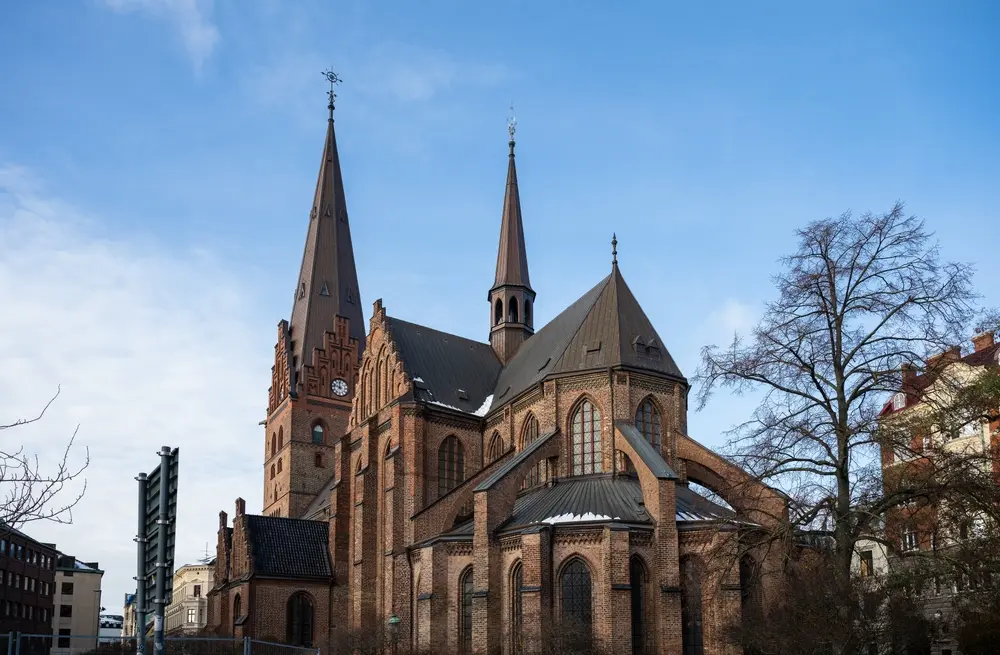
Maintaining a religious facility requires careful stewardship and long-term planning, particularly when it comes to the building’s exterior. Cola City Roofing understands the unique responsibilities of protecting congregation spaces across Columbia and the Midlands. From expansive sanctuaries and fellowship halls to multi-building campuses and educational wings, we provide specialized roofing solutions designed to keep these vital community centers safe and operational. Our team is experienced in handling the complexities of large structures, sensitive historic buildings, and coordinated storm restoration efforts. South Carolina weather exposure takes a significant toll on aging church roofs. Between intense summer heat, heavy rain, and the constant threat of severe thunderstorms, these roofing systems face continuous environmental stress. We focus on minimizing disruption to your congregation’s schedule while delivering reliable protection against South Carolina storms. Our approach emphasizes clear communication with church leadership and facility committees to ensure every project aligns with the church’s budget and long-term maintenance goals. Roofing Challenges Churches Face in South Carolina Churches face distinct maintenance challenges that differ significantly from standard residential or commercial properties. Identifying these issues early can prevent minor vulnerabilities from becoming major structural problems. Large Roof Systems and Water Intrusion Risks Sanctuaries and fellowship halls often feature massive roof spans that manage substantial volumes of water during heavy rain. When gutters, downspouts, or internal drainage systems become overwhelmed, the risk of water intrusion increases. Managing water flow on large commercial roofing systems in South Carolina requires precise engineering and regular oversight to prevent interior damage to worship areas. Storm Damage on Steep and High-Slope Church Roofs Many traditional church buildings feature exceptionally steep rooflines that are highly exposed to high winds and hail. Church storm damage repair on these high-slope structures requires specialized safety equipment and specific installation techniques. Wind uplift can easily compromise shingles or metal panels on these prominent architectural features, leaving the underlayment exposed to subsequent rainfall. Aging Church Roofs and Deferred Maintenance Because church budgets are often tight and carefully allocated, preventative roof maintenance sometimes takes a back seat to more immediate congregation needs. Unfortunately, deferred maintenance on aging church roofs often leads to hidden deterioration in the decking and structural supports. Addressing these issues through a structured maintenance plan helps church boards forecast expenses and avoid sudden, catastrophic failures. Roofing Concerns for Historic Churches and Older Buildings Historic church roofing requires a delicate balance between modern weatherproofing and historical preservation. Older buildings may have original structural timber, delicate stained glass windows, and masonry walls that must be carefully protected during any roofing work. Upgrading these systems demands a roofing contractor who understands how to integrate modern materials without compromising the architectural integrity of the historic property. Church Roof Repair Services Addressing leaks and structural vulnerabilities promptly is essential for protecting the interior of your religious facility. Our church roof repair services in South Carolina focus on long-lasting fixes rather than temporary patches. Leak Detection and Roof Leak Repair Water entering a sanctuary or educational wing can originate from a completely different area of the roof. Our technicians excel at tracking down complex moisture pathways to perform accurate roof leak repairs. We utilize advanced diagnostic techniques to find the true source of the intrusion, protecting your valuable interior assets from ongoing water damage. Emergency Roof Repairs After Storm Damage When severe weather strikes the Midlands, immediate action is required to secure compromised buildings. We provide fast and reliable emergency roof repair to stop water ingress and stabilize your facility. By securing the envelope of the building quickly, we help churches mitigate secondary interior damage while permanent restoration plans are developed. Emergency roof repair is a critical first step in the storm recovery process. Flashing, Drainage, and Penetration Repairs Many church roof leaks occur at transition points, such as where a steep sanctuary roof meets a flat fellowship hall, or around steeples, HVAC units, and skylights. We thoroughly inspect and repair compromised flashing, ensuring these critical junctions remain watertight. Proper drainage around penetrations is vital for keeping large roof systems functioning correctly during heavy downpours. Temporary Protection and Emergency Tarping In situations where immediate permanent repairs are impossible due to ongoing weather or pending insurance approvals, we provide heavy-duty emergency tarping and temporary waterproofing. This critical service ensures your congregation can safely continue their scheduled activities or at least protects the sanctuary from further ruin while the full scope of work is finalized. Church Roof Replacement Services When patching and maintaining an aging system becomes a poor financial investment, a full replacement is the most responsible choice. We guide church committees through the entire replacement process with transparency and expertise. When Repairs Are No Longer Enough Continuous patching often costs more in the long run and provides diminishing returns on your investment. If your building is experiencing frequent leaks, widespread material degradation, or severe storm damage, it may be time for a complete church roof replacement. We provide honest assessments to help your stewardship committee determine the most cost-effective path forward. Roof Replacement Planning for Churches Replacing the roof on a multi-building campus requires detailed logistical planning. As an experienced roof replacement contractor, we assist church leadership with material selection, budgeting, and phased project timelines. We understand that church funds must be managed carefully, which is why we also help explore Roof Financing options that make large-scale projects manageable. Minimizing Disruptions to Church Operations We know that churches operate beyond just Sunday mornings, hosting preschools, community events, and daily ministry activities. Our project managers coordinate closely with your facility directors to ensure construction schedules respect your calendar. We maintain clean, safe worksites and manage material deliveries to minimize the impact on parking and daily operations. Roofing Systems Designed for Long-Term Performance A new roof should serve your congregation for decades. We install high-quality Roof Materials engineered to withstand the challenging South Carolina climate. By focusing on proper ventilation, superior underlayments, and durable outer layers, we deliver commercial roof replacements that provide lasting peace of mind and excellent long-term value. Roofing Systems for Churches
The Ultimate Commercial Roofing Guide for Columbia, SC Business Owners
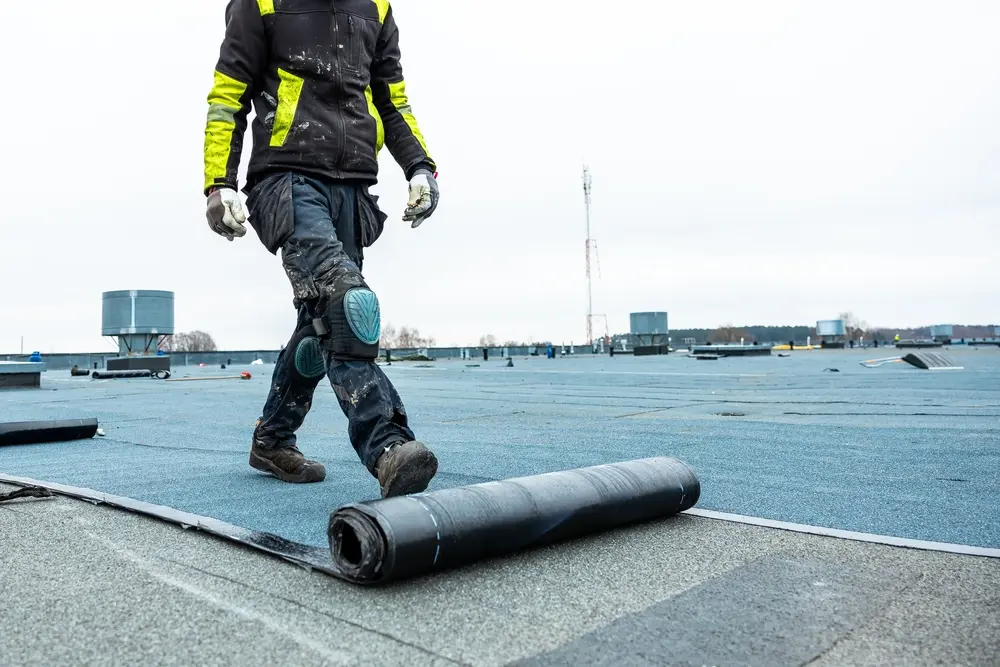
Managing a commercial property in the Midlands comes with a unique set of responsibilities. Whether you oversee a retail center in Harbison, a warehouse in Northeast Columbia, or a historic office building in the Vista, your roof is the single most important structural element protecting your assets, your employees, and your business continuity. In a city like Columbia, South Carolina—rightly nicknamed “Famously Hot”—commercial roofs face extreme thermal stress, high UV radiation, and volatile storm patterns. At Cola City Roofing, we understand that a commercial roof isn’t just a building component; it’s a massive financial asset that requires expert management. This 3,000-word commercial roofing guide serves as a comprehensive commercial roofing overview, designed to help property managers and business owners understand commercial roof systems, maximize their investment’s lifespan, and navigate the complexities of commercial roofing solutions in the South Carolina climate. Section 1: Understanding Commercial Roof Systems Unlike residential properties which primarily use asphalt shingles, commercial buildings utilize a wide variety of specialized membranes and materials. Choosing the right system depends on your building’s slope, its usage (industrial vs. retail), and your long-term energy goals. 1.1 TPO (Thermoplastic Polyolefin) TPO is currently the most popular choice for flat or low-slope commercial buildings in Columbia. It is a single-ply reflective roofing membrane. Why it’s great for SC: TPO is typically white, providing high solar reflectivity. This helps keep cooling costs down during our 100-degree summers. Durability: It is highly resistant to chemical exposure and bacterial growth, making it ideal for restaurants and manufacturing facilities. 1.2 EPDM (Ethylene Propylene Diene Terpolymer) Often referred to as “rubber roofing,” EPDM is a durable synthetic rubber membrane. Longevity: EPDM is known for its extreme lifespan, often lasting 30+ years. Consideration: Because it is usually black, it absorbs heat. In Columbia, this can lead to higher cooling costs unless a reflective topcoat is applied. 1.3 Modified Bitumen (Mod Bit) Modified Bitumen is an evolution of traditional built-up roofing (BUR). It consists of multiple layers of asphalt and fabrics. Strength: It is exceptionally “tough” and handles foot traffic better than single-ply membranes. If you have heavy HVAC equipment on your roof that requires frequent servicing, Mod Bit is a strong contender. 1.4 Commercial Metal Roofing Metal is a premier choice for industrial warehouses and “big box” retail. Storm Resistance: Metal roofs offer superior wind uplift ratings. Efficiency: When coated with Kynar finishes, they provide excellent best roofing materials Columbia SC performance in terms of heat rejection. Section 2: The Critical Importance of Commercial Roof Inspections A commercial roof can hide significant damage until it’s too late. Small leaks in a large-scale building can travel hundreds of feet through the structural steel before they show up on your ceiling. 2.1 The Bi-Annual Audit We recommend a professional inspection every spring and fall. In the spring, we look for damage caused by winter temperature swings and spring hail. In the fall, we ensure the system is ready for hurricane season. 2.2 Thermal Imaging for Leak Detection One of the most effective commercial roofing solutions we offer at Cola City Roofing is infrared moisture scanning. Because wet insulation holds heat longer than dry insulation, our thermal cameras can “see” water trapped under your membrane that isn’t visible to the naked eye. This allows for surgical repairs rather than total roofing-replacement. Section 3: Commercial Roof Lifespan in the Midlands How long should your commercial roof last? While many manufacturers promise 20 to 30 years, the Columbia climate is aggressive. 3.1 UV Degradation The high UV index in South Carolina causes the polymers in many roofing membranes to break down. This leads to “chalking,” brittleness, and eventually, cracks at the seams. 3.2 Thermal Expansion Commercial buildings are large, and their roofs are vast expanses of material. The expansion and contraction of these materials during a typical SC temperature swing can put immense stress on the “flashing”—the metal pieces around vents, HVAC units, and parapet walls. Section 4: Reroof vs. Recover: The Big Decision When your commercial roof reaches the end of its life, you generally have two options: a total tear-off (reroof) or a recover. 4.1 The Recover Option A recover involves cleaning the existing roof and installing a new membrane directly over it. Pros: Significantly lower cost; less business interruption; less waste in the landfill. Cons: You can only do this once. South Carolina building codes—which we navigate when securing homeowner roof permits SC—generally prohibit having more than two layers of roofing due to weight concerns. 4.2 The Reroof (Tear-Off) If your existing insulation is wet or if you already have two layers of roofing, you must perform a full tear-off. Benefits: Allows for the inspection of the steel or wood deck; enables you to upgrade your insulation (R-value) to modern standards, which can pay for itself in energy savings over time. You can learn more about the logistics in our roof replacement guide Columbia. Section 5: Commercial Roof Maintenance Checklist Regular maintenance is the only way to protect your warranty and ensure you don’t face a premature Columbia SC roof cost 2025 shock. Clear the Drains: Clogged drains on a flat roof lead to “ponding.” One inch of water weighs over 5 pounds per square foot; on a 20,000-square-foot roof, ponding can lead to structural collapse. Check the Seams: Heat causes seams to pull apart. We use specialized tools to “probe” the seams of TPO and EPDM roofs during every maintenance visit. Inspect Gutter Systems: Commercial buildings often use “box gutters.” If these fail, water backs up into the building’s exterior walls. We provide expert gutter-repair-services specifically for commercial drainage. HVAC Access Points: Maintenance crews often drop tools or panels that can puncture thin roofing membranes. Ensure your roof has dedicated “walkway pads” in high-traffic areas. Section 6: Storm Damage and Insurance Claims Living in South Carolina means dealing with hurricanes, tornadoes, and hail. When a storm hits, the scale of commercial damage can be catastrophic. 6.1 Understanding Commercial Policies Commercial insurance policies are significantly different from residential ones. They
Emergency Roof Repair Columbia SC: What to Do When Your Roof Starts Leaking
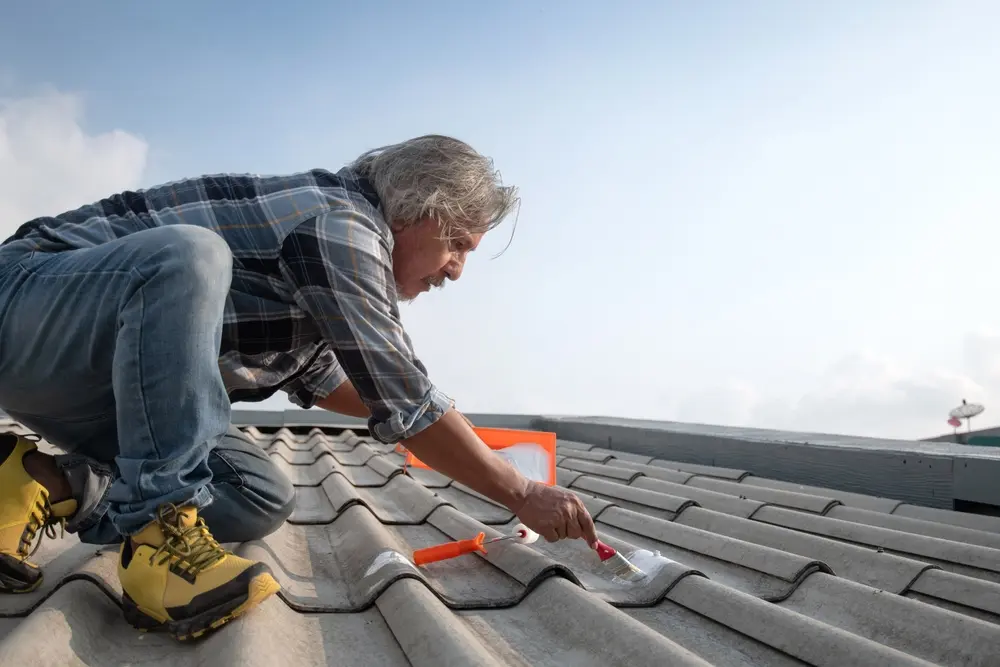
Water coming into your home is one of the most stressful things a homeowner can face. You see a dark stain spreading across the ceiling, or worse, water dripping onto your hardwood floors. It’s easy to panic. But panic doesn’t stop the water. Action does. If you are reading this because you have an active leak during a storm in Columbia, take a deep breath. You are in the right place. At Cola City Roofing, we handle emergency roof repairs across the Midlands constantly. We know the sinking feeling of seeing water where it shouldn’t be, and we know exactly how to stop it. This guide isn’t about selling you a new roof right now. It is about immediate damage control. We will walk you through what to do this second to protect your property, how to determine if you need an emergency tarp service, and what the next steps look like once the rain stops. Roof Leak Emergency? Start Here First If water is entering your living space, your first priority is protecting the interior of your home. The roof repair can wait until the lightning stops, but your floors and furniture cannot. What to Do If Your Roof Is Leaking Right Now First, locate the source of the water entry inside the house. It might be a drip from a light fixture, a wet patch on the drywall, or a puddle forming on the floor. If the ceiling paint is bubbling or bulging like a blister, do not wait. That bubble is full of water, and the weight can pull down the entire sheet of drywall. Take a screwdriver or a small knife and poke a hole in the center of the bulge. Have a bucket ready underneath. This releases the water pressure and often saves the ceiling from collapsing. It’s a messy step, but a necessary one to prevent a much larger repair bill later. How to Protect Floors, Furniture, and Ceilings Once the water has a controlled place to go (into a bucket), clear the area. Move furniture: Push sofas and tables to the center of the room or into a dry hallway. Cover what you can’t move: Use plastic drop cloths or even trash bags cut open to cover heavy items. Soak up the water: Standing water ruins laminate and hardwood floors quickly. Use towels to dry the floor immediately. If you have carpet, place thick towels over the wet area and step on them to absorb as much moisture as possible. When to Turn Off Power Near Water Damage Water and electricity are a deadly combination. If the water is dripping through a light fixture, ceiling fan, or smoke detector, go to your breaker box immediately and flip the breaker for that room. Do not touch the wet switch or fixture. If you are unsure which breaker controls that room, or if water is running down walls near outlets, it is safer to turn off the main power to the house until a professional can assess the safety. When You Need Emergency Roof Repair (And When You Don’t) Not every roof problem is an emergency that requires a 24-hour response. Understanding the difference can save you money and stress. Active Water Intrusion During a Storm If water is actively entering your home—meaning it is dripping, pooling, or running down walls—this is a roof leak emergency in Columbia SC. You need to call a professional immediately to get on the schedule for when the storm breaks. If the leak is small and manageable with a bucket, you may be able to wait until business hours, but if the water volume is high, emergency tarping is necessary to save your home’s interior. Tree Limb or Debris Impact on the Roof If a tree branch falls on your roof, it often punctures the decking (the wood layer) and tears the shingles. This creates a direct hole into your attic. Even if it isn’t raining yet, this is a critical emergency. The next rain shower will flood your attic. Tree fell on roof Columbia SC situations require immediate removal of the debris and temporary sealing of the breach. Sudden Shingle Blow-Off After High Winds Finding a few shingles in the yard is concerning, but if you don’t see a leak inside, it might not be a 2 a.m. emergency. However, if a large section (like 10-20 shingles) has blown off, leaving the black felt paper or bare wood exposed, you are vulnerable. You should schedule a missing shingles emergency repair as soon as possible to prevent the underlayment from tearing. Structural Damage After Severe Weather If you see sagging rooflines, cracked rafters in the attic, or daylight coming through the roof boards, this is structural damage. This goes beyond a simple leak; the integrity of the house is compromised. This requires an immediate professional assessment to ensure the home is safe to occupy. Temporary Roof Repair After Storm Damage When a storm is raging, we cannot perform a permanent repair. Shingles won’t seal in the rain, and adhesives won’t bond. That is where temporary repairs come in. How Emergency Roof Tarping Protects Your Home Emergency roof tarping is the industry standard for immediate stabilization. We use heavy-duty, woven synthetic tarps that are waterproof and resistant to tearing. We don’t just throw a blue tarp on the roof and weigh it down with bricks (that actually causes more damage). We secure the tarp properly. This involves wrapping the top edge over the roof ridge to prevent water from running under it, and using furring strips (thin wood boards) to screw the tarp edges down securely. This creates a watertight seal that can withstand wind and rain. Why Temporary Roof Repair Prevents Interior Water Damage Think of a tarp as a giant bandage. It stops the bleeding. By installing a temporary roof repair after storm damage, we stop the water from entering the attic. This allows the insulation to dry out (or be replaced) and stops the progression of
The Ultimate Guide to Commercial Roof Maintenance Programs
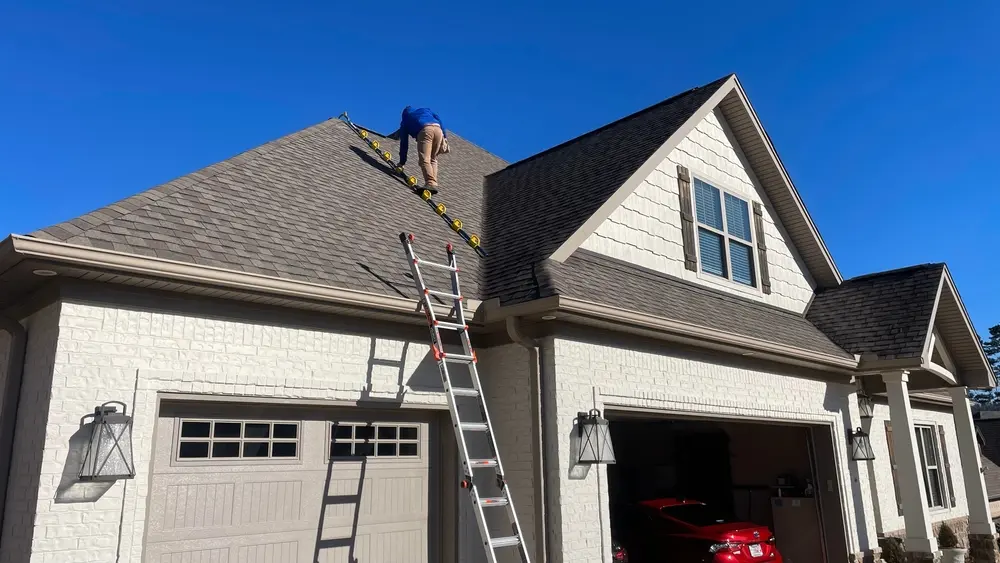
For any business owner or property manager, the building itself is a critical asset. Among its most vital components is the roof, the first line of defense against the elements. Yet, commercial roofs are often out of sight and out of mind—until a crisis strikes. A sudden leak can halt operations, damage expensive equipment, ruin inventory, and create unsafe conditions for employees and customers. The cost of reactive, emergency repairs and the subsequent business interruption can be staggering. There is a smarter, more cost-effective approach: a proactive commercial roof maintenance program. This isn’t just about fixing problems as they appear; it’s a strategic plan to prevent them from ever happening. A dedicated maintenance program extends the life of your roof, turns unpredictable repair costs into a manageable budget line item, and protects the long-term value of your property. At Cola City Roofing, we specialize in helping businesses in Columbia, SC, and the surrounding areas protect their investments with customized maintenance solutions. This guide will detail the unique challenges commercial roofs face, the immense value of a structured maintenance program, and what a partnership with a professional roofing contractor looks like. Why Commercial Roofs Are a Different Beast You can’t apply a residential mindset to a commercial property. Commercial roofs are fundamentally different in their design, materials, and the stresses they endure. Understanding these differences is key to appreciating why a specialized maintenance program is not a luxury, but a necessity. 1. Complex Design and Low-Slope Surfaces Unlike the pitched roofs common on residential homes, most commercial buildings feature flat or low-slope roofs. This design is practical for accommodating large surface areas and housing heavy HVAC units, exhaust vents, and other equipment. However, it also presents a major challenge: drainage. Water does not shed from a flat roof as quickly as it does from a sloped one. Even a slight dip or a clogged drain can lead to “ponding,” where water accumulates and sits for extended periods. This standing water accelerates the deterioration of roofing materials, puts constant stress on seams, and drastically increases the likelihood of a leak. 2. Numerous Penetrations and Seams A typical commercial roof is a landscape of pipes, vents, skylights, drains, and equipment curbs. Every single one of these “penetrations” is a potential point of failure. The seals and flashing around them must be meticulously installed and maintained to remain watertight. Over time, building movement, thermal expansion and contraction, and UV exposure can cause these seals to crack, shrink, or pull away, creating an entry point for water. The more complex the roof, the more potential weak spots it has. 3. Constant Foot Traffic and Equipment Maintenance workers for HVAC systems, electricians, and other service personnel frequently walk on commercial roofs. This foot traffic can cause scuffs, punctures, and damage to the roof membrane if not managed properly. Dropped tools or displaced equipment can create immediate problems. A proper maintenance plan includes inspecting for this type of incidental damage and ensuring walkways are properly designated. 4. Specialized Materials Commercial roofs are covered with a variety of materials designed for durability and weather resistance, such as TPO (Thermoplastic Olefin), EPDM (a synthetic rubber membrane), PVC, and modified bitumen. Each of these systems has its own specific maintenance requirements, vulnerabilities, and recommended repair methods. A professional commercial roofer understands the nuances of each material and how to properly care for it to maximize its intended service life. These unique characteristics mean that commercial roofs require a higher level of vigilance and expertise than their residential counterparts. A small, overlooked issue on a flat roof can escalate into a major structural problem much more quickly. The Tangible Benefits of a Commercial Maintenance Program Implementing a structured roof maintenance program moves you from a reactive position to a proactive one. The return on this investment is realized through cost savings, risk mitigation, and operational continuity. 1. Maximizing Your Roof’s Lifespan A commercial roof is a significant capital expenditure, designed to last for 20, 30, or even more years. However, this lifespan is only achievable with proper care. A maintenance program is the single most effective tool for reaching and even exceeding the manufacturer’s expected service life. Regular inspections catch minor issues like open seams, cracked flashing, and small punctures before they allow water to penetrate the underlying insulation and roof deck. Addressing these small problems costs a fraction of what it would to repair extensive water damage. By keeping the roof in optimal condition, you delay the massive expense of a full roof replacement for as long as possible. Studies have consistently shown that a proactive maintenance plan can double the life of a commercial roof compared to one that is only repaired when it leaks. 2. Drastically Reducing Emergency Repair Costs Roofing emergencies are expensive and disruptive. An emergency dispatch for a major leak often comes with premium labor charges. The costs don’t stop there; you also have to account for interior water damage, ruined inventory, and potential business downtime. A maintenance program virtually eliminates these surprises. By identifying and fixing vulnerabilities during scheduled visits, you prevent emergencies from occurring. The cost of a scheduled, minor repair is predictable and far lower than the cost of a chaotic, middle-of-the-night emergency call. This transforms your roofing costs from a volatile, unpredictable expense into a stable, manageable operating budget item. 3. Protecting Your Manufacturer’s Warranty Did you know that most commercial roofing warranties require proof of regular maintenance? If you need to file a claim for a material defect, the manufacturer will likely ask for your maintenance records. If you can’t provide them, they have grounds to void your warranty, leaving you responsible for the full cost of the repair or replacement. A professional maintenance program provides the detailed documentation and service history needed to keep your warranty valid. This protects your investment and ensures the manufacturer stands behind their product. At Cola City Roofing, our detailed reports serve as the official record you need for warranty compliance. 4. Improving