
Year-Round Benefits of Proper Gutter Installation

Gutters are one of the most underappreciated components of a home’s exterior. Often overlooked, they perform a tireless, critical function day in and day out, in every season. Their primary job is to manage the flow of rainwater, directing it from your vast roof surface to a safe drainage point away from your home. When they work correctly, you barely notice them. But when they fail, the consequences can be disastrous, leading to a cascade of expensive and stressful problems that affect everything from your roof to your foundation. In Columbia, South Carolina, where we experience everything from intense summer thunderstorms to freezing winter rain, a high-performance gutter system isn’t just a nice feature—it’s essential protection. The year-round weather patterns put a constant strain on your home, and your gutters are the first line of defense. A proper gutter installation service is one of the most valuable investments you can make in the long-term health, value, and safety of your property. Many homeowners underestimate the complexity of a truly effective gutter system. It involves more than just attaching a channel to the edge of the roof. It requires precise calculations, proper materials, and an expert understanding of water dynamics. This guide will explore the crucial, year-round benefits of a professionally installed gutter system. We’ll delve into how gutters protect your home during each season, why professional installation is non-negotiable, and how the team at Cola City Roofing can provide you with a durable, reliable solution to safeguard your home for years to come. Protecting Your Foundation: The Most Critical Role of Gutters Before we explore the seasonal benefits, it’s vital to understand the single most important function of your gutter system: protecting your home’s foundation. Your entire house rests on this structure, and its stability is paramount. The number one threat to a foundation is water. How Uncontrolled Water Destroys Foundations Without gutters, or with a failing gutter system, rainwater flows directly off your roof and pounds the ground directly adjacent to your foundation walls. This creates several major problems: Soil Erosion: The constant deluge of water erodes the soil around your foundation. This can change the grading of your landscape, causing water to slope towards your house instead of away from it, exacerbating the problem. Hydrostatic Pressure: When the soil around your foundation becomes saturated, it expands and exerts immense lateral (sideways) pressure on your basement or crawl space walls. This is known as hydrostatic pressure. Over time, this force can cause foundation walls to bow, crack, and leak. Settling and Cracking: Water can wash away the supportive soil beneath your foundation’s footings, causing parts of your home to settle or sink. This uneven settling creates stress on the entire structure, leading to significant cracks in foundation walls, brickwork, and even interior drywall. Basement and Crawl Space Flooding: The most immediate and obvious result of poor water management is water intrusion. Leaks in your basement or crawl space can lead to mold growth, wood rot, pest infestations, and damage to stored belongings. A damp crawl space can compromise the wooden floor joists that support the entire main level of your home. How Gutters Provide a Solution A properly installed gutter system is the ultimate solution to these threats. It acts as a comprehensive water-management network. Collection: The gutters collect the thousands of gallons of water that land on your roof during a storm. Diversion: The system channels that water through downspouts. Dispersal: The downspouts, often equipped with extensions, release the water at a safe distance—typically at least 10 feet away from the foundation. This simple, elegant process keeps the soil around your foundation stable and dry. It prevents the destructive cycle of saturation and pressure, preserving the structural integrity of your home from the ground up. This protection alone makes a professional gutter installation one of the most cost-effective home maintenance investments you can make. A gutter repair service for a minor issue costs a fraction of the price of foundation stabilization, which can run into tens of thousands of dollars. Spring Showers: Preventing Water Damage and Landscape Washout Spring in South Carolina often brings heavy rainfall and the start of a new growing season. This is when your gutters are put to their first major test of the year, and their performance directly impacts your home’s health and your curb appeal. Protecting Siding, Windows, and Doors During a spring downpour, a house without gutters experiences what’s known as “sheeting.” A solid sheet of water cascades off the roof, constantly soaking the home’s exterior. This leads to: Stained and Damaged Siding: Water runoff carries dirt and shingle granules that can stain siding. Constant moisture can also lead to the growth of algae, mildew, and mold on vinyl, wood, and brick exteriors. Over time, it can cause wood siding to rot and paint to peel. Window and Door Frame Damage: The constant splashing wears away at the seals around windows and doors. Water can penetrate the frames, causing wood to rot and leading to costly replacements. “Drip Line” Trenching: The force of the water hitting the ground creates a trench or “drip line” along the side of your house, which can further channel water toward your foundation. A functional gutter system prevents this sheeting effect. It cleanly collects the water and channels it away, keeping your siding, windows, and doors dry and preserving their lifespan and appearance. Preserving Your Landscaping and Topsoil You work hard to make your yard look beautiful. Spring is a time for planting flowers, mulching beds, and nurturing your lawn. A single heavy rainstorm without functioning gutters can undo all that effort. Landscape Washout: The torrent of water coming off the roof can wash away mulch, topsoil, and newly planted seeds. It can flatten delicate flowers and create ugly, eroded channels through your garden beds. Over-watering: Plants and shrubs located directly under the roofline get dangerously over-watered, which can lead to root rot and other plant diseases. By controlling the runoff and directing it to
Preventing Ice and Water Damage With Proper Gutters
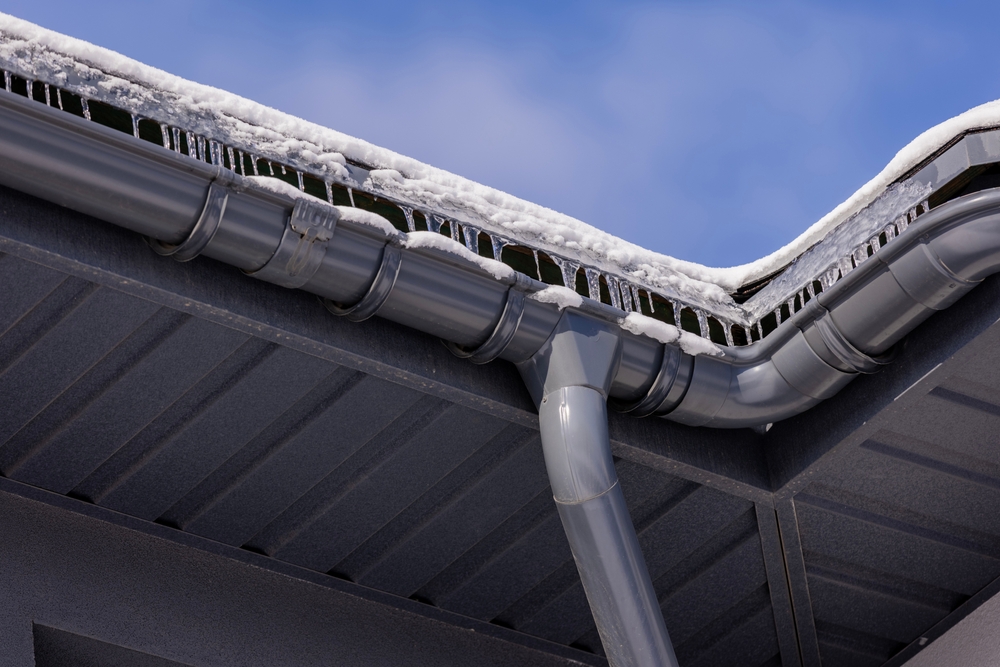
Your home’s gutter system is one of its most critical lines of defense against the elements. While you might only think about them during a heavy downpour, their role becomes even more vital during the winter months. In Columbia, South Carolina, where winter can bring a mix of rain, freezing temperatures, and occasional snow or ice, a poorly maintained gutter system can lead to significant and costly ice and water damage. Understanding how your gutters work to protect your home and what happens when they fail is the first step toward safeguarding your most valuable asset. Properly functioning gutters collect rainwater and melted snow from your roof and channel it safely away from your home’s foundation, siding, and landscaping. When winter arrives, this function is put to the test. If gutters are clogged with leaves, twigs, and other debris, they can’t drain effectively. Water backs up, and when temperatures drop below freezing, that trapped water turns to ice. This is where the real trouble begins, leading to ice dams, roof leaks, foundation damage, and a host of other problems that can compromise your home’s structural integrity. At Cola City Roofing, we’ve seen firsthand the destructive power of ice and water damage caused by neglected gutters. We believe that prevention is always the best strategy. This comprehensive guide will explore the risks associated with winter weather, the crucial role of proper gutters in preventing damage, and the steps you can take to ensure your home is protected year-round. From routine maintenance to professional gutter installation services, we’ll cover everything you need to know to keep your home safe and dry, no matter what winter throws your way. The Science of Ice Dams: How Winter Clogs Become Catastrophes To appreciate the importance of your gutters, you first need to understand one of winter’s most destructive phenomena: the ice dam. An ice dam is a ridge of ice that forms at the edge of a roof, preventing melting snow and water from draining off. This trapped water can then back up under your shingles, leading to leaks and significant damage to your roof, attic, insulation, and interior walls. How Do Ice Dams Form? Ice dams are the result of a specific temperature imbalance on your roof’s surface. This typically happens after a snowfall, when the temperature in your attic is above freezing, while the outside air temperature is below freezing. Here’s the step-by-step process: Heat Loss from the Home: Warm air from your living spaces rises into the attic. If the attic is poorly insulated or ventilated, this heat warms the underside of the roof deck. Snow Melts on the Upper Roof: The snow on the upper, warmer sections of your roof begins to melt. The resulting water flows down the roofline, underneath the blanket of snow. Water Reaches the Cold Eaves: As the water reaches the colder eaves and gutters (the edges of the roof that extend beyond the house walls), it refreezes. The eaves don’t have the warm attic underneath them, so they remain at the outside ambient temperature. A Ridge of Ice Forms: This refrozen water gradually builds up, creating a literal “dam” of ice along the edge of the roof and inside the gutters. Water Pools Behind the Dam: Subsequent melting snow from the upper roof runs down and gets trapped behind this ice dam. With nowhere to go, a pool of water forms. Water Infiltration: This standing water is the real danger. It can work its way under your roof shingles, through the roof deck, and into your attic. From there, it can soak insulation, rot the wooden structure of your roof, and leak down into your ceilings and walls, causing stains, mold growth, and peeling paint. Clogged gutters are a primary contributor to the formation of ice dams. When gutters are full of frozen leaves and debris, they provide the perfect foundation for ice to build up quickly. The water has no clear path to the downspouts, accelerating the entire damming process. The Ripple Effect of Water Damage The problems caused by ice dams and overflowing gutters don’t stop at a few ceiling stains. The damage can be extensive and expensive to repair. Roof and Structural Damage: Constant exposure to trapped moisture can cause the roof decking and rafters to rot and weaken. This compromises the structural integrity of your roof, potentially leading to sagging or even collapse in extreme cases. The weight of the ice itself can also pull gutters away from the fascia boards, damaging the roof edge. Damaged Insulation: Wet insulation is ineffective. When the insulation in your attic becomes saturated, it loses its R-value, making your home less energy-efficient and increasing your heating bills. Chronically damp insulation is also a breeding ground for mold and mildew. Interior Damage: Water that leaks into your home can destroy drywall, cause paint to peel and bubble, and damage ceilings and walls. It can also ruin personal belongings stored in the attic. Mold and Mildew Growth: Where there’s moisture, there’s a risk of mold. Mold can grow unseen behind walls and in your attic, posing serious health risks to you and your family, especially those with allergies or respiratory conditions. Foundation Issues: When clogged gutters overflow, water pours down directly next to your home’s foundation. During winter, this can lead to a cycle of freezing and thawing in the soil, which exerts pressure on your foundation walls. Over time, this can cause cracks, shifting, and major structural problems. Preventing ice dams and water damage starts with a functional, free-flowing gutter system. Without it, you are leaving your home vulnerable to a chain reaction of destruction that is far more costly to fix than a simple gutter repair or cleaning. The First Line of Defense: Proper Gutter Installation and Sizing A gutter system is more than just a trough along your roofline; it’s an engineered system designed to handle a specific volume of water based on your roof’s size and pitch. If your gutters are improperly installed,
Winter Gutter Issues Homeowners Should Watch For

Winter is a beautiful season. There is something magical about waking up to a fresh blanket of snow covering the lawn or seeing icicles glisten in the morning sun. However, for a homeowner, that winter wonderland often comes with a hidden price tag. While you are cozy inside with a warm cup of coffee, the exterior of your home—specifically your roof and gutter system—is fighting a battle against the elements. Your gutters are the unsung heroes of your home’s defense system. During the spring and summer, their job is straightforward: catch the rain and move it away. But in the winter, the stakes are higher. The combination of freezing temperatures, snow accumulation, and fluctuating weather patterns creates a unique set of challenges that can cause significant damage if left unchecked. In this comprehensive guide, we will explore the critical winter gutter issues every homeowner needs to watch for. From the science behind ice dams to the dangers of frozen downspouts, we will provide you with the knowledge and actionable tips you need to keep your home safe, dry, and damage-free this season. The Unique Challenge of Winter Weather Before diving into specific problems, it is important to understand why winter is so tough on your drainage system. Unlike rain, which flows freely, winter precipitation is solid or semi-solid. Snow and ice have weight—a lot of it. A cubic foot of dry snow weighs about six to eight pounds, but wet, heavy snow can weigh up to 20 pounds per cubic foot. Ice is even heavier, weighing nearly 60 pounds per cubic foot. Your gutters are attached to the fascia board of your home with hangers or spikes. They are designed to hold water, not hundreds of pounds of frozen solid mass. When you combine this immense weight with the expansion that happens when water freezes, you have a recipe for structural failure. Understanding these mechanics is the first step in prevention. Let’s look at the specific issues that arise when the temperature drops. 1. The Ice Dam Nightmare If there is one term that strikes fear into the heart of a knowledgeable homeowner, it is “ice dam.” You have likely seen them—thick ridges of solid ice that form along the eaves of a roof, often with long, menacing icicles hanging down. While they might look picturesque on a holiday card, in reality, they are a destructive force. What Causes an Ice Dam? Ice dams are caused by a heat imbalance in your home. Here is the typical cycle: Heat Loss: Heat from your living space escapes into your attic due to poor insulation or ventilation. Snow Melt: This escaping heat warms the roof deck, melting the snow on the upper parts of the roof. Refreezing: The melted water runs down the roof under the blanket of snow. When it reaches the eaves (the edge of the roof that overhangs the walls), the surface is cold because there is no heat source underneath it. Dam Formation: The water freezes on the cold eaves, forming a rim of ice. As more snow melts and runs down, it hits this rim, backs up, and freezes, making the dam larger and larger. Why Are They Dangerous? The problem isn’t just the ice itself; it is the water trapped behind it. Once the dam is high enough, it creates a pool of liquid water on your roof. Roof shingles are designed to shed water flowing down, not to hold standing water. This pooled water backs up under the shingles. Once beneath the roof covering, it leaks into the attic, soaking insulation, rotting roof decking, and eventually dripping through your ceiling and down your interior walls. The damage can cost thousands of dollars to repair and can lead to dangerous mold growth. Preventing ice dams often requires a two-pronged approach: improving attic insulation/ventilation and ensuring your gutters are clear to allow any initial meltwater to escape before it freezes. If you suspect your gutters have been compromised by ice dams in the past, scheduling a professional inspection with our gutter repair services is a wise first step. 2. Frozen Downspouts While ice dams happen on the roof edge, another common issue occurs inside the vertical pipes that carry water to the ground. Frozen downspouts are essentially clogged arteries for your home. The Mechanics of the Freeze During a winter day, the sun might melt some snow on your roof, or you might get a mix of rain and sleet. This water enters the gutter and heads for the downspout. However, if the temperature drops rapidly at night, or if there is debris inside the downspout slowing the flow, that water can freeze solid inside the pipe. Once a blockage forms, any subsequent water that enters the gutter has nowhere to go. It fills the gutter trough and freezes, adding immense weight to the system. The Consequences Burst Pipes: Water expands by approximately 9% when it freezes. In a confined space like an aluminum downspout, this expansion can split the seam of the pipe, rendering it useless. Overflow: Since the water cannot go down, it goes over. This leads to the formation of icicles along the gutter length and dangerous ice patches on sidewalks and driveways below. Foundation Issues: If the downspout splits, water will leak out right next to the foundation when the thaw finally comes, leading to the exact basement flooding issues gutters are meant to prevent. 3. Structural Damage from Heavy Loads We touched on the weight of ice and snow earlier, but it bears repeating. Your gutters are not shelves. They are lightweight channels meant for liquid. When gutters fill with ice—either from an ice dam or a frozen blockage—the weight can be staggering. A 20-foot run of gutter filled with ice can weigh hundreds of pounds. Pulling Away from the Fascia The most common failure mode is the gutter pulling away from the house. The fasteners (hangers or spikes) simply cannot support the load. As the gutter sags or pulls loose:
How Gutters Protect Landscaping and Driveways
When most homeowners think about gutters, they look up. They think about the roof, the fascia boards, and maybe the siding. It makes sense; the primary job of a gutter system is to capture rainwater shedding off the roof. However, the most destructive consequences of a failed gutter system often happen down below—right under your feet. Your landscaping and your driveway are two of the most expensive exterior features of your home. You invest weekends planting flowers, mulching beds, and manicuring the lawn. You rely on your driveway for safe, everyday access. Yet, without a functioning gutter system, a single heavy storm can undo thousands of dollars in landscaping work and slowly destroy the concrete or asphalt of your driveway. In this in-depth guide, we will look down instead of up. We will explore the critical relationship between your roof’s drainage system and the ground surrounding your home. From preventing soil erosion to stopping concrete from cracking, we will cover how gutters act as the silent guardians of your property’s curb appeal and structural integrity. The destructive Power of Uncontrolled Water To understand why gutters are necessary for ground-level protection, you have to respect the power of water. Water is heavy, persistent, and incredibly abrasive. When rain falls on your roof, it gathers speed and volume. Without gutters to intercept it, that water sheets off the edge of the roof, crashing down to the ground with significant force. Imagine a pressure washer aimed at the same spot in your garden for an hour. That is essentially what happens during a heavy downpour without gutters. This concentrated “drip line” creates a trench around your home, splashing mud onto your siding and digging into the earth. But the damage goes far deeper than just a muddy mess. The Physics of Erosion Soil erosion is the process by which topsoil is worn away by water or wind. In a residential setting, roof runoff is the number one cause of accelerated erosion. When water hits the ground from a height of 10 or 20 feet, it displaces soil particles. Once displaced, these particles are carried away by the flowing water. This process strips your yard of the nutrient-rich topsoil your plants need to survive. It exposes tree roots, destabilizes stone walkways, and creates unsightly ruts in your lawn. Properly installed gutters interrupt this physics experiment by catching the water before it falls and guiding it gently to a designated drainage point. How Gutters Save Your Landscaping Your garden is an ecosystem. It requires a delicate balance of water, sunlight, and nutrients. Uncontrolled roof runoff disrupts this balance violently. Here is how a quality gutter system protects your green investment. 1. Preventing “Trenching” and Soil Displacement The most immediate sign of gutter failure is a trench line directly beneath the eaves of the roof. If you walk around a house with no gutters (or clogged ones), you will often see a divot in the ground that mirrors the roofline. This trenching destroys flower beds. If you have planted delicate perennials, shrubs, or ground cover near the foundation, the force of the falling water can: Expose Roots: Roots need soil for stability and nutrient absorption. When soil washes away, roots dry out and the plant dies. Uproot Plants: Smaller plants can be completely washed out of the ground during a severe storm. Wash Away Mulch: Mulch is expensive. Without gutters, a heavy rain will lift your mulch and float it into the yard or driveway, leaving your beds bare and your money wasted. By channeling water to downspouts, gutters preserve the soil structure and keep your mulch where it belongs. 2. Protecting Plants from Drowning While some plants love water, very few love to be submerged. When roof runoff is allowed to pool around the foundation, it creates boggy, saturated soil conditions. Most residential plants—like hydrangeas, roses, and boxwoods—suffer from “wet feet” if the soil doesn’t drain. This over-saturation leads to root rot, a fungal condition that kills the roots and eventually the entire plant. Signs of over-watering include yellowing leaves, wilted stems (even when the soil is wet), and stunted growth. A functional gutter system, perhaps paired with gutter installation services to ensure proper capacity, directs this excess water away from your planting beds, ensuring your garden gets hydrated, not drowned. 3. preventing Fungal Diseases Gardens are susceptible to fungus and mold, especially in humid climates. Many of these diseases are spread through splashing water. When rain hits the dirt violently, it splashes soil particles up onto the leaves of your plants. Soil-borne pathogens (like blight on tomatoes or black spot on roses) rely on this splash mechanism to infect the foliage. By catching the rain at the roof edge, gutters eliminate the splash zone, keeping the foliage cleaner and significantly reducing the risk of disease transmission. 4. Preserving Hardscaping Landscaping isn’t just about plants; it’s also about hardscaping—retaining walls, stone pathways, and decorative edging. Retaining Walls: Water is the enemy of retaining walls. When soil behind a wall becomes saturated with roof runoff, it becomes heavier (hydrostatic pressure). This added weight pushes against the wall, causing it to lean, crack, or collapse. Pavers and Walkways: Excess water washing over stone pavers can erode the sand base beneath them. Over time, this causes the pavers to sink, shift, and become uneven, creating a tripping hazard and ruining the aesthetic of your walkway. The Concrete Connection: Gutters and Your Driveway Your driveway is likely the largest hard surface on your property. Whether it is poured concrete or asphalt, it relies on a stable sub-base to remain flat and crack-free. Water is the primary destabilizer of this sub-base. 1. Understanding Sub-Base Erosion Concrete is strong, but it is brittle. It cannot bridge a gap if the ground beneath it disappears. The gravel or dirt layer under your driveway is designed to support the weight of your vehicles. If your downspouts discharge water right next to the driveway, or if overflowing gutters dump water along the driveway’s
Why Overflowing Gutters Are a Bigger Problem Than You Think
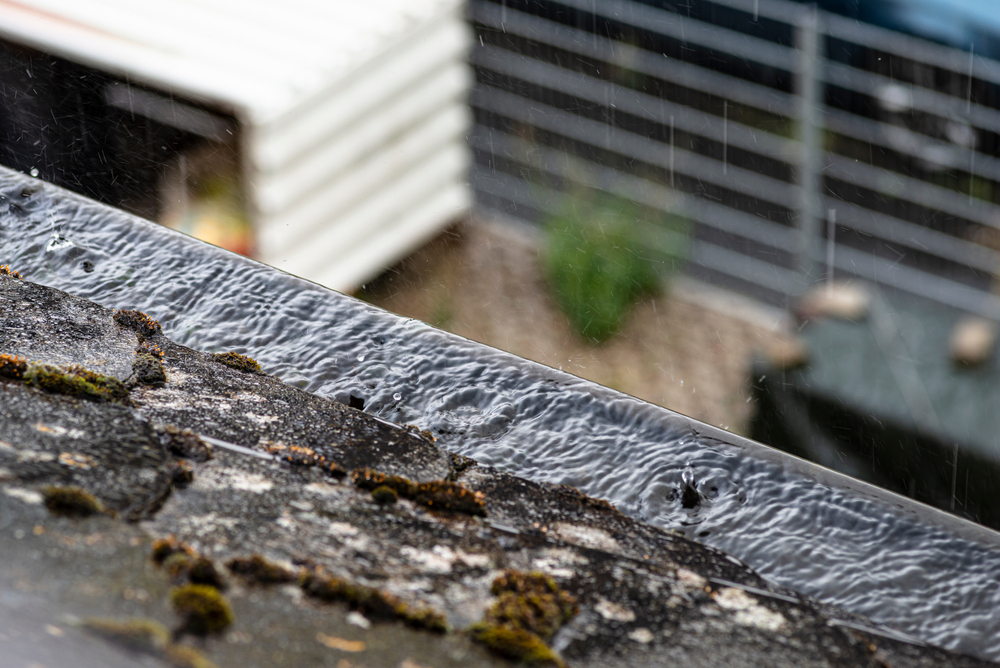
It starts as a trickle. A heavy rainstorm rolls in, and you notice water spilling over the edge of your roofline instead of traveling neatly down the spout. Maybe you think, “I’ll clean those out next weekend.” But next weekend comes and goes, and the water keeps pouring over. It seems like a minor annoyance—a bit of splashing, perhaps a puddle near the porch. However, overflowing gutters are often the first sign of a much larger, more expensive problem brewing silently around your home. What looks like a simple clog can quickly escalate into foundation issues, roof rot, basement flooding, and landscape erosion. Your gutter system is the unsung hero of your home’s exterior defense, designed to channel thousands of gallons of water safely away from your property. When it fails, that water has to go somewhere—and it usually goes exactly where you don’t want it. Professional gutter services in South Carolina are designed to prevent this exact kind of water mismanagement before it leads to structural damage. In this comprehensive guide, we will explore why overflowing gutters are a critical issue you cannot afford to ignore. We will break down the hidden dangers, the science of water damage, and the actionable steps you can take to protect your biggest investment. The Mechanics of a Gutter Failure To understand the problem, you must first understand the purpose. Your roof collects a massive amount of water during a storm. A one-inch rainfall on a typical 2,000-square-foot roof yields roughly 1,250 gallons of water. That is a significant volume of liquid that needs to be transported from the top of your house to a safe drainage area. When gutters are clogged with leaves, pine needles, twigs, and sediment, that water hits a dam. It fills the trough and spills over the front and back edges. This isn’t just “extra water.” It is concentrated water. Instead of rain falling evenly across your yard, you have a waterfall crashing down in a straight line along your home’s perimeter. Common Causes of Overflowing Before we dive into the damage, let’s identify why this happens: Debris Accumulation: The most obvious culprit. Leaves and organic matter create dams. Improper Pitch: Gutters must be angled slightly toward the downspout. Even a small installation error can prevent proper drainage. If they sag or were installed flat, water pools and eventually spills over. Insufficient Size: Some homes have gutters that are too narrow (typically 5-inch) to handle the volume of water coming off a steep or large roof during a heavy downpour. Clogged Downspouts: Sometimes the gutter trough is clear, but the clog is hidden inside the vertical pipe, backing water up to the roofline. The Cascade Effect: How Water damages Your Home The reason overflowing gutters are “bigger than you think” is because the damage is rarely immediate. It is cumulative. What starts as a minor overflow can escalate into hidden structural deterioration most homeowners never see coming. It happens slowly, often out of sight, until a structural failure forces you to pay attention. 1. Foundation Destabilization This is the most severe and expensive consequence of neglected gutters. Your home’s foundation relies on the surrounding soil being relatively stable. When gutters overflow, water dumps directly next to the foundation wall. Hydrostatic Pressure: As the soil saturates, it expands and pushes against your basement or crawlspace walls. This pressure can crack concrete and masonry. Settling and Shifting: Over time, the water can wash away the soil supporting the footing of the house. This erosion causes the foundation to settle unevenly, leading to cracked drywall inside the house, doors that won’t close, and uneven floors. Basement Flooding: Cracks in the foundation are an open invitation for water. Once the water table rises around your home due to overflow, it will seep into your basement, ruining finished areas and promoting mold growth. Investing in gutter repair services is significantly cheaper than excavating a foundation to repair structural cracks. 2. Roof and Fascia Rot We often think of gutters protecting the ground, but they also protect the roof edge. When gutters fill with water and debris, they become extremely heavy. This weight pulls on the fascia board (the board the gutter is attached to). Furthermore, when water overflows, it doesn’t just go over the front; it often wicks backward. This phenomenon, known as capillary action, pulls water up under the roof shingles and behind the fascia. Rotting Fascia: Continuous exposure to trapped moisture causes the wooden fascia boards to rot. Since these boards hold your gutters up, the rot eventually leads to gutters falling off the house entirely. Soffit Damage: The water can travel into the soffit (the underside of the roof overhang), leading to rot and creating entry points for pests like squirrels and birds. Roof Decking Decay: If water backs up under the shingles, the plywood decking of your roof can begin to rot, compromising the structural integrity of the roof edge. 3. Siding and Exterior Wall Damage Water cascading over the side of a gutter splashes dirty, debris-filled water onto your siding. Over time, this constant moisture can cause serious aesthetic and structural issues. Staining: Wood, vinyl, and brick siding can develop unsightly stains from splashing mud and organic decay. Paint Damage: For painted wood homes, excess moisture causes peeling and bubbling paint. Structural Rot: If there are any gaps in your siding or around windows, that waterfall can find its way behind the cladding. Once water gets behind siding, it becomes trapped, rotting the wall sheathing and framing studs unseen. 4. Landscape Erosion You spend time and money making your yard look beautiful. Overflowing gutters can ruin that investment in a single storm. The force of falling water acts like a pressure washer on your flower beds. Soil Displacement: The concentrated stream washes away mulch and topsoil, exposing plant roots and killing expensive shrubbery. Trenches: Over time, the dripping water cuts deep trenches into the ground around your home’s perimeter, which can be a tripping hazard and an
How Gutters Help Prevent Mold and Mildew Growth

Mold and mildew are four-letter words for any homeowner. These unwelcome fungal growths not only create unsightly stains and musty odors but can also pose significant health risks and cause serious structural damage to your home. While you might associate mold growth with damp basements or leaky pipes, one of the most critical factors in preventing it is located on the exterior of your house: your gutter system. A properly functioning gutter system is your home’s primary defense against the pervasive moisture that allows mold and mildew to thrive. Many homeowners in Columbia, SC, underestimate the direct link between their gutters and the potential for a mold problem. When gutters become clogged or damaged, they fail to do their one essential job—channeling rainwater safely away from your home. This failure creates the perfect storm of moisture, leading to water infiltration in your walls, attic, and foundation. Understanding this connection is the first step toward proactive prevention. At Cola City Roofing, we’ve seen firsthand how neglected gutters can lead to thousands of dollars in mold remediation and structural repairs. This guide will explore exactly how a well-maintained gutter system acts as a shield against mold and mildew, explain the warning signs of a failing system, and outline the steps you can take to protect your home and family. The Hidden Dangers of Mold and Mildew in Your Home Before we delve into the role of gutters, it’s crucial to understand why preventing mold and mildew is so important. These fungi are more than just a cosmetic issue. Health Risks Associated with Mold Exposure Mold releases microscopic spores into the air that can be inhaled, leading to a variety of health problems, especially for sensitive individuals. Common symptoms of mold exposure include: Persistent coughing, wheezing, and shortness of breath Nasal and sinus congestion Eye irritation (burning, watery, or red eyes) Skin rashes or irritation Sore throat Asthma attacks in people with asthma Severe reactions in people with compromised immune systems Mildew, a specific type of mold, typically causes similar but less severe reactions. However, prolonged exposure to either can have long-term consequences on your family’s respiratory health. Structural Damage Caused by Unchecked Moisture Mold’s primary function in nature is to decompose organic material. When it grows in your home, it feeds on materials like wood, drywall, and insulation. Over time, this can lead to: Wood Rot: Mold and the moisture that supports it can cause structural timbers in your walls, attic, and floor joists to rot and weaken, compromising your home’s integrity. Drywall Degradation: Waterlogged drywall becomes soft and crumbly, eventually needing to be cut out and replaced. Damaged Insulation: Wet insulation loses its effectiveness and becomes a breeding ground for more mold, requiring complete removal. The cost of mold remediation and repairing the associated structural damage can be astronomical. Prevention is always the more affordable and safer path. How Faulty Gutters Create a Haven for Mold Your gutter system is designed to be an efficient water management tool. When it fails, water goes where it shouldn’t, creating the damp conditions mold needs to flourish. Here’s a breakdown of how clogged or broken gutters contribute to mold growth in different areas of your home. 1. The Foundation and Crawlspace Connection The Problem: When gutters are clogged with leaves, pine needles, and other debris, rainwater has nowhere to go but over the edge. It then cascades down the side of your house and pools around the foundation. The Result: This constant saturation can seep into your basement or crawlspace through cracks in the foundation walls. A damp, dark crawlspace or basement is the ideal incubator for mold and mildew. The spores can then travel up through floorboards and ventilation systems, spreading throughout your entire home. The musty smell often associated with basements is frequently a sign of mildew or mold growth fueled by poor exterior drainage. 2. Siding, Walls, and Window Frames The Problem: Overflowing gutters cause water to run directly down your home’s siding. This water can easily get behind the siding, especially if there are any small gaps or cracks. The Result: Once trapped behind the siding, the moisture saturates the wall sheathing and insulation. This hidden moisture creates a perfect environment for black mold to grow within your walls, often going undetected for months or even years. You might eventually notice peeling paint, warped siding, or stains on your interior walls, but by then, the mold problem is likely extensive. Water can also seep into and around window and door frames, causing wood to rot and providing another entry point for mold. 3. The Roof, Attic, and Ceiling The Problem: A clog can also cause water to back up onto the roof itself. This condition, known as “ice damming” in the winter, can happen with heavy rain in any season. Water pools along the roofline, unable to drain properly. The Result: The standing water can work its way under your shingles and penetrate the roof decking. From there, it drips into your attic, soaking the insulation and wooden rafters. An attic with a mold problem can go unnoticed until you see discoloration or stains appearing on the ceiling of the rooms below. By that point, you are likely dealing with rotted roof decking, compromised attic insulation, and a widespread mold infestation that requires professional remediation. A Proactive Defense: Gutter Maintenance for Mold Prevention Now that the connection between gutters and mold is clear, the solution becomes equally apparent: proactive gutter maintenance. A clean and functional gutter system is one of the most effective tools you have for mold prevention. The Importance of Regular Gutter Cleaning At a minimum, homeowners in the Columbia, SC area should have their gutters cleaned twice a year—once in the late spring after trees have dropped their pollen and seeds, and again in the late fall after the leaves have fallen. Spring Cleaning: Removes winter debris and prepares your system for heavy spring and summer rains. Fall Cleaning: Clears out fallen leaves to prevent clogs
Spring Gutter Maintenance Checklist for Homeowners
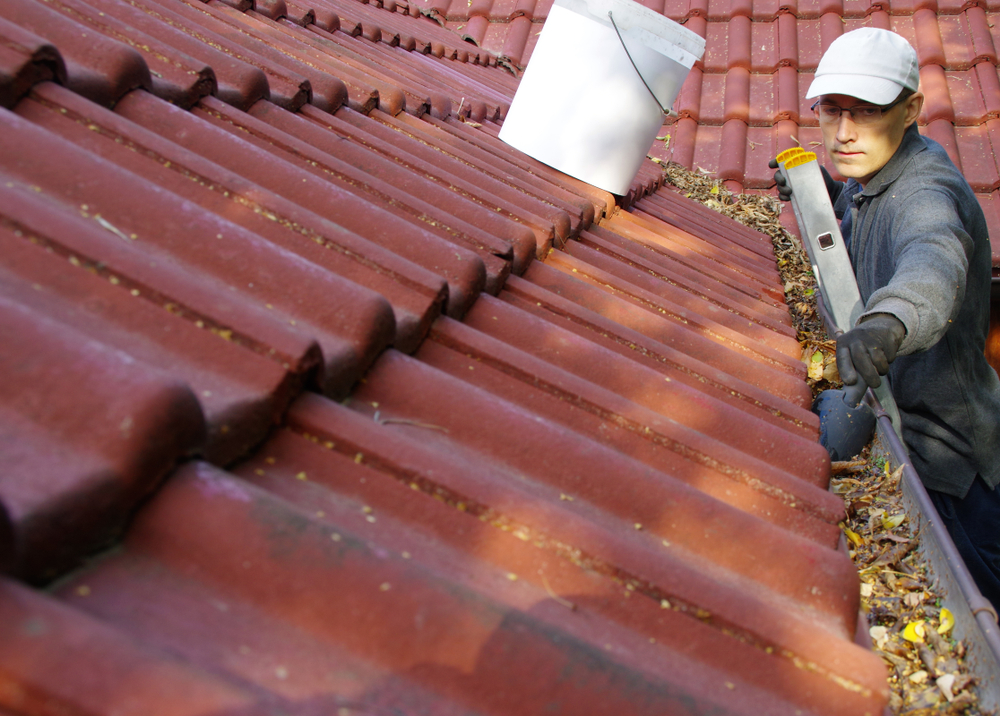
As winter recedes and the vibrant colors of spring begin to emerge in Columbia, SC, homeowners have a list of tasks to prepare their property for the new season. Spring cleaning should always include seasonal gutter maintenance to prepare for Columbia’s heavy rains. While landscaping and spring cleaning often top the list, there’s one crucial part of your home’s exterior that demands immediate attention: your gutter system. After months of harsh weather, ice, and debris accumulation, your gutters are likely in need of a thorough inspection and cleaning. Neglecting this essential task can lead to significant water damage, affecting everything from your roof and foundation to your home’s interior. This comprehensive guide provides a detailed spring gutter maintenance checklist to help you protect your investment and ensure your home is ready for the seasonal rain. Properly functioning gutters are your home’s first line of defense against water damage. That’s why dependable gutter services in South Carolina emphasize seasonal inspections before heavy spring rainfall begins. They collect rainwater from your roof and channel it safely away from your foundation. When they become clogged or damaged, this system fails. Water can overflow, seep behind siding, pool around the foundation, and even back up onto the roof, leading to costly repairs. For homeowners in the Columbia area, the heavy spring showers make this maintenance even more critical. At Cola City Roofing, we understand the importance of a well-maintained gutter system. This checklist will walk you through the steps for a successful spring cleanup, from initial inspection to final testing, and explain when it’s time to call in the professionals. Why Spring Gutter Maintenance is Non-Negotiable Before diving into the checklist, it’s important to understand why this seasonal task is so vital. The transition from winter to spring brings a unique set of challenges for your gutter system. Preventing Water Damage to Your Foundation Winter can leave behind a packed mixture of leaves, twigs, dirt, and other debris. When spring rains arrive, this blockage acts like a dam, causing water to spill over the sides of the gutters. Instead of being directed away from your home, this water pours down and collects around your foundation. Over time, this constant saturation can lead to cracks in the foundation, basement flooding, and costly structural issues. A clean gutter system is essential for proper water diversion and foundation protection. Protecting Your Roof and Fascia Clogged gutters don’t just spill over; they can also cause water to pool along the edge of your roof. This standing water can seep under your shingles, leading to roof leaks, wood rot in the roof decking, and damage to the fascia boards that hold your gutters in place. The weight of waterlogged debris alone can cause gutters to pull away from the house, damaging the fascia and soffit. Regular spring cleaning removes this weight and ensures water flows freely, preserving the integrity of your roof structure. Avoiding Pest Infestations Gutters filled with damp, decomposing leaves and standing water create an ideal breeding ground for pests. Mosquitoes, which can carry diseases, lay their eggs in stagnant water. Clogged gutters also attract ants, termites, and even birds or rodents looking for a place to nest. By cleaning your gutters in the spring, you eliminate this attractive environment, helping to keep unwanted pests away from your home. Extending the Lifespan of Your Gutters Like any part of your home, gutters require regular maintenance to last. The constant weight of debris and trapped water can cause gutters to sag, bend, or pull away from the house. In colder climates, trapped water can freeze and expand, causing seams to split and brackets to break. A thorough spring cleaning and inspection can identify these issues early, allowing for simple repairs that prevent the need for a full, expensive replacement. If you do find that your system is beyond a simple fix, considering professional Gutter Installation Services is the next logical step. The Ultimate Spring Gutter Maintenance Checklist Follow these steps to ensure your gutters are in top condition for the months ahead. Remember, safety should always be your top priority. If you are not comfortable working on a ladder or if your home is more than one story, it is always best to hire a professional. 1. Gather Your Safety Gear and Tools Safety first. Before you even touch the ladder, make sure you have the right equipment to protect yourself. Sturdy Ladder: Use a reliable, four-legged stepladder for single-story homes or a heavy-duty extension ladder for two-story homes. Ensure it is placed on firm, level ground. Having a spotter is always recommended. Ladder Stabilizer: For extension ladders, a stabilizer attachment prevents the ladder from resting directly on and potentially damaging your gutters. Thick Gloves: Waterproof work gloves will protect your hands from sharp objects, bacteria in decaying debris, and rough gutter edges. Eye Protection: Safety glasses or goggles are essential to shield your eyes from flying debris and water spray. Gutter Scoop or Trowel: A plastic gutter scoop is designed to fit inside the gutter channel, making it easy to remove debris. A small garden trowel can also work. Bucket and Hook: Use a bucket to collect the debris. An S-hook can be used to hang the bucket from your ladder, freeing up your hands. Garden Hose with Spray Nozzle: A hose with an adjustable, high-pressure nozzle is necessary for flushing the gutters and downspouts after clearing the bulk of the debris. 2. Inspect Your Gutters and Downspouts from the Ground Before climbing the ladder, do a preliminary visual inspection from the ground. Walk the perimeter of your home and look for: Visible Blockages: Are there leaves, twigs, or other debris sticking out of the gutters? Do you see signs of plant growth? Sagging or Pulling: Look for sections of the gutter that are sagging or pulling away from the fascia board. This indicates the hangers may be loose or broken, or that the gutter is weighed down by debris. Leaks or Drips: Check for water
How Gutters Protect Your Home During Storm Season
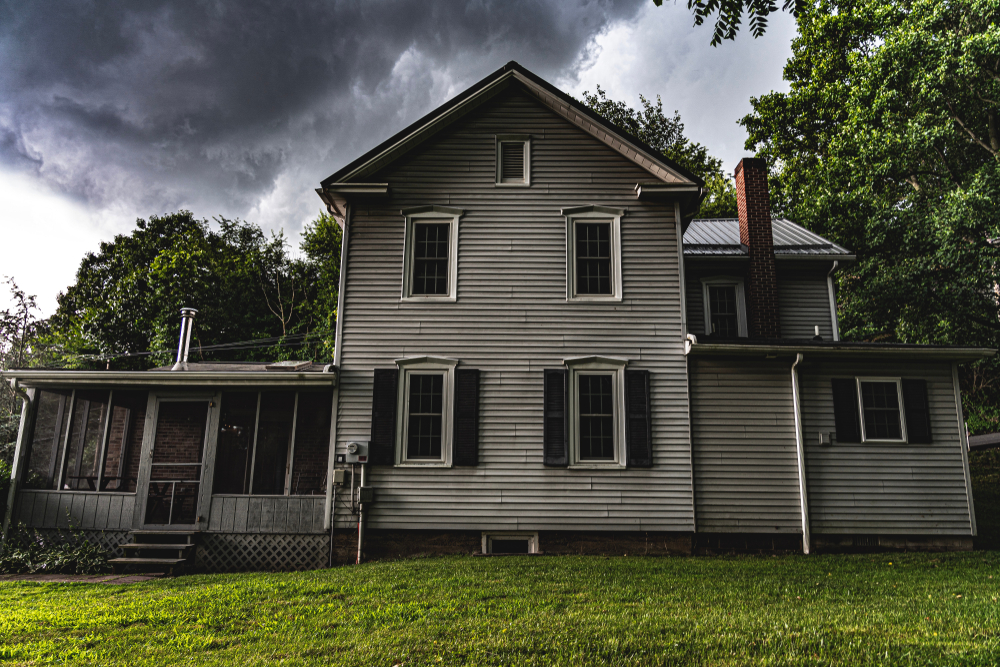
Storm season in South Carolina is a force to be reckoned with. From the sudden, violent thunderstorms of summer to the lingering, soaking rains of tropical systems in the fall, homeowners in Columbia are constantly battling the elements. While we often focus on the integrity of our shingles or the strength of our windows, there is a silent guardian working tirelessly to keep our homes safe: the gutter system. It is easy to overlook these metal troughs lining your roof. They are not the most glamorous part of your home’s exterior, and unless something goes wrong, they rarely demand attention. However, when the sky turns dark and the rain begins to fall in sheets, your gutters become the most critical component of your home’s defense system. Understanding how gutters protect your home during storm season is essential for every homeowner. It is not just about moving water; it is about preserving the structural integrity of your property, preventing costly erosion, and stopping mold before it starts. This comprehensive guide will explore the vital role gutters play, the specific threats posed by Columbia’s storm season, and why professional maintenance is your best insurance policy against water damage. The Anatomy of a Storm Defense System To appreciate how gutters protect your home, we must first look at what happens during a storm without them. Imagine a heavy downpour hitting your roof. A 2,000-square-foot roof can collect over 1,200 gallons of water during a storm that drops just one inch of rain. Without gutters, that water cascades off the edge of the roof in a sheet. This “waterfall effect” is destructive. It hits the ground with significant force, digging trenches in your landscaping and splashing mud and water back onto your siding. More critically, it pools directly around your foundation. Your gutter system is designed to interrupt this chaotic flow. It captures the runoff, channels it horizontally to the corners of your house, and directs it down vertical pipes (downspouts) to be released safely away from the structure. It transforms a destructive deluge into a managed flow. 1. Shielding the Foundation The foundation is the bedrock of your home. Whether you have a slab, a crawlspace, or a basement, water is its enemy. When storm water is allowed to pool around the perimeter of your house, it saturates the soil. Hydrostatic Pressure: Wet soil is heavy. As it expands, it pushes against your foundation walls. This force, known as hydrostatic pressure, can crack concrete and push block walls inward. Settling: Conversely, when the soil dries out after being saturated, it shrinks. This cycle of swelling and shrinking causes the foundation to settle unevenly, leading to cracks in your drywall, sticking doors, and uneven floors. By diverting water away, gutters keep the moisture levels in the soil around your home stable, preventing this structural damage. 2. Preventing Basement Flooding For homes with basements or crawlspaces, storm season gutter protection is the difference between a dry storage area and a swimming pool. Water follows the path of least resistance. If it pools against your foundation, it will find its way through microscopic cracks and porous concrete. Effective gutters ensure that the water never gets the chance to accumulate against your below-grade walls. 3. Protecting Siding and Masonry Water falling from a roof without gutters splashes dirt, mulch, and debris onto the lower sections of your exterior walls. Over time, this constant dampness rots wood siding, corrodes aluminum, and creates unsightly stains on vinyl and brick. Furthermore, water running down the face of a wall can find its way behind the cladding. Once moisture gets behind siding, it creates a perfect environment for rot and mold that can eat away at the sheathing and framing of your house unseen. The Specific Threats of Columbia SC Storm Damage Living in the Midlands means dealing with specific weather patterns that test the limits of your home. Columbia SC storm damage often comes in forms that make functional gutters non-negotiable. High-Volume Rainfall Our summer thunderstorms are intense. It is not uncommon to see an inch or more of rain fall in under an hour. This rapid influx of water requires a gutter system that is not only clear but also properly sized. Standard gutters can be overwhelmed by this volume if they are clogged or pitched incorrectly, leading to overflow that mimics having no gutters at all. Wind-Driven Debris Storms in our area often bring high winds. These winds strip leaves, pine needles, and small branches from trees, depositing them directly onto your roof and into your gutters. A gutter system that was clear in the morning can be completely blocked by the afternoon storm. This debris acts as a dam, trapping water on the roof and causing it to back up under the shingles. Tropical Systems When tropical storms or hurricane remnants move inland, they bring prolonged periods of rain. A gutter system might handle a 30-minute thunderstorm fine, but can it handle 12 hours of continuous rain? Weak spots, small leaks, and minor clogs become major failure points during these long-duration events. If you suspect your home has weathered a storm poorly, our storm damage consultation services can help assess the integrity of your roof and gutter system. How Gutters Prevent Roof Leaks It seems counterintuitive—gutters are at the edge of the roof, so how do they affect the roof itself? The answer lies in the backup. When gutters are clogged with storm debris, water fills the trough and has nowhere to go. If the water level rises higher than the front edge of the gutter, it spills over. But if the back of the gutter (the side against the house) is lower or if the water wicks backward, it touches the roof edge. Fascia Rot The board that your gutters are attached to is called the fascia. If gutters overflow backward, water runs behind the gutter and over the fascia. Over time, this wood rots. Since the fascia holds the gutters up, rotting wood leads
Preparing Your Gutters for Heavy Rainfall

When the skies darken and thunder begins to rumble in the distance, the last thing on most homeowners’ minds is the state of their gutter system. We tend to focus on closing windows, bringing in patio furniture, and perhaps checking the emergency flashlight. Yet, as the first drops of a torrential downpour hit your roof, your gutters become the most critical line of defense for your home. In Columbia, SC, we are no strangers to sudden, intense storms. Heavy rainfall can dump inches of water on your property in a matter of hours. Without a properly functioning drainage system, that water has nowhere to go but where it shouldn’t—into your foundation, behind your siding, or through your roof. Preparing your gutters for heavy rainfall isn’t just about cleaning out a few leaves; it’s about safeguarding the structural integrity of your biggest investment. This comprehensive guide will walk you through why preparation matters, the subtle signs of failure to look for, and actionable steps to ensure your home stands strong against the storm. The Critical Role of Gutters During Storms To understand why preparation is vital, we must first appreciate the volume of water your roof handles. For every inch of rain that falls on a 1,000-square-foot roof, approximately 600 gallons of water are collected. In a heavy storm dropping two or three inches of rain, your gutters could be tasked with channeling nearly 2,000 gallons of water away from your home. If your gutters are clogged, damaged, or poorly pitched, that massive volume of water becomes a destructive force. It acts like a waterfall, pounding the soil around your home’s perimeter. Protecting the Foundation The primary job of your gutter system is to protect your foundation. When gutters overflow, water pools around the base of your house. This saturation causes the soil to expand and contract, putting immense pressure on your foundation walls. Over time, this leads to cracks, shifting, and potentially catastrophic structural failure. Proper heavy rainfall preparation ensures that water is deposited safely away from these vulnerable areas. Preserving Siding and Masonry Water cascading over the edge of a gutter doesn’t just hit the ground; it often runs down the side of your house. This constant exposure can rot wood siding, erode brick mortar, and leave unsightly stains on vinyl. It also creates a damp environment perfect for mold and mildew growth, which can eat away at your home’s exterior materials. Preventing Basement Flooding If you have a basement or crawlspace, overflow from gutters is a leading cause of flooding. As water pools against the foundation, hydrostatic pressure forces it through even the smallest cracks in your basement walls. Keeping your gutters clear is the first and most effective step in waterproofing your basement. Signs Your Gutters Are Not Ready for Rain Many homeowners assume their gutters are fine because they don’t see trees growing out of them. However, issues often hide in plain sight. Before the next big storm hits, take a walk around your property and look for these warning signs. 1. Sagging or Pulling Away Gutters should be firmly attached to the fascia board. If you notice them sagging in the middle or pulling away from the roofline, the fasteners have likely failed. A sagging gutter cannot maintain the proper slope required to drain water efficiently. During heavy rain, the weight of the water will only worsen the sag, potentially causing the entire section to collapse. 2. Rust and Cracks Metal fatigue is real. If you have older steel or aluminum gutters, look for orange flecks of rust or small cracks. While a tiny hole might seem insignificant, water under pressure will find it and widen it. During a heavy downpour, these small leaks turn into streams that damage your siding. 3. Peeling Paint on Siding Look at the exterior walls of your home, specifically directly beneath the gutter line. Is the paint peeling or bubbling? This is a classic sign that water is overflowing or leaking behind the gutter and running down the wall. This indicates that your gutters are either clogged or misaligned. 4. Pooling Water Near Downspouts Check the ground where your downspouts empty. Is there a divot in the dirt? Is there standing water hours after a light rain? This suggests that the water isn’t being moved far enough away from the house. You may need extensions or splash blocks to improve drainage. 5. Streaks of Tiger Striping “Tiger striping” refers to the vertical dirt lines often seen on the face of gutters. While this is partly cosmetic, heavy striping can indicate that water is constantly overflowing the front lip of the gutter rather than flowing down the drain. If you spot any of these issues, it is time to consider professional help. Our gutter repair services can address these problems before they escalate into major water damage. Step-by-Step Guide to Preparing for Heavy Rain Preparation is the key to peace of mind. Follow these steps to ensure your system is ready for whatever the weather brings. Step 1: The Essential Clean-Out The most obvious step is often the most neglected. Gutter maintenance begins with a thorough cleaning. Safety First: Use a sturdy ladder on stable ground. If you are uncomfortable with heights, hire a professional. Remove Debris: wear gloves and scoop out leaves, twigs, and sediment. Don’t just focus on the big stuff; the sludge at the bottom is what often causes clogs in the downspouts. Flush the System: Once the large debris is gone, use a garden hose to flush the gutters. This reveals leaks and ensures water is flowing correctly toward the downspouts. Step 2: Clear the Downspouts A clean gutter is useless if the downspout is blocked. If water backs up during your hose test, you have a clog. Tap and Listen: Tap the side of the downspout with a screwdriver handle. A dull thud usually indicates a clog, while a hollow ring means it’s clear. Snake it Out: Use a plumber’s snake or a high-pressure
Why Fall Is the Best Time for Gutter Installation
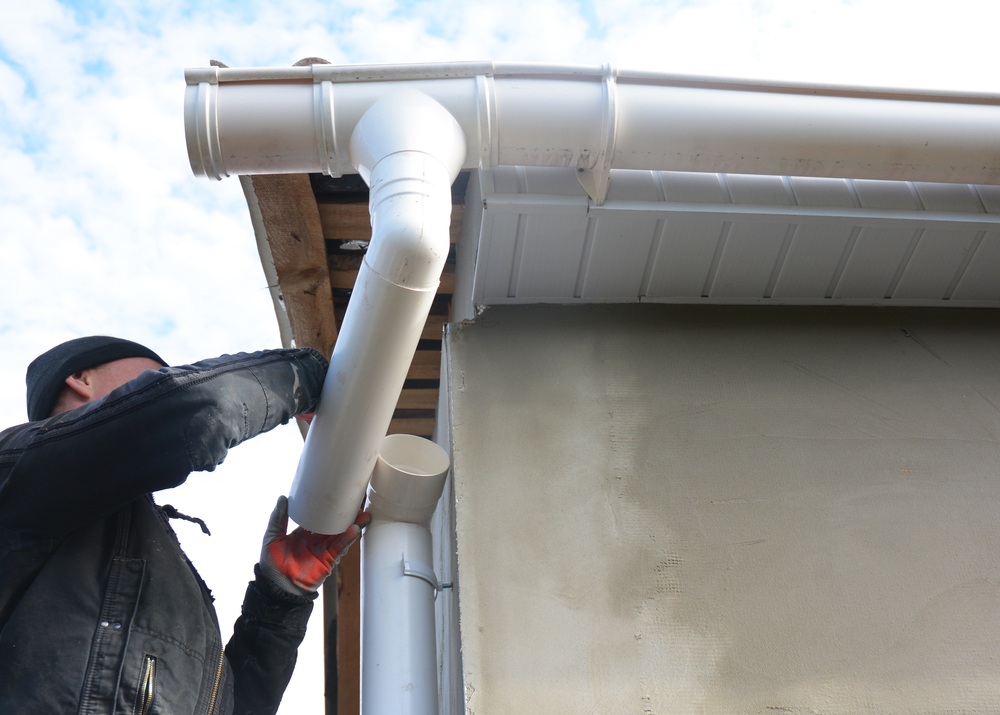
When the air turns crisp and the leaves start to change color, most homeowners’ thoughts drift toward pumpkin patches, cozy sweaters, and preparing for the holiday season. Home maintenance might take a backseat to these seasonal joys, but autumn presents a critical window of opportunity for one specific home improvement project: your gutters. While you might associate gutters with spring cleaning, fall is actually the supreme season for gutter installation. As a homeowner in Columbia, SC, understanding the timing of your home renovations can save you money, stress, and significant structural damage down the road. Your gutter system is the unsung hero of your home’s exterior defense. It silently channels thousands of gallons of water away from your foundation every year. When this system fails—or if you don’t have one at all—the consequences can be dire. So, why is autumn the golden hour for upgrading this crucial system? Let’s dive deep into why scheduling your installation now is the smartest move you can make for your property. The Perfect Weather Window One of the primary reasons fall stands out for exterior home projects is the weather. Summer in South Carolina is notoriously hot and humid, conditions that can make outdoor work grueling and sometimes slower due to necessary safety breaks for crews. Conversely, winter brings unpredictable cold snaps, ice, and shorter daylight hours that can delay project completion. Fall hits the “Goldilocks” zone—not too hot, not too cold. Faster Installation Times The moderate temperatures of autumn allow professional installers to work more efficiently. Without the oppressive heat of July or the biting chill of January, crews can maintain a steady pace, often completing jobs faster than in extreme seasons. This efficiency means less disruption to your daily routine. Better Sealant Curing Technically speaking, the materials used in gutter installation also prefer fall weather. Most gutter systems rely on sealants to ensure corners and end caps are watertight. These sealants often require specific temperature ranges to cure properly. Extreme heat can make some sealants runny or cause them to dry too fast on the surface while remaining wet underneath. Freezing temperatures can prevent curing altogether. Fall temperatures provide the ideal environment for these adhesives to set perfectly, ensuring a leak-free system from day one. Beating the Winter Rush (and Damage) Waiting until winter to address gutter issues is a gamble that rarely pays off. By the time winter storms arrive, it is often too late to prevent damage, and scheduling a reputable contractor becomes significantly harder. Prevent Ice Dams While South Carolina doesn’t see the heavy blizzards of the north, we do experience freezing temperatures and ice storms. When gutters are clogged, sagging, or improperly pitched, water gets trapped. If temperatures drop, this water freezes, creating heavy blocks of ice. This leads to a phenomenon called ice damming. Ice dams prevent melting snow or rain from draining off your roof. instead, the water backs up under your shingles, leading to leaks inside your attic and walls. Installing new, efficient gutters in the fall ensures water flows freely away from your roofline before the first freeze hits. Protecting Your Foundation from Winter Rains Winter in the Southeast can be wet. If your current gutters are leaking or overflowing, that water is dumping directly onto the soil around your foundation. In winter, this soil can freeze and expand, putting immense pressure on your foundation walls. Over time, this freeze-thaw cycle can cause cracks and shifting. A new gutter system installed in the fall guarantees that winter precipitation is diverted safely away from your home’s base. If you suspect your current system isn’t up to the task, explore our gutter installation services to see how a professional upgrade can safeguard your foundation. The “Leaf Drop” Reality Check Autumn is famous for falling leaves, which is exactly why it’s the best time to assess your drainage needs. Identifying Weak Points During the summer, it can be hard to tell if your gutters are truly failing unless there’s a massive storm. However, as leaves begin to fall and accumulate, the flaws in your system become glaringly obvious. Sagging: The weight of wet leaves will pull poorly secured gutters away from the fascia board. Overflow: If your gutters are too small (e.g., standard 5-inch vs. 6-inch), the volume of leaves and autumn rain will cause immediate overflow. Pooling: You might notice water pooling in specific spots, indicating the pitch (slope) of the gutter is incorrect. Installing new gutters in the fall allows professionals to see exactly what the foliage load looks like around your home. They can recommend the right size gutters and potential leaf guards to handle your property’s specific tree coverage. Immediate Protection Against Clutter Old, rough, or corroded gutters tend to snag debris easily. Leaves get caught on rusty spikes or uneven joints, building up dams quickly. New, seamless gutters offer a smooth channel for water and debris to travel through. By installing them in the fall, you are putting your home’s best defense forward right when the “enemy” (falling leaves) is attacking in full force. Cost-Effectiveness and Scheduling Many homeowners assume that waiting is the best way to save money, but procrastination often carries a “hidden tax” in the form of repairs. Avoiding Emergency Premium Pricing If your gutters fail in the middle of a winter storm, causing a leak in your living room, you will need emergency service. Emergency calls often come with premium pricing because crews have to rearrange schedules or work in dangerous conditions. Planning your installation during the fall allows you to get standard pricing and a scheduled appointment that works for you. End-of-Year Budgeting For many, fall is a time to review finances before the end of the year. Investing in your home maintains its value and can sometimes offer tax advantages depending on how you file and use your property. Furthermore, getting the job done before the holiday season crunch means one less financial worry when you’re buying gifts and planning parties. Protecting Your Landscape You