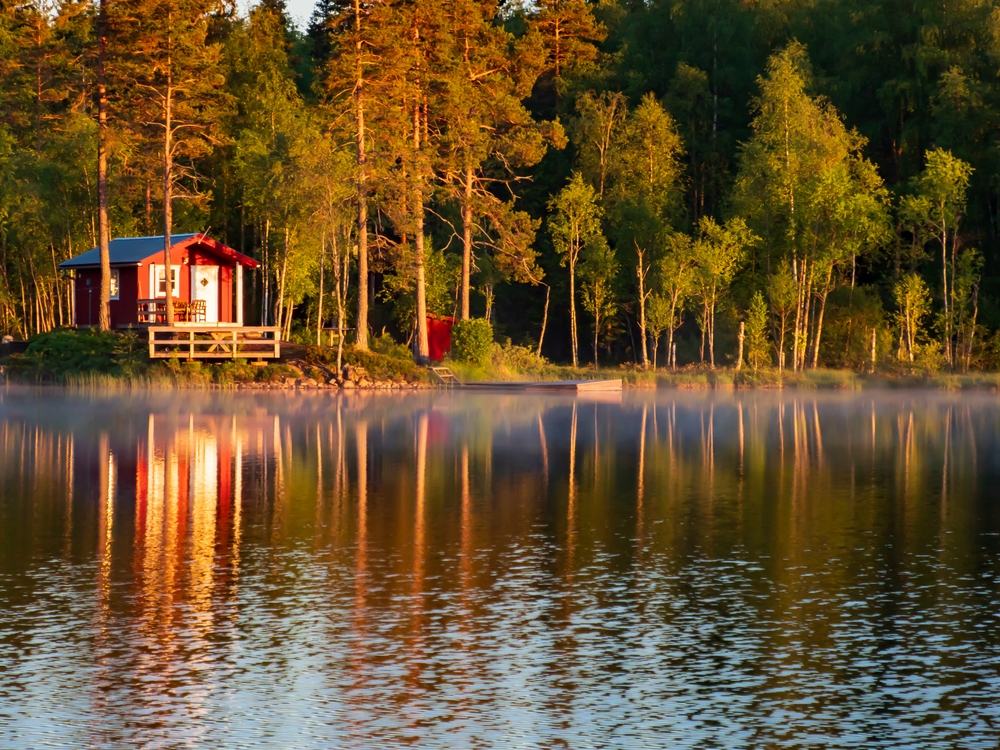
Waterfront homes often sit nestled beneath heavy tree coverage, offering beautiful views and natural shade. However, this same dense canopy creates a completely different set of roofing conditions compared to typical inland neighborhoods. Large shade trees, pine buildup, storm debris, and overhanging limbs become a constant reality for homes around Lake Murray and other South Carolina waterfronts.
Unlike a sudden catastrophic event, roof damage from trees is often gradual. Leaves and pine needles accumulate slowly, trapping moisture and clogging drainage systems. Homeowners usually do not realize the extent of the wear and tear until a heavy rainstorm exposes a significant leak.
Understanding how tree debris interacts with your roofing system is the key to extending its lifespan. We have seen firsthand the unique challenges that lake home roofing presents, and managing organic debris is always at the top of the list. Here is a practical look at how trees impact waterfront roofs and what you can do to manage the risks.
Why Waterfront Properties Experience More Tree-Related Roof Problems
Dense Tree Coverage Around Lake Homes
Waterfront properties naturally feature mature, dense landscaping. While this provides privacy and aesthetic appeal, it means your roof catches a significantly higher volume of falling leaves, twigs, and pine needles throughout the year.
Overhanging Limbs Near Rooflines
Trees growing close to the water often lean toward the sunlight, frequently extending their canopies directly over a home’s roofline. These overhanging limbs drop debris directly onto the shingles and pose a constant threat of impact during high winds.
Increased Debris During South Carolina Storm Season
South Carolina storm season brings intense wind and heavy rain to the Lake Murray area. These localized storms easily strip weak branches and dead foliage from surrounding trees, dumping massive amounts of debris onto your roof in a matter of minutes.
Moisture Retention From Shaded Roof Areas
Heavy tree coverage creates persistent shade. Without direct sunlight to evaporate morning dew or post-storm rain, moisture lingers on the roof surface. This prolonged dampness accelerates the breakdown of roofing materials and creates an ideal environment for organic growth.
How Tree Debris Damages Roofing Systems Over Time
Leaves and Pine Needles Trapping Moisture
When pine needles on a roof pile up, they weave together into a dense mat. This accumulation traps water directly against the shingles. Instead of shedding water, the roof is forced to sit under a wet blanket of organic matter, leading to accelerated deterioration.
Granule Wear From Constant Debris Friction
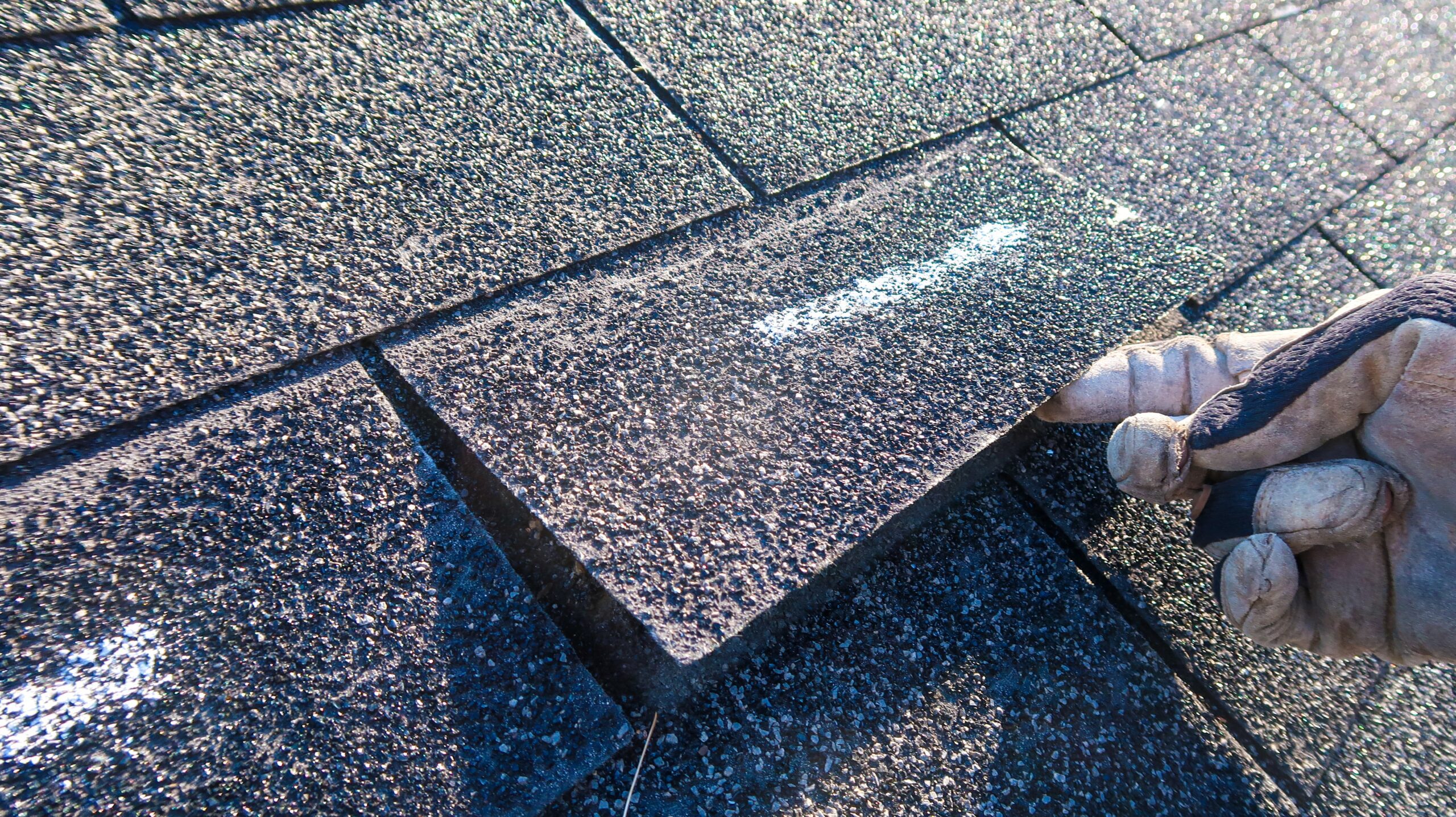
As the wind blows branches across your roof, or shifts heavy piles of debris, the abrasive friction strips the protective granules off your asphalt shingles. Once these granules are gone, the underlying asphalt is exposed to damaging UV rays.
Gutters Overflowing From Organic Buildup
Clogged gutters are a primary cause of roof moisture damage. When leaves and twigs block the flow of water, heavy rainfall backs up under the roof’s edge, rotting the fascia boards and the roof decking.
Debris Collecting in Roof Valleys
Roof valleys are the critical channels designed to direct water off your house. When debris collects in these valleys, it creates a dam. Water is forced to flow sideways under the shingles, resulting in severe roof valley leaks.
Why Waterfront Roofs Stay Wet Longer After Storms
Limited Sunlight Beneath Heavy Tree Canopies
The same canopy that keeps your patio cool prevents the sun from drying out your shingles. Waterfront roofs often stay wet days after a storm has passed simply because the sunlight cannot penetrate the dense tree line.
Humidity and Condensation Around Lake Environments
Living on Lake Murray means dealing with high humidity. This ambient moisture constantly settles on shaded roofs as condensation, feeding the wet environment created by trapped tree debris.
Organic Debris Holding Moisture Against Shingles
Rotting leaves and pine straw act like a sponge. They absorb rainwater and hold it tightly against the roof surface, preventing the roofing system from ever completely drying out during wet seasons.
Faster Algae and Moss Growth Around Shaded Roof Sections
Because waterfront roofs stay wet and shaded, algae and moss thrive. Moss roots can actually lift shingle edges, allowing water to penetrate the system, while algae leaves unsightly dark streaks across the roofline.
Storm Damage Risks From Trees Near Lake Homes
Falling Limbs During High Winds
During severe weather, the biggest risk to a lake house roof is falling limbs. Even moderately sized branches can puncture the roof decking if they fall from high enough, creating an immediate need for emergency roof repair.
Impact Damage to Shingles and Roof Decking
When branches strike a roof, they crush the shingles and compromise the fiberglass matting underneath. This type of storm damage roofing requires thorough inspection, as the structural decking beneath may be fractured even if the shingle looks relatively intact.
Tree Branches Damaging Flashing and Gutters
Whipped by high winds, overhanging branches act like brooms, sweeping violently across the roof edge. They easily bend metal flashing, rip off gutters, and tear away drip edges, leaving the home vulnerable to water intrusion.
Emergency Roofing Situations After Storms
If a major limb or tree trunk breaches the roof cavity, you are facing a severe emergency. Finding a reliable roofing company in Columbia, SC, quickly is essential to tarp the structure and prevent catastrophic interior water damage.
Roofing Areas Most Vulnerable to Tree Debris Damage
Roof Valleys and Drainage Channels
Because valleys handle the highest volume of water runoff, any obstruction from tree debris quickly leads to overflow and water backing up beneath the shingle layers.
Ridge Caps and Roof Edges
The peaks and edges of your roof are highly exposed to wind-blown debris. Heavy winds can drive pine needles and small twigs directly under the ridge cap shingles, compromising the ventilation system.
Skylights and Chimney Areas
Debris easily packs into the flashing around skylights and chimneys. Once wet leaves build up around these penetrations, the water essentially pools around the flashing until it finds a way inside.
Gutters and Downspout Systems
Gutters bear the brunt of tree debris runoff. Without regular maintenance on a lake house, downspouts clog rapidly, rendering the entire drainage system useless.
How Tree Debris Contributes to Roof Leaks
Water Backing Up Beneath Shingles
When water hits a debris dam, it cannot flow downward. The water level rises and pushes up underneath the overlapping shingles, bypassing the moisture barrier entirely.
Flashing Failures Caused by Debris Accumulation
Metal flashing relies on gravity to keep water out. When wet debris builds up around flashing intersections, it holds standing water against the metal, eventually leading to rust or bypassing the flashing completely.
Rotting Roof Decking Beneath Moisture Traps
If debris holds moisture on the roof for months at a time, the water slowly seeps through the underlayment into the wooden roof decking. The wood turns soft and rots, compromising the structural integrity of the entire roof.
Small Leaks That Go Undetected on Seasonal Homes
Many waterfront properties on Lake Murray are secondary or seasonal homes. A small roof leak from a clogged valley might go completely unnoticed for months, allowing severe mold and interior damage to spread before anyone returns.
Waterfront Trees That Commonly Cause Roofing Problems in SC
Pine Trees and Needle Accumulation
Pine trees drop needles continuously. These needles wash into valleys and gutters easily, forming dense, moisture-retaining mats that are incredibly difficult to clear out without physical removal.
Oak Trees and Heavy Limb Risks
Mature oaks provide beautiful shade but possess massive, heavy limbs. When an oak branch snaps during a South Carolina thunderstorm, the resulting impact on a roof is usually severe.
Fast-Growing Trees Near Rooflines
Certain fast-growing species can quickly encroach on a roofline if left unchecked. Their branches physically scrape against the shingles every time the wind blows, wearing away the protective coating.
Why Tree Placement Matters Around Lake Homes
Planting trees too close to the foundation not only threatens the roof through overhanging limbs but also limits the essential airflow needed to keep a lake house roof dry.
Preventive Roof Maintenance for Tree-Covered Waterfront Homes
Routine Roof Inspections After Storms
Scheduling a professional roof inspection near Lake Murray after major weather events ensures that broken branches and displaced shingles are caught before they turn into active leaks.
Gutter Cleaning and Drainage Maintenance
Lake house roof maintenance demands aggressive gutter cleaning. Depending on tree density, clearing the gutters and valleys three to four times a year is highly recommended to maintain proper drainage.
Trimming Branches Near the Roofline
Keep all tree branches trimmed at least ten feet away from the roof. This simple step prevents abrasive scraping, reduces the volume of falling debris, and minimizes the risk of impact damage from broken limbs.
Identifying Moisture Damage Before It Spreads
Regularly checking the attic for water stains and inspecting the roof for soft spots helps catch moisture trapped on the roof before it requires a full structural rebuild.
Roofing Materials That Handle Waterfront Debris Better
Architectural Shingles With Higher Durability
If you live under heavy tree cover, standard 3-tab shingles will not last. Upgrading to heavier architectural shingles provides superior wind resistance and a thicker barrier against abrasive tree debris.
Metal Roofing and Debris Resistance
Metal roofing in South Carolina is incredibly popular for lake homes. Pine needles and leaves slide off the slick metal surface much easier than they do on asphalt, drastically reducing moisture accumulation.
Stronger Gutter Systems for Heavy Tree Coverage
Investing in oversized, six-inch seamless gutters helps handle the immense water flow and reduces the likelihood of debris clogs during intense lake storms.
Why Installation Quality Matters Near Waterfront Trees
Even the best materials will fail if poorly installed. A premium roofing contractor understands how to install proper ice and water shields in the valleys and critical flashing details required for heavy-debris environments.
Signs Tree Debris Is Already Affecting a Roof
Dark Streaks and Moss Growth
If you see dark streaks or green moss forming on the shaded sides of your roof, the moisture from tree debris has already established an environment for organic growth.
Water Overflowing From Gutters
Water cascading over the edge of your gutters during a rainstorm is a clear indicator of organic buildup blocking the downspouts.
Soft or Damaged Roof Areas
If a roofer walks on your shingles and the decking feels spongy, water has likely been trapped by debris long enough to rot the underlying plywood.
Interior Water Stains After Rainstorms
Brown stains on your ceiling or drywall are the final and most obvious sign that debris has forced water backward under the shingles and into your living space.
When Tree Damage Leads to Roof Replacement
Structural Damage Beneath the Shingles
If a massive limb crushes the rafters or severely compromises the decking, a simple patch will not suffice. The structural integrity must be restored through a comprehensive roof replacement.
Repeated Storm Repairs Around Waterfront Properties
Constantly paying for tree damage roof repair after every minor storm indicates that the current roofing system is too weak to withstand the waterfront environment.
Aging Roof Systems With Moisture Damage
An old asphalt roof that has spent fifteen years under a wet blanket of pine needles will likely have widespread decking rot, making a full replacement the only viable option.
Insurance Considerations After Tree Impact Damage
If a healthy tree falls on your roof during a storm, your homeowner’s insurance typically covers the damage. Working with an experienced roofing company in Columbia, SC, ensures the damage is properly documented for your claim.
FAQs About Tree Debris and Waterfront Roof Damage
Do trees shorten roof lifespan near lakes?
Yes. The constant accumulation of debris, limited sunlight, and increased moisture retention significantly accelerate the wear and tear on roofing materials compared to houses in open, sunny areas.
Can pine needles damage a roof over time?
Absolutely. Pine needles interlock to form tight mats that block water flow in valleys and gutters, trapping moisture against the shingles and causing the roof deck to rot.
Why do roof valleys leak more around tree-covered homes?
Valleys act as the main drainage channels for a roof. When leaves and debris clog these channels, runoff water pools up, pushing backward underneath the overlapping shingles and through the underlayment.
How often should gutters be cleaned near waterfront properties?
For homes heavily surrounded by trees near Lake Murray, gutters should be cleaned at least three to four times a year—especially after the heavy pollen and leaf drops in spring and autumn.
Can falling limbs cause hidden roof damage?
Yes. A branch might bounce off the roof and leave the shingle looking relatively intact, but the impact can easily crack the fiberglass matting inside the shingle or fracture the wooden decking underneath.
Should trees be trimmed away from lake house roofs?
We always recommend keeping branches trimmed at least ten feet back from the roofline. This prevents branches from scraping the shingles, reduces debris buildup, and lowers the risk of storm-related impact damage.
Securing Your Waterfront Roof Against the Elements
Managing tree debris is just part of life on the water. By staying proactive with your gutter cleaning, trimming overhanging limbs, and scheduling routine inspections, you can keep minor debris issues from turning into major structural leaks. If you suspect that pine needles, moisture, or falling limbs have compromised your lake house, reach out to a professional who understands the specific demands of South Carolina waterfront properties. Taking action today keeps your property secure for many storm seasons to come.