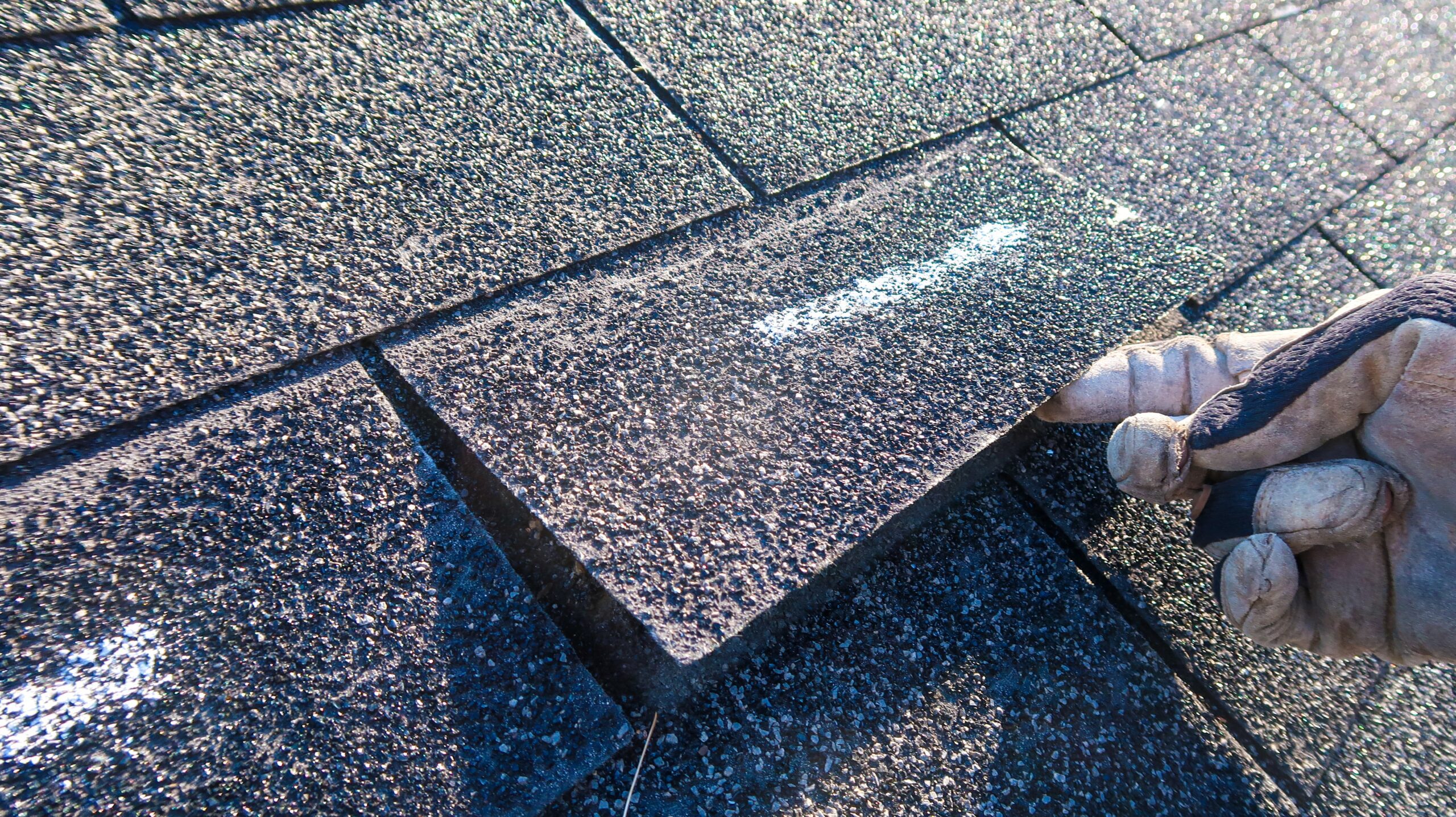

Wind damage behaves entirely differently around Lake Murray than it does in more protected, inland neighborhoods across Columbia and Lexington. Out on the water, storm systems and heavy wind gusts encounter zero physical obstructions. This open environment allows weather systems to build momentum, meaning the moment those winds reach the shoreline, they hit waterfront properties with maximum force. Your roofing system takes the absolute worst of this pressure.
Many homeowners walk outside after a heavy storm and look up at their roof. If they do not see any missing shingles, they assume the house survived unscathed. Unfortunately, hidden wind damage is incredibly common on lake properties. While the surface might look intact from the ground, the reality is often much different. High winds routinely break shingle seal strips, pull ridge caps loose, and compromise flashing around chimneys and valleys.
We see these exact storm damage roofing issues week in and week out. As a local roofing company in South Carolina, we understand exactly how these localized weather patterns affect your property. This guide breaks down exactly what happens to your roof during a storm on the lake, what hidden damage looks like, and how to address it before a small leak turns into a massive repair.
Why Homes Near Lake Murray Experience Stronger Wind Exposure
Properties situated right on the lake are beautiful, but that location comes with a distinct set of weather-related challenges. The environmental layout essentially acts as a runway for severe weather.
Open Water Allows Wind to Travel Faster
In a standard suburban neighborhood, trees, other houses, and commercial buildings act as windbreaks. They disrupt the airflow, slowing it down before it hits your home. Lake Murray provides no such friction. Wind travels across the open water at high speeds, hitting the first line of shoreline homes with intense, uninterrupted pressure.
Storm Systems Crossing the Lake
When summer thunderstorms or remnants of tropical systems cross Lake Murray, the temperature shifts over the water can actually intensify the storm. The gusts that push across the lake surface are often stronger and more erratic than the winds recorded just a few miles inland. This translates directly to an increased need for roof repair near Lake Murray following severe weather.
Elevated Waterfront Lots and Wind Pressure
Many executive-style homes around the lake are built on elevated lots or bluffs to maximize the view. While this keeps the property safe from rising water, it severely increases the roof’s exposure to uplift pressures. Wind hits the side of the house, travels upward, and grabs the overhanging edges of the roof, pulling upward on the eaves and shingles.
How Shoreline Layout Affects Roof Exposure
The physical orientation of your house relative to the main channel of Lake Murray plays a huge role in wind damage. Homes facing the open water or positioned at the end of a long cove often catch the brunt of prevailing winds. If your home’s broad roof slopes face directly into these typical wind patterns, your shingles take a direct beating every time a storm rolls through South Carolina.
The Most Common Wind Damage Problems on Lake Area Roofs
When wind hits a roof, it looks for the path of least resistance. On Lake Murray homes, this usually results in a few specific types of structural compromise.
Lifted and Creased Shingles
Wind does not always tear a shingle entirely off the roof. Very often, strong gusts break the adhesive seal strip holding the shingle down. The wind lifts the shingle up, bends it backward, and then lets it drop back into place once the gust passes. This leaves a permanent horizontal crease across the top of the shingle, breaking the fiberglass matting and leading to a guaranteed roof leak after a storm.
Ridge Cap Damage Along Roof Peaks
The absolute highest point of your home is the ridge line. Because they sit at the peak, ridge cap shingles experience the highest wind speeds. Over time, heavy winds loosen the nails holding these caps in place. Once a ridge cap blows off, water has a direct entry point right into your attic.
Flashing Separation Around Chimneys and Valleys
Flashing is the metal material used to seal the joints where your roof meets a wall, chimney, or valley. Wind vibrations can pull flashing away from the brick or siding. Once that flashing separates, the waterproofing sealant breaks down. This is one of the most common reasons homeowners need an emergency roof repair after a major weather event.
Detached Gutters and Edge Metal
Your roof edge takes the brunt of wind uplift. If the wind manages to get under your drip edge or fascia metal, it can pry the materials loose. Strong winds can also catch the back of your gutters, pulling them away from the fascia board and exposing the bare wood to moisture and rot.
Why Wind Damage Around Lake Homes Often Goes Unnoticed
One of the most dangerous things about wind damage is how invisible it can be to the untrained eye. You can have a heavily compromised roofing system that looks perfectly fine from the driveway.
Damage Hidden Beneath the Shingle Surface
When a roofing contractor in South Carolina inspects a storm-damaged roof, they actually lift the shingles gently to test the adhesion. Often, the top layer of shingles looks fine, but the nails underneath have been pulled upward by wind vibrations, creating tiny holes in the underlayment that allow water to seep in slowly.
Seal Strip Failure After High Winds
Every asphalt shingle has a tar sealant strip that bonds it to the shingle below it. High winds break this seal. Once the seal is broken, wind-driven rain can easily blow underneath the shingle and reach the unprotected wood decking. You will not see this from the ground, but a thorough storm damage roof inspection will catch it immediately.
Small Leaks That Develop Weeks Later
Water is incredibly patient. A broken shingle seal or a slightly lifted piece of flashing might not cause a massive leak the next day. Instead, water slowly saturates the underlayment, then the roof decking, and finally your attic insulation. By the time you notice a water spot on your drywall, the leak has likely been active for weeks.
Seasonal Homes Sitting Unchecked After Storms
Many properties on Lake Murray are secondary or seasonal homes. If a heavy storm hits in November and you do not visit the property until March, minor wind damaged shingles have months to leak and cause extensive interior rot. Regular check-ups are essential for waterfront properties.
Roofing Areas Most Vulnerable to Wind Near Lake Murray
Certain architectural features catch more wind than others. If you have any of these features on your lake home, they require extra attention.
Roof Edges and Eaves
The perimeter of your roof is the front line against wind. As gusts hit the exterior walls of your house, the wind is forced upward, catching the overhanging eaves. This uplift pressure is exactly why missing shingles almost always start at the edges and corners of the roof.
Ridge Lines and Hip Roof Sections
Hip roofs—where all four sides slope downward to the walls—are generally highly wind-resistant. However, the seams where those slopes meet (the hip ridges) are highly exposed. The shingles covering these ridges endure constant wind friction and are often the first components to fail.
Skylights and Chimney Flashing
Lake homes often feature skylights to bring in natural light, and large masonry chimneys. The metal flashing surrounding these penetrations takes a beating from heavy winds. When a storm roof inspection is performed, contractors look closely at these areas, as wind vibrations easily loosen the caulking and fasteners that keep them watertight.
Older Roofing Systems Near the Water
As a roof ages, the asphalt dries out and the seal strips lose their stickiness. An older roof sitting right on Lake Murray is a massive liability. Brittle shingles cannot flex with the wind; instead, they simply snap off. If your roof is over 15 years old, a roof replacement in South Carolina is likely your safest bet against incoming storms.
How Trees Around Lake Properties Increase Roofing Risks
Mature pine and oak trees are part of what makes Lake Murray properties so beautiful, but they introduce a whole new set of hazards during high winds.
Falling Limbs During Windstorms
Healthy branches can snap under the pressure of severe thunderstorm gusts. When a heavy limb falls on your roof, it can puncture the shingles, crack the roof decking, and cause immediate structural issues requiring emergency roof repair.
Debris Damage to Shingles and Gutters
Even if large branches do not fall, heavy winds strip leaves, pine needles, and small twigs from the trees and blast them across your roof. This debris acts like sandpaper, scraping the protective granules off your shingles. It also clogs your gutters, backing up water onto the roof edges.
Tree Impact Damage Around Waterfront Lots
Because waterfront lots are often heavily wooded to maintain privacy, homes are surrounded by tall timber. If saturated soil from heavy rain is combined with strong winds, entire trees can uproot and fall onto the property, causing catastrophic damage.
Why Waterfront Landscaping Can Create Roofing Hazards
Trees planted too close to the house encourage moss and algae growth on the roof due to excessive shade. Over time, this biological growth degrades the asphalt shingles, making them much more susceptible to tearing and lifting when the wind finally hits them.
Why Wind-Driven Rain Creates Additional Roofing Problems
Wind alone is destructive, but when combined with heavy rain, it creates a unique challenge for your roofing system.
Water Penetration Beneath Lifted Shingles
Shingles are designed to shed water that falls straight down. They are not entirely waterproof against water blowing horizontally at 60 miles per hour. Wind-driven rain pushes moisture upward, driving it underneath the shingles where it can soak into the roof deck.
Flashing Failures Around Roof Penetrations
Water blown horizontally will find every tiny gap in your chimney flashing, exhaust vents, and siding. A standard rainstorm might just wash over these areas, but wind-driven rain actively pushes water into the smallest cracks, leading to a frustrating roof leak after a wind storm.
Moisture Intrusion in Attic Spaces
Many lake homes have soffit and ridge vents to keep the attic cool. Unfortunately, severe wind-driven rain can occasionally blow moisture directly into these vents. This introduces moisture into the attic space, which can saturate insulation and lead to mold growth.
Hidden Interior Damage After Storms
Because wind-driven rain enters through small, temporary openings (like lifted shingles), the leak may stop as soon as the wind dies down. This makes tracking down the source of a storm leak repair incredibly difficult. Homeowners often notice peeling paint or damp drywall long before they realize the roof is compromised.
Roofing Materials That Handle Lake Murray Wind Conditions Better
If you live on the water, standard builder-grade materials simply will not cut it. You need a roofing system designed for high exposure.
Architectural Shingles With Higher Wind Ratings
Unlike standard 3-tab shingles, architectural shingles are thicker, heavier, and offer significantly better wind resistance. Many premium architectural shingles are rated to withstand winds up to 130 mph when installed correctly, making them a much better choice for a roof replacement on Lake Murray.
Metal Roofing for Waterfront Exposure
Metal roofing in South Carolina is incredibly popular for lake homes, and for good reason. Standing seam metal roofs feature interlocking panels that provide massive resistance to wind uplift. They do not have seal strips that can fail, and they easily shed wind-driven rain, making them an ideal long-term investment for waterfront exposure.
Proper Nailing Patterns and Installation Standards
The best material in the world will fail if it is poorly installed. In high-wind areas, professional contractors use an enhanced nailing pattern (usually six nails per shingle instead of four) to ensure the shingles hold tight during severe weather.
Why Installation Quality Matters During Storm Season
Hiring a premium roofing contractor means getting someone who understands local building codes and wind requirements. Proper starter shingles at the eaves, high-quality synthetic underlayment, and correct flashing techniques are what actually keep a roof intact during a South Carolina squall.
Signs Wind Damage May Already Be Affecting the Roof
You do not have to climb onto your roof to look for trouble. There are several indicators you can spot from the ground or inside your home.
Loose or Missing Shingles
The most obvious sign of wind damage is finding pieces of shingles in your yard or noticing dark, bare patches on your roof where shingles have been ripped away. If you see this, call a roofing company in Columbia, SC, immediately to prevent interior water damage.
Granules Collecting in Gutters
When shingles flap in the wind, they lose their protective mineral granules. If you clean your gutters and notice a massive amount of heavy, sand-like granules at the bottom, your shingles are deteriorating rapidly and losing their ability to protect your home.
Water Spots on Ceilings After Storms
Brown or yellow stains on your ceiling drywall are a clear indication that water has bypassed the roofing system. Even if the spot is small, it means water is actively traveling through your attic.
Bent Flashing or Detached Gutters
Walk around your house and look at the metal components. If the chimney flashing looks warped, or if the gutters are hanging slightly away from the fascia board, the wind has compromised the edges of your roofing system.
Why Roof Inspections Matter After Lake Murray Storms
Hoping for the best is not a valid home maintenance strategy. Being proactive saves you thousands of dollars in the long run.
Catching Hidden Wind Damage Early
A professional roof inspection near Lake Murray will uncover the creased shingles and broken seal strips you cannot see from the ground. Catching this early allows a contractor to perform targeted repairs rather than replacing massive sections of rotted wood later.
Documenting Damage for Insurance Claims
If your roof was damaged by a storm, your insurance company will require proof. Having a local contractor inspect the roof and document the damage with photographs makes navigating insurance claims assistance infinitely smoother and increases your chances of approval.
Preventing Small Repairs From Becoming Large Leaks
Tacking down a few loose shingles and resealing some chimney flashing is a quick, inexpensive fix. Ignoring it until the roof decking rots and the kitchen ceiling collapses turns a minor maintenance task into a massive remodeling project.
Checking Roof Components Beyond the Shingles
A comprehensive inspection does not just look at shingles. We evaluate the pipe boots, exhaust vents, skylight seals, and attic ventilation to ensure the entire system is functioning as it should.
When Wind Damage Leads to Full Roof Replacement
Sometimes, patching a roof is simply throwing good money after bad. Certain situations require a complete tear-off and replacement.
Repeated Storm Repairs on Aging Roofs
If you are calling a Lexington roof repair contractor after every single thunderstorm, your roof is trying to tell you something. When shingles become brittle with age, repairs will not hold. A full replacement is the only way to secure the property.
Structural Damage Beneath the Roofing System
If wind-driven rain has rotted out large sections of the plywood roof decking, those boards must be replaced. You cannot nail new shingles into soft, rotten wood. This requires removing the old system entirely.
Insurance Considerations After Severe Storms
Following a severe storm, if the wind damage is extensive enough, your homeowners insurance policy may cover the cost of a full replacement. A reputable roofing contractor can help assess the percentage of damage to see if a claim is viable.
Matching Replacement Materials to Waterfront Conditions
A full replacement gives you the opportunity to upgrade. Moving from standard shingles to a heavy-duty architectural shingle or transitioning to a standing seam metal roof ensures your home is fully prepared for the next decade of Lake Murray weather.
Frequently Asked Questions About Wind Damage Near Lake Murray
Do homes near Lake Murray experience stronger wind damage?
Yes. The open surface of the lake allows wind gusts to build momentum without hitting obstacles like trees or buildings. When these high winds hit the shoreline, waterfront homes take the full force of the pressure, leading to more frequent shingle damage and flashing failures.
Can wind damage cause roof leaks without missing shingles?
Absolutely. High winds often break the tar seal strip underneath the shingles. The shingle is lifted, bent backward (creating a crease), and dropped back down. From the ground, the roof looks intact, but wind-driven rain will easily blow under that broken seal and leak into your attic.
How soon should a roof be inspected after a storm?
You should have a professional look at your roof within a few days of a major wind event. Finding lifted shingles or damaged flashing early allows contractors to reseal or replace small sections before water can penetrate the decking and rot the wood structure.
Is metal roofing better for windy lake environments?
Standing seam metal roofing is an excellent choice for waterfront homes. The interlocking panels have incredibly high wind-uplift ratings, and because there are no individual shingles to lift or seal strips to break, they handle the severe gusts coming off Lake Murray exceptionally well.
What parts of the roof fail first during high winds?
The roof edges (eaves and rakes) and the highest peaks (ridge caps) fail first. Wind hits the side of the house and travels upward, catching the overhanging edges. At the top of the roof, the ridge caps experience the highest wind speeds, causing them to loosen and blow off.
Can insurance cover wind damage roof repairs?
Yes, most standard homeowners insurance policies cover roof damage caused by severe windstorms. However, you need clear documentation of the damage. Having a local roofing contractor perform an inspection and provide photos of the wind-creased shingles is the best way to support your claim.
Safeguarding Your Waterfront Investment
Living on Lake Murray is a privilege, but it requires a realistic approach to property maintenance. The wind and weather patterns rolling off the water are tough on exterior materials, and your roof serves as the primary shield for the rest of your home. By understanding how wind damage occurs, prioritizing regular inspections, and relying on experienced local professionals for your lake home roofing services, you can protect your property and enjoy the lake lifestyle without the constant stress of the next storm.