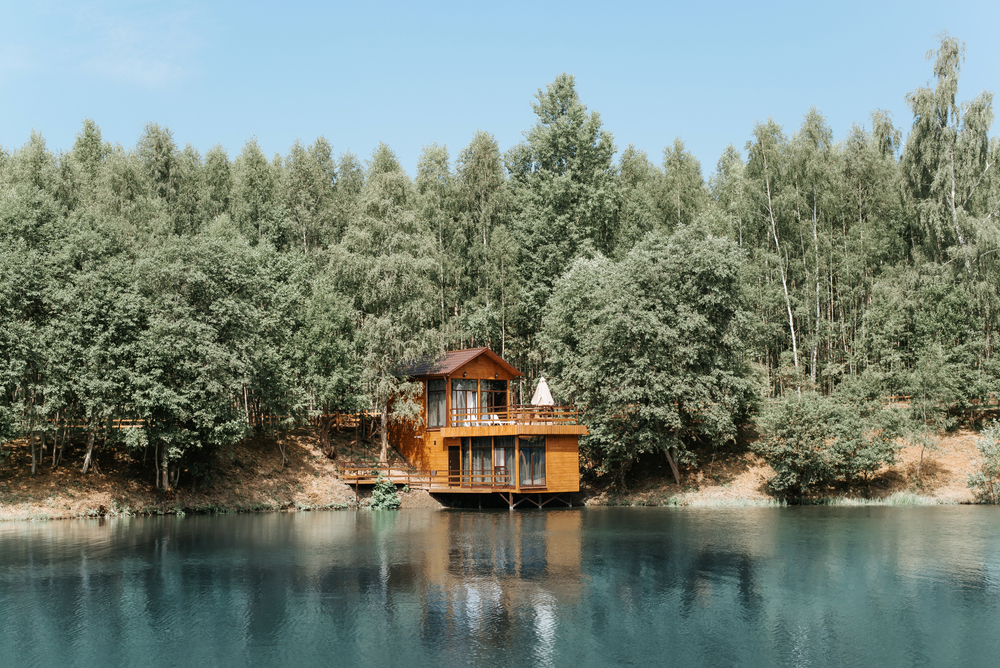
Algae and mold problems are much more common on lake homes than many property owners realize. When we inspect waterfront properties, we frequently see significant organic growth on roofs that are only a few years old. South Carolina lake environments create the perfect combination of humidity, shade, trapped moisture, and heat for organic roof growth to thrive.
Those dark marks and roof staining are not always just cosmetic. When moisture becomes trapped against roofing materials, it can lead to premature wear and structural degradation. We often hear homeowners dismiss algae as a simple aesthetic flaw, but constant moisture retention on a roof surface can compromise the integrity of the shingles and the underlying decking.
As a roofing contractor working regularly around Lake Murray and similar waterfront communities, we see the same patterns repeatedly. Waterfront properties face unique environmental stress. Understanding why these conditions happen is the first step in addressing the root causes before minor staining turns into a costly replacement project.
Why Lake Environments Create Ideal Conditions for Roof Algae Growth
Lakefront properties exist in microclimates that differ drastically from neighborhoods just a few miles inland. The consistent presence of water fundamentally changes the way a roof dries and ages.
High Humidity Levels Around South Carolina Lakes
South Carolina is already known for high humidity, but homes situated directly on a lake experience even higher moisture levels in the surrounding air. This constant humidity means the ambient air rarely dries out completely during the summer months. Consequently, any organic matter resting on the roof surface has a continuous water source, allowing algae and mold spores to thrive.
Morning Condensation That Keeps Roofs Damp Longer
Water temperatures in a lake fluctuate differently than air temperatures, leading to heavy morning fogs and thick condensation on nearby structures. Lake homes typically wake up to roofs covered in dew. Because the air is already saturated, this condensation takes significantly longer to evaporate. The longer a roof stays damp, the higher the likelihood of aggressive organic growth taking hold.
Reduced Sunlight From Waterfront Tree Coverage
Many lake properties are nestled into mature, wooded lots to maintain privacy and a natural aesthetic. While these trees provide excellent shade, they block the direct sunlight necessary to dry a roof quickly. Reduced sunlight means UV rays cannot naturally burn off the morning dew or kill off vulnerable algae spores.
Moisture Retention Along North-Facing Roof Slopes
The north-facing side of a lake house roof is almost always the first to show signs of algae. This slope receives the least amount of direct sunlight throughout the day. When you combine a north-facing slope with high humidity and morning condensation, you create an environment where moisture is retained for days at a time, making it an ideal breeding ground for roof algae in South Carolina.
What the Black Streaks on Lake House Roofs Actually Are
Homeowners often confuse dirt, mold, mildew, and algae. Knowing exactly what is growing on your roof helps determine the proper maintenance approach and the potential risk to the structure.
The Difference Between Algae, Mold, and Mildew
The black streaks you see on a roof are typically a type of algae known as Gloeocapsa magma . This algae feeds on the limestone filler used in asphalt shingles. Mold and mildew, on the other hand, usually require a combination of moisture and decaying organic material, like damp leaves or rotting wood. While algae primarily damages the shingles over a long period, mold can aggressively rot the underlying roof decking if it breaches the exterior envelope.
Why Asphalt Shingles Are Especially Vulnerable
Traditional asphalt shingles are manufactured using crushed limestone to add weight and durability. Unfortunately, limestone is a primary food source for roof algae. Once the algae spores land on a damp asphalt shingle, they begin to consume the limestone, leaving behind a dark, protective casing that appears as black streaks on the roof.
How Airborne Spores Spread Across Roof Surfaces
Algae and mold reproduce through microscopic spores that travel easily on the wind. If a neighboring house on the lake has an algae problem, a simple gust of wind coming off the water can deposit those spores onto your roof. Once the spores settle on a damp, shaded area, they begin to colonize and spread downward as rain washes the algae cells down the slope of the roof.
Why Algae Often Starts Near Roof Valleys and Gutters
Roof valleys and areas near gutters channel large volumes of water during a storm. These areas also tend to accumulate small amounts of organic debris, like pine needles or leaves. The combination of concentrated moisture and trapped debris makes roof valleys the most common starting point for algae roof stains and roof mildew to establish a foothold.
How Trapped Moisture Makes Roof Problems Worse
Algae growth is usually a symptom of a larger moisture management issue on the roof. When moisture is trapped, the materials that make up the roofing system begin to break down.
Moisture Holding Against Roofing Materials
When a roof is covered in a thick layer of algae or moss, that organic matter acts like a sponge. It absorbs morning dew and rain, holding the moisture directly against the shingles instead of allowing it to run off into the gutters. This prolonged contact weakens the asphalt and accelerates the aging process of the shingle.
Roof Deck Deterioration Beneath the Shingles
If moisture bypasses the surface of the shingles—often due to aging materials or failing underlayment—it reaches the wooden roof deck. Wet wood in a humid environment will inevitably begin to rot. We frequently encounter soft spots on lake house roofs during roof inspections, which indicates the plywood or OSB decking has been severely compromised by trapped moisture.
Ventilation Problems That Accelerate Mold Growth
A properly functioning roof must breathe. If attic ventilation is inadequate, hot, humid air from inside the home becomes trapped against the underside of the roof deck. This interior moisture condensates on the wood, creating the perfect environment for mold to grow from the inside out. Good roof ventilation is essential for preventing these localized humidity traps.
Why Mold Can Spread Into Attic Spaces
Once mold establishes itself on the underside of a damp roof deck, it can easily spread throughout the attic. It will colonize on rafters, insulation, and stored belongings. This is no longer just a roofing issue; it becomes a serious indoor air quality concern that requires extensive remediation and professional roof repair services to correct the underlying ventilation or leakage problems.
Why Lake Homes Experience Faster Roof Aging
Between the constant humidity, severe storms, and organic growth, roofs on lakefront properties generally do not last as long as those in dry, inland neighborhoods.
Granule Loss From Constant Moisture Exposure
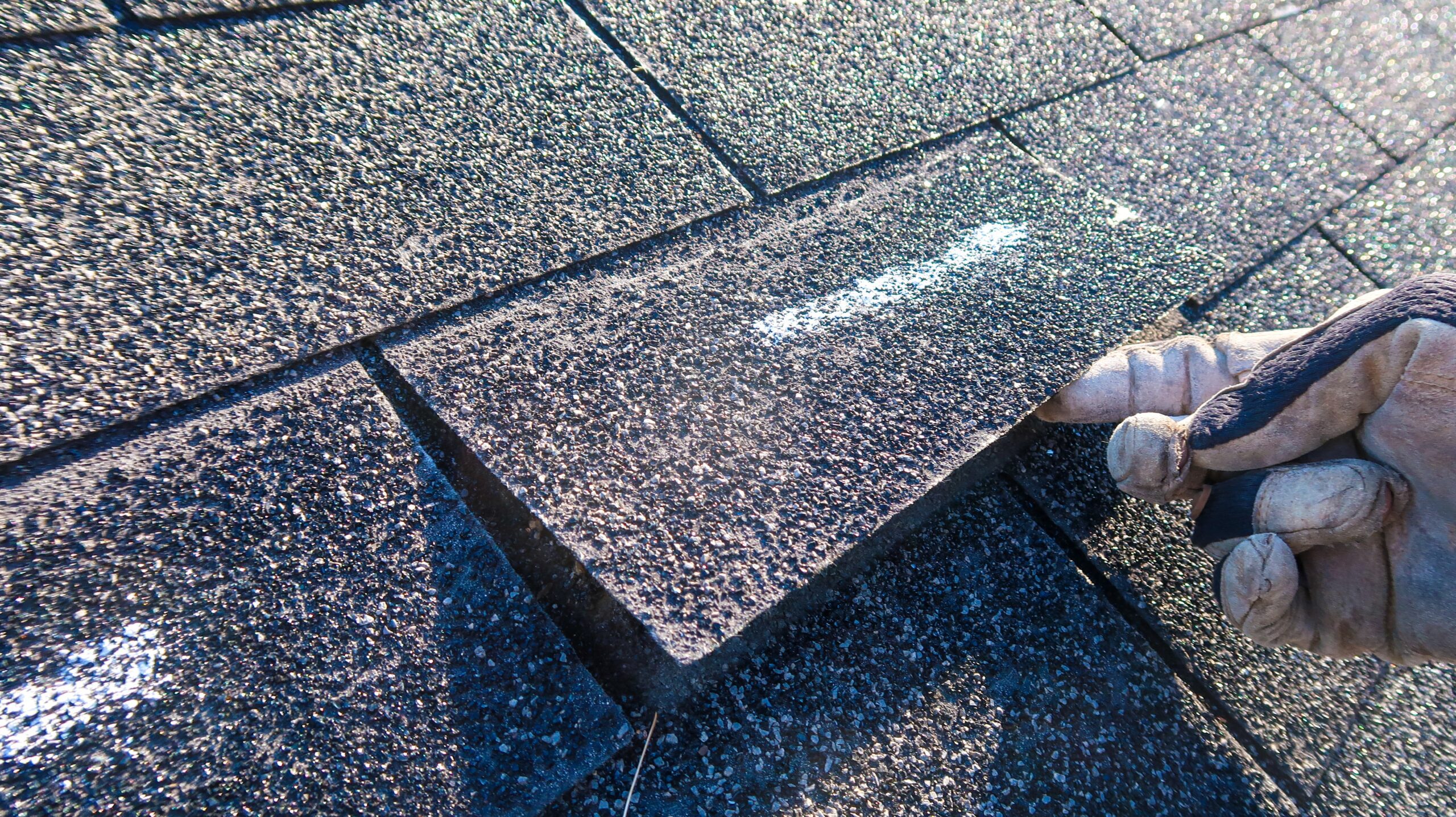
The protective granules on asphalt shingles block UV rays and provide fire resistance. When algae colonies establish themselves and moisture sits on the roof, the bond holding these granules in place weakens. Heavy rains then wash the loose granules away. Once a shingle loses its granules, it quickly becomes brittle and prone to cracking.
Shingle Curling and Premature Wear
Constant cycles of expanding when wet and contracting when dry take a toll on asphalt shingles. Over time, this stress causes the edges of the shingles to curl upward. Curled shingles can easily be caught by high winds coming off Lake Murray, leading to torn or missing shingles that expose the underlayment to the elements.
Flashing Corrosion Around Chimneys and Skylights
Metal flashing is used to seal transitions around chimneys, skylights, and vent pipes. In high-humidity environments, certain types of flashing can corrode or rust faster than expected. When flashing fails, water can seep directly into the vulnerable joints of the roof system, leading to hidden leaks that rot the decking.
Repeated Moisture Cycles During South Carolina Summers
South Carolina summers are characterized by intense afternoon thunderstorms followed by immediate, sweltering heat. The roof is soaked rapidly, then baked in high humidity. This rapid thermal shock and moisture cycling forces the roofing materials to expand and contract aggressively, leading to premature roof deterioration and shortening the overall roof lifespan in South Carolina.
Areas of a Lake House Roof Most Vulnerable to Algae and Mold
Not all parts of a roof age at the same rate. Specific architectural features on lake homes are magnets for moisture and organic growth.
Roof Valleys That Trap Water
Whenever two sloping roof sections meet, they form a valley. Valleys handle the heaviest flow of water during a storm. If leaves or pine straw accumulate in the valley, they create small dams that trap water. This trapped water saturates the adjacent shingles, leading to rapid algae growth and eventual leaks.
Shaded Sections Near Trees
As mentioned earlier, areas of the roof completely shaded by overhanging branches will stay wet for most of the day. These shaded sections are almost guaranteed to develop black streaks and moss if the tree canopy is not managed properly.
Low-Slope Roofing Areas
Many lake homes feature complex rooflines with varied pitches, including low-slope sections over porches or sunrooms. Low-slope areas do not shed water as quickly as steep slopes. Water moves slower, giving algae spores plenty of time to settle, attach, and colonize before the roof can dry.
Gutters and Drainage Problem Areas
When gutters clog, water backs up onto the lower edge of the roof (the eaves). The fascia boards, soffits, and starter shingles remain constantly saturated. This backup is a leading cause of rotted roof edges and localized mold growth on the exterior of a lake house.
Why Seasonal and Vacation Homes Often Develop Worse Roof Staining
Many properties around Lake Murray are secondary residences. A home that sits vacant for long stretches of the year faces unique roofing challenges.
Delayed Maintenance on Second Homes
When you are not looking at your roof every day, minor maintenance tasks easily slip through the cracks. Gutters do not get cleaned as often, and small patches of algae are ignored. Delayed maintenance allows these minor issues to compound into serious second home roofing issues.
Roof Problems Going Unnoticed for Months
If a strong storm blows off a few shingles, a full-time resident will usually notice the debris in the yard immediately. For a vacation home, that damaged area might sit exposed for three months before the owner returns. During that time, water intrudes freely, soaking the insulation and rotting the wood.
Debris Accumulation During Vacancy
Leaves, branches, and pine straw fall year-round. When a house is unoccupied, this debris piles up heavily in roof valleys and behind chimneys. The debris holds water directly against the shingles, accelerating deterioration and providing a nutrient-rich base for mold to flourish.
Small Moisture Problems Turning Into Larger Repairs
What starts as a minor flashing leak or a small patch of trapped moisture can turn into a massive structural repair if left unchecked. Continuous water intrusion on an empty house often leads to collapsed drywall, ruined hardwood floors, and extensive mold remediation before a roof replacement can even begin.
Roofing Materials That Resist Algae and Mold Better
If your lake home needs a new roof, choosing the right material is critical. Standard builder-grade materials will struggle against the waterfront environment.
Algae-Resistant Architectural Shingles
Most premium architectural shingles now come with algae-resistant technology. Manufacturers blend copper-coated granules into the shingle surface. When it rains, trace amounts of copper wash down the roof. Copper is naturally toxic to algae, preventing the spores from colonizing. These premium roofing materials are an excellent investment for waterfront properties.
Metal Roofing for Waterfront Properties
A lake house metal roof is one of the most durable options available. Standing seam metal roofs shed water instantly and provide no food source (like limestone) for algae to consume. While dirt and pollen can still settle on a metal roof, it can be washed off easily, and the material itself is immune to the moisture absorption problems that plague asphalt shingles.
Copper Components That Slow Organic Growth
Even if you choose asphalt shingles, incorporating copper flashing, copper drip edges, or installing zinc strips near the ridge can provide a protective wash over the roof. These metal components help suppress algae growth naturally without the need for harsh chemical treatments.
Why Cheap Roofing Materials Struggle Near Water
Standard 3-tab shingles or low-end architectural shingles lack the heavy granule protection and algae-resistant additives necessary for a humid environment. Installing cheap materials on a lake house almost guarantees you will be dealing with aggressive black streaks and premature failure well before the warranty expires.
Roof Ventilation’s Role in Preventing Mold and Algae Problems
A roof is an integrated system. The shingles protect the top, but the ventilation protects the bottom. Proper airflow is non-negotiable for a lake house.
Reducing Moisture Buildup in the Attic
Every time you shower, cook, or run the laundry, moisture rises into the attic. If the attic cannot exhaust that humid air, it condensates on the wooden roof deck. Adequate ventilation constantly flushes this damp air out, keeping the wood dry and preventing interior mold growth.
Improving Airflow Through Ridge and Intake Ventilation
A balanced ventilation system requires intake vents at the soffits and exhaust vents at the ridge. Cool, dry air enters the bottom edge of the roof, pushing hot, humid air out the top. If soffit vents are painted shut or blocked by insulation, the entire system fails, turning the attic into a stagnant humidity chamber.
Preventing Heat and Humidity Traps
Lake environments produce dense, heavy, humid air. Without aggressive airflow, the highest points of an attic trap incredible amounts of heat and moisture. Over time, this bakes the shingles from the bottom up, causing the asphalt to blister and crack prematurely.
Why Ventilation Problems Often Stay Hidden
Homeowners rarely go into their attics. A ventilation problem can rot the roof decking from the inside out for years without showing any signs on the living room ceiling. Often, these issues are only discovered during a professional roof inspection when a contractor finds black mold covering the rafters.
Signs Roof Algae and Mold Have Become a Larger Roofing Issue
Stains on the roof are a visual warning. If left untreated, the moisture holding the algae will eventually breach the exterior.
Interior Moisture and Ceiling Stains
The most obvious sign of a failing roof is a brown water stain on your interior drywall. By the time water pools enough to stain a ceiling, the roof deck and attic insulation have likely been saturated for quite some time.
Soft Roof Decking and Rotting Wood
If a roofing contractor walks on your roof and feels a spongy or dipping sensation, the wood underneath has rotted. This is common under thick patches of moss or algae that have been trapping moisture against the shingles for several years.
Persistent Musty Odors in Attic Spaces
A healthy attic should smell like dry wood and dust. If you open your attic hatch and are hit with a damp, musty odor, you have active mold growth or trapped moisture. This requires immediate investigation to locate the source of the humidity.
Recurring Roof Leaks After Storms
If your roof consistently leaks in the same spot after heavy rain, the roofing materials have likely degraded beyond a simple patch. Constant exposure to moisture weakens the adhesives and sealants used on the roof, making it highly susceptible to wind-driven rain.
How Lake Homeowners Can Reduce Roof Algae and Mold Problems
You cannot change the climate around Lake Murray, but you can manage how your roof handles the environment.
Routine Roof Inspections Around Lake Properties
Having a Chapin roofing company or a Lexington SC roofing contractor inspect your roof annually catches minor issues early. A professional can identify missing shingles, failing flashing, and early signs of algae growth before they require major repairs.
Tree Trimming to Improve Sunlight and Airflow
Cut back branches that overhang the roof. Allowing direct sunlight to hit the shingles for a few hours a day drastically reduces the time the roof stays wet. It also prevents leaves and pine straw from piling up in the valleys.
Gutter Cleaning and Drainage Maintenance
Keep your gutters clean and flowing freely. If water can escape the roof quickly, the fascia and soffit areas remain dry. Ensure downspouts are directing water well away from the foundation to prevent secondary moisture issues from rising back up into the home.
Replacing Aging Roofing Materials Before Moisture Damage Spreads
If your roof is losing granules, curling, and heavily stained with algae, it is nearing the end of its life. Replacing the roof before it leaks saves you thousands of dollars in interior water damage and mold remediation. Choosing high-quality algae-resistant shingles or metal roofing will secure your lake home for decades.
Frequently Asked Questions About Roof Algae and Mold on Lake Homes
Why do lake homes develop black roof streaks faster?
Lake homes sit in microclimates with higher ambient humidity, heavy morning condensation, and dense tree coverage. This consistent moisture allows Gloeocapsa magma (roof algae) spores to colonize and spread much faster than in dry, inland areas.
Is roof algae only a cosmetic problem?
While it starts as an aesthetic issue, algae traps moisture against the shingles. Over time, this constant dampness weakens the asphalt, strips away protective granules, and significantly shortens the lifespan of the roof.
Can mold spread from the roof into the attic?
Yes. If poor ventilation or roof leaks allow moisture to saturate the wooden roof decking, mold can easily form on the underside of the wood and spread throughout the attic framing and insulation.
Does humidity shorten roof lifespan?
Absolutely. High humidity keeps roofing materials constantly expanding and contracting, and prevents the roof from drying completely. This accelerates granule loss, causes shingles to curl, and promotes aggressive organic growth.
What roofing materials resist algae best?
Metal roofing is highly resistant to algae because it provides no food source and sheds water immediately. For asphalt roofs, premium architectural shingles manufactured with copper-infused granules effectively prevent algae spores from growing.
How often should lake homes have roof inspections?
Lake properties should ideally be inspected once a year, and immediately following major severe weather events. Regular inspections ensure debris is cleared and minor moisture issues are resolved before they cause structural rot.
Securing Your Waterfront Investment
Managing a roof on a South Carolina lake home requires an understanding of the environment and a proactive approach to maintenance. By addressing trapped moisture, ensuring proper ventilation, and keeping the roof surface clear of organic debris, you can extend the life of your roofing system and prevent costly structural damage.