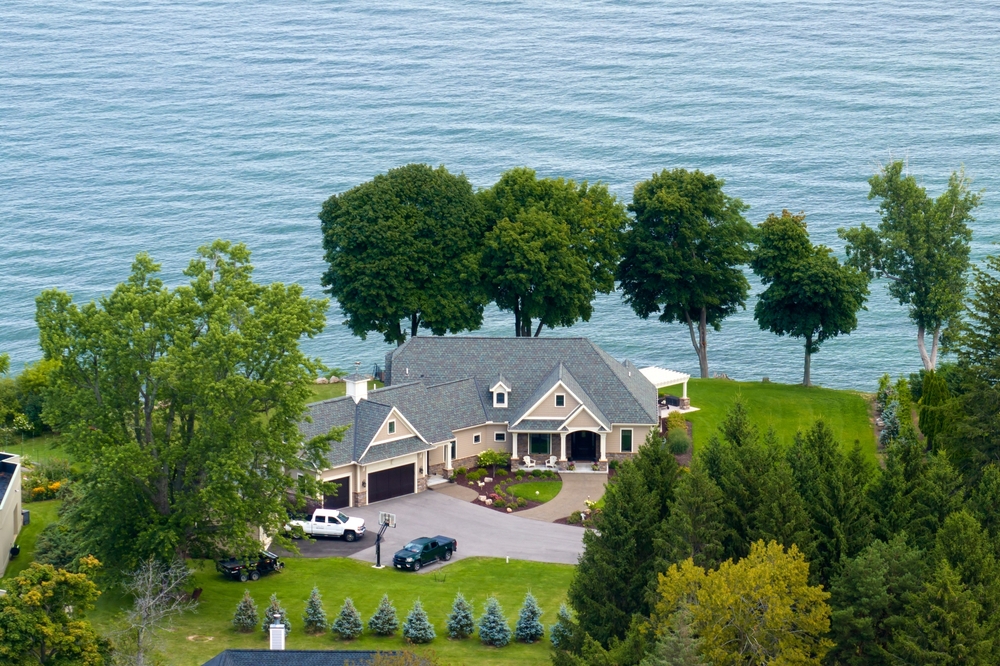
Waterfront properties experience roofing wear differently than homes built further inland. The environment around a lake introduces a unique combination of constant humidity, reflected UV exposure, and intense storms moving freely across open water. For properties around Lake Murray and other South Carolina waters, these factors accelerate the deterioration of standard roofing materials. Add the complications of seasonal occupancy or vacation rentals, and minor issues can quickly become major structural problems.
Understanding how a lake environment impacts roofing systems helps property owners stay ahead of costly damage. Rather than reacting to leaks after they happen, recognizing the specific environmental stressors on a lake home roofing system allows for smarter maintenance and material selection.
Why Lake Homes Experience Faster Roof Wear in South Carolina
A roof on a lake house faces environmental pressures that suburban homes miles away from the water rarely encounter. The combination of moisture and exposure requires more durable materials and closer attention to wear.
Constant Humidity Around Waterfront Properties
South Carolina is already humid, but properties situated directly on a shoreline deal with saturated air year-round. This constant humidity means roofing materials rarely get a chance to completely dry out. Over time, persistent moisture breaks down the adhesive bonds in asphalt shingles and degrades the underlying underlayment.
Morning Condensation and Moisture Retention
Every morning, significant condensation forms on roofs near the water as the temperature shifts. This heavy dew settles into the granular surface of shingles and sits in roof valleys. Because lake home roofing systems experience this wet-to-dry cycle daily, the shingles expand and contract more frequently, leading to premature aging and cracking.
Heat Reflection From Water Surfaces
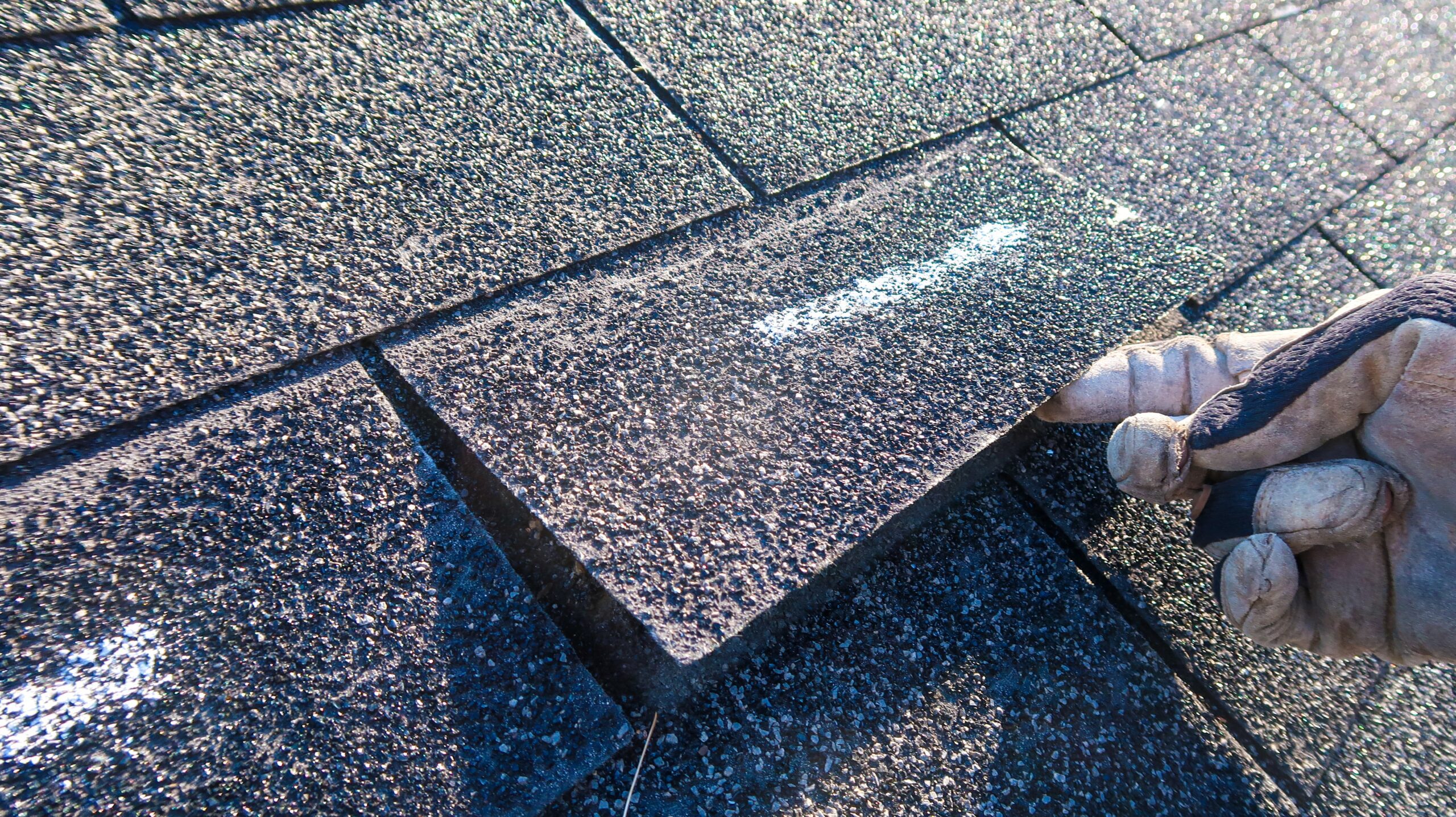
Water acts as a mirror for the sun. Properties sitting right on the shoreline receive direct solar heat from above, coupled with reflected UV rays bouncing off the lake. This amplified heat bakes the shingles, accelerating granule loss and causing asphalt roofing systems to turn brittle faster than they would on an inland property.
Wind Exposure Across Open Shorelines
Trees and neighboring structures normally break up wind patterns. On a lake, wind travels across miles of open water with zero friction. By the time a storm reaches the shoreline, the wind hits the home at full force. This causes significant roof damage on a lake house, including lifted shingles, broken seals, and displaced flashing.
Algae, Moss, and Moisture Problems on Lake Home Roofs
Waterfront roofs provide the perfect breeding ground for organic growth. The abundance of moisture creates an environment where algae and moss thrive, fundamentally altering both the appearance and performance of a roof.
Why Black Streaking Happens Faster Near Lakes
That dark, streaky staining you see on older roofs is actually a cyanobacteria called Gloeocapsa magma . It feeds on the limestone filler used in modern asphalt shingles. Because lake environments provide a constant supply of moisture, roof algae in South Carolina spreads aggressively across waterfront homes, turning a clean roof completely black in just a few years.
Moss Growth Around Shaded Waterfront Rooflines
Homes built near the water often have large, mature trees providing shade. Where shade and moisture meet, moss takes root. Unlike algae, moss poses a severe structural threat. It grows into the edges of shingles, lifting them up and allowing water to penetrate the underlayment. Roof moss growth requires prompt removal before it compromises the entire system.
How Moisture Impacts Shingle Lifespan
When shingles stay damp due to organic growth or poor sunlight exposure, their lifespan drops drastically. The moisture slowly permeates the fiberglass matting, leading to curling, blistering, and eventual failure. Regular lake house roof maintenance is critical to keeping the surface clear of debris that traps moisture.
Ventilation Problems That Make Moisture Worse
Humidity doesn’t just attack the outside of the roof; it attacks from the inside out. Roof ventilation problems trap warm, moist air inside the attic space. When that humid air meets the cooler roof decking at night, condensation forms inside the attic. This internal moisture rots the wood decking and drastically reduces the life expectancy of the roofing system.
Storm Damage Risks for South Carolina Lake Homes
When severe weather rolls through the Midlands, waterfront properties bear the brunt of the impact. The lack of natural windbreaks makes lake homes highly susceptible to storm-related roofing failures.
Wind Speeds Tend to Increase Near Open Water
Without buildings or hills to slow it down, straight-line winds accelerate over the surface of a lake. Roofs on the shoreline frequently experience higher wind loads than homes just a quarter-mile inland. This constant battering weakens the sealant strips on shingles, making them vulnerable to blow-offs during major weather events.
Wind-Driven Rain Around Roof Flashing and Valleys
High winds push rain horizontally. Standard roofing systems are designed to shed water flowing downward by gravity. When wind drives rain sideways, water pushes up under the shingles, behind chimney flashing, and into roof valleys. This forces moisture into the home, creating leaks that are difficult to trace.
Hail Damage That Goes Unnoticed on Seasonal Homes
Severe thunderstorms drop heavy hail across South Carolina every spring. For residents living in a home full-time, hail strikes are obvious. For seasonal or vacation properties, hail damage often goes unnoticed for months. The bruising removes the protective granules, leaving the asphalt exposed to the sun and accelerating deterioration.
Tree Damage Along Waterfront Lots
Lakefront lots are prized for their mature trees, but those same trees pose a significant risk during storms. High winds snap dead branches, sending them crashing onto the roof system. Punctured decking and cracked shingles require immediate emergency roof repair to prevent subsequent water intrusion.
Roofing Problems Common in Vacation and Seasonal Lake Homes
Owning a second property comes with unique maintenance blind spots. When a home sits vacant for weeks or months at a time, minor roofing issues escalate rapidly.
Small Leaks That Sit Undetected for Months
A slow drip from a compromised pipe boot or failing ridge vent might go unnoticed if nobody is living in the home. What starts as a simple vacation home roof leak can slowly saturate drywall, ruin insulation, and warp hardwood floors over the course of a humid South Carolina summer.
Delayed Repairs Creating Structural Damage
When seasonal home roof problems are ignored, the structural integrity of the house suffers. Water finding its way into the attic rot roof trusses and sheathing. By the time a property owner arrives for the summer season, what should have been a basic repair has turned into a major restoration project.
HVAC and Attic Moisture Issues During Vacancy
Many homeowners raise the thermostat to save energy when they leave their lake house. With the HVAC running less frequently, indoor humidity spikes. Without adequate air circulation, this stagnant, humid air penetrates the attic space, compounding existing moisture issues and stressing the roof decking from below.
Pest and Wildlife Damage Around Waterfront Rooflines
Lakes support a thriving ecosystem of birds, squirrels, and raccoons. When a home is quiet and unoccupied, these animals seek shelter in soffits, eaves, and attic spaces. They chew through fascia boards and tear off shingles to gain entry, creating gaping holes that invite significant water damage during the next storm. Second home roof maintenance must include regular exterior perimeter checks for animal entry points.
Roof Ventilation Challenges in Humid Lake Environments
Proper attic ventilation is the invisible engine that keeps a roof healthy. On a waterfront property, effectively moving air through the attic space is critical for survival.
Why Poor Ventilation Shortens Roof Life
A poorly ventilated roof cannot exhaust the intense heat and humidity generated near a lake. When attic temperatures exceed 130 degrees, that heat radiates upward, essentially cooking the asphalt shingles from the bottom up. This causes the shingles to blister and crack years before their warranty expires.
Ridge Vent and Intake Vent Balance
Effective attic ventilation in South Carolina requires a balanced system. The intake vents at the soffits must draw in the same amount of air that the exhaust vents at the ridge expel. If this balance is off, the system will actually pull conditioned air out of the living space or fail to move humid air out of the attic entirely.
Attic Heat and Moisture Buildup
Without proper airflow, roof moisture issues compound rapidly. The humid air drawn in from the lake environment stagnates. In the winter, the contrast between the warm interior of the home and the cold exterior roof creates heavy condensation on the underside of the decking.
Mold and Decking Deterioration Risks
When moisture sits on raw wood inside a dark, warm attic, mold growth is guaranteed. Over time, this constant dampness causes the plywood or OSB roof decking to delaminate and rot. A roof replacement becomes far more expensive when a contractor has to replace hundreds of square feet of ruined decking before installing new shingles.
Roofing Materials That Handle Lake Conditions Better
Not all roofing systems are created equal, and the harsh environment of a waterfront property quickly exposes inferior products. Choosing premium roofing materials is an investment in longevity.
Architectural Shingles With Algae Resistance
Standard three-tab shingles do not hold up well near the water. Lake homeowners should always opt for high-quality architectural shingles engineered with copper granules. These algae resistant shingles actively prevent the growth of black streaks and offer superior wind ratings to handle shoreline gusts.
Metal Roofing for Waterfront Exposure
A metal roofing system is arguably the best defense against a lake environment. Standing seam metal roofs shed water efficiently, handle high wind loads without losing components, and are completely impervious to algae and moss growth. A lake home metal roof provides decades of reliable protection and requires significantly less maintenance than asphalt.
Copper Flashing and Corrosion Resistance
Standard galvanized steel flashing can rust when exposed to constant moisture. Upgrading to copper or heavy-gauge aluminum flashing around chimneys, skylights, and valleys ensures these critical leak points won’t corrode prematurely.
Why Cheap Roofing Materials Fail Faster Near Lakes
Builder-grade materials simply cannot withstand the heat, humidity, and wind of a lakefront environment. Thin shingles curl under the reflected UV heat, and cheap sealants fail after just a few seasons of expansion and contraction. Partnering with an experienced waterfront roofing contractor ensures the right materials are selected for the specific microclimate of your property.
Signs a Lake Home Roof Needs Attention
Catching roof wear early saves thousands of dollars in interior water damage. Property owners should monitor their roofs closely for these specific warning signs.
Water Stains Around Ceilings and Skylights
The most obvious indicator of a failing roof is water staining on the drywall. Pay close attention to the areas around skylights, chimneys, and exterior walls. Even a faint yellow ring indicates a persistent leak that needs professional assessment.
Curling or Lifting Shingles After Storms
Stand back from the house and observe the roofline. If the edges of the shingles are curling upward or sections look uneven, the sealant strips have failed. Wind will eventually catch these lifted shingles and tear them completely off the roof deck.
Soft Roof Decking and Moisture Intrusion
If you walk on the roof and feel a spongy, sagging sensation, the decking underneath is compromised. Soft decking indicates that water has already bypassed the underlayment and is rotting the structural wood.
Granule Loss and Aging Shingles
Look at the water runoff out of your downspouts. If you see heavy accumulations of dark, sand-like granules, the shingles are shedding their protective layer. Once the fiberglass matting is exposed to the South Carolina sun, the roof is at the end of its functional life.
How Preventive Roof Maintenance Helps Lake Homes Last Longer
Proactive care extends the life of a roof significantly. Routine maintenance mitigates the environmental damage caused by lakefront living.
Routine Roof Inspections Before Storm Season
Having a qualified roofing contractor in Chapin, SC or the surrounding areas inspect the roof before the spring storm season is essential. A professional will spot cracked pipe boots, loose flashing, and wind-damaged shingles before they lead to an interior leak.
Gutter and Drainage Maintenance
Clogged gutters cause water to back up onto the lower edges of the roof. This standing water rots the fascia board and works its way under the starter shingles. Keeping gutters clear of pine needles and leaves is mandatory for lake house roof maintenance.
Trimming Trees Near Waterfront Rooflines
Keep large tree branches trimmed at least ten feet away from the roof. This prevents physical impact damage during storms, reduces the amount of debris accumulating in the valleys, and allows sunlight to hit the roof, drying out moisture and preventing moss growth.
Catching Flashing Failures Early
Flashing is the weakest point of any roof system. Caulking dries out, and metal bends during severe weather. Identifying and sealing flashing failures early stops wind-driven rain from entering the home during the next major storm.
Roofing Challenges Around Lake Murray and SC Waterfront Areas
Every section of the lake presents slightly different environmental challenges based on prevailing winds, lot orientation, and tree coverage.
Lake Murray Homes
Properties on the main body of Lake Murray experience the highest wind loads. The open water allows storms to build momentum, meaning these homes require roofing systems with maximum wind-resistance ratings.
Chapin Waterfront Properties
The coves and inlets around Chapin often feature heavy, mature tree coverage. These shaded, humid lots are highly prone to aggressive moss and algae growth, making algae-resistant materials and regular roof maintenance a priority.
Lexington Lake Communities
Lexington waterfront properties deal with intense afternoon sun exposure. The combination of direct heat and UV reflection off the water requires excellent attic ventilation to keep the roof decking from baking and the interior cooling costs manageable.
Columbia-Area Waterfront Homes
Homes near the rivers and smaller lakes around Columbia face high humidity and frequent summer squalls. A reliable roofing company in Columbia, SC will focus heavily on proper underlayment and high-quality flashing to prevent wind-driven rain intrusion.
When Lake Homeowners Should Consider Roof Replacement
There comes a point where patching a roof is no longer a viable financial strategy. Knowing when to replace the system entirely protects the property’s value.
Repeated Storm Repairs
If you are calling for storm damage roofing repairs after every major weather event, the system has lost its structural integrity. A new roof with proper wind ratings will perform reliably and stop the cycle of constant patching.
Aging Roofing Systems Near Water
Asphalt roofs near a lake age faster than inland roofs. If a standard shingle roof is approaching 15 years old and showing signs of thermal cracking and heavy granule loss, a full roof replacement in South Carolina is the most practical step.
Moisture Damage Beneath the Shingles
When an inspection reveals widespread soft decking or heavy mold inside the attic space, a simple repair won’t solve the problem. The old materials must be stripped away entirely so the contractor can replace the rotting wood and establish proper ventilation.
Insurance and Long-Term Property Value Considerations
A degraded roof is a massive liability. Insurance companies frequently mandate roof replacements on older waterfront properties to maintain coverage. Additionally, a new, high-performance roof secures the long-term value of an executive-style home and provides peace of mind for the homeowner.
Frequently Asked Questions About Lake Home Roofing Problems
Do roofs near lakes wear out faster?
Yes, roofing materials generally wear out faster near a lake. The constant humidity, heavy morning condensation, reflected UV rays from the water, and increased wind exposure all accelerate the aging process of asphalt shingles and roof sealants.
What roofing material works best for lake homes in South Carolina?
Standing seam metal roofing is highly recommended for lake homes because it resists wind, sheds water perfectly, and does not harbor algae growth. If asphalt is preferred, heavy-duty architectural shingles with built-in algae resistance are the best option for waterfront conditions.
Why do lake homes get algae streaks so quickly?
Algae thrives in damp, humid environments. Because lake homes experience high moisture levels and daily morning dew, cyanobacteria (which causes the black streaks) easily colonizes on the shingles and feeds on the limestone filler used in asphalt roofing.
How often should lake homes have roof inspections?
Lake properties should have a professional roof inspection at least once a year, ideally before the heavy storm season begins. Vacation homes and seasonal properties should definitely be inspected annually to catch small leaks before they cause major interior damage while the house is vacant.
Is metal roofing better for waterfront homes?
Metal roofing is typically better for waterfront homes. It provides superior wind resistance against storms coming off the lake, prevents the structural damage caused by moss and algae, and handles the intense UV reflection without drying out or cracking like asphalt.
Can humidity damage attic systems and roof decking?
Absolutely. Without properly balanced intake and exhaust ventilation, humid air from the lake gets trapped in the attic. This moisture condenses on the underside of the roof decking, leading to wood rot, mold growth, and the premature failure of the entire roofing system.