
Tree Debris & Roof Damage on SC Waterfront Properties
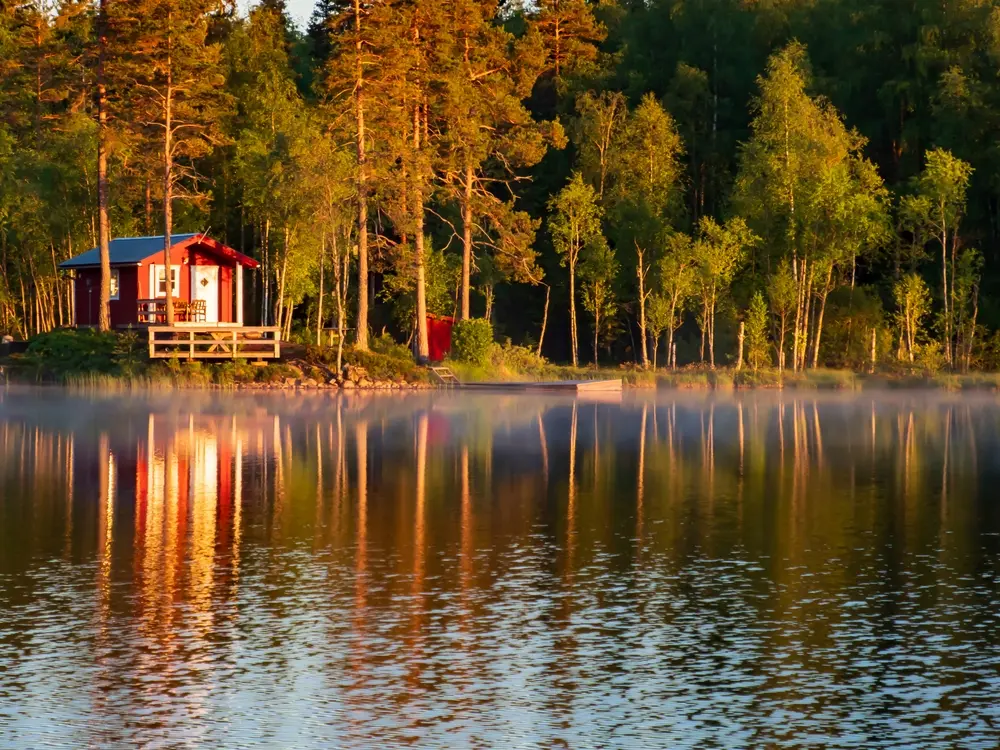
Waterfront homes often sit nestled beneath heavy tree coverage, offering beautiful views and natural shade. However, this same dense canopy creates a completely different set of roofing conditions compared to typical inland neighborhoods. Large shade trees, pine buildup, storm debris, and overhanging limbs become a constant reality for homes around Lake Murray and other South Carolina waterfronts. Unlike a sudden catastrophic event, roof damage from trees is often gradual. Leaves and pine needles accumulate slowly, trapping moisture and clogging drainage systems. Homeowners usually do not realize the extent of the wear and tear until a heavy rainstorm exposes a significant leak. Understanding how tree debris interacts with your roofing system is the key to extending its lifespan. We have seen firsthand the unique challenges that lake home roofing presents, and managing organic debris is always at the top of the list. Here is a practical look at how trees impact waterfront roofs and what you can do to manage the risks. Why Waterfront Properties Experience More Tree-Related Roof Problems Dense Tree Coverage Around Lake Homes Waterfront properties naturally feature mature, dense landscaping. While this provides privacy and aesthetic appeal, it means your roof catches a significantly higher volume of falling leaves, twigs, and pine needles throughout the year. Overhanging Limbs Near Rooflines Trees growing close to the water often lean toward the sunlight, frequently extending their canopies directly over a home’s roofline. These overhanging limbs drop debris directly onto the shingles and pose a constant threat of impact during high winds. Increased Debris During South Carolina Storm Season South Carolina storm season brings intense wind and heavy rain to the Lake Murray area. These localized storms easily strip weak branches and dead foliage from surrounding trees, dumping massive amounts of debris onto your roof in a matter of minutes. Moisture Retention From Shaded Roof Areas Heavy tree coverage creates persistent shade. Without direct sunlight to evaporate morning dew or post-storm rain, moisture lingers on the roof surface. This prolonged dampness accelerates the breakdown of roofing materials and creates an ideal environment for organic growth. How Tree Debris Damages Roofing Systems Over Time Leaves and Pine Needles Trapping Moisture When pine needles on a roof pile up, they weave together into a dense mat. This accumulation traps water directly against the shingles. Instead of shedding water, the roof is forced to sit under a wet blanket of organic matter, leading to accelerated deterioration. Granule Wear From Constant Debris Friction As the wind blows branches across your roof, or shifts heavy piles of debris, the abrasive friction strips the protective granules off your asphalt shingles. Once these granules are gone, the underlying asphalt is exposed to damaging UV rays. Gutters Overflowing From Organic Buildup Clogged gutters are a primary cause of roof moisture damage. When leaves and twigs block the flow of water, heavy rainfall backs up under the roof’s edge, rotting the fascia boards and the roof decking. Debris Collecting in Roof Valleys Roof valleys are the critical channels designed to direct water off your house. When debris collects in these valleys, it creates a dam. Water is forced to flow sideways under the shingles, resulting in severe roof valley leaks. Why Waterfront Roofs Stay Wet Longer After Storms Limited Sunlight Beneath Heavy Tree Canopies The same canopy that keeps your patio cool prevents the sun from drying out your shingles. Waterfront roofs often stay wet days after a storm has passed simply because the sunlight cannot penetrate the dense tree line. Humidity and Condensation Around Lake Environments Living on Lake Murray means dealing with high humidity. This ambient moisture constantly settles on shaded roofs as condensation, feeding the wet environment created by trapped tree debris. Organic Debris Holding Moisture Against Shingles Rotting leaves and pine straw act like a sponge. They absorb rainwater and hold it tightly against the roof surface, preventing the roofing system from ever completely drying out during wet seasons. Faster Algae and Moss Growth Around Shaded Roof Sections Because waterfront roofs stay wet and shaded, algae and moss thrive. Moss roots can actually lift shingle edges, allowing water to penetrate the system, while algae leaves unsightly dark streaks across the roofline. Storm Damage Risks From Trees Near Lake Homes Falling Limbs During High Winds During severe weather, the biggest risk to a lake house roof is falling limbs. Even moderately sized branches can puncture the roof decking if they fall from high enough, creating an immediate need for emergency roof repair. Impact Damage to Shingles and Roof Decking When branches strike a roof, they crush the shingles and compromise the fiberglass matting underneath. This type of storm damage roofing requires thorough inspection, as the structural decking beneath may be fractured even if the shingle looks relatively intact. Tree Branches Damaging Flashing and Gutters Whipped by high winds, overhanging branches act like brooms, sweeping violently across the roof edge. They easily bend metal flashing, rip off gutters, and tear away drip edges, leaving the home vulnerable to water intrusion. Emergency Roofing Situations After Storms If a major limb or tree trunk breaches the roof cavity, you are facing a severe emergency. Finding a reliable roofing company in Columbia, SC, quickly is essential to tarp the structure and prevent catastrophic interior water damage. Roofing Areas Most Vulnerable to Tree Debris Damage Roof Valleys and Drainage Channels Because valleys handle the highest volume of water runoff, any obstruction from tree debris quickly leads to overflow and water backing up beneath the shingle layers. Ridge Caps and Roof Edges The peaks and edges of your roof are highly exposed to wind-blown debris. Heavy winds can drive pine needles and small twigs directly under the ridge cap shingles, compromising the ventilation system. Skylights and Chimney Areas Debris easily packs into the flashing around skylights and chimneys. Once wet leaves build up around these penetrations, the water essentially pools around the flashing until it finds a way inside. Gutters and Downspout Systems Gutters bear the brunt of tree debris runoff. Without
Wind Damage Risks for Homes Near Lake Murray
Wind damage behaves entirely differently around Lake Murray than it does in more protected, inland neighborhoods across Columbia and Lexington. Out on the water, storm systems and heavy wind gusts encounter zero physical obstructions. This open environment allows weather systems to build momentum, meaning the moment those winds reach the shoreline, they hit waterfront properties with maximum force. Your roofing system takes the absolute worst of this pressure. Many homeowners walk outside after a heavy storm and look up at their roof. If they do not see any missing shingles, they assume the house survived unscathed. Unfortunately, hidden wind damage is incredibly common on lake properties. While the surface might look intact from the ground, the reality is often much different. High winds routinely break shingle seal strips, pull ridge caps loose, and compromise flashing around chimneys and valleys. We see these exact storm damage roofing issues week in and week out. As a local roofing company in South Carolina, we understand exactly how these localized weather patterns affect your property. This guide breaks down exactly what happens to your roof during a storm on the lake, what hidden damage looks like, and how to address it before a small leak turns into a massive repair. Why Homes Near Lake Murray Experience Stronger Wind Exposure Properties situated right on the lake are beautiful, but that location comes with a distinct set of weather-related challenges. The environmental layout essentially acts as a runway for severe weather. Open Water Allows Wind to Travel Faster In a standard suburban neighborhood, trees, other houses, and commercial buildings act as windbreaks. They disrupt the airflow, slowing it down before it hits your home. Lake Murray provides no such friction. Wind travels across the open water at high speeds, hitting the first line of shoreline homes with intense, uninterrupted pressure. Storm Systems Crossing the Lake When summer thunderstorms or remnants of tropical systems cross Lake Murray, the temperature shifts over the water can actually intensify the storm. The gusts that push across the lake surface are often stronger and more erratic than the winds recorded just a few miles inland. This translates directly to an increased need for roof repair near Lake Murray following severe weather. Elevated Waterfront Lots and Wind Pressure Many executive-style homes around the lake are built on elevated lots or bluffs to maximize the view. While this keeps the property safe from rising water, it severely increases the roof’s exposure to uplift pressures. Wind hits the side of the house, travels upward, and grabs the overhanging edges of the roof, pulling upward on the eaves and shingles. How Shoreline Layout Affects Roof Exposure The physical orientation of your house relative to the main channel of Lake Murray plays a huge role in wind damage. Homes facing the open water or positioned at the end of a long cove often catch the brunt of prevailing winds. If your home’s broad roof slopes face directly into these typical wind patterns, your shingles take a direct beating every time a storm rolls through South Carolina. The Most Common Wind Damage Problems on Lake Area Roofs When wind hits a roof, it looks for the path of least resistance. On Lake Murray homes, this usually results in a few specific types of structural compromise. Lifted and Creased Shingles Wind does not always tear a shingle entirely off the roof. Very often, strong gusts break the adhesive seal strip holding the shingle down. The wind lifts the shingle up, bends it backward, and then lets it drop back into place once the gust passes. This leaves a permanent horizontal crease across the top of the shingle, breaking the fiberglass matting and leading to a guaranteed roof leak after a storm. Ridge Cap Damage Along Roof Peaks The absolute highest point of your home is the ridge line. Because they sit at the peak, ridge cap shingles experience the highest wind speeds. Over time, heavy winds loosen the nails holding these caps in place. Once a ridge cap blows off, water has a direct entry point right into your attic. Flashing Separation Around Chimneys and Valleys Flashing is the metal material used to seal the joints where your roof meets a wall, chimney, or valley. Wind vibrations can pull flashing away from the brick or siding. Once that flashing separates, the waterproofing sealant breaks down. This is one of the most common reasons homeowners need an emergency roof repair after a major weather event. Detached Gutters and Edge Metal Your roof edge takes the brunt of wind uplift. If the wind manages to get under your drip edge or fascia metal, it can pry the materials loose. Strong winds can also catch the back of your gutters, pulling them away from the fascia board and exposing the bare wood to moisture and rot. Why Wind Damage Around Lake Homes Often Goes Unnoticed One of the most dangerous things about wind damage is how invisible it can be to the untrained eye. You can have a heavily compromised roofing system that looks perfectly fine from the driveway. Damage Hidden Beneath the Shingle Surface When a roofing contractor in South Carolina inspects a storm-damaged roof, they actually lift the shingles gently to test the adhesion. Often, the top layer of shingles looks fine, but the nails underneath have been pulled upward by wind vibrations, creating tiny holes in the underlayment that allow water to seep in slowly. Seal Strip Failure After High Winds Every asphalt shingle has a tar sealant strip that bonds it to the shingle below it. High winds break this seal. Once the seal is broken, wind-driven rain can easily blow underneath the shingle and reach the unprotected wood decking. You will not see this from the ground, but a thorough storm damage roof inspection will catch it immediately. Small Leaks That Develop Weeks Later Water is incredibly patient. A broken shingle seal or a slightly lifted piece of flashing might not cause a massive leak
Why Lake Homes Develop Roof Algae and Mold Faster
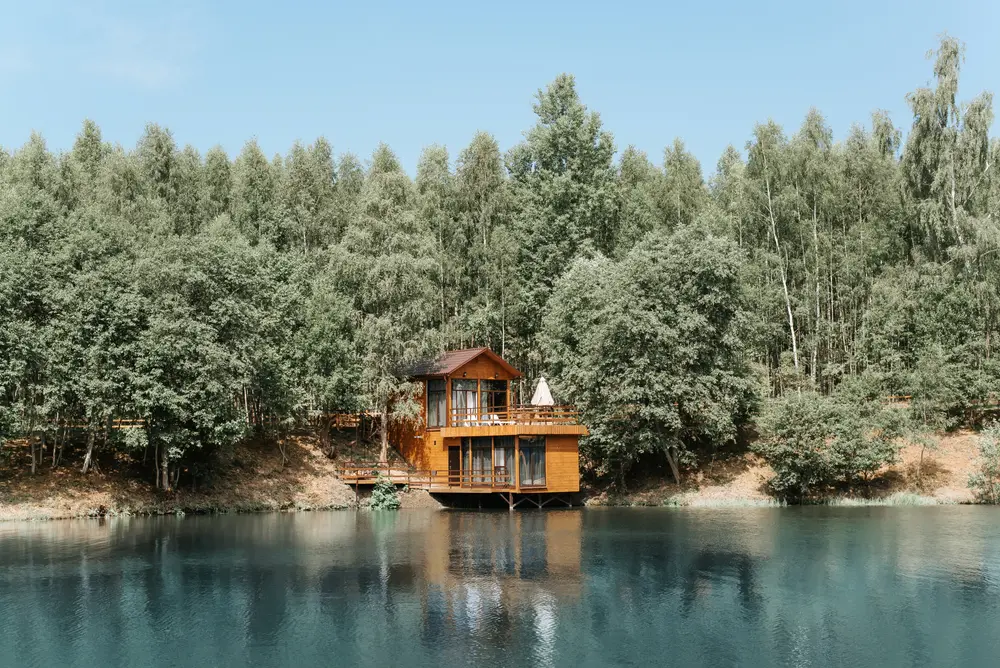
Algae and mold problems are much more common on lake homes than many property owners realize. When we inspect waterfront properties, we frequently see significant organic growth on roofs that are only a few years old. South Carolina lake environments create the perfect combination of humidity, shade, trapped moisture, and heat for organic roof growth to thrive. Those dark marks and roof staining are not always just cosmetic. When moisture becomes trapped against roofing materials, it can lead to premature wear and structural degradation. We often hear homeowners dismiss algae as a simple aesthetic flaw, but constant moisture retention on a roof surface can compromise the integrity of the shingles and the underlying decking. As a roofing contractor working regularly around Lake Murray and similar waterfront communities, we see the same patterns repeatedly. Waterfront properties face unique environmental stress. Understanding why these conditions happen is the first step in addressing the root causes before minor staining turns into a costly replacement project. Why Lake Environments Create Ideal Conditions for Roof Algae Growth Lakefront properties exist in microclimates that differ drastically from neighborhoods just a few miles inland. The consistent presence of water fundamentally changes the way a roof dries and ages. High Humidity Levels Around South Carolina Lakes South Carolina is already known for high humidity, but homes situated directly on a lake experience even higher moisture levels in the surrounding air. This constant humidity means the ambient air rarely dries out completely during the summer months. Consequently, any organic matter resting on the roof surface has a continuous water source, allowing algae and mold spores to thrive. Morning Condensation That Keeps Roofs Damp Longer Water temperatures in a lake fluctuate differently than air temperatures, leading to heavy morning fogs and thick condensation on nearby structures. Lake homes typically wake up to roofs covered in dew. Because the air is already saturated, this condensation takes significantly longer to evaporate. The longer a roof stays damp, the higher the likelihood of aggressive organic growth taking hold. Reduced Sunlight From Waterfront Tree Coverage Many lake properties are nestled into mature, wooded lots to maintain privacy and a natural aesthetic. While these trees provide excellent shade, they block the direct sunlight necessary to dry a roof quickly. Reduced sunlight means UV rays cannot naturally burn off the morning dew or kill off vulnerable algae spores. Moisture Retention Along North-Facing Roof Slopes The north-facing side of a lake house roof is almost always the first to show signs of algae. This slope receives the least amount of direct sunlight throughout the day. When you combine a north-facing slope with high humidity and morning condensation, you create an environment where moisture is retained for days at a time, making it an ideal breeding ground for roof algae in South Carolina. What the Black Streaks on Lake House Roofs Actually Are Homeowners often confuse dirt, mold, mildew, and algae. Knowing exactly what is growing on your roof helps determine the proper maintenance approach and the potential risk to the structure. The Difference Between Algae, Mold, and Mildew The black streaks you see on a roof are typically a type of algae known as Gloeocapsa magma. This algae feeds on the limestone filler used in asphalt shingles. Mold and mildew, on the other hand, usually require a combination of moisture and decaying organic material, like damp leaves or rotting wood. While algae primarily damages the shingles over a long period, mold can aggressively rot the underlying roof decking if it breaches the exterior envelope. Why Asphalt Shingles Are Especially Vulnerable Traditional asphalt shingles are manufactured using crushed limestone to add weight and durability. Unfortunately, limestone is a primary food source for roof algae. Once the algae spores land on a damp asphalt shingle, they begin to consume the limestone, leaving behind a dark, protective casing that appears as black streaks on the roof. How Airborne Spores Spread Across Roof Surfaces Algae and mold reproduce through microscopic spores that travel easily on the wind. If a neighboring house on the lake has an algae problem, a simple gust of wind coming off the water can deposit those spores onto your roof. Once the spores settle on a damp, shaded area, they begin to colonize and spread downward as rain washes the algae cells down the slope of the roof. Why Algae Often Starts Near Roof Valleys and Gutters Roof valleys and areas near gutters channel large volumes of water during a storm. These areas also tend to accumulate small amounts of organic debris, like pine needles or leaves. The combination of concentrated moisture and trapped debris makes roof valleys the most common starting point for algae roof stains and roof mildew to establish a foothold. How Trapped Moisture Makes Roof Problems Worse Algae growth is usually a symptom of a larger moisture management issue on the roof. When moisture is trapped, the materials that make up the roofing system begin to break down. Moisture Holding Against Roofing Materials When a roof is covered in a thick layer of algae or moss, that organic matter acts like a sponge. It absorbs morning dew and rain, holding the moisture directly against the shingles instead of allowing it to run off into the gutters. This prolonged contact weakens the asphalt and accelerates the aging process of the shingle. Roof Deck Deterioration Beneath the Shingles If moisture bypasses the surface of the shingles—often due to aging materials or failing underlayment—it reaches the wooden roof deck. Wet wood in a humid environment will inevitably begin to rot. We frequently encounter soft spots on lake house roofs during roof inspections, which indicates the plywood or OSB decking has been severely compromised by trapped moisture. Ventilation Problems That Accelerate Mold Growth A properly functioning roof must breathe. If attic ventilation is inadequate, hot, humid air from inside the home becomes trapped against the underside of the roof deck. This interior moisture condensates on the wood, creating the perfect environment for mold to grow from
How Humidity and Moisture Affect Lake House Roofs
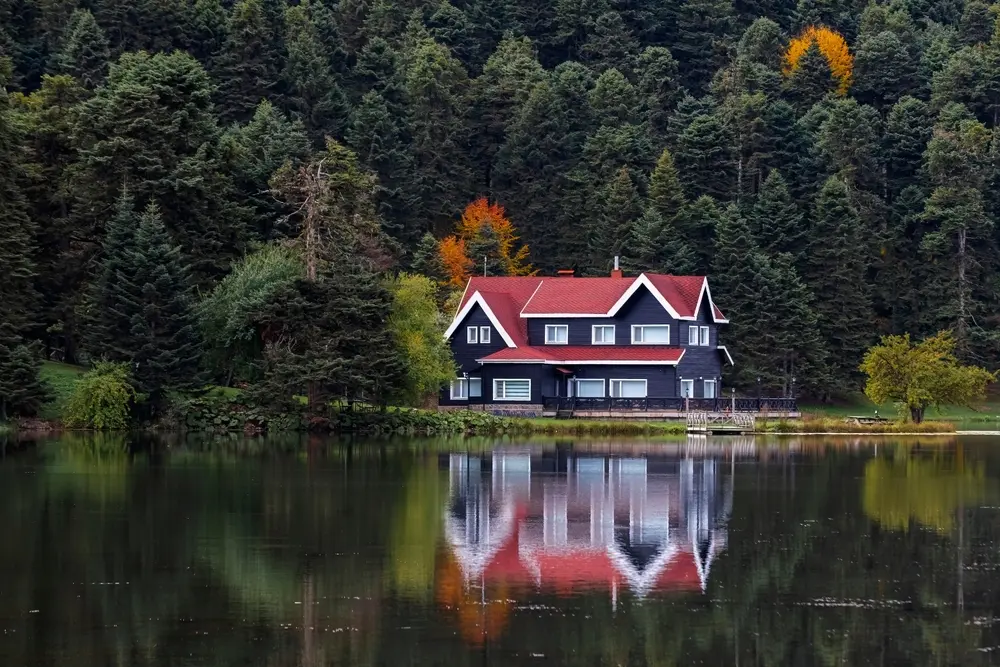
Many lake house roofing problems start quietly, not dramatically. Instead of a massive leak from a fallen tree limb, the real damage often occurs slowly, completely out of sight. Homeowners might not notice anything is wrong until a roofing contractor climbs up to inspect a small ceiling stain, only to find extensive rot beneath the shingles. Constant humidity, trapped attic moisture, daily condensation, and prolonged dampness slowly shorten a roof’s lifespan. South Carolina lake environments, especially around Lake Murray, present unique challenges. Roofs on these waterfront properties stay exposed to heavy moisture cycles for much of the year, enduring morning fogs, intense summer heat, and damp evening air. Why Lake Houses Stay Exposed to More Moisture Than Inland Homes Properties situated on the water simply operate in a different microclimate than homes located further inland. If you own a house on the lake, your roofing materials are constantly fighting off airborne water vapor. Humidity Levels Around South Carolina Lakes South Carolina is already known for its muggy summers, but living right on the water takes those humidity levels up a notch. Large bodies of water like Lake Murray constantly evaporate moisture into the surrounding air. This means the relative humidity surrounding your lake house is consistently higher, giving your roof very little time to completely dry out during the summer months. Morning Dew and Overnight Condensation Temperature swings between the warm lake water and the cooler night air create heavy morning dew. Every morning, your roof wakes up covered in a thick layer of condensation. While the afternoon sun eventually burns this off, the roofing materials spend half the day sitting under a blanket of water. Over years of daily exposure, this constant wet-to-dry cycle breaks down asphalt materials faster than normal. Limited Airflow Around Dense Tree Coverage Many lakefront homes are nestled into heavily wooded lots. While mature pine and oak trees provide beautiful shade, they also severely limit the airflow around your property. Without a steady breeze to dry out the shingles, moisture lingers on the roof for much longer. Shaded sections of the roof often stay damp for days after a rainstorm, creating the perfect environment for accelerated wear and tear. How Waterfront Air Stays Damp Longer Even on relatively clear days, waterfront air retains a high volume of moisture. Inland properties might experience a dry heat during the afternoon, but lake homes constantly pull damp air off the water. This persistent dampness prevents roofing components—especially porous underlayments and wood decking—from fully releasing trapped moisture, creating long-term roof repair needs across South Carolina. How Moisture Slowly Damages Roofing Systems Water does not have to be pouring through your ceiling to damage your home. Ambient moisture and humidity slowly compromise the structural integrity of your roof piece by piece. Shingle Deterioration From Constant Dampness Asphalt shingles are designed to shed water, but they are not impervious to constant dampness. When shingles remain wet for extended periods, the asphalt backing can begin to break down. The granules that protect the shingle from UV rays start to loosen and wash away. Once those granules are gone, the shingles become brittle, leading to premature cracking and blistering. Roof Deck Rot and Wood Softening Perhaps the most expensive consequence of trapped moisture is roof rot. The wooden decking beneath your shingles acts as the structural foundation of your roof. When moisture from high humidity or poor ventilation seeps into this plywood or OSB, the wood begins to soften. Over time, this moisture damage leads to rotting, warping, and sagging, completely undermining the safety of the roof structure. Flashing Corrosion Around Chimneys and Valleys Flashing is the metal material used to seal vulnerable areas like roof valleys, chimneys, and skylights. In highly humid environments, lower-quality metal flashing can begin to rust or corrode. As the metal degrades, it loses its watertight seal, allowing moisture intrusion right into the most sensitive areas of your roofing system. Flashing repair is one of the most common maintenance tasks we perform on aging lake homes. Moisture Intrusion Beneath Roofing Materials When shingles fail or flashing corrodes, ambient moisture finds its way beneath the outer layers of the roof. Once water gets past the underlayment, it becomes trapped. This hidden moisture sits directly against the roof decking, slowly deteriorating the wood over months or years. Often, homeowners only realize this has happened during a routine roof leak repair. Attic Humidity Problems in Lake Homes A healthy roof requires a healthy attic. Many of the moisture problems we see around Lake Murray actually originate from inside the house, not outside. Why Poor Ventilation Traps Moisture Your attic needs to breathe. As heat and moisture rise from your living spaces, they enter the attic. Without proper roof ventilation, that humid air has nowhere to go. It sits in the enclosed space, slowly baking your roof from the inside out. Poor ventilation is the leading cause of premature roof failure in humid South Carolina climates. Condensation Buildup Inside the Attic During cooler months, warm, moist air from the home rises into the cold attic. When that warm air hits the underside of the cold roof deck, it condenses into water droplets. This condensation literally rains down inside the attic, soaking the insulation and the wooden trusses. This internal moisture buildup is often mistaken for an active roof leak. Mold and Mildew Risks Around Roof Decking Where there is persistent moisture, mold and mildew quickly follow. Trapped attic humidity creates a dark, damp, and warm breeding ground for fungal growth. Black mold can spread rapidly across the underside of the roof decking, deteriorating the wood and potentially impacting the indoor air quality of your home. Insulation Problems Caused by Moisture When attic condensation drips onto your fiberglass or cellulose insulation, the insulation compresses and loses its thermal resistance (R-value). Wet insulation fails to keep your home cool in the summer and warm in the winter, driving up your energy bills. Replacing wet insulation is a critical step during major attic moisture
Roofing Challenges for Lake Homes in South Carolina
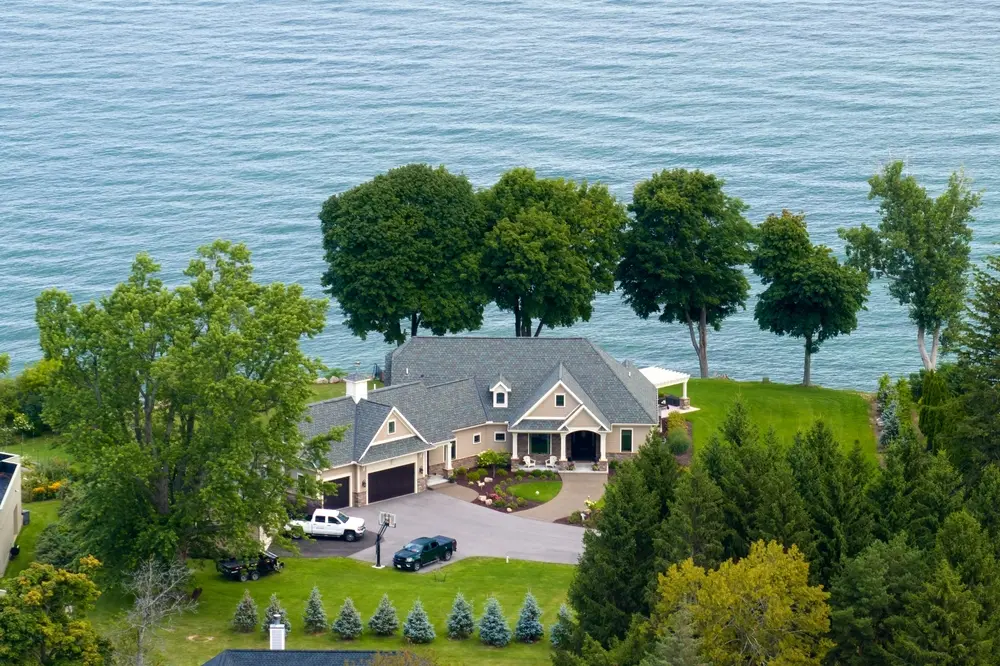
Waterfront properties experience roofing wear differently than homes built further inland. The environment around a lake introduces a unique combination of constant humidity, reflected UV exposure, and intense storms moving freely across open water. For properties around Lake Murray and other South Carolina waters, these factors accelerate the deterioration of standard roofing materials. Add the complications of seasonal occupancy or vacation rentals, and minor issues can quickly become major structural problems. Understanding how a lake environment impacts roofing systems helps property owners stay ahead of costly damage. Rather than reacting to leaks after they happen, recognizing the specific environmental stressors on a lake home roofing system allows for smarter maintenance and material selection. Why Lake Homes Experience Faster Roof Wear in South Carolina A roof on a lake house faces environmental pressures that suburban homes miles away from the water rarely encounter. The combination of moisture and exposure requires more durable materials and closer attention to wear. Constant Humidity Around Waterfront Properties South Carolina is already humid, but properties situated directly on a shoreline deal with saturated air year-round. This constant humidity means roofing materials rarely get a chance to completely dry out. Over time, persistent moisture breaks down the adhesive bonds in asphalt shingles and degrades the underlying underlayment. Morning Condensation and Moisture Retention Every morning, significant condensation forms on roofs near the water as the temperature shifts. This heavy dew settles into the granular surface of shingles and sits in roof valleys. Because lake home roofing systems experience this wet-to-dry cycle daily, the shingles expand and contract more frequently, leading to premature aging and cracking. Heat Reflection From Water Surfaces Water acts as a mirror for the sun. Properties sitting right on the shoreline receive direct solar heat from above, coupled with reflected UV rays bouncing off the lake. This amplified heat bakes the shingles, accelerating granule loss and causing asphalt roofing systems to turn brittle faster than they would on an inland property. Wind Exposure Across Open Shorelines Trees and neighboring structures normally break up wind patterns. On a lake, wind travels across miles of open water with zero friction. By the time a storm reaches the shoreline, the wind hits the home at full force. This causes significant roof damage on a lake house, including lifted shingles, broken seals, and displaced flashing. Algae, Moss, and Moisture Problems on Lake Home Roofs Waterfront roofs provide the perfect breeding ground for organic growth. The abundance of moisture creates an environment where algae and moss thrive, fundamentally altering both the appearance and performance of a roof. Why Black Streaking Happens Faster Near Lakes That dark, streaky staining you see on older roofs is actually a cyanobacteria called Gloeocapsa magma. It feeds on the limestone filler used in modern asphalt shingles. Because lake environments provide a constant supply of moisture, roof algae in South Carolina spreads aggressively across waterfront homes, turning a clean roof completely black in just a few years. Moss Growth Around Shaded Waterfront Rooflines Homes built near the water often have large, mature trees providing shade. Where shade and moisture meet, moss takes root. Unlike algae, moss poses a severe structural threat. It grows into the edges of shingles, lifting them up and allowing water to penetrate the underlayment. Roof moss growth requires prompt removal before it compromises the entire system. How Moisture Impacts Shingle Lifespan When shingles stay damp due to organic growth or poor sunlight exposure, their lifespan drops drastically. The moisture slowly permeates the fiberglass matting, leading to curling, blistering, and eventual failure. Regular lake house roof maintenance is critical to keeping the surface clear of debris that traps moisture. Ventilation Problems That Make Moisture Worse Humidity doesn’t just attack the outside of the roof; it attacks from the inside out. Roof ventilation problems trap warm, moist air inside the attic space. When that humid air meets the cooler roof decking at night, condensation forms inside the attic. This internal moisture rots the wood decking and drastically reduces the life expectancy of the roofing system. Storm Damage Risks for South Carolina Lake Homes When severe weather rolls through the Midlands, waterfront properties bear the brunt of the impact. The lack of natural windbreaks makes lake homes highly susceptible to storm-related roofing failures. Wind Speeds Tend to Increase Near Open Water Without buildings or hills to slow it down, straight-line winds accelerate over the surface of a lake. Roofs on the shoreline frequently experience higher wind loads than homes just a quarter-mile inland. This constant battering weakens the sealant strips on shingles, making them vulnerable to blow-offs during major weather events. Wind-Driven Rain Around Roof Flashing and Valleys High winds push rain horizontally. Standard roofing systems are designed to shed water flowing downward by gravity. When wind drives rain sideways, water pushes up under the shingles, behind chimney flashing, and into roof valleys. This forces moisture into the home, creating leaks that are difficult to trace. Hail Damage That Goes Unnoticed on Seasonal Homes Severe thunderstorms drop heavy hail across South Carolina every spring. For residents living in a home full-time, hail strikes are obvious. For seasonal or vacation properties, hail damage often goes unnoticed for months. The bruising removes the protective granules, leaving the asphalt exposed to the sun and accelerating deterioration. Tree Damage Along Waterfront Lots Lakefront lots are prized for their mature trees, but those same trees pose a significant risk during storms. High winds snap dead branches, sending them crashing onto the roof system. Punctured decking and cracked shingles require immediate emergency roof repair to prevent subsequent water intrusion. Roofing Problems Common in Vacation and Seasonal Lake Homes Owning a second property comes with unique maintenance blind spots. When a home sits vacant for weeks or months at a time, minor roofing issues escalate rapidly. Small Leaks That Sit Undetected for Months A slow drip from a compromised pipe boot or failing ridge vent might go unnoticed if nobody is living in the home. What starts as a simple vacation
Lake Home Roofing Services in South Carolina
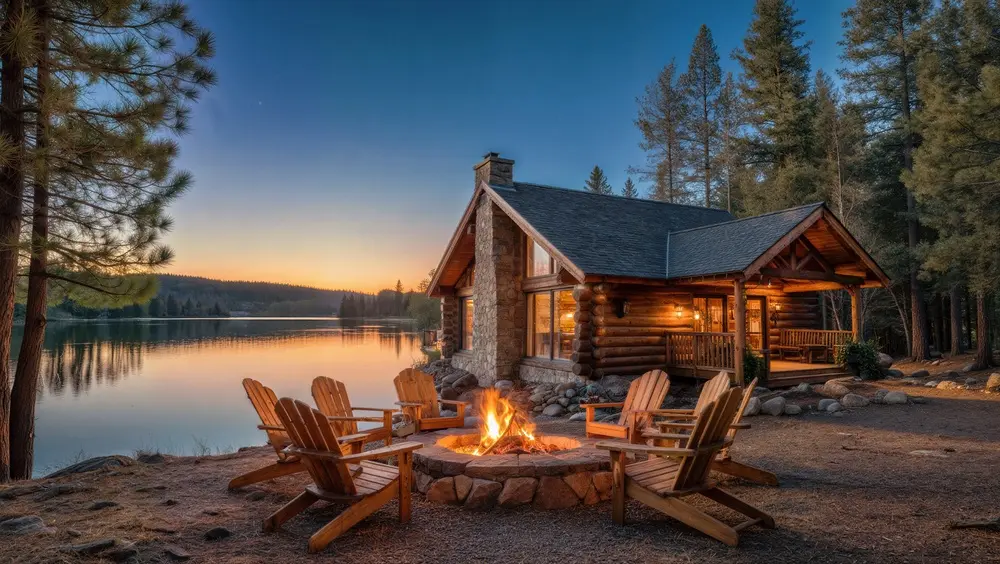
Properties situated along the water face an entirely different set of environmental challenges compared to inland neighborhoods. Between the constant moisture, severe humidity, and high winds coming directly off the open water, a lake home requires specialized attention when it comes to exterior protection. Roofs on these properties degrade at a different pace, and understanding how to combat the local South Carolina climate is essential for preserving the integrity of luxury waterfront real estate. Cola City Roofing specializes in addressing the unique demands of waterfront and recreational properties across Lake Murray and surrounding South Carolina lake communities. We regularly work with homeowners who need a roofing company in South Carolina that understands the nuances of complex architectural designs, steep rooflines, and high-end materials. Whether you live on the lake year-round or manage a seasonal vacation property, our team provides targeted roofing solutions designed to withstand the harsh realities of waterside exposure. Roofing Problems Lake Homes Face in South Carolina Waterfront properties are beautiful, but their location makes them highly vulnerable to specific types of structural wear. South Carolina lake homes endure distinct environmental pressures that rapidly accelerate material degradation if the roof is not properly designed and maintained. Constant Moisture Exposure Around Lake Properties Humidity is a constant factor in South Carolina, but it becomes a much larger issue when your home sits directly adjacent to a large body of water. The ambient moisture in the air combined with heavy morning condensation creates an environment where roofing materials rarely have the chance to dry out completely. Over time, this constant dampness can penetrate the roofing system if the underlayment and flashing are not perfectly sealed. Because of this perpetual moisture, moss and algae growth are incredibly common on lake home roofs. The dark streaks you often see on older shingles are actually a type of blue-green algae known as Gloeocapsa magma, which feeds on the limestone filler used in asphalt shingles. Beyond being an eyesore on a luxury property, significant algae and moss accumulation can trap moisture against the roof deck and lead to premature deterioration. Proper ventilation and algae-resistant materials are essential to combat these constant moisture challenges. Wind Exposure Across Open Water When a storm moves across a lake, there are no trees or buildings to break the wind before it hits your home. This means lake properties regularly experience significantly higher wind speeds than houses located just a few miles inland. Strong gusts coming off the water create a powerful uplift effect that can easily tear loose, aging, or improperly installed shingles from the roof deck. The ridge of the roof and the eaves are particularly vulnerable to this type of wind exposure. Wind-driven rain can be forced upward under the shingles, bypassing the protective layers and entering the attic space. To prevent this, a luxury roofing contractor will install enhanced starter shingles, specialized ridge caps, and heavy-duty underlayments that provide an extra barrier against severe weather movement across the open water. Vacation Homes and Delayed Roof Issues Many waterfront properties serve as secondary residences or vacation homes, meaning they are not occupied year-round. Seasonal occupancy creates a unique vulnerability because minor roofing issues can go unnoticed for months at a time. A small leak that would have been caught immediately in a primary residence can easily escalate into major water damage, mold growth, and structural rot before the owners return for the summer season. This delay in discovering damage also creates complications with insurance claims. Insurance providers often require homeowners to report storm damage within a specific timeframe and take immediate action to prevent further interior destruction. Maintenance neglect on a second home can lead to denied claims and massive out-of-pocket expenses. Regular inspections and a proactive approach to maintenance are critical for protecting investments in seasonal lake properties. Roofing Systems That Work Best for Lake Homes Selecting the right materials for a waterfront property involves balancing aesthetic appeal with rugged durability. The roofing system must complement the high-end architecture of an executive home while actively resisting the punishing South Carolina climate. Architectural Shingle Roofing for Waterfront Homes Architectural shingles are a highly popular choice for lake homes due to their dimensional appearance and robust weather resistance. Unlike basic 3-tab shingles, heavy-duty architectural shingles are built with multiple layers of fiberglass and asphalt, making them significantly heavier and more resistant to the wind uplift coming off the lake. When installing an architectural roof replacement in Columbia, SC, or around the lake, we strongly recommend utilizing algae-resistant product lines. These specialized shingles incorporate copper granules that inhibit the growth of the black algae streaks so common in waterfront environments. This ensures the roof maintains its premium curb appeal for years without requiring harsh chemical cleanings that can damage the surrounding landscaping or lake water. Metal Roofing for Lake Properties For homeowners looking for ultimate longevity and storm durability, a lake house metal roof is an outstanding investment. Metal roofing in South Carolina is highly resistant to the heavy rains, high winds, and intense UV radiation that waterfront properties face daily. Modern standing seam metal roofs feature concealed fasteners, which eliminates the risk of screws backing out over time and creating leak points. Beyond their weather resistance, metal roofs offer excellent energy performance. They actively reflect solar heat rather than absorbing it, which can significantly lower cooling costs during the sweltering South Carolina summers. Furthermore, metal naturally resists the moss, mildew, and algae growth that plague traditional asphalt shingles in highly humid environments, making it a low-maintenance option for seasonal property owners. Copper Accents and High-End Roofing Details Luxury lake homes often feature intricate architectural details that require specialized roofing skills. Incorporating copper accents into the roofing system is an excellent way to elevate the property’s visual appeal while providing unmatched durability in critical areas. Copper develops a beautiful natural patina over time, blending perfectly with the natural surroundings of a lakefront estate. We frequently install custom copper flashing around chimneys, skylights, and deep valleys where water
Copper Roofing Accents and High-End Roofing Details
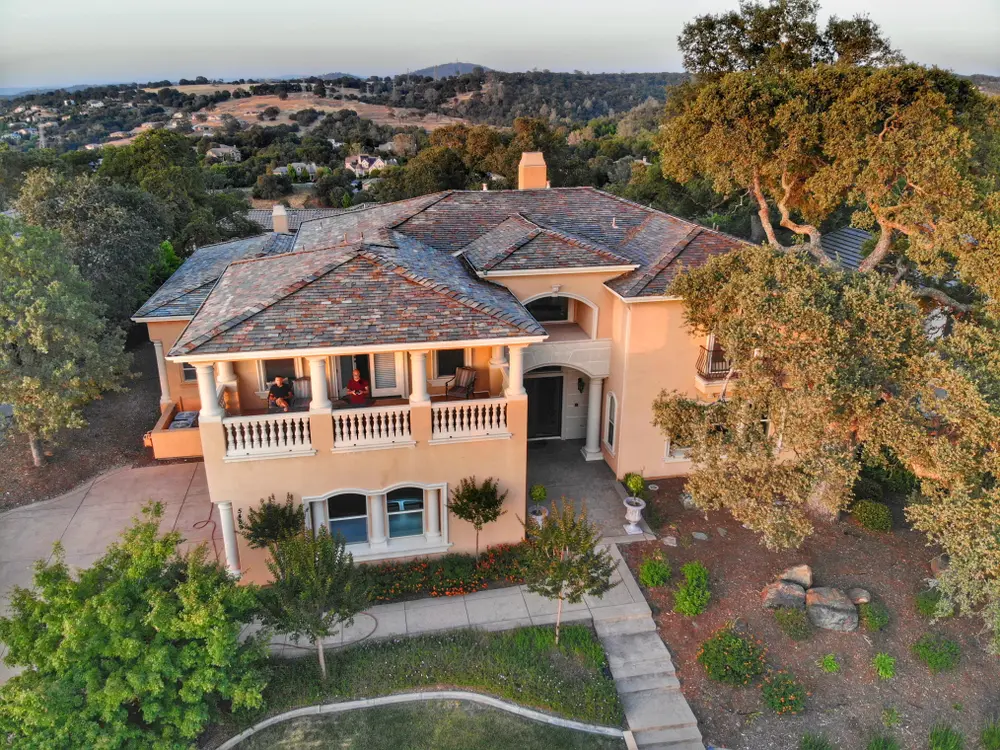
High-end residential roofing is rarely defined by the standard shingles alone. The true character of a premium roofing system comes down to the smaller architectural details that catch the eye and protect the structure. Homeowners and builders often look to copper flashing, copper valleys, custom chimney caps, premium drainage systems, and decorative roof accents to elevate a property’s exterior. These carefully crafted components serve a dual purpose, offering superior water management while creating an undeniable visual impact. Executive homes, estate properties, and custom residential builds across the state frequently utilize copper for its unmatched durability and classic appearance. The material brings a level of craftsmanship and long-term curb appeal that standard aluminum or galvanized steel simply cannot match. Investing in these custom residential roofing upgrades ensures that the home’s exterior matches the quality and care put into its interior spaces. Why Roofing Details Matter More on Executive Homes Large Rooflines Draw More Visual Attention Estate properties and custom homes typically feature expansive, complex rooflines that dominate the exterior visual profile. When a roof makes up a significant percentage of a home’s visible exterior, the materials and finishing details become much more prominent. Standard flashing or basic aluminum valleys can look out of place on a large canvas, whereas copper roofing accents draw the eye and complement the massive scale of the architecture. Architectural Details Influence Overall Curb Appeal Curb appeal on an upscale home relies heavily on cohesion and texture. Premium roofing details pull the entire exterior design together, bridging the gap between masonry, siding, and the primary roofing material. Incorporating high-end trim work, custom chimney caps, and decorative roof accents ensures that the home maintains a sophisticated appearance from the street, directly enhancing the property’s overall presence in the neighborhood. Premium Homes Expose Poor Workmanship Faster When a home features high-quality brickwork, natural stone, or custom siding, any shortcuts taken on the roof become glaringly obvious. Poorly cut flashing, uneven valleys, or sloppy caulking will immediately detract from the surrounding high-end materials. Premium residential roofing requires an exact level of craftsmanship, as any imperfections in the roofing details will stand out against the flawless finishes of the rest of the estate. Roofing Finishes Help Define Luxury Residential Design The choice of finishing materials sends a distinct message about the quality of the build. Copper roof accents and premium gutter systems are historic markers of quality and permanence in residential architecture. By integrating these upscale home roofing elements, homeowners establish a clear standard of luxury that resonates throughout the entire property, elevating the home above standard builder-grade aesthetics. Why Copper Remains Popular on High-End Residential Roofing Long-Term Durability and Corrosion Resistance Copper is renowned for its incredible lifespan, often outlasting the primary roofing materials it sits alongside. Unlike steel, which can rust, or aluminum, which can corrode and pit over time, copper possesses natural anti-corrosive properties. This makes copper flashing roofing components incredibly reliable for keeping water out of critical roof joints, ensuring decades of protection with minimal degradation. The Natural Aging and Patina Process One of the most appealing aspects of copper is its living finish. Over time, exposure to the elements causes the metal to oxidize, transitioning from a bright, reflective bronze to deeper shades of brown, and eventually to a classic blue-green patina. This natural aging process adds a rich, evolving character to the home, making the roofing system look more distinguished and established as the years go by. Why Copper Adds Architectural Character Copper stands out without being overly flashy, providing a sense of timeless elegance. It introduces a warm, metallic texture that breaks up large sections of shingles or slate. Whether used as a subtle accent over a bay window or as a bold statement on a custom chimney cap, copper adds a layer of architectural depth that enhances the structural design of the home. Copper’s Reputation in Luxury Home Design For centuries, copper has been the material of choice for historic buildings, cathedrals, and prestigious estates. That legacy carries over into modern luxury home roofing. Buyers and appraisers alike recognize copper as a premium building material. Its presence on a home signals that the builder or homeowner prioritized quality, longevity, and exceptional taste over cost-cutting measures. Common Copper Roofing Accents Used on Executive Homes Copper Flashing Around Chimneys and Roof Transitions Flashing is essential for waterproofing the most vulnerable areas of a roof, such as where the roof deck meets a wall, dormer, or chimney. Using copper flashing not only guarantees a watertight seal that will endure severe weather, but it also turns a functional necessity into an attractive design feature. The rich tones of the copper beautifully frame chimneys and complex roof transitions. Copper Valleys for Water Management The valleys of a roof channel significant volumes of water during heavy downpours, making them highly susceptible to wear and tear. Copper valleys provide a rugged, corrosion-resistant trough that handles fast-moving water effortlessly. Visually, these metallic pathways create striking geometric lines down the slopes of the roof, adding a sharp, tailored look to the entire roofing system. Custom Copper Chimney Caps A chimney cap protects the flue from moisture, debris, and nesting animals, but standard caps can look utilitarian and cheap. Custom copper chimney caps are fabricated to fit the exact dimensions of the chimney, offering superior protection while serving as a beautiful architectural crown. These caps are often visible from the ground and serve as a focal point that ties the home’s exterior design together. Copper Gutters and Downspouts Standard aluminum gutters are often painted to blend in and disappear against the fascia board. Copper gutters and downspouts, however, are designed to be seen and admired. They provide exceptional structural integrity, resisting the sagging and warping that can plague weaker materials. Furthermore, they frame the home’s roofline with a distinct, premium border that ages beautifully alongside the house. How Copper Roofing Details Improve Curb Appeal Contrast Against Brick, Stone, and Natural Materials Copper’s natural warmth provides a stunning contrast to the cooler tones
Metal Roofing for Luxury Homes in South Carolina
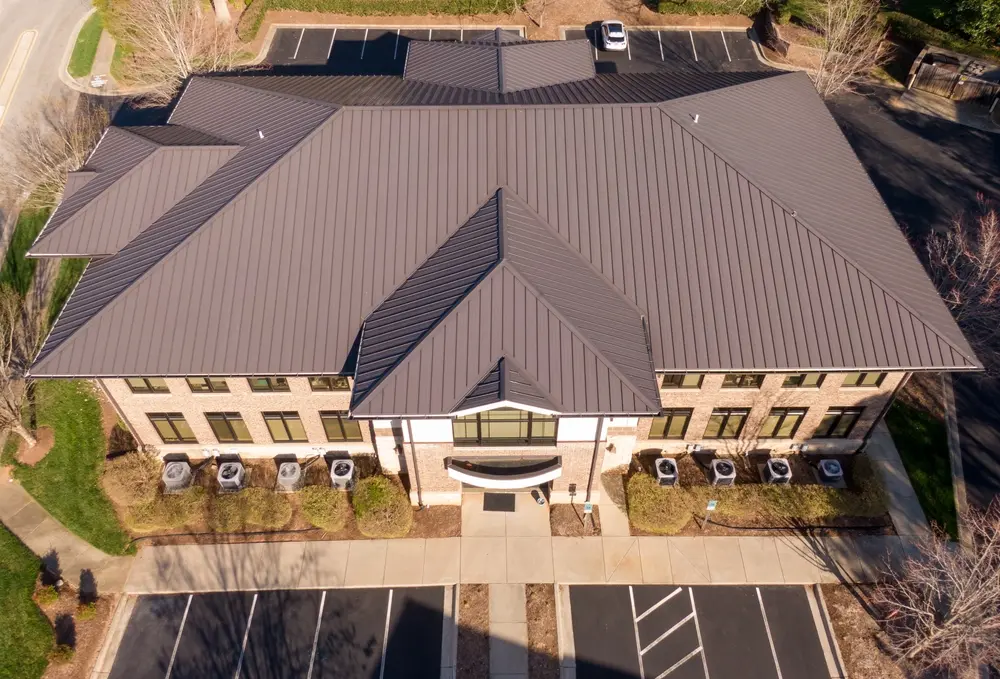
Driving through upscale neighborhoods across the South Carolina Midlands, you will quickly notice a distinct shift in residential architecture. More estate properties, lakefront homes, and custom builds are upgrading their exteriors with premium metal roofing systems. This transition is driven by a combination of elevated curb appeal, superior durability, and the functional demands of southern weather patterns. Choosing the right roofing material for a large custom home requires balancing long-term value with architectural design. A premium metal roof provides an exceptionally long lifespan, reducing the need for future replacements while improving the home’s overall energy efficiency. Furthermore, these systems offer unmatched storm resistance, standing up to the high winds, heavy rain, and intense summer heat that define the local climate. Why More Luxury Homeowners Are Choosing Metal Roofing Upscale home roofing projects require materials that perform just as well as they look. Homeowners investing in custom builds or major renovations want peace of mind knowing their property is protected by a system built to last for decades. Longer Lifespan Compared to Traditional Roofing Systems One of the most significant advantages of residential metal roofing is its remarkable longevity. While standard asphalt shingles generally require replacement every two decades, a high-quality metal roof can easily last fifty years or more with proper installation. This extended lifespan makes it a highly practical investment for homeowners who plan to stay in their custom properties for the long haul, effectively eliminating the frustrating cycle of premature roof replacements. Better Storm Resistance for South Carolina Weather The South Carolina climate routinely exposes homes to severe thunderstorms, hail, and high-wind events. Metal roofing systems are engineered to withstand these harsh conditions without sustaining the kind of damage that ruins traditional shingles. Their interlocking panels create a continuous barrier against moisture penetration, ensuring the structural integrity of the home remains intact even during the heaviest seasonal downpours. Modern Appearance for Executive Homes Architectural trends for custom residential builds strongly favor clean lines and sophisticated textures. Metal roofing delivers a crisp, tailored aesthetic that instantly elevates the exterior of any large home. Whether capping an entire estate or serving as an accent feature over wraparound porches, the sleek profile of a premium metal roof aligns perfectly with the visual expectations of luxury real estate. Lower Long-Term Maintenance Expectations Maintaining a sprawling executive home requires significant time and resources, making low-maintenance building materials highly desirable. Unlike shingles that can curl, crack, or blow off during storms, a properly installed metal roof demands very little ongoing upkeep. Aside from clearing debris from valleys and ensuring gutters remain unobstructed, homeowners spend drastically less time worrying about roof maintenance and repairs. Standing Seam Metal Roofing Is the Most Popular Choice for Executive Homes When discussing metal roofing for luxury homes, the conversation almost always centers around standing seam systems. This specific style of roofing has become the gold standard for high-end residential properties across the state. What Makes Standing Seam Roofing Different Standing seam metal roofing features continuous panels that run vertically from the roof’s ridge down to the eaves. The edges of these panels are folded and crimped together, creating raised seams that sit above the level of the roof deck. Because the interlocking seams are elevated, water is channeled safely down the panels, virtually eliminating the risk of moisture seeping into the joints. Hidden Fastener Systems and Cleaner Appearance The defining feature of a premium standing seam roof is its hidden fastener system. Traditional corrugated metal roofs use exposed screws that pierce the metal and rely on rubber washers to keep water out, which can degrade over time in the southern heat. Standing seam panels conceal the clips and fasteners beneath the metal surface, offering a flawless, uninterrupted appearance while protecting the hardware from weather exposure. Why Executive Homeowners Prefer the Design Homeowners investing in luxury properties demand materials that look sophisticated rather than industrial. The concealed fasteners and sleek vertical lines of standing seam metal roofing provide an architectural elegance that exposed-fastener roofs simply cannot match. This pristine finish complements the intricate masonry, premium siding, and professional landscaping typical of high-end neighborhoods. Performance Benefits for Larger Residential Rooflines Executive homes often feature massive, complex rooflines with multiple elevations, dormers, and steep pitches. Standing seam panels offer exceptional structural rigidity, making them ideal for spanning these expansive areas securely. The panels are also designed to accommodate thermal movement, safely expanding and contracting as temperatures fluctuate without warping or stressing the structural decking. How Metal Roofing Performs in South Carolina Conditions A roof is a home’s primary defense against the elements. Understanding how premium roofing systems interact with the local climate is crucial for homeowners making long-term property investments. Heat Reflection During Long Summers Summers in the South Carolina Midlands are notoriously hot, putting immense strain on residential HVAC systems. High-end metal roofs are treated with specialized, reflective coatings that bounce solar radiant heat away from the home rather than absorbing it into the attic. This thermal efficiency keeps the upper levels of large homes noticeably cooler, reducing air conditioning costs and improving overall indoor comfort. Wind Resistance During Storm Season Severe weather, including remnants of tropical storms and intense localized microbursts, poses a constant threat to residential roofs. Standing seam metal roofing systems are rigorously tested for wind uplift resistance, often rated to withstand hurricane-force gusts. The concealed clips tightly secure the continuous panels to the roof deck, preventing wind from getting underneath and tearing the material away. Heavy Rain and Drainage Performance Large executive homes feature expansive roof surface areas that catch thousands of gallons of water during a heavy rainstorm. The smooth surface and vertical ridges of standing seam metal roofs allow rainwater to shed rapidly and efficiently into the gutter systems. This prevents water from pooling in low-sloped areas or backing up beneath shingles, drastically reducing the risk of interior water damage. Humidity and Corrosion Considerations Constant humidity is a hallmark of the South Carolina climate, leading some homeowners to worry about rust. Modern residential metal
Architectural Shingles vs Standard Shingles for Executive Homes
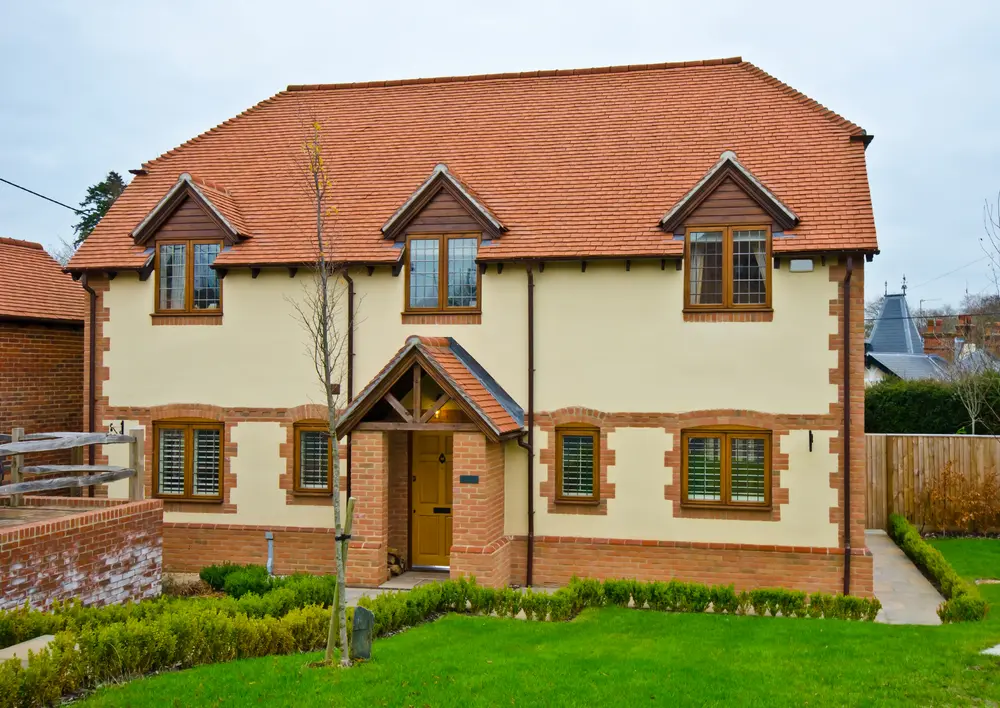
Choosing the right roofing material becomes increasingly important when dealing with executive-style properties. Larger homes typically feature expansive, highly visible rooflines that significantly influence the overall appearance of the property. When a roof spans a significant portion of a home’s exterior, any flaws, uneven aging, or basic material choices become immediately apparent from the street. High curb appeal expectations mean that homeowners need roofing systems that complement the architectural design of their property. Living in South Carolina adds another layer of complexity to this decision. Our regional climate brings intense summer heat, heavy rain, and seasonal storms that constantly test the limits of residential roofing. Selecting a material that can withstand these environmental pressures is critical for protecting the home and maintaining its long-term property value. A well-chosen roofing system provides peace of mind while enhancing the aesthetic appeal of an upscale residence. Why Roofing Material Choice Matters More on Executive Homes Large Rooflines Make Roofing More Visible Executive homes often feature complex architectural designs with steep pitches, multiple gables, and sweeping rooflines. Because the roof accounts for a massive percentage of the home’s visible exterior, the materials used dictate the property’s overall aesthetic tone. A basic roofing material can detract from elegant brickwork or custom siding, whereas premium asphalt shingles enhance the visual impact of the entire structure. Higher-End Homes Expose Installation Quality Faster When dealing with expensive properties, a sloppy installation or the use of lower-tier materials stands out starkly against the rest of the home’s high-end finishes. Standard shingles lay completely flat, which means any minor decking imperfections or slight misalignments become glaringly obvious on a large roof. Architectural roofing systems have a textured design that naturally hides minor variations, providing a seamless and polished appearance that high-end homeowners expect. Roofing Lifespan Becomes More Important on Larger Homes A roof replacement on a large custom home is a significant undertaking that requires a substantial investment of time and resources. Homeowners generally want to maximize the time between replacements to avoid the disruption and expense of frequent roofing work. Selecting materials with an extended roof lifespan ensures that the property remains protected for decades, reducing the long-term cost of ownership and minimizing ongoing maintenance requirements. Storm Resistance Matters More in South Carolina South Carolina weather regularly subjects homes to high winds, severe thunderstorms, and occasional hail. An expansive roof presents a massive surface area for wind uplift and heavy rain to target. Executive home roofing needs to provide robust protection against these elements to prevent moisture intrusion and structural damage. High-quality materials are specifically engineered to grip the roof deck securely and resist the tearing forces generated by severe storms. What Are Standard Asphalt Shingles? Basic 3-Tab Shingle Construction Standard shingles, commonly referred to as 3-tab shingles, are made from a single, flat layer of asphalt-coated fiberglass. Manufacturers cut two slits into the bottom edge of the shingle to create the appearance of three separate tabs when installed on a roof. This straightforward construction results in a very flat, uniform surface without any depth or dimensional variation. The materials are relatively thin and lightweight compared to other roofing options available today. Why Standard Shingles Were Once Common For decades, standard 3-tab shingles were the default choice for residential roofing across the country. They offered a reliable, cost-effective way to protect homes from water damage while providing a clean, uniform look. Because the manufacturing process was relatively simple, standard shingles were easy to mass-produce and keep affordable for the average homeowner. Until premium roofing options became more widely accessible, 3-tab shingles dominated neighborhoods of all price points. Typical Lifespan and Performance Expectations Given their thinner construction, standard shingles typically offer a shorter functional lifespan, usually ranging from 15 to 20 years under normal conditions. In South Carolina, intense UV exposure and regular thermal cycling can cause these shingles to dry out, curl, or lose their protective granules prematurely. Their wind resistance ratings are generally lower as well, making them more susceptible to blowing off during strong seasonal storms. Where Standard Shingles Still Make Sense Despite the rise of upgraded materials, standard shingles still serve a practical purpose in certain situations. They are often utilized on detached garages, basic sheds, or smaller secondary structures where high-end curb appeal is not a priority. Property investors repairing a home for a quick resale or homeowners working with highly restricted budgets may also opt for standard shingles to secure a functional, watertight roof without the premium price tag. What Are Architectural Shingles? Dimensional Design and Layered Construction Architectural shingles are manufactured by laminating two or more distinct layers of asphalt-coated fiberglass together. This dual-layer construction creates a thicker, heavier roofing material with varied tabs that mimic the natural look of wood shakes or slate tiles. The built-in physical thickness of these dimensional shingles adds tangible texture and depth to the roof’s surface, drastically altering how light and shadow interact with the home’s exterior. How Architectural Shingles Improve Curb Appeal The varied profiles and rich textures of architectural shingles instantly elevate a home’s visual presentation. Instead of the monotonous, flat grid created by standard shingles, dimensional roofing provides a dynamic, structured appearance that complements complex architectural features. This enhanced curb appeal is one of the primary reasons builders and homeowners choose these materials for custom home roof replacement projects across South Carolina. Weight, Durability, and Wind Resistance Differences Because they contain more material and a stronger adhesive backing, architectural shingles are significantly heavier than their 3-tab counterparts. This added weight translates directly into superior wind resistance, with many premium asphalt shingles rated to withstand winds up to 130 miles per hour. The robust construction also provides enhanced defense against impact damage, heavy rain, and the aggressive thermal expansion caused by the South Carolina summer sun. Why Executive Homes Commonly Use Architectural Roofing Owners of upscale properties consistently gravitate toward architectural roof systems because they offer the perfect balance of luxury aesthetics and heavy-duty performance. The structural integrity of dimensional shingles matches the long-term
Premium Roofing Materials for High-End Homes
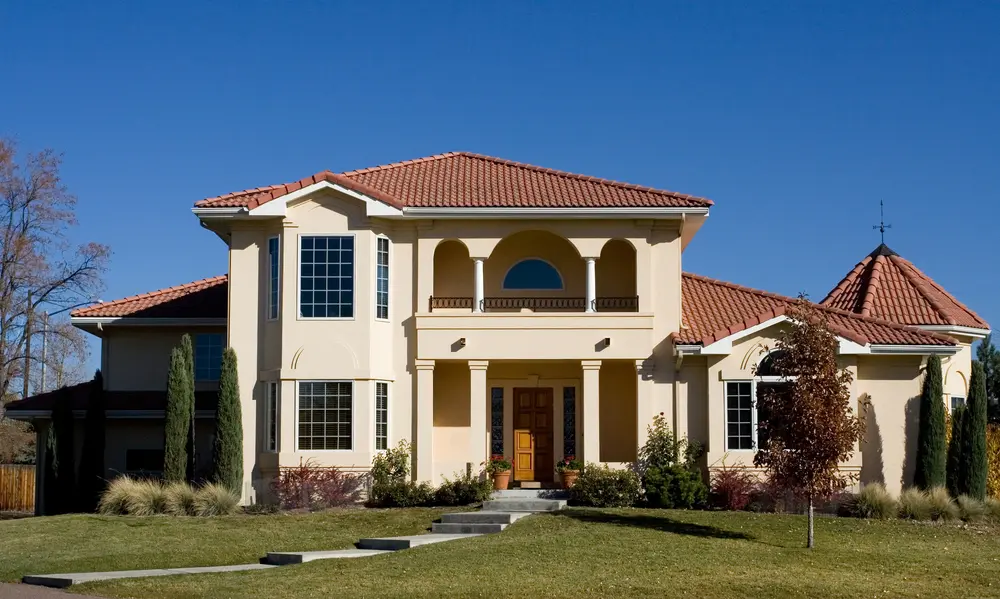
When designing or upgrading an executive-style home, the roof serves as one of the most prominent exterior features. A large, complex roofline often accounts for more than half of the home’s visible exterior. Because of this massive visual footprint, the materials you select directly impact the property’s overall curb appeal and long-term valuation. Installing basic builder-grade shingles on a custom residential property can instantly diminish its upscale appearance and leave the structure vulnerable to the elements. Beyond aesthetics, larger homes face significantly more environmental exposure. Massive roof spans catch more wind during severe weather, and expansive attic spaces require highly efficient ventilation systems to prevent heat buildup. When roofing failures occur on custom estate homes, the resulting interior water damage to premium finishes, hardwood floors, and custom cabinetry becomes exponentially more expensive to repair than on a standard property. Therefore, investing in premium roofing materials is a fundamental necessity for protecting the home’s structural integrity. Premium Homes Put More Demands on Roofing Materials High-end residential properties require roofing systems capable of handling unique structural and environmental challenges. Standard roofing applications often fall short when applied to custom homes. Larger Rooflines Experience More Heat and Storm Exposure Expansive estate homes feature massive surface areas that absorb intense solar heat throughout the day. This constant thermal exposure accelerates the aging process of inferior roofing products. Additionally, wider roof spans catch significantly more wind uplift during severe South Carolina thunderstorms, requiring materials with superior wind resistance ratings. Architectural Detail Makes Roofing Quality More Visible Executive homes frequently feature steep pitches, multiple gables, and prominent dormers that put the roof front and center. Because the roofing material is highly visible from the street, its texture, color depth, and overall quality are immediately noticeable. Premium roofing materials provide the necessary thickness and shadow lines to complement high-end brickwork and custom siding. Complex Roof Layouts Require Better Material Performance Custom home designs often include multiple roof tiers, deep valleys, and various structural intersections. These complex transition areas direct massive volumes of rainwater into concentrated channels. High-end roofing systems utilize superior underlayments and advanced flashing techniques to ensure these critical junctions remain completely watertight over time. Long-Term Appearance Matters More on Executive Homes In upscale neighborhoods, property maintenance standards are inherently high. A roof that streaks, fades, or loses granules prematurely can negatively impact the aesthetic standard of the entire community. Premium roofing systems incorporate advanced algae-resistant copper granules and UV-blocking technologies to maintain their original color and pristine appearance for decades. Architectural Shingles Continue to Dominate Executive Home Roofing For many homeowners in the Columbia area, heavy-duty architectural shingles remain the preferred choice for roof replacement projects. These advanced asphalt shingles offer an excellent balance of durability and traditional styling. Why Dimensional Shingles Became the Standard Upgrade Traditional three-tab shingles lie completely flat, offering minimal visual interest and lower wind resistance. Dimensional architectural shingles are manufactured with multiple layers of asphalt and fiberglass, creating a thicker, heavier product. This multi-layered construction delivers superior protection while providing a rich, textured appearance that suits upscale residential architecture. How Architectural Shingles Improve Curb Appeal The layered design of premium asphalt shingles creates deep, natural shadow lines across the roof deck. This dimensional effect closely mimics the look of natural wood shakes or slate tiles. Manufacturers offer an extensive range of sophisticated color blends, allowing homeowners to perfectly match their roof to complex exterior masonry and paint palettes. Storm Performance in South Carolina Conditions South Carolina experiences a steady barrage of high winds, driving rain, and occasional hail. Premium architectural shingles are heavily reinforced to withstand these forces, often carrying wind warranties of up to 130 miles per hour. Their heavier weight helps them lie flat and remain secure during intense storm systems, protecting the home’s underlying structure. Popular Styles for Upscale Neighborhoods Many executive neighborhoods throughout the South Carolina Midlands feature specific architectural themes. High-definition architectural shingles are available in specialized profiles that feature oversized tabs and enhanced color contrasting. These designer profiles deliver a luxurious, heavy-duty appearance that immediately elevates the property’s exterior presence. Standing Seam Metal Roofing for Modern and Estate Properties Metal roofing has evolved significantly over the past decade, becoming a highly sought-after material for luxury homes. Standing seam profiles offer a sleek, architectural look combined with exceptional longevity. Why Metal Roofing Has Expanded Beyond Commercial Buildings Historically, metal panels were reserved for agricultural or commercial structures. Today, standing seam metal roofing features concealed fasteners and elegant, continuous panels that look striking on residential properties. The clean lines and tailored appearance fit perfectly with both contemporary custom homes and modern farmhouse designs. Heat Reflection and Energy Efficiency Benefits One of the primary advantages of metal roofing in South Carolina is its ability to reflect intense solar radiation. Premium metal roofing systems are finished with specialized reflective coatings that prevent heat from transferring into the attic space. This thermal efficiency significantly reduces the cooling load on large residential HVAC systems during the sweltering summer months. Performance During Wind and Storm Events Standing seam metal roofs provide outstanding defense against severe weather. The interlocking panel design and hidden clip systems allow the roof to expand and contract while remaining firmly attached to the roof deck. Metal panels easily shed heavy rain and are highly resistant to wind uplift, making them an excellent choice for areas prone to severe storms. When Metal Roofing Fits Executive Home Design Best While highly versatile, metal roofing truly shines on specific architectural styles. It is frequently chosen for modern luxury homes, sprawling ranch estates, and custom properties with wrap-around porches. Many homeowners also use standing seam metal as an accent material over bay windows, porticos, or lower roof sections to complement a primary shingle roof. Synthetic Slate Roofing Systems for High-End Homes Natural slate is beautiful but presents massive logistical and structural challenges. Synthetic slate roofing offers the prestige of natural stone without the associated drawbacks. The Appearance of Natural Slate Without Structural Limitations Real slate tiles are incredibly heavy, often