
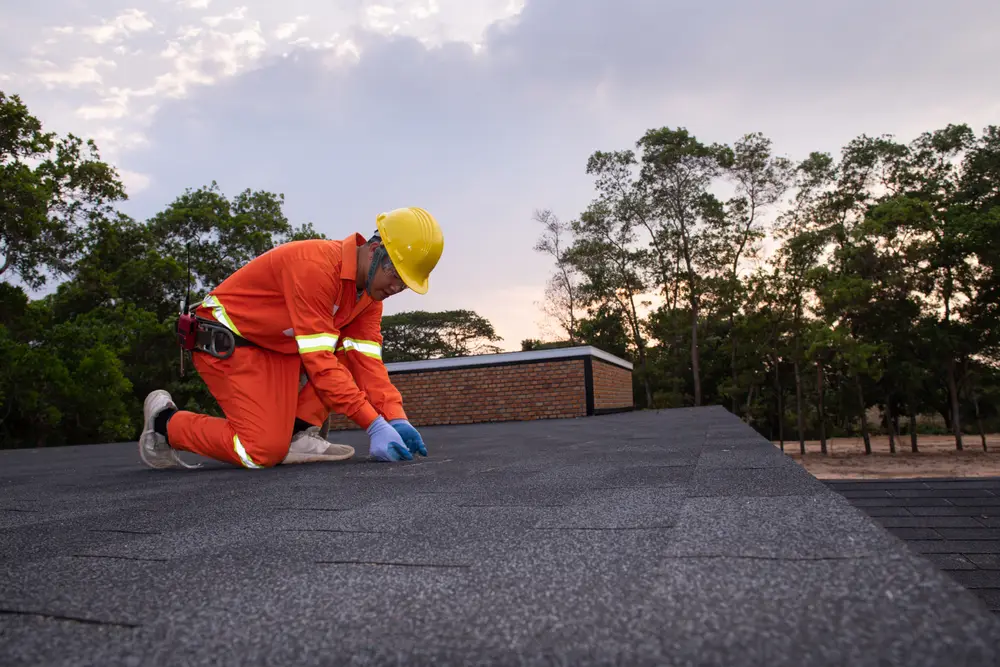
Your roof is the first line of defense against the elements, and in a city like Columbia, South Carolina, those elements can be brutal. From the scorching summer sun to the sudden, violent thunderstorms that roll through the Midlands, your roofing system is under constant stress. At Cola City Roofing , we believe that a well-maintained roof is the key to a safe and comfortable home.
This 3,000-word roof repair guide is designed to help homeowners in Columbia, Lexington, Irmo, and surrounding areas understand the common signs of roof damage, how the repair process works, and how to make the critical decision between a patch job and a full roofing replacement .
Section 1: The Unique Challenges of Roofing in the Midlands
Columbia is known for being "Famously Hot," but for a roof, heat is only one part of the problem. To understand why roof repair in Columbia, SC is so common, we have to look at the climate.
1.1 Thermal Expansion and Contraction
In South Carolina, it’s not unusual for the temperature to swing 30 or 40 degrees in a single day. During a July afternoon, your roof surface can reach temperatures exceeding 150 degrees Fahrenheit. When a sudden afternoon thunderstorm hits, the temperature drops rapidly. This causes the roofing materials to expand and contract quickly. Over time, this "thermal shock" causes shingles to crack, fasteners to back out, and sealants to fail.
1.2 Humidity and Organic Growth
Our high humidity levels are a breeding ground for mold, mildew, and gloeocapsa magma (the bacteria that causes those unsightly black streaks). While these streaks are often aesthetic, they can lead to moisture retention, which eventually rots the wooden decking beneath your shingles.
1.3 High-Wind Events and Storms
Whether it’s a summer microburst or the outer bands of a hurricane moving inland from the coast, Columbia sees its fair share of high winds. These winds can lift shingles, breaking the adhesive seal and leaving your home vulnerable to water intrusion. If you suspect your home has been hit, our experts in storm damage roof repair in Columbia SC are ready to help.
Section 2: Identifying the Warning Signs (When to Call a Professional)
Many homeowners ignore their roofs until they see a puddle on the floor. However, the most successful repairs are the ones caught early. Here is what you should look for:
2.1 Exterior Visual Cues
You don’t need to climb a ladder to perform a basic roof inspection. From the safety of the ground, look for:
- Missing or Displaced Shingles: If you can see the dark underlayment or the wooden decking, you have an immediate leak risk.
- Lifted Shingles: Shingles that look like they are "peeling up" have likely had their sealant strip broken by wind.
- Granules in the Gutters: Check your downspout splash blocks. If you see a pile of ceramic granules, your shingles are reaching the end of their life.
- Damaged Flashing: Look at the metal around your chimney and in the valleys of the roof. If it looks rusted, bent, or missing, water is definitely getting in.
2.2 Interior Red Flags
- Water Stains: Brown, yellow, or grey circles on your ceiling or walls.
- Peeling Paint: Moisture inside the walls can cause paint to bubble or wallpaper to peel near the ceiling line.
- Musty Odors: A damp smell in the attic often indicates a slow leak that has led to mold growth in the insulation.
- Higher Energy Bills: If your roof’s ventilation is compromised or if moisture is affecting your insulation, your HVAC system will have to work harder to keep your Columbia home cool.
Pro Tip: After any major storm in the Midlands, do a "perimeter walk." Look for shingle "tabs" in your yard or pieces of metal flashing that may have blown off. If you find debris, book an appointment for a professional drone or manual inspection immediately.
Section 3: The Anatomy of a Roof Repair
What actually happens when a professional roofer repairs your home? A quality repair isn’t just about slapping some roofing cement over a hole. It’s a surgical process.
3.1 The Investigation Phase
At Cola City Roofing, we don’t just look at the leak; we trace it back to its source. Water is "lazy"—it follows the path of least resistance. A leak appearing over your kitchen might actually be starting ten feet away at a chimney or a vent pipe. We often check the attic to find the exact entry point.
3.2 Material Matching
A major concern for homeowners is having a "patchwork" look. We work with the major manufacturers—comparing GAF, Owens Corning, and CertainTeed —to find the closest possible match for your existing shingles. While some fading is natural on older roofs, our goal is a seamless repair.
3.3 The Repair Steps
- Removal: We carefully remove the damaged shingles and any compromised underlayment.
- Decking Repair: If the leak has been active for a while, the plywood may be soft. we replace the wood to ensure a solid nail-holding base.
- Barrier Installation: We install new ice and water shields or synthetic underlayment.
- Flashing and Shingling: New flashing is installed, and shingles are woven into the existing roof to ensure water flows over the repair, not under it.
Section 4: Common Roof Repair Hotspots
There are certain areas on a Columbia roof that fail more often than others. Understanding these can help you communicate with your contractor.
4.1 Pipe Boots (Vent Pipes)
These are the small pipes that stick out of your roof to vent your plumbing. They are usually sealed with a rubber "boot." In the intense South Carolina sun, this rubber cracks after about 7-10 years. This is perhaps the #1 cause of "mystery leaks" in the Midlands.
4.2 Chimney Flashing
Chimneys are notorious for leaking. They require two layers of flashing: step flashing (which goes under the shingles) and counter flashing (which is tucked into the brick mortar). If either is failing, water will pour down the side of the chimney into your living room.
4.3 Valleys
The valleys are where two roof slopes meet. They carry the highest volume of water during a downpour. If they are clogged with pine needles or if the valley liner is cracked, you will experience significant water intrusion.
Section 5: Storm Damage and Insurance Claims
Living in the Southeast means dealing with hurricane season and spring hail. If your roof has been damaged by a storm, the repair process changes slightly because insurance companies become involved.
5.1 Residential and Commercial Storm Damage
Whether you own a home in Shandon or a warehouse in North Columbia, storm damage needs to be addressed quickly. We specialize in both residential and commercial storm damage insurance claims.
5.2 The Importance of Documentation
If a storm hits, take photos of the hail on the ground or the fallen tree limbs. However, do not climb on your roof . Let a professional handle the high-altitude photos. We provide detailed reports that include:
- Drone footage of the damage.
- Calculations of "bruised" shingles per square.
- Estimates for the homeowner roof permits in SC required for the work.
5.3 Working with Adjusters
Insurance adjusters are busy after a storm. Having a representative from Cola City Roofing present during the adjuster’s inspection ensures that no damage is overlooked. We speak their language and can provide the technical data they need to approve your claim.
Section 6: Repair or Replace? The Homeowner’s Dilemma
This is the most common question we get: "Can I just fix it, or do I need a whole new roof?" To answer this, we recommend reading our roof replacement guide Columbia , but here is a quick summary of how we help you decide.
6.1 The 20% Rule
Generally, if the damage covers more than 20-25% of the total roof surface, a repair is no longer cost-effective. At that point, the labor costs of patching multiple areas start to approach the cost of a full roofing replacement .
6.2 The Age of the System
If your roof is 18 years old and has a leak, a repair is often a "band-aid." You might fix one leak today only to have another pop up next month. In this case, we suggest looking at the Columbia SC roof cost 2025 to see if a replacement makes more financial sense in the long run.
6.3 Real Estate Goals
Are you planning to sell your home in Lexington or Forest Acres soon? A repaired roof might pass an inspection, but a new roof adds significant resale value. If you’re staying for 20 years, a high-quality repair might be all you need for now.
Section 7: The Role of Gutters in Roof Health
You cannot talk about roof repair without talking about gutters. In Columbia’s heavy rains, your roof can shed thousands of gallons of water in an hour.
7.1 Water Backup
If your gutters are clogged with leaves from Columbia’s beautiful oak trees, water will back up. It gets under the shingles at the "eave" (the edge of the roof) and rots the fascia boards. This is why we offer comprehensive gutter-repair-services alongside our roofing options.
7.2 Proper Drainage
Sometimes the roof is fine, but the gutters are pulling away, causing water to splash back onto the roof or down the siding. If your gutters are beyond repair, a new gutter installation is the best way to protect your roofing investment.
Section 8: DIY vs. Professional Roof Repair
In the age of YouTube, many homeowners are tempted to try a DIY repair. While we admire the "do-it-yourself" spirit, roofing is one area where the risks usually outweigh the rewards.
8.1 Safety First
Falls are the leading cause of construction-related injuries. Roofs in the Midlands can be incredibly steep and slippery, especially when covered in pine needles or algae. Professional roofers have the harnesses, ropes, and training to stay safe.
8.2 Warranty Concerns
Did you know that many manufacturer warranties (like those from GAF or CertainTeed) can be voided if repairs are not performed by a certified contractor? By trying to save a few hundred dollars on a DIY patch, you could be forfeiting the warranty on your multi-thousand-dollar roof.
8.3 The Right Tools
A professional repair requires specialized tools: roofing brackets, pry bars designed for shingles, and high-quality sealants that aren’t always available at big-box hardware stores. Using the wrong nails or the wrong type of "caulk" can actually cause more damage over time.
Section 9: Why Choose Cola City Roofing?
When you look for a roofer, you have many options. We believe our commitment to the Columbia community sets us apart.
9.1 Local Expertise
We live and work here. We know the specific building codes for Richland County and Lexington County. We know that a roof in Lake Murray faces different wind challenges than a roof in downtown Columbia. You can learn more about us and our history in the Midlands.
9.2 Transparency and Honesty
We don’t use high-pressure sales tactics. If your roof only needs a $300 repair, we will tell you. If your roof is dangerous and needs to be replaced, we will explain why and show you the evidence. We even help you understand a roof quote from our competitors so you can make an apples-to-apples comparison.
9.3 Comprehensive Service
From the initial roof replacement to minor leak repairs and service locations across the state, we are your one-stop shop for exterior protection.