
Roof Insurance Claim Process in Columbia, SC: What Homeowners Need to Know After a Storm
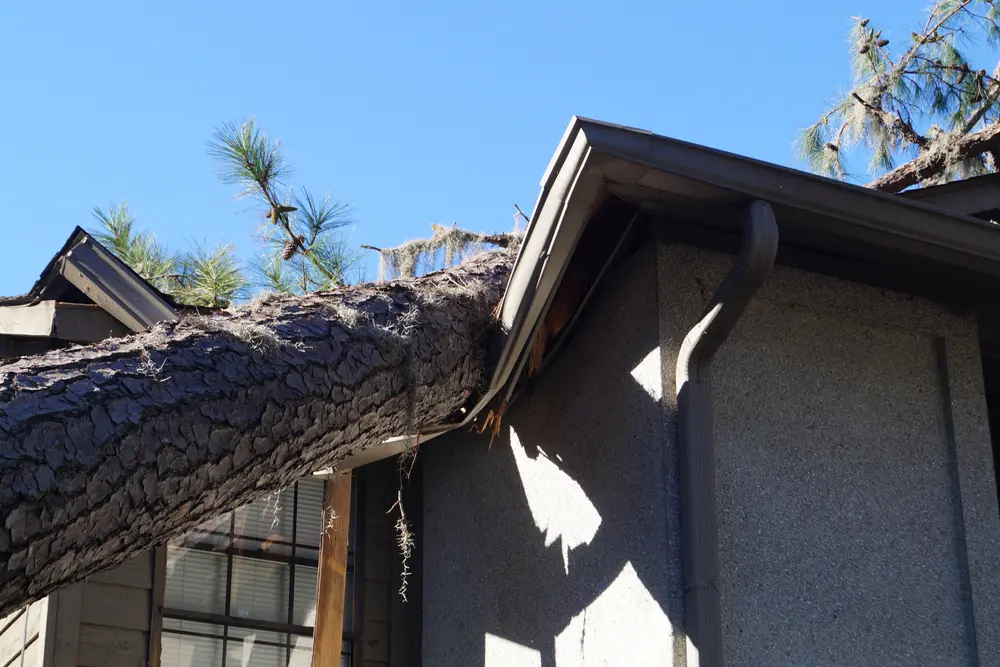
After a severe storm rolls through the Midlands, your first thought is usually about safety and cleanup. But once you realize your roof might be damaged, a whole new set of worries can set in. The biggest one? Dealing with insurance. The roof insurance claim process can feel complicated and intimidating. It’s a world filled with terms like “deductible,” “depreciation,” and “scope of work.” For many homeowners in Columbia, it’s a process you only go through once or twice in your life, and it’s easy to feel like you’re at a disadvantage. At Cola City Roofing, we believe you should never feel that way. We’ve helped hundreds of local homeowners navigate this process. We aren’t here to promise you a “free roof” or use high-pressure tactics. We’re here to give you clear, honest guidance so you can make the best decisions for your family and your home. This guide is your roadmap. We’ll walk you through the steps, explain the jargon in plain English, and help you understand how to protect your home and your investment after a storm. Start Here: Should You Call a Roofer or Your Insurance Company First? This is the most common question we get, and the answer is almost always the same: call a reputable, local roofer first. Why a Professional Roof Inspection Comes Before Filing a Claim Filing an insurance claim puts a mark on your policy’s record, even if the insurance company doesn’t pay out a dollar. If you file a claim for what turns out to be minor damage that doesn’t even meet your deductible, you’ve used a “get out of jail free” card for nothing. It can sometimes affect your rates down the line. By calling a trusted roofing contractor first for an inspection, you get an expert opinion on whether the damage is significant enough to warrant a claim. We can identify if the issue is legitimate storm damage or just normal wear and tear. This simple step gives you the information you need to decide if filing is the right financial move. When It Makes Sense to Contact Your Insurance Immediately There are exceptions. If a tree has fallen through your roof or you have a massive, active leak with water pouring into your home, you should call your insurance company’s 24/7 claims hotline immediately to report the loss. Then, call a roofer for emergency services like tarping. In catastrophic situations, both calls are urgent. Avoiding Unnecessary Claims on Minor Damage Let’s say a storm blows off three shingles. The repair might cost $350. If your deductible is $1,000, filing a claim makes no sense—you’d pay for the repair out-of-pocket anyway. A professional inspection helps you understand the potential cost of repairs upfront, so you can make an informed decision and avoid filing a claim that goes nowhere. Does Homeowners Insurance Cover Roof Damage in South Carolina? In most cases, yes. Standard homeowners insurance policies (often called HO-3 policies) are designed to cover damage from specific “perils.” What Is Typically Covered After Hail or Wind Damage If your roof is damaged suddenly and accidentally by a covered peril, your insurance is designed to help. In South Carolina, this almost always includes: Wind damage from thunderstorms or hurricanes Hail damage Damage from falling objects, like tree limbs So, if a Midlands hailstorm bruises your shingles or high winds tear them off, it’s generally a covered event. What Insurance Usually Won’t Cover (Wear and Tear vs Storm Damage) Insurance is not a maintenance plan. It will not pay to replace a roof simply because it is old and worn out. This is the critical distinction between storm damage and wear and tear. Storm Damage: Random, sudden impacts (hail hits) or patterns of uplift (wind damage). Wear and Tear: Uniform granule loss across the whole roof, curling or cracking shingles due to age, or damage from long-term neglect (like clogged gutters causing rot). An insurance adjuster is trained to tell the difference. This is another reason a pre-claim inspection is so valuable—a good roofer will tell you if your issue is age-related before you file. Why Documentation Matters in the Midlands Our weather is complex. A roof might have minor hail damage from a storm in May and then get hit by wind from a tropical system in September. Clear documentation from a roofer, including photos and a date of inspection, helps attribute the damage to the correct storm, which is crucial for a successful claim. Step-by-Step: How to File a Roof Insurance Claim Once you’ve had an inspection and confirmed you have legitimate, significant storm damage, the process begins. Here’s what it looks like. Step 1 – Schedule a Roof Inspection and Document Damage This is the step we’ve already covered. Your roofer should provide you with a detailed report, including photographs of the damage. This documentation is your initial evidence. Step 2 – Contact Your Insurance Provider Call the claims number for your insurance company (it’s usually on your policy documents or their website). You’ll need to provide your policy number and the “date of loss”—the date the storm occurred. Be prepared to give a general description of the damage (e.g., “My roof was damaged by hail,” or “High winds blew shingles off my roof”). They will assign you a claim number. Keep this number handy. Step 3 – Meet the Insurance Adjuster for Roof Inspection Your insurance company will assign an adjuster to your claim. The adjuster will contact you to schedule a time to come to your home and inspect the damage themselves. We strongly recommend having your roofing contractor present for this meeting. We can walk the roof with the adjuster, point out the specific damage we found, and ensure you are represented by a professional who speaks the same language. Step 4 – Review the Scope of Work and Settlement After the inspection, the adjuster will create a “scope of work” or “loss summary.” This document details everything the insurance company has agreed to pay
Hurricane Roof Damage Guide for Columbia, SC: How to Prepare and What to Do After the Storm
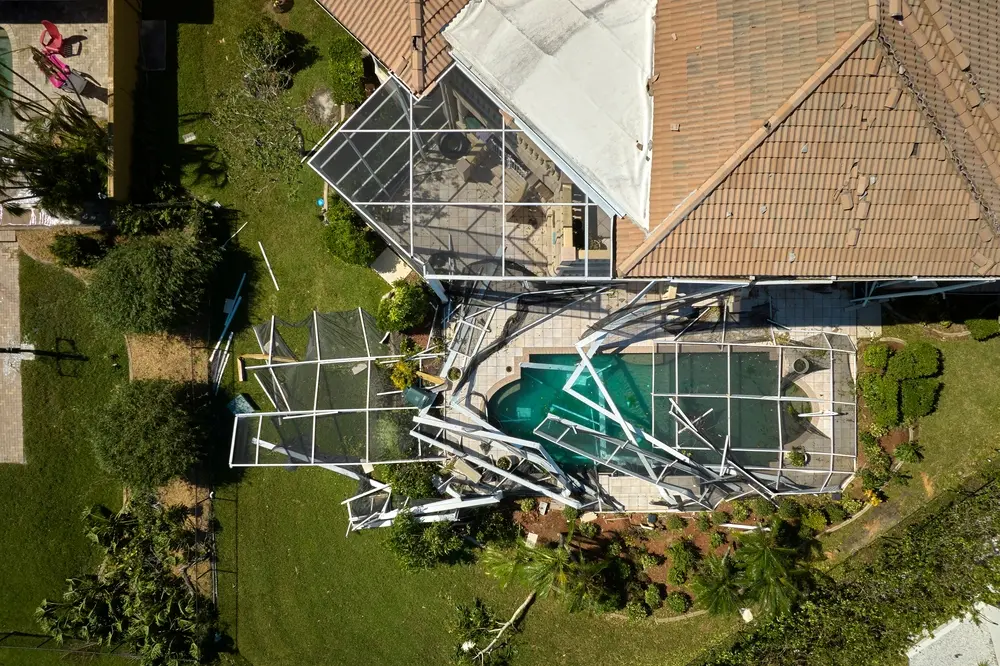
Living in Columbia, we often watch the news with a mix of concern and relief as hurricanes churn in the Atlantic. We aren’t on the coast, so we don’t worry about storm surge. But anyone who has lived in the Midlands for a few years knows that by the time a major storm makes it inland to us, it still packs a serious punch. It might not be a Category 4 anymore, but a tropical storm or a Category 1 hurricane in Columbia brings two things our roofs hate: sustained high winds and driving rain. At Cola City Roofing, we’ve seen the aftermath of storms like Florence, Michael, and Ian. The damage here looks different than it does in Charleston. It’s less about roofs being ripped off entirely and more about the subtle, structural weakening that leads to leaks weeks or months later. This guide is designed to help you protect your home on two fronts: preparing before the season starts, and knowing exactly what to do when the clouds clear. Understanding Hurricane and Tropical Storm Roof Damage in South Carolina When we talk about South Carolina hurricane roof damage in the Midlands, we aren’t usually talking about total destruction. We are talking about stress. Your roof is a system designed to shed water downward. Hurricanes throw water sideways. Why Wind and Wind-Driven Rain Are the Real Threat Inland Standard shingles are excellent at handling rain falling from the sky. They overlap, guiding the water down to the gutters. However, tropical systems bring wind-driven rain roof damage. When rain hits your roof horizontally at 40 or 50 mph, it can be pushed up and under the shingles. It can be forced through ridge vents that aren’t baffled correctly. It can even be driven through the tiniest cracks in your flashing. This water doesn’t just drip into a bucket; it soaks the wood decking beneath your shingles, often going unnoticed until mold starts to grow. How Flying Debris Causes Roof Damage During Hurricanes In Columbia, our beautiful tree canopy is our biggest liability during a storm. You don’t need a tree to fall on your house to cause damage. Small branches, pine cones, and debris from your neighbor’s yard become projectiles. When they hit your roof, they can crack shingles, dent metal vents, or puncture the waterproof underlayment. Even if the shingle looks okay from the street, the impact might have compromised its integrity. Tropical Storm Roof Damage vs Thunderstorm Damage A severe thunderstorm lasts 30 minutes. A tropical storm can batter your roof for 12 hours straight. Columbia SC tropical storm roof damage is often a result of this duration. A loose shingle might survive a quick thunderstorm gust. But if the wind pulls at it for six hours, the adhesive eventually fails, and the shingle tears loose. The relentless nature of these storms exposes weaknesses that normal weather doesn’t. BEFORE THE STORM The best time to fix a roof is when the sun is shining. Once the Hurricane Watch is issued, it’s usually too late for major repairs. Here is how you can get ready. Roof Preparation Before Hurricane Season in Columbia, SC June 1st marks the start of the season, but the most active time for South Carolina is usually August and September. How to Prepare Your Roof for Hurricane Season Roof preparation before hurricane season doesn’t have to be complicated. Start with a walk around your property. Look for trees with overhanging branches that could scrape or fall on your roof. Trimming these back is the single most effective way to prevent damage. Next, secure loose items in your yard. Patio furniture and grills can become airborne and land on your roof (or your neighbor’s). Checking Shingles, Flashing, and Roof Penetrations Grab a pair of binoculars and scan your roof. You are looking for: Curling shingles: These are brittle and will snap off in high winds. Rust on flashing: Rusted metal is weak metal. Loose boots: The rubber seals around your plumbing vents (the pipes sticking out of the roof) dry rot over time. If they are cracked, wind-driven rain will go straight down the pipe and into your bathroom walls. Cleaning Gutters to Prevent Water Backup This is critical. If your gutters are clogged with pine needles, the heavy rain from a tropical storm has nowhere to go. It will back up, overflow, and potentially wash under your roof shingles at the eaves. Clean gutters ensure that the massive volume of water moves away from your home’s foundation. Why Small Repairs Matter Before a Major Storm Think of a loose shingle like a loose tooth. If you leave it alone, it might hang on for a while. But if you wiggle it constantly (like the wind does), it’s coming out. Fixing a few loose tabs or resealing a piece of flashing now costs very little. If you wait, that small weakness could be the entry point where the wind peels back a large section of your roof. Pre hurricane roof inspection efforts are about closing the door on potential failures. Should You Schedule a Hurricane Roof Inspection Before Storm Season? Many homeowners wait until they see a leak to call us. But preventative inspections are gaining popularity for good reason. What a Pre-Season Inspection Includes When Cola City Roofing performs a hurricane roof inspection in Columbia SC, we check the “grip” of your roof. We ensure the adhesive strips on your shingles are still sealing. We check the flashing around chimneys and skylights—the most common leak points. We also check your attic ventilation to ensure your roof is breathing properly, which keeps the decking strong. Identifying Weak Points Before High Winds Expose Them We often find “blind” damage—issues you can’t see from the ground. Maybe a raccoon tried to claw into a vent, or a previous hailstorm bruised the shingles. These are the weak spots where a hurricane will attack. Identifying them early gives you the chance to reinforce them. How Preventative Repairs Reduce Insurance
Wind Damage Roof Guide: What to Do After High Winds in Columbia, SC
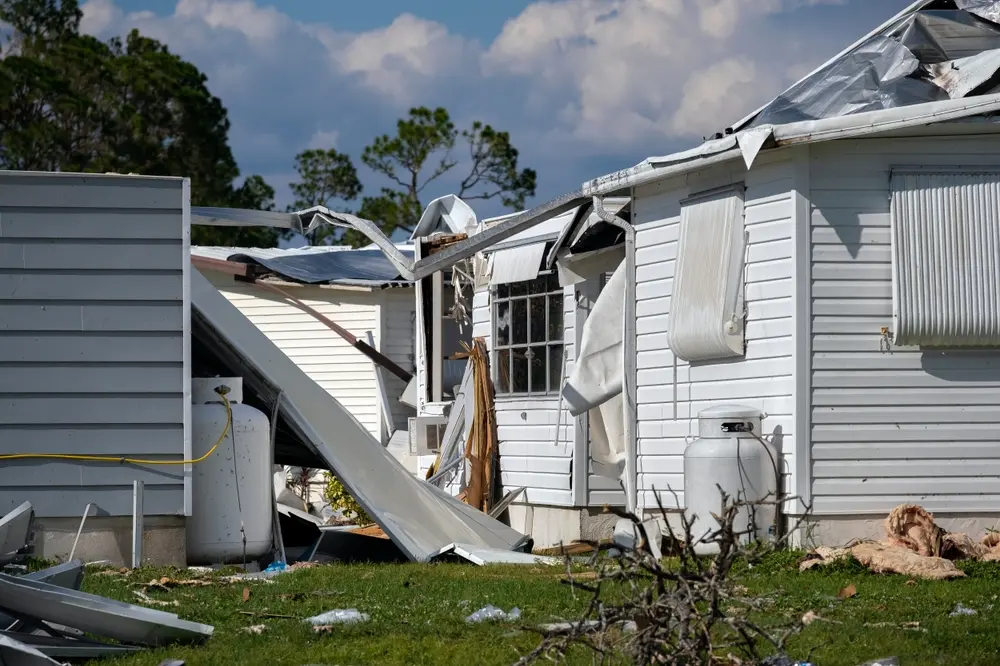
In Columbia, we are used to the wind. Whether it’s a blustery afternoon storm in late summer or the remnants of a coastal hurricane pushing inland, the trees sway, the patio furniture slides around, and we generally just hunker down until it passes. But once the wind dies down, there is often a nagging question for homeowners: “Did my roof hold up?” Unlike hail, which leaves subtle bruises that are hard to see from the ground, wind damage often leaves calling cards. You might find a shingle lying in the azalea bushes. You might see a piece of metal fascia hanging loose. Or, more worryingly, you might not see anything at all—even though the wind has compromised the seal that keeps your home dry. At Cola City Roofing, we’ve seen what South Carolina winds can do to a roof. It isn’t always catastrophic, but it is almost always significant enough to warrant a closer look. This guide is designed to help you understand what wind does to your roofing system, how to spot the problems, and what steps you should take to protect your biggest investment. Found Shingles in Your Yard? Here’s What That Means It’s the most obvious sign of trouble. You walk out to get the mail the morning after a storm, and there it is: a rectangular piece of asphalt shingle lying on the grass. Why Missing Shingles After a Storm Shouldn’t Be Ignored Seeing a shingle in the yard is like seeing a “Check Engine” light on your dashboard. It’s a clear indicator that a system has failed. Your roof is designed as a layered system. The shingles are the first line of defense, shedding water and protecting the underlayment and decking below. When a shingle blows off, that protective layer is broken. It exposes the vulnerable parts of your roof to UV rays, rain, and debris. Even one missing shingle creates a weak point where water can enter, travel along the decking, and eventually drip into your attic or walls. Can Wind Damage a Roof Without Causing a Leak Right Away? Yes, and this is where many homeowners get a false sense of security. Just because you don’t have water dripping onto your kitchen table today doesn’t mean your roof is fine. When shingles are torn off or lifted, the synthetic underlayment or felt paper underneath might shed water for a little while. However, that material isn’t designed to be exposed to the sun or direct rain for long. It will eventually degrade, crack, and let water through. Ignoring missing shingles after a storm is essentially setting a timer on a future leak. It might take weeks or months, but the water will find a way in. How Wind Damaged Shingles Leave Your Roof Exposed When a shingle rips off, it usually pulls the nails through the matting or tears away from the adhesive strip. This leaves open nail holes and exposed seams. In Columbia, where we get frequent afternoon thunderstorms, water hits the roof with force. Without the shingle to deflect it, that water is driven directly into those nail holes. Over time, this saturates the wood decking, leading to rot that is much more expensive to fix than simply replacing the shingle would have been. How High Winds Damage Roofs in the Midlands You don’t need a Category 4 hurricane to see roof damage in the Midlands. Our local weather patterns are capable of generating wind speeds that test even the best roofing materials. 60 MPH Wind Roof Damage — Is That Enough to Cause Problems? Most modern architectural shingles are rated for high winds, often up to 110 mph or more. However, that rating assumes the roof was installed perfectly and the adhesive seal is fully intact. In reality, roofs age. As asphalt shingles get older, the adhesive strip that bonds them together can become brittle or weaken. When a gust hits 60 mph wind roof damage territory—which is common in a severe thunderstorm—it can be enough to break that seal. Once the wind gets underneath the shingle, it acts like a sail, lifting it up and bending it backward. If your roof is older, or if the initial installation wasn’t top-tier, 60 mph winds are absolutely enough to cause issues. Straight-Line Winds vs Tornado Winds in Columbia Area We hear these terms on the news frequently. Straight-Line Winds: These are common in thunderstorms. The wind pushes in a single direction, often causing damage to the windward side of the roof (the side facing the storm). You might see a row of shingles peeled back like a banana. Tornado Winds: These are erratic and rotating. Even a small spin-up in areas like Lexington or Irmo can cause chaotic damage, ripping shingles off from multiple directions, twisting gutters, and snapping tree limbs that then fall onto the roof. Understanding the difference helps us know where to look during an inspection. If it was straight-line wind, we focus heavily on the side of the house that took the brunt of the storm. Why Severe Thunderstorms in South Carolina Lift Shingles The unique thing about our storms is the updraft. Thunderstorms create rapid changes in air pressure. Strong updrafts can actually create suction over your roof. If the shingles aren’t securely sealed, this suction pulls them upward. This movement breaks the sealant bond. Even if the shingle lays back down flat after the storm passes, the damage is done. The seal is broken, and the shingle is now “fluttering” in the breeze, waiting for the next storm to rip it off completely. Roof Lifted Shingles: The Damage You Can’t Always See This is the trickiest part of wind damage. A roof can look perfect from the street but be structurally compromised. Can Wind Loosen Shingles Without Removing Them? Absolutely. We call this “lifted” or “creased” shingles. The wind lifts the shingle up, but doesn’t tear it off. It flaps up, bends back, and then flops back down. When you look up from the driveway,
Hail Damage Roof Columbia SC: A Homeowner’s Guide to Spotting, Fixing, and Filing a Claim
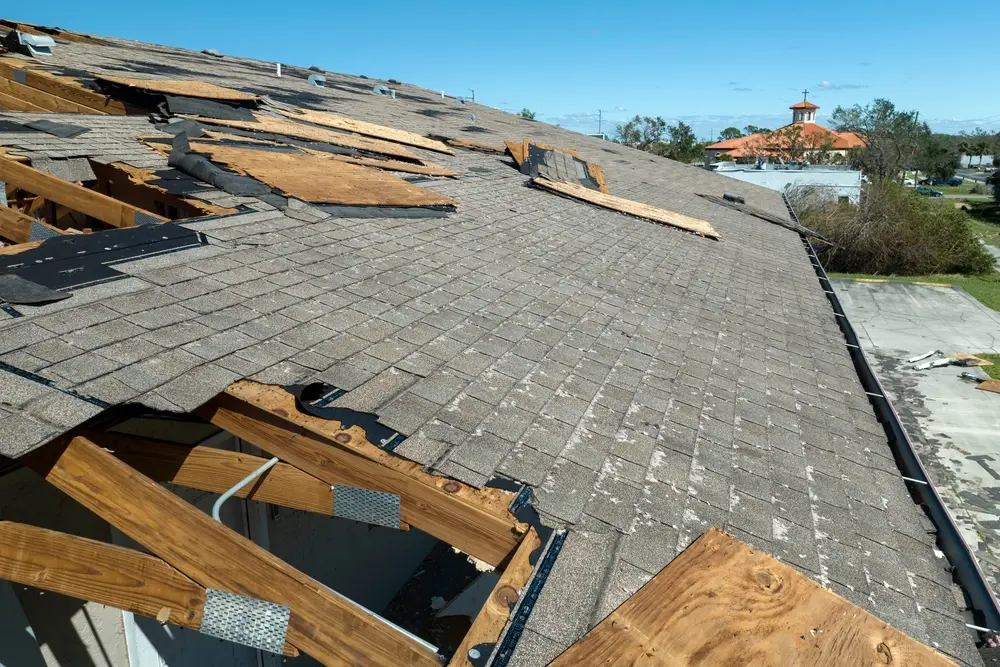
In the Midlands, we know the sound well. The sky turns a strange shade of gray-green, the wind picks up, and suddenly it sounds like someone is throwing rocks at your siding. When a storm rolls through Columbia, most of us are worried about our cars or getting the patio furniture inside. But once the thunder fades, the biggest concern is often the one you can’t easily see: your roof. Hail damage is tricky. It doesn’t always result in a massive hole or water pouring into your living room immediately. Often, it’s a silent problem—bruising shingles, knocking off protective granules, and creating weak spots that will turn into leaks six months down the road. At Cola City Roofing, we believe in protecting your home like it’s our own. That means giving you the straight facts about storm damage, not scare tactics. This guide is designed to help you understand exactly what hail does to a roof in South Carolina, how to spot it, and how to handle the insurance process if you’ve been hit. Does Hail Damage a Roof in Columbia, SC? The short answer is yes. But it’s not always as obvious as a shattered windshield. In Columbia and the surrounding areas—from Irmo to Lexington—our weather patterns create unique challenges for roofing systems. Why Midlands Spring and Summer Storms Hit Roofs Hard In South Carolina, we don’t just get rain; we get violent, pop-up thunderstorms. Our spring and summer storms are notorious for bringing drastic temperature changes and turbulent winds. When a hot asphalt roof, baking in 95-degree heat, gets hit by freezing cold hail, the thermal shock alone stresses the material. Combine that with the physical impact of ice stones, and you have a recipe for degradation. The materials become brittle or bruised, compromising the waterproof barrier that keeps your home dry. How Hail Size, Wind Speed, and Roof Age Affect Damage Not all hail is created equal. We see everything from pea-sized hail to golf ball-sized stones here in the Midlands. Small Hail (Pea-sized): Usually bounces off newer roofs but can dislodge granules on older, brittle shingles. Medium Hail (Quarter-sized): This is where we start seeing significant bruising and dents in soft metals like vents. Large Hail (Golf ball and up): This almost always causes functional damage, cracking shingles and denting flashing. Wind speed plays a huge role, too. Hail driven by 60 mph winds hits your roof with significantly more force than hail falling straight down. Additionally, the angle of impact matters. A glancing blow might just scrape the surface, while a direct hit can puncture the matting. Finally, the age of your roof is a critical factor. A brand-new roof has flexibility and can absorb some impact. A 15-year-old roof is stiffer; when hail hits it, the shingle is more likely to crack or shatter. Why You May Not See Hail Damage From the Ground This is the most common misconception we hear: “I looked up at my roof, and it looks fine.” From the driveway, you might see missing shingles if the wind was high, but you won’t see a “bruised” shingle. Hail damage is often microscopic at first. It breaks the fiberglass mat underneath the asphalt granules. You can’t see that from the ground. You need to be up there, looking closely at the surface texture. Just because you don’t see a hole doesn’t mean the integrity of the roof remains intact. Signs of Hail Damage on Shingles Most Homeowners Miss If you are comfortable on a ladder and decide to take a look (please be careful!), or if you are looking at photos provided by an inspector, there are specific things to look for. These aren’t just cosmetic issues; they are signs your roof’s life has been shortened. Granule Loss on Shingles — What It Really Means Have you ever looked at your downspouts after a storm and seen a pile of black grit? Those are granules. Shingles are covered in ceramic-coated granules for a reason: they protect the asphalt from the sun’s UV rays. When hail impacts a shingle, it knocks these granules loose. Granule loss on shingles exposes the asphalt layer to the South Carolina sun. Once exposed, the asphalt dries out, cracks, and eventually leaks. Finding a little bit of grit is normal for an aging roof, but a sudden wash of granules after a storm is a red flag. Soft Spots and Roof Bruising After a Hailstorm This is the “silent killer” of roofs. When a hailstone hits a shingle, it feels like pressing your thumb into a bruised apple. The surface might look okay, but the underlying structure is mushy. Roof bruising occurs when the impact fractures the fiberglass mat beneath the surface. You can’t always see this with the naked eye, but you can feel it. A roofer will press their thumb on the impact spot; if it gives way or feels soft compared to the surrounding area, the shingle is “bruised” and has lost its structural integrity. Hail Damage vs Blistering — How to Tell the Difference It is easy to confuse storm damage with normal wear and tear or manufacturing defects. One common point of confusion is hail damage vs blistering shingles. Blisters: These look like popped bubbles. They are caused by trapped moisture or poor ventilation in the attic, expanding the asphalt until it pops. They usually leave a crater with sharp, steep sides. Hail Hits: These look like bruises or dents. A hail hit will usually be lighter in color (because the granules were knocked away) and will have the granules pressed into the shingle mat or missing entirely in a distinct, round impact pattern. Insurance adjusters know the difference. If you file a claim for hail but actually have blistering, your claim will likely be denied. Dents in Gutters, Vents, and Flashing (Clues Your Roof Took a Hit) The easiest way to spot hail damage without climbing on the roof is to look at the “soft metals.” Check your gutters
New Construction vs. Retrofit Roofing: Building the Future or Restoring the Past?
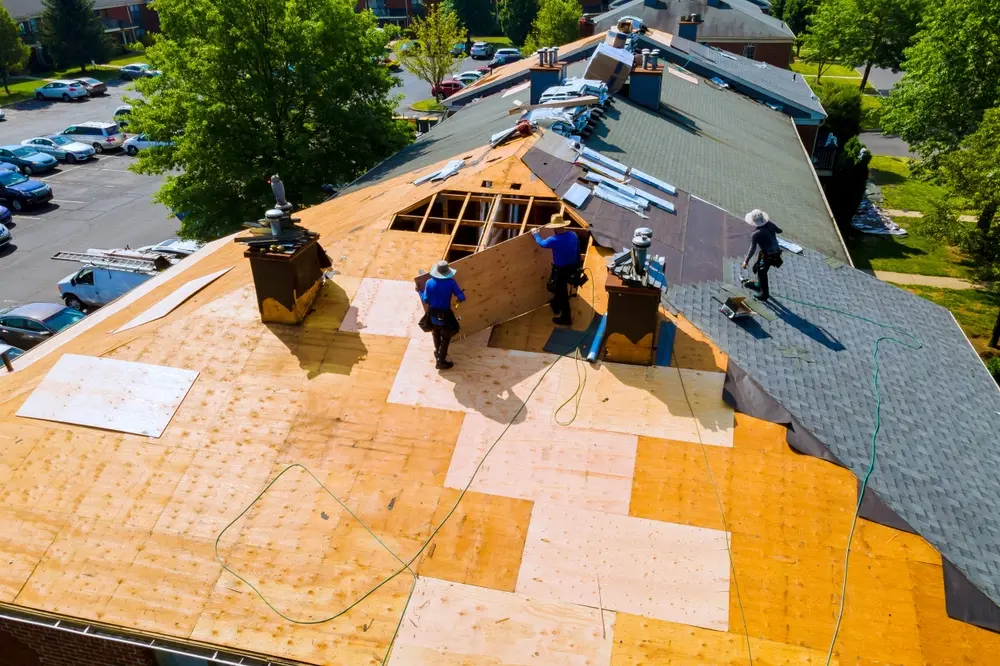
Every roof tells a story. Some stories are just beginning, written on the clean lines of fresh blueprints and the smell of sawdust. Others are decades old, etched with the scars of past storms, relentless sun, and the quiet aging of materials. For property owners, builders, and investors in Columbia, South Carolina, understanding which story you are telling—and the specific requirements of that narrative—is crucial to the success of your project. In the roofing industry, we generally categorize projects into two distinct worlds: New Construction Roofing and Retrofit Roofing (often called replacement or reroofing). While the end goal for both is identical—a watertight, durable, and beautiful roof—the path to get there is vastly different. The logistics, the technical challenges, the scheduling, and even the mindset of the crew change depending on whether we are capping a new structure or restoring an existing one. At Cola City Roofing, we have spent years mastering both disciplines. We understand the high-pressure timelines of a new build site, and we possess the forensic care required to perform surgery on an occupied home. In this comprehensive guide, we will peel back the layers of the industry to explain the nuances of these two approaches. Whether you are a custom home builder breaking ground in Lexington or a homeowner in Irmo looking to upgrade your aging shingles, this guide will help you understand what to expect and how to choose the right Columbia SC roofing experts for the job. Defining the Terms: What is the Difference? Before diving into the technicalities, let’s establish a clear baseline. New Construction Roofing involves installing a roof system on a brand-new building. The structure is typically uninhabited (or under construction), the framing is fresh, and there is no existing roofing material to remove. The roofer is often one of many subcontractors on a busy job site, working in tandem with framers, siding installers, and HVAC technicians. Retrofit Roofing refers to working on an existing building. This category splits further into two sub-types: Tear-Off / Replacement: The complete removal of the old roof down to the deck, followed by the installation of a new system. Roof Recover (Overlay): Installing a new layer of roofing material over the existing roof. While the materials (shingles, metal, TPO) might look the same in the brochure, the application of roofing services in these two contexts differs wildly. Part 1: New Construction Roofing – The Art of the Blank Slate There is a unique thrill in new construction. It represents potential. However, it also represents a logistical puzzle where timing is everything. 1. The Blueprint Phase: Planning for Perfection In new construction, the roof isn’t just “installed”; it is engineered. We start by reviewing architectural plans. This allows us to spot potential issues before a single nail is driven. Pitch and Drainage: We verify that the designed pitch is adequate for the selected material. For example, putting standard shingles on a low-slope porch roof is a recipe for leaks. In the planning phase, we can recommend changing the slope or switching materials to a membrane system. Load Calculations: Modern homes often feature heavy materials like slate or clay tile. We ensure the truss design accounts for this weight. Ventilation Design: This is the most critical advantage of new construction. We can design the perfect intake (soffit) and exhaust (ridge) system from scratch, ensuring the home breathes correctly from day one. In retrofit scenarios, we are often fighting against poor original design; here, we get to get it right the first time. 2. The Symphony of Scheduling A new construction site is a busy ecosystem. The roofer cannot start until the framer is done and the decking is inspected. However, the drywall crew cannot start until the roofer has made the building “dried-in” (watertight). This puts the roofer in a critical path position. Delays on our end ripple through the entire project, costing the builder money. Cola City Roofing prides itself on our operational efficiency. When the framer says “go,” our crews mobilize immediately. We understand that in the world of new construction roofing, reliability is the most valuable currency. 3. Installing Flashing from Scratch Flashing is the metalwork that seals joints and valleys. In a retrofit, we are often trying to slide new flashing under old siding without damaging it—a difficult task. In new construction, we install the step flashing and kick-out flashing before the siding or stucco goes on. This integration is superior. It allows for a seamless, layered water barrier that is far more robust than what can typically be achieved in a retrofit. It ensures that the critical intersection between the roof and the wall is bulletproof against wind-driven rain. 4. No “Hidden Surprises” One of the biggest benefits of new construction is the absence of rot. We are fastening to brand-new OSB or plywood decking. We don’t have to worry about pulling up a shingle and finding a crater of rotted wood caused by a 10-year-old leak. This makes budgeting much more predictable for builders and homeowners. 5. Aesthetic Freedom When building new, you aren’t constrained by the color of existing brick or siding (unless you want to be). You can choose the roof color first and design the rest of the exterior palette around it. This allows for bold choices—like a striking black metal roof or a high-contrast architectural shingle—that define the home’s character. Part 2: Retrofit Roofing Solutions – The Science of Restoration If new construction is about building, retrofit roofing is about healing. It involves taking a structure that has been battered by the elements and restoring its integrity. This requires a forensic mindset and a gentle touch. 1. The Forensic Inspection Unlike new construction, where we rely on plans, retrofit projects rely on observation. Before we begin, we perform a deep-dive inspection. Identifying Failure Points: Why did the old roof fail? Was it just age? Was it poor ventilation? Was it storm damage? If we don’t answer this question, the new roof will likely fail for the
Historic vs. Modern Roofing Compliance: Navigating the Regulations in Columbia, SC
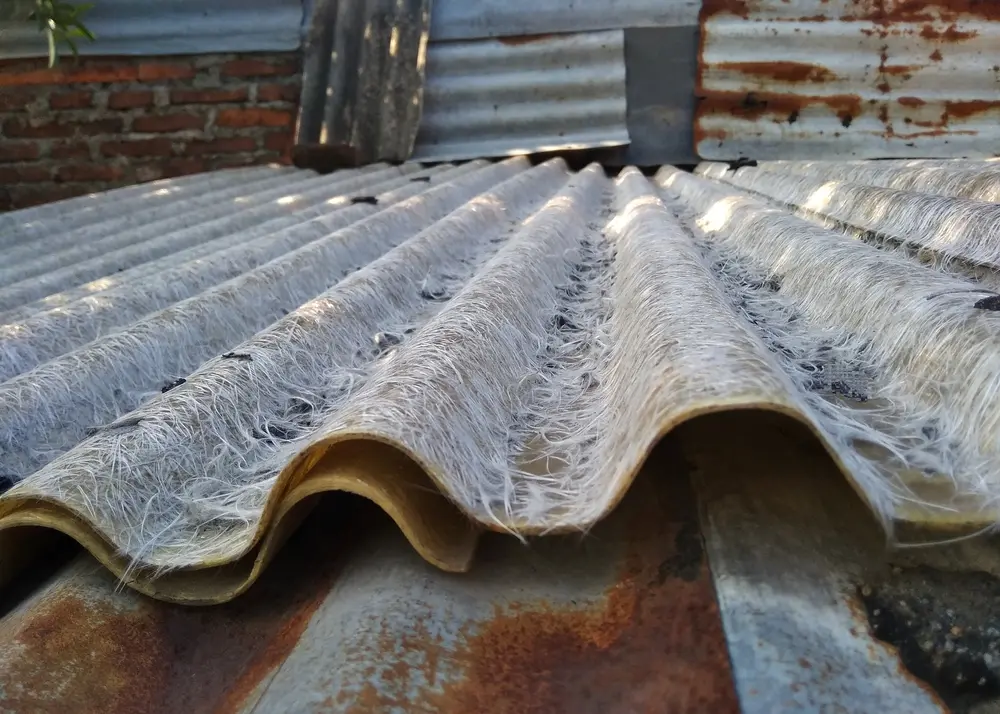
In a city as rich with history as Columbia, South Carolina, the skyline tells a story of two eras. On one street, you might find a antebellum home with a slate roof that has weathered a century of storms. Just a few blocks away, a sleek new commercial development sports an energy-efficient TPO flat roof. Both buildings require a roof that keeps water out, but the path to achieving that—and the rules governing it—could not be more different. For property owners, understanding the distinction between historic roofing compliance and modern roofing solutions is not just an academic exercise; it is a legal and financial necessity. Getting it wrong can lead to stop-work orders, fines, and the expensive nightmare of having to tear off a brand-new roof because it violates a local ordinance. At Cola City Roofing, we bridge the gap between the past and the present. Whether you are preserving a registered landmark or building a cutting-edge modern structure, our team of Columbia SC roofing experts has the knowledge to navigate the complex web of compliance. This guide explores the unique challenges of both worlds and how to ensure your project meets every standard. The Tale of Two Roofs: Why Compliance Matters Roofing compliance is about more than just building codes. It is about safety, energy efficiency, and in many cases, community identity. For modern homes and buildings, compliance is primarily about the International Building Code (IBC) and local amendments. The focus is on wind uplift ratings, fire resistance, and thermal performance. It is a technical checklist designed to ensure the structure is safe and efficient. For historic properties, compliance adds a layer of aesthetic and cultural stewardship. In designated historic districts like Waverly, Cottontown, or Old Shandon, your roof is considered a public asset. The Board of Architectural Review (BAR) or similar governing bodies have a say in what materials you use, the color you choose, and even the shape of your shingles. Navigating these distinct regulatory environments requires a partner who understands the nuance. Part 1: Historic Roofing Compliance – Preserving the Past Owning a historic home is a labor of love. You are the custodian of local heritage. But when the roof starts to leak, that labor can feel overwhelming. Historic roofing isn’t just about fixing a leak; it’s about authentic restoration. Understanding the “Secretary of the Interior’s Standards” Most local historic preservation ordinances in South Carolina are based on the Secretary of the Interior’s Standards for Rehabilitation. The golden rule is simple: Repair rather than replace. If a historic roof (like slate, clay tile, or metal standing seam) can be repaired, that is the preferred path. If replacement is necessary, the new material must match the old in design, color, texture, and visual qualities. This presents a challenge. You cannot simply go to a big-box store and buy 100-year-old slate. You need roofing services that specialize in sourcing rare materials or finding modern equivalents that pass strict BAR review. Common Historic Roofing Materials and Challenges 1. Slate Slate is the “forever roof,” often lasting 100+ years. The Challenge: Slate is heavy and brittle. finding a match for a specific quarry color from 1920 is difficult. Furthermore, walking on slate to repair it requires specialized skill to avoid cracking more tiles than you fix. The Compliance Issue: Using a synthetic slate substitute is often allowed, but only if it perfectly mimics the thickness and edge detail of natural slate. Cheap plastic-looking imitations will be rejected by preservation boards. 2. Metal Standing Seam Many historic Columbia homes feature metal roofs. Historically, these were often terne-coated steel or copper. The Challenge: Modern “ag-panel” or screw-down metal roofs look very different from historic hand-crimped standing seam roofs. The Compliance Issue: Installing a modern metal roof with visible fasteners on a historic home is often a violation. You typically need a mechanically seamed panel with hidden fasteners to maintain the historic profile. 3. Clay and Concrete Tile Common in Spanish Revival or Bungalow styles. The Challenge: These tiles are heavy and fragile. The underlayment beneath them often fails long before the tile does. The Compliance Issue: You must remove the tiles carefully, replace the underlayment, and reinstall the original tiles whenever possible to maintain compliance. The Approval Process: Navigating the BAR If your property is in a historic overlay district, you cannot pull a standard permit and start working. You likely need a Certificate of Appropriateness (COA). This process involves: Documentation: Photographing existing conditions. Product Submission: Submitting samples of the proposed replacement material. Review: Appearing before the architectural review board. Cola City Roofing assists homeowners with this administrative burden. We know what the boards are looking for. We can provide the technical data sheets and samples needed to get your project approved faster. Visit our About Us page to see why local homeowners trust us with their most delicate projects. Part 2: Modern Roofing Solutions – Efficiency and Performance While historic compliance looks backward to preservation, modern compliance looks forward to performance. If you are building new construction or renovating a non-historic property, the rulebook is different but equally strict. Energy Codes and Reflectivity Modern building codes are increasingly focused on energy efficiency. In South Carolina’s hot climate, the roof plays a massive role in a building’s cooling load. Cool Roofs: For low-slope (flat) applications, codes often incentivize or require highly reflective materials like white TPO or PVC. These modern roofing solutions reflect UV rays, lowering the roof surface temperature by up to 50 degrees compared to a black roof. Insulation Requirements: When replacing a roof on a commercial building or a modern home with cathedral ceilings, you are often required to bring the insulation up to current code (R-value). This might mean adding rigid foam insulation board under the new roof membrane. Wind and Storm Resistance As climate patterns shift, wind uplift ratings have become stricter. The High-Velocity Hurricane Zone: While Columbia isn’t on the coast, we still feel the effects of hurricanes and severe thunderstorms. Modern compliance dictates
Roofing for Rental Properties: Maximizing ROI and Tenant Safety in Columbia, SC

For real estate investors and landlords, a rental property is more than just a building; it is a financial asset, a retirement vehicle, and a business. Every dollar spent on maintenance affects the bottom line, the cap rate, and the overall return on investment (ROI). Among the various systems that keep a rental property viable—HVAC, plumbing, electrical—the roof stands apart as the primary defender of the asset’s value. A failing roof is not just a nuisance; it is a direct threat to cash flow. If your rental portfolio includes duplexes or attached townhomes with shared roof lines, our townhome and duplex roofing guide explains how tie-ins and shared responsibilities impact replacement decisions. A severe leak can displace tenants, leading to vacancy loss. It can cause interior damage that consumes your maintenance budget. In the worst-case scenario, it can lead to lawsuits over mold or property damage. Conversely, a well-maintained, high-quality roof enhances curb appeal, attracts higher-paying tenants, and reduces insurance premiums. At Cola City Roofing, we understand the rental business. We know that landlords need rental property roofing solutions that balance durability with cost-effectiveness. We aren’t just selling shingles; we are partnering with you to protect your investment portfolio. As your local landlord roofing experts, we provide the strategic insight you need to make smart capital expenditure decisions. Rental properties fall within our broader commercial and industrial roofing services in South Carolina, where we focus on protecting income-producing real estate across the Midlands. The Landlord’s Dilemma: Repairs vs. Capital Improvements One of the most frequent questions we face from property owners is the classic “repair or replace” debate. In the rental world, this decision has tax implications, cash flow implications, and tenant relations implications. The Cost of Deferring Maintenance It is tempting to patch a roof repeatedly to avoid the large upfront cost of replacement. However, “band-aid” repairs often cost more in the long run. Recurring Leaks: A patch might hold for six months, but if the underlying underlayment is failing, the leak will return elsewhere. Repeated service calls for roof repair services add up quickly. Tenant Frustration: Nothing sours a landlord-tenant relationship faster than water dripping on a tenant’s sofa. If a tenant feels their living conditions are neglected, they will move out. Turnover costs—cleaning, marketing, vacancy—often exceed the cost of proactive roof maintenance. Hidden Damage: Small leaks that are ignored or poorly patched can rot decking and framing. When replacement finally happens, the wood rot repair costs can be astronomical. Strategic Replacement for ROI Sometimes, a full replacement is the smartest financial move. A new roof resets the clock on maintenance expenses for 20 to 30 years. It instantly boosts the property’s appraisal value, which is crucial if you plan to refinance or sell soon. By utilizing our roof replacement services, you can also market the property as “newly renovated,” potentially justifying a rent increase. Unique Challenges of Roofing Rental Properties Managing a roof on a property you don’t live in presents specific logistical hurdles. If you manage larger apartment-style communities, our multi-family roofing solutions guide outlines how to coordinate roofing at scale while protecting tenant relationships. You aren’t there to see the first signs of wear, and you have to coordinate work around people who might view it as an intrusion. 1. Absentee Ownership and Monitoring If you own multiple properties or live out of state, you can’t drive by every week to check the shingles. You rely on tenants to report issues, and unfortunately, tenants often don’t notice—or don’t report—roof problems until water is pouring through the ceiling. The Solution: We act as your eyes on the ground. We offer comprehensive inspections and storm damage consultations after severe weather events. We provide digital reports with high-resolution photos so you can see exactly what is happening on your roof without leaving your office. 2. Tenant Coordination and liability Replacing a roof involves noise, debris, and disruption. In a rental scenario, this disruption affects your customers (the tenants). Scheduling: We work with property managers to schedule work at times that minimize impact. For multi-unit rentals, we plan phased installations to keep parking available. Safety: We take liability seriously. A tenant’s flat tire caused by a roofing nail is a headache you don’t need. Our crews use magnetic sweeps and catch-all systems to keep the grounds safe for pets and children. We are fully licensed and insured, protecting you from liability during the project. 3. Budgeting and Financing Cash flow is king. A sudden $10,000 expense can wipe out a year’s worth of profit for a single-family rental. Financing Options: We offer financing that allows investors to amortize the cost of a new roof over time. This preserves your working capital for other investments or emergencies while securing the asset immediately. For properties governed by associations, funding strategies and reserve planning work differently, which we break down in our condo and HOA roofing resource. Material Selection for Rentals: Durability is Key When choosing materials for your own home, you might prioritize a specific designer color. For a rental, the priority shifts to durability, warranty, and lifecycle cost. You want a “set it and forget it” solution. Architectural Asphalt Shingles This is the workhorse of the rental market. Architectural shingles are thicker and more durable than traditional 3-tab shingles. They offer better wind resistance—critical for avoiding minor storm repairs—and typically come with longer warranties. They also look modern, helping your property compete with newer builds in the area. Metal Roofing For long-term hold properties, metal is an excellent choice. While the initial cost is higher, a metal roof can last 40-70 years with minimal maintenance. It is highly resistant to tenant-caused damage (like frisbees or baseballs) and storm damage. If you plan to pass this property down to your children or hold it for decades, metal offers the lowest cost per year of ownership. Choosing the Right Warranty As a landlord, a transferable warranty is a valuable asset. If you decide to sell the property in five years, being
Condo & HOA Roofing: navigating Responsibility, Repairs, and Replacement
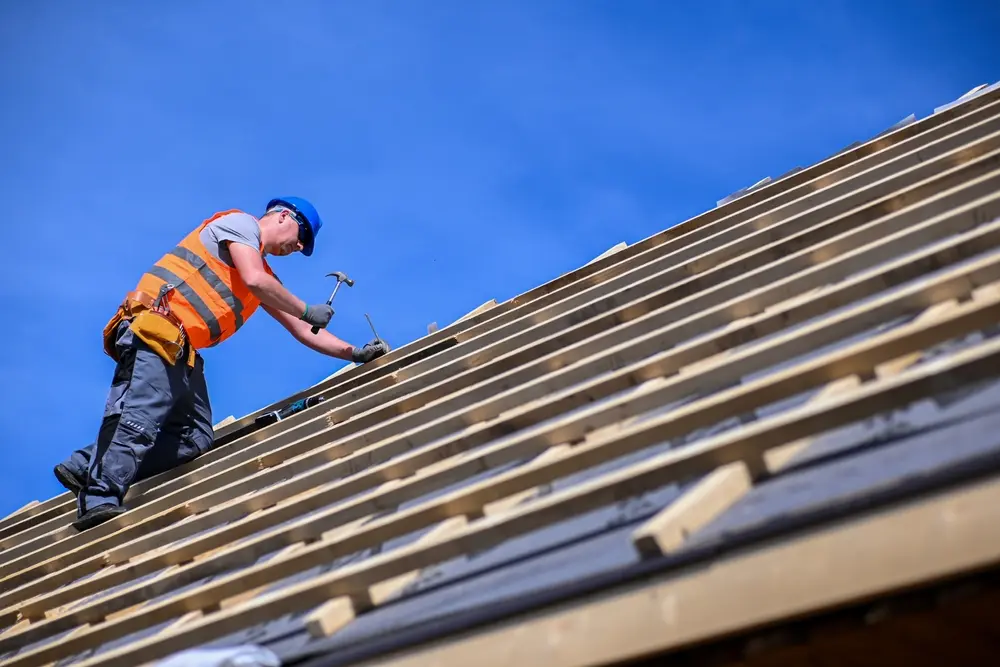
Managing a condominium complex or serving on a Homeowners Association (HOA) board is a balancing act. You are constantly weighing the needs of individual residents against the financial health of the community. Among the many maintenance tasks on your ledger, few are as critical—or as expensive—as the roof. The roof is the shield of your community. It protects the structural integrity of the buildings, the personal property of the residents, and the overall value of the real estate. However, when leaks start, or when the shingles begin to curl, the path forward isn’t always clear. Who is responsible for the repair? Is it the unit owner or the association? How do you fund a complex-wide replacement without draining the reserve fund? At Cola City Roofing, we specialize in being the partner that HOAs and property managers need. As Columbia SC roofing services leaders, we understand the intricate dance of bylaws, budgets, and building codes that define condo roofing. This guide explores the unique challenges of condo roofing and provides a roadmap for boards and managers to protect their communities effectively. Condo and HOA communities fall under our broader commercial and industrial roofing services in South Carolina, where we focus on protecting income-producing and shared-ownership properties at scale. The Web of Responsibility: Who Owns the Roof? The most common question we hear from new board members and condo owners is simple: “Who pays for the roof?” The answer, unfortunately, is rarely a simple “yes” or “no.” It lies in the governing documents of your specific association—the Covenants, Conditions, and Restrictions (CC&Rs). The Common Area vs. Limited Common Element In most condominium setups, the roof is designated as a “Common Element” or “Common Area.” This generally means the HOA is responsible for its maintenance, repair, and replacement. The logic is that the roof protects the entire structure, not just the top-floor unit. However, nuances exist. In some townhome-style condos or “site condos,” the roof might be classified as a “Limited Common Element” assigned to a specific unit, or even the direct responsibility of the homeowner. If your association includes attached townhomes or duplex-style structures, our townhome and duplex roofing guide breaks down how shared rooflines impact responsibility and replacement planning. The “Walls-In” vs. “All-In” Concept Insurance policies often dictate responsibility layers. Bare Walls / Walls-In: The HOA covers the structure (including the roof) and the drywall, but the owner covers everything inside (paint, fixtures, flooring). All-In: The HOA covers the structure and the interior fixtures as originally built. Understanding these distinctions is vital before a single nail is pulled. At Cola City Roofing, we encourage boards to have their legal counsel review these definitions before engaging in major roofing services. Once the lines of responsibility are clear, we can step in to execute the necessary work with precision. The Fiduciary Duty of the HOA Board If you serve on an HOA board, you have a fiduciary duty to maintain the property value of the community. Ignoring an aging roof is a breach of that duty. For a broader overview of how large-scale residential communities should approach long-term roofing strategy, review our multi-family roofing solutions guide. Deferring maintenance might save money in this year’s budget, but it almost guarantees a financial crisis down the road. The Reserve Study Reality Check Most HOAs rely on a reserve study to plan for large capital expenditures. This document estimates the remaining life of major components, like the roof, and calculates how much money the association needs to save annually to pay for replacement when the time comes. If your reserve study says your roofs have five years left, but you are seeing granular loss and leaks today, your study is outdated. We provide professional roof assessments that give you real-time data on the true condition of your roofing system. This allows boards to adjust their funding strategies before it becomes an emergency that requires a special assessment—a move that is notoriously unpopular with residents. Condo Roofing Solutions: The Challenges of Scale Roofing a single-family home is straightforward. Roofing a 20-building condo complex with 100 units is a logistical military operation. It requires a contractor who offers specialized condo roofing solutions and understands how to manage scale. For communities that include retail or mixed-use components, our multi-tenant HOA commercial roofing article explains how commercial tenants change maintenance and budgeting strategies. 1. Access and Liability Condo complexes are dense. There are cars, pedestrians, pets, and landscaping everywhere. You cannot simply drop a dumpster in the middle of a fire lane. Safety Zones: We establish strict safety perimeters around our work zones to protect residents from falling debris. Landscape Protection: We understand that the HOA spends thousands on landscaping. Our crews use specialized tarps and catch-all systems to protect shrubs, lawns, and flower beds from damage during the tear-off process. 2. Uniformity and Aesthetics A condo community is a brand. The look of the property drives resale value. When we perform roof replacement services, we ensure that the materials selected align with the architectural guidelines of the community. Color Matching: If repairs are done in phases, we work with manufacturers to ensure dye lots match as closely as possible, so Building A doesn’t look different from Building B. Architectural Shingles: We often recommend upgrading to architectural shingles. They offer superior wind resistance and a dimensional look that elevates the appearance of the entire complex, often raising property values instantly. 3. Resident Communication The board hires us, but the residents live with us. Noise and vibration are inevitable during roofing. The difference between a successful project and a nightmare is communication. We work with property managers to create a communication cadence. We provide clear schedules, detailing which buildings will be worked on and when. We advise on when cars need to be moved to avoid dust and debris. By keeping residents informed, we reduce complaints to the board and keep the peace in the community. Technical Expertise: Roofing Systems for Condos Condos in Columbia, SC, feature a variety of
Townhome and Duplex Roofing Experts: Navigating Shared Roofs in Columbia, SC
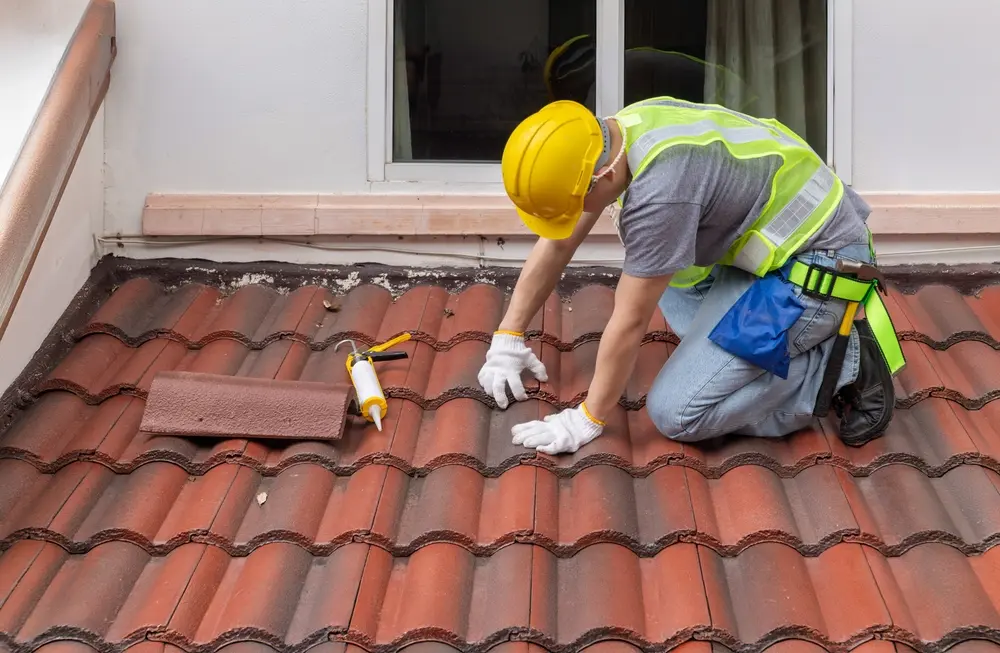
Living in a townhome or duplex offers a unique blend of community living and homeownership. You have your own space, often with a yard, but you also share walls—and more importantly, roofs—with your neighbors. This architectural hybrid creates a specific set of challenges when it comes to maintenance, especially for the roof. Unlike a single-family detached home where you are the sole decision-maker, or a large apartment complex managed by a single entity, townhomes and duplexes often sit in a gray area. Who is responsible for leaks? What happens if your side of the roof is failing but your neighbor’s isn’t? How do you ensure a cohesive look if replacements are done at different times? At Cola City Roofing, we specialize in solving these complex puzzles. As your local duplex roofing experts, we understand the technical and interpersonal dynamics involved in roofing shared structures. Whether you are an individual homeowner, a landlord owning both sides of a duplex, or an HOA board member managing a row of townhomes, this guide will walk you through everything you need to know about protecting your investment. Townhomes and duplexes fall under our broader commercial and industrial roofing services in South Carolina, where we specialize in protecting shared-structure and income-producing properties at scale. The Unique Dynamics of Shared Roofing The roof of a townhome or duplex is a single structural system covering multiple distinct properties. This physical reality clashes with the legal reality of separate ownership. This disconnection is the source of almost every challenge in this niche of roofing. The “Party Wall” Dilemma In most townhomes and duplexes, the dividing line between units is the “party wall.” The roof usually runs continuously over this wall. When a leak occurs near this dividing line, determining the source—and therefore the financial responsibility—can be difficult. Water travels. A missing shingle on Unit A could cause a leak in Unit B’s bedroom. Without professional Columbia SC roofing services, these situations can quickly devolve into neighbor disputes. Our team provides unbiased, forensic inspections to pinpoint exactly where the failure has occurred, providing clarity and peace of mind for all parties involved. Aesthetic Consistency Curb appeal is vital for property value. In a duplex or townhome row, the roof is a massive visual element. If Unit A replaces their roof with charcoal architectural shingles and Unit B patches theirs with mismatched 3-tab shingles, the visual harmony is broken. This not only looks bad but can actually lower the resale value of both units. We work diligently to ensure consistency. Even if replacements are happening years apart, we keep detailed records of materials used to ensure the best possible match, preserving the architectural integrity of the building. Townhome Roofing Solutions: The HOA Factor Many townhomes in the Columbia area are governed by Homeowners Associations (HOAs). When it comes to roofing, HOAs generally fall into two categories: HOA-Responsible: The association maintains the exterior, including the roof. Homeowner-Responsible: The individual owner maintains the structure, but must adhere to strict architectural guidelines set by the HOA. For a broader look at large-scale residential community strategy, review our multi-family roofing solutions guide. Navigating HOA Guidelines If you are responsible for your own roof, you cannot simply pick any shingle you like. There are likely covenants regarding color, material, and style. As experienced townhome roofing solutions providers, we are accustomed to reviewing HOA bylaws and architectural guidelines. We can help you submit the necessary applications to your architectural review board (ARB) to ensure your new roof is approved without hassle. If you serve on a board managing larger condominium buildings, our condo and HOA roofing guide outlines reserve planning, responsibility layers, and replacement logistics in more depth. Large-Scale HOA Projects For HOAs that are responsible for the roofs, the challenge is scale and funding. Replacing roofs on 50 townhome units is a massive logistical undertaking. It requires funding from reserves or special assessments, and it demands a contractor who can manage a large crew without disrupting the daily lives of residents. Cola City Roofing excels in this environment. We offer: Phased Replacement Plans: We can help boards plan replacements over several fiscal years to manage budget impact. Resident Communication: We know that construction is noisy and disruptive. We work with property managers to notify residents of schedules, parking changes, and safety zones. Uniformity: We ensure that the first unit completed looks exactly like the last unit completed, maintaining the community’s brand and appeal. Duplex Roofing: The Neighbor Negotiation Duplexes present a more intimate challenge. Often, there is no HOA. It is just you and your neighbor. The Challenge of Partial Replacement Ideally, when a duplex roof reaches the end of its life, both owners agree to replace the entire roof simultaneously. This is the most cost-effective and technically sound approach. It ensures a seamless water barrier across the entire structure. However, real life is rarely ideal. Your neighbor might not have the budget, or they might not care about the aging shingles as much as you do. The ” Tie-In” Solution If you need to replace your side of the roof but your neighbor does not, we perform a “tie-in.” This is a critical technical procedure where we join the new roofing system with the old one at the property line. This is where the skill of your roofer matters most. A poor tie-in is a guaranteed leak source. At Cola City Roofing, our craftsmen meticulously weave the new shingles into the existing ones or install a specialized divider to ensure water cannot seep between the layers. We ensure that your investment is protected, regardless of what is happening on the other side of the wall. Facilitating Joint Projects Sometimes, a neighbor just needs a little professional nudge. If you want to replace the whole roof but your neighbor is hesitant, we can provide a joint consultation. We can inspect the entire roof and provide a comprehensive report showing the condition of both sides. Often, when a reluctant neighbor sees photos of hail damage
Multi-Family Roofing Solutions: Protecting Investments and Tenants in Columbia, SC
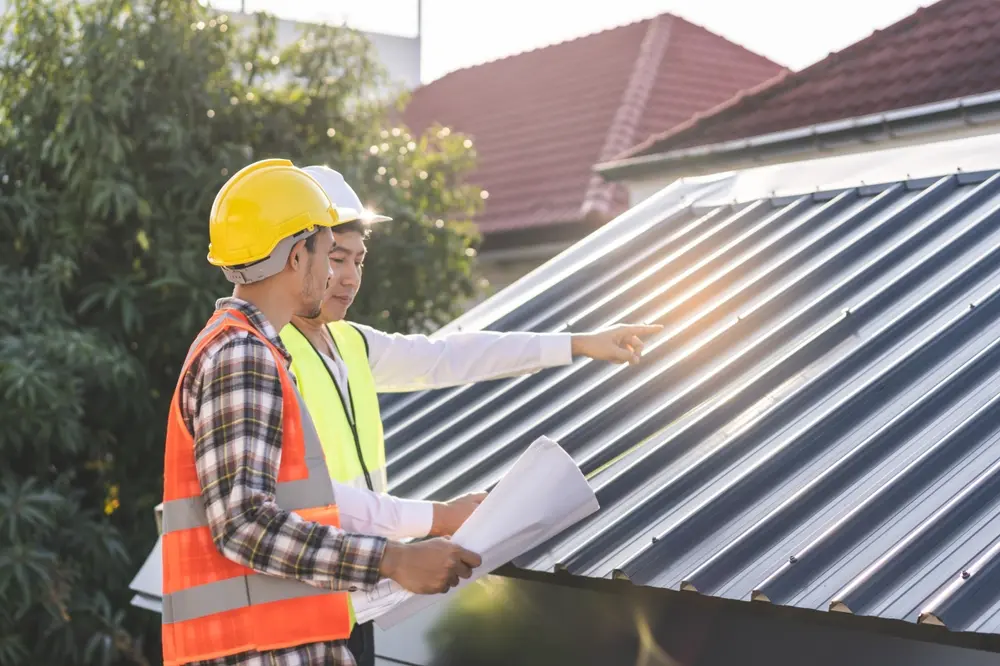
Managing a multi-family property comes with a unique set of pressures. Whether you are a property manager for a sprawling apartment complex, a board member of a Homeowners Association (HOA), or an investor with a portfolio of duplexes, the roof over your tenants’ heads is one of your most critical assets. Unlike a single-family home, a roofing issue in a multi-family building doesn’t just affect one household—it affects many. It impacts tenant satisfaction, retention rates, insurance premiums, and ultimately, your return on investment. At Cola City Roofing, we understand that multi-family roofing projects require a different caliber of planning and execution. Multi-family properties fall under our broader commercial and industrial roofing expertise, which you can explore on our Commercial & Industrial Roofing Services page. These aren’t just larger versions of residential jobs; they are complex logistical operations that demand precision, communication, and speed. In this comprehensive guide, we will explore the intricacies of multi-family roofing. We will look at why these projects require specialized care, the common challenges property managers face, and how partnering with the right Columbia SC roofing experts can save you time, money, and headaches. The High Stakes of Multi-Family Roofing When a roof leaks in a single-family home, it is a stressful event for one family. When a roof fails in a multi-family complex, the ripple effects are massive. Water intrusion can travel through multiple floors, damaging personal property, compromising structural integrity, and leading to potential mold growth that affects air quality for dozens of residents. For property managers and owners, the roof is more than just a shelter; it is a shield for your revenue stream. Tenant Satisfaction and Retention In the competitive rental market of South Carolina, reputation is everything. Tenants expect a safe, dry, and well-maintained living environment. Repeated leaks or visible water damage are among the fastest ways to drive good tenants away. By investing in professional roof replacement services, you aren’t just fixing a building; you are investing in tenant retention. A new, reliable roof signals to your residents that management cares about their well-being and the quality of the property. For investors managing smaller portfolios, our roofing for rental properties guide outlines strategies to protect cash flow while minimizing tenant disruption. Liability and Safety Multi-family properties often have high foot traffic. Old, deteriorating roofs can pose safety hazards, from falling shingles to structural weaknesses. Furthermore, if a roof repair is delayed and leads to interior damage, the liability issues can escalate quickly. Proactive maintenance and timely replacement are essential risk management strategies. Scale and Budgeting The scale of multi-family roofing means the financial stakes are higher. A full replacement is a significant capital expenditure (CapEx). For associations specifically managing shared ownership structures, our detailed guide to condo and HOA roofing explains how boards can approach reserve planning and long-term roofing decisions responsibly. Making the wrong choice in materials or contractors can lead to premature failure, wasting tens or even hundreds of thousands of dollars. You need multi-family roofing solutions that balance upfront costs with long-term durability and energy efficiency. Unique Challenges in Multi-Family Roofing Projects Executing a roofing project on an occupied multi-family complex is a logistical tightrope walk. It requires a contractor who understands that the job site is also someone’s home. In mixed-use or retail-integrated communities, the complexity increases even further, which we cover in our multi-tenant HOA commercial roofing guide. 1. Coordination and Communication The biggest hurdle isn’t the roofing itself; it’s the people. In an apartment complex, you might have hundreds of residents who need to be informed about work schedules, noise levels, and parking restrictions. At Cola City Roofing, we prioritize communication. We work closely with property managers to create a communication plan that keeps residents informed without overwhelming them. We understand that surprise construction noise is a recipe for tenant complaints. By providing clear timelines and sticking to them, we minimize friction between management and residents. 2. Safety and Access Safety is paramount on any construction site, but in a multi-family setting, the “site” is filled with children, pets, and residents going about their daily lives. Debris Management: We utilize specialized equipment to catch debris and nails, ensuring that walkways and parking lots remain safe for tires and feet. Traffic Control: We strategically plan material delivery and dumpster placement to ensure we don’t block emergency exits or vital parking areas. Work Zones: Clearly marked work zones keep residents at a safe distance from overhead work. 3. Consistency Across Multiple Units For townhomes and condos, aesthetic consistency is crucial. If you manage attached housing communities, our townhome and duplex roofing guide breaks down the structural and budgeting considerations unique to these properties. If you are replacing roofs in phases, you need assurance that the materials used in Phase 1 will match Phase 5, even if those phases are years apart. As premier roofing services providers, we have relationships with major manufacturers to ensure material availability and color matching, maintaining the curb appeal and property value of the entire community. Choosing the Right Materials for Multi-Family Properties The choice of roofing material for a multi-family property depends on the building’s architecture (flat vs. pitched), the budget, and the desired lifespan of the roof. Asphalt Shingles: The Versatile Standard For many apartment complexes and townhomes with pitched roofs, architectural asphalt shingles are the standard. They offer a great balance of affordability, durability, and aesthetic appeal. Modern architectural shingles provide excellent wind resistance—critical for South Carolina storms—and come in various colors to match the property’s branding. Metal Roofing: The Long-Term Investment Metal roofing is gaining popularity in the multi-family sector due to its incredible longevity (40-70 years) and low maintenance requirements. While the upfront cost is higher, the lifecycle cost is often lower because it rarely needs replacement. It is also highly energy-efficient, reflecting heat and potentially lowering cooling costs for upper-floor units. Flat Roofing Systems (TPO, EPDM, Modified Bitumen) Many modern apartment buildings and mixed-use developments utilize flat roofs. These require specialized commercial roofing expertise. TPO