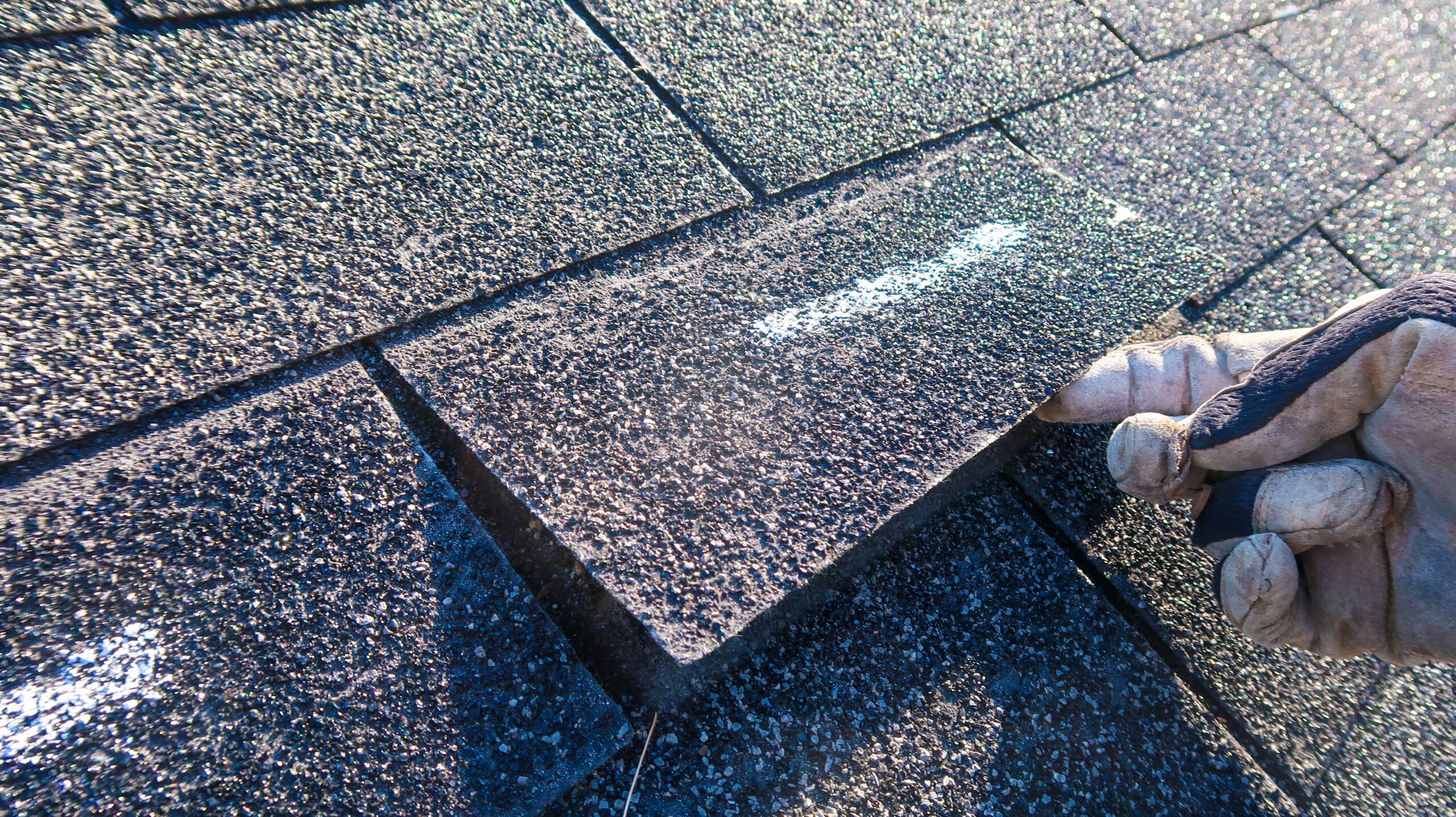
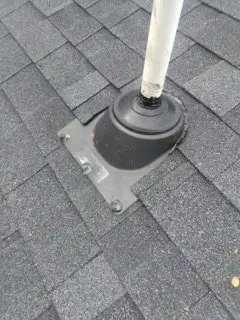
Usually not for a small repair, and usually yes for a replacement. The building code South Carolina offices enforce says ordinary repairs don't need a permit, while work that alters or repairs a building beyond that does. The City of Cayce gives the clearest local example. Its Building Services FAQ says "Roof Replacement" needs a permit, and "Replace damaged shingles to small area of roof" doesn't. Anything between those two is a question for your local office.
What the code actually says
The starting rule is broad. Cayce's Building Services page quotes it. An owner who intends to "construct, enlarge, alter, repair, move, demolish, or change the occupancy of a building or structure" needs a permit first. Note the word "repair."
Then comes the exemption. CC&I Services, which runs permitting for Irmo and Chapin, publishes the code language in its Do You Need a Permit? sheet: "Application or notice to the building official is not required for ordinary repairs to structures." Lexington County's permit FAQ lists "Ordinary repairs and maintenance" first among work that doesn't need a permit.
The same CC&I sheet says what ordinary repairs do not include:
- Cutting away any wall, partition or portion of one.
- Removing or cutting any structural beam or load-bearing support.
- Removing or changing a required means of egress.
- Work on water, sewer, drainage, gas or vent piping, electric wiring, or mechanical work.
- Other work "affecting public health or general safety."
Roofs aren't named in that list either way. That is why offices draw the line slightly differently, and why the honest answer for a mid-size repair is "ask."
Where Midlands offices draw the line
How local offices describe roof work (checked October 2026)
| Office | What it publishes |
|---|---|
| City of Cayce | "Roof Replacement" needs a building permit. "Replace damaged shingles to small area of roof" does not. A business license is required even when no permit is. (FAQ) |
| City of Columbia | All regulated work needs a permit. Cosmetic work doesn't; the City points to IBC Section 105.2 for exceptions. Its roofing form covers tear-off and overlay re-roofs. (Residential projects, roofing form) |
| Town of Lexington | The building permit application has a Repair section with a "Roof" box, so roof repairs can be permitted work. (Application) |
| Lexington County | Permit needed to renovate; "Ordinary repairs and maintenance" exempt. (FAQ) |
| Richland County | Permits cover alteration and repair work; no roof-specific rule. (Building permits) |
| Irmo and Chapin (CC&I) | State code rule and the ordinary-repairs exemption. (CC&I sheet) |
Cayce's FAQ doesn't define "small area," and no office we checked publishes a square-footage cutoff. For each office's details, see our Midlands roof permits hub and the West Columbia and Cayce guide.
Repairs that are more likely to need a permit
Based on what the offices publish, these jobs are the ones to raise with the building office before work starts:
- Replacing roof decking. Sheathing is part of the structure, and Cayce lists sub-floor repairs and foundation repairs among permitted work.
- Rebuilding a whole slope or section. It starts to look like the "roof replacement" Cayce lists.
- Changing the roof covering, such as shingles to metal.
- Any rafter or truss repair. Structural members are expressly outside "ordinary repairs."
- Work in a historic or design district. In Columbia, even cosmetic exterior work may need a Certificate of Design Approval, per the City's residential projects page.
A pipe boot, a few blown-off shingles, resealing flashing or replacing a ridge cap are the kind of jobs that usually read as ordinary repair. Our roof repair guide covers when a repair makes sense at all.
Emergency repairs and tarping after a storm
CC&I's sheet has an emergency rule. "Where equipment replacements and repairs must be performed in an emergency situation, the permit application shall be submitted within the next working business day to the building official." It is written around equipment, so ask your office whether it applies to emergency roof work.
No office we checked publishes a rule about tarps. A tarp is a temporary cover that keeps water out until a proper repair. The permanent repair or replacement that follows is the job to ask about. Our post on emergency roof repair and our storm damage repair page cover the first steps.
A repair without a permit still needs a credentialed roofer
Skipping the permit doesn't skip the licensing rules. Under S.C. Code Section 40-59-20, roofers are a residential specialty contractor category, and the rule applies when the job exceeds $500. Cayce also requires a city business license for repair work that needs no permit.
Homeowners have a short list of permit-free improvements in Section 40-59-265. It includes small sheds, low fences, painting and small low decks. Roofing is not on that list.
Questions to ask before a repair starts
- "Is this an ordinary repair, or does it need a permit here?" Ask the roofer which office they checked with.
- "Will any decking, rafters or trusses be replaced?"
- "If the repair grows once the shingles are off, who calls the building office?"
- "Is your state registration current, and do you hold a business license for my town?"
If you aren't sure whether your roof needs a repair or a replacement, Cola City Roofing can look at it. You can reach us here.