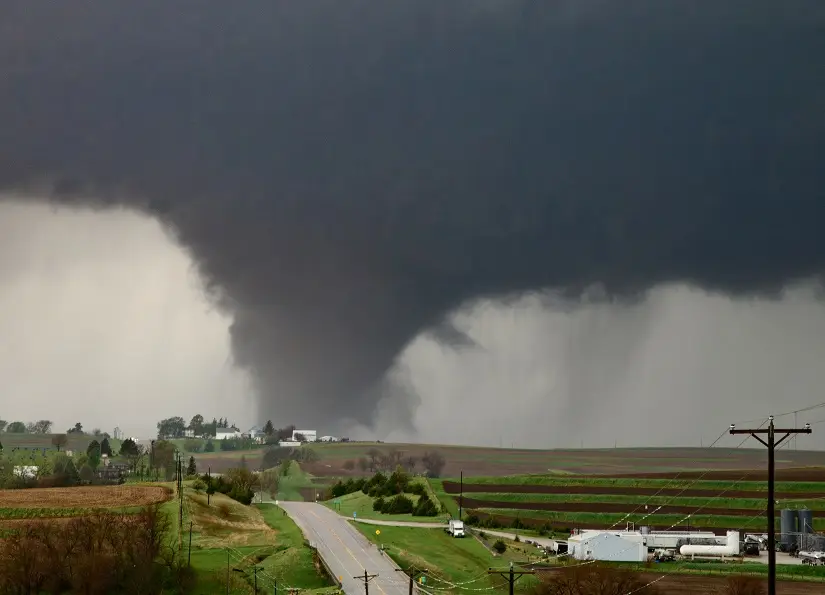
Tornadoes are no strangers to South Carolina weather, leaving a trail of destruction in their wake. For homeowners, a tornado can spell trouble for their roof, which often bears the brunt of the storm’s fury. If your home has been hit by a tornado, inspecting the damage needs to be a top priority—but safety comes first.
This blog will guide you through safely checking your roof for damage after a tornado, what signs of damage to look for, and how professional roofing services like Cola City Roofing can help restore and protect your home.
Why Inspecting Your Roof After a Tornado is Crucial
Tornadoes bring high winds, flying debris, and heavy rain, all of which can lead to significant roof damage. Ignoring or delaying inspection can worsen damage, leaving your home exposed to leaks, structural issues, and more costly repairs down the line. That’s why acting quickly, but safely, is essential.
Professional roofing services can take the stress out of the process by conducting detailed inspections and providing solutions tailored to storm damage. However, before calling in the pros, you can take some initial steps to assess the situation.
How to Safely Inspect Roof Damage After a Tornado
When dealing with storm-damaged properties, safety should always come first. Follow these steps to inspect your roof without putting yourself at risk:
1. Start From the Ground Up
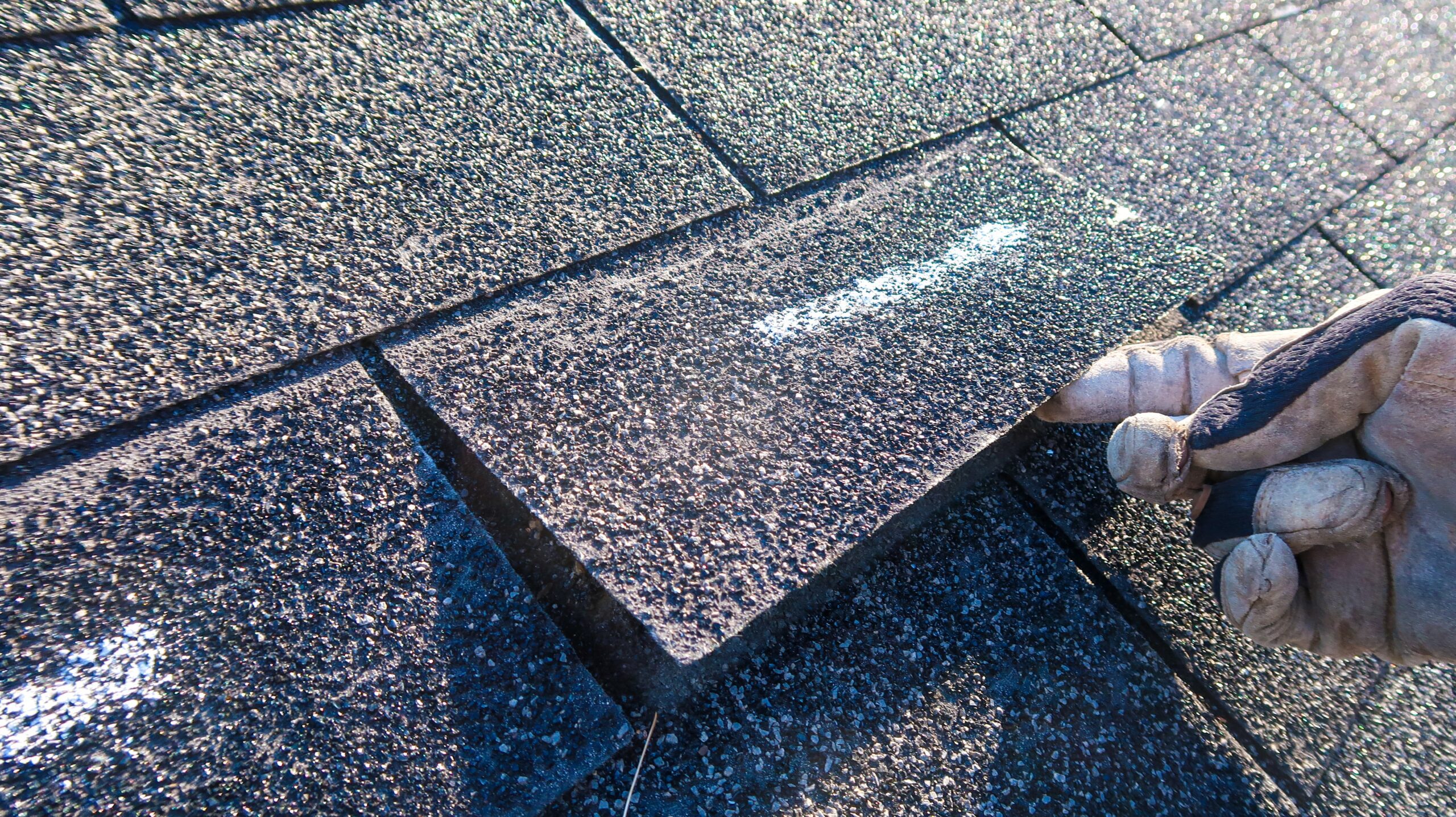
Your priority should be assessing the roof from the ground. Use binoculars to scan for visible damage such as missing shingles, cracks, or debris lodged in your roof. Look out for:
- Broken or torn shingles
- Sagging areas indicating structural compromise
- Flashing that has been displaced or bent
2. Inspect the Surrounding Property
Check your yard and the surrounding area for signs of tornado impact:
- Shingles or pieces of roofing material scattered around
- Broken tree branches resting on or near your roof
- Clogged gutters from debris buildup
3. Look Inside Your Home
The state of your home’s interior can reveal hidden roof damage. Keep an eye out for:
- Water stains on ceilings or walls
- Damp insulation in your attic
- Sunlight seeping through holes in the roof
4. Avoid Walking on the Roof
Climbing on a roof right after a tornado can be dangerous. Loose shingles and structural damage can make it unstable. Leave the hands-on inspection to professional roofing services that are equipped with the right tools and training.
5. Document the Damage
Take photos and detailed notes of any visible damage. This documentation will be invaluable when filing an insurance claim or seeking residential roofing services for repairs.
What Tornado Roof Damage Looks Like
While some damage is easy to spot, others may require a trained eye to identify. Here are a few signs of tornado-induced roof issues:
- Wind Damage
Tornadoes cause extreme winds, which can tear away shingles and create gaps exposing your roof underlayment.
- Hail Damage
Hail can leave dents in metal roofs or create bald spots on asphalt shingles by knocking off the granules.
- Punctures and Holes
Debris carried by tornado winds can pierce your roof, leaving holes that are a pathway for water leaks.
- Gutter Blockages
Tornado debris often clogs gutters, reducing drainage and causing water to pool on your roof.
A prompt inspection allows for faster repairs, preventing these issues from escalating.
Tips for Dealing With Tornado Roof Damage
If your roof has suffered from a tornado, here are some practical tips to speed up the recovery process:
- Call a Professional Roofing Service
Expert roofers can provide a thorough inspection and identify both visible and hidden damage. Cola City Roofing offers free inspections and professional storm damage solutions.
- File an Insurance Claim
Contact your insurance provider as soon as possible to report the damage. Cola City Roofing’s hassle-free assistance ensures your claim is handled smoothly.
- Avoid DIY Fixes
While minor fixes may seem tempting, tackling roof repairs without proper training can worsen the damage and void warranties.
- Schedule Regular Maintenance
Once your roof is repaired, investing in periodic roof cleaning services can maintain its longevity and protect against future weather events.
- Stay Safe
Above all, ensure your safety. Avoid entering areas with visible damage, and keep away from structural hazards until professionals declare it safe.
Galleries
Featured Work
Need proof of our skills? Check out our recent roof and gutter work!
Quick FAQ for Tornado Damage
- How fast should I inspect my roof after a tornado?
You should inspect the roof as soon as it’s safe, ideally within 24-48 hours to document damage promptly for insurance purposes.
- What if I don’t see visible damage?
Even if damage isn’t apparent to the naked eye, schedule an inspection with professional roofing services. Hidden issues may surface later.
- Does insurance cover tornado roof damage?
Most homeowner’s insurance policies cover tornado-related damages. Check your policy details or consult with an expert for guidance.
- Is a tarp enough as a temporary fix?
Yes, tarping can protect your home from further damage temporarily. However, schedule professional repairs as soon as possible.
- Can Cola City Roofing help with the entire process?
Absolutely! From free inspections to insurance claims assistance and repairs, Cola City Roofing handles everything to get your roof back in shape.
Why Professional Help Matters
Dealing with tornado damage can be overwhelming, and that’s where experts like Cola City Roofing come in. Based in South Carolina, they specialize in storm damage repairs and insurance claim assistance. Their comprehensive residential roofing services ensure your home is restored quickly and efficiently using high-quality materials.
Whether it’s a cracked shingle or extensive structural work, Cola City Roofing has the expertise and care you need to protect your greatest investment.
[Schedule a Free Inspection Today]
Take the stress out of storm recovery. Leave your roofing worries to Cola City professionals so you can focus on what matters most.