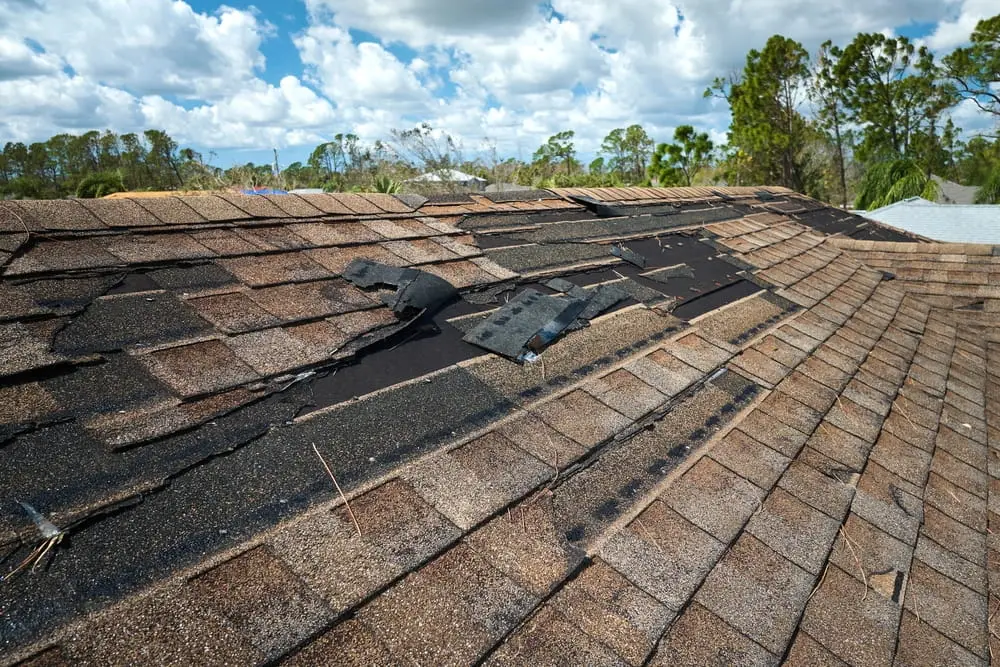
Most homeowners don’t think about their roof until water is dripping through the ceiling. By then, the damage is already done — and the repair bill is a lot bigger than it needed to be.
Your roof gives you warning signs long before it fails completely. The trick is knowing what to look for.
We’re Cola City Roofing, a licensed, insured, and experienced roofing company serving Columbia, Lexington, Irmo, West Columbia, and the entire Midlands. We inspect hundreds of roofs every year. These are the 10 most common signs that tell us a roof needs to be replaced.
If you spot even one of these on your home, schedule a free roof inspection before a small problem turns into a costly disaster.
1. Your Roof Is 20+ Years Old
This is the most overlooked sign of all. Age alone is enough to start planning your roof replacement.
Here in Columbia, asphalt shingle roofs face extreme UV exposure, triple-digit heat indexes, summer thunderstorms, and occasional hurricanes. That combination shortens roof life significantly compared to milder climates.
What the numbers say:
- Standard 3-tab shingles: 15-18 years in SC (despite “25-year” labels)
- Architectural shingles: 20-28 years realistically
- Premium or impact-resistant shingles: 25-35 years
If your roof is approaching 20 years, it’s time for a professional inspection — even if it looks fine from the ground. Many problems aren’t visible without getting up close.
What to do: Check your closing paperwork or previous inspection reports for the roof installation date. If you don’t know the age, Cola City Roofing can estimate it during a free inspection.
2. Shingles Are Curling or Buckling
Walk out to your yard and look at your roof. Do the shingles lie flat and uniform? Or are the edges curling upward or the centers buckling and warping?
Curling and buckling are telltale signs of:
- Heat damage from years of South Carolina sun
- Poor attic ventilation trapping hot, moist air against the roof deck
- Age-related deterioration of the asphalt and underlying mat
- Defective shingles (less common, but it happens)
Why It’s Dangerous
Curled and buckled shingles create gaps where wind-driven rain enters. During one of Columbia’s summer thunderstorms, those gaps become entry points for water that soaks into your roof deck, insulation, and eventually your ceilings.
What to do: A few curled shingles might be repairable. But if curling is widespread, it signals the entire roof is failing and replacement is the right move.
3. Missing Shingles After Every Storm
Losing a shingle or two in a major storm can happen to any roof. But if you’re finding missing shingles after every moderate storm, your roof is losing its grip.
This usually means:
- The adhesive seal strip has failed (common in aging roofs)
- Nailing was improper during original installation (too high, too few, or crooked)
- The shingles have become brittle from heat and UV exposure
Why It’s Dangerous
Every missing shingle is an exposed section of underlayment or bare wood. Underlayment is your last line of defense, and it was never designed to be a permanent weather barrier. One more storm, and water reaches the deck.
What to do: If you’re patching missing shingles more than once a year, stop patching and start planning. A full replacement with properly installed shingles — like GAF Timberline HDZ with its LayerLock technology — will end the cycle.
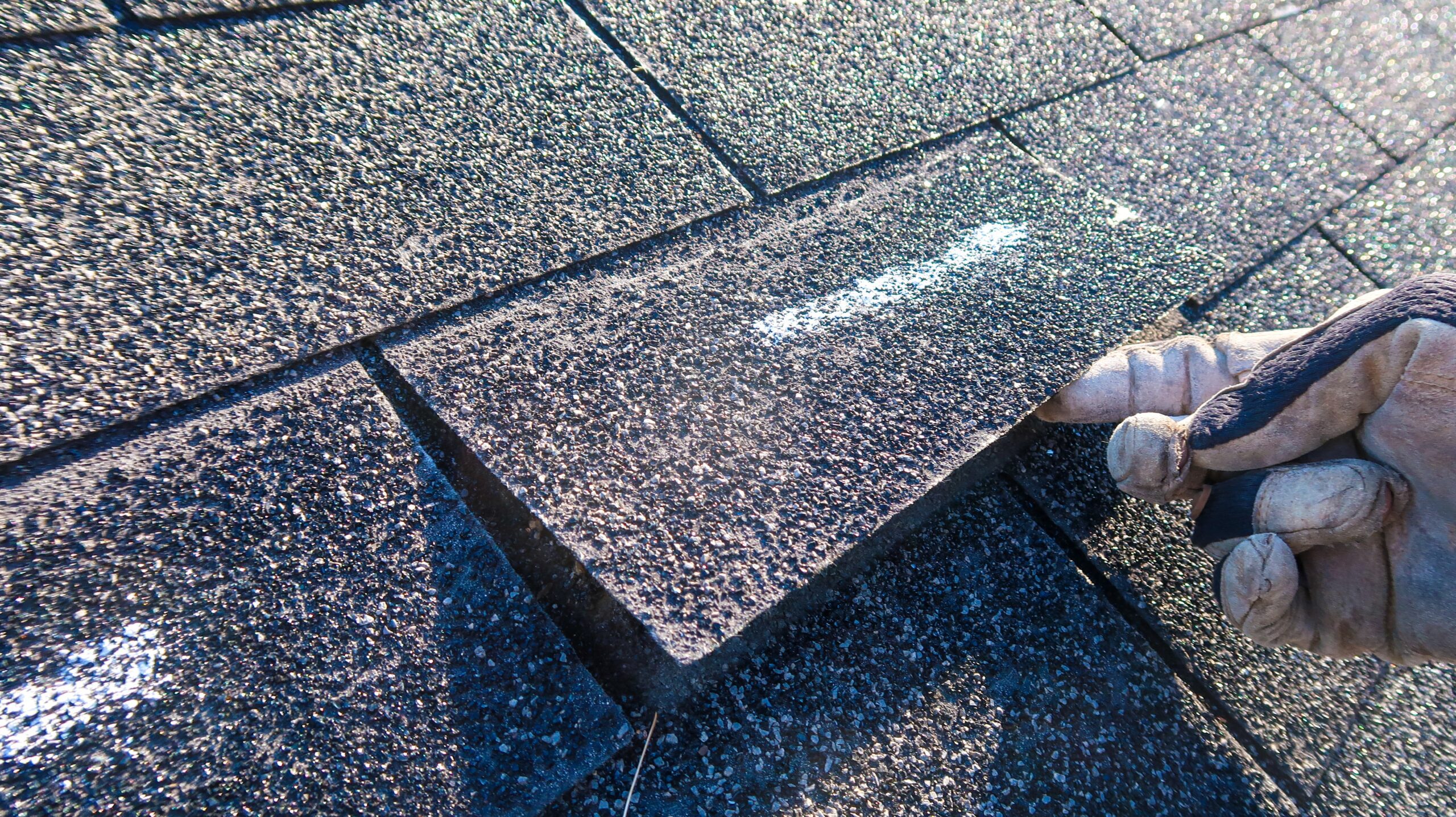
4. Granules Are Filling Your Gutters
Check your gutters after the next rain. See those coarse, sandpaper-like particles collecting? Those are granules — and they belong on your shingles, not in your gutters.
Shingle granules serve two critical purposes:
- UV protection — they shield the asphalt from the sun
- Fire resistance — they’re a key part of your roof’s fire rating
When granules shed excessively, your shingles are essentially balding. The exposed asphalt beneath deteriorates rapidly in South Carolina’s sun.
Why It’s Dangerous
Without granule protection, shingles dry out, crack, and curl much faster. A shingle that lost its granules might fail within 1-2 years instead of lasting another decade.
What to do: Some granule loss is normal on new roofs (manufacturing excess). But if your roof is 10+ years old and your gutters are full of granules, the protective coating is failing. Time for a professional assessment.
Noticing granule buildup? Get a free inspection from Cola City Roofing — we’ll tell you exactly how much life your shingles have left.
5. You Can See Daylight Through the Roof Boards
Head up to your attic on a sunny day. Turn off the lights. Look up at the underside of your roof.
Do you see pinpoints of light coming through?
If daylight can get in, water can get in too. Those gaps mean your roof deck has holes, cracks, or deteriorated sections that are actively letting the outdoors inside your home.
Why It’s Dangerous
This is one of the more serious warning signs. Light coming through means:
- Moisture has been entering for some time
- The roof deck may be rotted or compromised
- Insulation may be wet and ineffective
- Mold growth could already be developing
What to do: This needs immediate attention. Don’t wait for the next storm. Call Cola City Roofing for an emergency roof inspection. Deck repairs combined with a new roof are far cheaper than dealing with structural damage and mold remediation later.
6. Your Roof Deck Is Sagging
Stand at the curb and look at your roofline. It should be straight and level. If you see dips, waves, or a noticeable sag, you have a structural problem.
A sagging roof deck means the underlying support structure — the rafters, trusses, or decking boards — is failing. Common causes include:
- Long-term water damage that rotted the wood
- Excessive weight from multiple shingle layers
- Undersized framing that couldn’t handle the load over time
- Termite or pest damage to structural members
Why It’s Dangerous
This is the most dangerous sign on this list. A sagging roof is at risk of partial or complete collapse. It’s not just a roofing issue — it’s a safety issue for your family.
What to do: Do not ignore a sagging roofline. Call a roofing professional immediately. Cola City Roofing will assess the structural integrity and coordinate with structural engineers if needed before beginning any roof replacement.
7. Water Stains on Your Ceilings or Walls
Those yellowish-brown rings on your ceiling? The discolored streaks running down an interior wall? That’s water, and it came from your roof.
Water stains mean you have an active leak — or you had one recently. Either way, the damage path from roof to ceiling means moisture has traveled through your decking, insulation, and framing.
Why It’s Dangerous
- What you see on the ceiling is often just the tip of the iceberg — water travels along rafters and can enter far from the actual leak point
- Wet insulation loses effectiveness and breeds mold
- Persistent moisture leads to wood rot in structural members
- Mold behind walls can create serious health hazards
What to do: A single small stain after a major storm might be a repairable leak. But multiple stains, recurring stains, or stains that grow indicate systemic roof failure. Document the stains with photos (for insurance purposes) and schedule an inspection.
8. Moss or Algae Growth That Won’t Go Away
Columbia’s humidity creates the perfect breeding ground for moss, algae, and lichen on rooftops. You’ve probably seen those dark black-green streaks on homes throughout the Midlands.
A little algae is cosmetic. But persistent, heavy moss and algae growth signals something worse.
Why It’s Dangerous
- Moss holds moisture against the shingle surface, accelerating deterioration underneath
- Moss roots can lift shingle edges, creating gaps for wind and water
- Algae growth indicates the shingle’s protective granules have worn thin
- Heavy growth can void your manufacturer’s warranty
What About Roof Cleaning?
Professional roof cleaning (soft wash) can remove moss and algae and extend your roof’s life — if the shingles underneath are still sound. But if your roof is old and the growth keeps returning aggressively, cleaning is just buying time. Replacement with algae-resistant (AR) shingles is the long-term solution.
What to do: Have your roof inspected. If the shingles are in good shape, a soft wash might be all you need. If the shingles are deteriorated underneath the growth, it’s replacement time.
9. Your Energy Bills Keep Climbing
Did your electric bill jump this summer? Before you blame the power company, look up.
A failing roof loses its ability to insulate your home. When shingles deteriorate, attic ventilation fails, or decking develops gaps, your conditioned air escapes and outdoor heat pours in.
The Connection Between Your Roof and Your Electric Bill
- Deteriorated shingles absorb more heat instead of reflecting it
- Gaps in the roof allow hot attic air to bleed into living spaces
- Damaged or compressed insulation (from roof leaks) stops doing its job
- Poor ventilation turns your attic into a 150°F+ oven that radiates heat downward
In Columbia, where summer AC bills already run $200-$400/month for many homes, a failing roof can add 15-25% to your cooling costs.
What to do: If your energy bills are climbing and your HVAC system checks out fine, get your roof and attic inspected. A new roof with proper ventilation and modern reflective shingles can significantly lower your utility costs.
10. Your Neighbors Are All Getting New Roofs
This one might surprise you. But it’s one of the most reliable indicators we see.
Homes built around the same time need new roofs around the same time. If your neighborhood was built in the early 2000s and you’re suddenly seeing roofing crews on every other block, your roof is the same age. It’s facing the same SC weather exposure. It’s probably in similar condition.
Why It Matters
- Subdivision homes were typically built within a 1-3 year window using similar materials
- They all experienced the same storms, hail events, and UV exposure
- If your neighbors’ roofs are failing, yours likely isn’t far behind
- Waiting too long means you might face higher prices when every roofer in the Midlands is booked solid
What to do: Don’t wait until you’re last on every roofer’s schedule. Get ahead of the rush. A proactive inspection now means you can plan on your timeline — not in a panic after the next storm.
Bonus: What to Do If You Spot Any of These Signs
Noticed one or more of these warning signs? Here’s your action plan:
Step 1: Document Everything
Walk around your property and take photos from multiple angles. Photograph any visible damage — missing shingles, curling, stains, sagging areas. These photos are valuable for insurance claims.
Step 2: Check Your Insurance Policy
If your roof was damaged by a storm, hail, or wind, your homeowner’s insurance may cover part or all of the replacement. Review your policy or call your agent. Cola City Roofing can help you navigate the storm damage claims process.
Step 3: Schedule a Professional Inspection
A trained roofer can identify problems you can’t see from the ground. Cola City Roofing offers free, no-obligation roof inspections throughout Columbia, Lexington, Irmo, West Columbia, Cayce, and the surrounding Midlands.
Step 4: Get Multiple Estimates (or Just Call Us)
We always recommend homeowners understand their options. But make sure any contractor you consider is licensed, insured, and experienced. Cola City Roofing is a licensed, insured, and experienced local roofing contractor.
Frequently Asked Questions
How often should I have my roof inspected in South Carolina?
We recommend a professional inspection at least once a year — ideally before hurricane season (June) or after a major storm. Regular inspections catch small problems before they become expensive replacements.
Can a roof be repaired instead of replaced?
Sometimes, yes. If the damage is isolated — a few missing shingles, a small leak, or minor flashing issues — roof repair may be the right call. But if the damage is widespread, the roof is old, or repairs are becoming frequent, replacement is more cost-effective long-term.
How long does a roof replacement take in Columbia, SC?
Most residential roof replacements take 1-3 days depending on the size of the home, the material chosen, and weather conditions. Cola City Roofing works efficiently to minimize disruption to your daily life.
Does homeowner’s insurance cover a new roof?
If your roof was damaged by a covered event — hail, wind, fallen trees, or storm damage — your insurance will typically cover replacement minus your deductible. Cola City Roofing’s team assists with insurance claims to ensure you get the coverage you’re entitled to.
What’s the best time of year to replace a roof in SC?
Roofing can be done year-round in South Carolina, but fall and spring offer the most comfortable installation conditions. Summer is our busiest season due to storm damage demand. If you can plan ahead, scheduling in early spring or late fall often means faster turnaround.
How much does a roof replacement cost in Columbia, SC?
For a typical Columbia-area home (1,500-2,500 sq ft), expect $8,000-$15,000 for architectural shingles and $15,000-$30,000+ for metal roofing. Exact pricing depends on roof size, pitch, material, and any necessary deck repairs. Contact us for a free estimate.
Spotted Any of These Signs? Don’t Wait.
Every day you delay, a damaged roof gets worse — and more expensive to fix. Water doesn’t take days off. South Carolina storms don’t wait for you to be ready.
Cola City Roofing offers free, no-obligation roof inspections across the Columbia, SC metro area. We’ll assess your roof’s condition, explain your options honestly, and provide a detailed estimate — no pressure, no games.
Call (803) 734-3700 or request your free inspection online. Let’s make sure your roof is ready for whatever SC weather throws next.