
Roof Maintenance Checklist for Homeowners
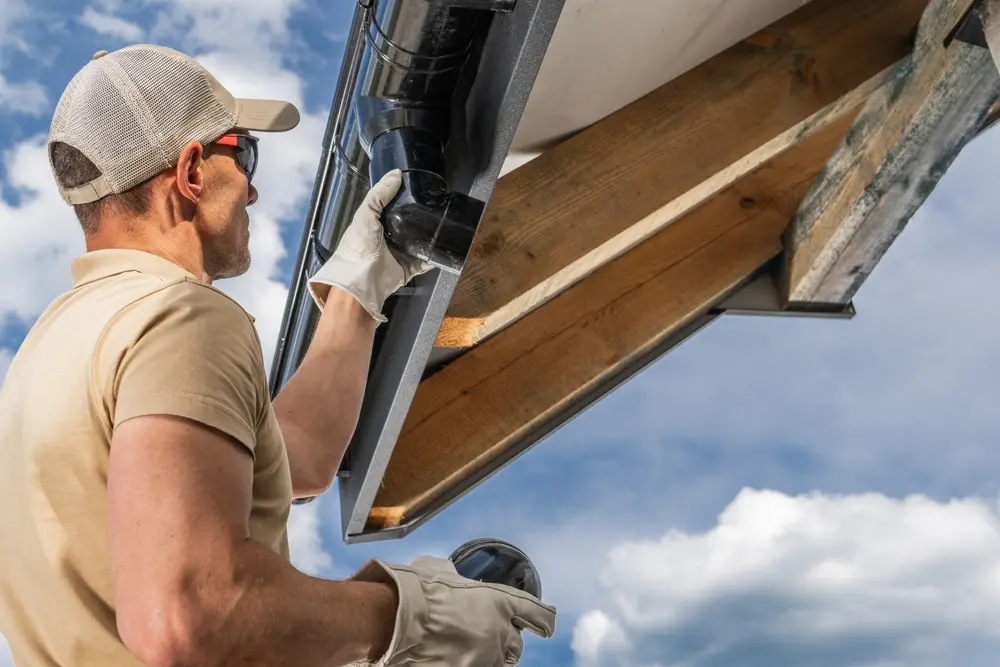
Your roof is your home’s first line of defense against the elements. Here in the Midlands, that means intense summer sun, heavy rains, hurricane season winds, and the occasional surprise winter storm. While a quality roof is built to last, it’s not something you can just set and forget. Regular maintenance is the key to protecting your investment, your home, and your family. Think of it like changing the oil in your car—a small, consistent effort that prevents major, expensive problems down the road. This guide provides a simple yet thorough checklist to help you keep your roof in top condition all year long. Regular roof care is part of protecting your home with professional residential roofing services in South Carolina designed for long-term performance. Why Regular Roof Maintenance Matters Many homeowners only think about their roof when something goes wrong, like a leak appearing in the ceiling after a big thunderstorm. By that point, the damage has already been done. Proactive maintenance is about getting ahead of these issues. It’s the single most effective way to ensure your roof performs its job correctly for its entire expected lifespan. Extending roof lifespan A well-maintained asphalt shingle roof can last 20 years or more. However, neglect can cut that lifespan in half. Small issues like cracked sealant, a few loose shingles, or clogged gutters can quickly escalate. When moisture gets trapped, it can lead to rot in the underlying roof deck. Debris can scrape away the protective granules on your shingles. By catching these minor problems early, you prevent the slow, steady decay that leads to premature roof failure, saving you thousands on an early replacement. Preventing costly repairs A tiny leak can cause a surprising amount of damage. Water can travel from the entry point on your roof, run along rafters, and soak insulation before it ever shows up as a stain on your living room ceiling. What might have been a simple flashing repair can turn into a project involving drywall replacement, mold remediation, and extensive structural work. A few minutes spent inspecting your roof each month can mean the difference between a minor fix and a major financial headache. Improving home safety and energy efficiency Your roof is a critical part of your home’s structural integrity. A compromised roof is a safety hazard, especially during the high winds we see in South Carolina’s storm season. Furthermore, your roof plays a huge role in your home’s energy efficiency. Proper ventilation, intact shingles, and a sound structure help regulate your home’s temperature. A damaged or poorly maintained roof can let hot, humid air seep in, forcing your air conditioner to work overtime and driving up your energy bills. If you’re unsure what a professional evaluation includes, here’s what happens during a roof inspection in Columbia. Monthly Roof Maintenance Tasks Consistency is key. A quick check each month can help you spot developing issues before they become serious. For these tasks, you can often inspect from the ground using binoculars. Safety is the top priority. Never get on a wet, steep, or unstable roof. If you have any doubts, stay on the ground and call a professional. Inspecting shingles and tiles From a safe vantage point, scan the entire surface of your roof. Look for any shingles that are cracked, curling at the edges, or buckling. Pay close attention to any that are missing granules—those sand-like particles that protect the shingle from UV rays. You might see these granules collecting in your gutters. Also, check for any shingles that have lifted or are completely missing, which often happens after a strong windstorm. Note the location of any problem spots. Clearing gutters and downspouts Your gutters are essential for directing rainwater away from your home’s foundation. When they get clogged with pine straw, leaves, and other debris, water overflows. This can saturate the fascia boards your gutters are attached to, seep back under your shingles, and pour down around your foundation. At least once a month, check that your gutters are clear and that water can flow freely through your downspouts. After a heavy rain, it’s a great time to see if they are working properly or if water is spilling over the sides. Checking flashing and seals Flashing is the metal material installed around chimneys, vents, skylights, and in roof valleys. Its job is to create a waterproof barrier in these vulnerable areas. From the ground, look for any flashing that appears rusted, bent, or pulled away from the roof. The sealant used around these fixtures can also crack and degrade over time from sun exposure. If you see dark, cracked, or missing caulk, it’s a sign that the waterproof seal is compromised. Many homeowners schedule annual roof inspections in Columbia to catch issues before they become costly repairs. Seasonal Roof Maintenance Tasks The changing seasons in Columbia bring different challenges for your roof. Tailoring your maintenance to the time of year ensures you are prepared for whatever the weather throws at you. Spring: inspect after winter weather Winter, even a mild South Carolina one, can be tough on a roof. Once the threat of frost is gone, it’s time for a thorough inspection. Look for any damage caused by winter storms, such as missing shingles or loose flashing from high winds. Check for any signs of moisture intrusion in your attic that may have occurred over the winter months. Spring is the perfect time to address these issues before the heavy spring and summer rains begin. Summer: monitor for sun damage The intense summer sun in the Midlands can be brutal. UV rays bake your shingles, causing them to become brittle and lose their protective granules. High temperatures can also cause sealant to break down more quickly. During your summer inspections, pay extra attention to signs of curling or cracking shingles. Also, check your attic to ensure it’s properly ventilated. Poor ventilation can trap extreme heat, essentially cooking your shingles from the inside out and drastically shortening
Flat Roof Repair vs. Shingle Repair: What’s the Difference?
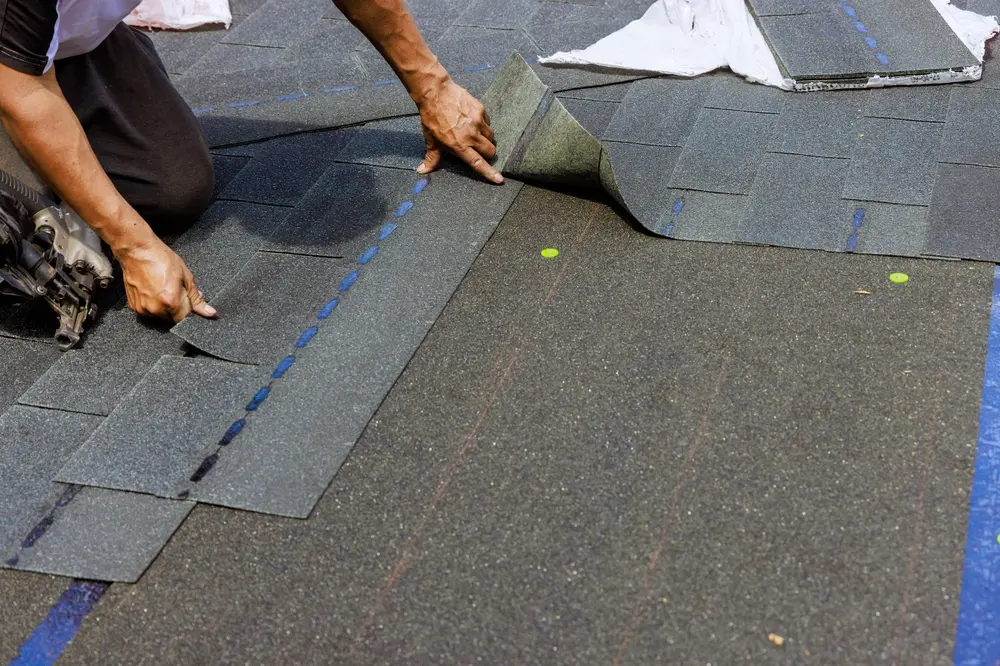
When you look at the rooftops across Columbia, you’ll see a mix of styles. Most homes feature the familiar angled, shingled roofs that are a staple of residential architecture. However, you’ll also spot flat roofs, especially on commercial buildings, modern homes, and additions like garages or covered patios. While both protect your property from the South Carolina elements, they are fundamentally different in how they are built, the problems they face, and how they are repaired. Understanding these differences is key to maintaining the roof over your head. A repair strategy that works perfectly for a shingle roof could be a disaster on a flat one. This guide will walk you through everything you need to know about flat roof repair versus shingle roof repair. We’ll explore their unique construction, common issues you might encounter in our hot and humid climate, and the specific repair methods that keep each type in top condition. Our goal is to give you the knowledge to make informed decisions, just as if you were part of our family. Understanding Flat Roofs and Shingle Roofs Before diving into repairs, it’s important to understand what makes these two roof types so different from the ground up. It’s not just about aesthetics; their entire structure is designed for different purposes and challenges. Key construction differences A shingle roof, also known as a pitched roof, is built with a slope. This angle is its most important feature. It uses gravity to shed water quickly and efficiently, directing rain and debris down into the gutters and away from your home’s foundation. The structure consists of a wooden frame (rafters and trusses) covered by a layer of wood sheathing or decking. On top of the decking sits a protective layer called underlayment, and finally, the overlapping rows of shingles are installed as the outermost shield. A flat roof, by contrast, isn’t truly flat. It has a very slight slope—usually about a quarter-inch per foot—to guide water toward drains or scuppers. Instead of shingles, a flat roof is covered by a continuous, waterproof membrane. This membrane is critical because water doesn’t run off immediately; it moves slowly and can sit for a while, especially during a heavy Columbia downpour. The materials used, like TPO, EPDM rubber, or modified bitumen, are designed to create a seamless, watertight barrier that can withstand standing water and intense UV exposure. Pros and cons of each roof type Choosing between a shingle and a flat roof involves trade-offs in cost, maintenance, and usability. Shingle Roofs: Pros: Shingle roofs are generally less expensive to install and are available in a wide variety of colors and styles, including popular architectural shingles that add dimension. They have a long, proven track record, and finding experienced installers is relatively easy. Their sloped design is excellent at managing heavy rain. Cons: High winds during a summer thunderstorm can lift and tear shingles. They are not suitable for low-slope or flat designs. The individual nature of shingles means there are many seams, which can become potential entry points for water if they are damaged or improperly installed. Flat Roofs: Pros: Flat roofs offer usable space for things like rooftop decks, gardens, or HVAC units. Their modern, clean look is popular in contemporary architecture. Installation can sometimes be faster than a complex pitched roof, and they are the only viable option for certain building designs. Cons: Drainage is their biggest challenge. Without a steep slope, they are prone to “ponding,” where water pools in low spots. They require meticulous installation to ensure the membrane is perfectly sealed, as even a tiny flaw can lead to a significant leak. The materials can also be more susceptible to punctures from falling branches or foot traffic. Common Issues with Flat Roofs The design of a flat roof makes it vulnerable to a specific set of problems, many of which are amplified by South Carolina’s climate of intense sun and heavy rainfall. Ponding water and leaks Ponding water is the number one enemy of a flat roof. After a storm, if you see puddles that remain for more than 48 hours, you have a drainage problem. This constant moisture puts immense stress on the roofing membrane. The weight of the water can cause the roof deck to sag, creating even deeper ponds. Over time, the standing water will find any tiny imperfection, seam, or crack and work its way through, causing persistent leaks that can be difficult to trace. Blistering, cracking, and seam damage The relentless Columbia sun takes a toll. UV rays can break down the roofing materials, causing them to become brittle. This leads to two common issues: Blistering: Trapped moisture or air between the membrane and the roof deck can heat up and expand, creating bubbles or blisters on the surface. These blisters compromise the membrane’s integrity and can eventually rupture, creating a direct path for water. Cracking: As the membrane ages and loses its flexibility, it can develop cracks, especially in areas that experience temperature fluctuations. These cracks are often the source of slow, nagging leaks. Seam Damage: The seams where sections of the membrane are joined are the weakest points. Over time, adhesive can fail or heat-welds can separate, allowing water to seep underneath. Material-specific problems (EPDM, TPO, modified bitumen) Different flat roofing materials have unique vulnerabilities. EPDM (Rubber): This durable rubber membrane can shrink over time, pulling away from flashing and edges, creating gaps. It is also susceptible to punctures from sharp objects. TPO (Thermoplastic Olefin): A popular white membrane known for its energy efficiency, TPO can become brittle with age and UV exposure. The welded seams are strong but can fail if not installed correctly. Modified Bitumen: This is an asphalt-based material, often installed in layers. It can become soft in extreme heat, making it vulnerable to scuffs and damage from foot traffic. Over time, the granular surface can wear away, exposing the underlying asphalt to the elements. Common Issues with Shingle Roofs While shingle roofs are
How to Spot Roof Damage Before it Leaks
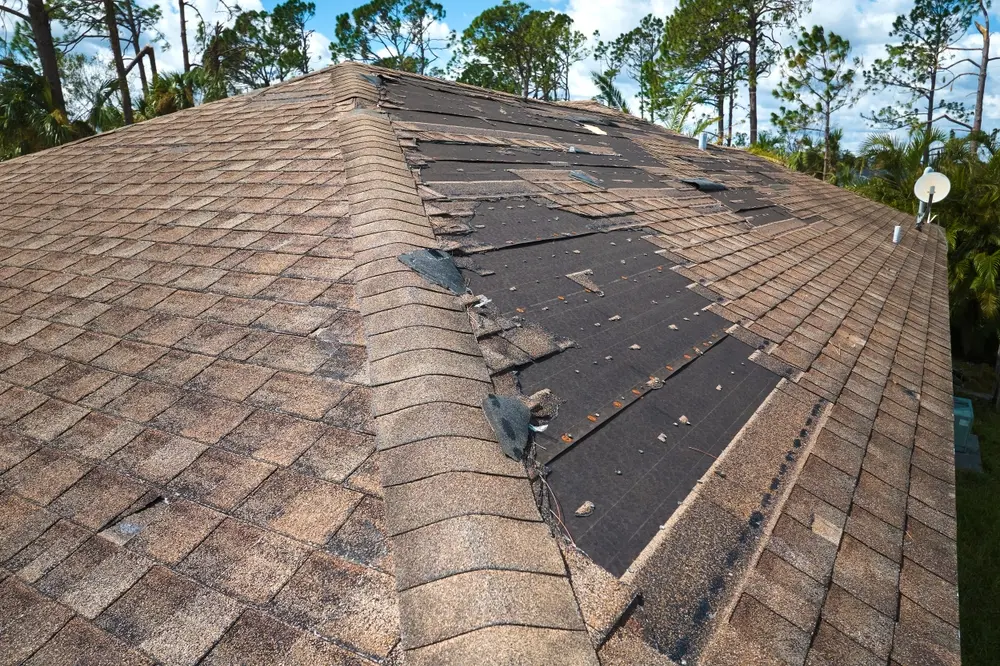
Your roof is the first line of defense against the elements, quietly protecting your home and family day in and day out. Because it’s always overhead, it’s easy to forget about until a problem—like a leak—forces you to pay attention. But what if you could catch issues before they turn into expensive water damage? Spotting roof trouble early is the key to a healthy home and peace of mind. This guide will walk you through how to identify warning signs from the safety of the ground, what to look for inside your house, and when it’s time to call in a professional for a closer look. Why Early Detection of Roof Damage Matters Noticing a small roofing issue today can save you from a major headache tomorrow. Think of it like a regular health check-up; it’s about prevention, not just reaction. The benefits of catching roof damage early extend far beyond just fixing a few shingles. Preventing costly repairs The difference in cost between a minor repair and a major one can be staggering. A few loose shingles or a piece of cracked flashing might be a simple, affordable fix. However, if that small entry point allows water to seep in for months, it can rot the underlying wood decking, ruin insulation, and damage drywall inside your home. What starts as a minor issue can quickly spiral into a multi-thousand-dollar project involving roofers, painters, and drywall contractors. Early detection contains the problem, keeping repairs localized, manageable, and much less expensive. It stops the chain reaction of damage before it can start. Protecting your home’s structure Your roof does more than keep you dry; it’s an essential part of your home’s structural integrity. When water gets past the shingles, it soaks into the roof deck, rafters, and ceiling joists. Over time, this moisture can cause wood to weaken, swell, and rot. This slow, silent damage compromises the very frame of your house. It can lead to sagging ceilings and, in extreme cases, structural failure. Furthermore, persistent moisture creates the perfect environment for termites and other wood-destroying insects. By inspecting your roof regularly, you are actively preserving the strength and stability of your entire home, from the rafters down to the foundation. Visual Signs of Roof Damage You don’t need to be a roofing expert to spot many common signs of trouble. Most initial inspections can be done safely from your yard. Grab a pair of binoculars and take a slow walk around your property, paying close attention to these key indicators. Cracked, curling, or missing shingles Your shingles are the armor of your roof. When they start to fail, your home becomes vulnerable. South Carolina’s intense summer sun and high humidity can take a toll, causing asphalt shingles to age and break down. Cracked Shingles: Look for fine, hairline cracks or larger, more obvious splits. Cracks are entry points for water, especially during heavy rain. Curling or Clawing Shingles: When the edges of your shingles start to curl upwards or the corners lift, it’s a sign they are past their prime. This warping breaks the seal between shingles and makes them susceptible to being torn off by wind. Missing Shingles: This is an obvious red flag. A missing shingle exposes the underlayment or roof deck directly to the elements, creating an immediate leak risk. Pay special attention after strong storms or high winds. Discoloration, streaks, and moss growth The color and texture of your roof can tell you a lot about its health. Changes in appearance often point to underlying moisture issues that need to be addressed. Dark Streaks: Those long, black streaks you see on many roofs are actually a type of algae called Gloeocapsa magma. While mostly a cosmetic issue, heavy buildup can trap moisture against the shingles, shortening their lifespan. Moss Growth: Moss looks like a green, fuzzy carpet and is a much more serious problem than algae. It holds a significant amount of water like a sponge, keeping your shingles constantly damp. This accelerates wear and can even lift shingles, allowing water to get underneath. In our humid climate, moss can take hold quickly. Discoloration or “Wet” Spots: If an area of your roof looks dark, damp, or discolored long after a rainstorm, it indicates that the shingles in that section are trapping moisture. This could be due to granule loss or a slow, underlying leak. Sagging or uneven roof surfaces A healthy roof should have straight, even lines. Any dips, depressions, or wavy spots are serious warning signs that demand immediate attention. A sagging roofline often points to a structural problem with the roof deck or the supporting rafters. This is usually caused by prolonged water absorption, which has led the wood to rot and lose its strength. If you notice any sagging, do not walk on the roof. This is a job for a professional inspector, as the area may be unsafe. Signs Inside Your Home Sometimes, the first clues of roof damage appear inside your house. These signs mean water has already found a way through your roof’s defenses. Acting quickly is crucial to minimize interior damage. Water stains on ceilings or walls Those yellowish-brown circles or streaks on your ceiling are the classic calling cards of a leak. They can be small and easy to miss at first, but they tend to grow or darken over time, especially after it rains. Check common areas where leaks appear: Around ceiling fans, light fixtures, and bathroom vents. In the corners where the ceiling meets the wall. In closets, where they can be hidden from daily view. In your attic, look for water stains on the underside of the roof decking or on the insulation. Dripping water or leaks An active drip is an undeniable sign of a roof leak. It’s a five-alarm fire for your home. The moment you see or hear dripping, your first priority is to limit the damage. Place a bucket under the drip to catch the water and
The Complete Roof Repair Guide: When and How to Fix Common Roof Problems
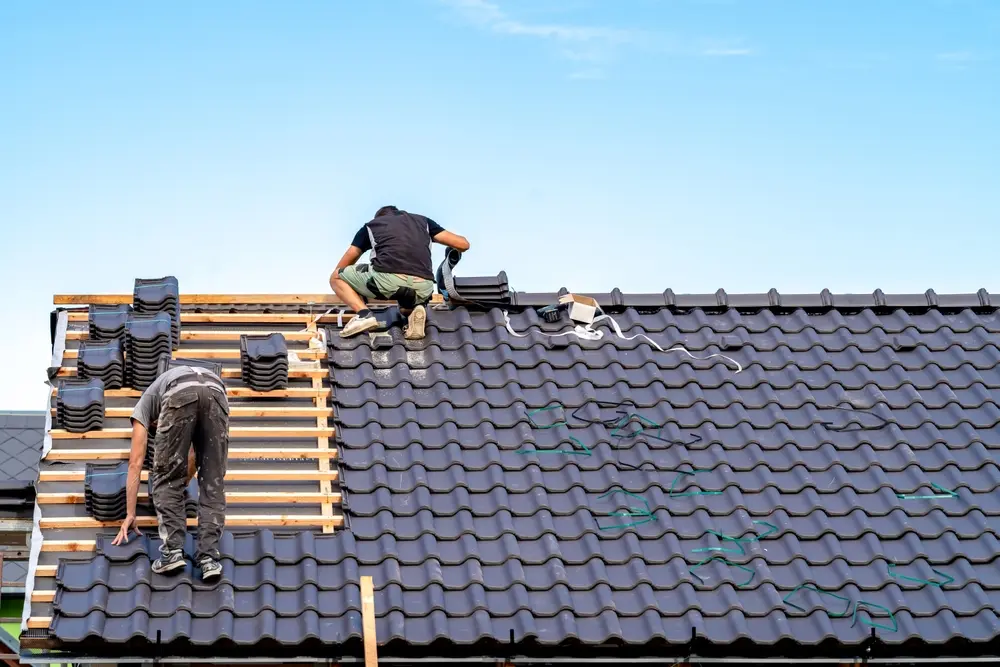
Your roof is the first line of defense for your home, protecting you and your family from summer storms, intense humidity, and everything in between. But like any part of your home, it needs attention to stay in top shape. Spotting a problem early can save you from bigger, more expensive headaches down the road. This guide is here to help you understand the common signs of roof trouble, what goes into a repair, and how to plan for it. We’ll walk you through everything from identifying a simple shingle issue to navigating an insurance claim after a major Columbia storm. Our goal is to give you the knowledge you need to make confident decisions about protecting your home. Common Signs Your Roof Needs Repair Not all roof problems announce themselves with a dramatic leak. Often, the signs are subtle. Knowing what to look for can help you catch issues before they cause serious damage to your home’s structure. Here are a few key indicators that your roof may need a professional inspection. Missing or damaged shingles This is one of the most visible signs of roof wear. After a strong windstorm, take a quick walk around your property. Do you see shingles in your yard? Look up at your roof—are there patches that look bare or have curled, cracked, or buckling shingles? In the Columbia area, the intense summer sun and high humidity can accelerate the aging process of asphalt shingles. The granules that coat them can wear away, leaving them vulnerable. Damaged shingles are an open invitation for water to seep underneath, which can lead to rot and leaks. Leaks and water stains A brown or discolored stain on your ceiling or running down a wall is a clear signal of a water issue. These leaks often appear after a heavy rain, but they can be slow and sneaky. The actual entry point for the water on your roof might be far from where the stain appears inside, as water can travel along rafters and insulation before it soaks through your drywall. Check your attic regularly, especially after storms. Look for damp insulation, dark wood stains on the underside of the roof deck, or a musty smell. Catching these signs early is key to preventing widespread water damage and mold growth. Sagging or uneven roof areas Stand back from your home and look at the lines of your roof. Do you see any areas that appear to be drooping, sagging, or bowing? A sagging roof is a serious structural concern and requires immediate attention. This issue can be caused by several factors, including water damage that has rotted the underlying wood decking, a failing support structure, or simply the weight of too many layers of old shingles. If you notice any sagging, it’s best to call a professional for a thorough inspection to determine the cause and the safest course of action. Roof Repair Methods Explained Once a problem is identified, the next step is understanding the solution. Roof repairs aren’t one-size-fits-all; the right method depends on the type of roof you have and the extent of the damage. Here’s a look at some common repair techniques. Shingle repair techniques For homes with asphalt shingles, which are very common in the Midlands, minor damage can often be handled with targeted repairs. If a few shingles are missing or curled, a professional roofer can carefully remove the damaged ones and slide new, matching shingles into place. They are secured with roofing nails and sealed with a special cement to create a watertight barrier. If the damage is limited to a small section, a roofer might perform a “shingle patch.” This involves replacing a larger cluster of damaged shingles. The key to a successful repair is ensuring the new shingles integrate seamlessly with the old ones to prevent future leaks along the seams. Flat roof repair options Flat or low-slope roofs, often found on additions, carports, and some modern homes, have different needs. Leaks on these roofs typically occur at the seams, around vents, or where the roof meets a wall (flashing). For small punctures or cracks, a professional can apply a patch using material compatible with your roof, whether it’s TPO, EPDM, or modified bitumen. For more widespread wear, applying a waterproof coating over the entire surface can extend the roof’s life by sealing small cracks and reflecting the sun’s harsh rays, which is a big benefit during our hot South Carolina summers. Repair vs. replacement considerations Deciding whether to repair or replace your roof is a major decision. A simple repair is often sufficient if the damage is isolated, your roof is less than 15-20 years old, and the rest of the shingles are in good condition. It’s a cost-effective way to address a specific problem like a few blown-off shingles. However, if your roof is nearing the end of its typical lifespan, has widespread damage across multiple areas, or you’re dealing with recurring leaks, a full replacement is often the smarter long-term investment. A new roof provides peace of mind and comes with a new warranty, protecting your home for decades. We can provide an honest assessment to help you weigh the costs and benefits for your specific situation. Roof Repair Costs and Planning Understanding the potential costs is a crucial part of planning for a roof repair. Prices can vary significantly based on the work needed, so knowing the factors that influence the final bill will help you budget accordingly. Factors that affect repair costs Several variables determine the cost of a roof repair. The extent of the damage is the biggest factor—fixing a few shingles is much less expensive than repairing a large area with underlying water damage. Other key factors include: Roof Material: Asphalt shingles are generally the most affordable to repair, while materials like metal or slate can be more costly. Roof Pitch (Steepness): A very steep roof requires more safety equipment and labor, which can increase the price. Accessibility: If
Why Local Experience Matters for Roofing Jobs
When your home needs a new roof or a critical repair, your first instinct might be to find the most available or cheapest option. But choosing a roofing contractor involves more than just price and a quick look at their services. Hiring a company with deep local roofing experience can make a significant difference in the quality, durability, and overall success of your project. A roofer who understands the specific challenges of our Columbia, South Carolina climate is better equipped to protect your home for years to come. Local roofers are more than just contractors; they are your neighbors. They understand the community, are familiar with local regulations, and have a vested interest in maintaining a strong reputation. This connection translates into higher accountability and a more personal level of service. From navigating afternoon thunderstorms to selecting materials that withstand our intense summer heat, a local expert brings knowledge that a national chain simply cannot match. We will explore why choosing community roofing contractors is one of the smartest decisions a homeowner can make. The Benefits of Hiring a Local Roofing Contractor Opting for a roofer from your own community offers practical advantages that protect your investment and give you peace of mind. These benefits often become most apparent when you need help the most, such as after a storm or when dealing with unexpected issues. Fast response times after storms South Carolina is no stranger to severe weather. Sudden thunderstorms, hail, and high winds can cause immediate damage to your roof, leaving your home vulnerable. When you work with a local roofing company, you benefit from their proximity. They can be on-site quickly to assess the damage, perform temporary emergency repairs like tarping, and prevent a small leak from turning into a major interior problem. A contractor from out-of-state might take days to arrive, especially when widespread storms create high demand. By then, water damage could already be spreading. Having a team nearby means you get a faster, more efficient response when every minute counts. This quick action is a core part of what makes searching for “local roofers near me” so important for homeowners in the Midlands. Familiarity with local building codes Every municipality, from Columbia and Lexington to Irmo and Forest Acres, has its own set of building codes and permit requirements. These regulations dictate everything from the type of materials you can use to how they must be installed. A contractor unfamiliar with these specific local rules can cause significant delays or, worse, perform work that isn’t compliant. Non-compliant work can lead to failed inspections, fines, and the need for expensive rework. Local contractors work with these city and county regulations every day. They know what paperwork is needed, who to talk to at the permit office, and how to ensure every aspect of your roofing project meets or exceeds local standards. This regional roofing expertise streamlines the entire process, saving you from bureaucratic headaches and ensuring the job is done right the first time. Easier follow-up and warranty support A roofing project doesn’t end the day the crew packs up. Reputable contractors stand behind their work with warranties covering both materials and labor. If an issue arises a year or two down the road, you need to know that your roofer will be there to honor their commitment. Hiring a local company with a physical office and a tangible presence in the community makes this process much simpler. You know where to find them and can easily get in touch. Conversely, “storm-chasing” companies from other states may be impossible to track down once they’ve moved on to the next storm-hit area, leaving you with a worthless warranty. A local roofer’s reputation depends on their follow-through, giving them every reason to provide reliable, long-term support. How Local Roofers Understand Regional Weather and Materials A roof in South Carolina faces very different challenges than one in a drier, colder state. Our combination of intense sun, high humidity, and heavy rainfall requires specific knowledge about how to build a roof that lasts. This is where a contractor’s local roofing experience becomes invaluable. Roofing challenges unique to South Carolina’s climate The Midlands climate presents a unique set of hurdles. The relentless summer sun can cause shingles to bake, curl, and degrade prematurely. High humidity creates the perfect environment for algae and moss growth, which can trap moisture and damage your roof’s structure over time. Furthermore, our region experiences sudden, heavy downpours that test the effectiveness of your roof’s water-shedding capabilities and flashing. An experienced local roofer understands these factors intimately. They know how to properly ventilate an attic to combat heat and moisture buildup, which not only extends the life of your roof but can also lower your energy bills. They are skilled in installing flashing and underlayment in a way that provides maximum protection against our driving rains. This specialized knowledge is something that can only be gained through years of working in this specific environment. Best roofing materials for hot, humid regions Not all roofing materials perform equally well in the South Carolina heat and humidity. A local expert can guide you toward the best options for our area. For instance, they might recommend architectural shingles with algae-resistant properties to prevent unsightly black streaks and prolong the shingle’s lifespan. They can also advise on color choices, as lighter-colored shingles can help reflect sunlight and keep your attic cooler. Their regional roofing expertise extends to understanding which brands and product lines have a proven track record of durability in our climate. They’ve seen firsthand which materials hold up and which ones fail. This insight helps you choose a roofing system that provides the best long-term value and performance for your home, ensuring your investment is a wise one. Local Knowledge Means Smoother Permitting and Compliance One of the most overlooked aspects of a roofing project is navigating the administrative side: permits and inspections. A contractor with local experience has a significant advantage here. They have
The Difference Between Roofing Contractors and Roof Installers

When it’s time to fix or replace your roof, you’ll hear several terms used to describe the professionals involved. “Roofer,” “installer,” and “contractor” are often used interchangeably, but they represent very different roles. Understanding the difference between roofing contractors vs roof installers is crucial for protecting your home, your investment, and your peace of mind. A roofing project is more than just nailing down shingles. It involves project management, legal compliance, material sourcing, and skilled labor. Knowing who is responsible for each part of the job helps you make an informed hiring decision and ensures your project runs smoothly from start to finish. This guide will clarify the distinct roofing company roles, explain their responsibilities, and help you understand why working with a full-service contractor is almost always the best choice for protecting your home. Defining Roofing Contractors A roofing contractor is the conductor of the orchestra. They are the licensed and insured professionals responsible for managing the entire roofing project, from the initial consultation to the final cleanup. Think of them as your single point of contact and the person ultimately accountable for the quality, safety, and legality of the job. As your project manager, the contractor oversees every detail. Their role is comprehensive, ensuring that all moving parts work together seamlessly to deliver a high-quality, durable roof that protects your family. Responsibilities during a roofing project A contractor’s duties go far beyond just overseeing the work. Their responsibilities include: Initial Assessment and Quoting: A contractor inspects your roof, identifies issues, discusses material options (like architectural shingles vs. standard asphalt), and provides a detailed, written estimate outlining the scope of work and total cost. Material Sourcing: They order and coordinate the delivery of all necessary materials, from the shingles and underlayment to flashing and vents. They ensure the right quantity of high-quality materials arrives on time. Permitting and Compliance: In areas like Columbia and Richland County, specific building permits are often required for a full roof replacement. The contractor is responsible for securing these permits and ensuring the entire project complies with local building codes. Team Management: The contractor hires and manages the crew of roof installers. They provide the installers with a detailed work plan, supervise their progress, and ensure they adhere to safety standards and project specifications. Client Communication: Throughout the project, the contractor keeps you informed. They answer your questions, provide updates on progress, and address any concerns that may arise. Final Inspection and Punch List: Once the installation is complete, the contractor performs a final walkthrough to ensure every detail meets quality standards. This includes checking for proper sealing, clearing debris, and managing the final “punch list” of any remaining minor adjustments. Why contractors are licensed and insured This is perhaps the most critical distinction. A reputable roofing contractor holds two essential forms of protection: a state license and comprehensive insurance. Licensing: In South Carolina, a residential specialty contractor license is required for roofing work exceeding certain costs. This license proves the contractor has met the state’s requirements for experience, financial stability, and knowledge of building codes. It’s your first sign that you are dealing with a legitimate professional. Insurance: This is non-negotiable. A contractor must carry both general liability insurance and workers’ compensation. General Liability Insurance protects your property. If a ladder falls and breaks a window or damages your landscaping, this insurance covers the repair costs. Workers’ Compensation protects you from liability if an installer gets injured on your property. Without it, you, the homeowner, could be held financially responsible for their medical bills and lost wages. Hiring a licensed and insured contractor transfers the risk from you to them, providing a vital safety net for your home and finances. What Roof Installers Actually Do If the contractor is the project manager, the roof installers are the skilled craftspeople who perform the physical labor. They are the experts in the hands-on work of removing your old roof and installing the new one. An installer’s expertise is in the “how-to” of the job, executing the plan created by the contractor. While their role is more focused, the quality of their work is what ultimately determines how well your roof performs. A great contractor knows that their reputation depends on the skill and diligence of their installation team. The hands-on labor side of roofing A roof installer’s day is physically demanding and requires a specific skill set. Their primary tasks include: Tear-Off: Carefully removing the old shingles, underlayment, and any damaged decking without causing unnecessary damage to your home’s structure. Decking Repair: Inspecting the underlying wood deck and replacing any rotted or damaged sections as directed by the contractor. Underlayment and Flashing Installation: Laying down the protective barriers (underlayment) that prevent water intrusion and installing metal flashing around chimneys, vents, and valleys—critical areas where leaks often start. Shingle Installation: Nailing down the new shingles according to the manufacturer’s specifications. This is a precise job that requires correct nail placement, proper spacing, and a specific pattern to ensure the roof is watertight and qualifies for its warranty. Cleanup: Removing all old materials, stray nails, and debris from your property, often using magnetic rollers to ensure your yard is safe for kids and pets. How installers follow contractor specifications Installers do not make project-level decisions. Instead, they work directly from the plan provided by the roofing contractor. This plan dictates every aspect of their work, including: The type of materials to use (e.g., specific brand of synthetic underlayment, color of shingles). The installation method required (e.g., how many nails per shingle, which is especially important in high-wind areas). The specific details for your roof (e.g., how to handle a tricky valley or flash a custom skylight). The contractor’s job is to ensure the installers have clear instructions and to verify that the work is performed to these exact standards. This relationship between roofing project management and hands-on labor is the core of a successful roofing job. Key Differences Between Contractors and Installers The simplest
What to Expect During Your First Roofing Consultation
Scheduling your first roofing consultation can feel like a big step. You might be dealing with a leak, noticing worn-out shingles, or simply feel it’s time for an inspection. Whatever the reason, understanding the process can remove any uncertainty and empower you to make confident decisions for your home. This guide breaks down exactly what happens during a professional roofing consultation, from the first call to the final quote. At Cola City Roofing, we believe an informed homeowner is a happy homeowner. We want you to feel comfortable and clear about every step we take. Think of a roofing consultation not as a sales pitch, but as a collaborative meeting to assess your roof’s health and discuss the best path forward. We’ll walk you through what to expect, what to prepare, and the right questions to ask, so you can feel secure knowing your home is in good hands. Why Roofing Consultations Are Important A thorough roofing consultation is the foundation of a successful roofing project. It’s far more than just getting a price; it’s a detailed assessment that ensures the work is tailored to your home’s specific needs. This initial meeting sets the stage for the entire project, establishing clear communication and a shared understanding between you and your contractor. It’s your opportunity to meet the team, evaluate their professionalism, and get a real feel for how they operate. More importantly, this first step protects you. A professional evaluation can uncover hidden issues that, if missed, could lead to bigger, more expensive problems down the road. It ensures that any roofing estimate you receive is accurate and comprehensive, covering all necessary work without leaving room for unexpected charges. How consultations prevent surprise costs One of the biggest anxieties for homeowners is the fear of a project’s cost spiraling out of control. A detailed roofing consultation is your best defense against this. During the inspection, a professional roofer doesn’t just glance at your shingles. They get on the roof to perform a hands-on assessment of its condition, checking for things like soft spots in the decking, damaged flashing around chimneys and vents, and the state of your underlayment. By identifying these potential issues upfront, the contractor can include the necessary repairs or replacements in your initial roofing estimate. This transparency means the price you agree to is the price you pay. Without this thorough roof inspection process, a contractor might give you a lowball offer to win the job, only to add “unexpected” charges later when they “discover” problems. A proper consultation protects your budget and provides peace of mind. What to prepare before your appointment A little preparation can help you get the most out of your roofing consultation. Start by making a list of any concerns you have. Have you noticed any leaks, water stains on your ceiling, or granules from your shingles in your gutters? Jot these down so you don’t forget to mention them. If you can, take pictures of any visible damage. It’s also helpful to think about your goals. Are you looking for a quick repair, or are you considering a full replacement with a different style or color of shingle? Knowing what you hope to achieve helps the contractor provide recommendations that align with your vision and budget. Finally, if your roof work is related to storm damage, have your insurance policy number and your adjuster’s contact information handy. This will streamline the process if you decide to move forward with a claim. Step-by-Step Breakdown of a Roofing Consultation Every roofing company has its own process, but a professional consultation generally follows a structured series of steps. Our goal is to make the experience smooth, transparent, and respectful of your time and property. Here’s a detailed look at what you can expect when you schedule a complimentary site visit with Cola City Roofing. Initial phone call or online booking The process begins when you first reach out to us, either by phone or by filling out a form on our website. This initial conversation is simple and straightforward. We’ll ask for your name, address, and the best way to contact you. We’ll also ask a few basic questions about your roof, such as its approximate age and the reason you’re calling. Are you dealing with an active leak, storm damage, or are you just planning for a future replacement? This brief chat helps us understand your immediate needs and schedule a site visit at a time that works for you. We treat your home as if it were our own from this very first interaction, ensuring we gather the right information to send the right expert to your property. Roof inspection and measurements This is the most critical part of the roofing consultation. When our roofing expert arrives, they will introduce themselves and first ask to speak with you about the concerns you noted. Then, with your permission, they will conduct a thorough on-site evaluation. This is much more than a quick look from the ground. Our roof inspection process involves getting on the roof to examine every component up close. We’ll check the condition of your shingles, look for signs of wind or hail damage, inspect the flashing, seals around pipes and vents, and check the condition of your gutters. We also assess the underlying roof decking for any soft spots that could indicate water damage. During this time, we take precise measurements of your roof’s surfaces. These measurements are essential for calculating the amount of materials needed and providing an accurate roofing quote. Discussion of materials and options After completing the inspection, our expert will sit down with you to discuss their findings. They will explain what they saw, show you photos of any problem areas, and provide clear recommendations. This is your time to ask questions and explore your options. We’ll discuss different material choices, such as architectural shingles versus standard 3-tab shingles, and explain the pros and cons of each. We can show you samples of different
How Often Should You Replace Your Roof? A Columbia SC Homeowner’s Guide
Whether you’re a long-term resident enjoying your forever home or a new buyer starting a new chapter, one of the most significant components you’re responsible for is the roof. It’s your home’s first line of defense, but it doesn’t last forever. This leads to one of the most common questions we hear from Columbia homeowners: “How often should I actually expect to replace my roof?” The answer isn’t a single number. A roof’s lifespan depends on a variety of factors, including the material it’s made from, the quality of the installation, and the specific environmental challenges it faces. For homeowners in the Midlands of South Carolina, our unique climate of intense sun, high humidity, and seasonal storms plays a huge role in how long a roof will last. This guide will provide a clear overview of roof lifespans, the factors that can shorten them, and the warning signs that indicate it’s time to start planning for a replacement. Roof Lifespan by Material: The Manufacturer’s Promise Every roofing material comes with a manufacturer-rated lifespan. This number represents how long the material is expected to last under ideal conditions. Here are the typical lifespans for the most common roofing materials found in the Columbia area. Architectural Asphalt Shingles: 25-30 Years This is, by far, the most popular roofing material for homes in Columbia, and for good reason. Architectural shingles (or dimensional shingles) offer a fantastic balance of durability, style, and value. Unlike the older, flat 3-tab shingles that only last 15-20 years, modern architectural shingles are thicker and built to withstand higher winds and impacts. A properly installed and maintained architectural shingle roof should reliably protect your home for about two and a half to three decades. Metal Roofing: 50+ Years Standing-seam metal roofs have surged in popularity due to their exceptional durability and modern aesthetic. While the upfront cost is higher than shingles, a metal roof can easily last 50 years or more, making it a “once-in-a-lifetime” investment for many homeowners. They are highly resistant to wind, rot, and fire, and their longevity makes them a very cost-effective option over the long term. Premium Materials (Tile and Slate): 75-100+ Years Materials like clay tile, concrete tile, and natural slate are the champions of longevity. A tile roof can last over a century, while a slate roof can protect a home for 150 years or more. However, these materials are extremely heavy, requiring reinforced roof structures. They are also significantly more expensive and require specialized installation, making them a less common choice for most homes in the Columbia market. The Columbia Climate Factor: What Affects Your Roof’s Real-World Lifespan? A manufacturer’s warranty is one thing; real-world performance in the South Carolina Midlands is another. Several local environmental factors work to shorten a roof’s lifespan. Understanding these will help you know what to look for. Intense UV Radiation: The relentless summer sun is your roof’s greatest enemy. UV rays bake the asphalt in shingles, causing the protective oils to dry out. This makes them brittle, prone to cracking, and causes them to lose their protective granules over time. High Humidity and Heavy Rain: Our humid climate is a perfect breeding ground for algae, moss, and mildew. Blue-green algae can cause unsightly black streaks on your roof (a condition called gloeocapsa magma). While mostly cosmetic, heavy moss growth can trap moisture against the shingles, accelerating their decay. Constant moisture also tests the integrity of every seal and seam. Thermal Shock: The significant temperature swings between a scorching hot day and a cooler night cause roofing materials to constantly expand and contract. Over many years, this thermal shock can weaken seals, loosen fasteners, and create stress fractures in shingles. Severe Weather: Columbia frequently experiences strong winds from thunderstorms and the remnants of tropical systems. High winds can lift shingles, breaking their seals and leaving them vulnerable to being torn off completely. Hailstorms, though less frequent, can cause severe impact damage that compromises the entire roof system. Key Signs It’s Time for a Replacement Your roof will give you warning signs long before it fails completely. Knowing how to spot them is key to planning a replacement on your own terms. Visible Shingle Damage: From the ground (using binoculars for safety), look for shingles that are curling at the edges, cracking, or have sections that look bald or smooth. These are all signs that the asphalt has aged and is no longer protecting your home effectively. Excessive Granule Loss: Check your gutters and the area around your downspouts for an accumulation of what looks like coarse black sand. These are the protective granules from your shingles. A large amount of granule loss means your roof’s “sunscreen” is gone, and it is rapidly deteriorating. Widespread Staining or Algae Growth: While a few black streaks are common, if large sections of your roof are covered in algae or moss, it indicates that moisture is dwelling on the surface and the shingles are likely retaining water. Leaks or Water Stains in the Attic: The most definitive sign is evidence of water. Use a flashlight in your attic to look for water-stained wood on the underside of the roof deck, damp insulation, or a musty smell. By the time you see a stain on your living room ceiling, the leak has been active for a while. A Sagging Roofline: Stand back from your house and look at the ridgeline. If it appears to droop or sag in the middle, this is a serious structural issue, likely caused by rotted roof decking. This requires immediate professional attention. Making the Smart Choice for Your Home So, how often should you replace your roof? If you have architectural shingles, you should start thinking about a replacement as you approach the 20- to 25-year mark. This is the window where proactive planning can save you from the stress of an emergency replacement. If your roof is older than 25 years, it is living on borrowed time and
What’s the Best Time of Year to Replace a Roof in Columbia SC?
Deciding to replace your roof is a major step. Once you’ve chosen your materials and selected a trusted contractor, one final question remains: When should you do it? While an emergency leak or storm damage can make the decision for you, most homeowners have the flexibility to schedule their roof replacement. In Columbia, South Carolina, where the weather can swing from mild and pleasant to intensely hot or stormy, timing is an important consideration. Is there a “perfect” season for a roof replacement? While some times of the year offer more predictable weather, the truth is that a skilled and professional roofing crew can successfully install a new roof in any season. The most important factor is not the month on the calendar, but the quality of the contractor you hire. This guide will break down the pros and cons of replacing your roof during each of Columbia’s distinct seasons. Understanding these factors will help you make an informed decision that works best for your schedule, your budget, and the needs of your home. The Ideal Conditions for Roof Installation Before we dive into the seasons, it helps to know what constitutes a perfect day for roofing. The most critical element for installing asphalt shingles is temperature. Shingles have a thermally activated asphalt sealant strip that requires warmth from the sun to bond properly. This process, called thermal sealing, is what makes your roof a single, watertight unit. Ideal Temperature: The sweet spot is typically between 45°F and 85°F. This range allows shingles to be flexible enough to handle without cracking but not so hot that they become soft and scuff easily. Dry Conditions: A roof replacement cannot be done in the rain. A dry roof deck is essential for a safe and effective installation. Mild Wind: Calm or mildly windy days are best. High winds can make handling large materials dangerous and can prevent shingles from sealing correctly before they have a chance to bond. With these conditions in mind, let’s see how each Columbia season stacks up. Fall (September – November): The Popular Choice For many roofing contractors and homeowners in Columbia, fall is considered the prime season for roof replacement. The extreme heat of summer has subsided, and the weather is often mild and predictable. Pros: Optimal Temperatures: Fall typically offers the cool, pleasant temperatures that are perfect for both the installation crew and the shingles themselves. The shingles can seal properly without the risk of overheating. Lower Humidity: Compared to the summer, lower humidity levels mean a more comfortable working environment and less chance of moisture being trapped during installation. Stable Weather Patterns: While a stray shower can always happen, fall generally has fewer pop-up thunderstorms than the summer months, allowing for more consistent workdays. Cons: High Demand: Because fall is the ideal season, it’s also the busiest. You may face longer waiting times to get on a reputable contractor’s schedule. Potentially Higher Prices: Basic supply and demand can mean that prices might be at their peak during this busy season. End of Hurricane Season: Early fall still overlaps with the end of the Atlantic hurricane season (which runs through November 30th), so there is still a slight risk of a tropical system disrupting a project. Winter (December – February): The Season of Opportunity Many homeowners assume that roofing is impossible in the winter. While it presents some challenges, a mild South Carolina winter can be a surprisingly good time for a roof replacement, especially for homeowners looking for flexibility and potential savings. Pros: Increased Availability: Winter is generally the slowest season for roofers. This means you can often schedule your project much faster and may have more flexibility with dates. Potential for Off-Season Discounts: With less demand, some contractors may offer more competitive pricing or discounts to keep their crews busy during the slower months. Mild SC Winters: Unlike northern climates, Columbia’s winters are relatively mild. We often have plenty of sunny days with temperatures well within the acceptable range for shingle installation (above 40-45°F). Cons: Colder Temperatures: On colder days, shingles can become brittle and more susceptible to cracking during installation. Professional crews know how to handle materials carefully in these conditions. Shorter Days: Less daylight means a shorter working window for crews, so a project might take an extra day to complete. Slower Sealing Process: The thermal sealing process can take longer in colder weather. While the roof is still watertight upon installation thanks to proper nailing, it may take a few warmer days for the adhesive strips to fully bond. Spring (March – May): A Great Alternative to Fall Spring in Columbia is another fantastic season for roofing, sharing many of the same benefits as fall. The weather is warming up, the days are getting longer, and the conditions are often just right for outdoor work. Pros: Pleasant Temperatures: Like fall, spring provides the moderate temperatures that are ideal for installing shingles and for crew comfort and efficiency. Good for Sealing: The warming weather and strong sun provide excellent conditions for the shingles’ thermal sealant to activate quickly and effectively. Beat the Summer Heat: Completing your roof replacement in the spring means your new, potentially more energy-efficient roof is ready for the brutal heat of a Columbia summer. Cons: Unpredictable Rain: Spring is known for its frequent rain showers and thunderstorms. Weather can be volatile, potentially leading to more frequent project delays than in the fall. Pollen: Columbia’s infamous spring pollen season can be a nuisance. A heavy coating of yellow pollen can settle on the roof before the shingles have fully sealed. While not a structural problem, it’s a cosmetic consideration. Allergies: For homeowners sensitive to allergens, a construction project that stirs up dust and pollen might be less than ideal. Summer (June – August): Hot and Challenging, but Doable Summer is perhaps the most challenging season for roof replacement in South Carolina, primarily due to the intense heat and humidity. However, professional crews are well-equipped
Signs You Need a New Roof: Columbia SC Checklist
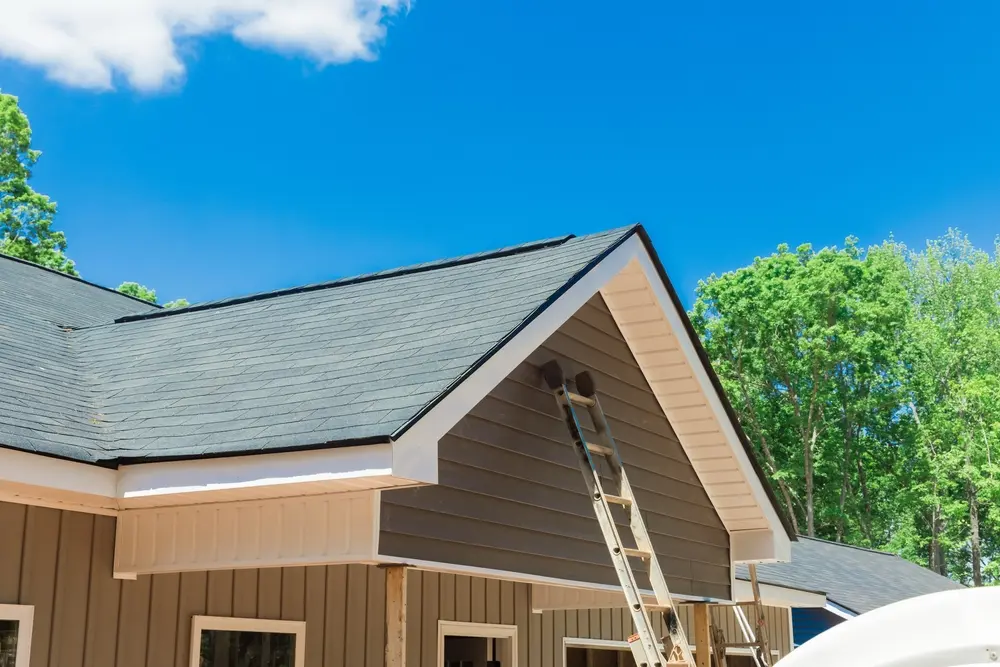
Your roof works tirelessly, day in and day out, to protect your home from the intense Columbia sun, heavy downpours, and strong seasonal winds. Because it’s always there, it’s easy to forget about it until a problem becomes too obvious to ignore. But by that point, a small issue may have already spiraled into a costly disaster involving water damage, wood rot, and mold. Knowing the subtle and not-so-subtle signs of a failing roof is one of the most important things you can do as a homeowner. Being able to spot trouble early allows you to plan and budget for a replacement on your own terms, rather than making a frantic call during an emergency. How can you tell if your roof is simply aging gracefully or secretly crying out for help? This checklist is designed specifically for Columbia, SC homeowners. It will guide you through the key indicators that your roof may be nearing the end of its functional life. Use these points to assess your own roof and determine if it’s time to call in a professional for a new roof. Your Columbia, SC Roof Replacement Checklist Some signs of roof failure are obvious, while others are much more subtle. Go through this list to get a comprehensive picture of your roof’s current health. 1. The Age of Your Roof This is the most straightforward indicator. No roof lasts forever, and different materials have different lifespans. In Columbia, the most common roofing material is the architectural asphalt shingle, which is designed to last approximately 25 to 30 years. If your roof is 20-25 years old or older: It’s time to start paying close attention. Even if it looks okay from the ground, its materials are likely becoming brittle and less effective. At this age, you should begin budgeting for a replacement, as it’s living on borrowed time. If you don’t know the roof’s age: If you weren’t the one who installed it, look for home sale records or ask a previous owner. If that information is unavailable, assume it needs a professional inspection to determine its condition. A qualified roofer can often estimate the age based on the materials and their condition. 2. The Condition of Your Shingles Your shingles are the frontline soldiers of your roofing system. Their condition is a direct reflection of your roof’s overall health. You can spot many of these signs from the ground with a pair of binoculars. Check for: Curling or Clawing Shingles: Look at the edges and corners of your shingles. Are they starting to curl upwards or lie flat? This is a clear sign of aging and heat damage. Curled shingles are extremely vulnerable to being caught and torn off by wind. Cracked Shingles: Thermal shock, caused by the daily fluctuation between hot sun and cooler nights, can cause visible cracks in shingles over time. These cracks are direct pathways for water to seep into the underlayment. Missing Shingles: A few missing shingles after a major storm can often be repaired. However, if you are consistently finding shingles in your yard or see multiple bare patches, it points to a systemic failure of the adhesive and fasteners. 3. Granules in Your Gutters Take a look inside your gutters or near your downspouts. Do you see a build-up of black, sand-like particles? These are the asphalt granules that cover the surface of your shingles. Their job is to protect the underlying asphalt from UV rays and add fire resistance. While it’s normal to lose a small amount of granules over a roof’s life, a large accumulation is a red flag. It means your shingles are “balding” and their protective layer is rapidly deteriorating, accelerating the aging process. 4. Leaks, Water Stains, and Moisture This is the sign that homeowners dread most, and for good reason. Any evidence of water inside your home is a critical issue that requires immediate attention. Stains on Ceilings or Walls: Dark, brownish stains on your interior ceilings or running down walls are classic signs of a roof leak. Don’t just paint over them; you must find and fix the source. Moisture or Mold in the Attic: On a sunny day, safely take a look inside your attic. Do you smell a musty, damp odor? Do you see any water-stained wood, active drips, or signs of black mold or mildew on the underside of the roof deck? This indicates a leak that may have been happening for a long time. Spongy or Soft Spots on the Roof: (For professionals only) When walking on a roof, a professional can feel for soft spots, which indicate the underlying wood decking has rotted from moisture. This is a definitive sign that a full replacement, including decking repair, is necessary. 5. Damaged or Failing Flashing Flashing consists of the metal pieces installed around any roof penetration, such as chimneys, skylights, vents, and in the valleys where roof planes meet. Its job is to create a watertight seal in these vulnerable areas. Inspect these areas for signs of trouble: Rusted or Corroded Metal: Rust can create holes and weak points in the flashing. Bent or Lifted Sections: High winds can damage flashing, breaking the seal and allowing water to get underneath. Cracked Sealant: The caulk or sealant used around flashing can dry out and crack over time, creating an easy entry point for rain. Faulty flashing is one of the most common sources of roof leaks. While it can sometimes be repaired, widespread flashing failure on an older roof often accompanies other issues that warrant a full replacement. 6. Sagging Roof Deck Stand back from your house and look at the lines of your roof. Are the ridgelines perfectly straight, or do you see a noticeable dip, curve, or “saddleback” in the middle? A sagging roof is a serious structural issue. It can be caused by waterlogged or rotted decking, an improperly installed roof, or framing problems in the attic. This is not just