Do your 11-month roof check from the ground, in the attic and in every top-floor room, and send what you find to the builder in writing before the first year ends. This checklist is built to print and carry. It covers shingles, flashing, the attic, ceilings, gutters and the paperwork you'll want handy.
Why month eleven?
The Residential Builders Commission's Residential Construction Standards say LLR inspects Performance Standards items, roofing included, that the homeowner identified within 12 months after substantial completion. "Identified" means you notified the contractor; you don't have to name the standard.
A Certificate of Occupancy is evidence of the substantial completion date, and S.C. Code §15-3-640 treats it the same way unless you and the builder agreed otherwise in writing. Find your C.O. date, count forward eleven months, and put the walkthrough on your calendar. Many builder warranties have their own first-year deadlines too, so check yours.
Before you start
- Pick a dry day for the outside check and plan a second look during or right after a rain.
- Bring binoculars or use your phone's zoom. Stay off ladders and off the roof.
- Gather your closing photos and punch list so you can compare.
- Have a flashlight, a notepad and a phone with storage.
1. From the ground
Ground-level roof checklist
| Check | What to look for | Done |
|---|---|---|
| Each roof slope | Missing, lifted, creased or broken shingles | ☐ |
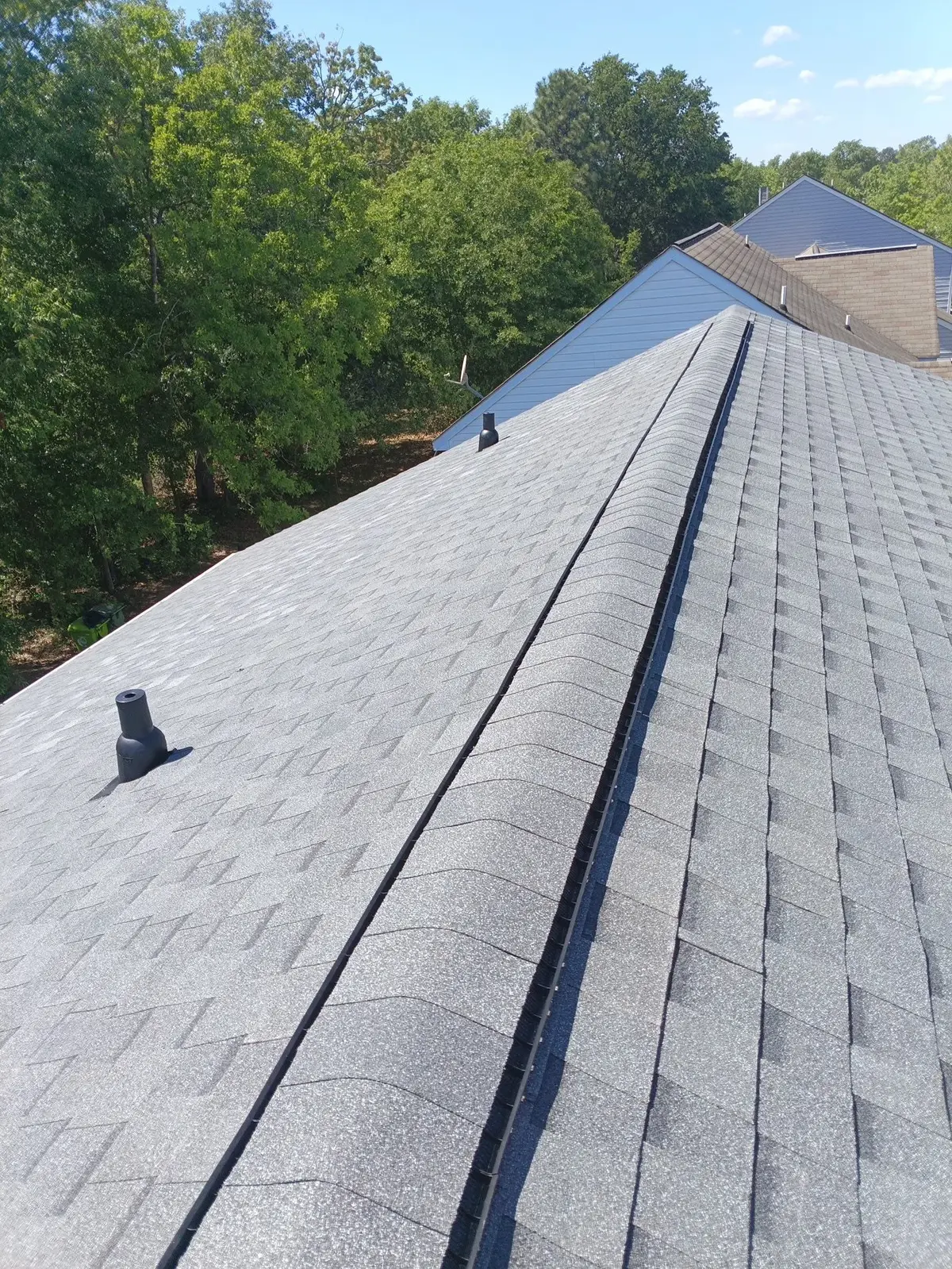
| Ridges and hips | Loose or missing caps; ridge vent sitting flat and secure | ☐ |
| Roof edges | Shingles or metal edge lifting at eaves and rakes | ☐ |
| Roof-to-wall joints | Gaps or bent flashing; stains on siding below | ☐ |
| Chimney chase or flue | Flashing gaps; rust; loose collars | ☐ |
| Valleys | Debris, piles of granules, uneven cuts | ☐ |
| Pipes and vents | Cracked boots, missing collars, anything tilted | ☐ |
| Overall look | Wavy or raised lines that weren't there at closing | ☐ |
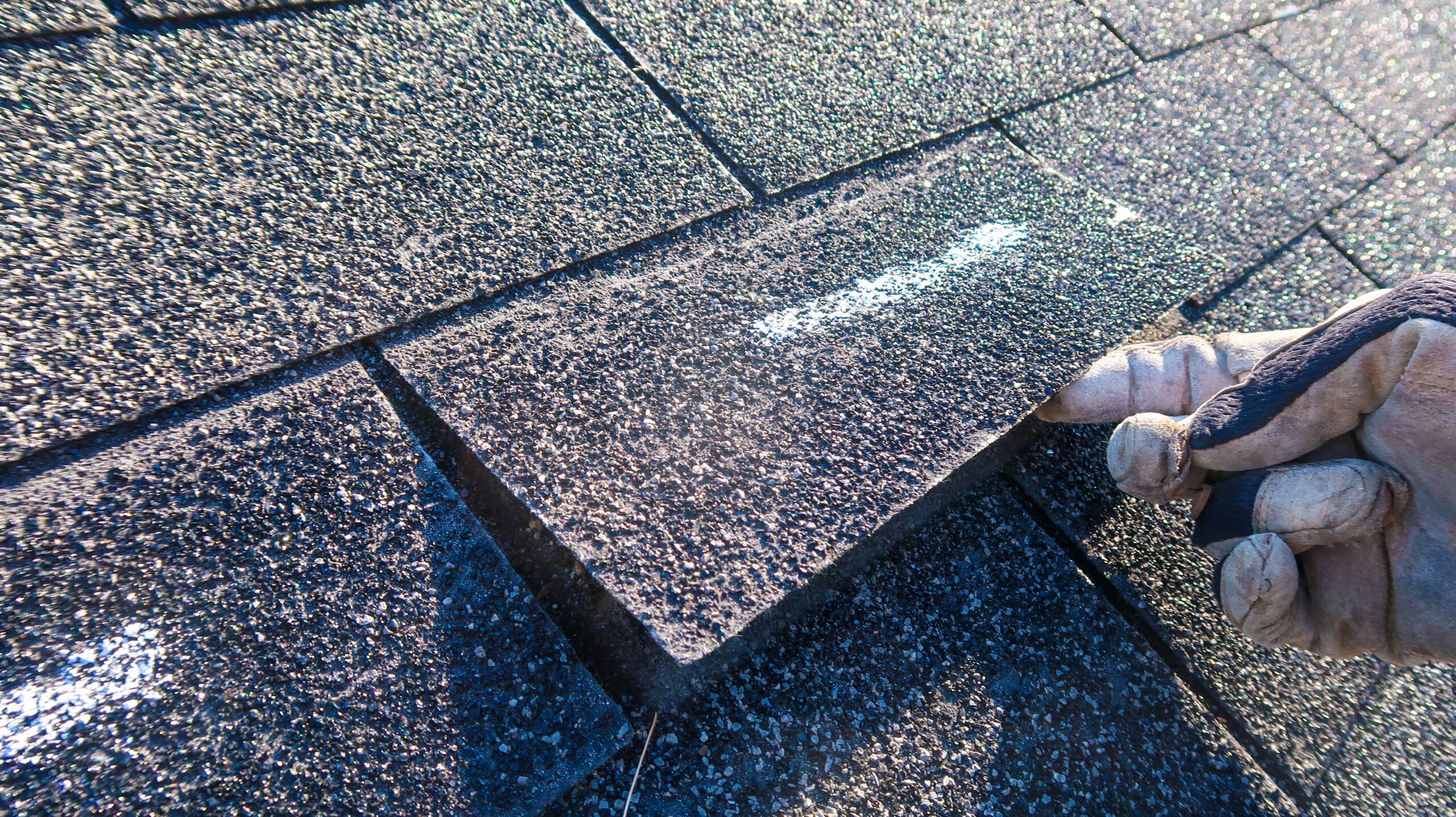
Some color variation is normal. The state's standards say color variation in roofing materials is acceptable and isn't covered under any warranty. Shingles that blew off are another matter: the standards say they should not blow off during the warranty period except in storm conditions.
2. In the attic
Attic safety
Step only on framing or a walkway, never on the insulation or drywall between joists. Go in the morning when it's cooler, and don't go if you're unsure of your footing.
Attic checklist
| Check | What to look for | Done |
|---|---|---|
| Roof sheathing | Stains, dark spots, damp or soft areas | ☐ |
| Around pipes and flues | Water marks on wood or insulation | ☐ |
| At the eaves | Insulation blocking the path from the soffits | ☐ |
| At the ridge | Daylight along the vent slot, not elsewhere | ☐ |
| Insulation | Wet, matted or displaced patches | ☐ |
| Exhaust ducts | Disconnected or loose ducts from bath fans | ☐ |
For what balanced intake and exhaust look like, see the roof ventilation guide and attic ventilation basics.
3. Inside the house
Ceiling and wall checklist
| Check | What to look for | Done |
|---|---|---|
| Top-floor ceilings | New stains, bubbling paint, sagging | ☐ |
| Below dormers and roof-to-wall joints | Stains at the ceiling line or top of walls | ☐ |
| Around skylights | Water marks; note whether it's condensation | ☐ |
| Closets and bonus rooms | Stains in spots you don't visit often | ☐ |
4. Gutters and downspouts
Gutter checklist, best done during or right after rain
| Check | What to look for | Done |
|---|---|---|
| Seams and corners | Drips or stains at joints | ☐ |
| Gutter runs | Sagging sections or loose hangers | ☐ |
| Front edge | Water pouring over in normal rain | ☐ |
| Downspouts | Loose joints; water coming out of seams | ☐ |
| Outlets | Extensions in place; water directed away from the foundation | ☐ |
The standards say gutters and downspouts should not leak, but may overflow in heavy rain, and that keeping them free of leaves and debris is the homeowner's job. Clean them before you judge an overflow. Our gutter maintenance guide explains how.
5. Paperwork
Paperwork checklist
| Item | Why you want it | Done |
|---|---|---|
| Certificate of Occupancy | Sets the date many clocks run from | ☐ |
| Builder warranty | Says how and where to submit claims | ☐ |
| Roof installer's name | Lets you check registration with LLR | ☐ |
| Shingle product, color, install date | Needed for manufacturer warranty questions | ☐ |
| Closing photos and punch list | Shows what was there at move-in | ☐ |
6. After a storm, repeat the ground check
If a strong storm passes during your first year, walk the outside again within a day or two. Look for shingles in the yard, lifted edges and gutters pulled loose. Photograph anything new and add it to your list with the storm date.
The state's standards say seal-down shingles need warm sun to seal fully, and that the contractor repairs blown-off shingles unless the wind exceeded the code's basic wind speed. Note the date and what you saw; the builder can sort out the cause. Our post on roof wind requirements in South Carolina explains basic wind speed.
How to send your list to the builder
- Write one numbered list. Give each item a location, a short description and a photo.
- Send it through the method your warranty names, and keep a copy.
- Ask for a written reply with dates for any inspection or repair.
- Log every visit and repair. If a fix doesn't hold, report it again in writing.
If the builder doesn't act, South Carolina has a written notice-and-cure process before a construction defect suit. Our post on a new home roof leak in SC explains it. This isn't legal advice; talk to a lawyer about your contract.
Want a second opinion before you send the list? Cola City Roofing offers free inspections. The whole new-home process is in our new-home roof guide.