A roof rarely fails at a convenient time, and it rarely waits for your credit score to recover. If a missed payment, medical bills or a thin credit file has left your credit in the fair or poor range, you may assume financing is off the table. Often it is not, but the options look different, and some of the offers aimed at homeowners in this position cost far more than they appear to.
This article focuses on what changes when your credit is less than perfect: which options still tend to be open, how to apply without hurting your score, and which offers to walk away from. For a neutral side-by-side of every way to pay for a roof, including savings, personal loans and credit cards, see our guide to paying for a new roof in South Carolina.
Start by sizing the problem
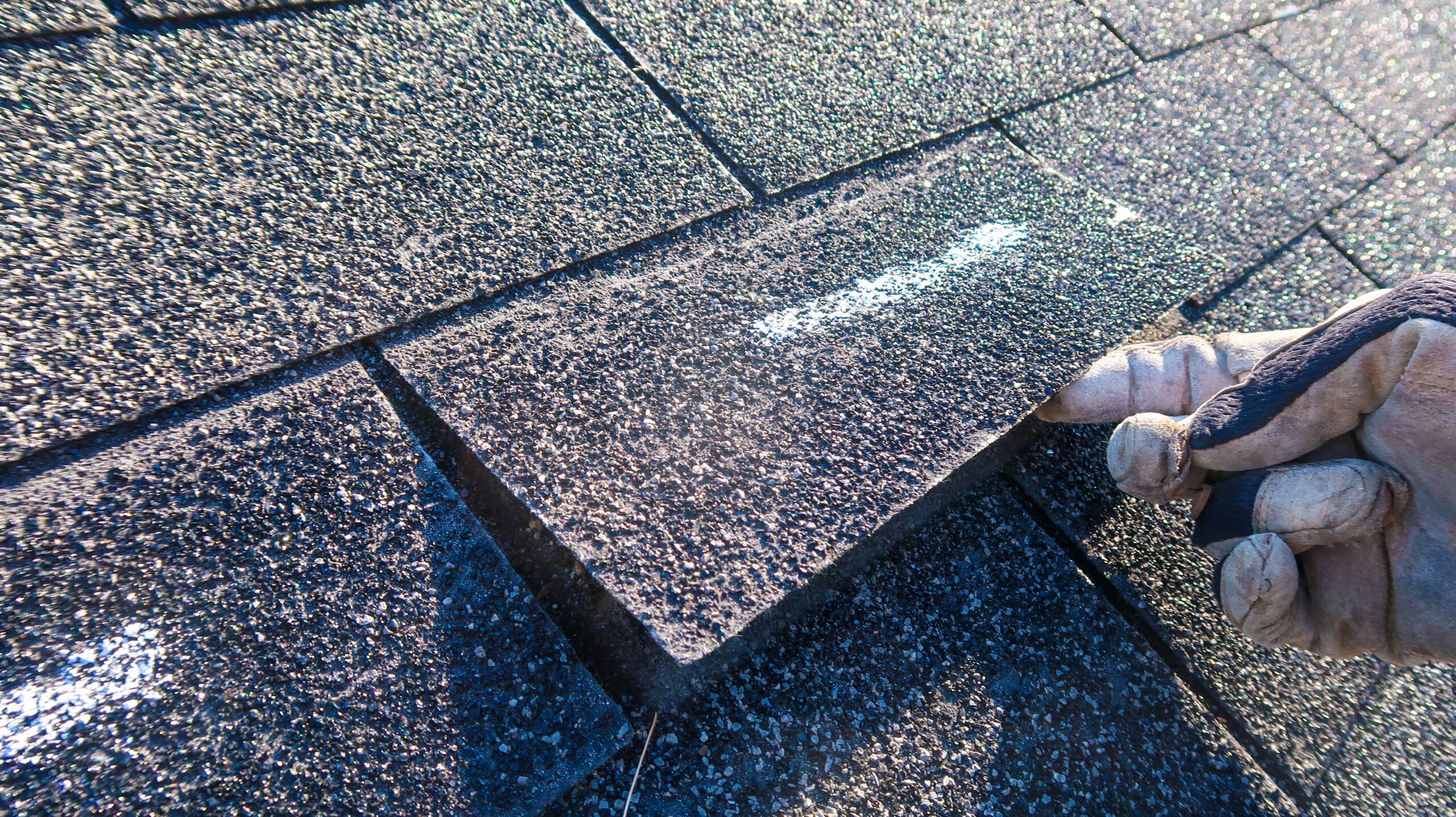
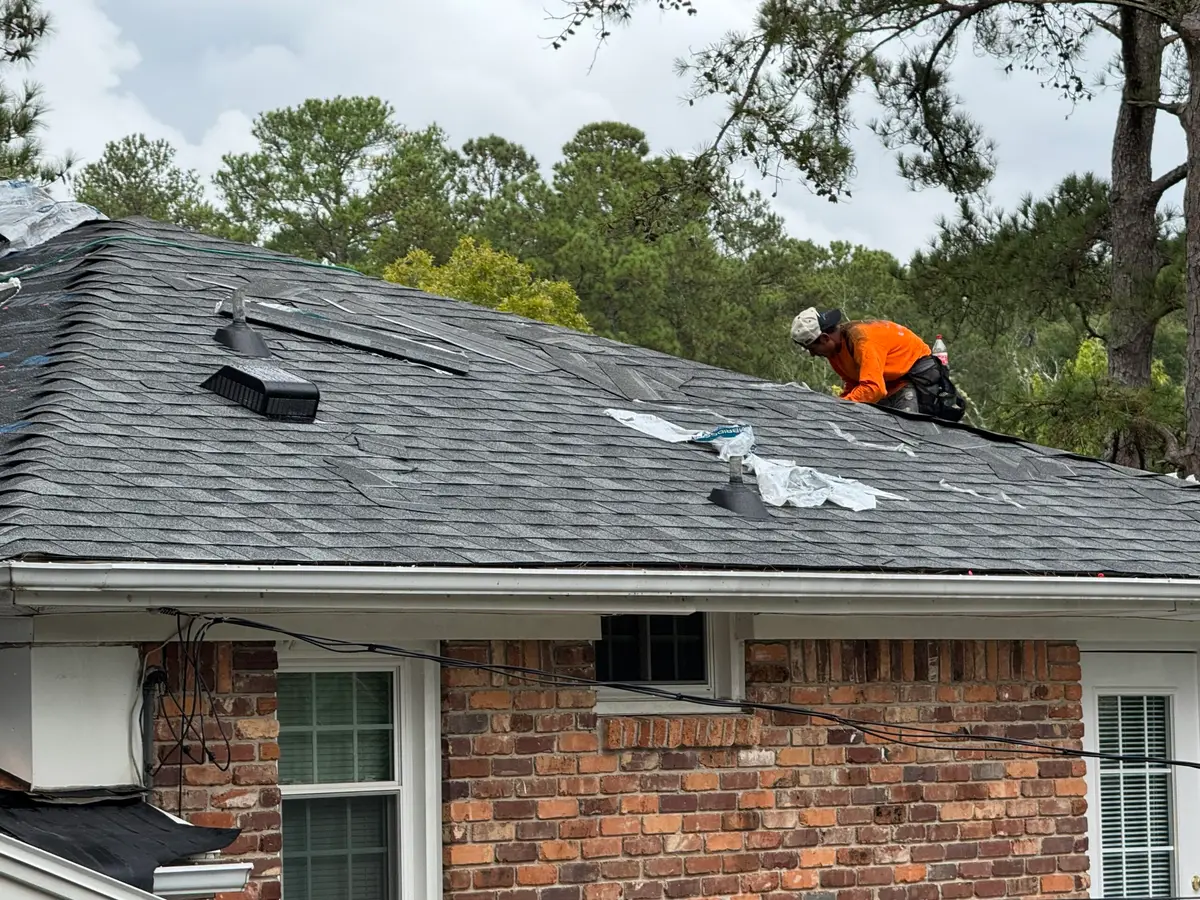
Before you think about loans, find out exactly what the roof needs. Homeowners with tight credit sometimes borrow for a full replacement when a repair would buy several years, or put off a repair until a small leak becomes a decking and ceiling problem.
- Get the roof inspected and ask for a written assessment of what is failing and how urgent it is.
- Ask for a price on a targeted repair as well as a full replacement, so you can compare the two.
- Ask whether any of the damage looks like it came from a storm, which can change how the work is paid for.
Our repair or replace guide explains how roofers make that call. The smaller and better-defined the amount you need, the more options you will have and the less you will pay in interest.
Contractor-arranged plans and soft-pull pre-qualification
Many roofers offer financing through a third-party lender. You apply through the contractor, but the lender reviews your credit and decides whether to approve you, for how much, and on what terms. The roofer does not set those terms and cannot promise approval.
At Cola City Roofing, plans are offered through Service Finance Company, with terms of 12, 24, 36, 48 or 60 months, and most plans are available for projects starting at $1,000. The lender offers options for a range of credit profiles, so fair or rebuilding credit does not automatically rule you out, though rates, terms and approval are set by the lender. There are no prepayment penalties, so you can pay the balance down early if your situation improves. You can read the details on our roof financing page.
Why pre-qualification matters when your credit is fragile
When your score is already under pressure, every hard inquiry counts. Pre-qualification for these plans typically uses a soft credit pull, which does not affect your credit score. A hard inquiry happens only when you accept an offer and move forward. That lets you see what you are likely to be offered before anything shows up as a new inquiry on your report.
Whatever lender you use, ask the same questions before accepting:
- Is pre-qualification a soft pull, and at what point does a hard inquiry happen?
- What is the APR, and what will I repay in total over the full term?
- Are there fees, and is the roof price the same whether I finance or pay cash?
- Is any "no interest" period a true zero-rate offer or deferred interest?
- Is there a prepayment penalty if I pay it off early?
Adding a co-applicant
If a spouse, partner or family member has stronger credit, applying together can sometimes open better terms. Lenders look at both applicants, and a second income can help the numbers work.
This is a real commitment for the other person. A co-applicant is typically equally responsible for the whole debt. If payments are late, it can show up on their credit, not just yours, and the lender can pursue either of you for the balance. Talk through the monthly payment honestly, and only bring someone in if you are confident the payment fits your budget.
Home equity: lower cost, higher stakes
If you have built up equity in your home, a home equity loan or line of credit can sometimes be easier to qualify for than unsecured financing, because the house backs the loan. These loans often carry lower rates for the same reason.
That security is exactly the risk. If you cannot keep up with the payments, the lender has a claim on your home. With fragile credit, it is worth asking whether your income is steady enough that the payment will be manageable through a job change, a medical bill or another repair. Closing costs and appraisal fees can also make home equity borrowing poor value for a modest roof repair. If you go this route, read every page before you sign, and be very wary of any contractor who steers you toward a specific home equity lender and pushes you to sign quickly.
Smaller, phased repairs
When a full replacement is not affordable yet, phasing the work can keep the house dry while you save or rebuild credit. Not every roof can be phased sensibly, but common approaches include:
- Repairing active leaks, flashing failures and damaged sections now, and planning the full replacement for a later date.
- Fixing the worst slope first when one side of the roof has aged much faster than the others.
- Addressing ventilation or gutter problems that are shortening the roof's life.
A smaller amount is easier to pay from savings or finance on shorter terms. Ask the roofer to be honest about whether a repair is a real bridge or money spent on a roof that is past saving. Our roof repair services page describes the kinds of repairs that make sense on an older roof.
When a storm caused the damage
If wind, hail or a fallen tree damaged the roof, your homeowners insurance may pay for part of the repair or replacement, and your credit does not affect that. Have the roof inspected and the damage documented, and consider whether to file a claim. The roof insurance claims guide walks through the process.
Two cautions. No roofer can promise your claim will be approved or that the roof will be paid for in full, and insurance does not replace a roof simply because it is old. And you will still owe your deductible. In South Carolina, a roofer may not pay, rebate or absorb any part of your deductible, including through a "discount" or a yard-sign deal. If the deductible itself is the hard part, it can make sense to finance just that portion or other uncovered work.
Local help programs
Some homeowners with limited income qualify for public repair help. In South Carolina, SC Housing funds a Home Repair Program through local sponsor organizations, and USDA Rural Development runs the Section 504 repair program for very low-income homeowners in eligible rural areas. Both have income limits, eligibility rules and waiting lists, so they work best when the roof is not leaking today.
Local community action agencies, area councils on aging and some faith-based groups also help with repairs from time to time. Ask your county's community action agency what is available in Richland or Lexington County. Our guide to paying for a new roof, linked above, covers how the state and federal programs work.
Red flags to avoid
Homeowners with damaged credit are a target for offers that look like relief and turn into expensive problems. Walk away, or at least slow down, if you see any of these:
- "No credit check" or "guaranteed approval" promises. Legitimate lenders review credit. Offers that skip that step tend to make up for it with very high costs or harsh terms.
- Pressure to sign today. A real offer will still be there tomorrow. Take the paperwork home, read it, and never sign anything with blank spaces.
- Deferred-interest traps. "No interest if paid in full" usually means interest is building in the background and gets added back if any balance remains at the deadline. Make sure you can clear it in time, or choose a plan with a simple fixed rate.
- Deductible "deals." Any offer to pay, rebate or hide your insurance deductible is illegal in South Carolina and can put your claim at risk.
- Full payment up front, or cash only. Payments should be tied to progress, with the balance due after the work is done and you have walked the roof.
- Loans arranged by a stranger at your door. Check the contractor's registration and reviews before discussing any financing.
Less-than-perfect credit narrows your choices, but it does not have to push you into a bad one. Start with a clear written price, pre-qualify where it will not cost you points on your score, compare the total you will repay, and take your time. When you are ready for that written price, request a free estimate and we will price repair and replacement options side by side.