Asphalt shingle is what most of Columbia is roofed in, and for good reason: it is versatile, cost-effective, and easier to install than almost any other option. But "asphalt shingle" covers three quite different products at three quite different price points, and the Midlands climate is harder on all of them than most of the country.
This page sets out the choices in front of you. If you want the wider comparison against metal, tile and slate, start with our roofing materials comparison; for the full manufacturer-level detail, the roofing materials guide goes deeper still.
The three tiers of asphalt shingle
Not all shingles are created equal. The gap between the entry-level and the top-tier asphalt roof on the same house is substantial, and it shows up in appearance, impact resistance and warranty length.
Three-tab shingles — the economy choice
Three-tab shingles are the most basic and affordable asphalt option. They are flat, with a uniform appearance created by the three cut tabs that give them their name. On a rental, a flip, or a budget that will not stretch further, they still do the job of keeping water out.
They are also the thinnest product in the category, which matters in a climate that works a roof as hard as this one does.
Architectural shingles — the current standard
Also known as dimensional or laminate shingles, these are the current industry standard and what most Columbia homeowners end up choosing. They consist of two or more layers of asphalt bonded together to create a textured, wood-shake look.
The extra layer is not just cosmetic. A thicker shingle carries more material over the same area, which is what the impact and wind ratings are built on.
Luxury and designer shingles
Luxury shingles are designed to mimic the appearance of natural slate or old-world cedar shakes. They are much thicker and heavier than standard architectural shingles, and they offer the highest level of impact resistance and the longest warranties in the asphalt category.
They suit high-end homes in Lexington or around Lake Murray where architectural accuracy matters — the look of slate without the structural work a real slate roof demands.
What the Midlands climate does to an asphalt roof
Every roof in Columbia is fighting the same three things, and knowing which one is aging yours tells you what to buy next.
UV and 218 sunny days a year
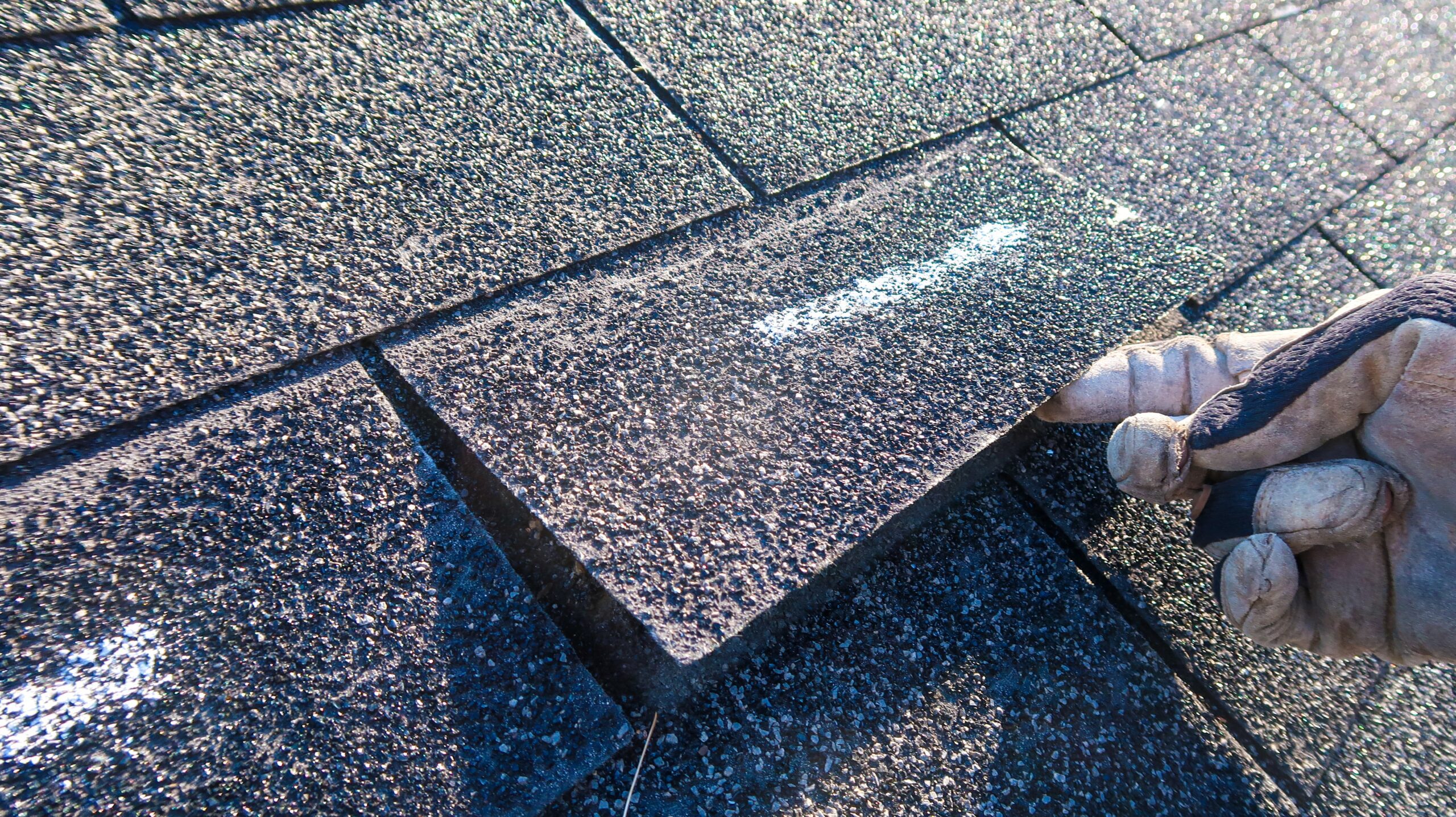
Columbia sees an average of 218 sunny days per year. That is excellent for everything except your roof: UV rays break down the chemical bonds in asphalt shingles, drying them out and making them brittle. A brittle shingle cracks instead of flexing, and it sheds the granules that were protecting it from more UV.
Humidity and the black streaks
Our humidity levels are among the highest in the state, which fosters the growth of Gloeocapsa Magma — the blue-green algae behind the black streaks you see running down so many roofs here. When you are choosing shingles, look for an algae-resistant rating; it is a specification, not marketing.
If the streaking is already there, it can often be cleaned rather than replaced. See our roof softwash and cleaning service.
Heat, and why ventilation is part of the roof
Columbia regularly sees temperatures above 95°F from June through September. Asphalt absorbs that heat rather than reflecting it, and an under-ventilated attic bakes the underside of the shingles as well as the top. Ventilation is not an accessory to an asphalt roof — it is part of what determines how long one lasts. Our roof ventilation guide covers how to tell whether yours is adequate.
The manufacturers we install
We do not install just any product. We focus on the three manufacturers whose systems, warranties and availability we can stand behind in this market: GAF, Owens Corning and CertainTeed. The materials guide compares what each is strongest at.
Which manufacturer you end up with matters less than whether the roof is installed to that manufacturer’s specification — fastener placement, nailing pattern and ventilation are the conditions most material warranties are written against. Our warranties guide explains how the manufacturer warranty and our workmanship warranty divide up between them.
Asphalt shingle or metal?
Asphalt is the most affordable roofing material and metal sits further up; asphalt shingles may last around 20 years where metal can run far longer. If you plan to stay in the house a long time, that arithmetic is worth doing properly rather than comparing the two install prices.
We have set the comparison out in full on our metal roofing page, and there is a storm-specific version in shingle versus metal roof in storms.
What happens next
Every quote starts with a free inspection: we walk the roof, photograph what we find, and give you an itemized estimate you can compare against anyone else’s. Nothing is decided on the day. Our roofing process page sets out each step, and financing is available if the timing is awkward.