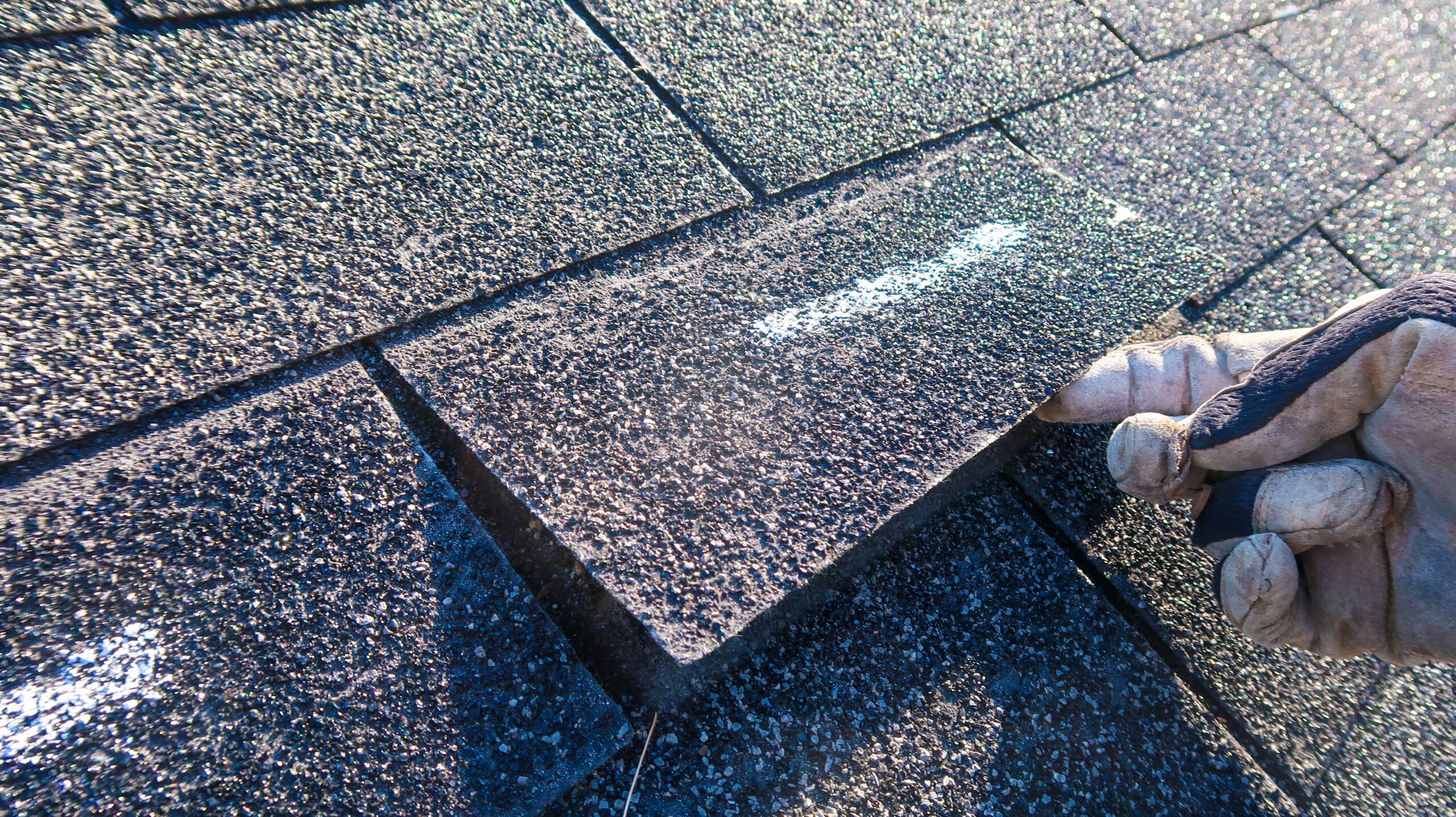
Sometimes. South Carolina's residential code permits a roof recover, meaning a new covering over the old one, when the new roof is installed per the manufacturer's instructions. It forbids one in three cases. The existing roof is water soaked or deteriorated, it is slate or clay, cement or asbestos-cement tile, or it already has two or more coverings (2021 IRC R908.3.1).
Those limits carry into the 2024 code that takes effect on January 1, 2027, renumbered as Section R908.4 (2024 IRC). South Carolina doesn't modify the reroofing section in either cycle (2024 index).
When does the code allow a recover?
Section R908 lists four situations where a new covering may go over an existing one (R908.4):
- The new roof covering is installed per the roof covering manufacturer's approved instructions.
- A complete, separate roofing system, such as standing-seam metal, carries the roof loads directly to the structure and doesn't rely on the old roof for support.
- Metal panels, metal shingles or concrete and clay tile go over existing wood shakes, following the code's rule for wood roofs.
- A new protective coating goes over an existing coating, metal, roll roofing, built-up, modified bitumen, single-ply or spray foam roof.
For a typical Midlands house with one layer of asphalt shingles, the first item is the one that matters. If the new shingle's instructions allow installation over an existing layer, the code permits it, subject to the limits below.
When is a recover not allowed?
- Water soaked or deteriorated: where the existing roof or roof covering isn't adequate as a base for more roofing.
- Slate or tile: where the existing covering is slate, clay, cement or asbestos-cement tile.
- Two or more layers already: where the existing roof has two or more applications of any type of roof covering.
The last rule means a house with one shingle layer can get a second, but a house with two needs a full tear-off. Wood shingles and shakes have one more rule. If a new covering creates a combustible concealed space, the old surface must first be covered with gypsum board, mineral fiber, glass fiber or another approved material (R908.4.1).
The code also requires the roof structure to carry the roofing system plus the materials and equipment used to install it (R908.2). A second layer adds weight, so this is worth asking about on an older house.
What counts as a roof replacement?
Under R908.3, a roof replacement "shall include the removal of existing layers of roof coverings down to the roof deck." The 2021 code has one exception: an adhered ice barrier membrane may stay in place and be covered with another ice barrier layer.
The 2024 code tightens that exception and adds two more:
- An existing adhered ice barrier may stay only if the sheathing isn't water soaked or deteriorated, and both the roof covering and new ice barrier manufacturers permit it.
- Existing self-adhered underlayment may stay over sound sheathing, covered with underlayment that meets the code's three underlayment tables.
- If one layer of self-adhered underlayment can't come off without damaging the deck, a second layer may go over it. Both manufacturers must permit it, the sheathing must be sound, and the build-up at walls, valleys, edges and laps can't exceed two layers.
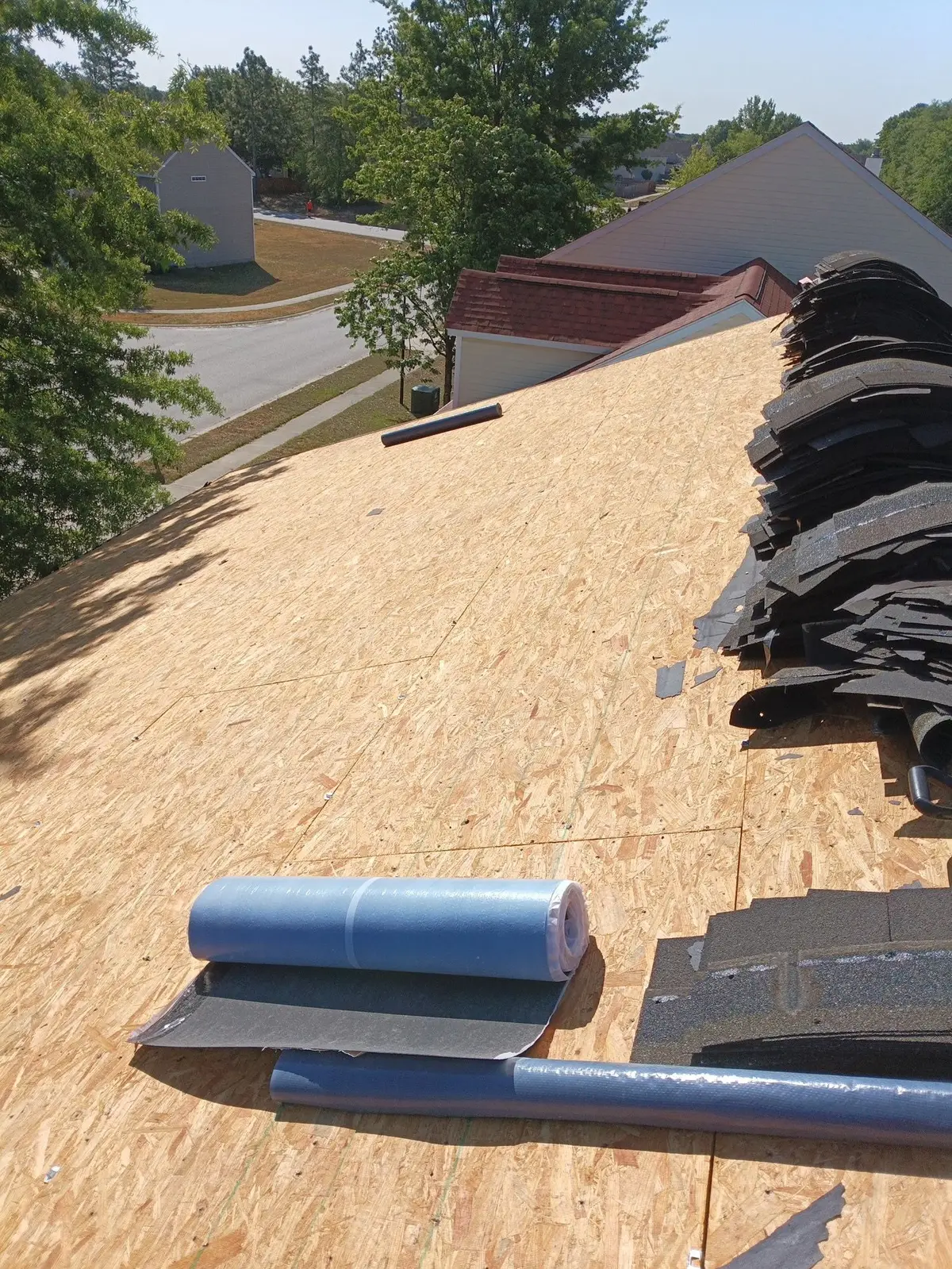
Every one of these turns on the condition of the deck. That makes the inspection during tear-off more important, not less. The photo above shows bare decking on a Columbia tear-off. We cover what happens when a crew finds rot in what happens when a crew finds bad decking.
What about flashing and old metal?
On any re-roof, existing flashings, edgings, outlets, vents and similar parts must be replaced where rusted, damaged or deteriorated (R908.5). Flashings must be rebuilt per approved manufacturer's instructions (R908.6). Both read the same in 2021 and 2024.
Re-roofing must also meet the rest of Chapter 9 (R908.1). That includes South Carolina's drip edge rule and the underlayment rules.
Who decides if my roof can be recovered?
Your local building office enforces the code. Whether a roof is "deteriorated to the point" of being unfit as a base is a judgment the inspector makes on your roof. Several Midlands offices list re-roofing as permit work. Our roof permits guide lists each Midlands office.
The edition that applies depends on your permit date. S.C. Code §6-9-130(A) ties inspection to the codes in effect when the original building permit is issued.
Is a recover a good idea?
Code allows it in limited cases. It doesn't make it the right choice. A recover skips the only chance to inspect the deck, and the new roof takes the shape of the old one. We weigh the trade-offs in roofing over vs. tearing off. We do both. When a roof qualifies for a recover under the code and the shingle maker's instructions, we will tell you, and we will also tell you what a tear-off would reveal. A free inspection is the place to start.
Questions to ask your roofer
- How many layers are on my roof now, and how did you check?
- Do the new shingle's instructions allow installation over an existing layer?
- If you're tearing off, will any old underlayment or ice barrier stay on the deck? Why?
- Will new flashing and edge metal be installed, or will old pieces be reused?
- Which office issues the permit, and which code edition will it use?