When a roof reaches the end of its life there are two ways to replace it. Strip everything back to the wood and start again, or lay new shingles straight over the old ones. The second is called a roof-over, a recover, or a layover, and it is cheaper on the day.
It is not automatically the wrong choice. It is a choice with specific trade-offs that are rarely spelled out, so here they are.
What you are actually saving
A tear-off is labor and disposal. A crew has to strip every shingle, pull every nail, protect the grounds, and haul several tons of debris to a landfill that charges by weight. Skipping that is a genuine saving, and it is the entire financial argument for a roof-over.
What you are not saving is materials. The same shingles go down either way, and a roof-over needs its own fasteners, long enough to reach through both layers into the deck.
What you are giving up
You never see the deck
This is the one that matters most. A tear-off is the only time anyone looks at the wood your roof is nailed to. Rot from an old flashing leak, a soft patch around a vent, boards that have been quietly wet for years — a tear-off finds all of it. A roof-over covers it and keeps it covered for another fifteen or twenty years. There is more on this in our piece on what happens when a crew finds bad decking.
The new roof follows the old roof
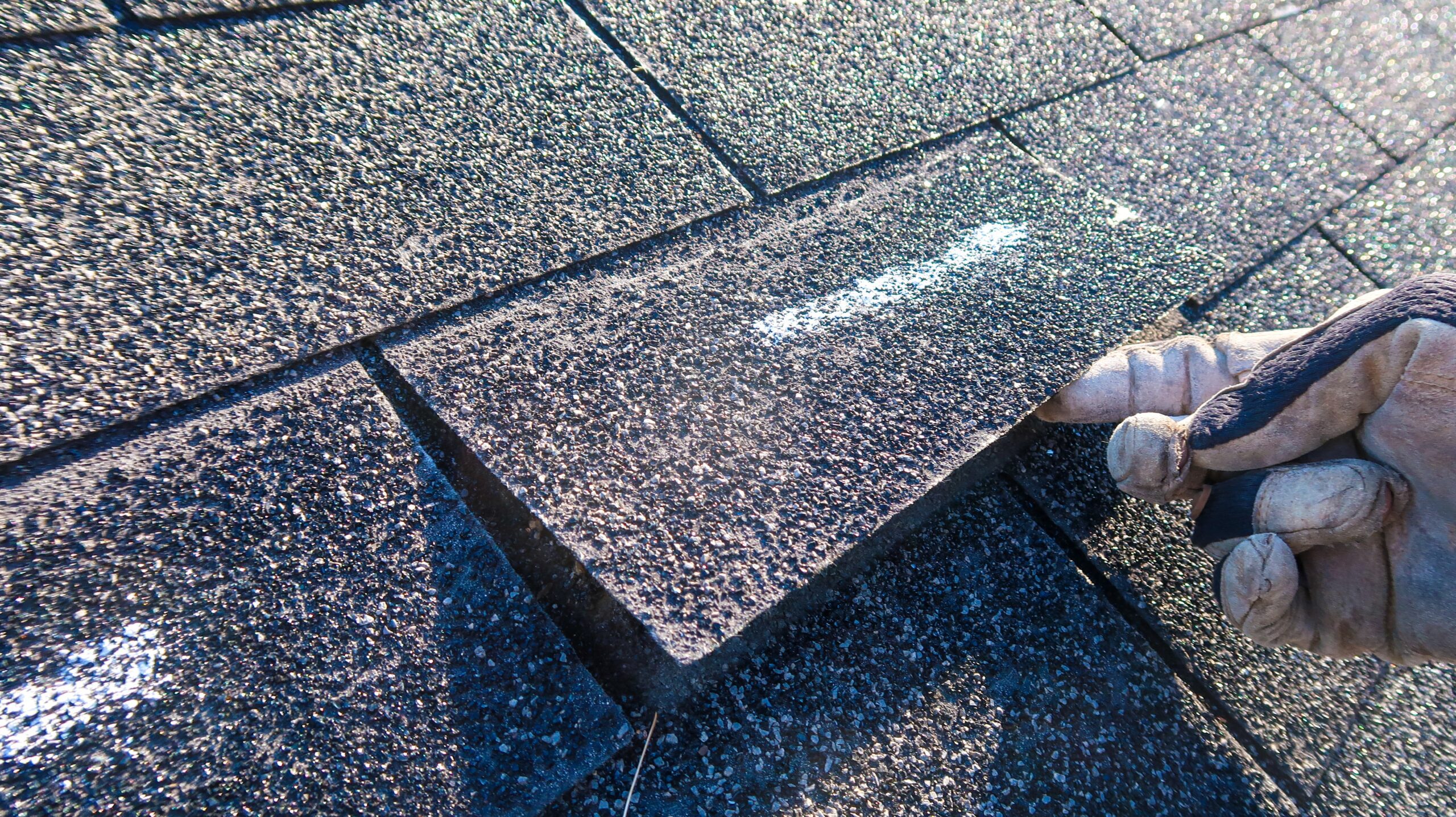
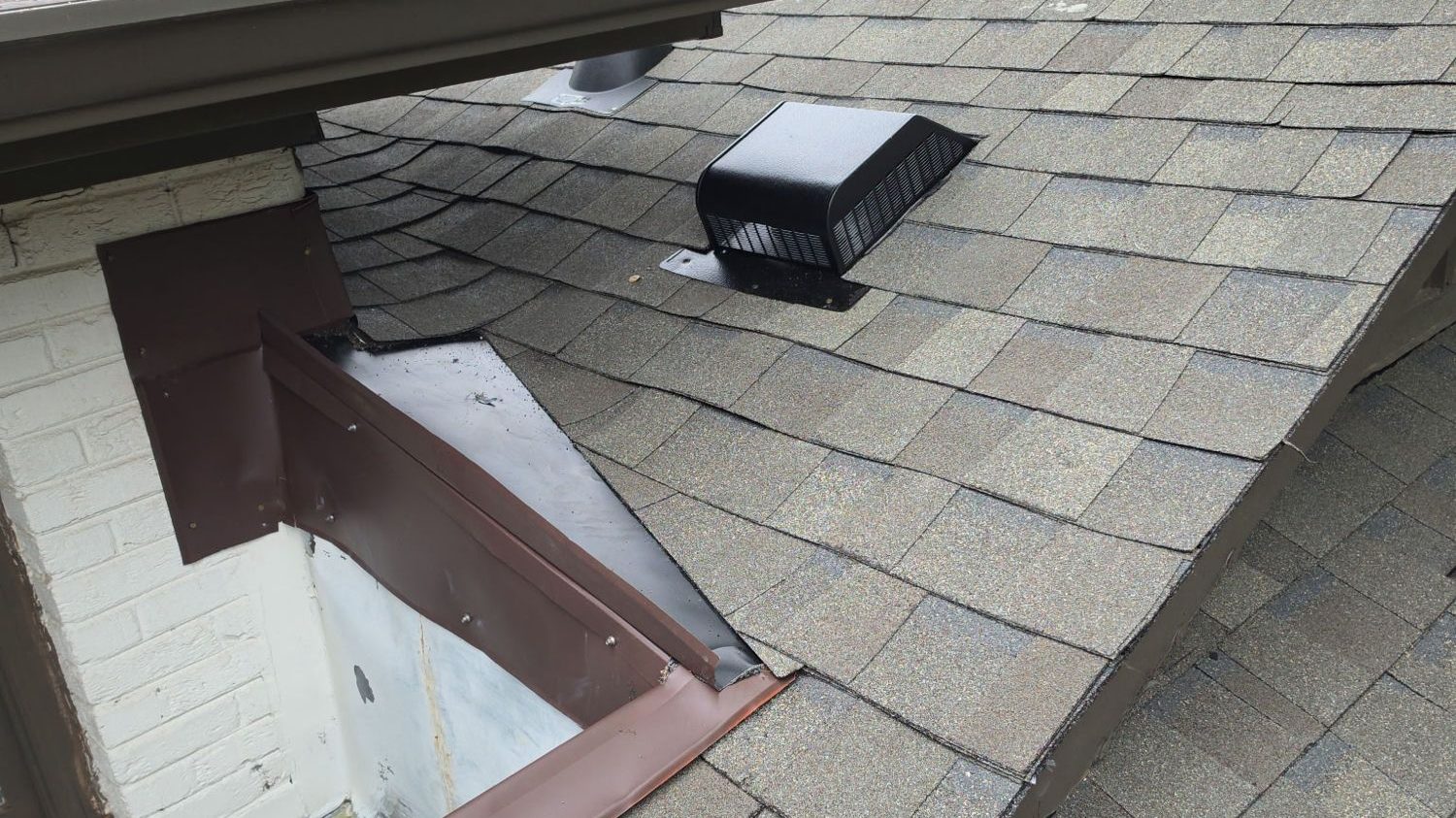
Shingles laid over shingles take on the shape of what is underneath. Cupped, curled or lifted courses telegraph through, so the finished roof is never as flat or as clean as one laid on a fresh deck, and the high points wear faster because they sit proud of everything around them.
Weight and heat
A second layer roughly doubles the dead load of the roof covering. On a sound, well-framed house that is usually within tolerance; on an older structure it is a question worth asking rather than assuming. The layer also insulates the new shingles from the deck, so they run hotter through a South Carolina summer, and heat is what ages asphalt.
Flashing rarely gets renewed properly
Chimneys, walls and valleys are where roofs actually leak. Doing those details correctly means integrating new metal into the shingle courses, which is far harder over an existing layer. The temptation is to leave old flashing in place and seal around it, which is a repair with a shelf life measured in a few years.
What the code says
Codes limit how many layers of roofing a structure may carry, and they require a tear-off in certain conditions regardless of layer count — for example where the existing roof is water-soaked or badly deteriorated. The specific rule that applies to your house is set and enforced by your local building department, so confirm it there rather than taking a contractor’s word or ours. Our post on roof permits for South Carolina homeowners covers how permitting works here.
If your roof already carries two layers, a tear-off is generally the only route, and no amount of price pressure changes that.
When a roof-over is defensible
There are honest cases for it:
- The existing roof is a single layer, lies flat, and is failing from age rather than from water damage.
- An attic inspection shows a dry, sound deck with no staining.
- The budget genuinely does not stretch to a tear-off, and the alternative is leaving a failing roof in place through another winter.
- The building is a detached garage, shed or outbuilding where the stakes are lower.
That last one is worth taking seriously. A roof-over on an outbuilding is a sensible use of money. A roof-over on the house you intend to sell in three years is usually a decision you pay for twice.
The resale problem
Home inspectors look for layers, and they find them easily from the eave. "Two layers of shingles observed" lands in the report, the buyer’s agent asks what happens when it needs doing again, and the number that comes back is the tear-off you avoided — plus the cost of removing two layers instead of one.
If you are inside a few years of selling, that arithmetic usually favors doing it properly now.
What we recommend, and why
We do tear-offs by default. Not because the extra work is good for us, but because a roof is one of the few things on a house where you cannot inspect the important part without removing everything above it, and we would rather know.
If your budget is what is driving the question, say so plainly. We would rather talk about spreading the cost over fixed monthly payments than watch a homeowner buy a shortcut they will regret. And if the roof turns out to have years left in it, a targeted repair may be the honest answer instead — a full replacement is not always the recommendation.
Either way, start with a free inspection. Get in touch and we will look, photograph what we find, and give you the options with the trade-offs attached.