
The fascia and soffits are essential components of your home’s roofing system, providing both aesthetic appeal and critical protection. The fascia is the long, straight board that runs along the lower edge of your roof, supporting the bottom row of tiles and carrying your gutters. The soffit is the exposed surface beneath the overhanging section of a roof eave. Together, they seal the gap between your roof and siding, preventing pests from entering your attic and promoting ventilation. However, their position makes them uniquely vulnerable to water damage, especially when the gutter system attached to them is installed improperly.
A faulty gutter installation can turn a system meant for protection into a direct threat to your fascia and soffits. When water isn’t channeled correctly, it overflows, leaks, and saturates these wooden or composite boards, leading to rot, decay, and significant structural issues. Many homeowners don’t connect the peeling paint on their fascia or the dark stains on their soffits with the gutters right next to them. Understanding this connection is the first step toward preventing costly and extensive repairs.
This comprehensive guide will explore the specific ways an incorrect gutter installation can destroy your fascia and soffits. We will break down the common installation errors, detail the progressive stages of water damage, and explain why professional installation is the only way to safeguard these vital parts of your home.
The Anatomy of Your Roof Edge: Fascia, Soffits, and Gutters
To fully grasp how gutter problems affect your fascia and soffits, it’s helpful to understand how these three components work together. Think of them as an integrated system at the edge of your roofline.
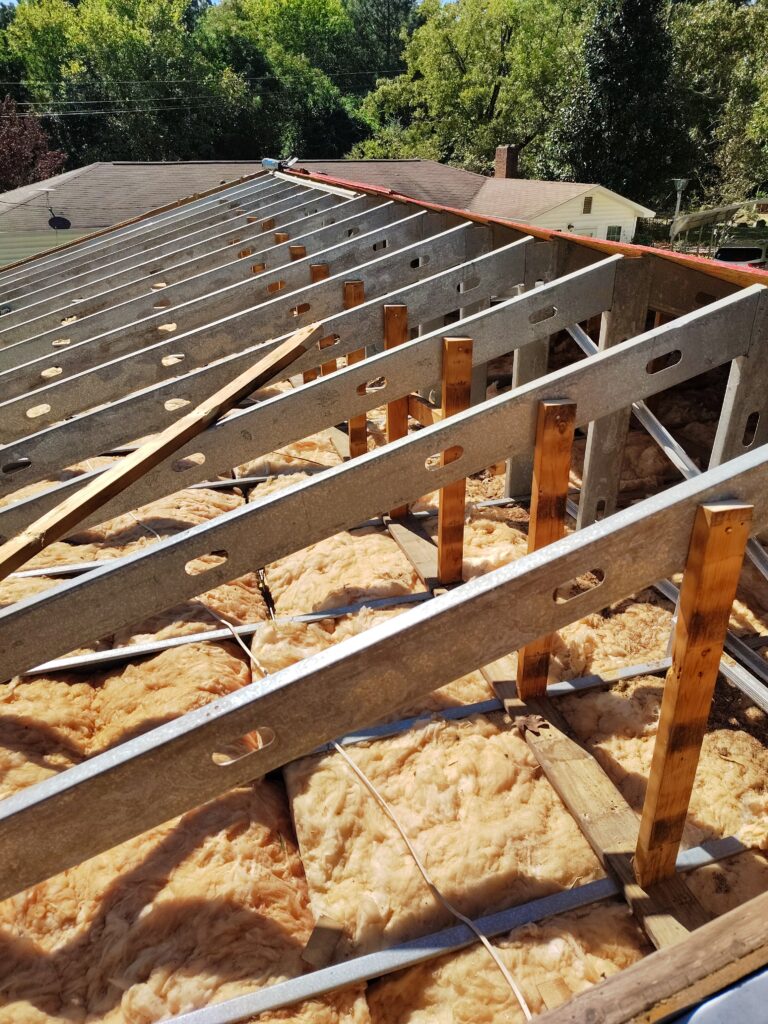
- Fascia: This is the board mounted to the exposed ends of your roof rafters. Its primary job is to be the last line of support for the lower edge of the roof sheathing and shingles. Critically, it is also the surface to which your gutters are directly mounted. The fascia board needs to be strong and secure to hold the weight of the gutters, especially when they are full of rainwater.
- Soffit: Tucked away underneath the roof’s overhang, the soffit bridges the gap between the siding and the roofline. Vented soffits are particularly important as they allow air to flow into the attic, which helps regulate temperature and moisture levels, preventing heat buildup in the summer and ice dams in the winter.
- Gutters: These troughs are attached directly to the fascia. Their purpose is to catch all the rainwater that flows off your roof and direct it safely into downspouts and away from your home’s foundation, siding, and, of course, the fascia and soffits themselves.
When this system is in perfect harmony, your home is protected. The roof sheds water, the gutters collect and channel it, and the fascia and soffits remain dry and structurally sound. But when the gutter installation is flawed, this harmony is broken, and the fascia and soffits bear the brunt of the damage.
1. The Missing Drip Edge: An Open Invitation for Water
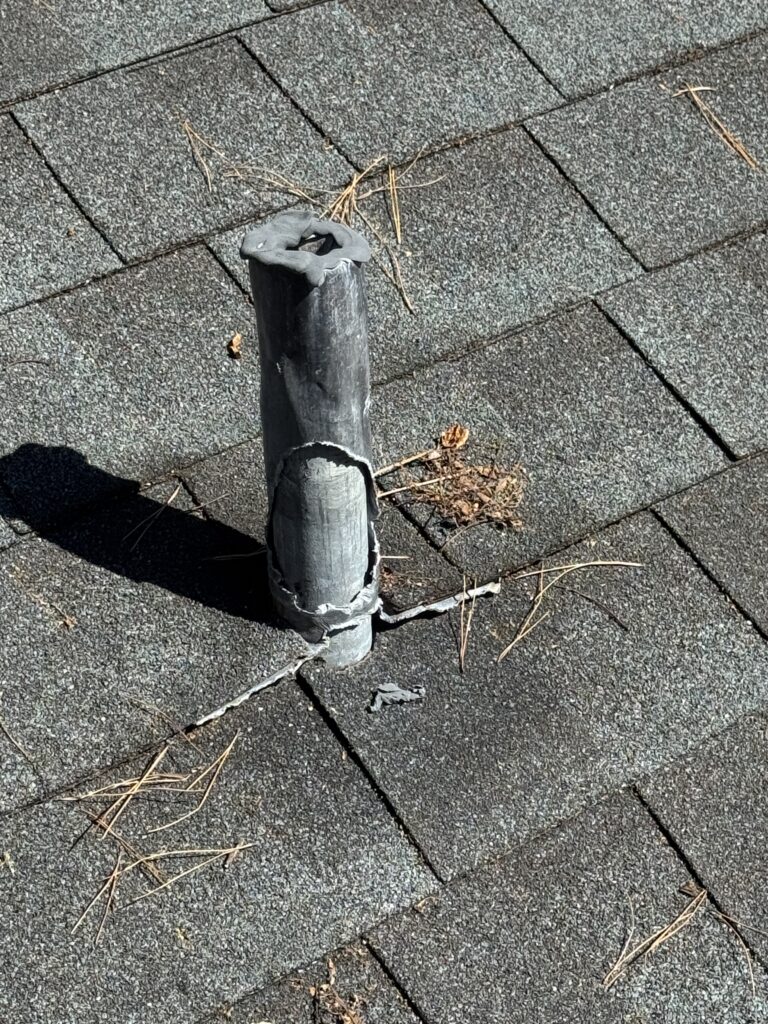
One of the most common and damaging mistakes made during a cheap or rushed gutter installation is the omission of a drip edge. A drip edge is a simple L-shaped piece of metal flashing installed under the roofing shingles and over the gutter. Its purpose is to create a clean, uninterrupted path for water to flow from the roof directly into the gutter.
How a Missing Drip Edge Causes Damage
Without a drip edge, a gap exists between the edge of the shingles and the back of the gutter. Water flowing off the roof doesn’t always make a perfect leap into the trough. Instead, surface tension can cause it to curl around the edge of the shingles and run down the surface behind the gutter—the fascia board.
This creates a constant flow of moisture directly onto the wood. At first, you might not notice anything. But with every rainfall, the fascia board gets a little more saturated. This leads to a predictable and destructive sequence:
- Paint Damage: The first sign is often peeling, bubbling, or blistering paint on the fascia. The moisture seeping into the wood from behind pushes the paint off from the inside out. You’ll also see dark, vertical streaks of water stains.
- Wood Saturation: As the paint barrier fails, water absorption accelerates. The wood becomes perpetually damp, creating the perfect environment for mold, mildew, and fungus to grow.
- Wood Rot (Decay): Once fungal growth begins, the wood fibers start to break down. The fascia becomes soft, spongy, and weak. This is wood rot, and it is irreversible. A rotted fascia can no longer provide a secure anchor for the gutter hangers.
- Soffit Damage: The water running down the fascia will drip onto the soffit below. This leads to staining, mold growth, and eventually, rot in the soffit panels as well.
A professional installer knows that a drip edge isn’t optional; it’s a mandatory part of a functional roofing and gutter system. At Cola City Roofing, every installation includes a properly fitted drip edge to ensure a watertight seal between the roof and the gutters.
2. Incorrect Gutter Pitch and Resulting Overflows
For gutters to work, they must be sloped correctly toward the downspouts. The standard pitch is a subtle drop of about a quarter-inch for every 10 feet of gutter. If an installer sets the gutters perfectly level (a common mistake) or, even worse, slopes them away from the downspout, water will not drain.
How Improper Pitch Destroys Fascia and Soffits
An improperly pitched gutter creates pools of standing water. When the next rain comes, the gutter is already partially full, causing it to overflow quickly. This overflow doesn’t just happen in one direction; water spills over the front, but more destructively, it also spills over the back, directly against the fascia.
- Constant Saturation: This consistent overflow keeps the fascia and soffits in a state of perpetual dampness. Unlike the gradual seepage from a missing drip edge, overflows can send a significant volume of water cascading over these components.
- Debris Buildup: The standing water in improperly pitched gutters also collects leaves, shingle grit, and other debris, turning into a heavy, sludgy mess. This sludge holds moisture against the fascia 24/7, dramatically accelerating the process of wood rot.
- Weight-Induced Gaps: The sheer weight of the standing water and sludge puts immense strain on the hangers and fasteners. This can cause the gutters to pull away from the fascia, creating a gap. This gap becomes the primary path for water to escape, channeling it directly onto the fascia and soffit.
Fixing an improper pitch is not a simple DIY job. It requires detaching the gutter sections and carefully re-setting every hanger to achieve the correct slope. If you notice standing water in your gutters, it’s a clear sign you need professional gutter repair services.
3. Poorly Spaced Hangers and Gutter Sagging
Gutters are held in place by hangers or brackets that are screwed into the fascia. The spacing of these hangers is critical to supporting the weight of the gutter system. An installer looking to cut corners might use fewer hangers than required, spacing them too far apart.
The Chain Reaction of Sagging Gutters
- Bowing and Sagging: With insufficient support, the gutter will start to bow or sag between the hangers, especially under the weight of water or debris.
- Creation of a Low Point: The sagging section becomes the new low point in the gutter run. Water that should be flowing to the downspout now collects in this dip. This is functionally the same as having an incorrect pitch, leading to standing water and overflows.
- Pulling on the Fascia: The concentrated weight in the sagging section puts tremendous stress on the nearest hangers. The fasteners can start to pull out of the fascia board, or the hanger itself can bend.
- Fascia Board Damage: As the fasteners loosen and pull, they damage the fascia wood. The holes become enlarged, and the wood around them can splinter and weaken. If the fascia is already slightly damp from minor leaks, this stress can cause large chunks of the rotted wood to break away.
- Catastrophic Failure: Eventually, the sagging section will pull away from the fascia completely, or the entire gutter run may collapse. When this happens, it often takes a large piece of the fascia board with it, resulting in a major repair job that involves not just new gutters but also significant carpentry work.
A professional gutter installation service will always use the correct number and type of hangers for your specific gutter material and climate, ensuring the system remains straight and secure for years.
4. Leaky Seams, Corners, and End Caps
Sectional gutters, which are the most common type, are installed in pieces. This creates numerous seams—at the joints between sections, at the corners (miters), and at the end caps. Each of these seams must be perfectly sealed to be watertight. A shoddy installation often involves poor sealing techniques or low-quality sealants.
How Small Leaks Cause Big Problems for Fascia and Soffits
A small, persistent drip from a poorly sealed seam can be deceptively destructive.
- Targeted Saturation: Unlike a general overflow, a leak creates a concentrated flow of water onto a very specific spot on the fascia or soffit. This constant, targeted drip means that one small area becomes deeply saturated very quickly.
- Localized Rot: This leads to localized but severe rot. While the rest of the fascia board might look fine, the section directly below the leaking seam can be completely decayed. This creates a hidden weak spot in the board.
- Soffit and Siding Stains: The dripping water will run down and leave ugly dark stains on your soffit and siding. This is often the first visual clue that you have a leak.
- Pest Infestations: Rotted, damp wood is extremely attractive to pests like carpenter ants and termites. A small leak can create the perfect entry point for an infestation that can then spread throughout your home’s structure.
High-quality, professional-grade sealant and proper application techniques are essential for creating durable, leak-proof seams. Rushing this step or using cheap silicone caulk from a hardware store is a hallmark of a poor installation.
5. Incorrect Gutter Sizing and Placement
The size of your gutters and their placement relative to the roof edge are crucial for proper function. An installer without the right expertise may choose the wrong size or position them incorrectly.
Undersized Gutters
Homes with large or steep roofs generate a high volume of fast-moving water during a storm. Standard 5-inch gutters may not be able to handle this flow. An experienced contractor will calculate the water-handling capacity needed and may recommend wider 6-inch gutters and larger downspouts. An amateur installer might just install 5-inch gutters by default.
When gutters are too small, they will be overwhelmed in any significant rainfall. The result is a constant overflow of water, which, as we’ve seen, leads directly to fascia and soffit saturation and rot.
Improper Placement
Even correctly sized gutters can cause damage if they are not positioned correctly.
- Installed Too Low: If the gutter is mounted too far below the roof edge, water flowing off the roof can “overshoot” it entirely, especially in heavy rain. This water then splashes directly against the fascia and walls.
- Installed Too High: If the gutter is mounted too high, it can block the attic ventilation provided by the soffits. More importantly, in snowy climates, it can interfere with the natural shedding of snow and ice from the roof, contributing to the formation of destructive ice dams. Water backing up from an ice dam will flow over the gutter and soak the fascia and soffit.
The Long-Term Consequences: Beyond Fascia and Soffit Rot
The damage from an improper gutter installation doesn’t stop at the roof’s edge. Once the fascia and soffits are compromised, it creates a pathway for water to invade other parts of your home.
- Attic Leaks and Rafter Damage: As the fascia rots away, water can begin to penetrate the ends of your roof rafters. Rotted rafter tails are a serious structural problem that can be very expensive to repair. Water can also find its way into your attic, damaging insulation, causing mold growth on the underside of your roof deck, and creating ceiling stains.
- Wall and Window Damage: Water overflowing and running down your siding can get behind window frames and into the wall cavity, causing damage to insulation, drywall, and interior framing.
- Foundation Issues: All of these gutter failures ultimately lead to water being deposited near your home’s foundation instead of being channeled away, risking cracks, basement flooding, and structural settling.
Prevention is the Best Medicine: The Value of Professional Installation
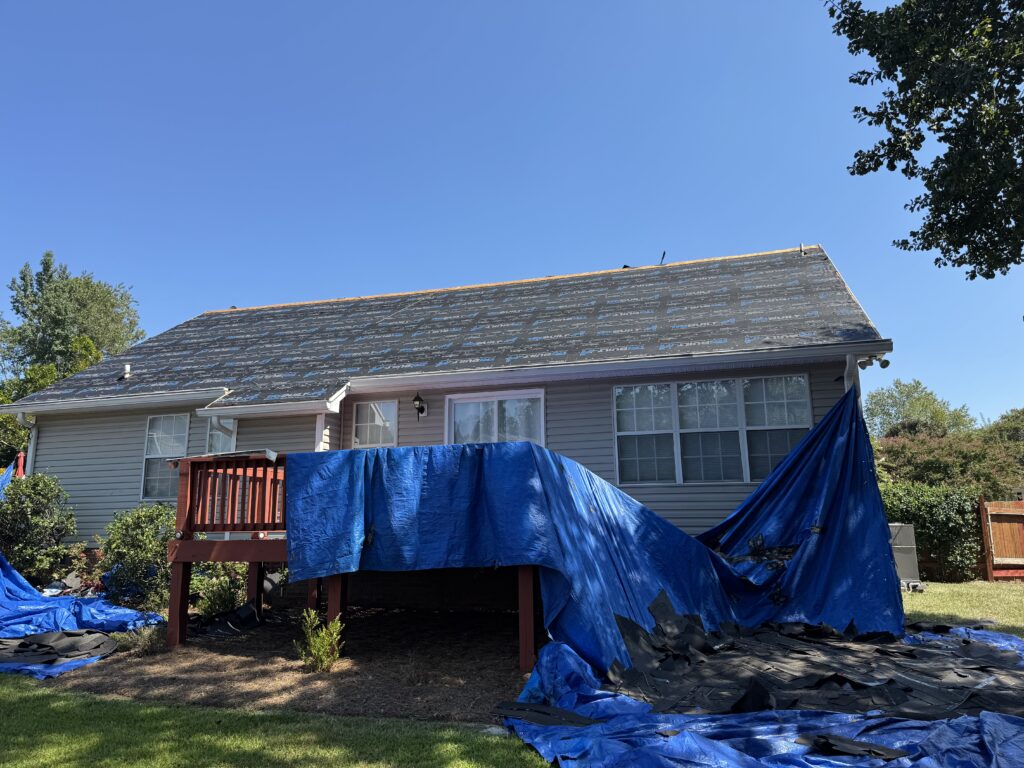
Reading about all these potential problems can be alarming, but the solution is simple: hire a qualified, reputable professional for your gutter installation. The small amount of money you might save with a low-ball bid from an inexperienced handyman is insignificant compared to the thousands of dollars you could spend repairing rotted fascia, soffits, and structural framing.
A professional roofing and gutter company like Cola City Roofing ensures:
- Thorough Inspection: We inspect the fascia and soffits before installation. If there is existing rot, we will replace the damaged boards to ensure a solid foundation for the new gutters.
- Proper Materials: We use high-quality, appropriate-gauge materials, professional-grade sealants, and the correct type and number of hangers.
- Expert Technique: We understand the physics of water flow. We ensure the correct pitch, install a drip edge, and position the gutters perfectly to catch every drop.
- A Guarantee of Quality: A professional installation comes with the peace of mind that the job was done right. We stand behind our work because we know it protects your entire home.
Your fascia and soffits are the last line of defense for your roof structure. Protecting them starts with a flawless gutter installation. If you are seeing peeling paint, water stains, or sagging gutters, don’t wait for the problem to get worse. Contact Cola City Roofing today for a free, comprehensive evaluation of your gutter system. We can diagnose the problem and provide a lasting solution that protects your investment for years to come.