
A roof replacement is one of the largest single expenses a commercial building will ever have, and it is also one of the most predictable. Roofs age in ways a trained inspector can see and measure. Yet many owners still find out they need a new roof from a leak, a tenant complaint or an insurance inspector, and then have to find the money on short notice.
Capital planning turns the roof from a surprise into a scheduled line item. This guide explains how to build a roof plan that a finance team, an ownership group or an HOA board can actually use: what a condition assessment should give you, how to estimate remaining service life, when repair stops making sense, how to fund the work, and how to manage several buildings at once.
Start With a Roof Condition Assessment
A capital plan is only as good as the information under it. A routine inspection looks for problems to fix. A condition assessment for planning purposes answers a different question: how much life does this roof have left, and what will it take to get there? It builds on the same fieldwork described in our guide to commercial roof inspections, but the deliverable is aimed at budgeting rather than repair.
For each roof, a useful assessment records:
- Roof area, system type, approximate age and number of existing layers.
- Condition of the membrane, seams, flashings, edge metal, drains and penetrations, with photos.
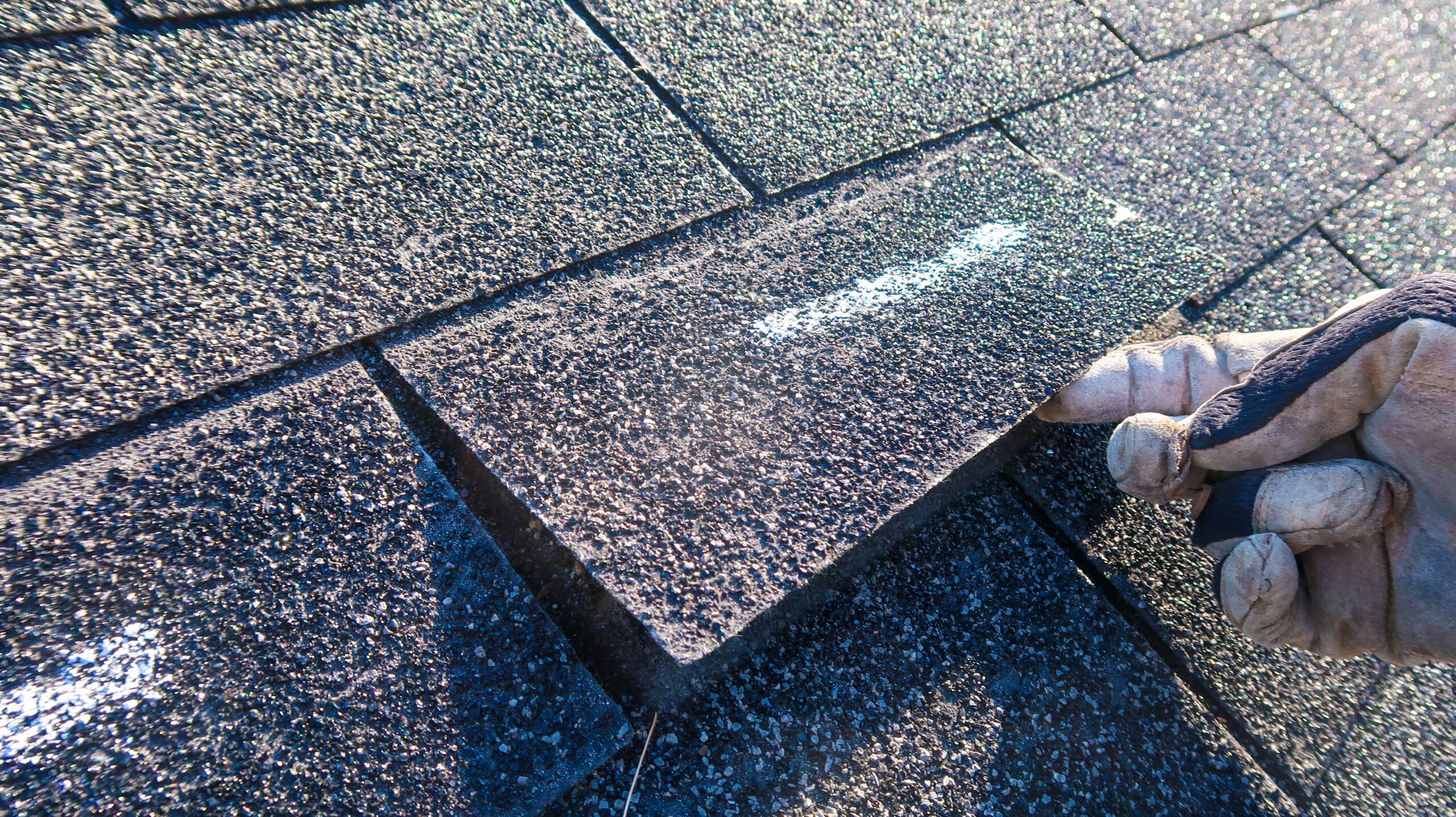
- Moisture findings, ideally from a scan or core samples, since wet insulation often decides whether a roof can be repaired, recovered or must be torn off.
- A list of repairs needed now, with a rough priority.
- An estimate of remaining service life if those repairs are made, and if they are not.
- The likely end-of-life option: recover, coating, or full replacement.
Ask for the assessment in a format you can reuse: a roof plan drawing with areas labeled, a one-page summary per roof, and photos keyed to locations. That way each later inspection updates the same document rather than starting over.
Estimating Remaining Service Life
Remaining service life is an estimate, not a date. It starts from the typical life of the system and adjusts for what the roof has actually been through. Single-ply membranes, for example, commonly last 20–30 years, but the real number for your roof depends on installation quality, membrane thickness, drainage, foot traffic, storm history and, above all, whether it has been maintained. Our article on what determines commercial roof lifespan covers those factors and the end-of-life signs in detail.
For planning, it helps to express remaining life as a range and attach a confidence level. A roof with recent moisture data and a clean maintenance history can be forecast fairly tightly. A roof with no records and visible patches should be planned with a wider range and an earlier budget date, because the downside of being wrong is an emergency replacement at the worst possible time.
Deciding When to Stop Repairing and Replace
Repairs make sense while they buy meaningful time at a reasonable cost. They stop making sense when the roof is failing faster than it can be patched. The signals that a roof is moving from the repair column to the replacement column usually include:
- Leaks returning in new places soon after repairs, rather than the same few spots.
- Repair spending rising year over year with no clear end.
- Widespread wet insulation found by scan or cores.
- Membrane that is brittle, shrinking or splitting across the field, not just at details.
- Interior damage, tenant complaints or business disruption that cost more than the repairs themselves.
Timing also matters in a less obvious way. A roof replaced while the insulation is still dry may qualify for a recover or coating rather than a full tear-off, which is usually less expensive and less disruptive. Wait until the insulation is saturated, and that option can disappear. Planning a replacement a little early, while cheaper options remain, can cost less overall than running the roof to failure.
Building the Reserve Schedule
With a condition assessment and a remaining-life estimate for each roof, you can build a simple reserve schedule. For each roof, list the area, the planned end-of-life action, the target year, and an estimated cost. For order-of-magnitude budgeting, commercial roofing typically runs $4–$12 per square foot installed, depending on system, roof size, deck condition and access. Use the assessment to decide where in that range each roof is likely to fall, and replace the budget figure with a real proposal as the target year approaches.
A few practices make the schedule more reliable:
- Budget a contingency for hidden conditions. Deck damage and wet insulation are rarely fully known until tear-off.
- Include the extras. Tapered insulation for drainage problems, new edge metal, rooftop unit curbs, crane access, permits and after-hours work all belong in the number.
- Account for cost changes. Material and labor prices move, so revisit estimates each year rather than carrying the original figure forward.
- Fund annually. Setting aside a share each year is easier to defend to owners or a board than a single large special assessment.
For HOAs and associations, the roof schedule usually feeds the reserve study. For investor-owned buildings, it feeds the annual capital budget and, often, the hold or sell decision, since a buyer's inspector will price the roof's remaining life into an offer.
CapEx vs OpEx: How Roof Spending Is Usually Classified
Roof spending generally falls into two buckets. Routine maintenance and repairs that keep the roof in working condition are usually treated as operating expenses. Replacing the roof, or a substantial part of it, is usually treated as a capital improvement that is depreciated over time. The line between a repair and an improvement is a tax and accounting question with specific rules, and it affects how the work is booked and, in some cases, how the contract should describe it.
There are also options that change the timing of a deduction. For example, Section 179 can allow some owners of nonresidential buildings to expense a qualifying roof replacement rather than depreciate it, as explained in our guide to Section 179 and commercial roofs. Whether that or any other treatment applies to your building depends on your situation. This is not tax advice: talk to your CPA before the project is contracted, not after, so the scope and invoices support the treatment you intend.
Maintenance Records Are a Planning Tool
Good records make every number in the capital plan more accurate. They also protect the value of the roof. Keep, for each roof: the original installation documents and warranty, every inspection report, every repair invoice with location and photos, and notes on storm events. This history shows a lender, buyer, insurer or warranty issuer that the roof has been cared for, and it lets you see whether repair spending is rising.
A structured commercial roof maintenance program generates most of these records automatically, because each visit produces a report against the same roof plan. Many manufacturer warranties also require documented maintenance to stay valid, which is one more reason to keep the file complete.
Planning Across a Multi-Building Portfolio
Owners with several buildings, such as an office park, a retail portfolio or a group of warehouses, benefit most from roof planning, because it lets them spread replacements across years instead of facing several at once. A portfolio approach usually looks like this:
- Assess every roof to the same standard, so conditions can be compared fairly.
- Rank roofs by condition and by risk, weighting buildings with sensitive operations or high-value contents more heavily.
- Stagger replacements so annual spending stays reasonably level, pulling a roof forward or pushing one back where its condition allows.
- Bundle work where it makes sense, such as replacing two roofs on one site in the same season to share mobilization and crane costs.
- Re-rank every year as new inspection data comes in.
When a replacement is due before funds are available, financing can bridge the gap. Our financing options page explains what is available. The goal of the plan, though, is to make borrowing a choice rather than a necessity.
Putting the Plan to Work
A roof capital plan does not need to be elaborate. One page per roof, a reserve schedule, and a habit of updating both after each inspection will put most owners well ahead of the leak-driven cycle. Review it once a year alongside the operating budget, and revisit it after any major storm.
If you want a condition assessment that fits into that kind of plan, our commercial roofing services team assesses roofs across the Midlands. Request a free commercial roof assessment to get a baseline for your building or portfolio.