
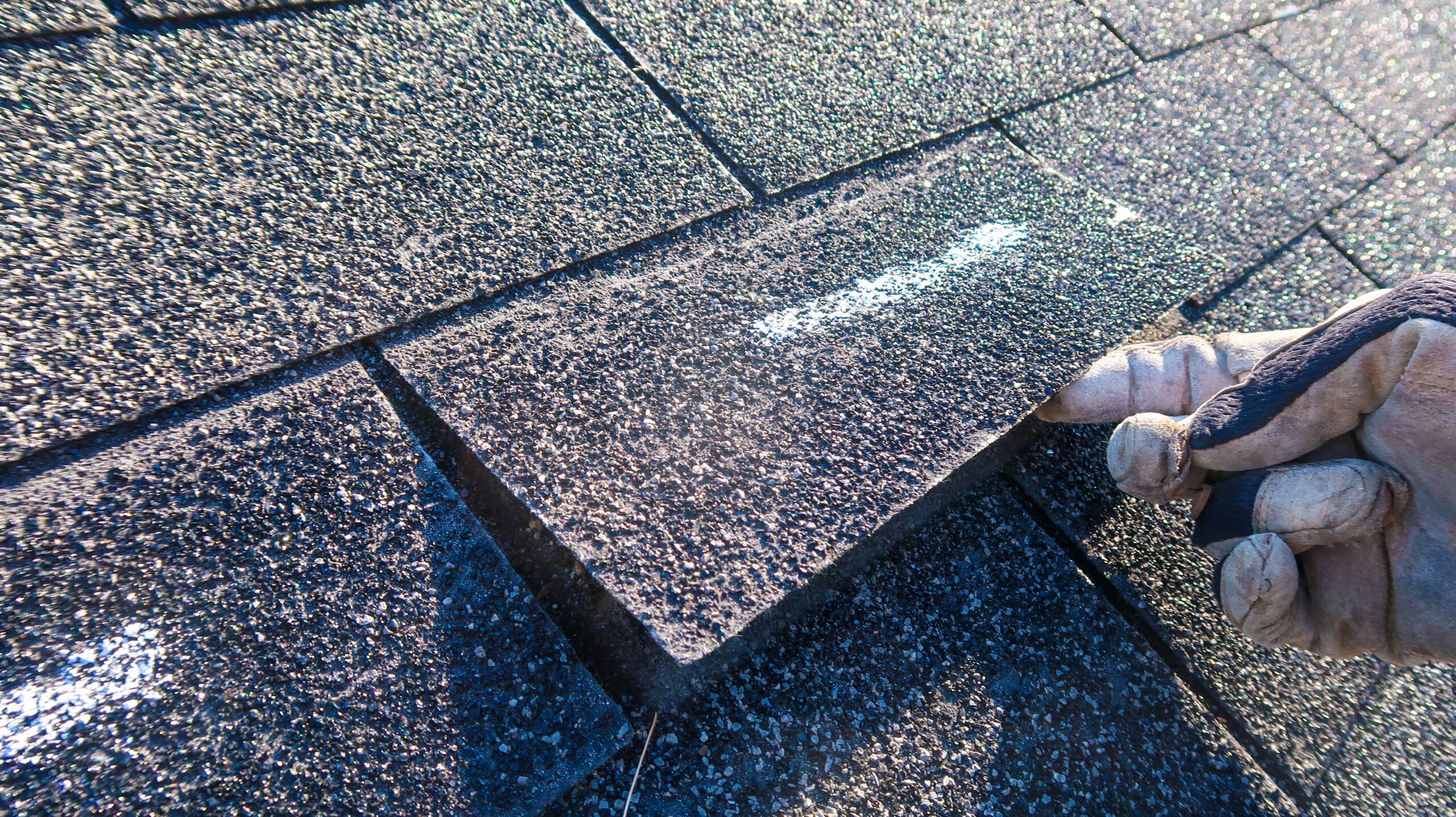
Two commercial roof proposals can quote the same membrane and the same term in years and still carry very different warranties. One may cover only the membrane material; another may cover the materials and the labor to fix a leak, with no cap on the repair cost. Who issues the warranty, what it actually pays for, and what you must do to keep it in force matter far more than the number of years printed on the cover page.
This guide explains the warranty types you will see on commercial low-slope and metal roofs, how manufacturer coverage and contractor coverage fit together, and the owner obligations that quietly decide whether a claim is honored. It is general information; the only terms that apply to your roof are the ones written in your warranty documents.
Two Issuers, Two Kinds of Promise
A commercial roof usually comes with two separate warranties from two separate parties:
- The manufacturer's warranty comes from the company that makes the membrane and, depending on the type, some or all of the other components. It covers defects in those products and, at the higher tiers, leaks caused by the installation as well.
- The contractor's workmanship warranty comes from the roofing company that installed the roof. It covers installation errors: a poorly welded seam, a flashing that was not terminated correctly, a fastener pattern that does not match the specification.
The two overlap less than owners expect. A material-only manufacturer warranty pays nothing for a workmanship error, and a contractor's workmanship warranty depends on that contractor still being in business and responsive years later. Knowing which document answers which kind of failure is the first step.
The Three Manufacturer Warranty Tiers
Material-only warranty
The narrowest coverage. If the membrane itself is defective, the manufacturer supplies replacement material, sometimes on a prorated basis that shrinks as the roof ages. Labor to tear out and reinstall is generally not included, and neither is anything caused by how the roof was installed. Material-only warranties are common on smaller jobs and on roofs installed by contractors who are not enrolled in a manufacturer's program.
System warranty
A system warranty covers a defined set of components that all come from, or are approved by, the manufacturer: membrane, insulation, cover board, fasteners, adhesives and flashing accessories. Because the whole assembly is specified together, the manufacturer takes responsibility for how those parts perform as a unit. System warranties may or may not include labor, and some carry a dollar limit, often tied to the original installed cost. Read the coverage section for both points.
NDL (no-dollar-limit) warranty
The broadest coverage manufacturers offer. An NDL warranty typically covers the cost to repair leaks caused by defective materials or by the workmanship of the approved installing contractor, with no cap on the repair cost over the warranty term. In exchange, the manufacturer usually requires:
- Installation by a contractor the manufacturer has approved for that warranty level.
- A specification that uses the manufacturer's listed components throughout.
- A manufacturer inspection at the end of the job, with any punch-list items corrected before the warranty is issued.
- A warranty fee, typically based on roof size.
- Full payment of the roofing contract before the warranty is released.
"No dollar limit" does not mean "covers everything." An NDL warranty still covers only leaks from causes it names, and it still carries every exclusion in the fine print. Higher-tier warranties may also offer enhancements, such as higher wind-speed coverage or hail coverage, usually for added cost and a stronger specification.
What the Contractor Workmanship Warranty Covers
A workmanship warranty is the installer's promise to fix problems caused by its own installation. Terms vary widely between contractors, so compare them directly rather than assuming they match. When you review one, look for:
- The term, and whether it starts at substantial completion or final payment.
- What is covered: leaks only, or also flashings, sheet metal, edge metal and penetrations the contractor installed.
- How to make a claim: who to call, in what form, and within what time after discovering a leak.
- Exclusions, which usually mirror the manufacturer's: storm damage, other trades, alterations and lack of maintenance.
On an NDL roof, many workmanship problems are also covered by the manufacturer, which is one reason owners value that tier. On a material-only roof, the workmanship warranty may be your only protection against installation defects, so its terms deserve close attention. When you are comparing proposals, our guide to comparing commercial roofing bids shows how to line up warranty type alongside scope and price.
Maintenance and Inspection Requirements
Nearly every commercial roof warranty makes the owner responsible for reasonable maintenance, and many spell out specific duties. Common requirements include:
- Keeping drains, scuppers and gutters clear so water does not pond.
- Removing debris and preventing vegetation growth on the membrane.
- Periodic inspections, often after major storms as well as on a regular schedule.
- Keeping written records and photos of inspections and repairs.
- Notifying the manufacturer or contractor of a leak in writing within the window the warranty states.
- Using an approved contractor for repairs during the warranty term.
The records are the part owners most often neglect. If a claim is disputed, a dated file of inspection reports and maintenance invoices is how you show the roof was cared for. A commercial roof maintenance program produces that file as a matter of routine.
What Commonly Voids or Limits Coverage
Warranties are rarely "voided" in one dramatic moment. More often, a specific leak is denied because its cause falls outside coverage. The usual culprits:
- Unauthorized penetrations and alterations. An HVAC, plumbing, sign or solar contractor cuts a new opening and flashes it themselves. Most warranties require that work on the membrane be done or approved by an authorized roofer. Rooftop solar is a frequent source of this problem; see our article on rooftop solar penetrations and leaks.
- Damage by other trades or rooftop traffic, such as dropped tools, dragged equipment and punctures from service visits.
- Weather beyond stated limits. Wind above the warranted speed, hail, and named storms are commonly excluded unless the warranty was upgraded for them.
- Ponding water, which some warranties exclude or limit.
- Lack of maintenance or missing records.
- Late notice of a leak, or repairs by an unapproved contractor.
- Change of building use, such as adding a process that vents grease or chemicals onto the roof.
Storm damage deserves a special note. A warranty and an insurance policy answer different questions: the warranty covers defects in the roof, while property insurance covers sudden damage from events like wind and hail. Our guide to commercial roof insurance claims covers that second path.
Recovers, Coatings and Metal Retrofits
Warranties on work installed over an existing roof follow the same tiers, with a few extra conditions worth knowing:
- Recovers: the warranty covers the new roof system, not the old roof, deck or structure left underneath. Manufacturers usually require proof that the existing roof is suitable, which often means a moisture survey and removal of wet areas before they will issue coverage.
- Coatings: fluid-applied restoration systems can carry manufacturer warranties too, but coverage usually depends on the coating thickness specified and the condition of the surface it went over. Recoating at the end of the term may allow the warranty to be renewed.
- Metal retrofits: a new membrane or metal system over an old metal roof is warranted as a new system, but the condition of the existing panels and fasteners is still checked first.
In each case, the pre-installation inspection is part of what you are paying for, because it is what makes the warranty possible.
Transferring a Warranty When the Building Sells
Many manufacturer warranties can be transferred to a new owner, but transfer is rarely automatic. The usual process is a written request, a transfer fee, and an inspection by the manufacturer, with any required repairs completed at someone's cost before the transfer is approved. Some warranties are not transferable at all, and contractor workmanship warranties vary.
If you are buying a commercial building, ask the seller for the warranty documents, the transfer terms and the maintenance records, and build the transfer timeline into due diligence. If you are selling, a transferable warranty with clean records is a selling point worth preparing for.
Questions to Ask Before You Sign
- Who issues each warranty, and which tier is the manufacturer warranty?
- Does it cover labor as well as materials, and is there a dollar limit?
- Is the installing contractor approved by the manufacturer for this warranty level?
- What are the wind, hail and ponding-water terms?
- What maintenance and inspection duties does it impose on me, and how must I report a leak?
- Is it transferable, and on what terms?
- Can I see a sample warranty document before signing the contract?
A warranty is only as useful as your understanding of it, and it works best alongside regular inspections and good records. It is one piece of the broader picture of commercial roofing services for your property. If you would like a second set of eyes on an existing roof or the warranty terms in a proposal, Cola City Roofing offers a free commercial roof assessment; contact us to set one up.