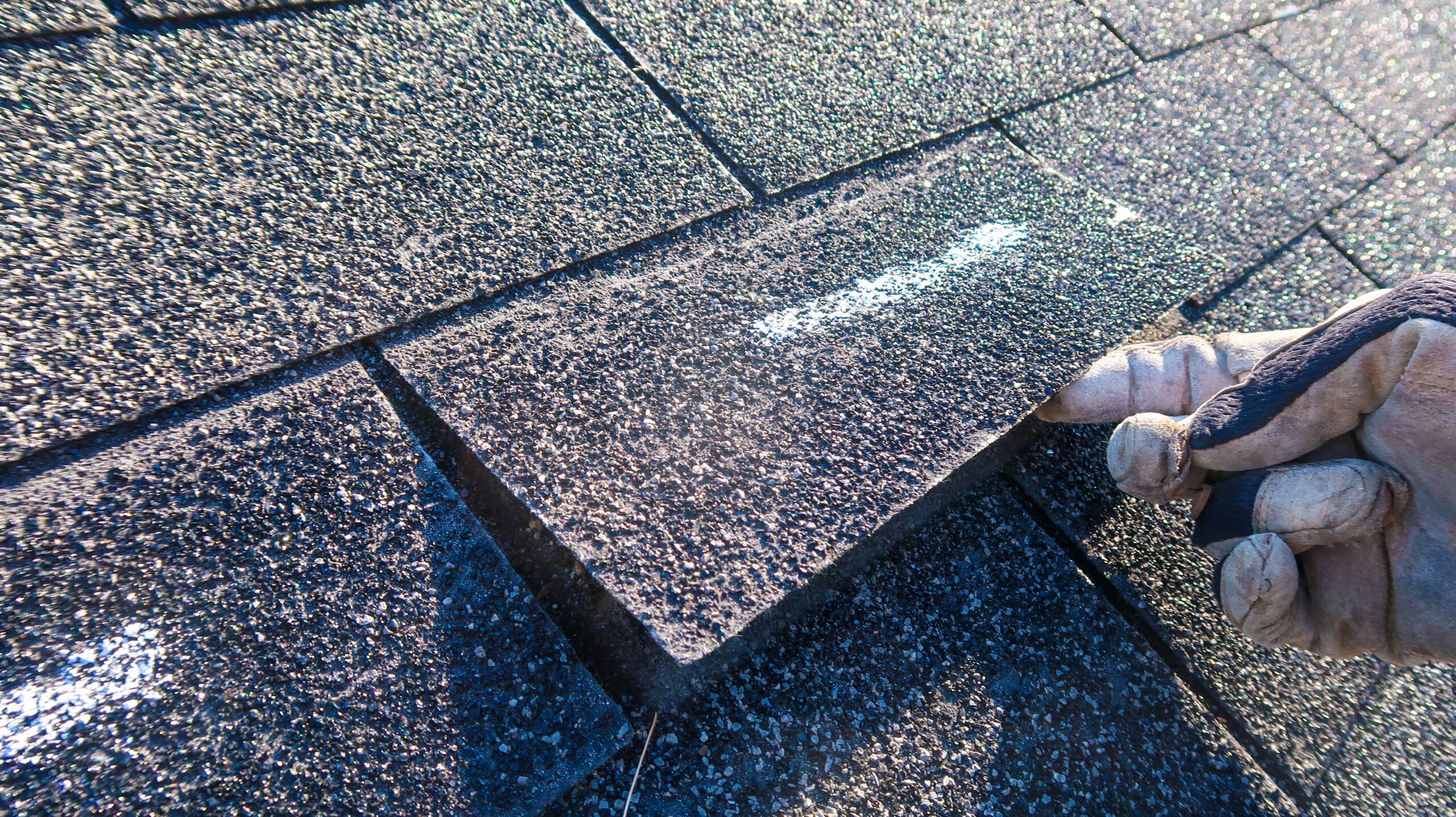

A storm-damaged roof on a business property raises questions a homeowner's claim rarely does: a deductible calculated as a percentage of the building's value, policy language about cosmetic damage, a duty to protect inventory and equipment, and whether lost income is covered while the building is out of service. Commercial property policies vary far more than homeowner policies do, so the specific answers live in your policy. What follows is how these claims generally work, what you should document, and the questions to put to your agent before and after a storm.
One ground rule first: no roofer can tell you what your insurer will decide. A contractor can inspect, document and scope the damage. Coverage decisions belong to the carrier, under the terms of your policy.
Step One: Read the Policy Before You Need It
The worst time to learn what a commercial property policy says is the morning after a hailstorm. Pull the declarations page and the property coverage form now and look for:
- The valuation basis for the building: replacement cost or actual cash value, and whether the roof is treated differently from the rest of the structure.
- The deductibles, including any separate wind, hail or named-storm deductible.
- Roof-specific endorsements or exclusions, such as cosmetic damage exclusions or roof surface payment schedules.
- Ordinance or law coverage, which addresses the added cost of bringing a damaged roof up to current code.
- Business income and extra expense coverage, and its waiting period.
- Notice requirements: how and how quickly a loss must be reported.
If any of it is unclear, ask your agent to walk you through it in writing. That conversation costs nothing and prevents most claim-day surprises.
ACV vs RCV: How the Roof Is Valued
Most commercial roof claims turn on two valuation terms:
- Replacement cost value (RCV) is what it costs today to repair or replace the damaged roof with materials of like kind and quality.
- Actual cash value (ACV) is replacement cost minus depreciation for age and wear. On an older roof, depreciation can be a large share of the total.
Many replacement-cost policies first pay the ACV amount, then release the withheld depreciation after the work is completed and documented, often within a set period. Some policies value roofs at ACV only, or apply a schedule that reduces payment as the roof ages. Because the difference between the two can be large on a commercial roof, it is worth knowing which applies before a storm, not after.
Wind and Hail Deductibles
Commercial policies, especially in hurricane-exposed states like South Carolina, often carry a separate wind or hail deductible. Instead of a flat dollar amount, it is often calculated as a percentage of the building's insured value, so on a large building it can be substantial. Some policies also have a named-storm or hurricane deductible that applies only when the damage comes from a storm the weather service has named.
The deductible is the owner's responsibility. In South Carolina it is illegal for a contractor to offer to waive, rebate or absorb it, and an offer like that is a red flag about the contractor rather than a favor. Budget for the deductible as part of your storm plan; if the out-of-pocket amount is a concern, financing options are one way to manage it.
Cosmetic Damage Exclusions on Metal Roofs
Hail often dents metal panels without puncturing them or opening seams. Many commercial policies now include a cosmetic damage exclusion or endorsement that removes coverage for dents and marks that change the roof's appearance but not its ability to keep water out. Under that language, a visibly dented metal roof may not be covered unless the damage affects water-shedding, such as cracked coatings, punctures, displaced fasteners or opened laps.
If you own a metal building, find out whether your policy has this language and how it defines "functional" damage. It changes what documentation matters: close-up photos of fasteners, seams and coating cracks become more important than wide shots of dents. For the ways metal roofs fail on their own, our article on why metal building roofs leak is a useful reference.
Documenting the Loss and Protecting the Building
Good documentation is the single thing an owner controls most in a claim. Start on the day of the storm and keep everything in one file:
- The date and time of the storm, plus local weather reports or alerts if available.
- Dated photos and video of the roof (from a safe vantage point), the building exterior, and every interior leak, stain and damaged item.
- A written log of when leaks appeared, where, and what was done about them.
- Receipts for emergency work, tarps, water extraction and equipment rental.
- Pre-storm evidence of the roof's condition: past inspection reports, maintenance records and repair invoices.
- A professional roof inspection report with photos of storm-related damage, separated from pre-existing wear.
The pre-storm records matter more than owners expect. Insurers distinguish sudden storm damage from long-term deterioration, and a history of regular commercial roof inspections is the clearest way to show what the roof looked like before the event.
Your duty to prevent further damage
Most property policies require the owner to take reasonable steps to protect the building from further damage after a loss. In practice that means temporary measures: tarping or patching openings, clearing clogged drains, moving inventory and equipment out of the way of leaks, and extracting water. Damage that results from failing to mitigate may not be covered.
Keep temporary repairs temporary, photograph conditions before and after, and keep every receipt. Ask your insurer before making permanent repairs, since the adjuster will usually want to see the damage first. When water is actively coming in, emergency roof repair for temporary protection is the first call to make.
Business Interruption and Code Upgrades
Business income coverage
If a roof failure forces you to close or reduce operations, business income (business interruption) coverage may apply, but typically only if you bought it and only after direct physical damage from a covered cause. These coverages usually have a waiting period before lost income counts, and they require records of revenue and expenses. Extra expense coverage may apply to costs of staying open, such as temporary space. Ask your agent what triggers coverage and what records you would need.
Ordinance or law coverage
Re-roofing generally requires a permit from the local building office, such as the City of Columbia, Richland County or Lexington County, and the new work must meet current code. That can mean added insulation, upgraded edge metal or other changes the original roof did not have. Standard policies may not pay for code-driven upgrades unless the policy includes ordinance or law coverage, so check for it.
Why Commercial Roof Claims Get Disputed
Most disagreements come down to a handful of recurring issues. Knowing them in advance tells you what your documentation needs to answer:
- Wear and tear vs storm damage. Aged membranes, open seams and failing flashings are maintenance issues, not storm losses. The adjuster will look for evidence that damage is new.
- Pre-existing leaks. If interior stains or wet insulation predate the storm, the insurer may decline that part of the claim.
- Late reporting. Delays make it harder to tie damage to a specific event and may conflict with notice requirements.
- Scope disagreements. The adjuster may approve spot repairs where your contractor believes the damage calls for broader replacement, for example where repairs are impractical on a brittle or saturated roof. A moisture survey and core cuts give that argument a factual basis.
- Matching and code questions. Whether a repair must match surrounding materials, and whether code upgrades are covered, depend on policy wording.
None of these are resolved by persuasion alone. Dated photos, inspection history and a clear, itemized scope do most of the work.
Adjusters, Inspections and Timelines
After you report the loss, the insurer assigns an adjuster, who may bring in an engineer or roofing consultant on larger commercial losses. It is reasonable to have your own roofing contractor present at the inspection to point out damage and answer technical questions. If you disagree with the result, many policies include an appraisal clause, and you can ask the carrier for a re-inspection with additional documentation.
Some owners hire a public adjuster, a professional licensed by the South Carolina Department of Insurance who represents the policyholder in the claim for a fee. Whether that makes sense depends on the size and complexity of the loss; it is a choice to weigh, not a requirement.
On timing, policies generally require prompt notice of a loss and may set deadlines for filing proof of loss and completing repairs to recover withheld depreciation. Report as soon as practical, even if you are still assessing the damage.
If your building has taken a hit, our storm damage repair team can inspect and document the roof, and our commercial roofing services cover the repair or replacement that follows. To start with a free commercial roof assessment, contact us.