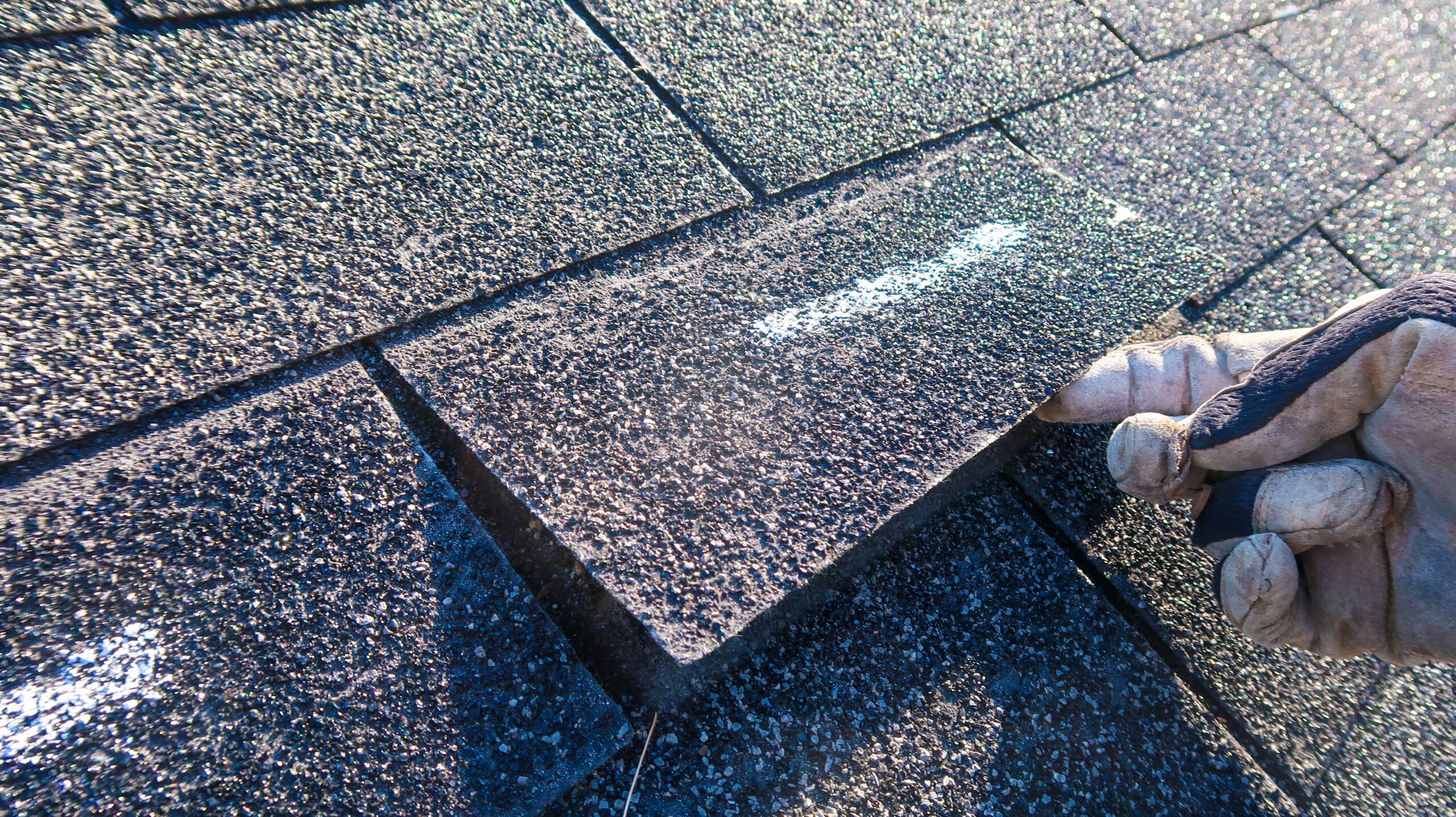

Modified bitumen and built-up roofing are the two asphalt-based families of low-slope roofs. Both build waterproofing out of layers rather than a single sheet, both have been on Midlands warehouses, schools, churches and strip centers for decades, and both still get specified today. They are often lumped together as "tar roofs," but they are built differently, installed differently and suit different buildings. This guide explains how each one goes together, how the installation method affects your building and occupants, and where an asphalt system still makes more sense than TPO, EPDM or PVC.
How a Built-Up Roof Is Constructed
A built-up roof (BUR) is assembled on the roof itself, one layer at a time. The crew alternates layers of bitumen with reinforcing felts, usually fiberglass ply sheets on modern work, until the system has several plies. Each ply is fully embedded in bitumen, so the finished membrane is a laminated sandwich rather than a single sheet. The number of plies is part of the specification, and more plies generally means more redundancy.
The top of a BUR needs protection from sunlight, because exposed asphalt dries out and cracks under UV. That surfacing is usually one of three things:
- Aggregate (gravel) embedded in a flood coat. The classic "tar and gravel" roof. The gravel shields the bitumen, resists foot traffic and adds weight that helps hold the assembly down, but it also hides the membrane and makes leaks harder to trace.
- A granulated cap sheet. A mineral-surfaced top ply that looks like a modified bitumen roof and is easier to inspect than gravel.
- A reflective coating. Applied over a smooth-surfaced BUR to protect it and lower surface temperature.
Hot-applied vs cold-applied BUR
Traditional BUR is hot-mopped: asphalt is heated in a kettle on the ground or the roof and mopped between the plies while it is still molten. That produces a strong, continuous bond, but it also brings kettle fumes, odor and burn hazards to the job site. Cold-applied BUR uses solvent-based or water-based adhesives instead of molten asphalt. It avoids the kettle, which matters on occupied buildings and tight sites, but the adhesive needs time and suitable weather to cure, so it is more sensitive to cool, damp days.
How a Modified Bitumen Roof Is Constructed
Modified bitumen takes the asphalt chemistry and moves most of the work into a factory. Asphalt is blended with polymers that make it more flexible or more heat-tolerant, then formed into rolls around a reinforcing mat of polyester, fiberglass or both. On the roof, the crew installs a base sheet and then a cap sheet, usually with a granulated surface, so the typical system is two plies rather than the several plies of a BUR.
There are two main polymer types, and you will see them named on proposals:
- SBS (styrene-butadiene-styrene) is a rubber-like modifier. SBS sheets stay flexible in cold weather and handle building movement well. They can be torched, mopped in hot asphalt, set in cold adhesive or manufactured as self-adhered sheets.
- APP (atactic polypropylene) is a plastic-like modifier. APP sheets are stiffer and tolerate heat well, and they are designed mainly for torch application.
The four ways mod-bit gets installed
- Torch-applied: the installer heats the back of the roll with a propane torch until the bitumen flows, then rolls it into place. Fast and strong, but it is open-flame work on a roof, which brings real fire risk around wood decks, insulation edges and parapets. A reputable crew follows a hot-work plan and keeps a fire watch after torching stops.
- Hot-mopped: sheets are set in molten asphalt, the same way BUR plies are. Same bond, same kettle fumes.
- Cold-applied: sheets are set in adhesive. No flame and no kettle, at the cost of cure time.
- Self-adhered: peel-and-stick sheets with a factory adhesive. No flame and little odor, but the deck or substrate must be clean, dry and within the manufacturer's temperature range for the adhesive to grab.
Many roofs combine methods, for example a self-adhered base sheet with a torched or cold-applied cap, or hybrid systems that use BUR base plies under a modified bitumen cap sheet.
Side by Side: How the Two Systems Compare
Because both are asphalt, they share strengths: multiple plies of redundancy, good puncture resistance and a surface that tolerates foot traffic. The differences show up in installation, weight and repair.
- Redundancy: A multi-ply BUR has more layers between the weather and the deck. A two-ply mod-bit system has fewer layers but thicker, reinforced sheets.
- Weight: A gravel-surfaced BUR is one of the heaviest low-slope systems. Before adding one, or recovering over one, a structural engineer or the original building drawings should confirm the framing can carry it.
- Crew skill and quality control: BUR quality depends heavily on field conditions, asphalt temperature and the crew. Mod-bit sheets are factory-made, so thickness and reinforcement are more consistent, although seams and flashings still depend on workmanship.
- Repairs: Both accept asphalt-compatible repairs and patches. Gravel-surfaced BUR has to be scraped clear before a repair, which adds labor and makes leak tracing slower.
- Lifespan: With maintenance, both systems commonly last 20 years or more. Ponding water, poor drainage and neglected flashings shorten that for either one.
What Aging Looks Like on Each System
Knowing how each system wears out helps you read an inspection report and decide whether you are looking at a repair or the end of the roof's life.
- BUR: gravel washes or blows away and leaves bare, sun-exposed bitumen; the surface "alligators" into a pattern of fine cracks; blisters form where moisture or air is trapped between plies; and felts split where the building moves.
- Modified bitumen: granules wear off the cap sheet and expose the asphalt underneath; laps and seams open up, especially at the end of each roll; and the sheet shrinks or pulls back at walls and curbs.
- Both: flashings at walls, curbs and penetrations dry out and crack before the field of the roof does, and water that sits in low areas speeds up every kind of wear.
Small blisters and isolated open laps are usually repairable. Widespread cracking, wet insulation found in a moisture survey or repeated leaks in different areas are signs the roof is near the end of its service life.
Installation Method and Your Occupants
For many property managers, the deciding factor is not the membrane but what happens inside the building while it goes on. Hot asphalt and torch work produce odors that can be drawn into rooftop air intakes, and open flame changes how a building's insurer and fire safety plan view the project. Cold-applied and self-adhered systems cut odor and remove the flame, which is why they are often chosen for medical offices, schools, restaurants and any building that cannot close during the work. If your building will stay open, our guide to re-roofing an occupied building covers intake shutdowns, staging and tenant notices in detail.
Weather matters too. Adhesives and self-adhered sheets need dry substrates and suitable temperatures, and Midlands summers bring afternoon storms that can stop work mid-day. Whatever the method, ask how the crew will make each day's work watertight before they leave.
Where Asphalt Systems Still Beat Single-Ply
TPO, EPDM and PVC dominate new low-slope work for good reasons, which we compare in our guide to TPO, EPDM and PVC. But modified bitumen and BUR still fit some buildings better:
- Roofs with heavy foot traffic. Buildings with lots of rooftop HVAC, frequent service visits or mechanical yards benefit from a thick, granulated or gravel surface that resists punctures from dropped tools and boots.
- Small or cut-up roofs. Roofs with many penetrations, curbs and small sections can be easier to detail with flexible asphalt sheets.
- Recovering or repairing existing asphalt roofs. Asphalt is compatible with asphalt. Some single-ply membranes, notably PVC, need a separator layer over old asphalt, while mod-bit can often be applied directly to a properly prepared existing asphalt roof (when a recover is allowed at all; see our reroof vs recover guide).
- Owners who want multi-ply redundancy. Some owners simply prefer a system where one damaged layer does not mean a leak.
Single-ply usually wins where weight, cost per square foot on large, simple roofs, or a highly reflective white surface are the priorities. A white single-ply sheet reflects more heat than a standard granulated cap, although reflective cap sheets and roof coatings can close much of that gap on an asphalt roof.
Questions to Ask Before You Choose
- How many plies, and which reinforcement and polymer type, does the proposal specify?
- Which application method will be used on my building, and why that method?
- If torching is proposed, what is the hot-work and fire-watch plan, and does my property insurer have any requirements?
- What surfacing is proposed, and how will it affect heat gain and future leak tracing?
- Has anyone checked the structure for the added weight?
- What warranty comes with the system, and what maintenance does it require? Our explainer on how commercial roof warranties work breaks down the types.
Every system is ultimately only as good as its flashings, drains and edge details, and the right choice depends on your deck, structure, budget and how the building is used. That decision usually sits inside a broader plan for commercial roofing services across your property. If you are weighing an asphalt system against single-ply, Cola City Roofing can walk your roof and give you a free commercial roof assessment; contact us to schedule one.